
Thunder Helm – Mask inspired by Zelda BOTW
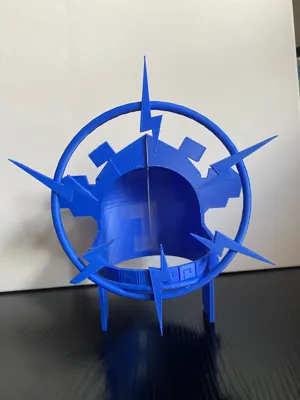
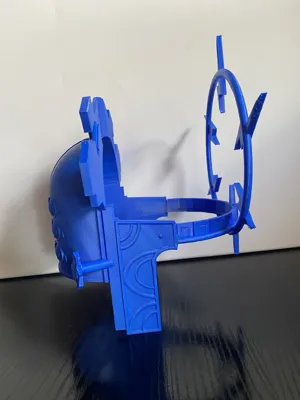
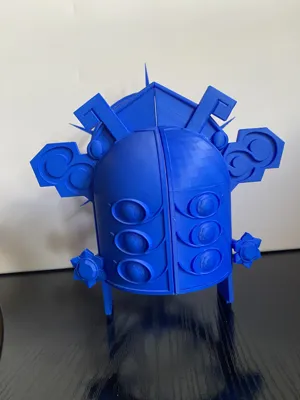
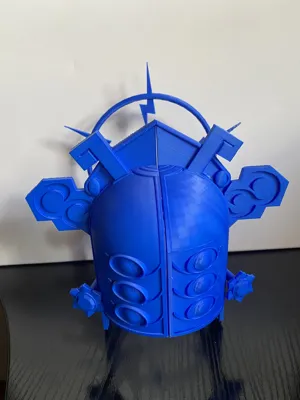
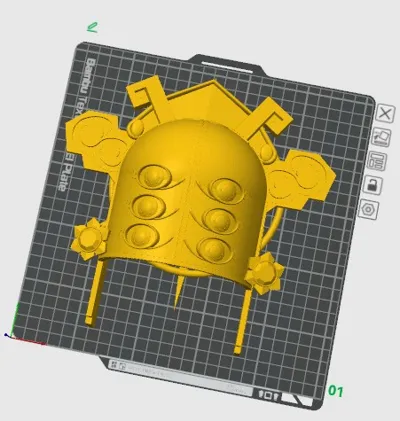
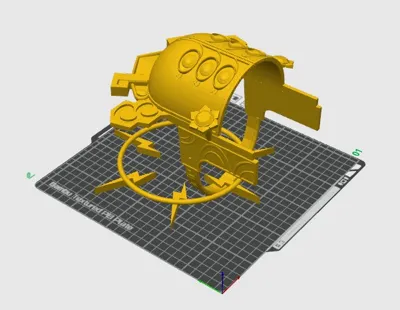
Print Profile(4)
Description
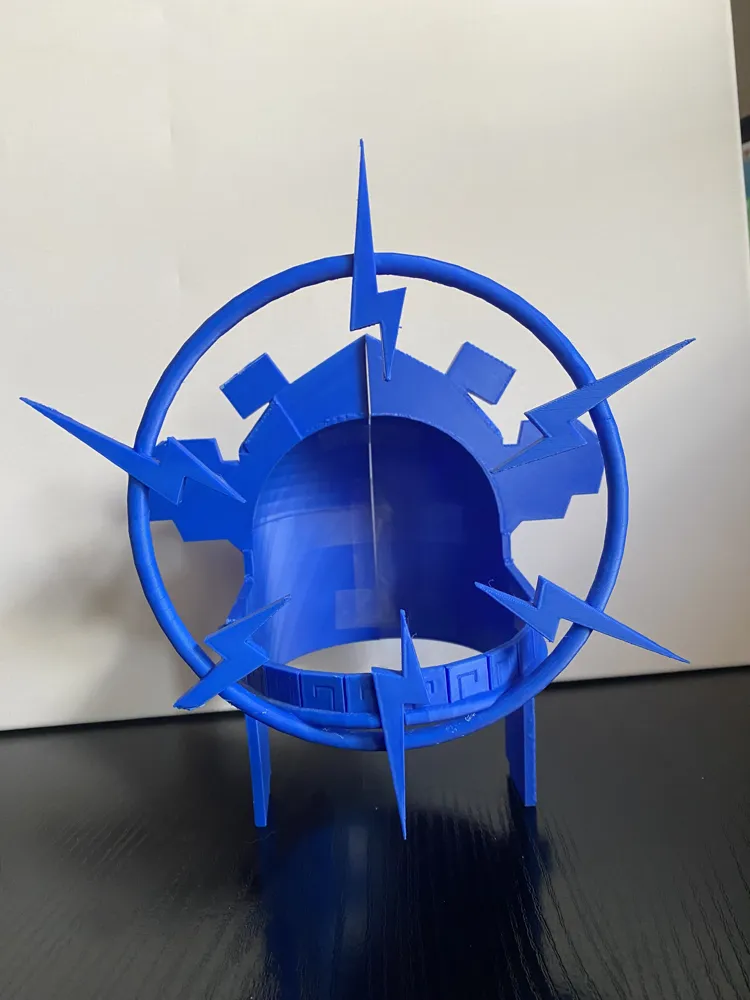
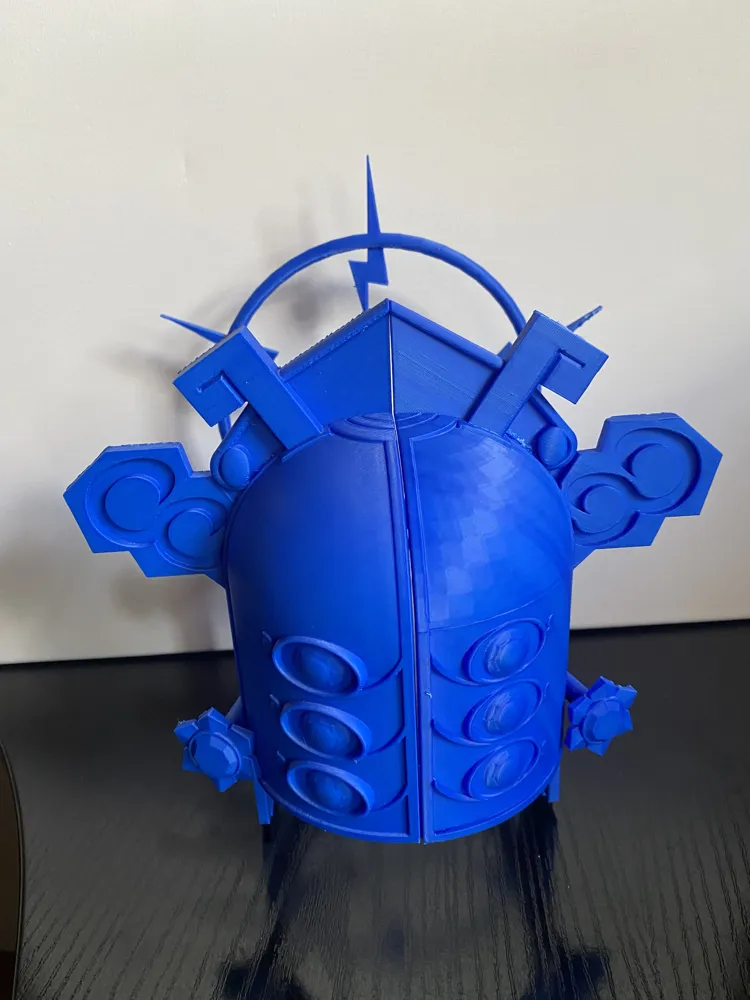
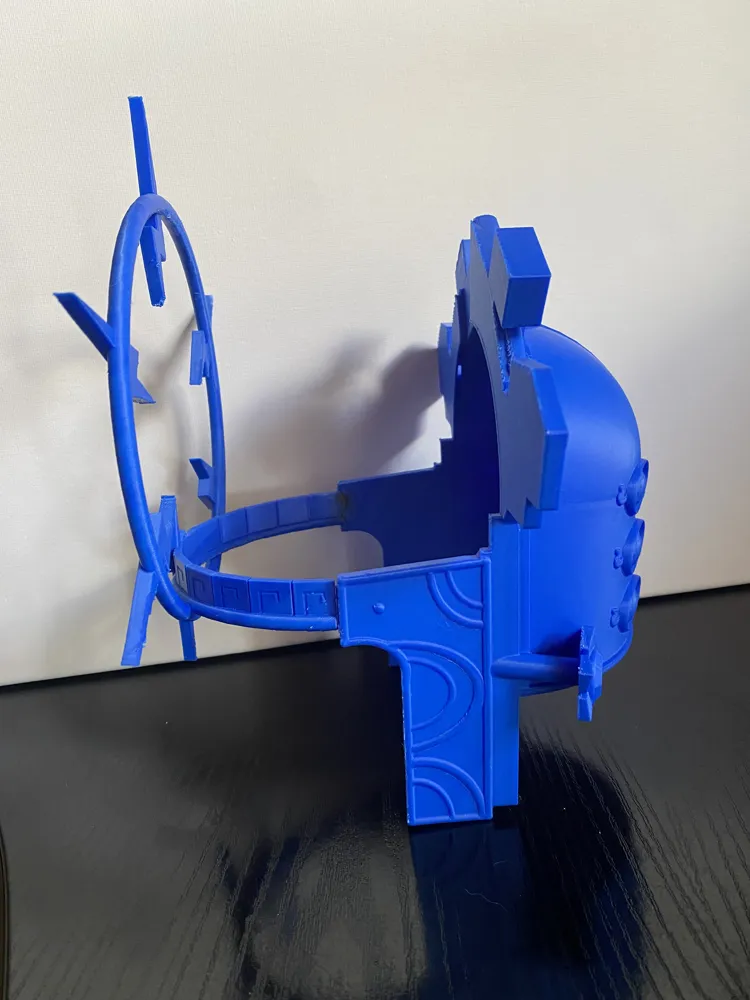
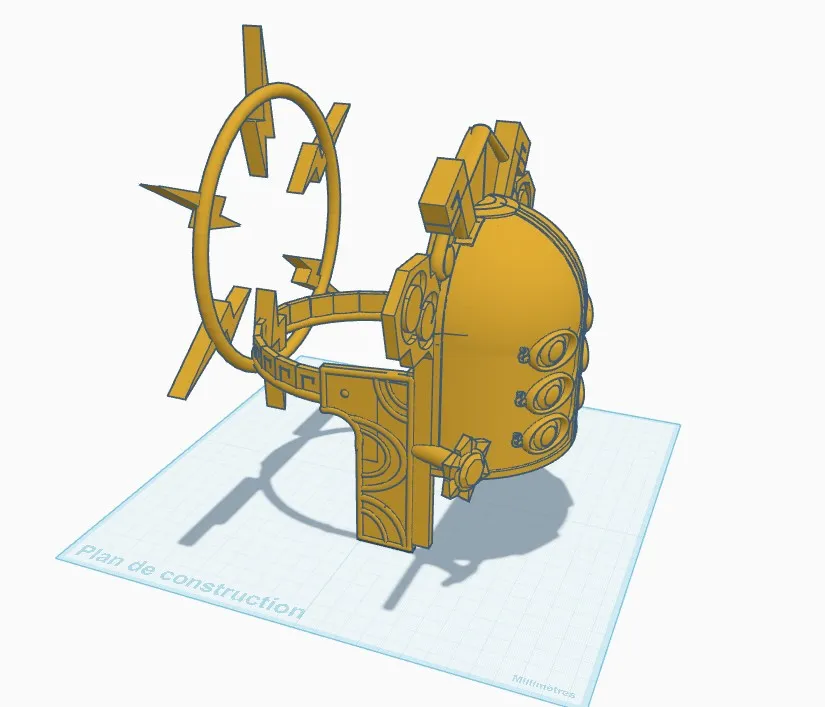
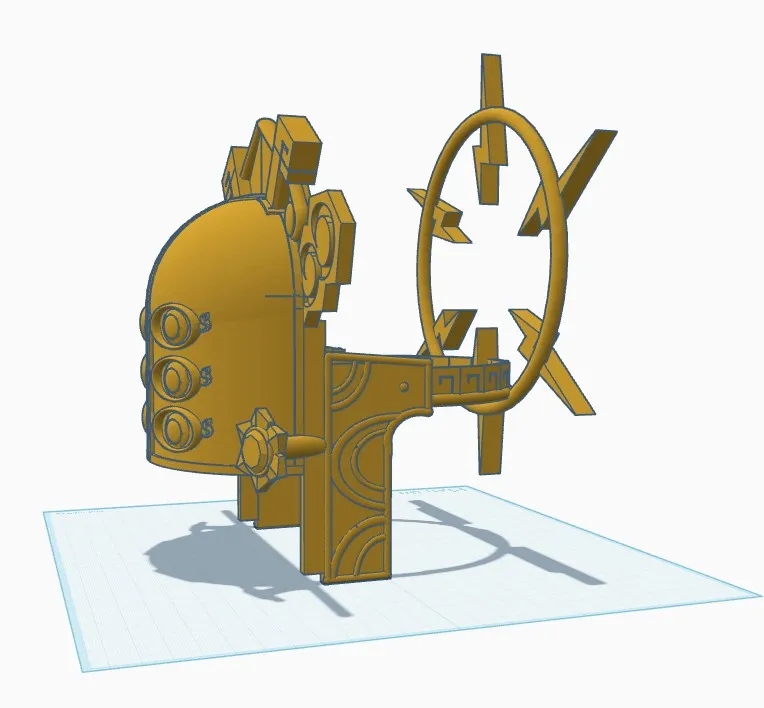
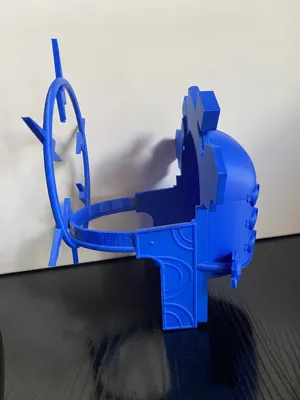
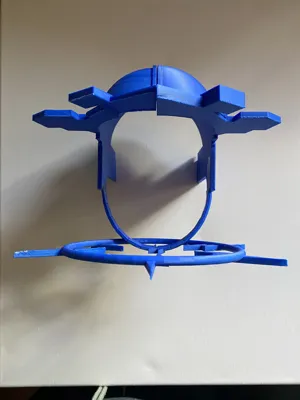
3D recreation of the Thunder Helm from Zelda Breath of the Wild, designed on Tinkercad as a first major modeling challenge. Model optimized for 3D printing, available in a single-piece or modular version with a dowel or magnet assembly system.
Project inception and design:
This project is a 3D reproduction of the Thunder Helm, an iconic helmet inspired by The Legend of Zelda: Breath of the Wild. This model was entirely designed on Tinkercad as part of a personal challenge and represents my first large-scale 3D modeling project
The goal was to faithfully recreate this iconic helmet while designing a functional model, optimized for 3D printing and adaptable to various uses, including cosplay and decorative display
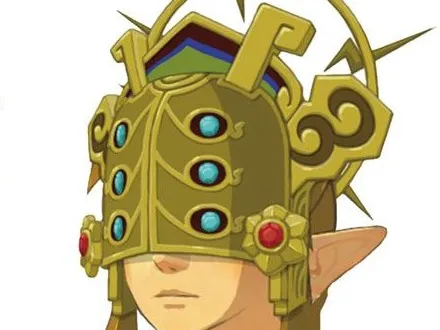
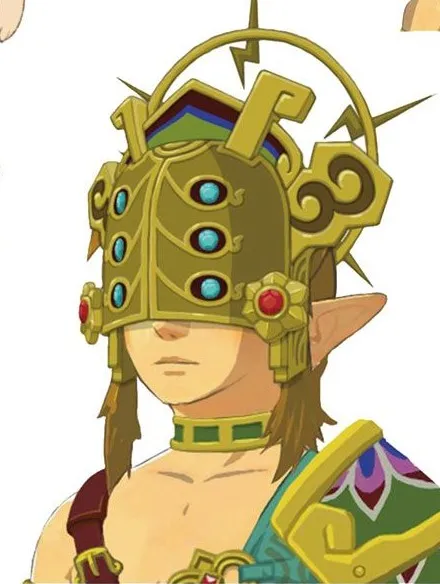
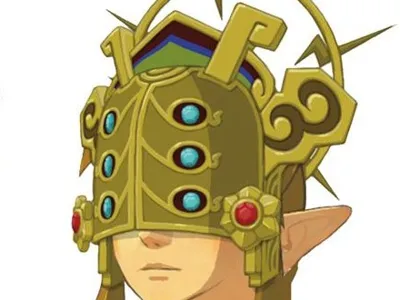
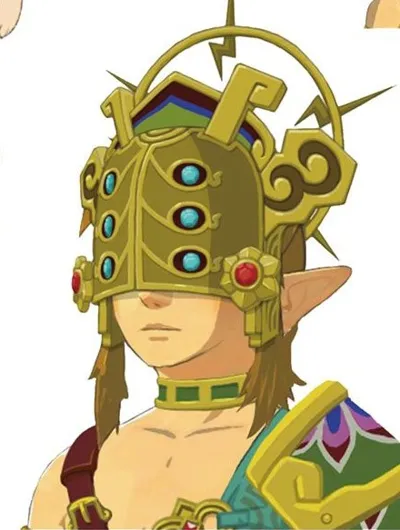
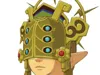
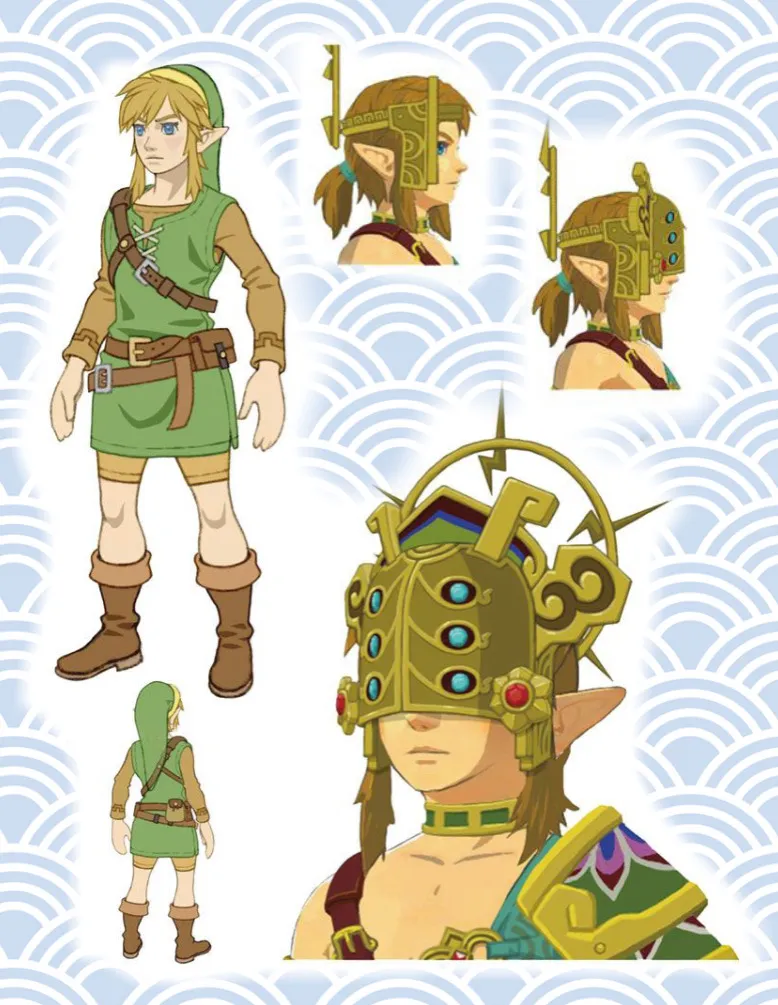
For this project, I drew inspiration from photos as well as the work of an artist whose name I unfortunately don't know, attached here:
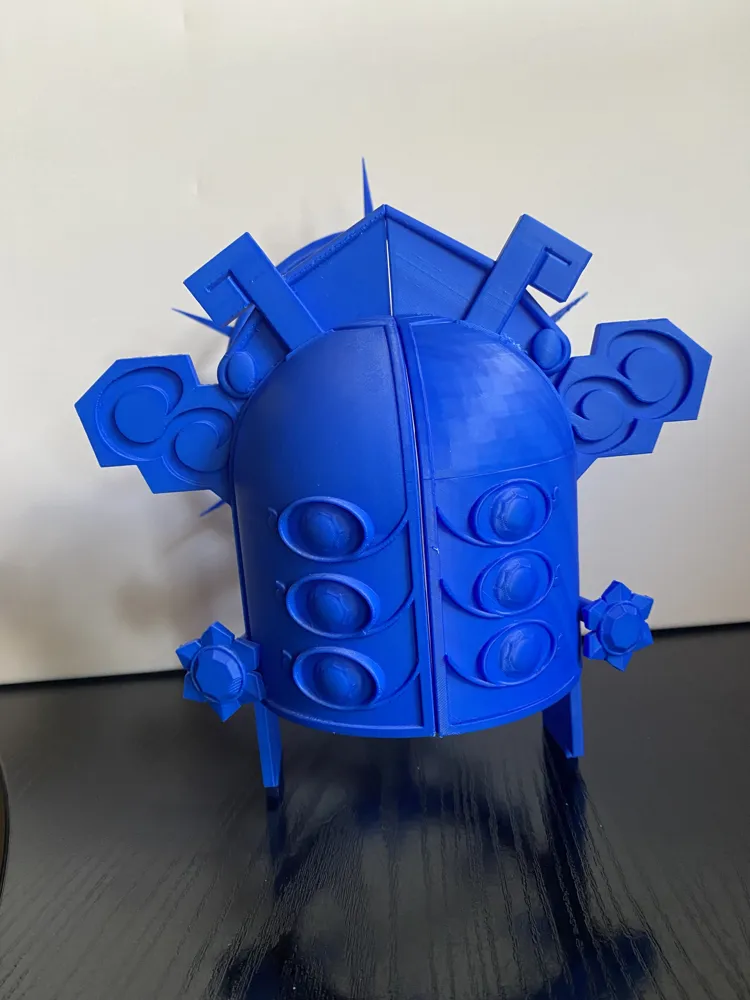
Particular attention was paid to reproducing the distinctive elements of the Thunder Helm:
- The characteristic side horns
- The general structure faithful to the original
- The front reliefs and details
- The balance of proportions for a visually coherent rendering
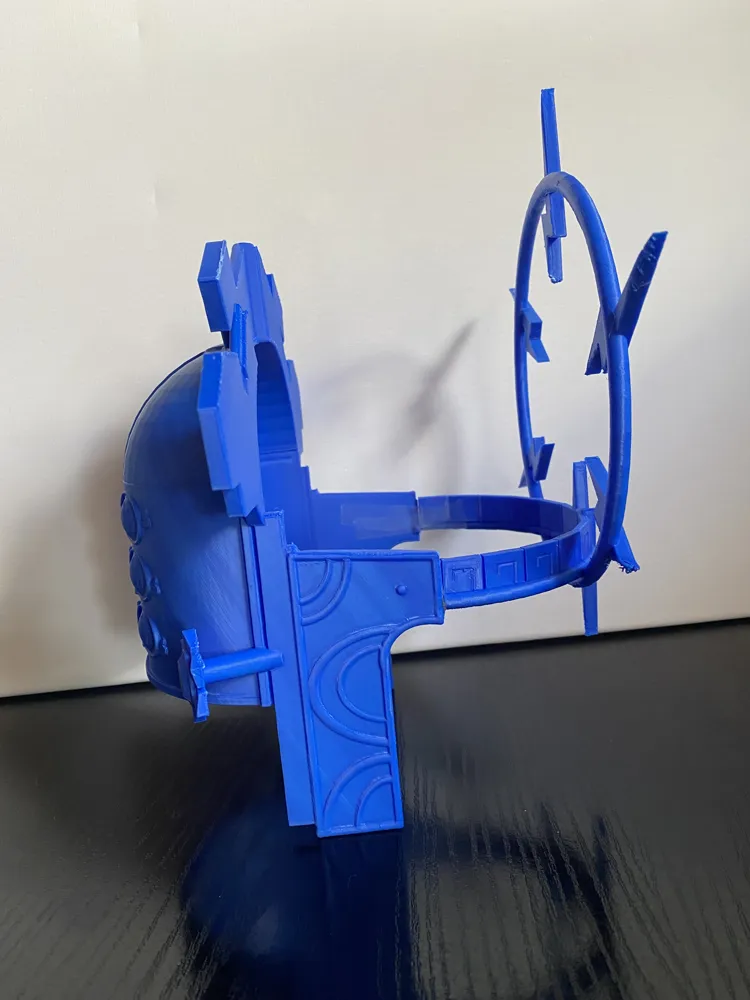
The model was designed with a manufacturing-oriented approach and is offered in two versions to adapt to different printing constraints:
Single-piece version:
- Designed for simple and direct printing
- Ideal for decorative use or single-piece printing
Modular version:
- Cut into several parts to facilitate printing on limited volume printers or scaling for your head size
- Integrates a precise assembly system with dedicated cavities
These cavities allow for two assembly methods:
- Use of 7 printable dowels included in the model
Use 14 magnets of 3 mm diameter and 3 mm height for a clean, precise, and detachable assembly. If printed in the initial format without enlargement.
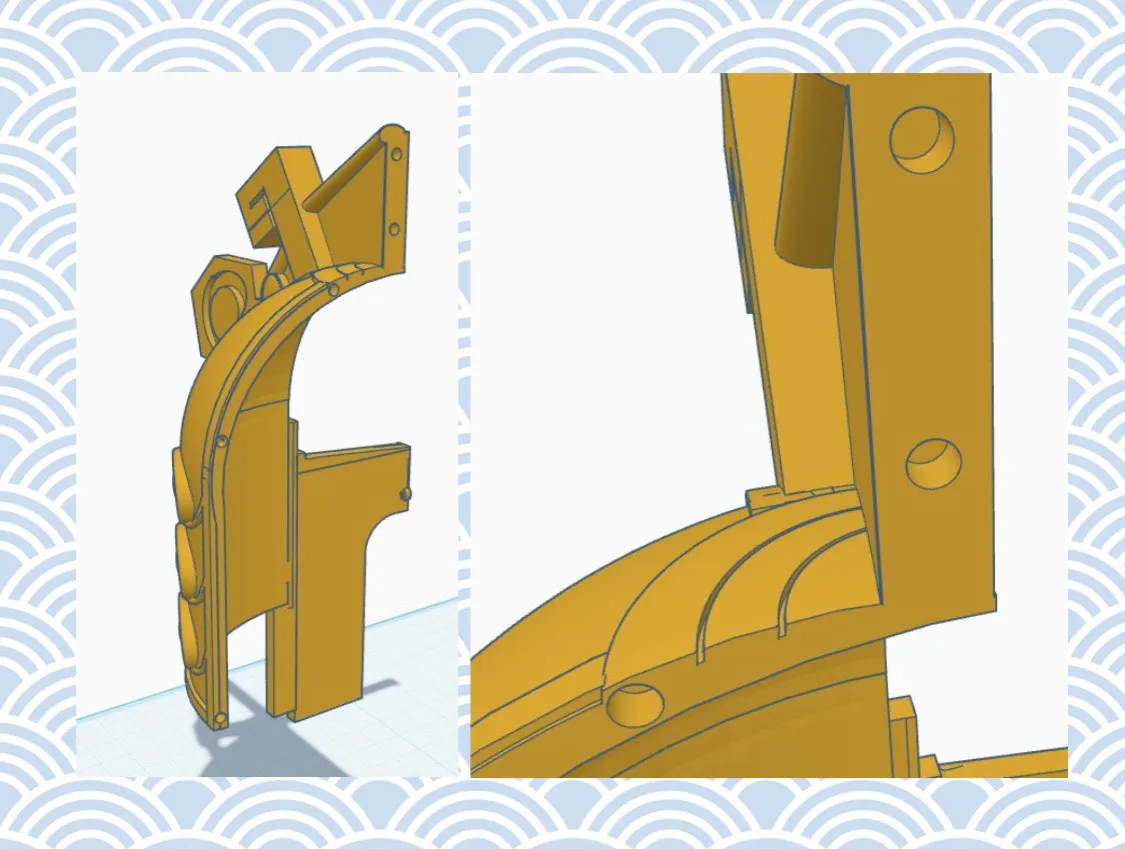
This approach allows for great flexibility, facilitates transport, and improves the model's maintainability
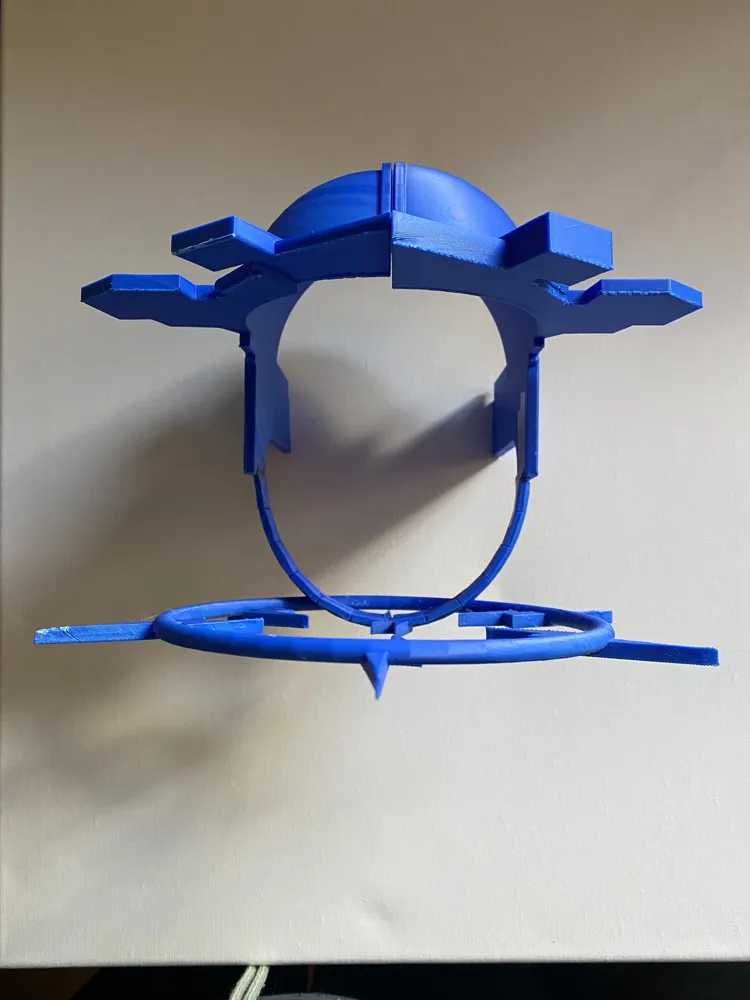
The helmet is designed to rest on the wearer's head and ears, respecting the original design, and can be resized to perfectly fit the user
This project was completed over three days and represents a major step in my learning. As a beginner, this challenge allowed me to develop and demonstrate several key skills:
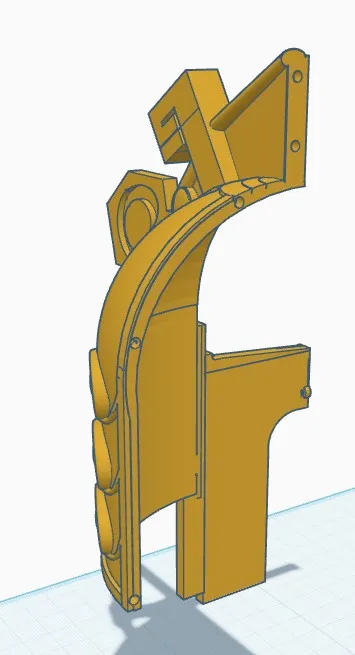
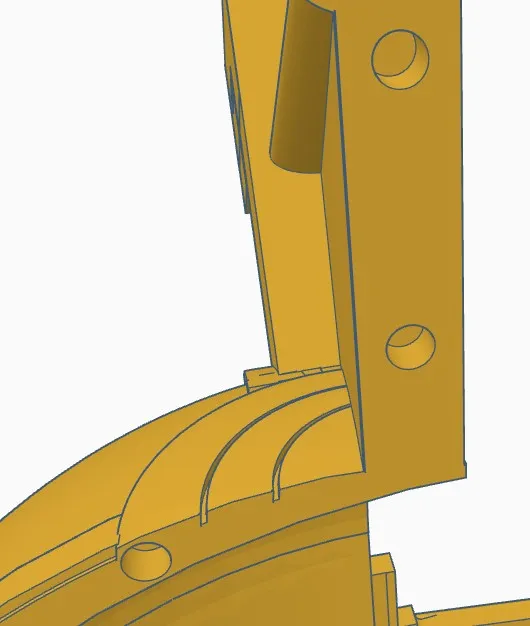
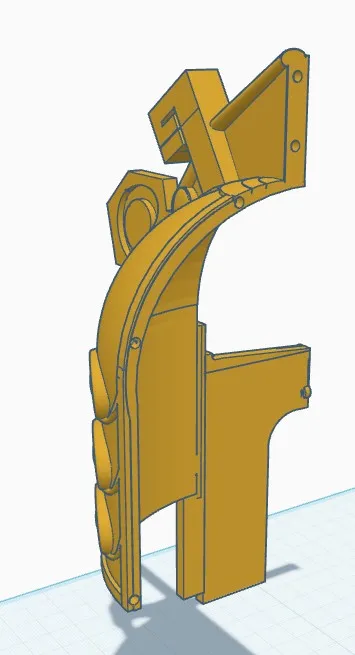
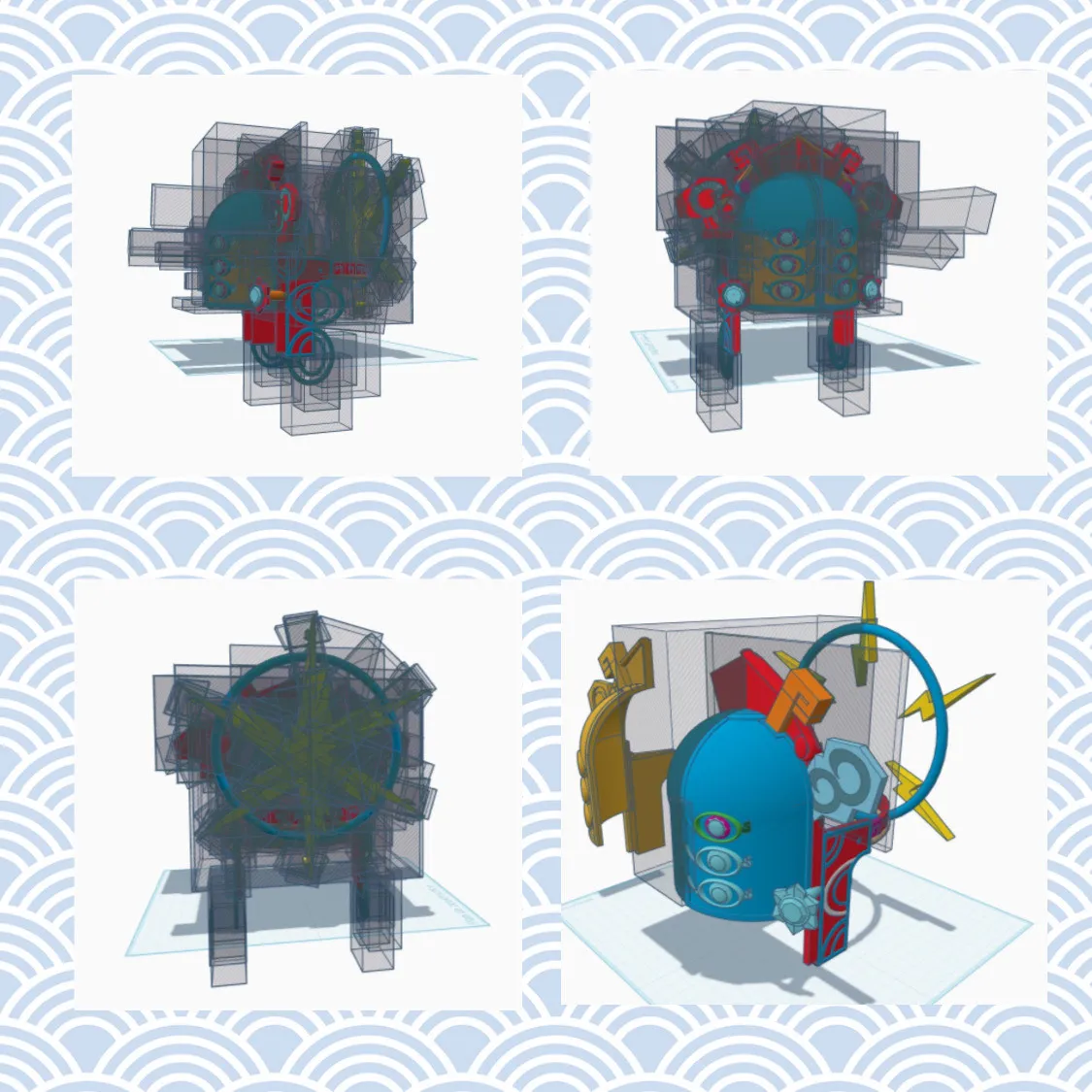
- Design of a complex object from primitive shapes (see photos below)
- Mastery of symmetry and proportions
- Modular design and assembly-oriented thinking
- Anticipation of 3D printing constraints
- Technical problem solving and adaptation
This project illustrates my ability to transform a virtual reference into a functional and printable physical object. It also demonstrates my rapid progress in 3D modeling and my motivation to learn and take on technical challenges
This model is suitable for:
- Cosplay
- Display (as the mask is balanced and stands on its own without support)
- Decoration
- 3D printing
- Collection
This Thunder Helm represents not only a tribute to an iconic video game object but also a successful exploration of my 3D design capabilities, marking the beginning of more ambitious projects to come.
Project evolution:
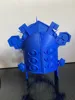
This image shows the evolution of the model, from the first version (V1), visible on the right, to the final version, on the left. Thanks to an iterative design process and several test prints, I was able to improve precision, smooth surfaces, and refine proportions
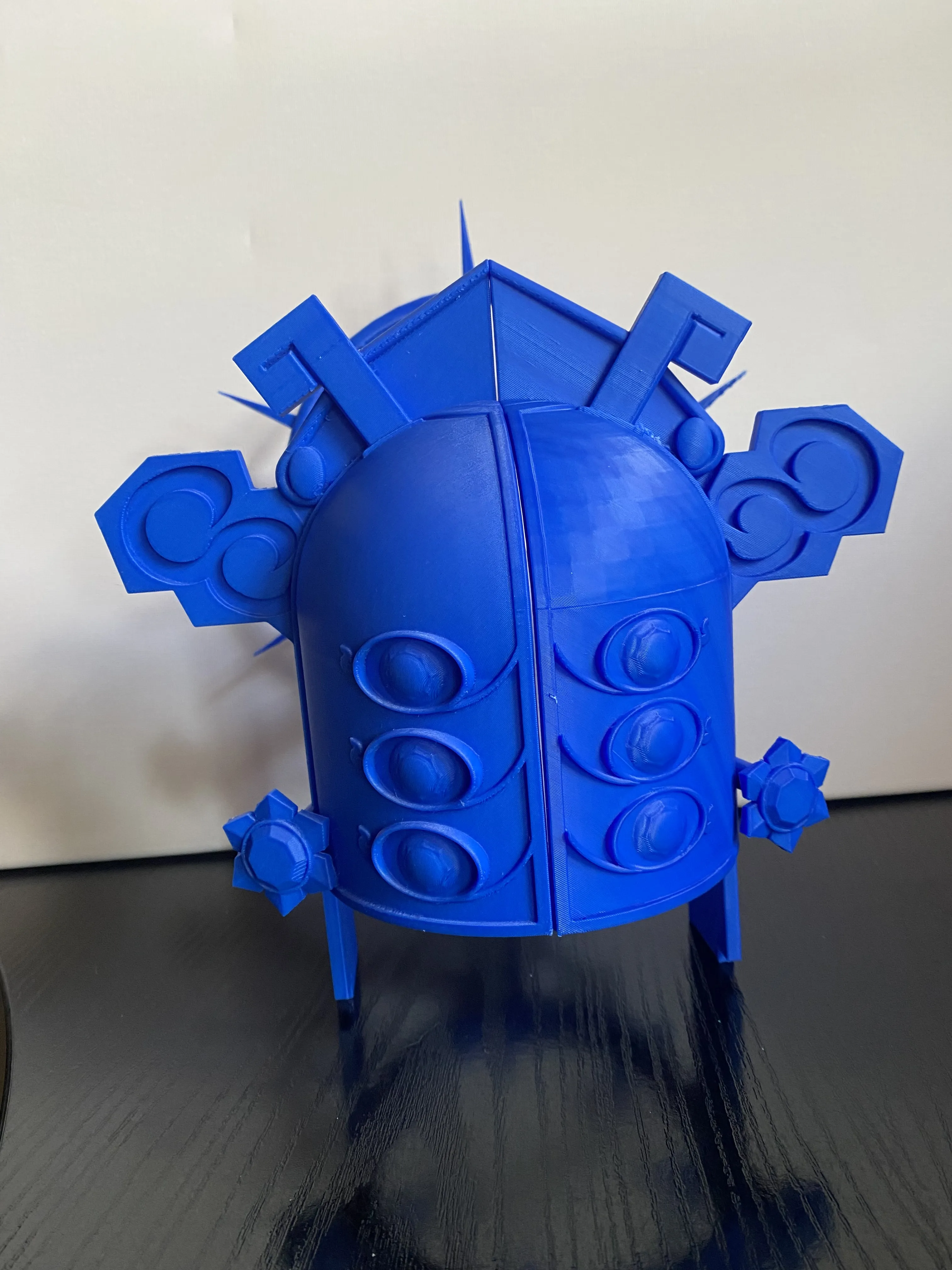
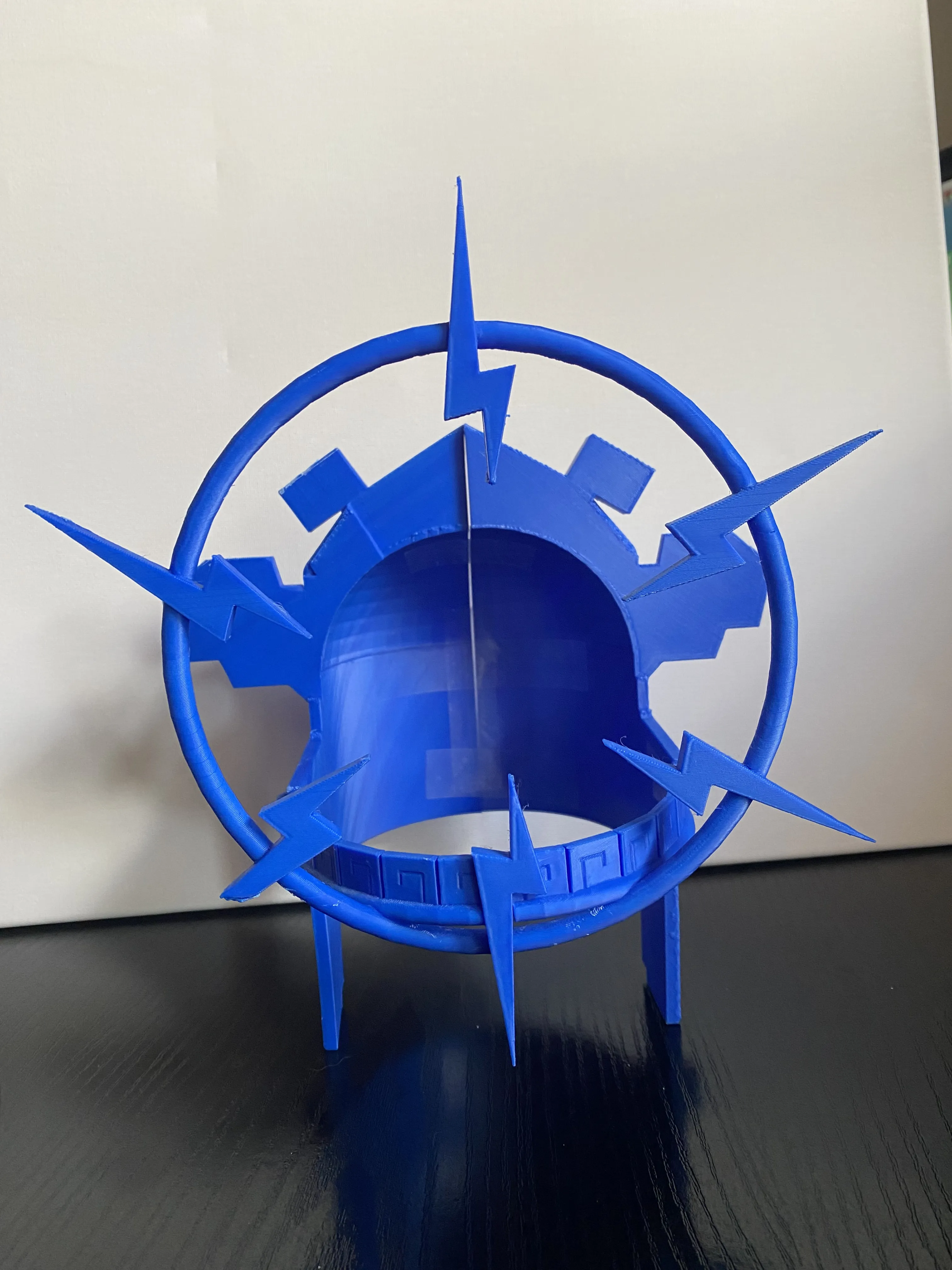
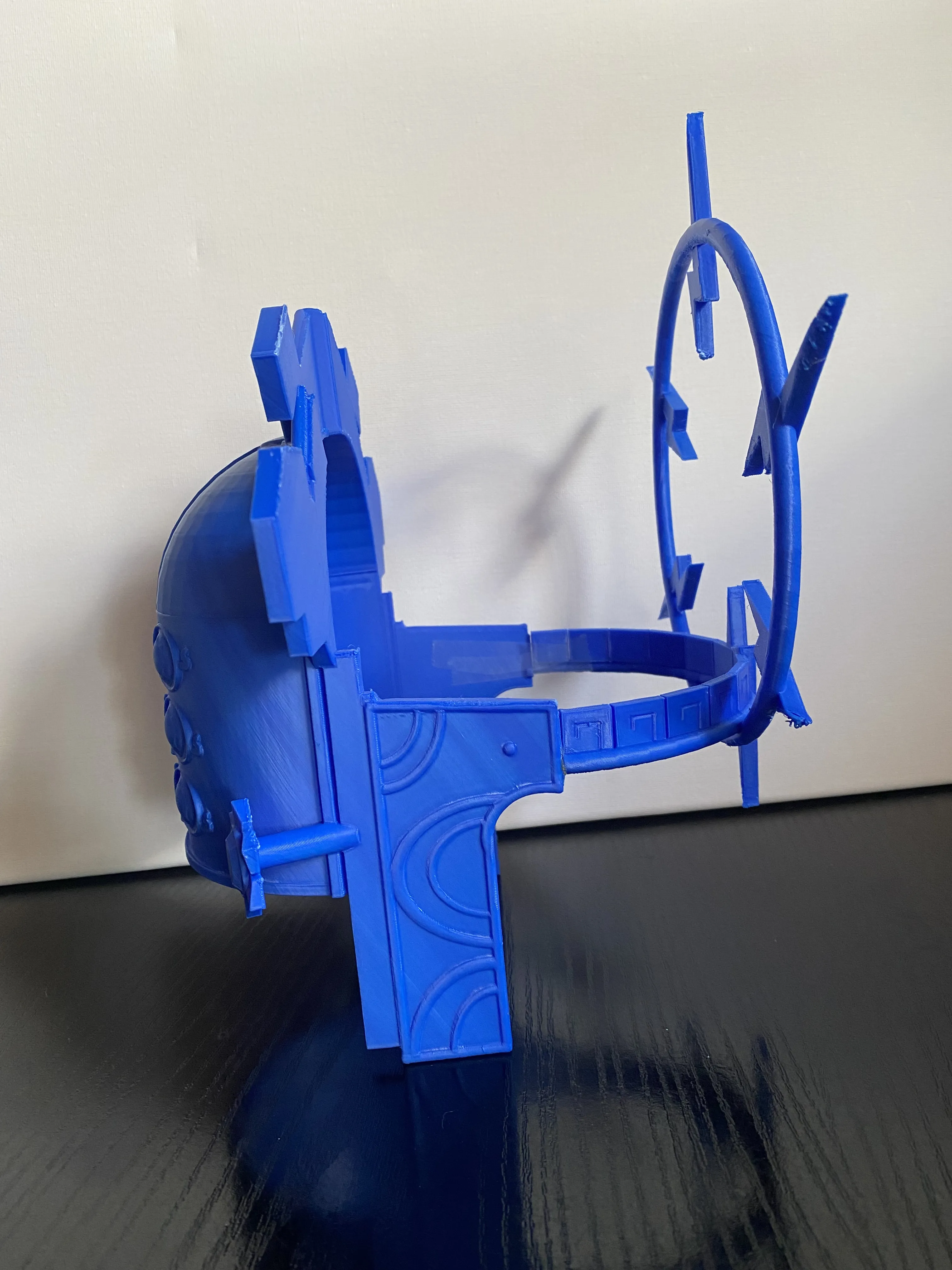
On Version 1, adjustments also had to be made to the back of the tiara:
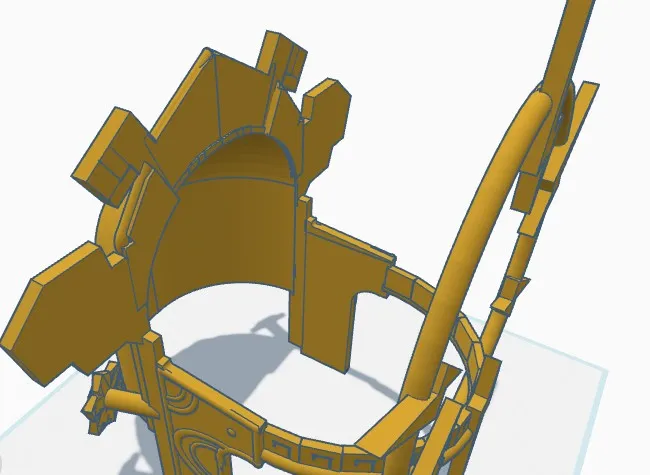
Which were subsequently corrected, for a more aesthetic and easily printable result.
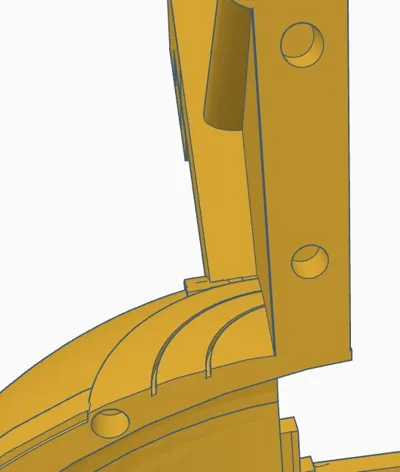
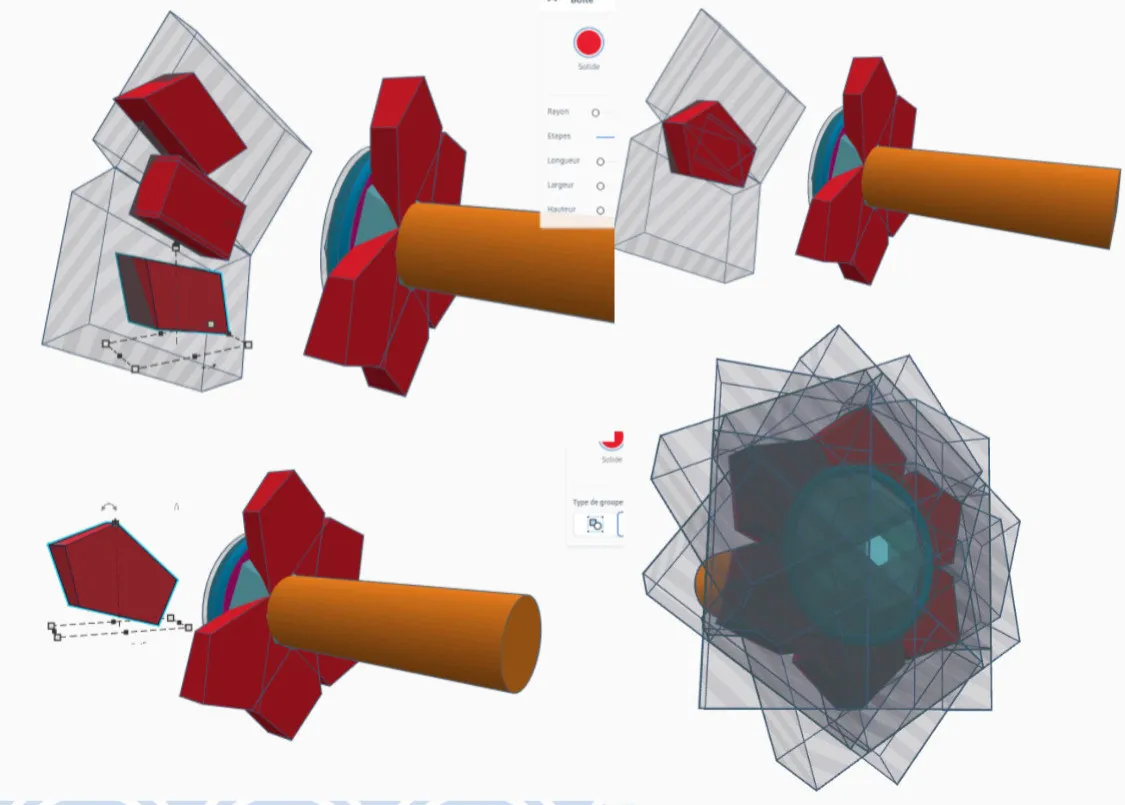
I can also show you images of the design of the flower at the bottom of the mask as an example of the multitude of shapes that could be used to form this flower. This is an example of the many challenges I had to overcome to find a solution to create the shape I needed.
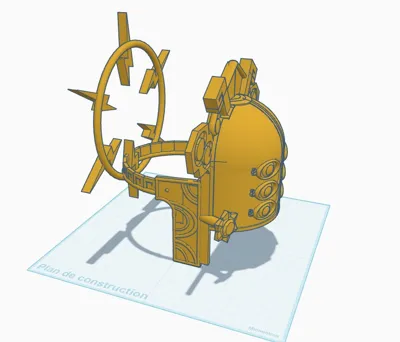
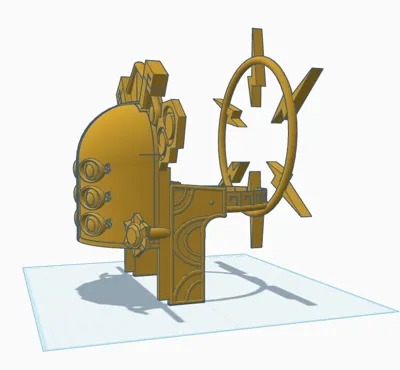
As another example, I have images of the helmet's design. On the 4th photo, I tried to use different colors for the different elements I created individually to make it more readable.
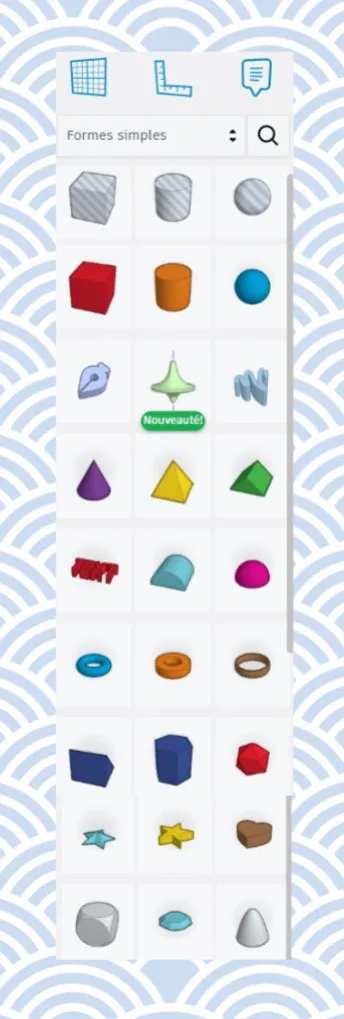
At my disposal, I only had these tools.
Assembly:
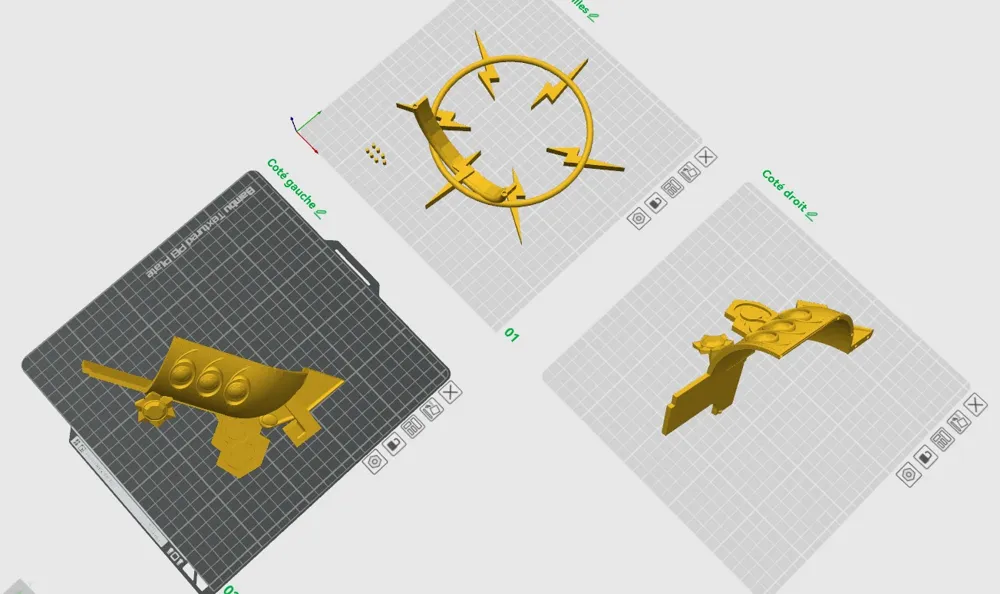
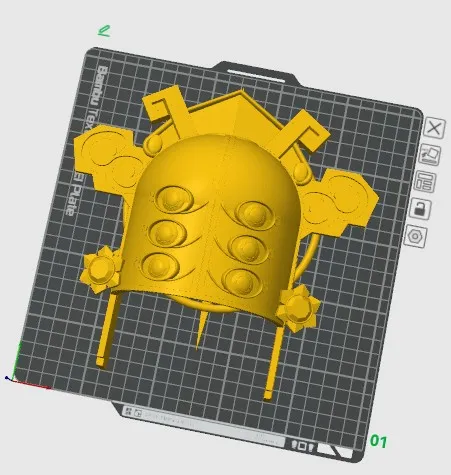
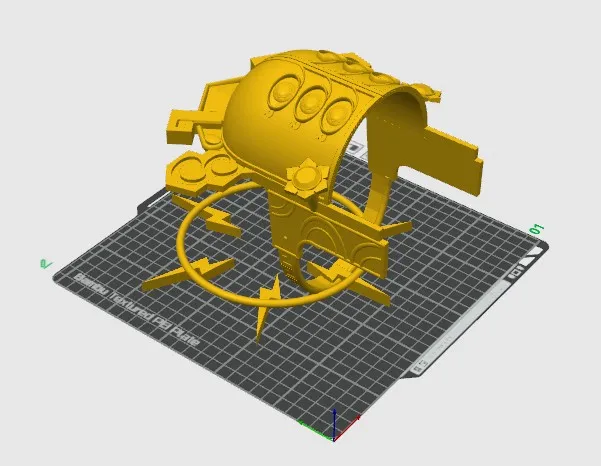
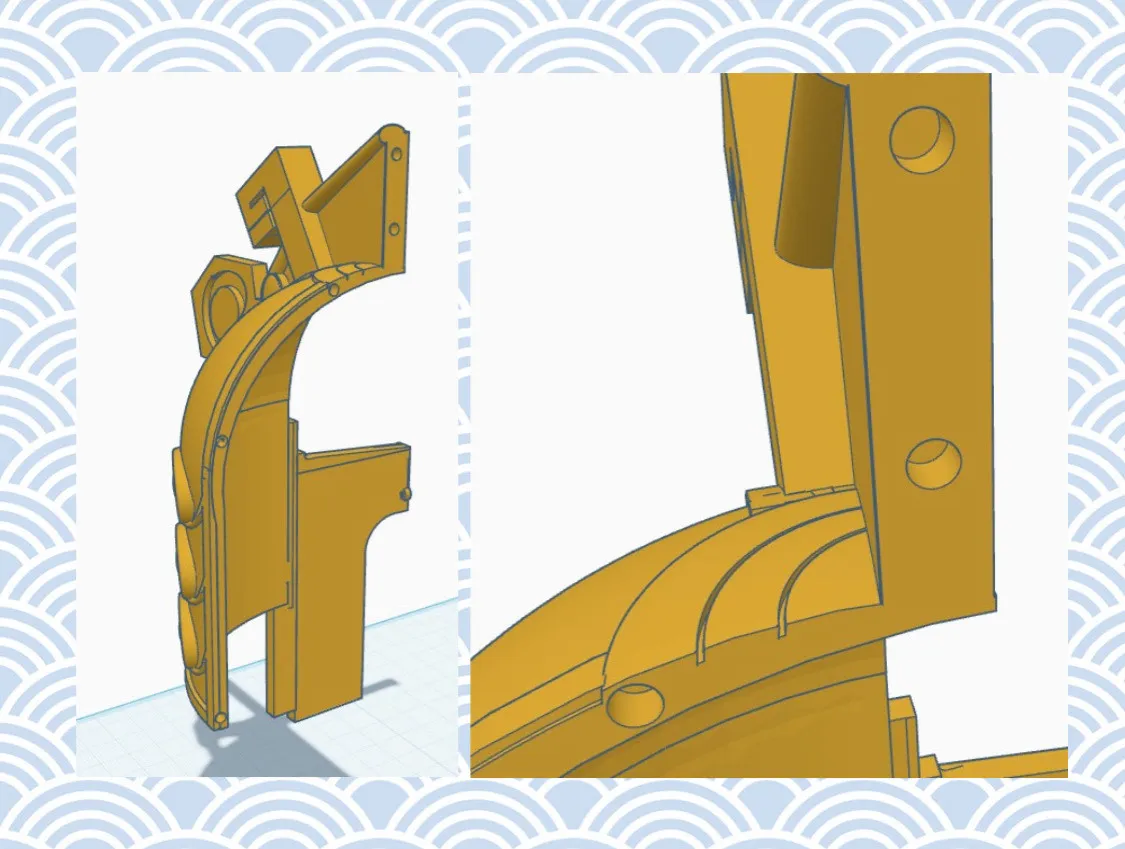
Assembly is very simple; the mask consists of 3 parts and 7 dowels (or 14 magnets)
The right side of the mask, the left side of the mask, and the back. The first 5 dowels are inserted into the front edge of the mask where there are holes provided for this purpose. The other two are inserted at the junction of the back and front parts of the mask.
If the magnet option is chosen, the locations remain the same.
Printing recommendation:
I personally printed this mask on a Bambu A1. I saved the model's printing parameters to the print profile, but I noticed that sometimes the print settings do not apply correctly when printing on another machine.
Therefore, I recommend:
- To use tree supports
- with threshold support angles at 45° to ensure you don't fail your print
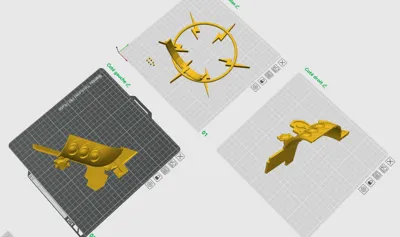
- Not to rotate the parts on the build plate (leave them as shown in the diagram, as this could lead to a print failure)
- To have a lot of fun printing this model and give me your constructive feedback in the comments so I can make modifications if needed.
Feel free to browse my MakerWorld account where many models are available: https://makerworld.com/fr/@Akumini
License

You shall not share, sub-license, sell, rent, host, transfer, or distribute in any way the digital or 3D printed versions of this object, nor any other derivative work of this object in its digital or physical format (including - but not limited to - remixes of this object, and hosting on other digital platforms). The objects may not be used without permission in any way whatsoever in which you charge money, or collect fees.


Comment & Rating (21)