
100W Bidirectional USB-C PD Power Bank
Print Profile(1)
Description
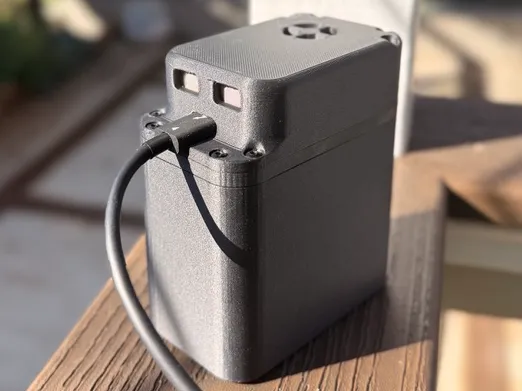
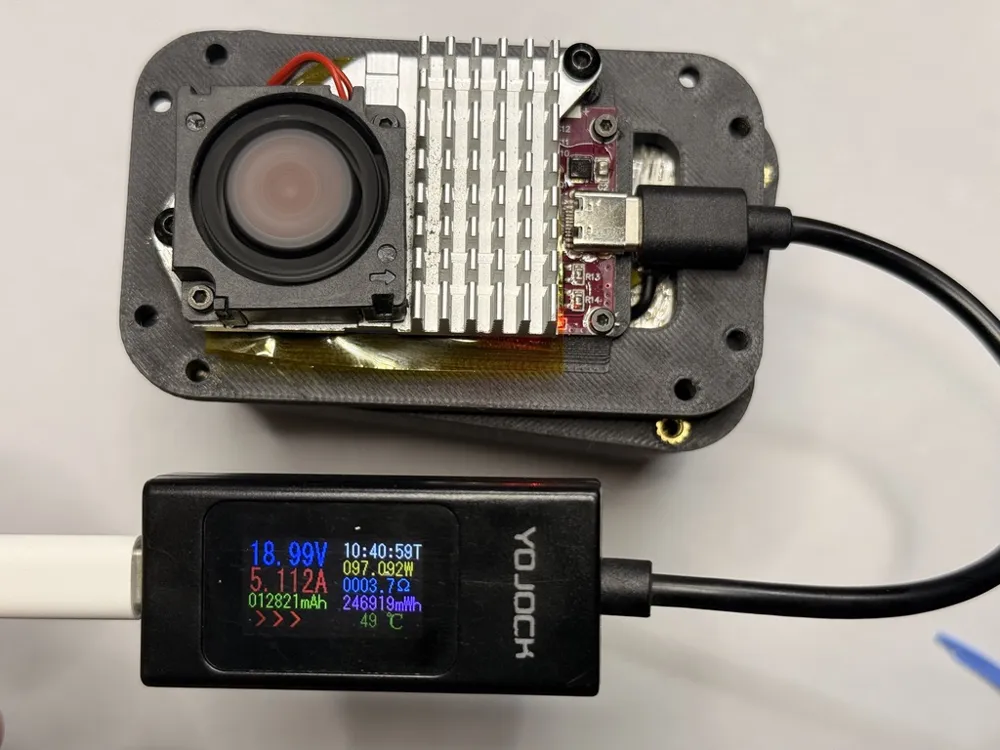
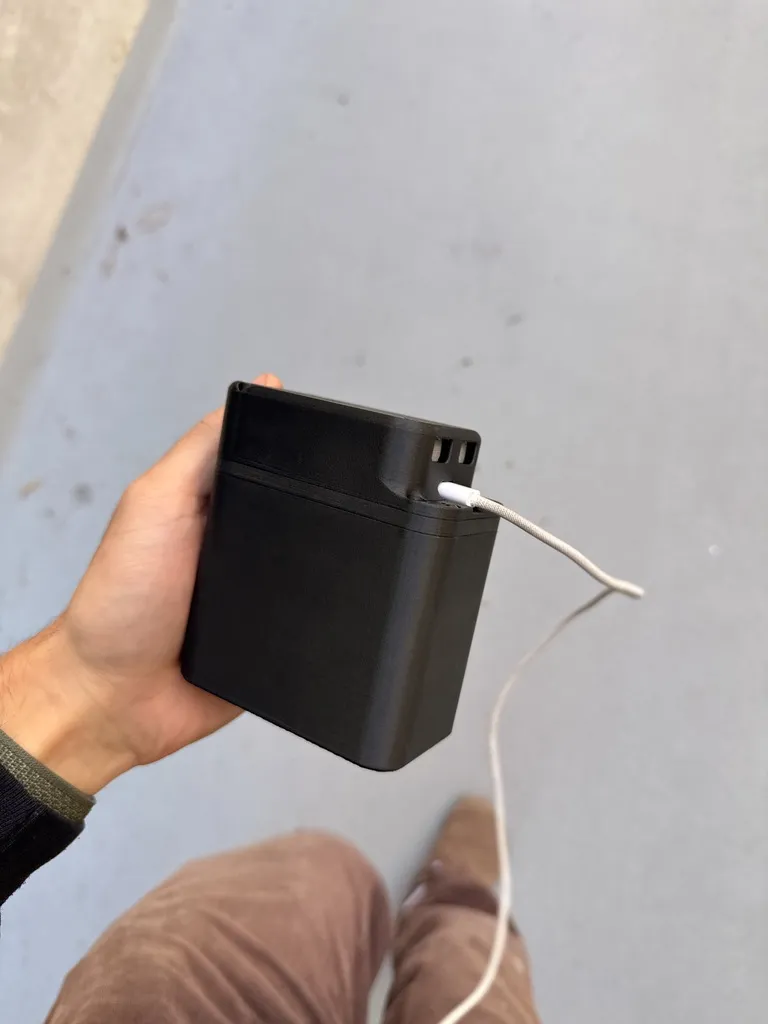
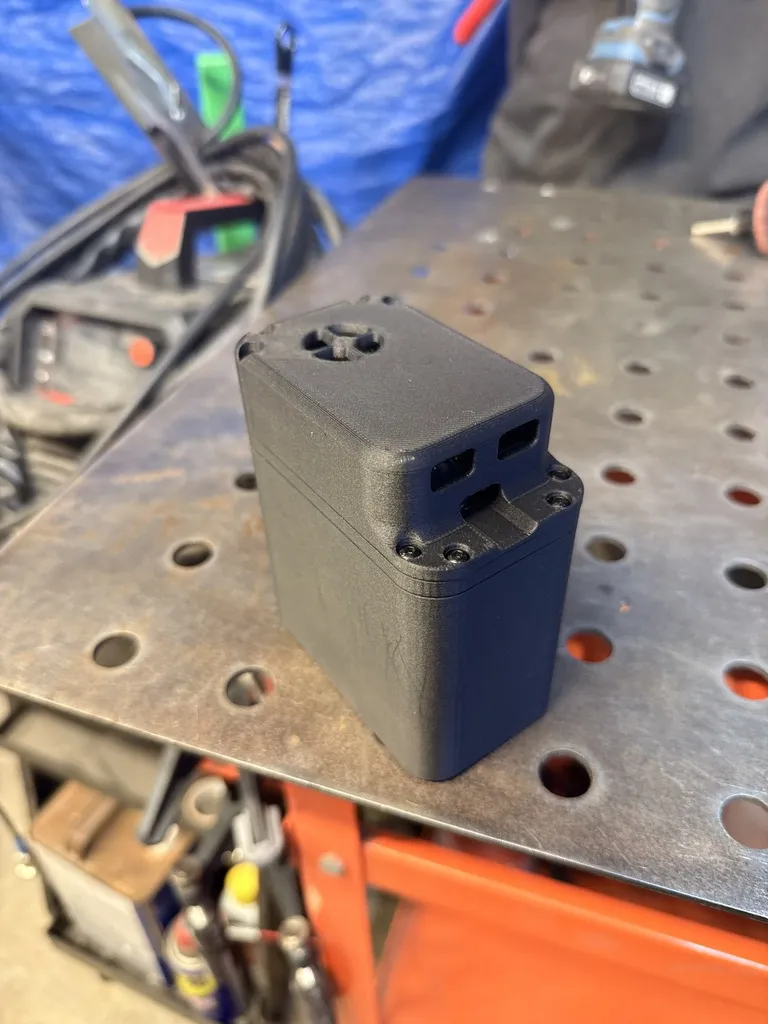
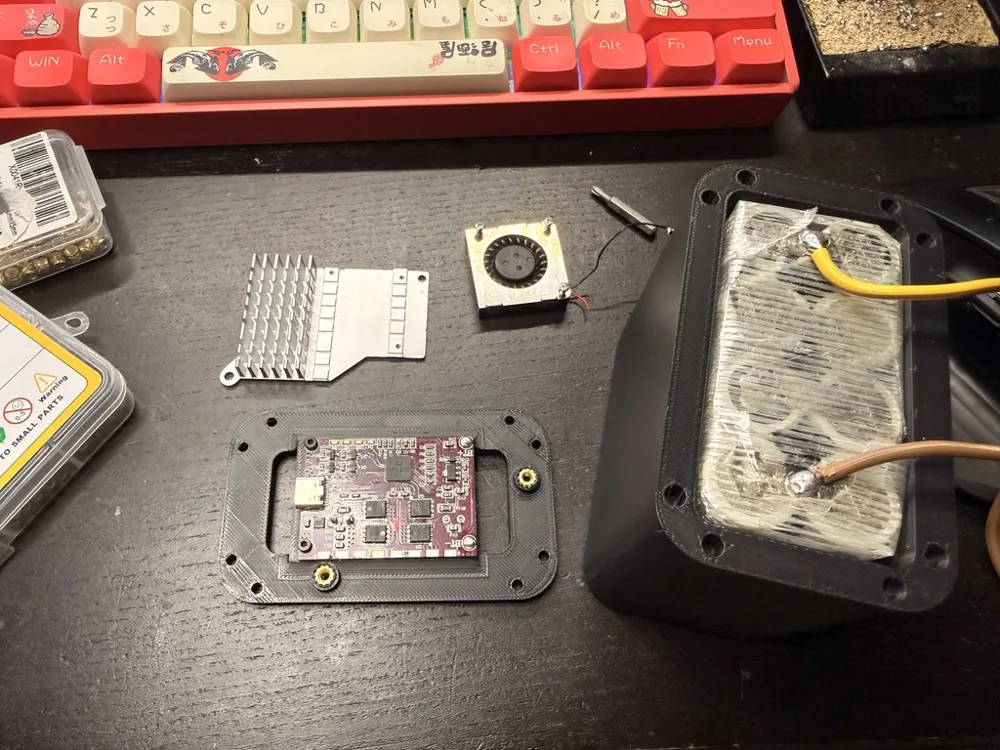
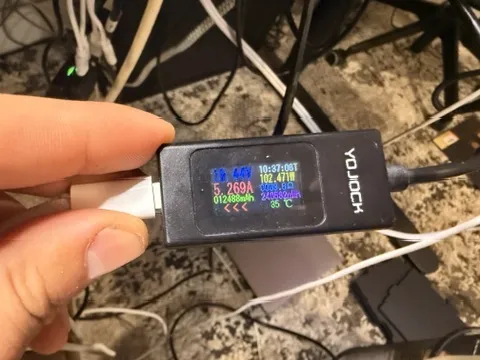
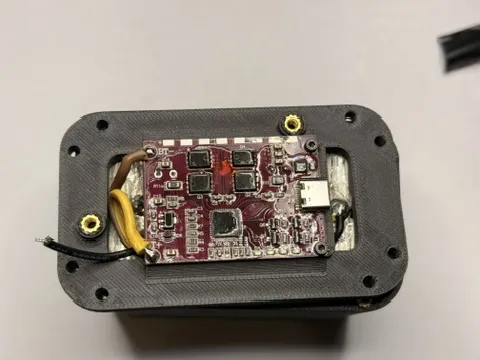
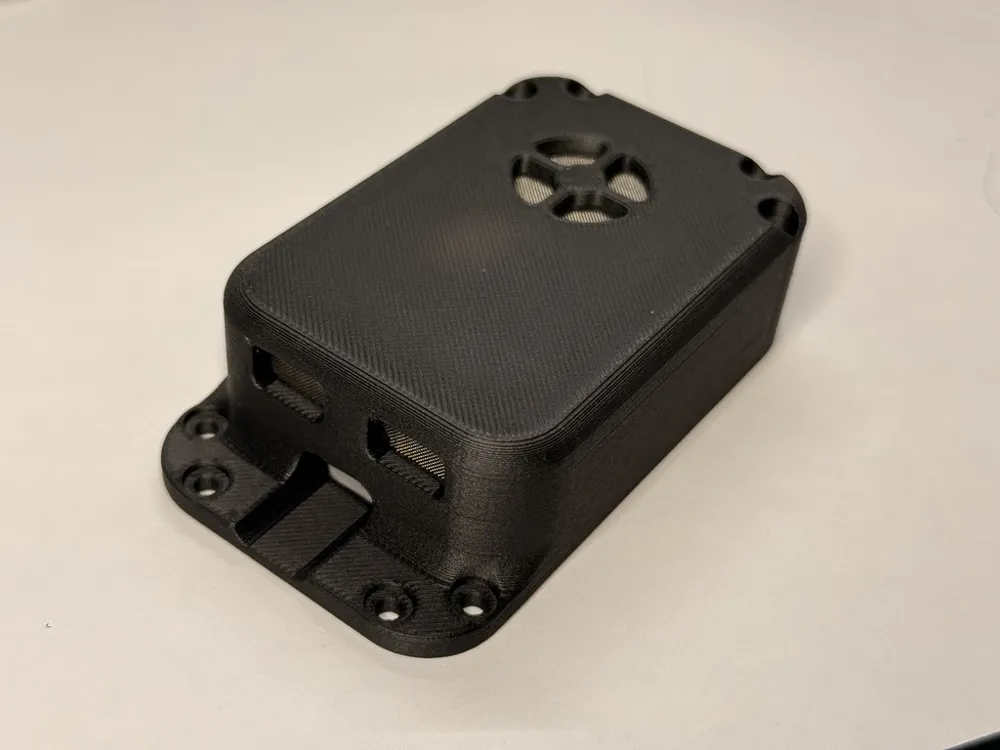
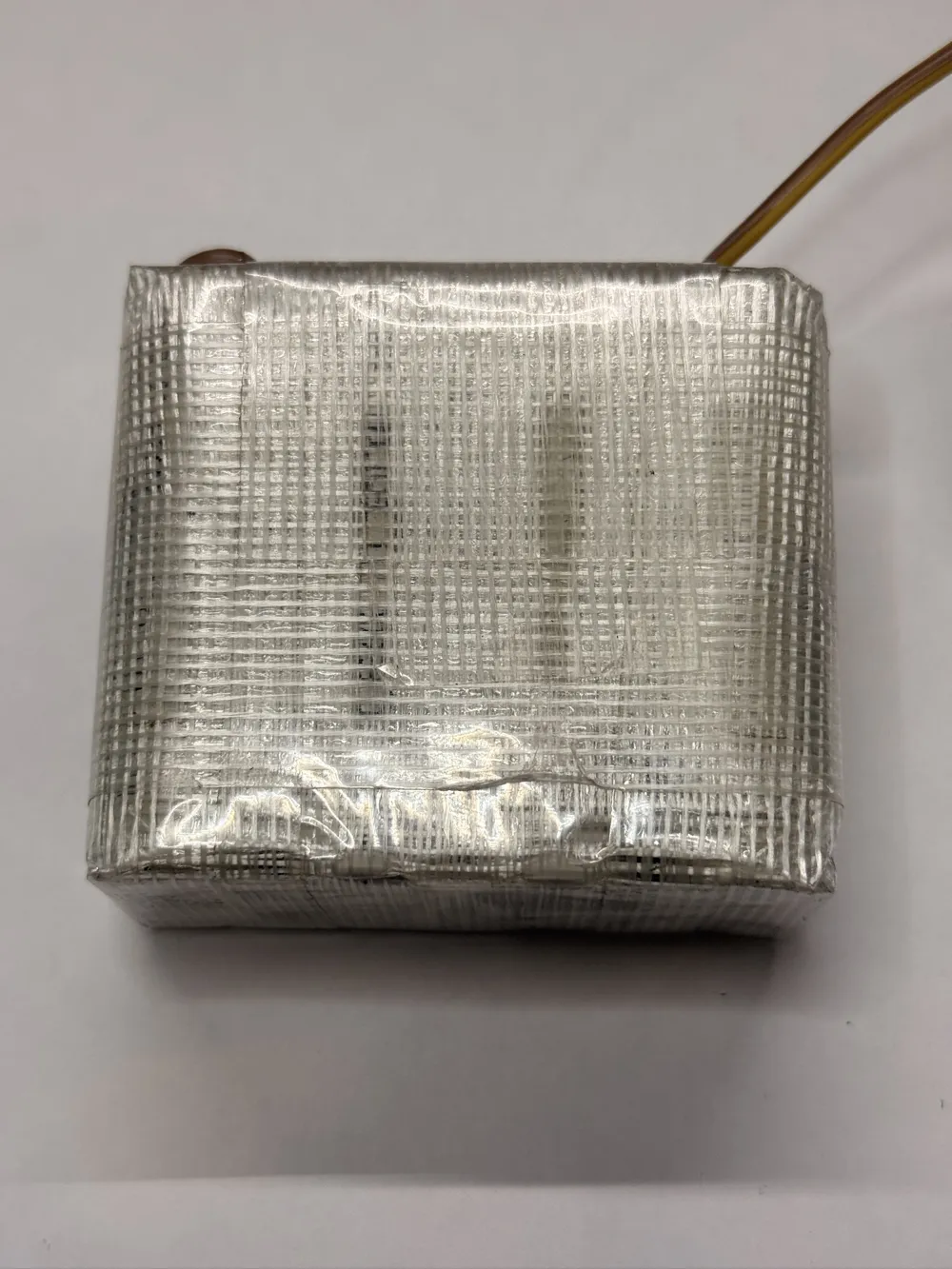
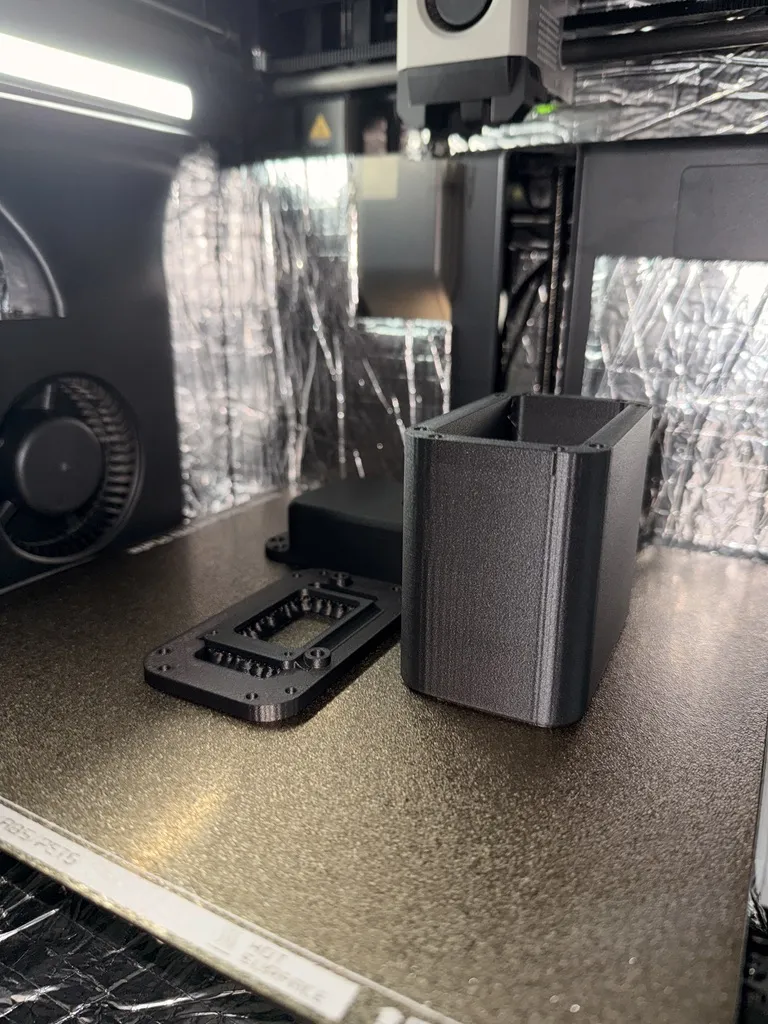
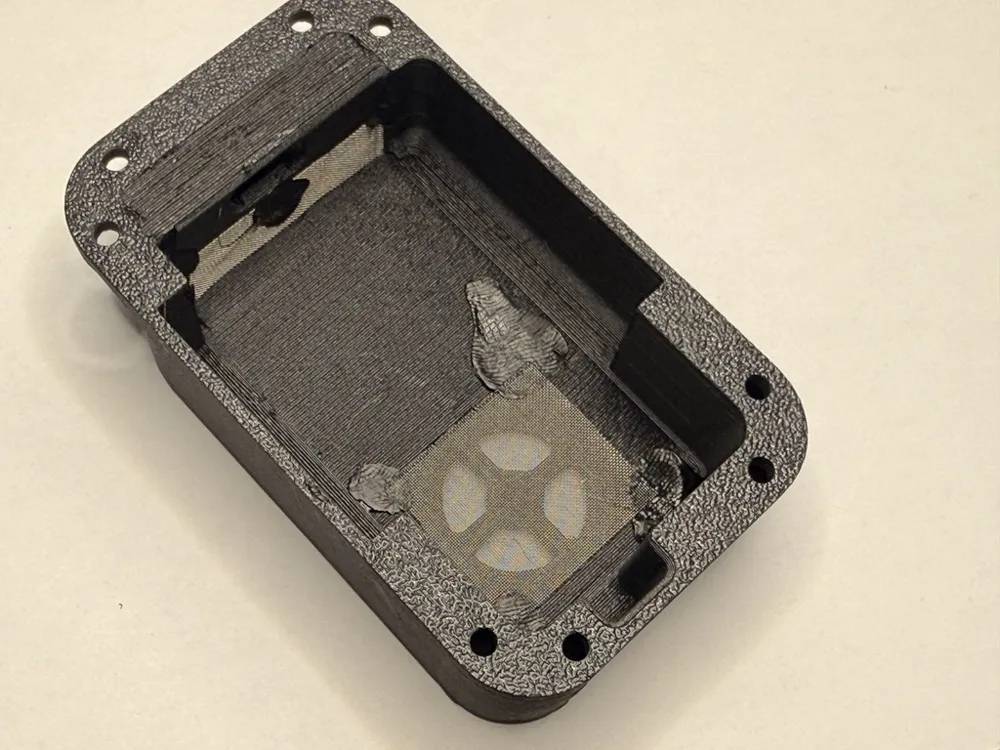
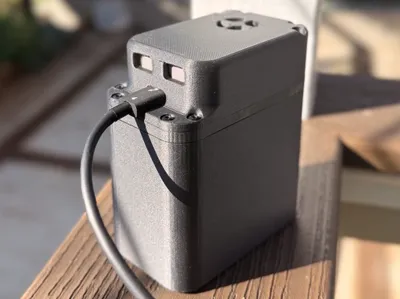
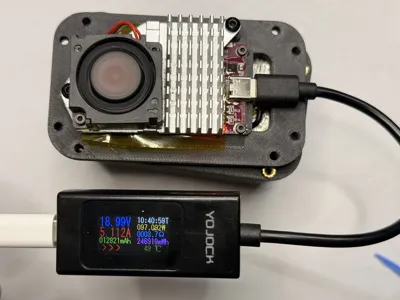
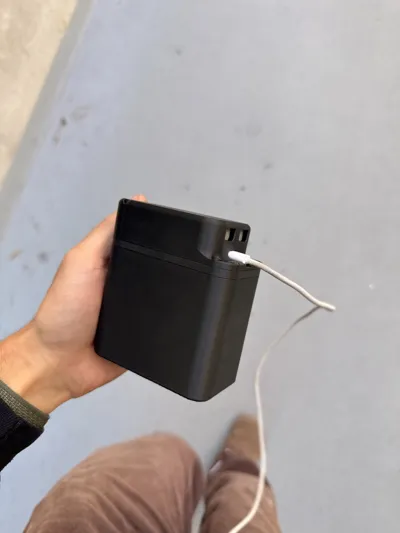
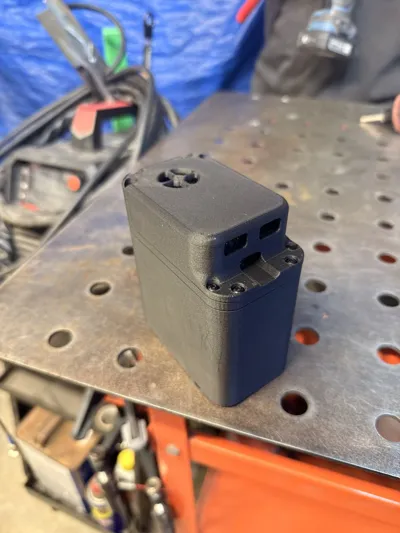
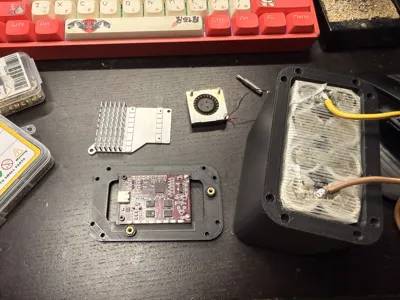
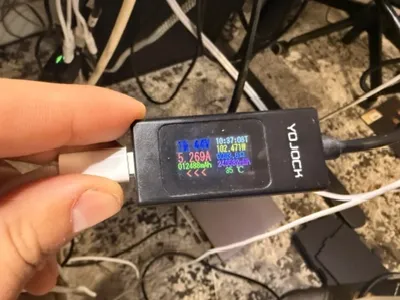
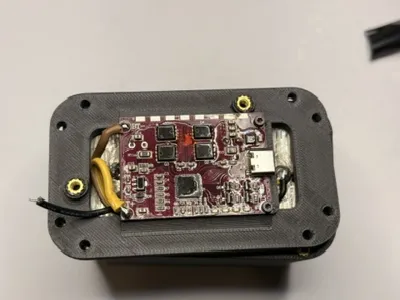
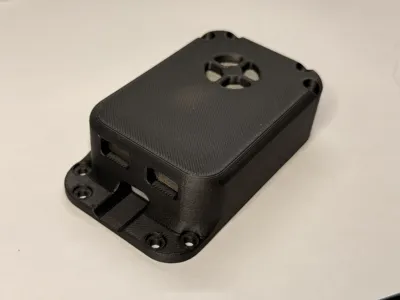
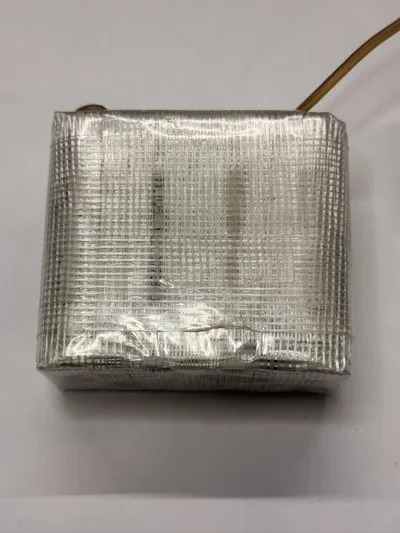
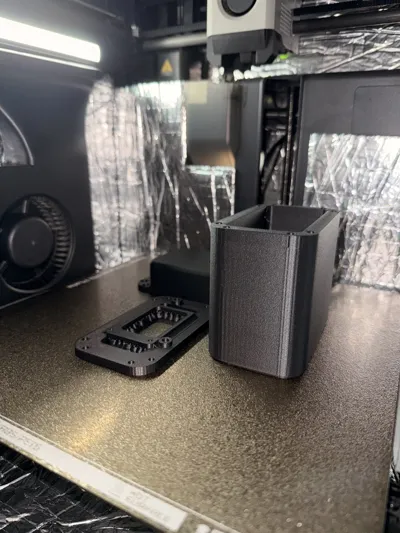
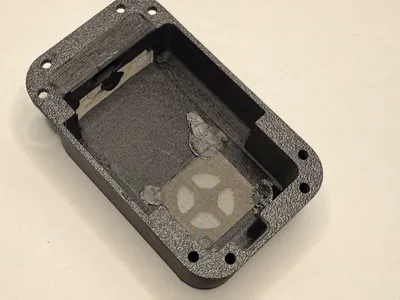
This is my 100W bidirectional USB-C PD power bank build using the IP2368 board and a pack of Molicel P30B’s that were left over from another project I was working on. I was in need of a good power bank that could charge my MacBook at 100W, and yes there are options on the market but I love building/have always wanted to make a good DIY power bank. I only had 2 boundary conditions with this project: it needs to charge my computer fast and it needs to recharge fast. Pretty simple. I watched a video from GreatScott on YouTube and he used the IP2368 which is a 100W bidirectional PD charge module rated for 4S; so I ordered one on Amazon. I spot welded the batteries I had in 4S 2P config and hooked them up to the board; surprisingly it worked pretty well to charge my small devices. The only problem is when I went to charge my Mac it would thermal throttle and shut off; it got REALLY hot. I know GaN mosfets get hot but it would heat up charging at 100W like it was gonna explode; I thought something was wrong with the board because in GreatScotts video he said the module barely gets “warm.” I was a little desperate to get this working so I just strapped on a heatsink I had from a bricked RasPi 5 and it worked flawlessly with sustained 100W no throttling. At ~87Wh it actually behaves like a real 100W PD power bank in the way you want: it negotiates cleanly, it doesn’t do the annoying “hits 100W for a second and then collapses,” and it just feels solid in use. The thing that I like most about the P30Bs despite their high cost and average capacity is they hold voltage way better under load than random chinese cells so when you’re pulling real watts the pack isn’t sagging into PD weirdness or dropping PD contracts. I'm sure any cell which has a name you recognize will work just fine like Samsung, Panasonic, LG, Molicel, etc. Also on that note of buying high quality cells; THIS POWER BANK DOES NOT HAVE A BMS. That might be a turn off for a lot of people but I have run BMSless packs for 400+ cycles with Molicel and the most I have had a cell deviate was by a delta of 0.08 V. I wanted to keep the footprint as small as possible with keeping the functionality of the IP2368. Of course there could be duds or weird tolerances with these cells so build at your own risk; if you haven't seen what an 18650 looks like when it vents heres a fun video and heres a more technical video from Great Scott again about failure modes of 18650s if you want to learn more. Another main reason I wanted to make my own power bank with 18650s is because they have a much longer cycle life than traditional LiPo pouches most high output power banks on the market ship with (besides Anker they use 21700s).
I digress; I have left a bill of materials here on a google sheet and please comment on this post if you want me to make proper documentation on how to build one of these from scratch because I would be more than willing but just don't want to waste my time making good documentation if nobody is going to read it. I had a lot of fun making this and if you guys have any advice on what you want me to change/improve, I am all ears. CADed this in a couple hours so there wasn't much thought put into niceties. Thanks for sticking with me if you made it to the end :)
License



Comment & Rating (1)