
Gothic Brick Mold Generator (SVG‑Based Shapes)
Print Profile(0)
Description
Boost Me (for free)
If you like my job, please boost me
I am a student of art history. One of the first lectures I attended at the beginning of my studies was about materials used in architecture. What immediately caught my attention were bricks. In Poland, many Gothic buildings are constructed from brick, and Gothic architecture has always been the style that resonates with me the most. That inspired me to recreate Gothic bricks on a small scale—not only the rectangular ones, but also the more elaborate, decorative shapes.
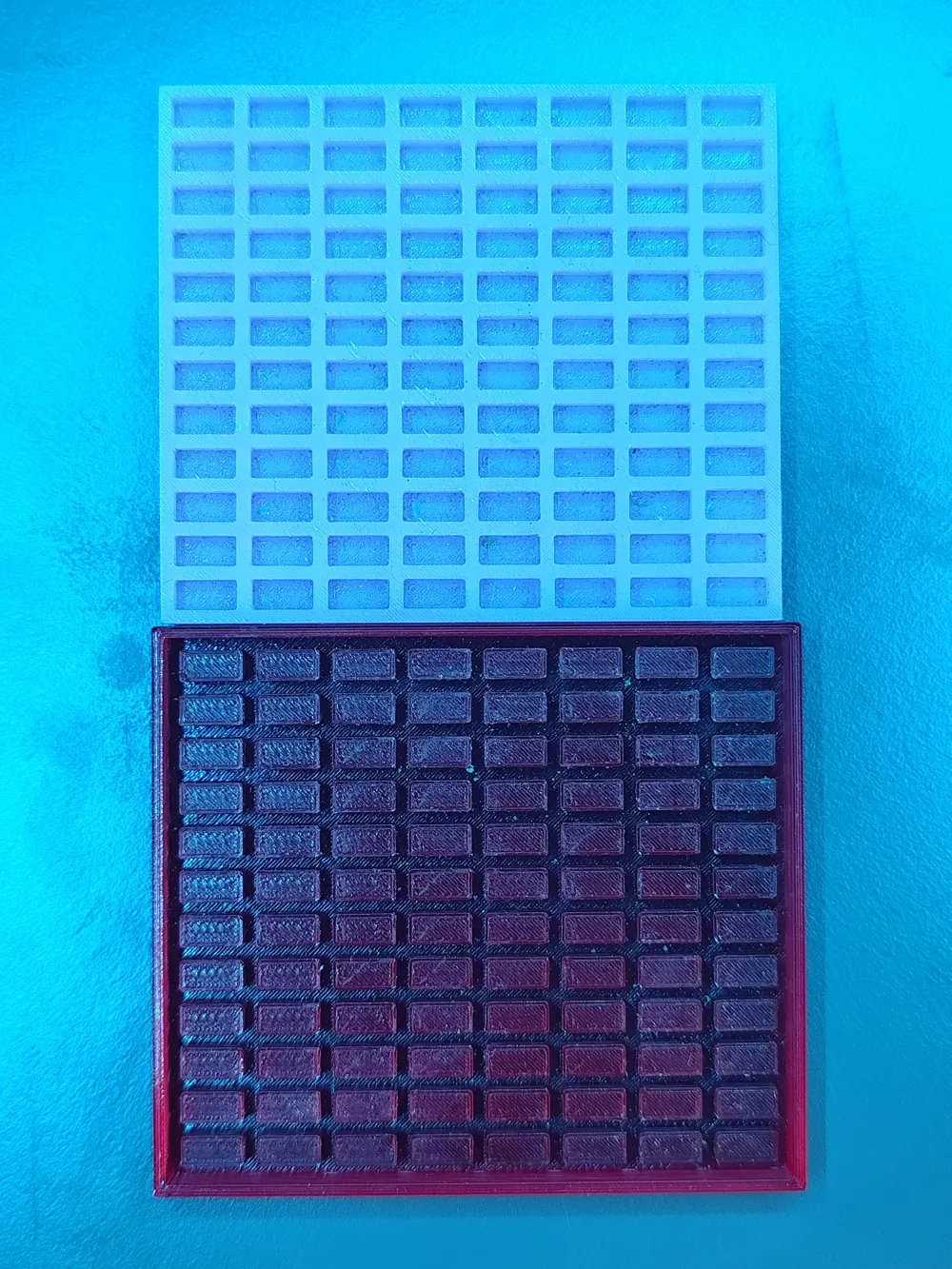
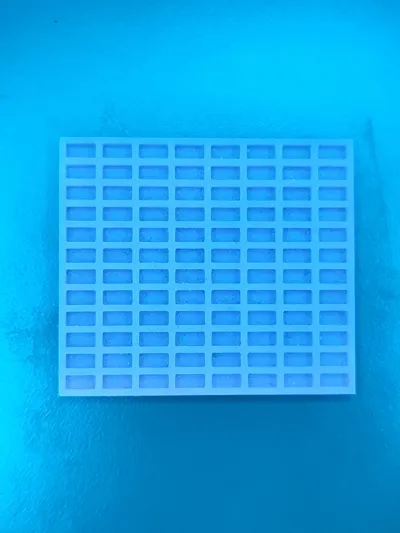
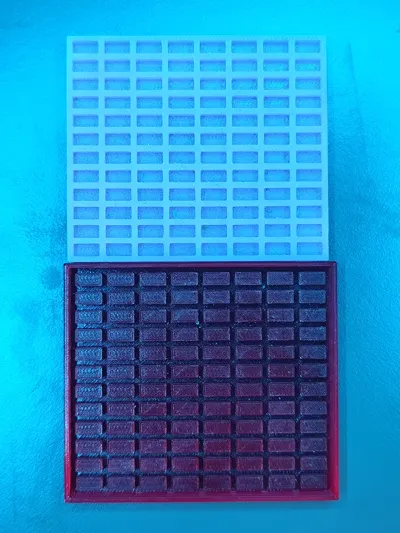
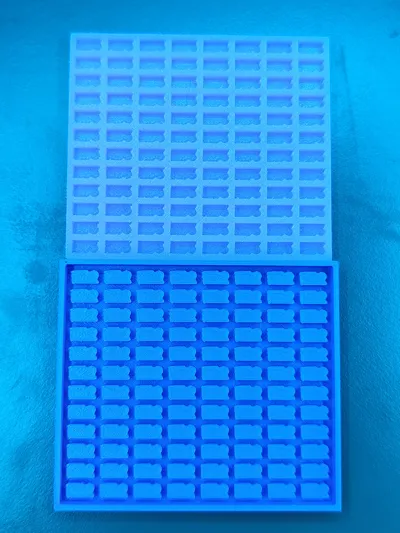
I began by creating a mold, which I tested on both FDM and SLA printers. However, the bricks turned out too large to be useful for building a realistic architectural model. When I realized that constructing a Gothic church would require an enormous number of bricks, I started thinking about how to produce them on a mass scale. I concluded that plaster would be the best material, as it could be tinted to achieve the characteristic brick color. Unfortunately, after creating a multi‑brick mold, I discovered that the plaster could not be removed cleanly once it cured, due to the very small dimensions of the bricks.
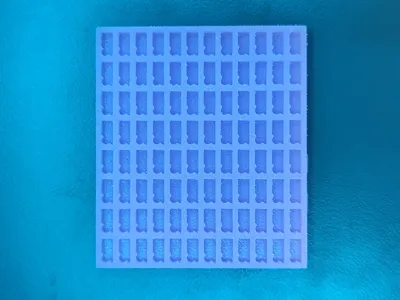
That led me to the idea of making the mold out of silicone. To avoid visible layer lines, I designed a mold for silicone casting on an SLA printer—but it turned out that the cured resin prevented the silicone from curing properly. After so many setbacks, I paused the project for several months.
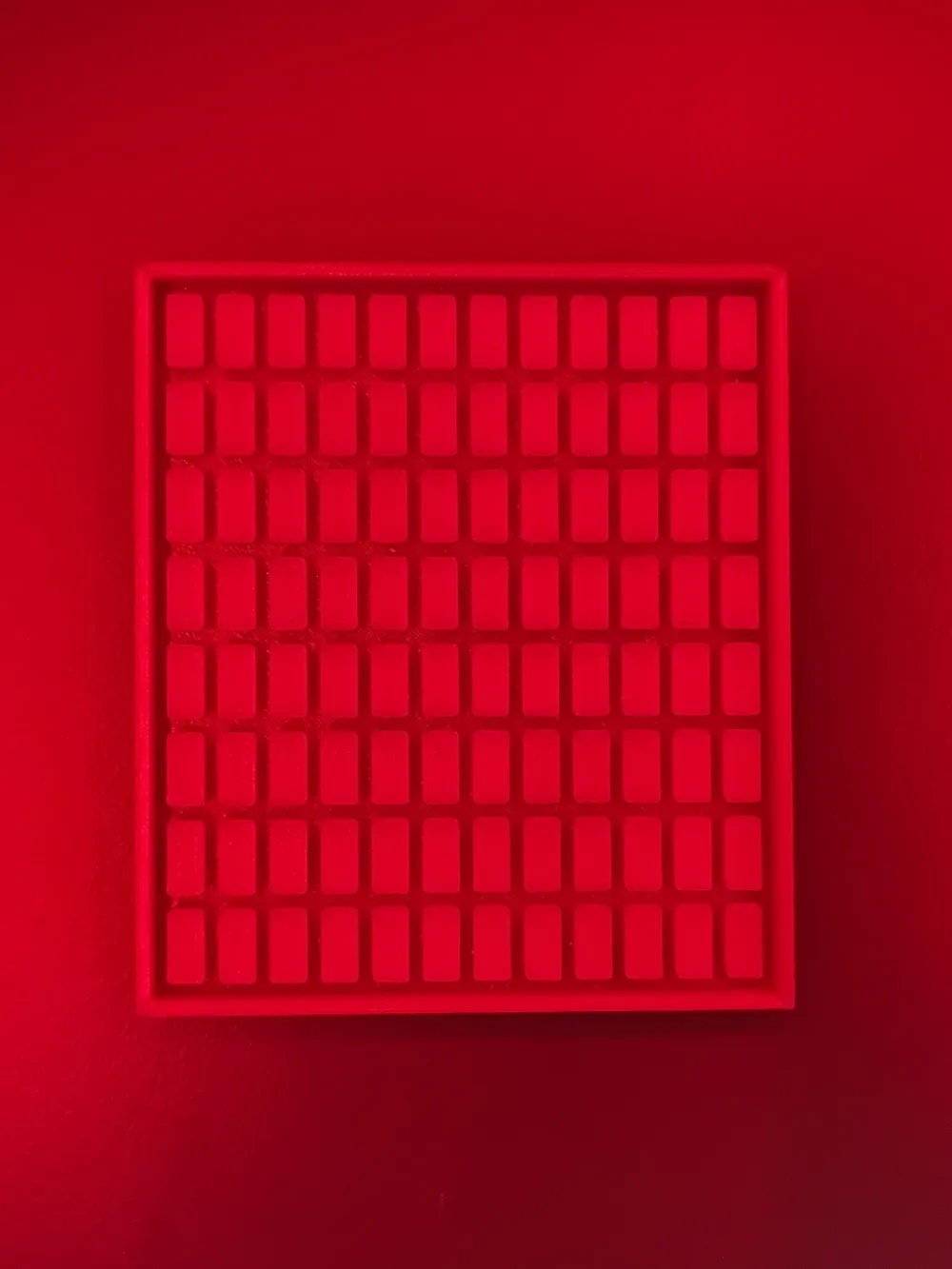
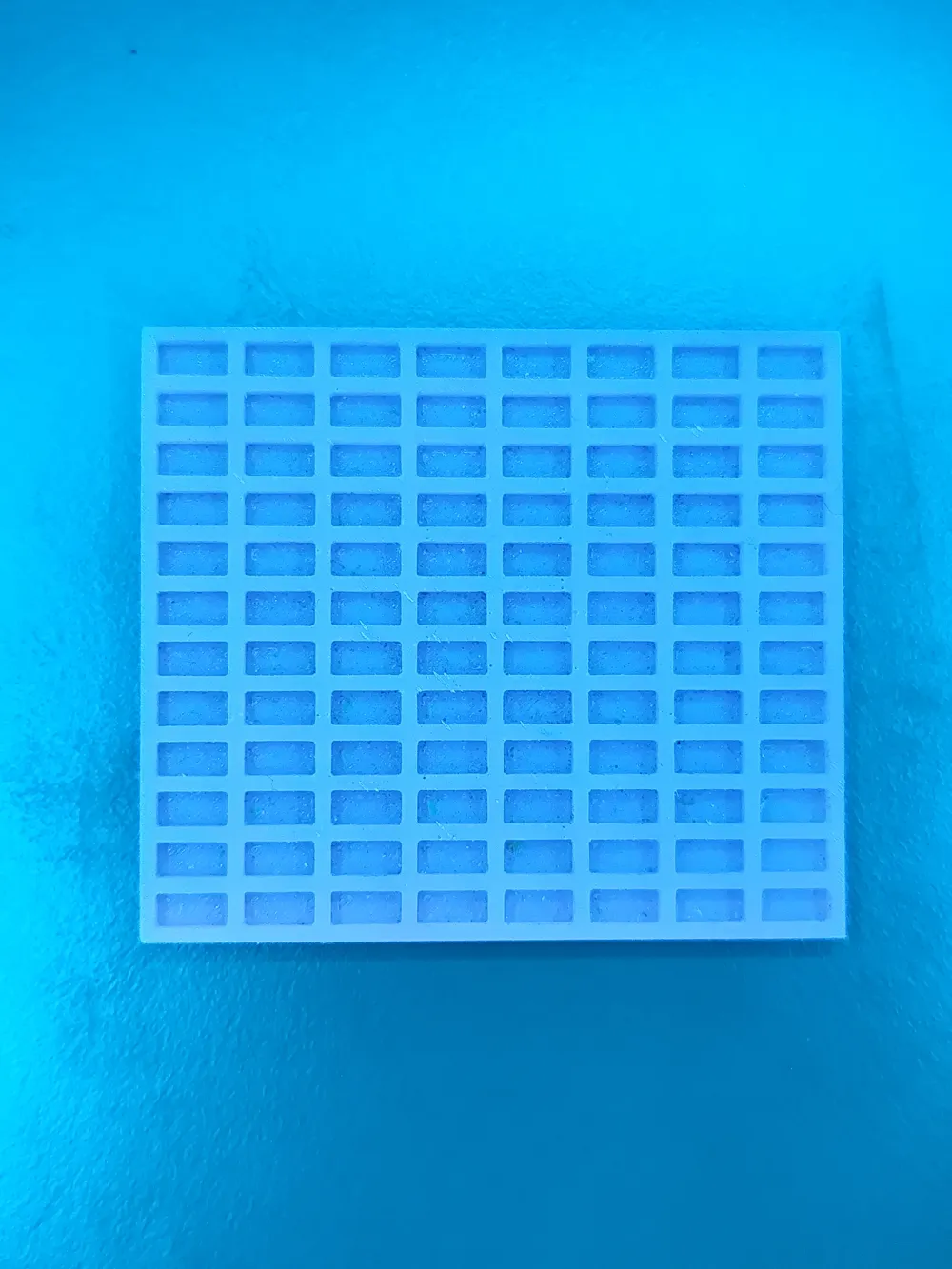
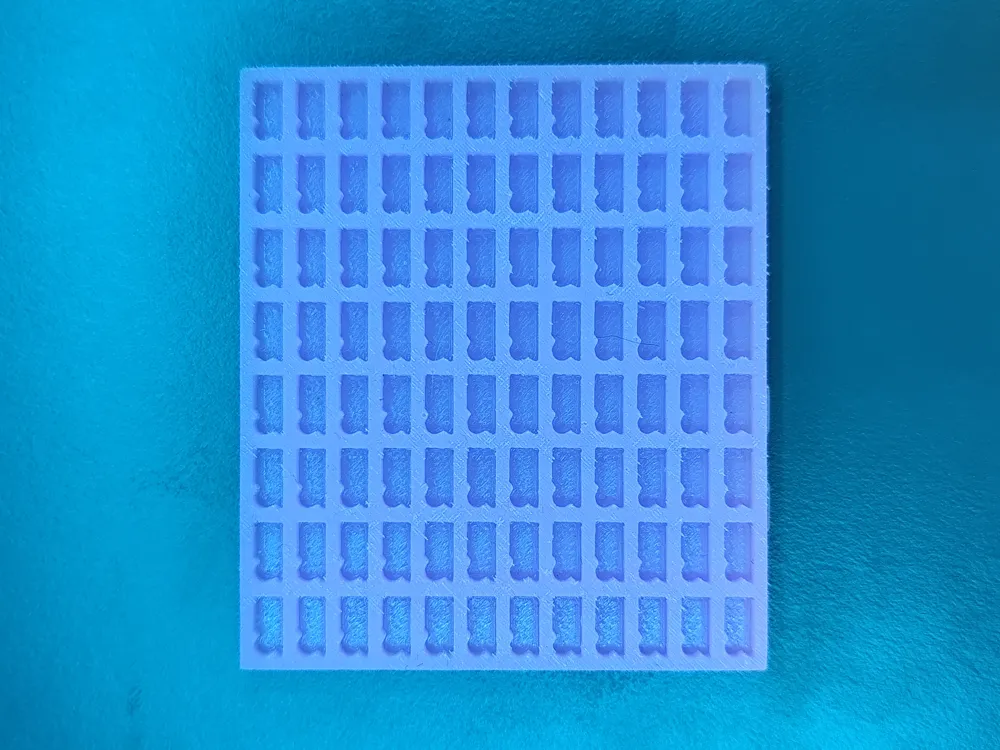
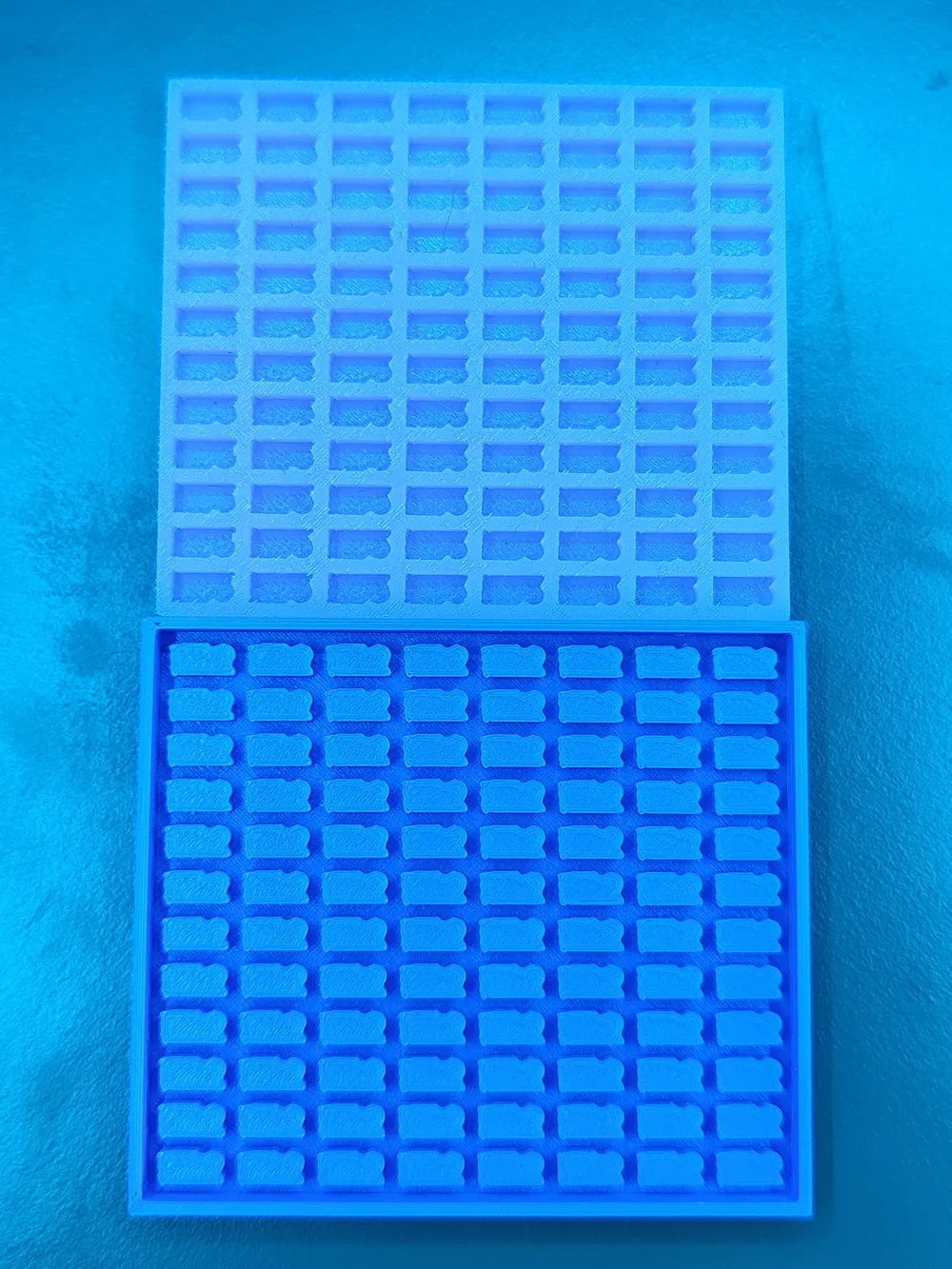
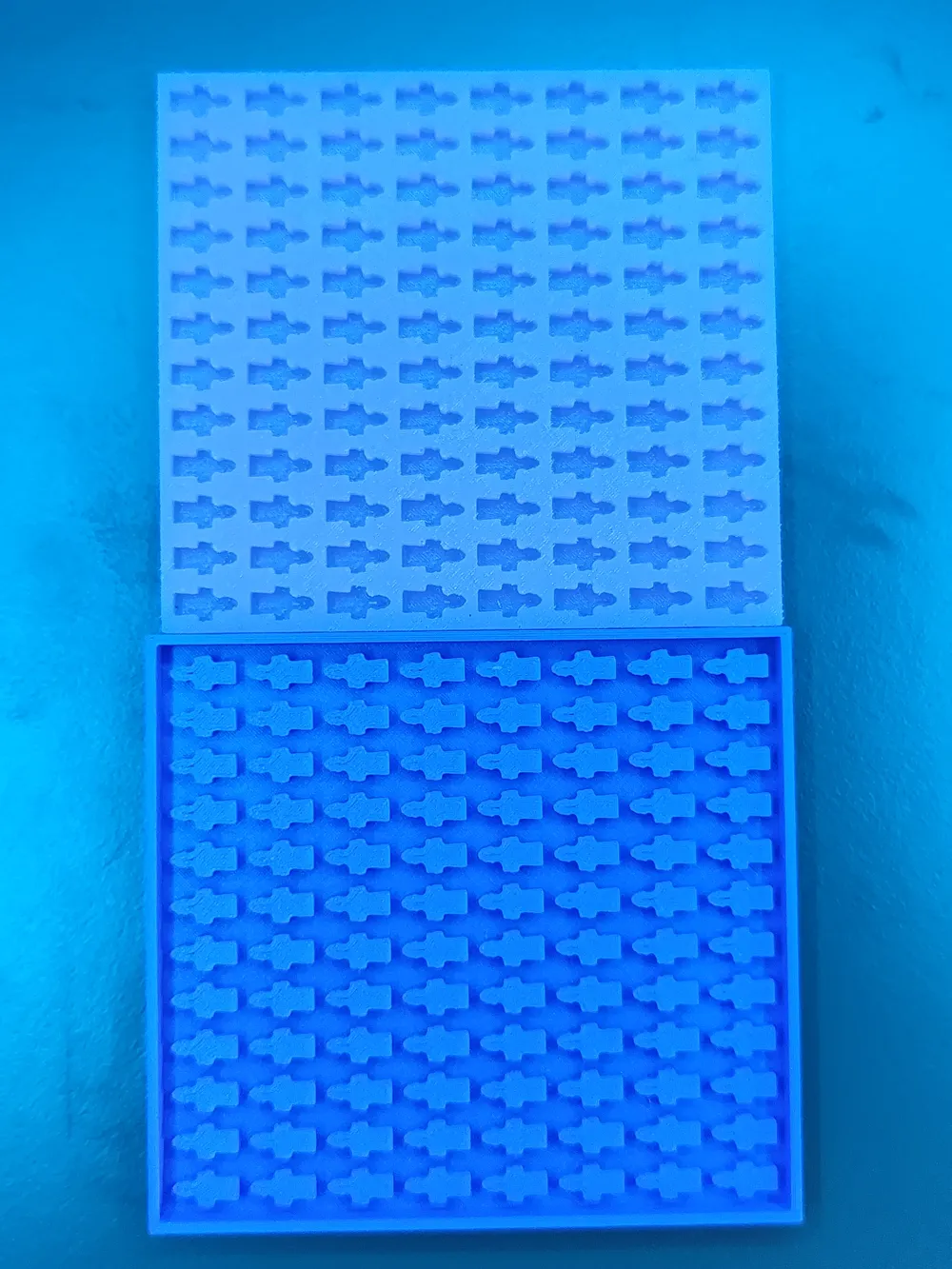
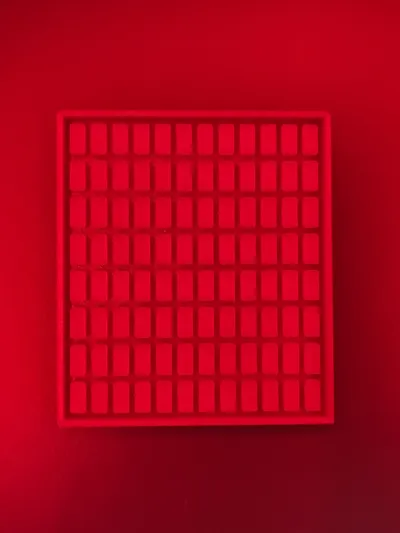
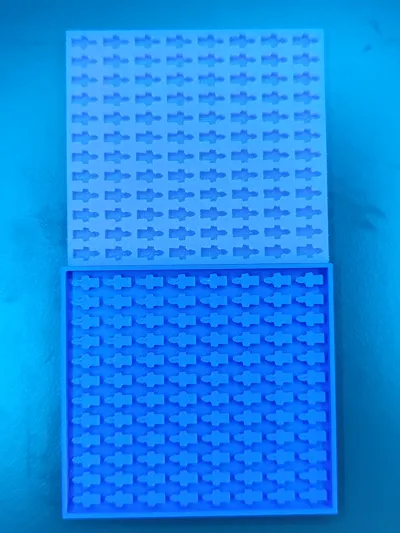
In the meantime, I purchased two Prusa MK3S+ printers, which allowed me to produce more precise FDM prints, so I returned to the project. With the help of artificial intelligence—since I am still learning 3D modeling, especially in OpenSCAD—I created configurable forms for producing silicone molds, which can then be used to cast plaster bricks. One file is dedicated solely to designing rectangular bricks and includes many adjustable parameters. The second file is more complex, as it allows you to generate bricks of any shape from an SVG file (and can just as well be used to create molds for other SVG‑based shapes). Since Gothic churches in other parts of Europe were often built from stone, adjusting the proportions also makes it possible to create molds for stone‑like architectural elements.
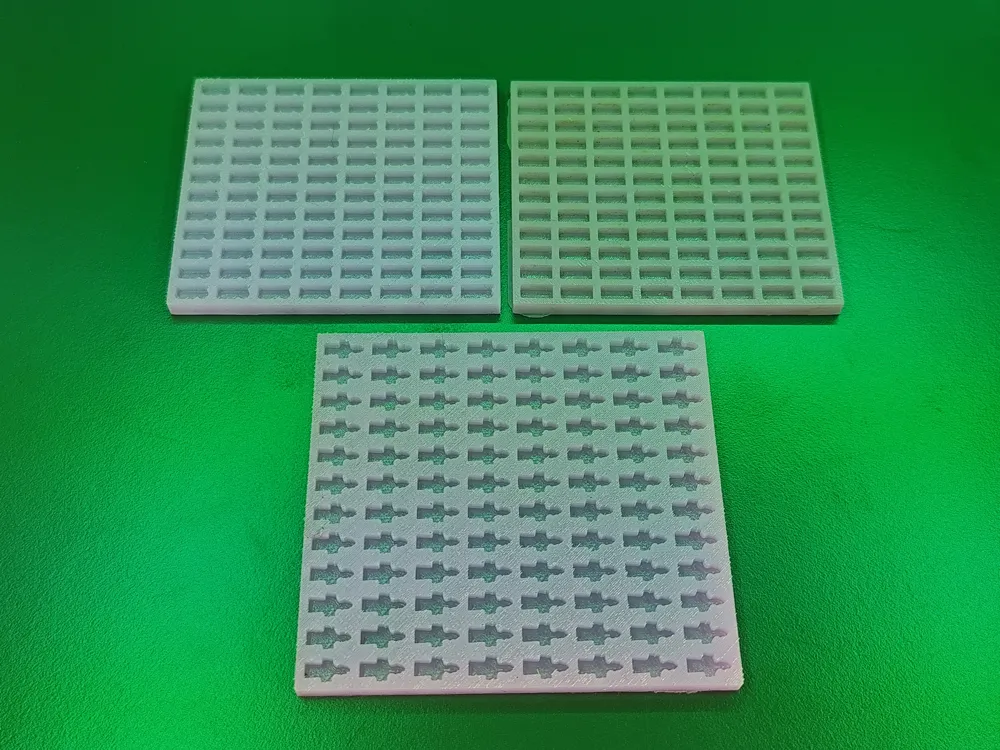
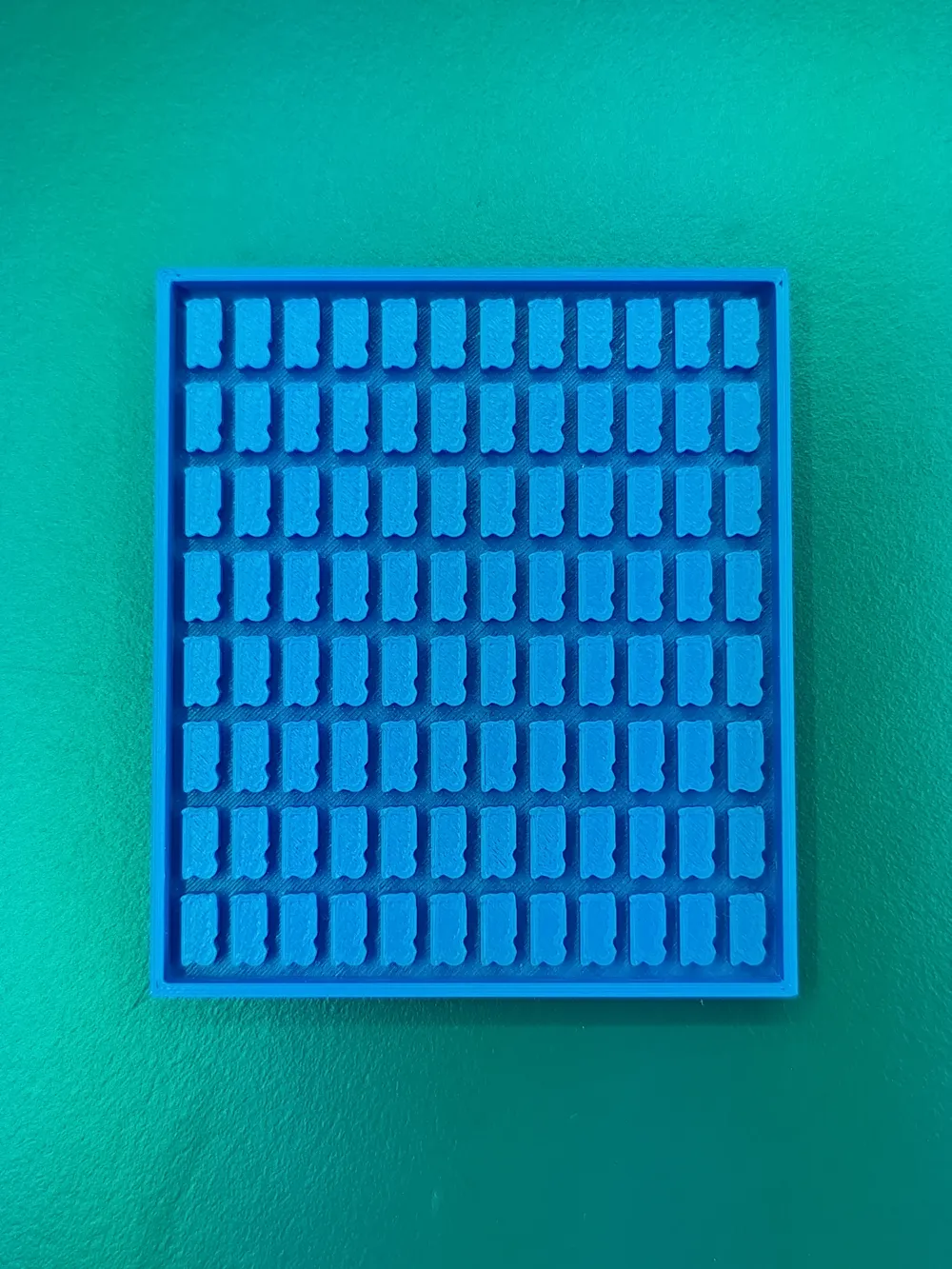
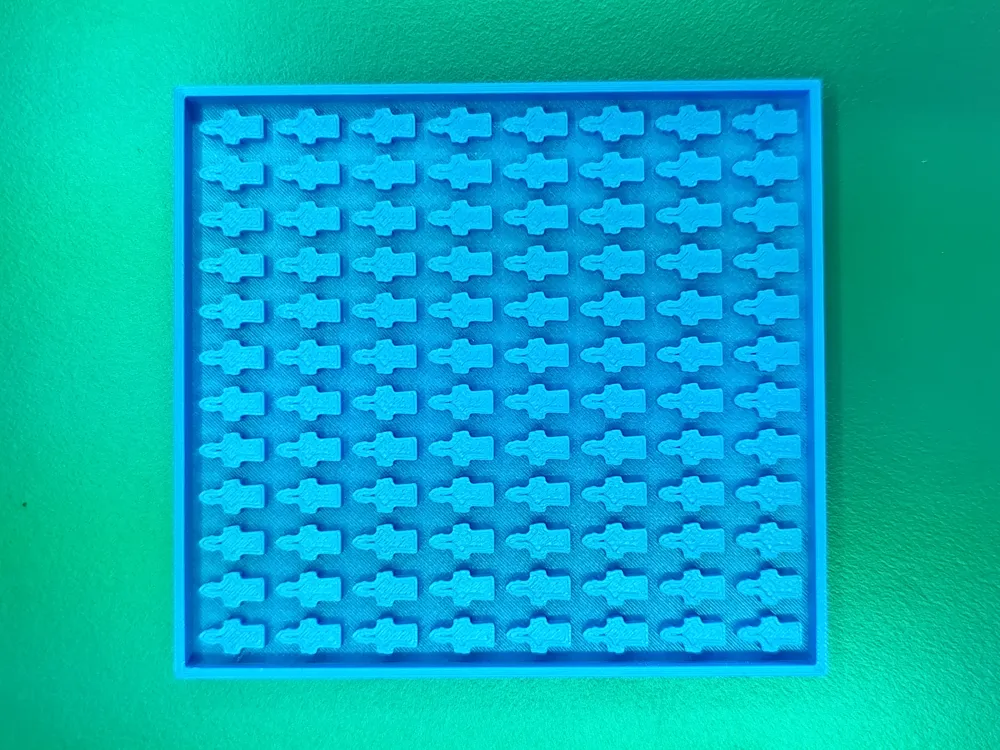
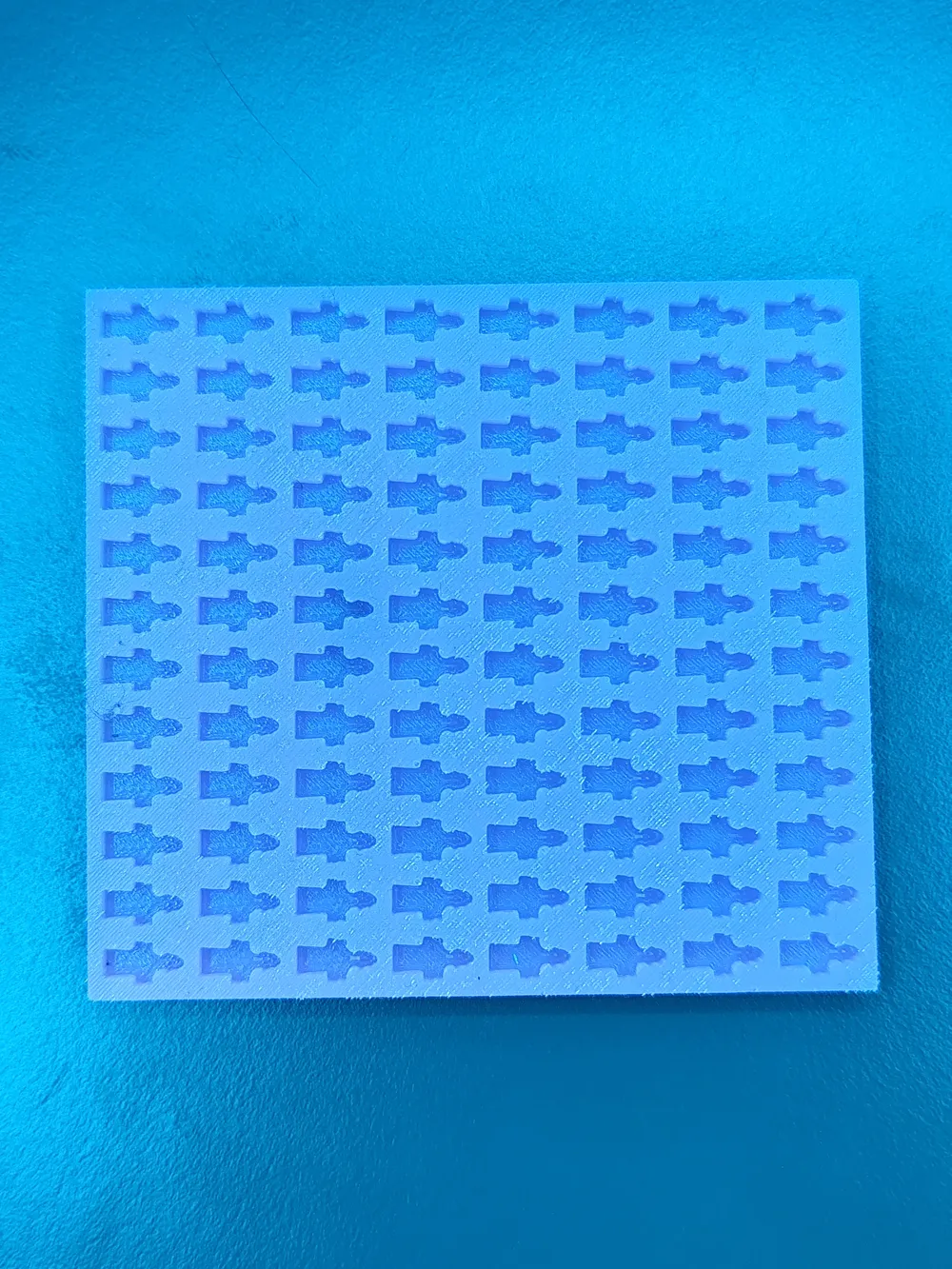
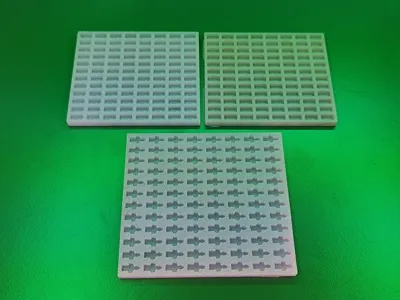
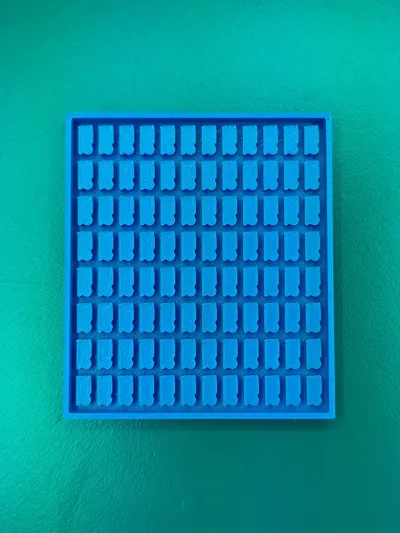
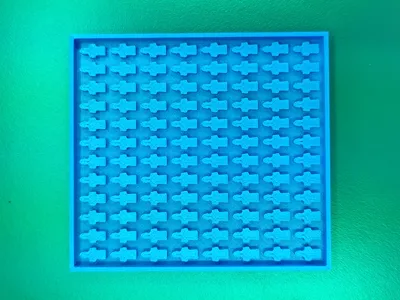
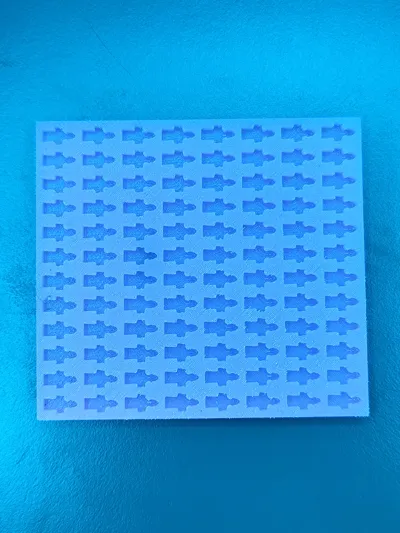
In addition to the OpenSCAD files, I am including three STL files with three types of 1:35‑scale bricks: a standard Gothic brick and two shaped bricks—one for shafts or cornices, and another for ribs in a ribbed vault (based on a drawing from the chapel at Malbork Castle). Their SVG files are also included.
There are two versions of each OpenSCAD file: one without comments, and another with extensive documentation.
As the project evolves, I plan to add new brick molds and—once I become more familiar with architectural principles—eventually create a model of a church built from these bricks, along with instructions on how to build it yourself. That part may take some time.
To prevent the print from warping or lifting from the heated bed, I recommend adding a brim.
License



Comment & Rating (1)