
Dummy cartridges .357 Mag and .38 Special
Print Profile(2)
Bill of Materials



Description
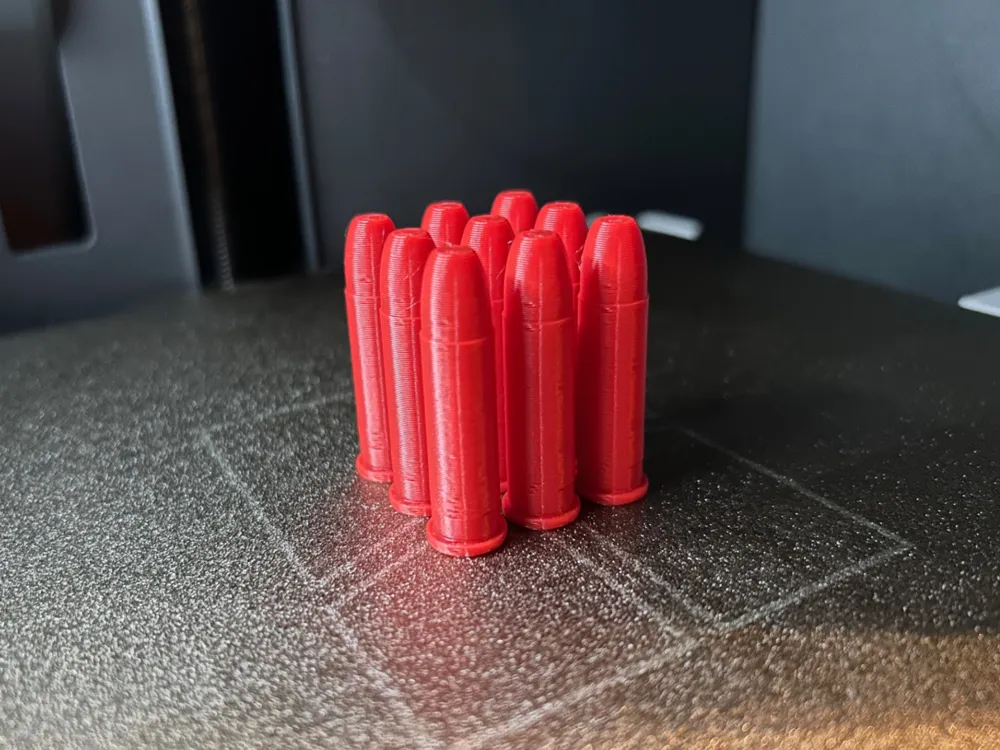
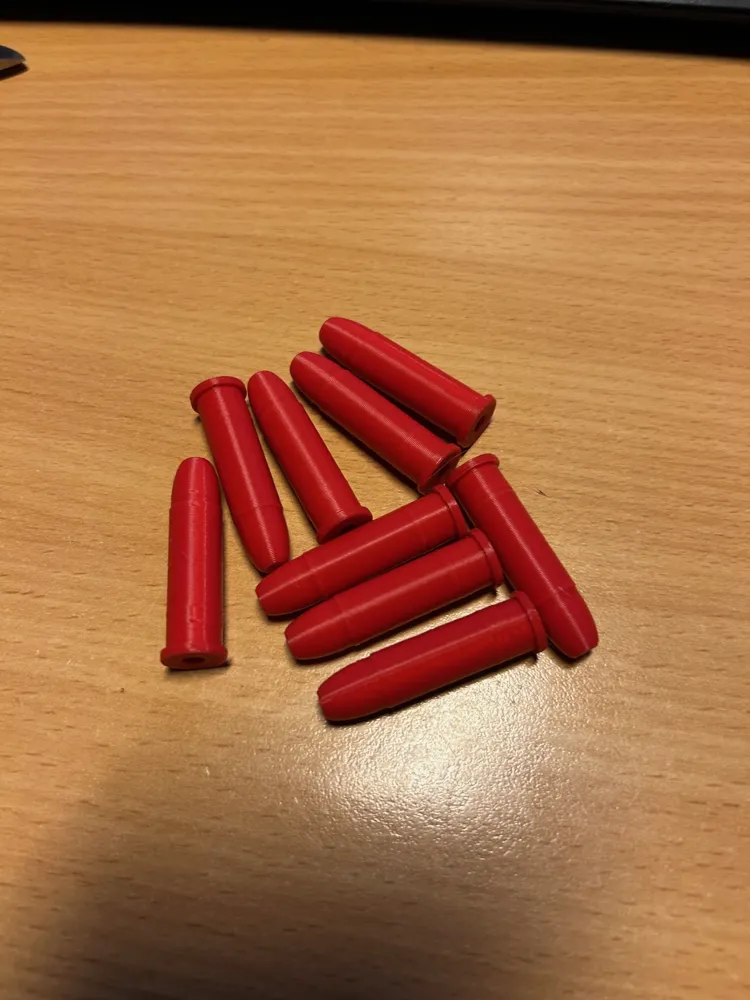
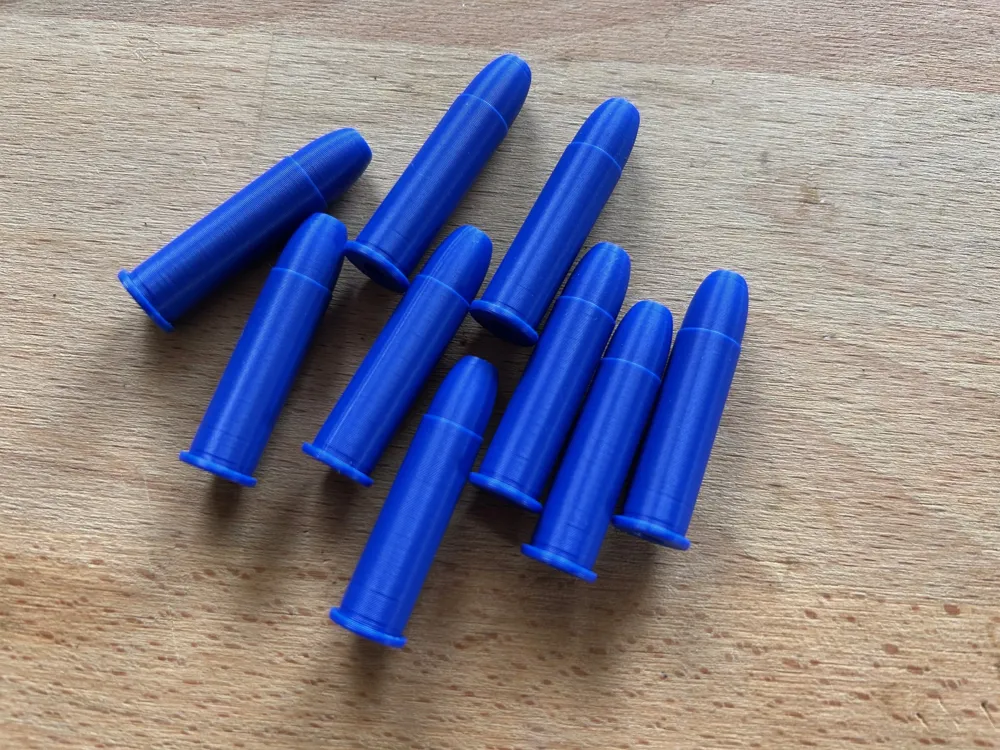
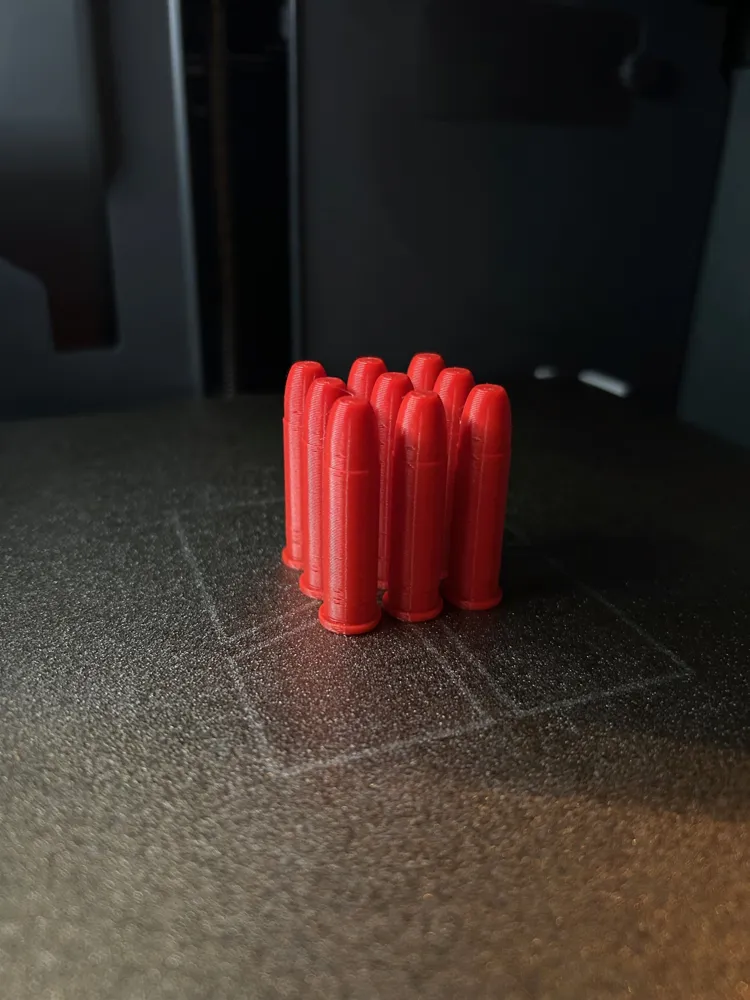
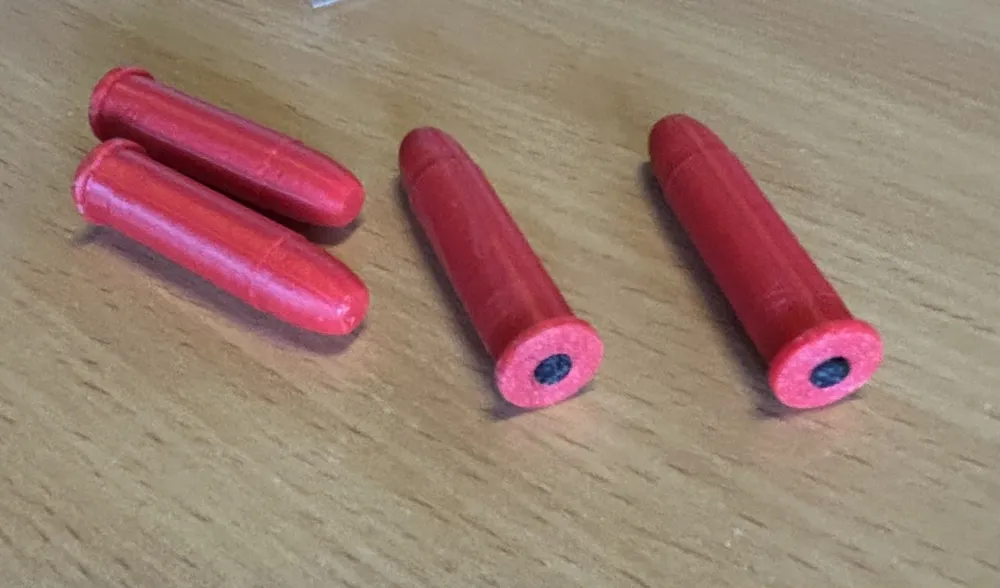
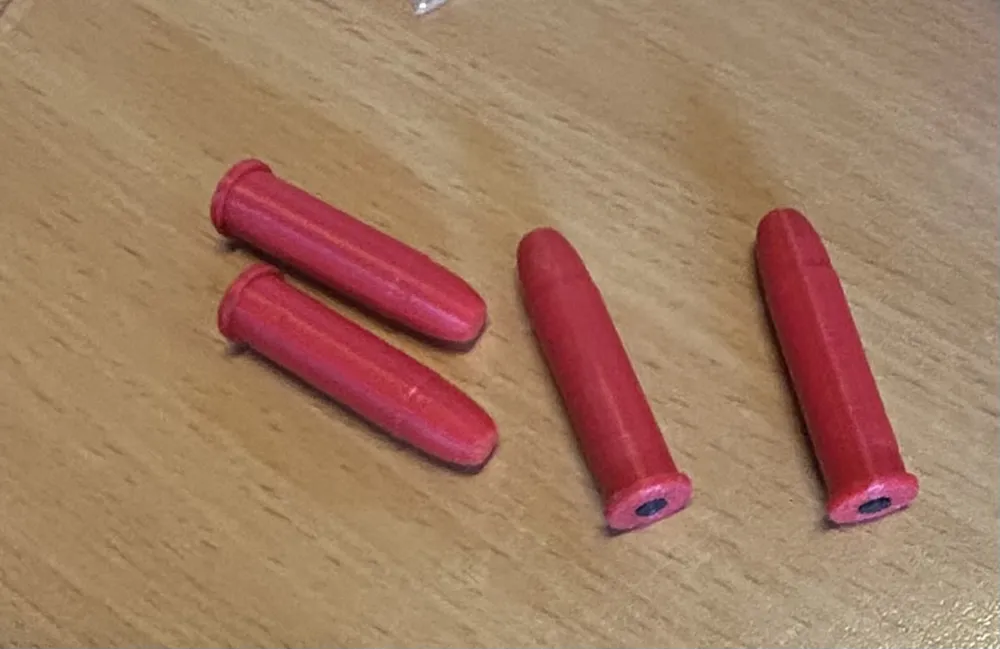
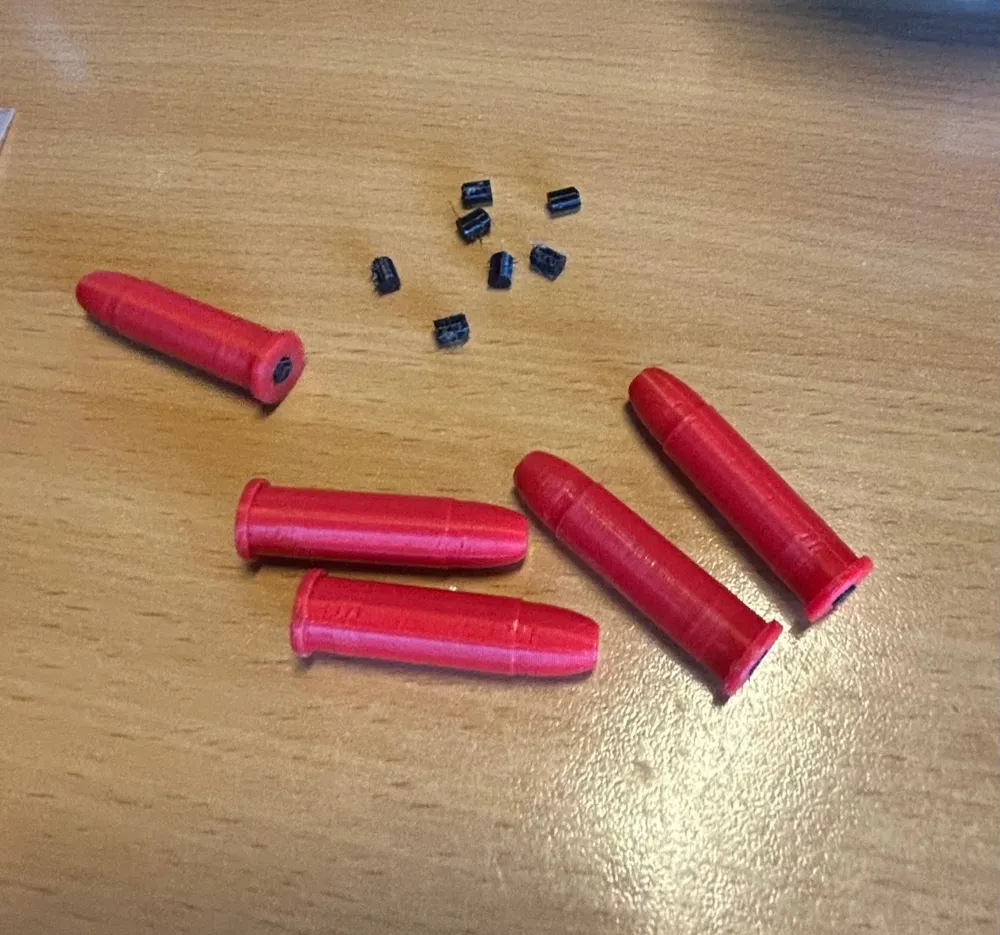
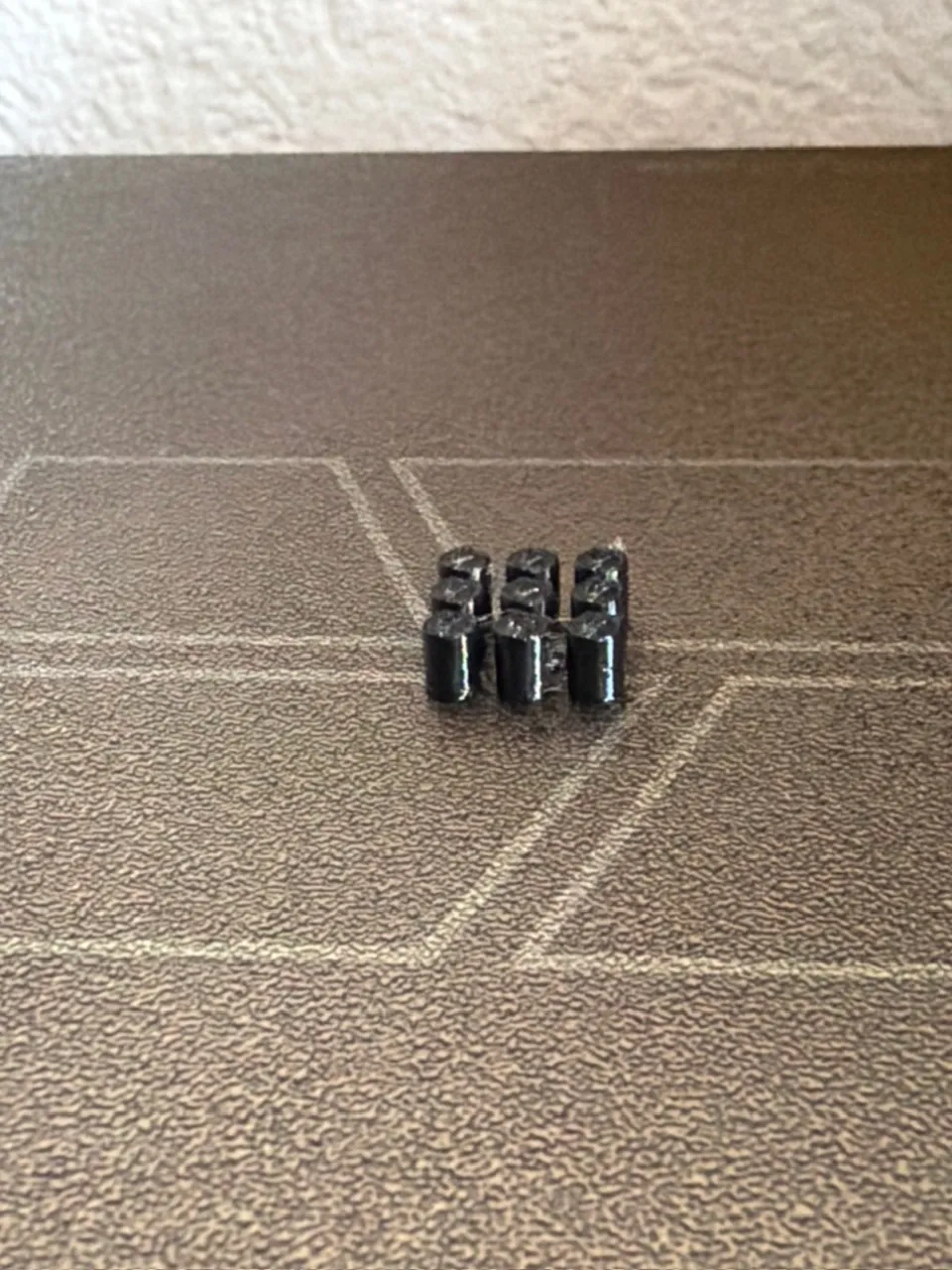
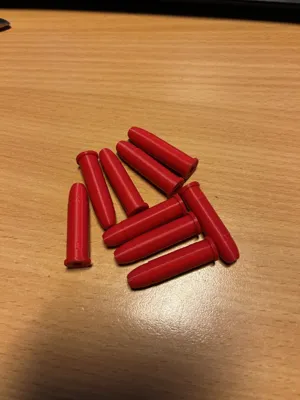
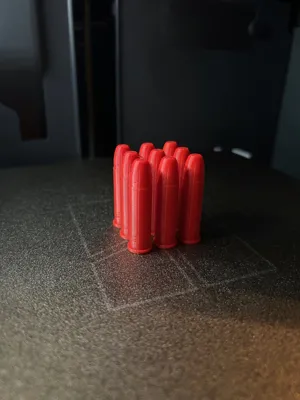
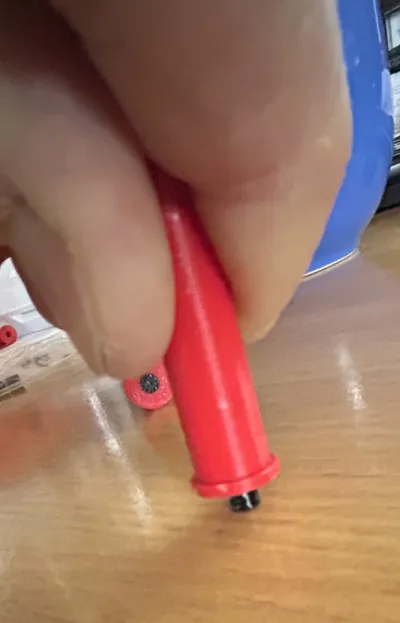
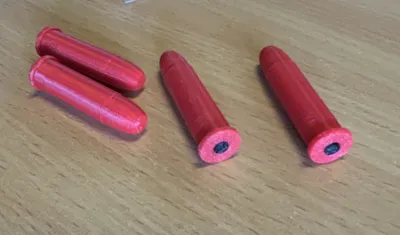
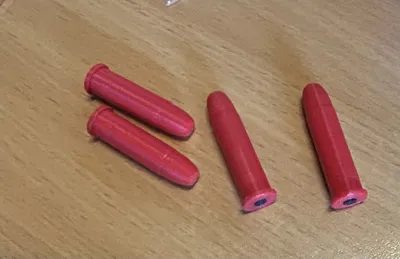
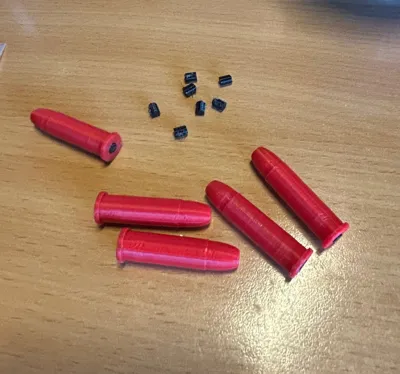
For practicing tampering and jamming, as well as dry-fire training for sport shooters, IPSC, tactical and dynamic shooting. I printed the tamper rounds myself using Bambu Lab PETG HF. I printed the snap cap/rubber buffer with TPU 95A. They act as a dampener for the firing pin, making dry-fire training less damaging to the weapon. The rubber buffers are inserted into the dummy rounds after printing.
Boost Me (for free)
Please give me one of your boosters.
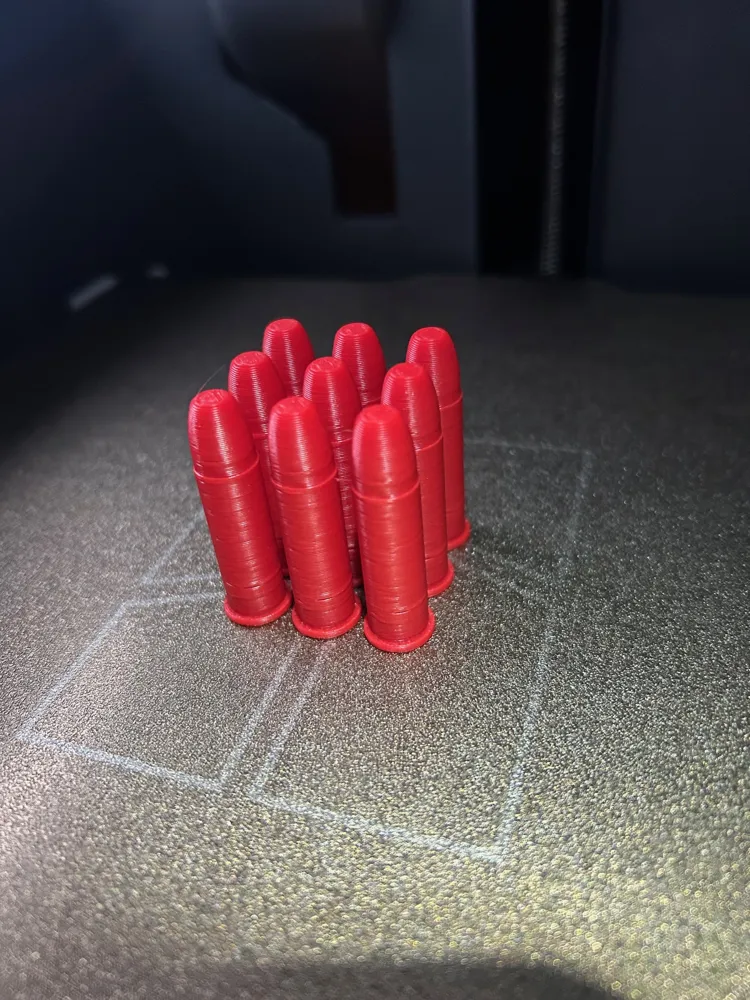
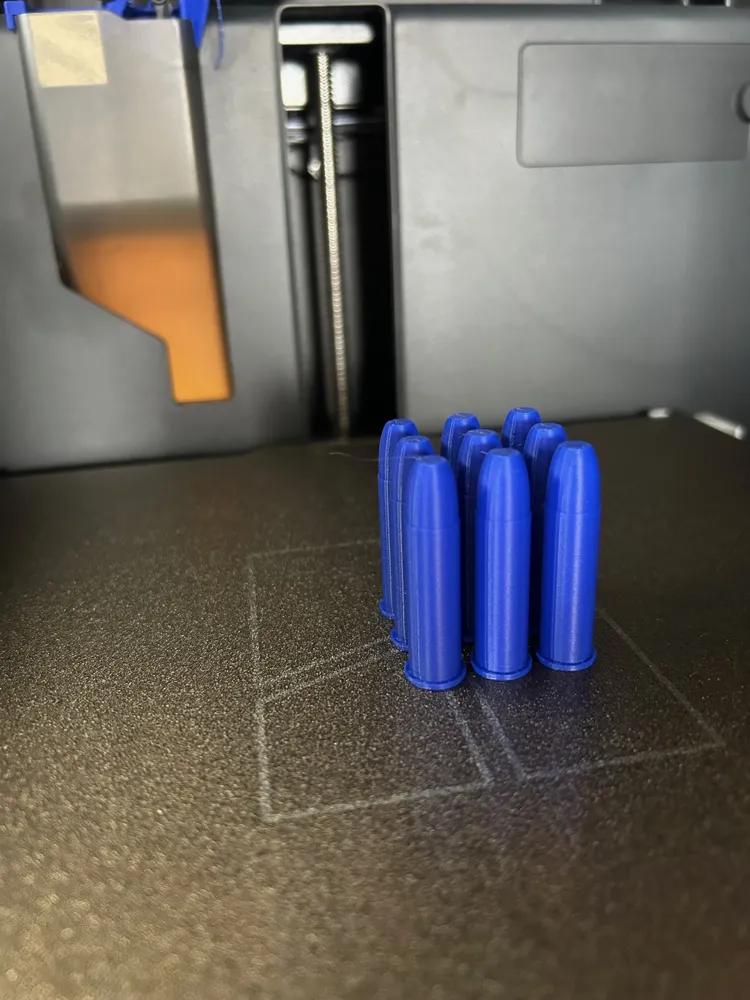
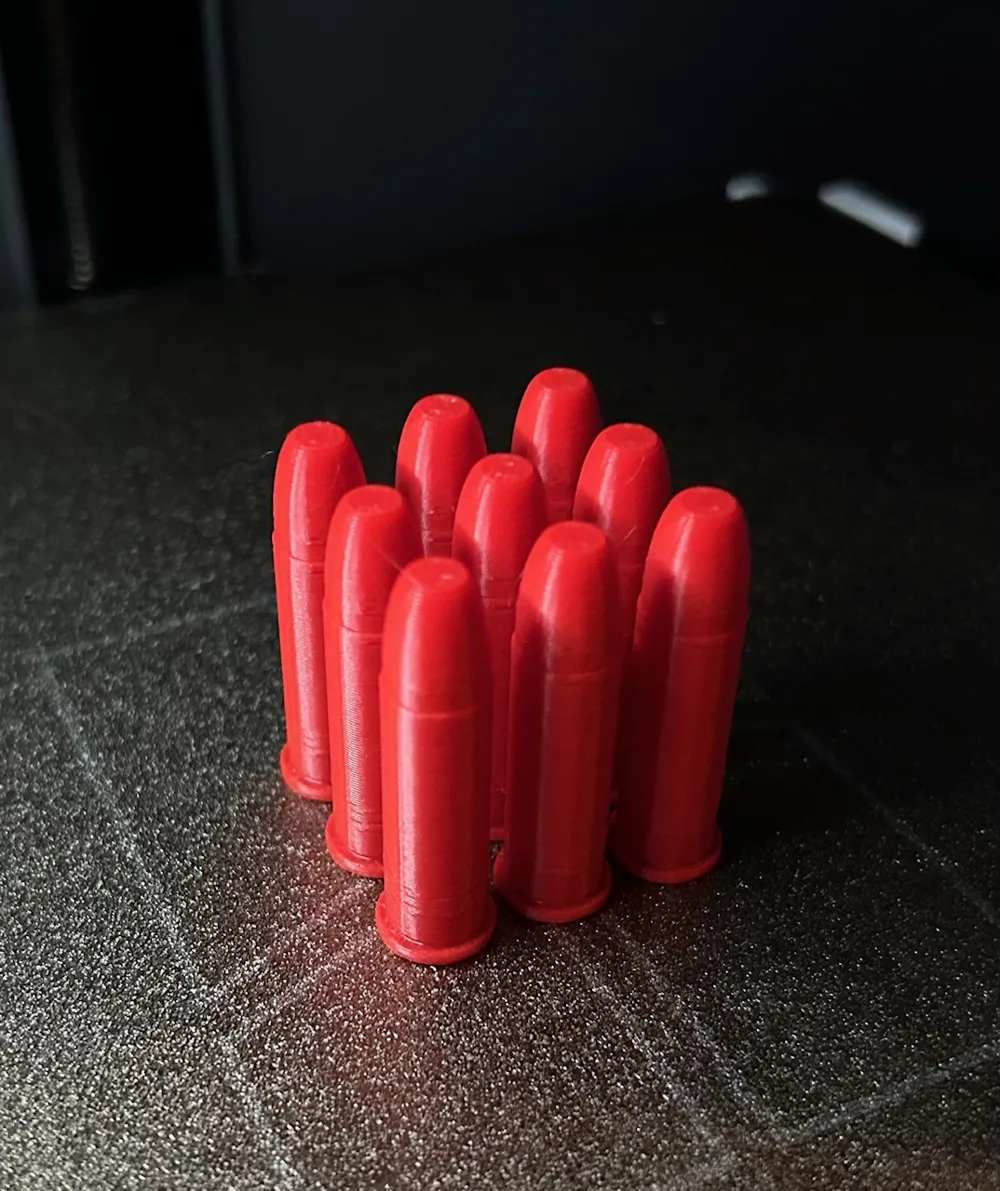
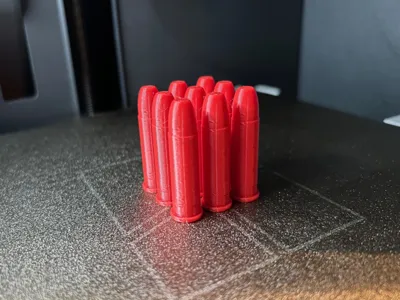
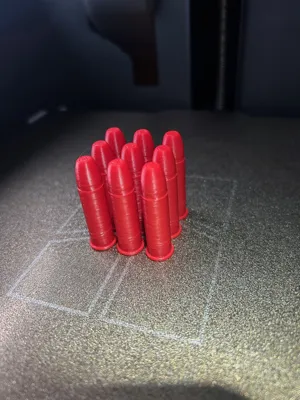
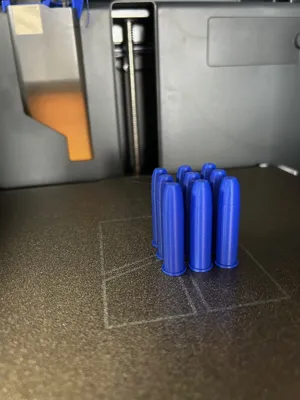
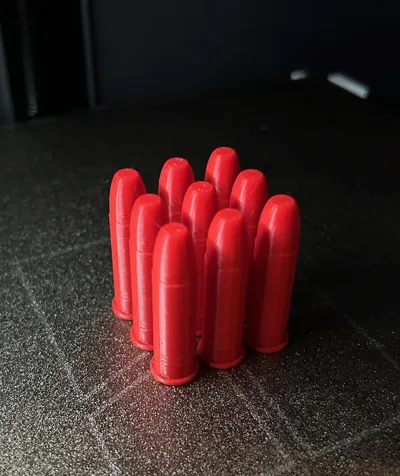
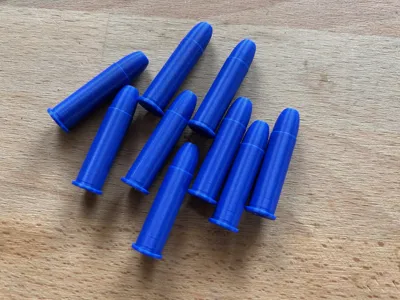
The rim of the case has a height of 1.5mm. This worked well for me with the S&W revolver and Chiappa rifle, giving the dummy a lot of stability and durability. A user pointed out that the case heads were too thick for his type of revolver and he couldn't close it properly. Therefore, I've now added another profile with a base thickness of 1.3mm.
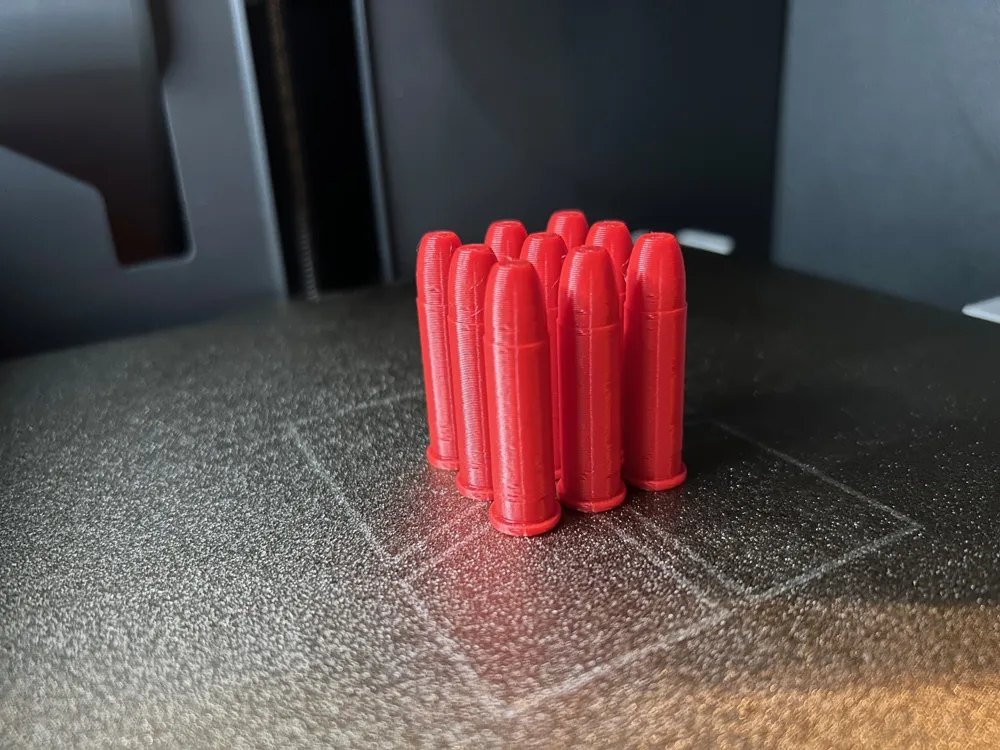
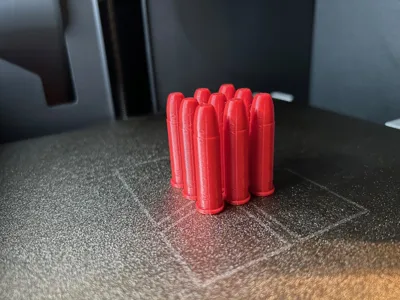
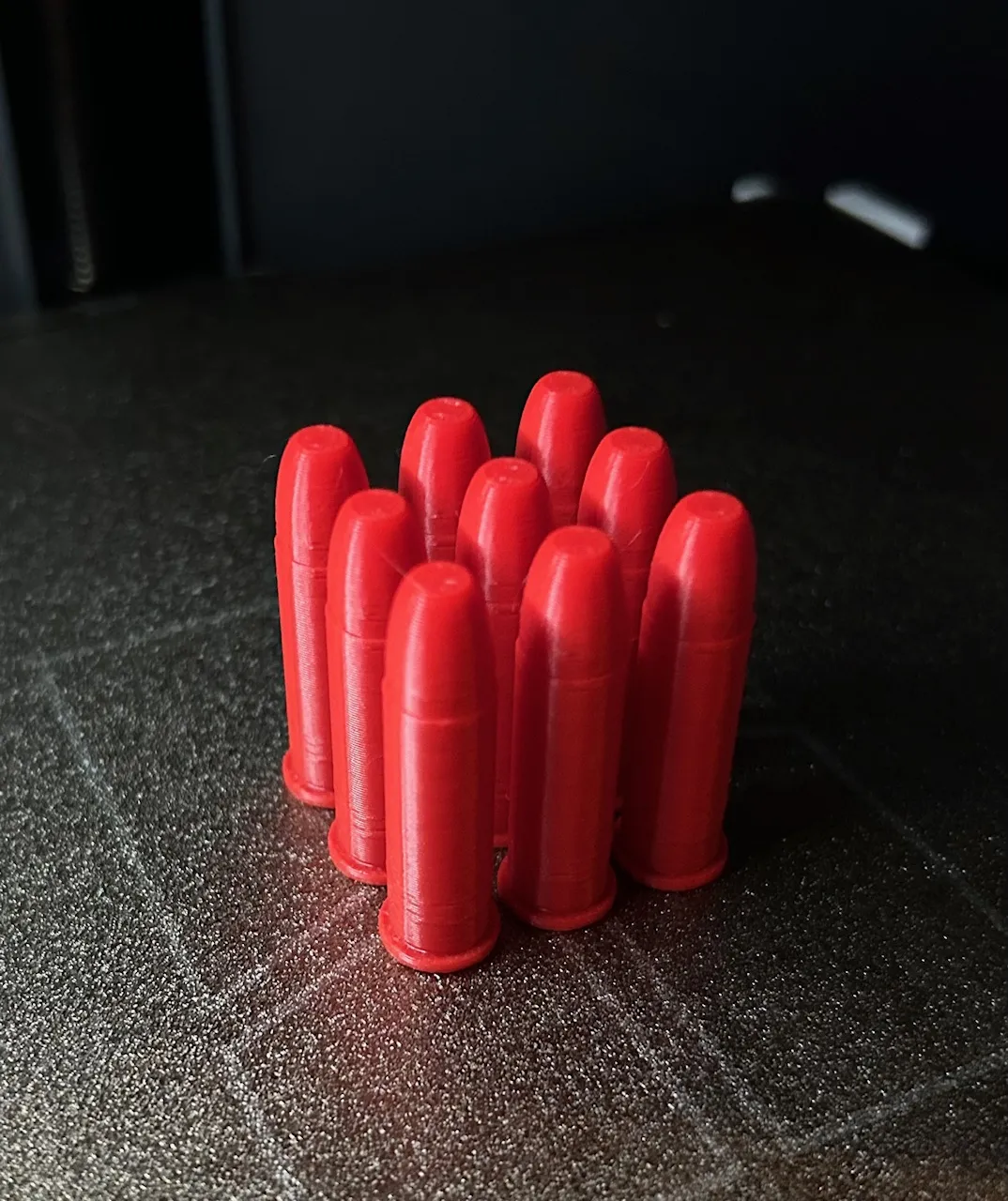
For 1.5mm, select the profiles with the red dummies.
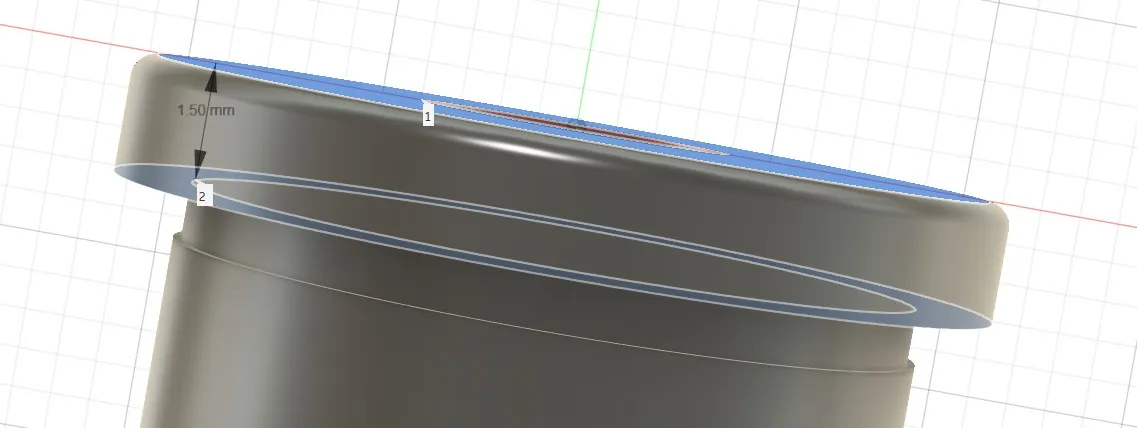
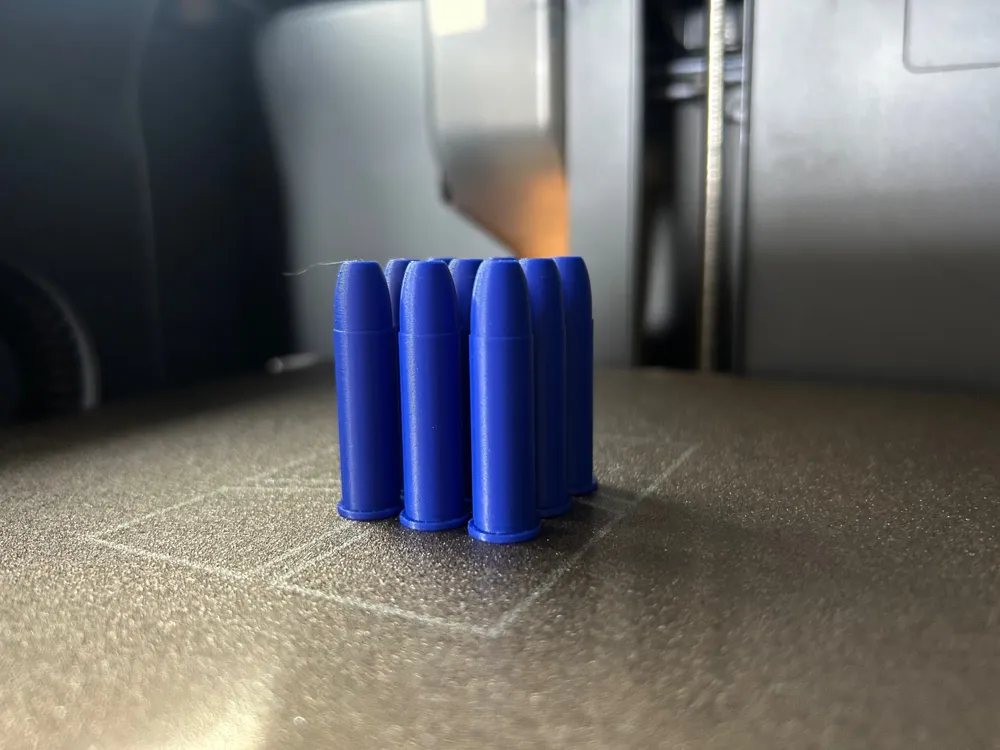
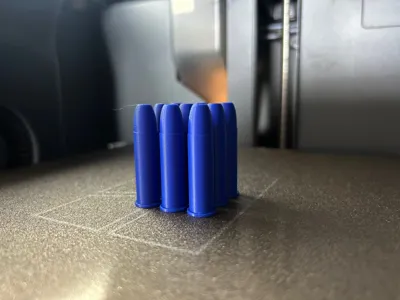
For 1.3mm, select the profile with the blue dummies.
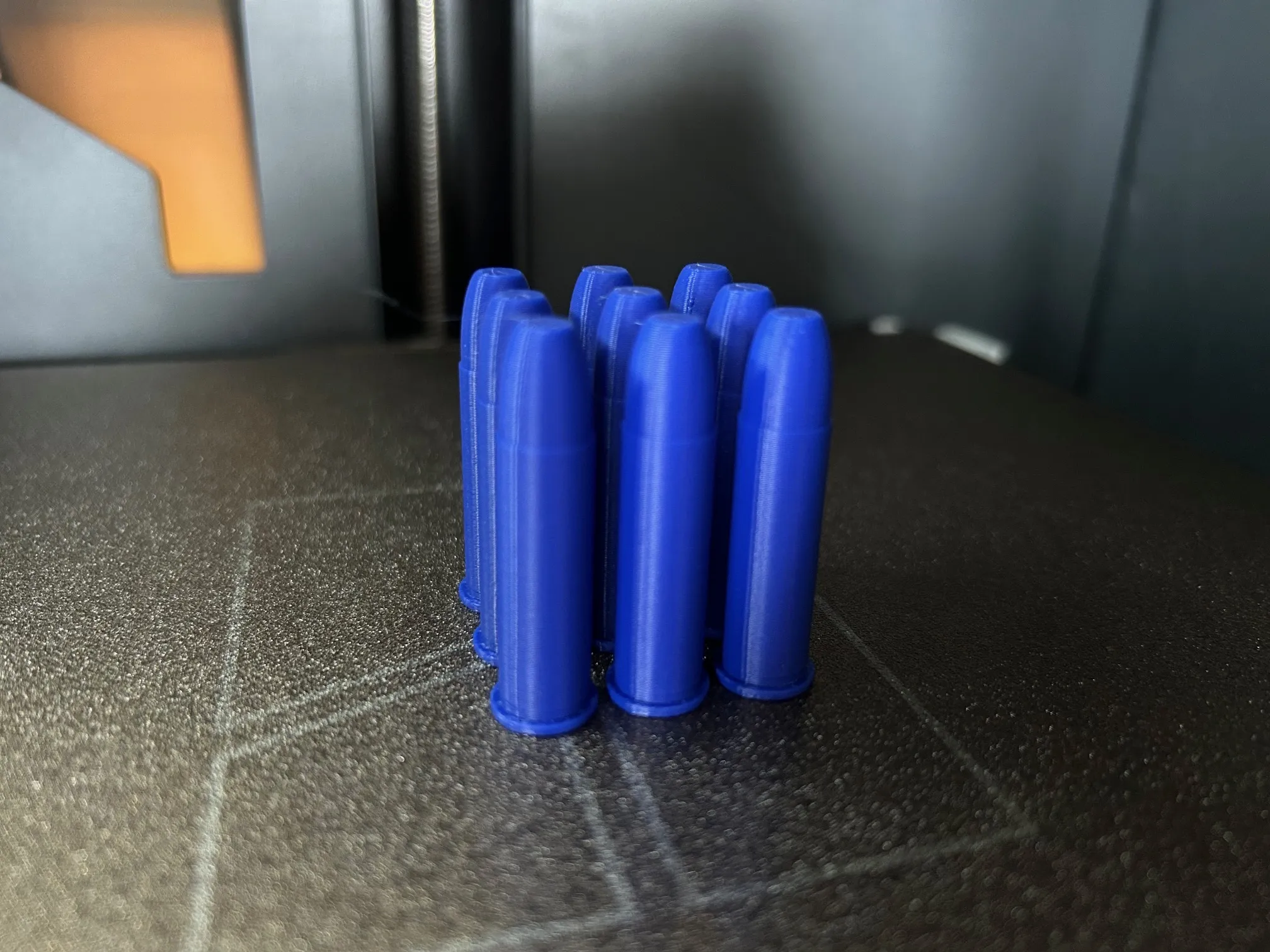
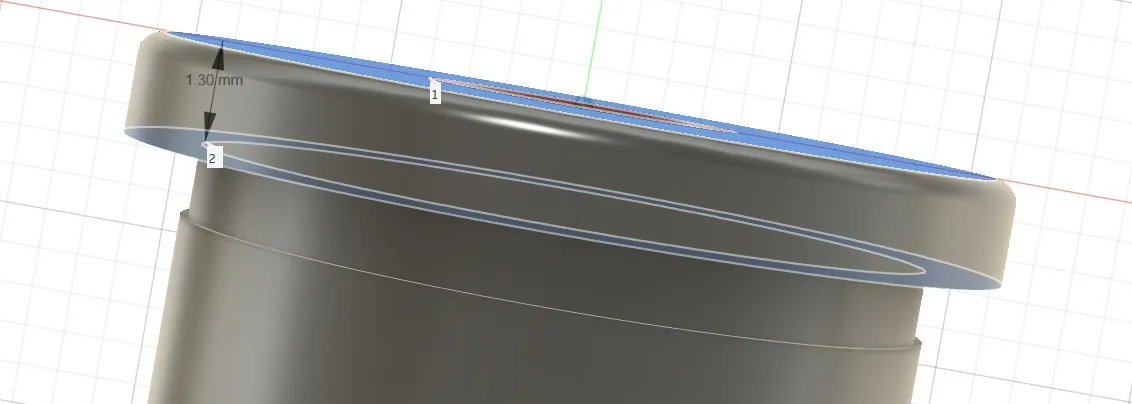
I had absolutely no problems with the printing process using the P1S. However, be sure to use a very clean print bed and consider using 3D varnish.
If you know you're having adhesion problems, activate the border in your slicer. Enabling the border can also be useful with the A1 and A1 Mini due to their moving print bed.
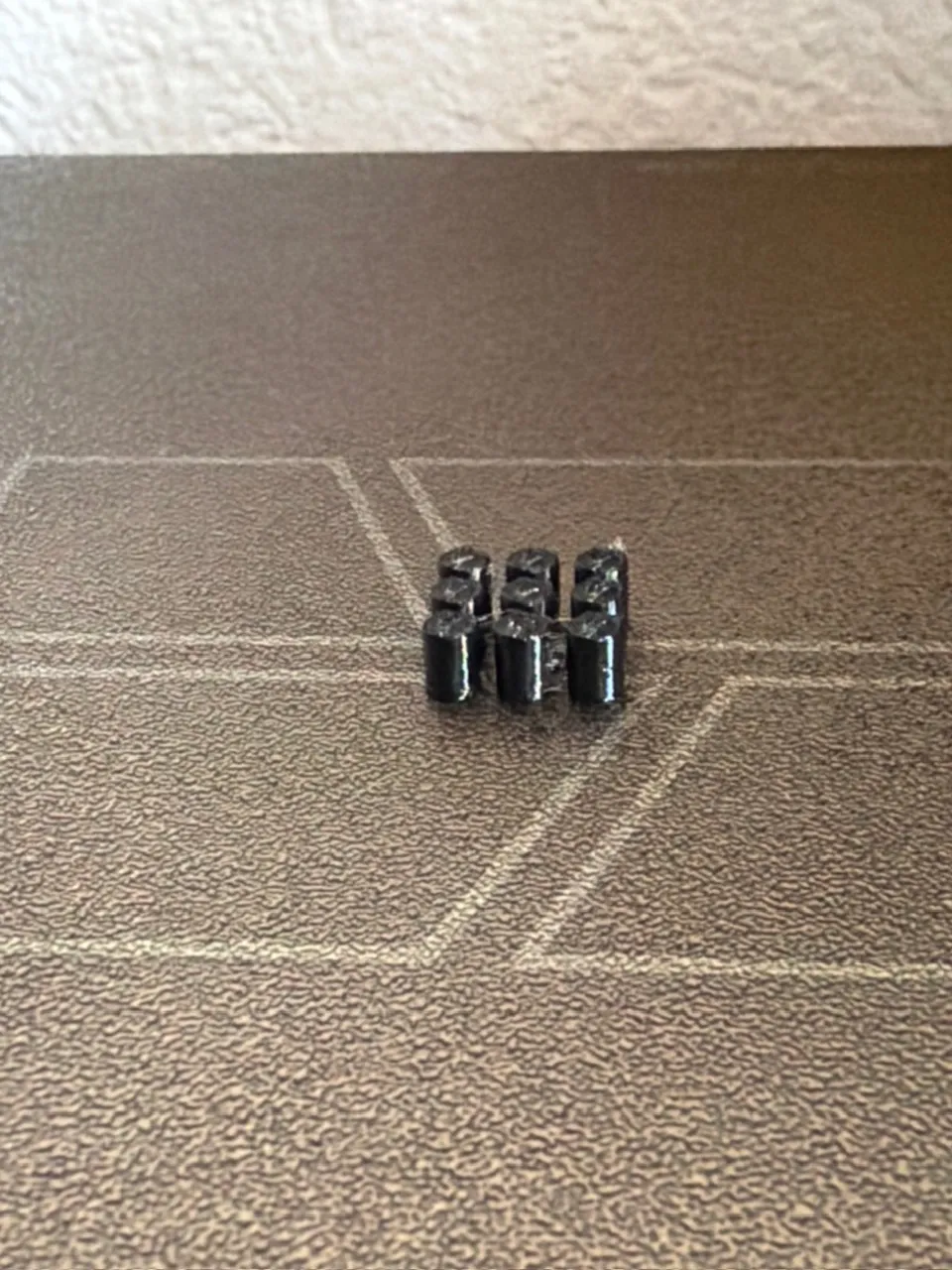
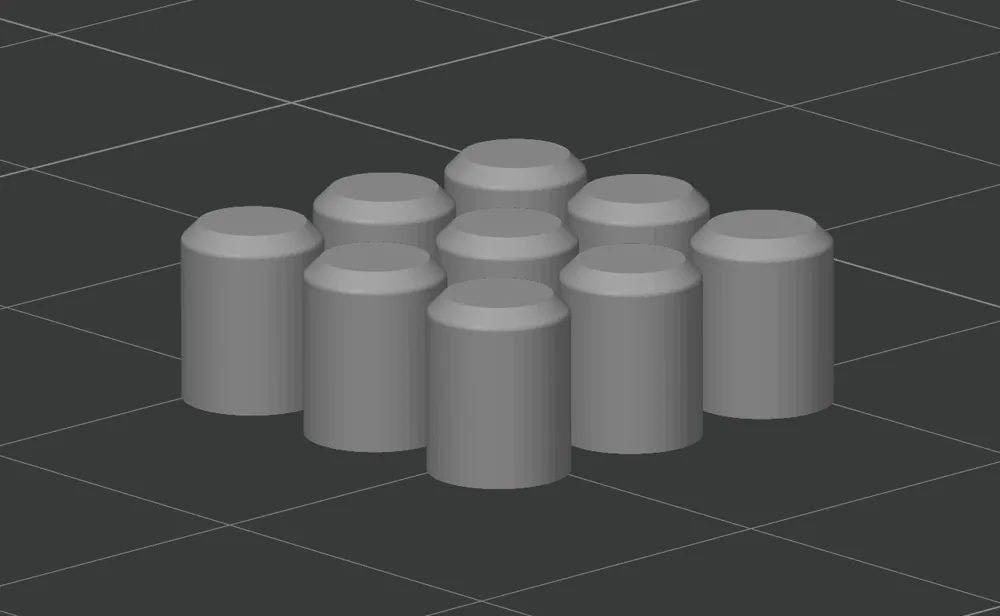
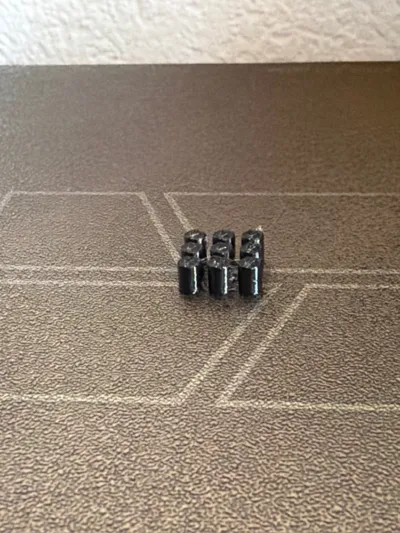
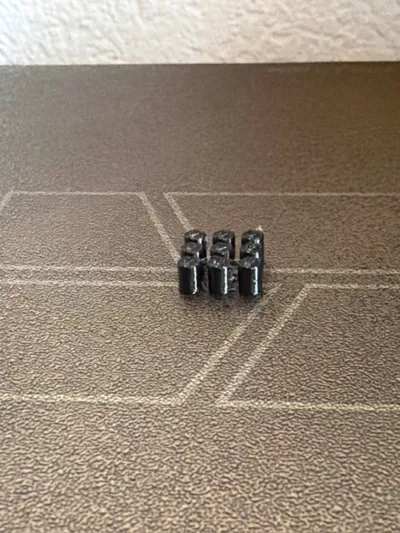
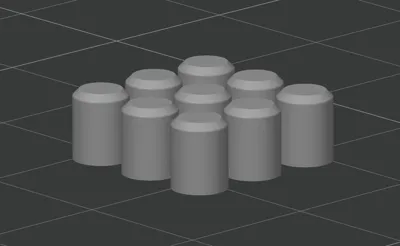
The print beds each contain 9 dummy rounds for .38 Special, 9 dummy rounds for .357 Magnum, and 9 rubber buffers.
Assembly:
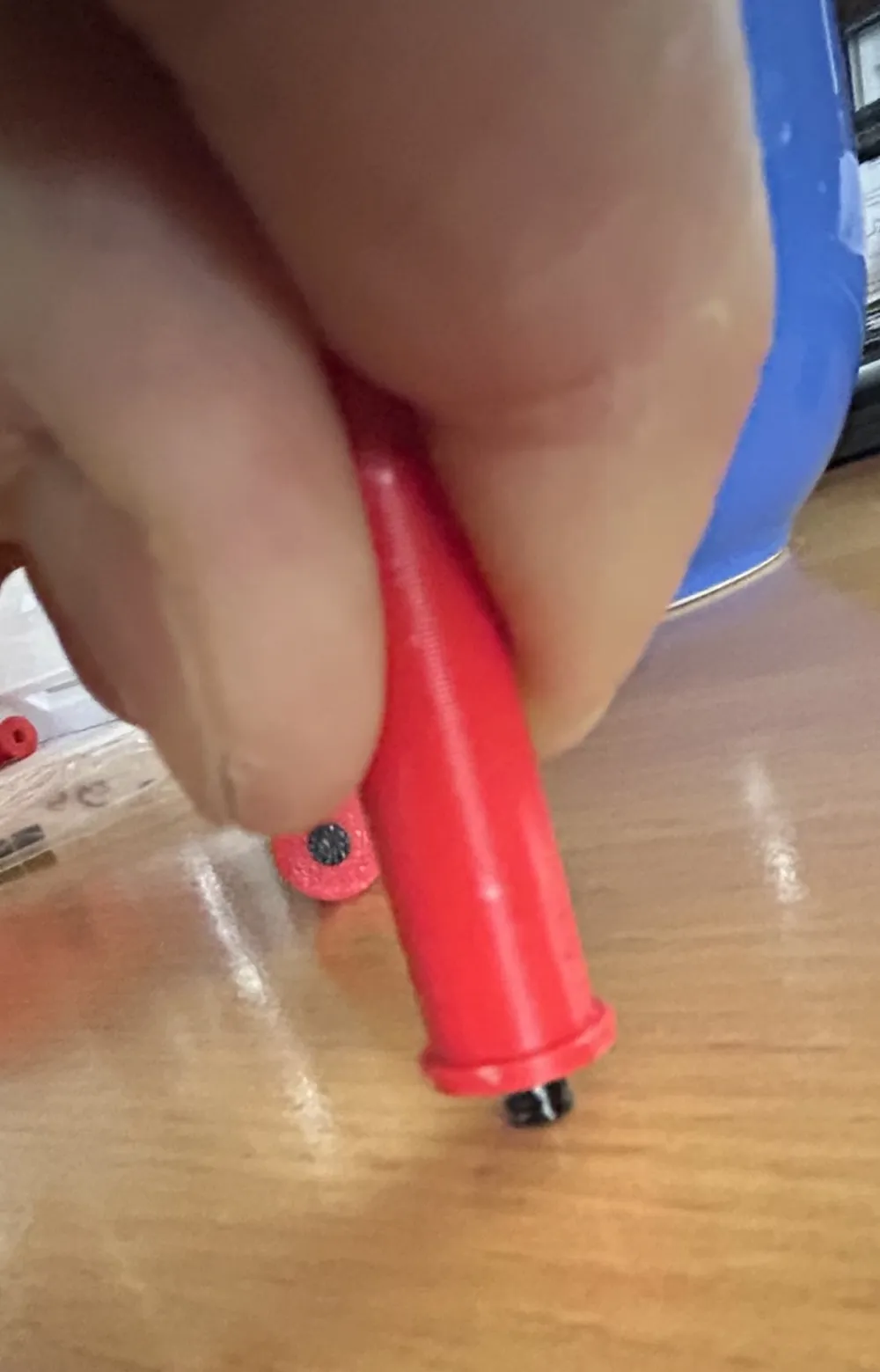
To assemble the dummies, the snap caps are pushed into them. This can be a bit tight; this is intentional to prevent them from falling out, especially during the lever action of the rifle.
Proceed as follows: The snap caps have a chamfer on the top. It's difficult to see with the naked eye, but it's on the top, and this side should be pressed into the dummy.
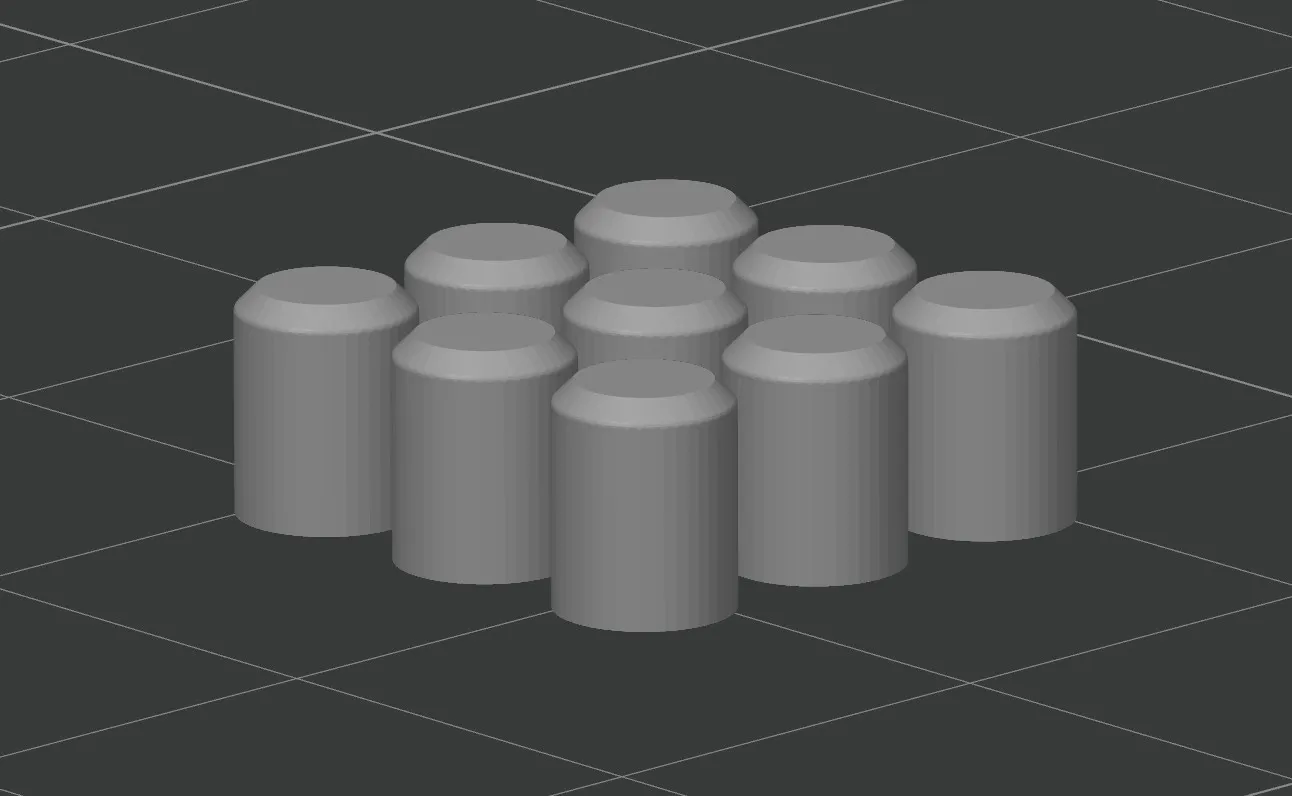
Insert the Snapcap into the dummy with the bevel facing forward, making a slight twisting motion. Once it's partially inserted, press the Snapcap onto your table or other flat surface. Afterwards, it may help to press it down again with a screwdriver.
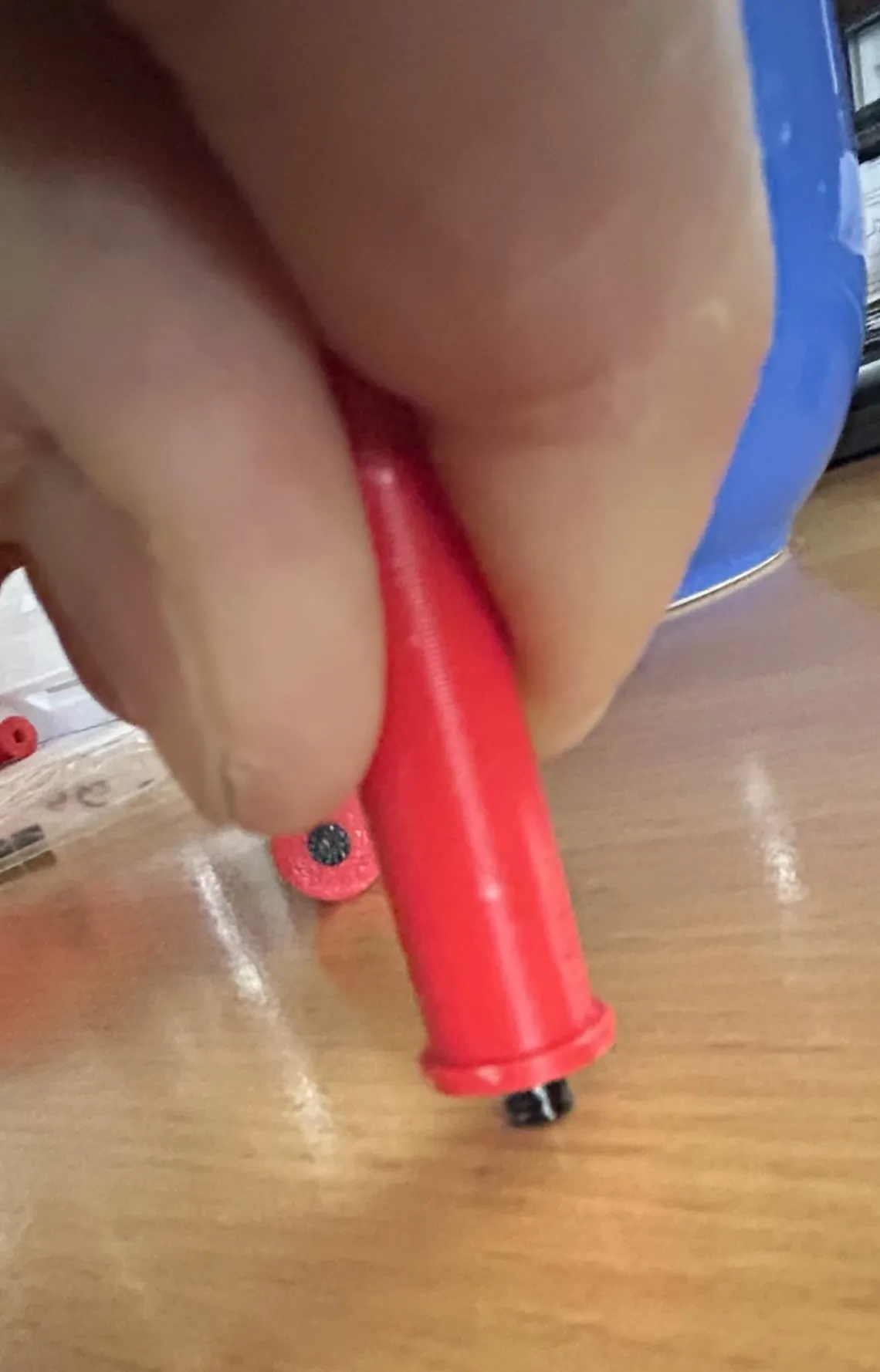
Important:
I tested them in my own revolver and lever-action rifle. They worked perfectly for me. If you plan to practice with the lever action, I recommend cleaning the barrel and chamber before actual firing to remove any residue from the dummy rounds.
You act at your own risk and use everything at your own discretion.
License

You shall not share, sub-license, sell, rent, host, transfer, or distribute in any way the digital or 3D printed versions of this object, nor any other derivative work of this object in its digital or physical format (including - but not limited to - remixes of this object, and hosting on other digital platforms). The objects may not be used without permission in any way whatsoever in which you charge money, or collect fees.


Comment & Rating (8)