
Green Horizon Cadets: #2 ~ Junior Naturalist
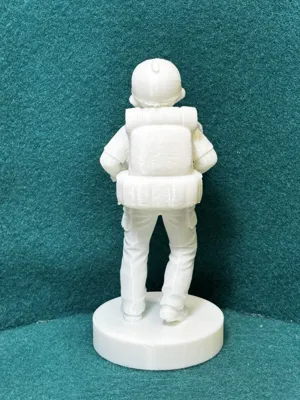
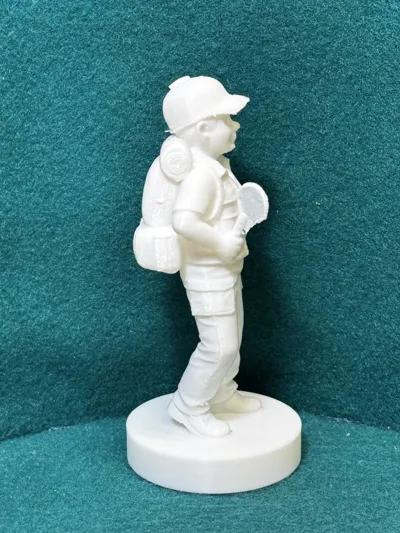
Print Profile(1)

Description

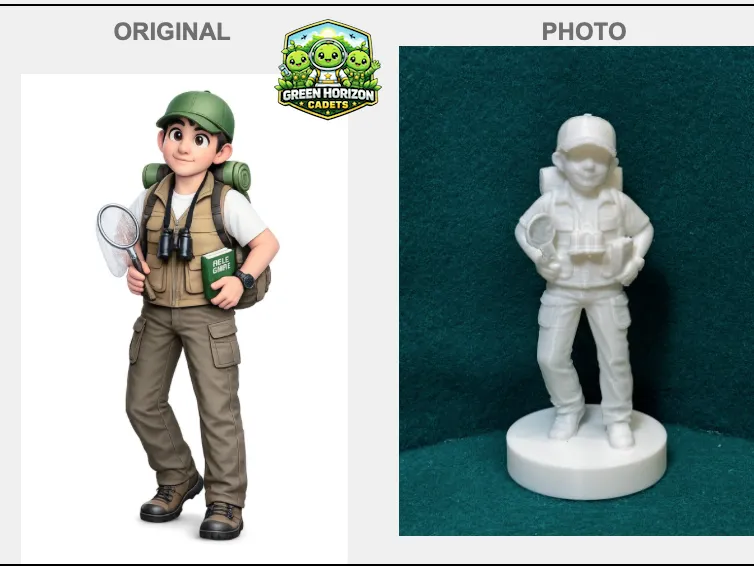
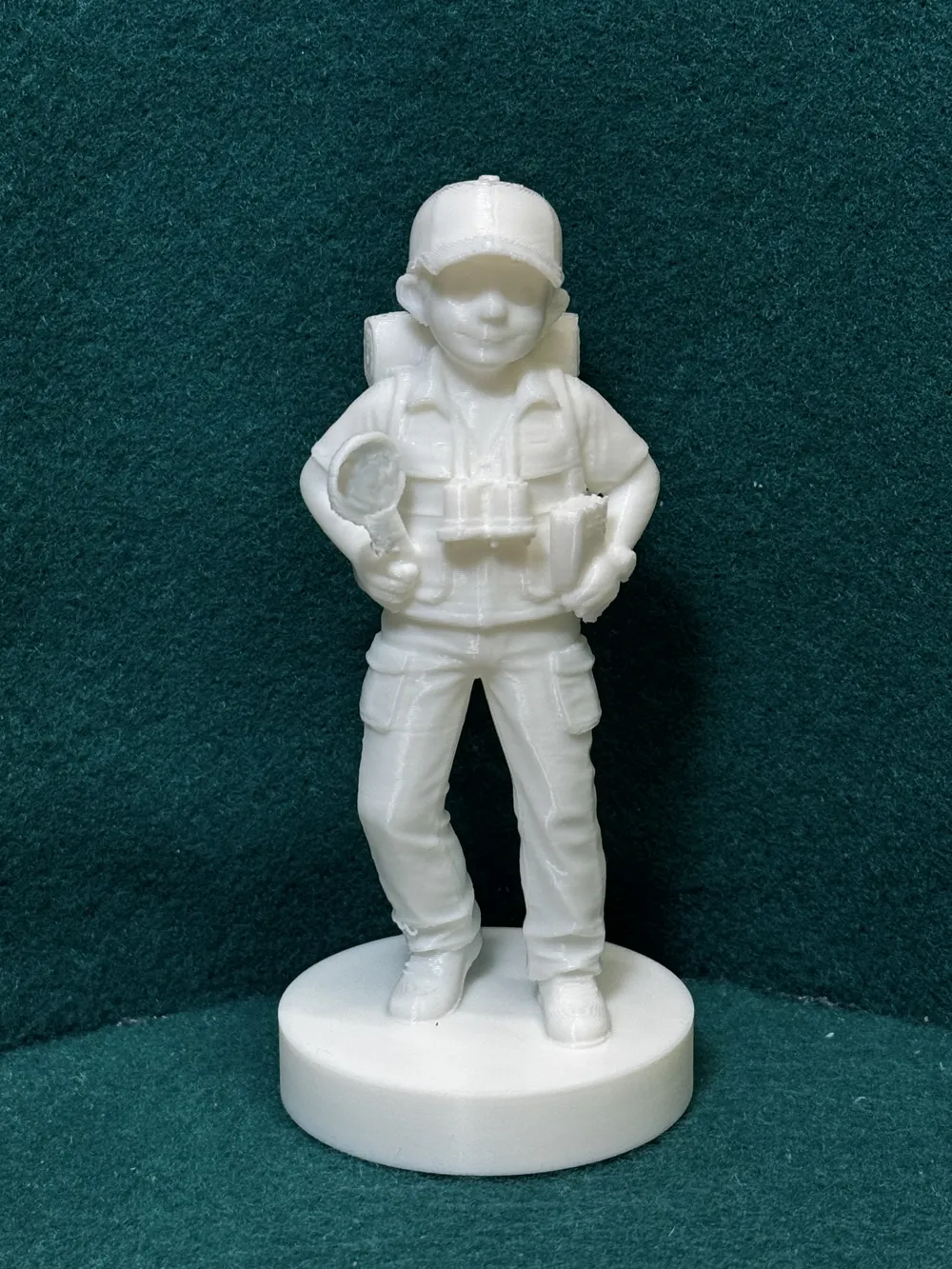
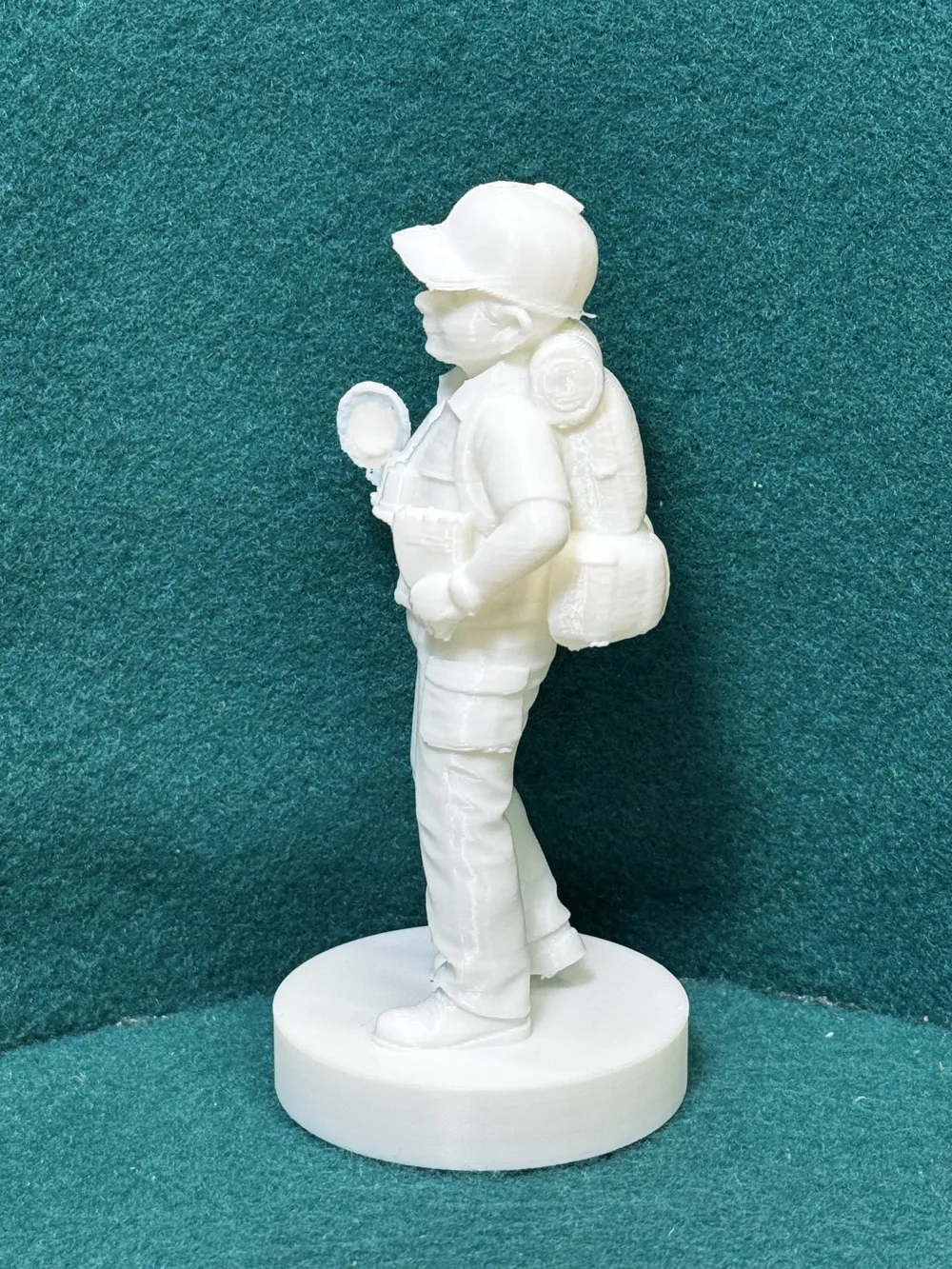
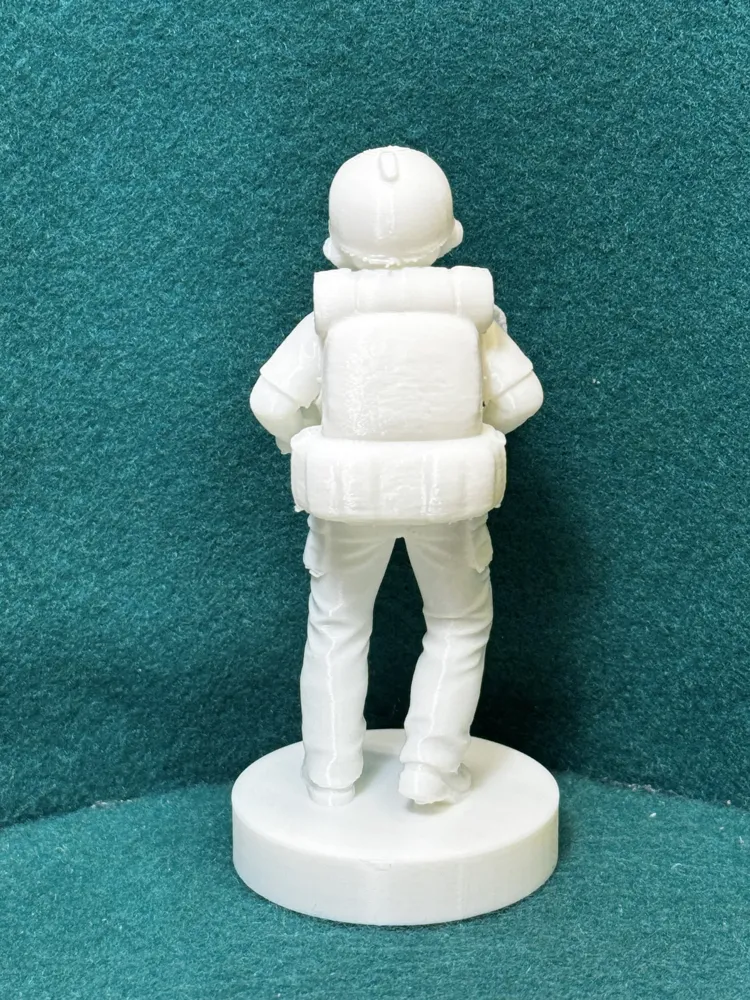
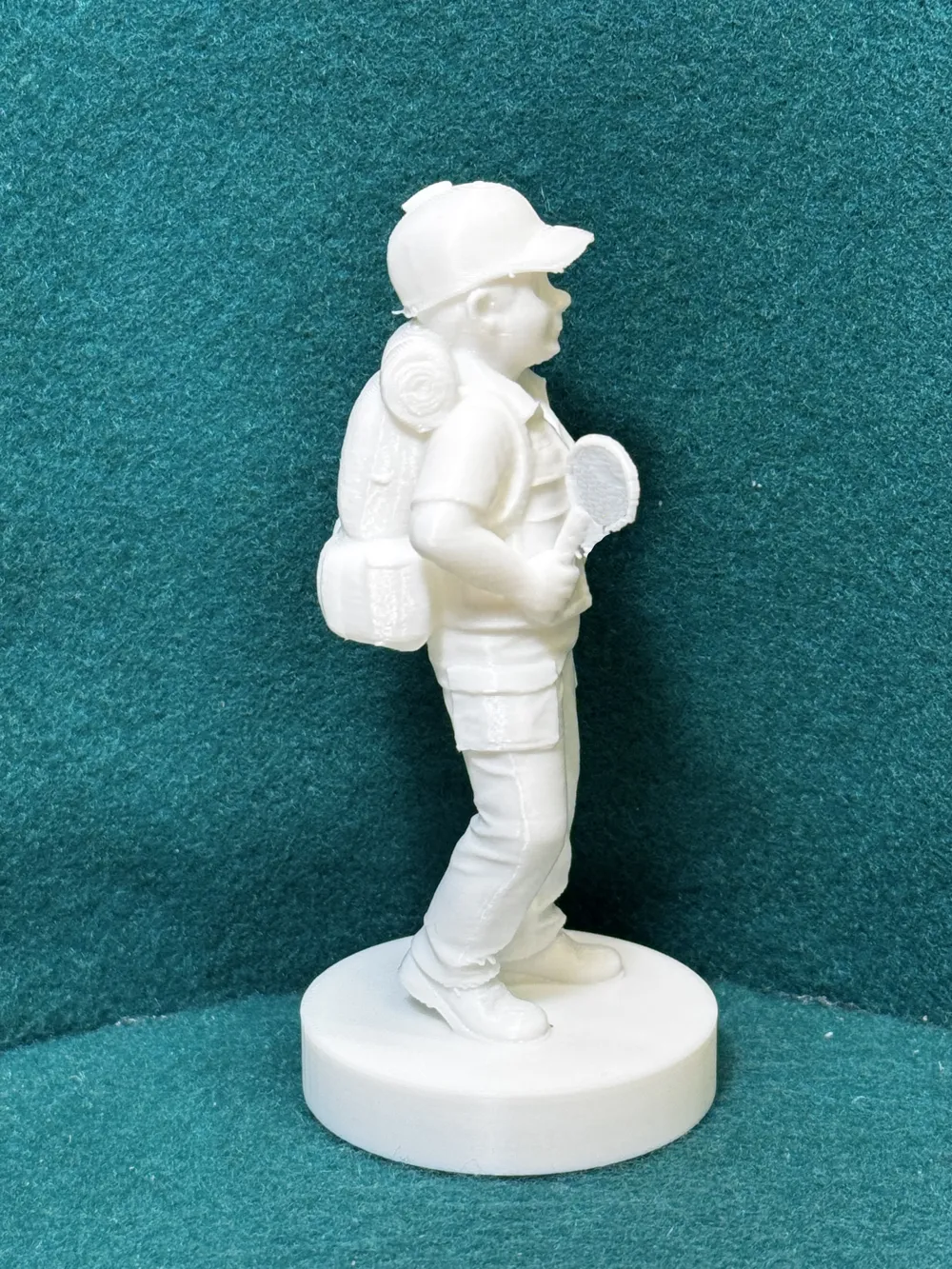
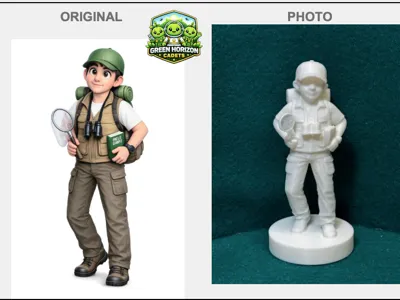
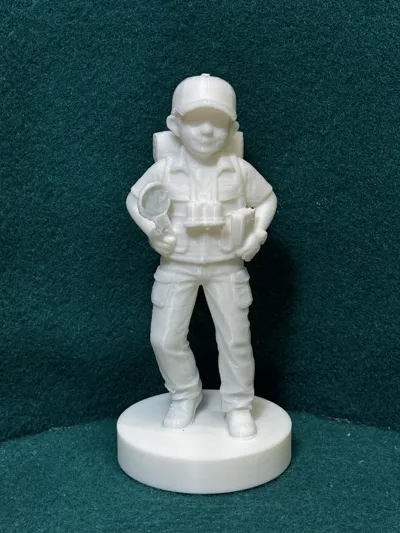
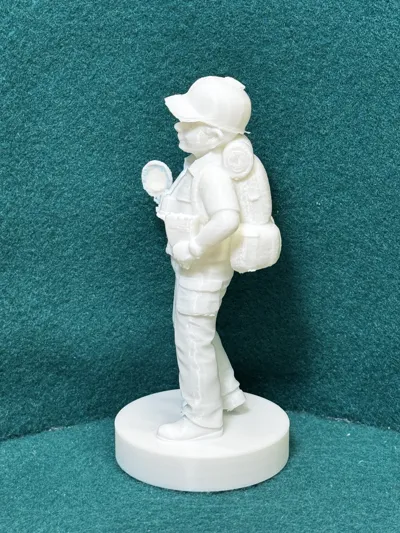
Green Horizon Cadets: #2 ~ Junior Naturalist
Unified Team Mission Statement
We study the wild seriously.
We protect it responsibly.
We explore it curiously.
The Green Horizon Cadets combine science, fieldwork, compassion, and a healthy sense of adventure to better understand and safeguard the natural world. Whether tracking wildlife, restoring habitats, documenting ecosystems, or rescuing strays, they believe conservation begins with curiosity — and sometimes with stopping mid-step because something extraordinary just happened.
Their guiding principle:
Learn deeply. Care fiercely. Leave no trace… except better knowledge.
Official Team Reminder:
If you become completely absorbed in a discovery, please notify the rest of the team before they hike two miles ahead.
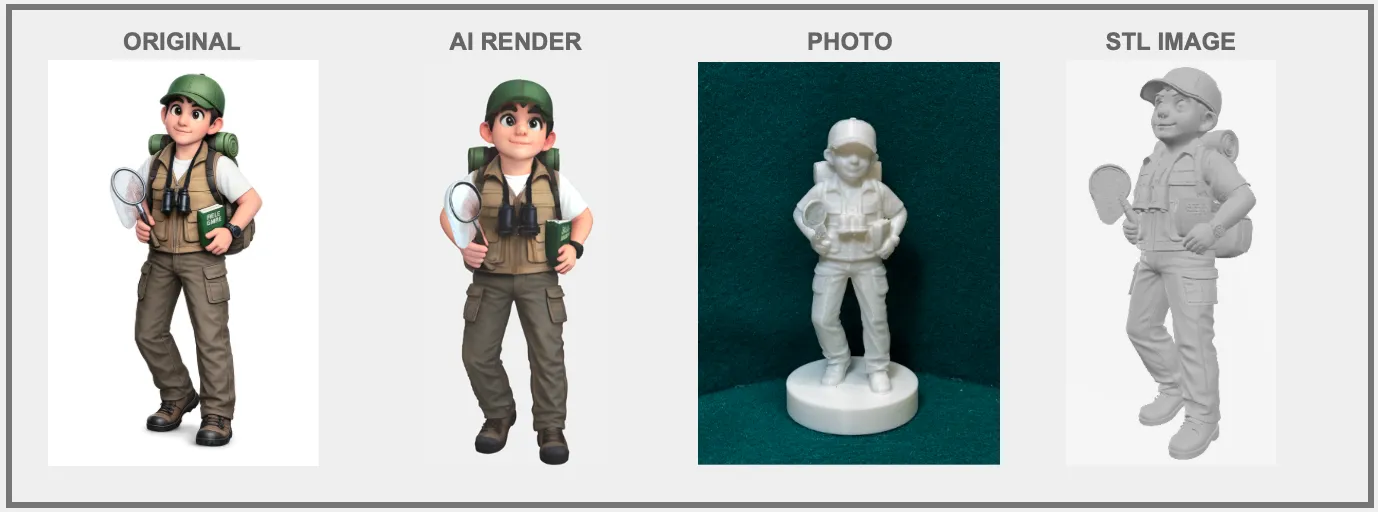
Junior Naturalist Person
Name: Lucas Reed
Area of Study: Entomology & Micro-Fauna Observation
Focus: Insect populations, pollinator studies, stream life sampling
Lucas is fascinated by the small wonders most people overlook. Whether studying pollinators in a meadow or sampling stream life, he believes understanding the tiniest creatures is the key to preserving the whole web of life.

OTHER MODELS AVAILABLE
When I have all uploaded. . .
Green Horizon Cadets: #1 ~ Field Journal Scout: Ethan Vale
Green Horizon Cadets: #2 ~ Junior Naturalist: Lucas Reed
Green Horizon Cadets: #3 ~ Patrol Leader: Mason Crowe
Green Horizon Cadets: #4 ~ Wildlife Rescue Cadet: Ava Monroe
Green Horizon Cadets: #5 ~ Envir. Field Technician: Harper Quinn
Green Horizon Cadets: #6 ~ Young Trail Explorer: Caleb Stone
Green Horizon Cadets: #7 ~ Animal Outreach Amb.: Noah Bennett
Green Horizon Cadets: #8 ~ Junior Wildlife Photog.: Liam Hart

Printer Settings:
Take time to use these settings for optimal prints. Note: Smartphones and tablets cannot print with Tree supports, so use a PC for these settings.
Bambu Studio Settings
Printer Settings
• Nozzle Diameter → 0.4 mm
• Compatible Material → PLA+
Filament Settings
• Nozzle Temperature (first layer) → 205 °C
• Nozzle Temperature (others) → 200 °C
• Bed Temperature (first layer) → 60 °C
• Bed Temperature (others) → 50–55 °C
• Cooling Fan:
◦ Layer 1–2 → OFF
◦ Layer 3+ → 100%
Quality
• Layer Height (Standard) → 0.20 mm
• Initial Layer Height → 0.20 mm
• Line Width → 0.45 mm
• Elephant Foot Compensation → 0.15 mm
Speed
• First Layer Speed → 20 mm/s
• Outer Wall Speed → 35 mm/s
• Inner Wall Speed → 50 mm/s
• Infill Speed → 50 mm/s
• Travel Speed → 120 mm/s
Acceleration / Jerk
• Default Acceleration → 1000 mm/s²
• Outer Wall Acceleration → 500 mm/s²
• First Layer Acceleration → 300 mm/s²
• Travel Acceleration → 2500 mm/s²
• Jerk (XY) → 8 mm/s
Strength / Infill
• Wall Loops → 3
• Top Layers → 4
• Bottom Layers → 4
• Infill Density → 20%
• Infill Pattern → Gyroid
• Sparse Infill Anchor Length → 5 mm (🔔 Note: increase to 10 mm if you see weak infill connections)
Skirt & Brim
• Skirt Loops → 3
• Skirt Distance → 2 mm
• Skirt Layers → 1
Retraction
• Retraction Distance → 4 mm
• Retraction Speed → 40 mm/s
• Z-Hop → 0.2 mm
• Wipe While Retracting → Enabled
• Retract on Layer Change → Disabled
• Minimum Travel Before Retraction → 1.0 mm
Supports
• Support Style → Tree
• Top Contact Z Distance → 0.25 mm (detachable, fixed)
• Support Density → 15%
• Support Interface Pattern → Grid
• XY Distance → 0.5 mm
• First Layer Support Gap → 0.3 mm
Consider 'Annealing' your chess set.
Annealing your PLA models can improve strength by 10–20%. If you plan to use the set regularly, I highly recommend it. For display or occasional play, annealing is optional, and the appearance and finish remain unchanged.
🔗 More info: [Annealing PLA Prints for Strength — Easy Ways (All3DP)]
https://all3dp.com/2/annealing-pla-prints-for-strength-easy-ways/


Educational Use Option:
This model is also suitable for classroom, homeschool, or youth group use. The Green Horizon Cadets can support lessons in environmental science, wildlife conservation, ecosystem awareness, and responsible outdoor practices. Use them as discussion prompts, storytelling aids, or project-based learning figures.
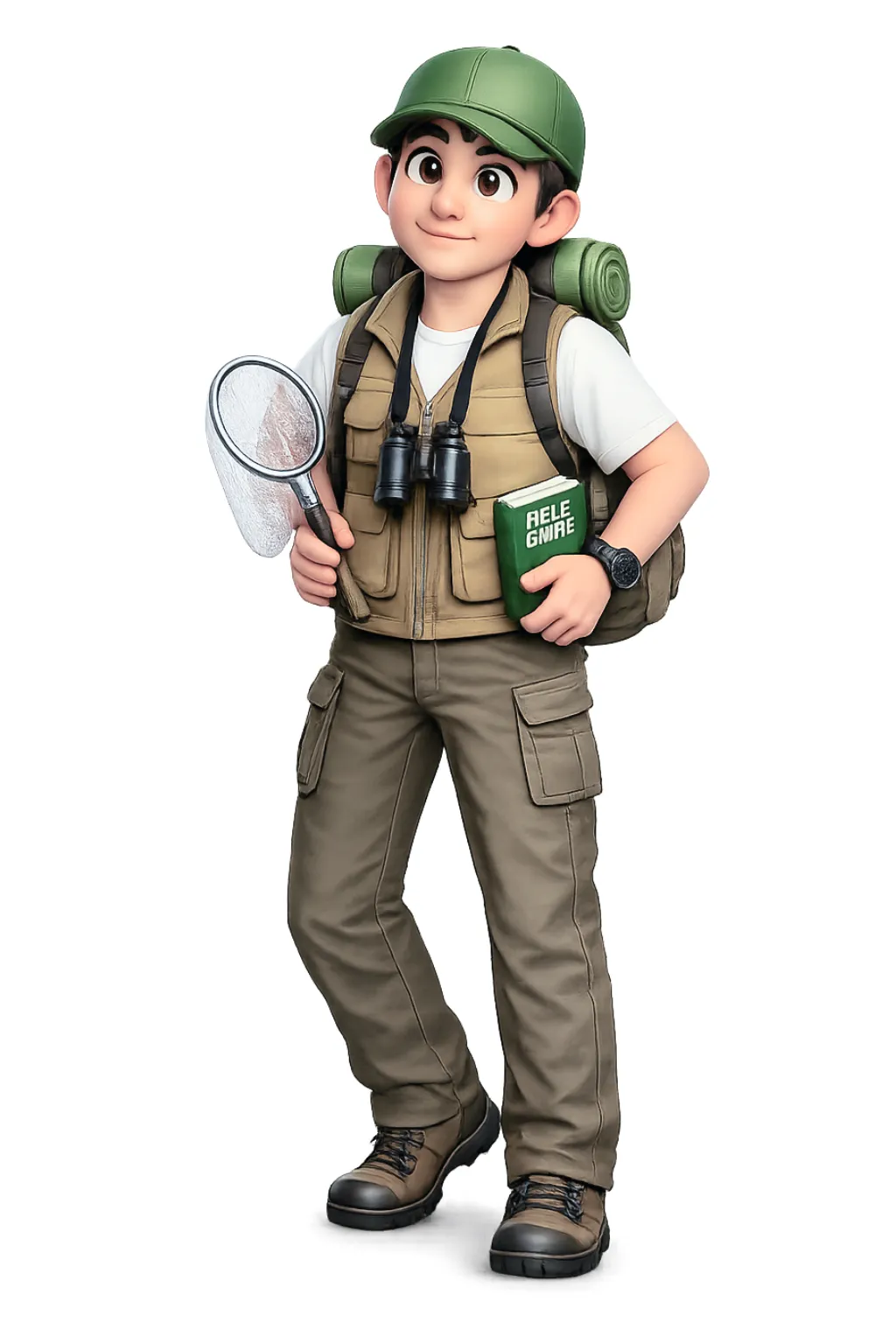
Lucas Reed – Junior Naturalist

Lesson: “The Hidden World Beneath Our Feet”
Objective:
Understand micro-ecosystems.
Activity:
Provide magnifying glasses.
Students examine soil, leaves, or tree bark.
List 5 living or once-living elements they find.
Extension:
Discuss pollinators and why insects are ecosystem foundations.
Key Learning:
Small organisms sustain large systems.


License

You shall not share, sub-license, sell, rent, host, transfer, or distribute in any way the digital or 3D printed versions of this object, nor any other derivative work of this object in its digital or physical format (including - but not limited to - remixes of this object, and hosting on other digital platforms). The objects may not be used without permission in any way whatsoever in which you charge money, or collect fees.


Comment & Rating (0)