
Standing Desk Balance Board
Print Profile(1)
Bill of Materials


Description
Boost Me (for free)
If you like this model, a boost helps support future designs and free uploads. Thanks for the support!
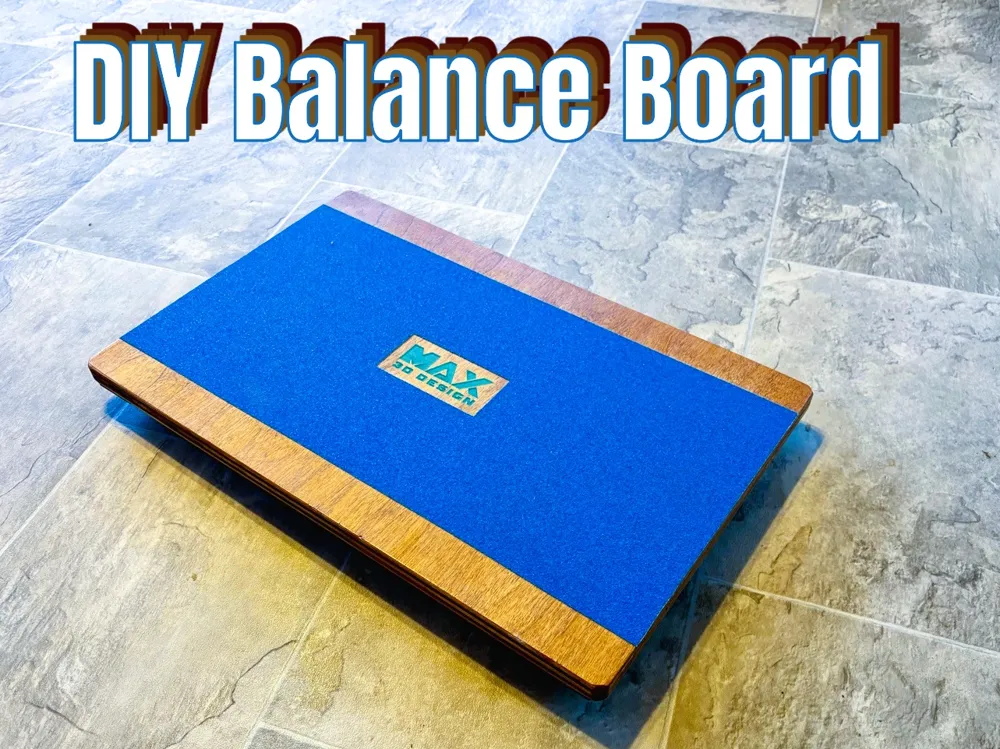
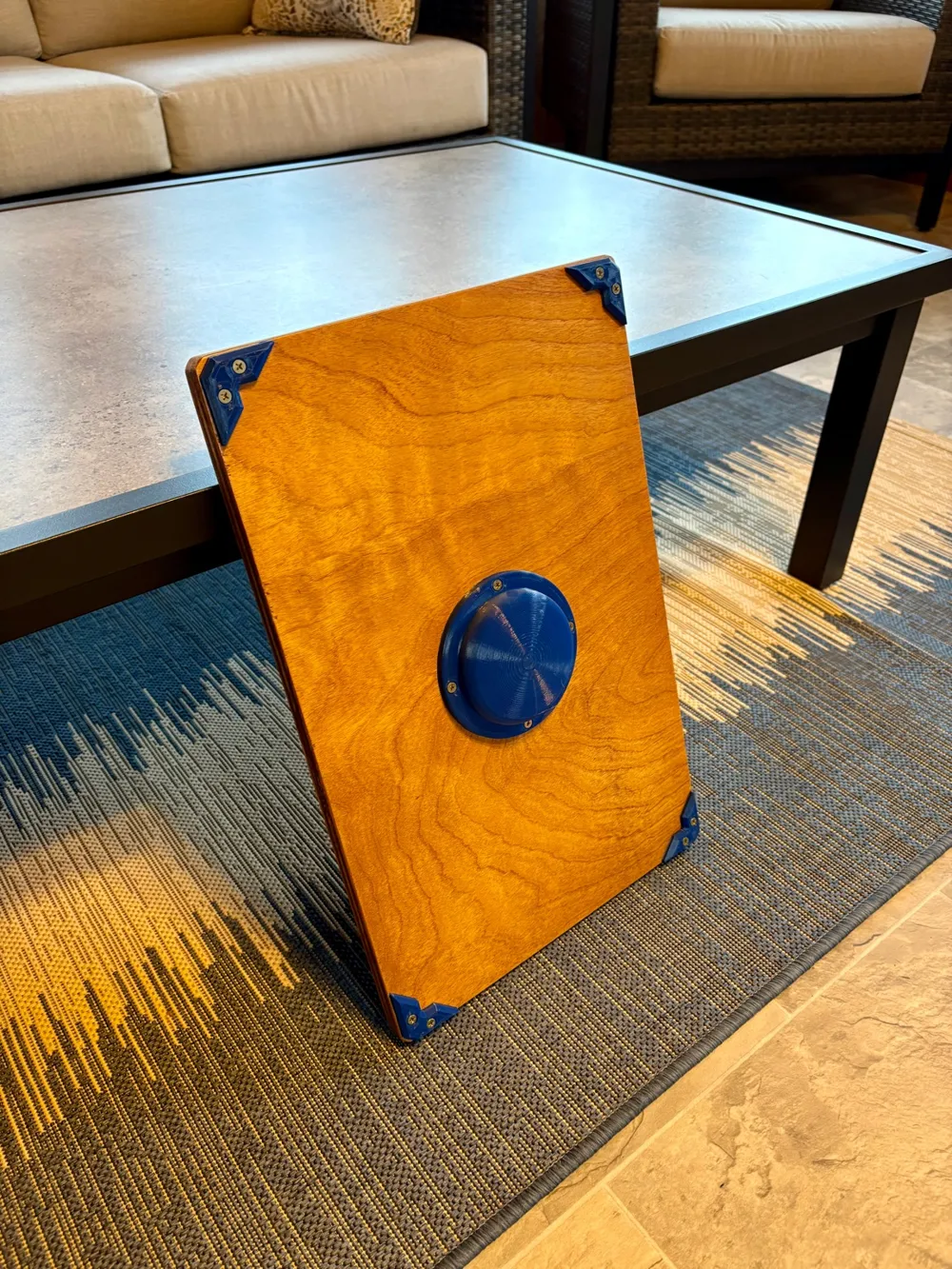
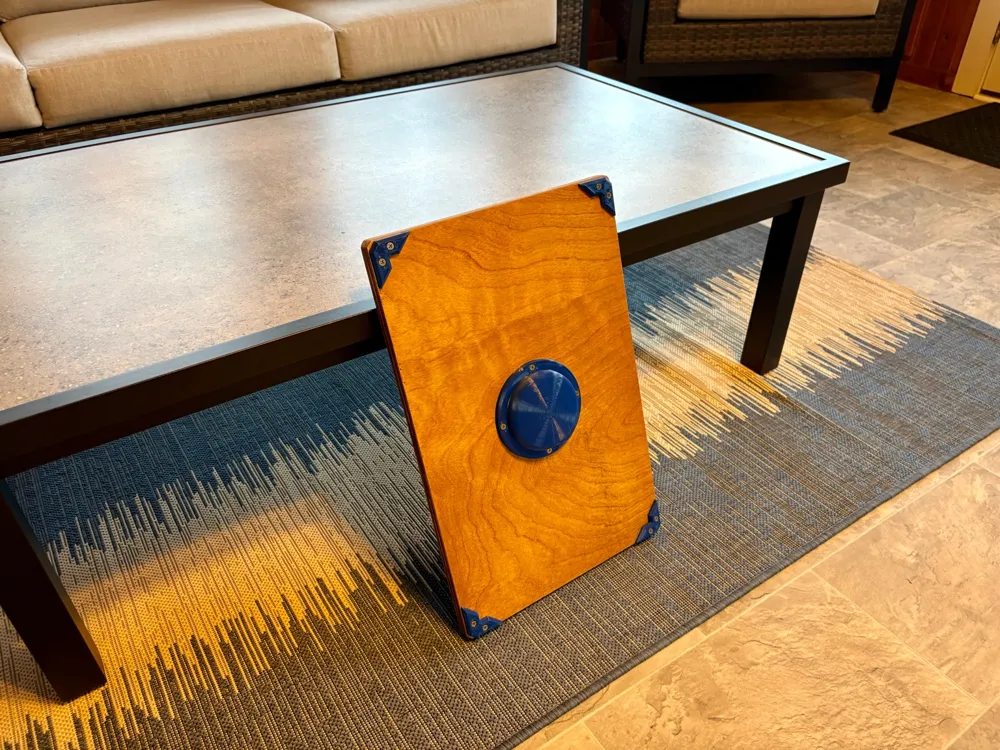
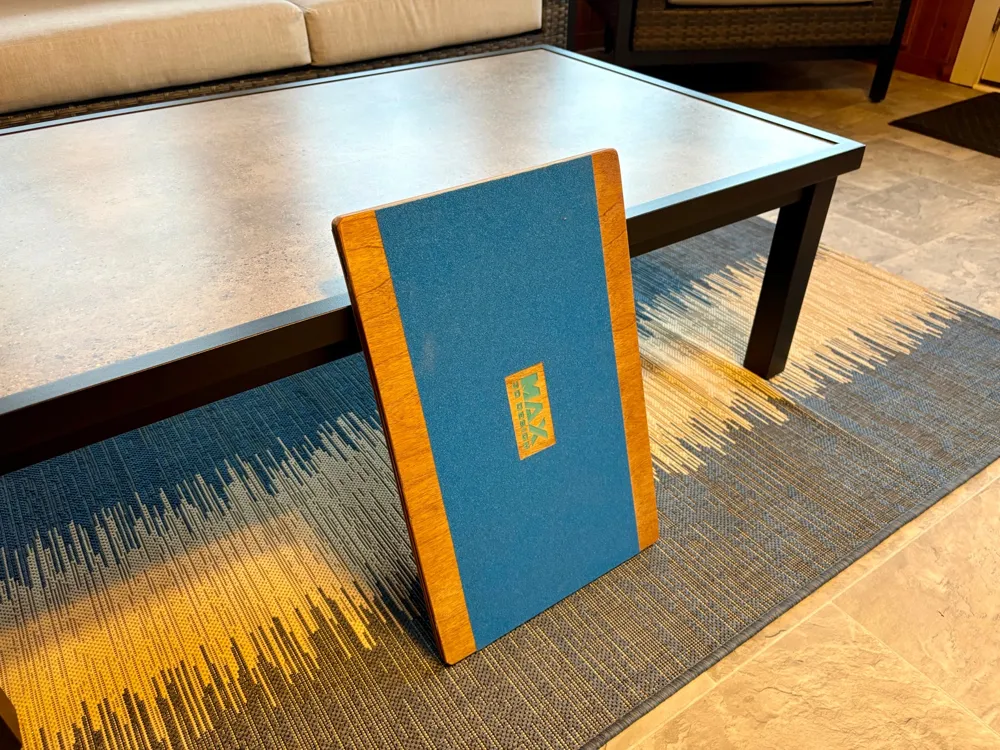
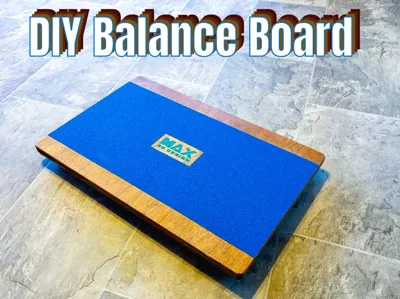
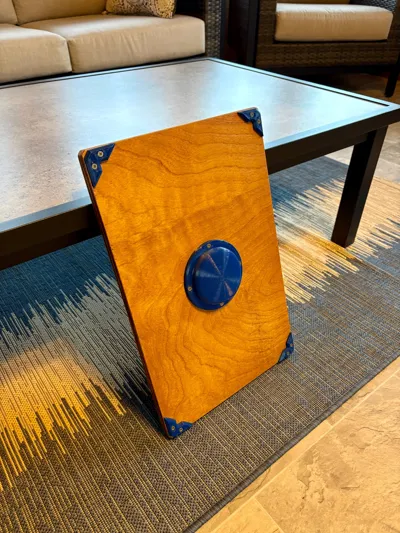
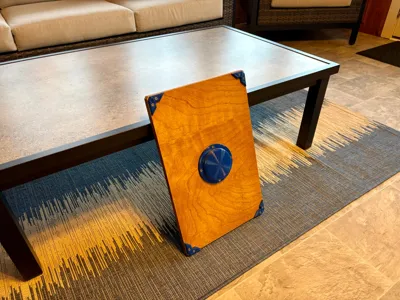
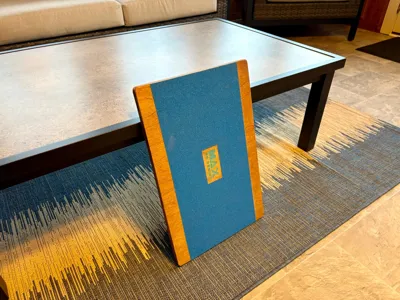
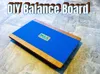
This standing desk balance board adds subtle movement and active engagement while you work. It uses a 13” x 20” x 3/4” plywood deck paired with a 3D printed central pivot and reinforced corner brackets for durability. The top surface is covered with skateboard-style grip tape for secure footing.
Designed for home offices, workshops, or anti-fatigue setups, this board promotes light balance training and core activation throughout the day.
Features
- 13” x 20” deck size
- 3/4” thick plywood base
- Central 3D printed pivot dome
- Reinforced 3D printed corner brackets
- Skateboard grip tape top surface
- Simple screw-on assembly
- Compact and desk-friendly footprint
Materials Required
- 13” x 20” x 3/4” plywood
- 12x #8 or #10 x 3/4” flat head wood screws: https://amzn.to/4waa0sZ
- Skateboard grip tape (cut to fit): https://amzn.to/4uVL1Zy
- 3D printed pivot base
- 3D printed corner brackets
- Affiliate Disclosure: As an Amazon Associate I earn from qualifying purchases.
Assembly Notes
- Cut plywood to 13” x 20” if not pre-cut.
- Apply grip tape to top surface and trim flush.
- Attach corner brackets using flat head wood screws.
- Mount the central pivot base underneath, centered.
- Ensure all screws sit flush for stability and safety.
Print Notes (Important)
Infill percentage directly affects weight capacity.
- Increase infill for higher weight support.
- Lower infill reduces strength but saves material.
- Wall count and top/bottom layers also impact durability.
- Adjust settings based on intended user weight.
- Adaptive layers is enabled for a smoother dome surface.
- I used PETG with good results so far!
(Choose your own printer settings based on material and strength goals.)
Membership
Want to sell physical prints of my designs? This membership covers commercial use and will continue to grow as I add more models. Thanks!
License

You may create derivative works based on this object, provided that all such derivative works are published exclusively on the MakerWorld platform and include proper attribution to the original creator. You may not share, upload, host, distribute, or publish this object—or any derivative work of this object—on any other digital platform, marketplace, or distribution channel. Commercial use of this object and any derivative works is strictly prohibited. This includes, but is not limited to, selling, renting, sublicensing, or using the object in any context in which you receive monetary compensation or other financial benefits.


Comment & Rating (0)