Search models, users, collections, and posts

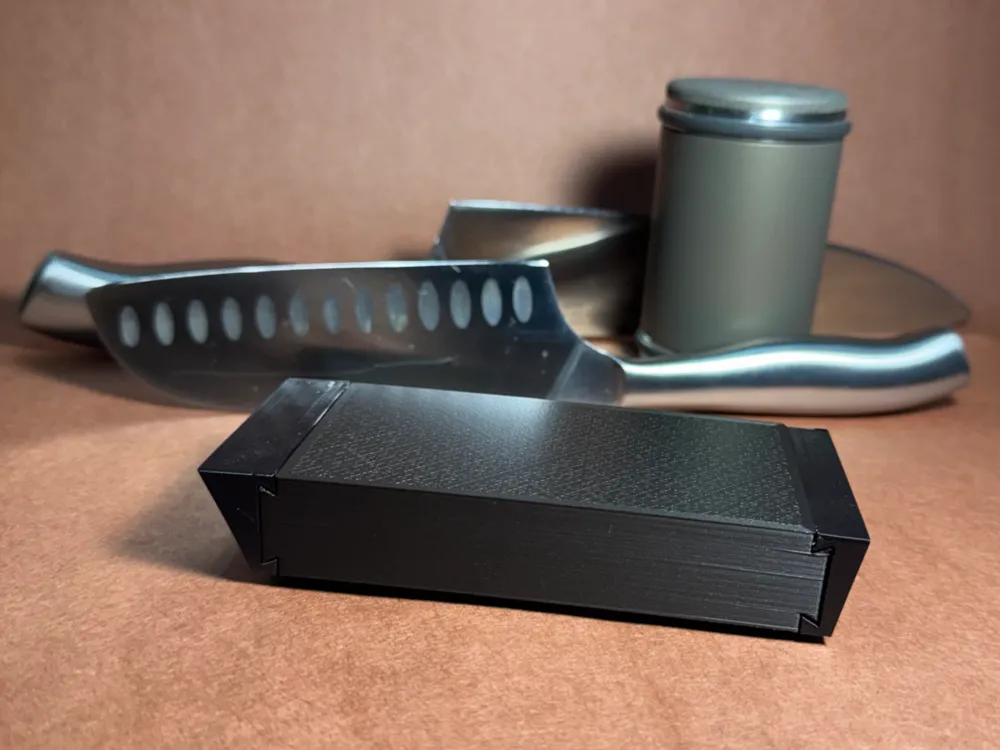
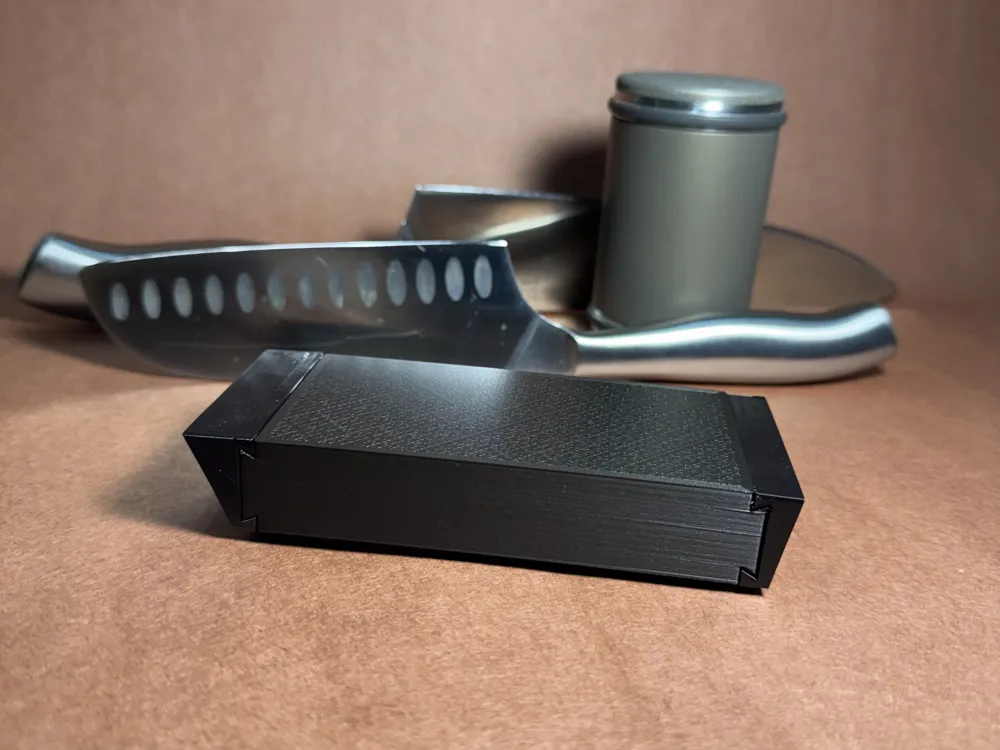
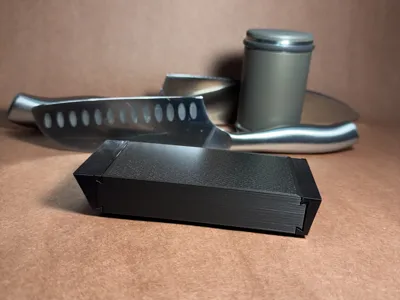
Pro-Grade Rolling Knife Sharpener Base
IP Report
Print Profile(2)
Simple Supports, 0.2mm layer, 4 walls, 25% infill
Designer
3.5 h
2 plates
Multi Extruder or AMS, 0.2mm layer, 4 walls, 25% infill
Designer
3.7 h
2 plates
Open in Bambu Studio
Boost
3
4
0
0
0
0
Released
Description
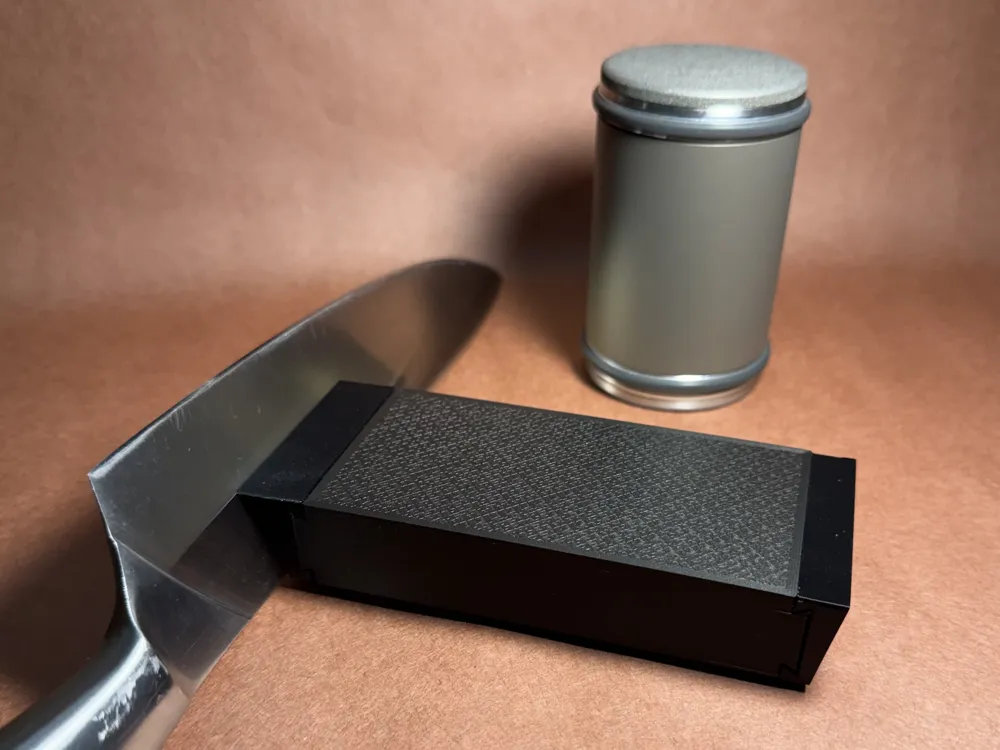
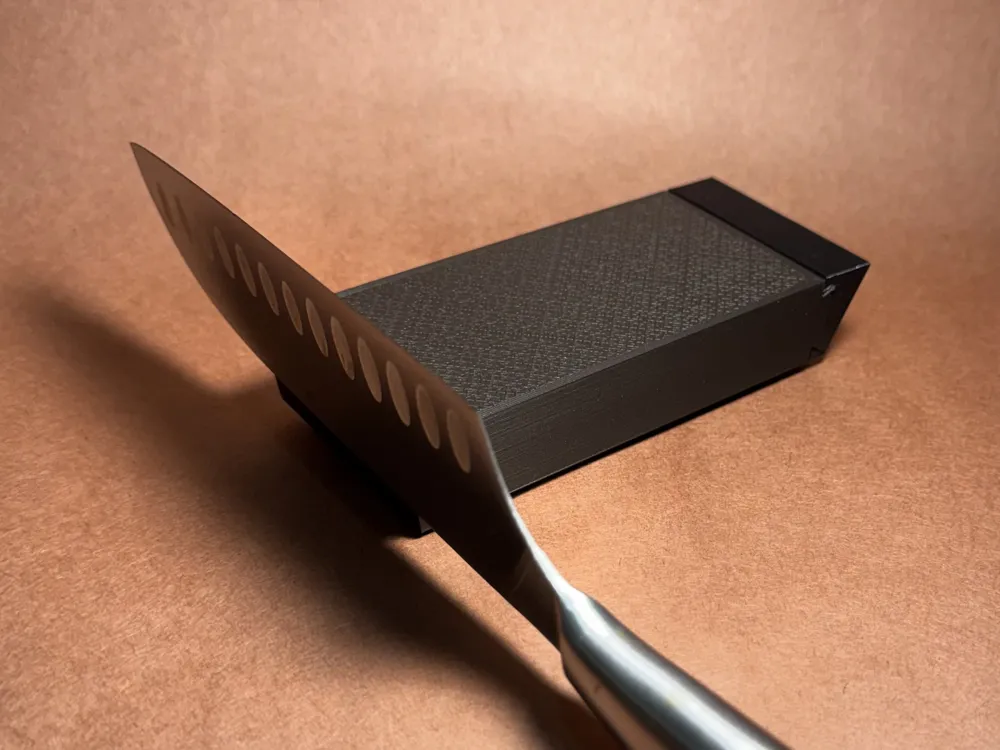
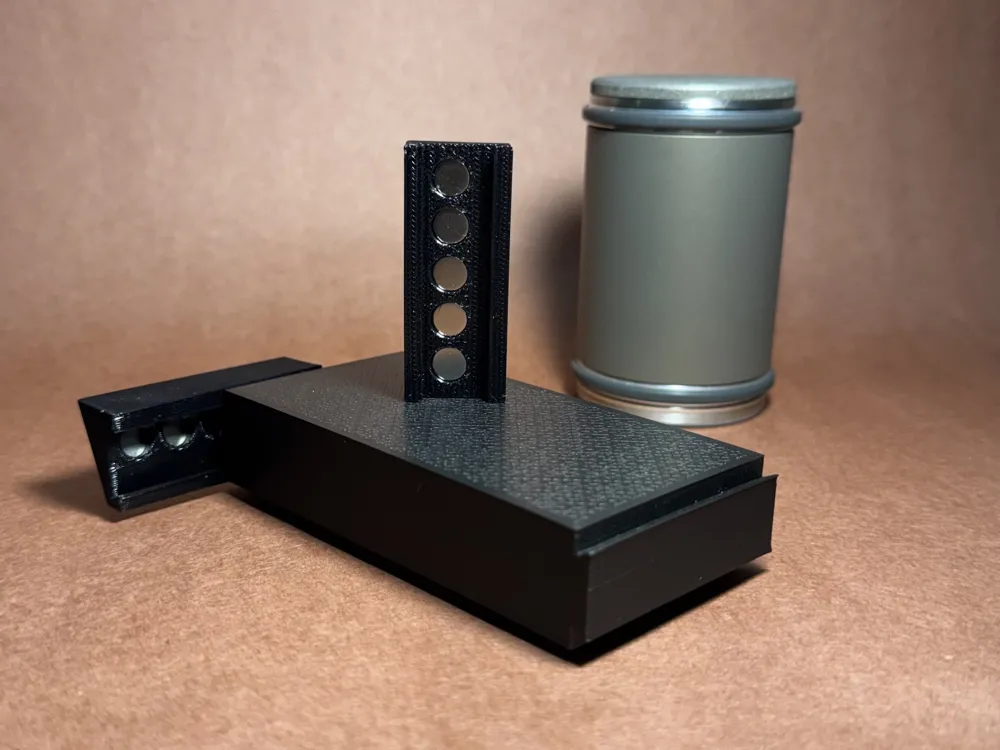
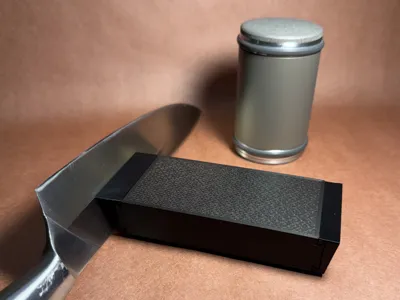
🔪 Pro-Grade Rolling Knife Sharpener Base
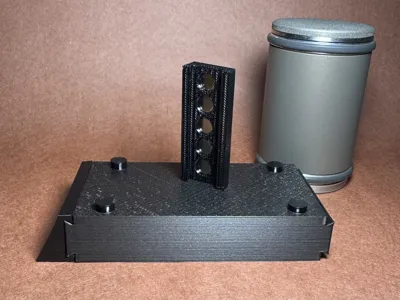
Expand your sharpening capabilities with this high-performance magnetic base. Designed for users of rolling sharpeners (Horl, Tumbler, etc.) who need more precision than the standard 15/20 degree blocks.
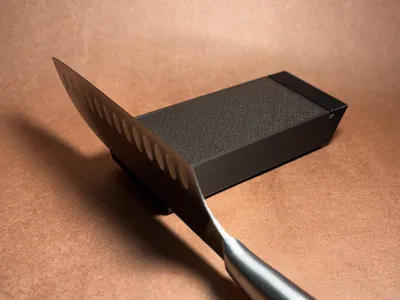
The 10 degree side is perfect for high-carbon Japanese steel and razor-thin edges, while the 25 degree side provides a durable, rugged edge for pocket knives and cleavers.
Key Features
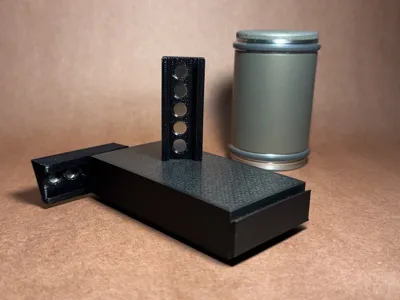
- Anti-Scratch TPU Faces: The contact points are printed in TPU to grip the blade firmly without leaving scratches on your steel.
- Powerful Magnetic Hold: Designed for D8x3mm Neodymium Magnets.
- Note: While 3 magnets per side provide plenty of hold, the base is designed for 5 magnets per side to provide a truly rock-solid, professional grip through the TPU.
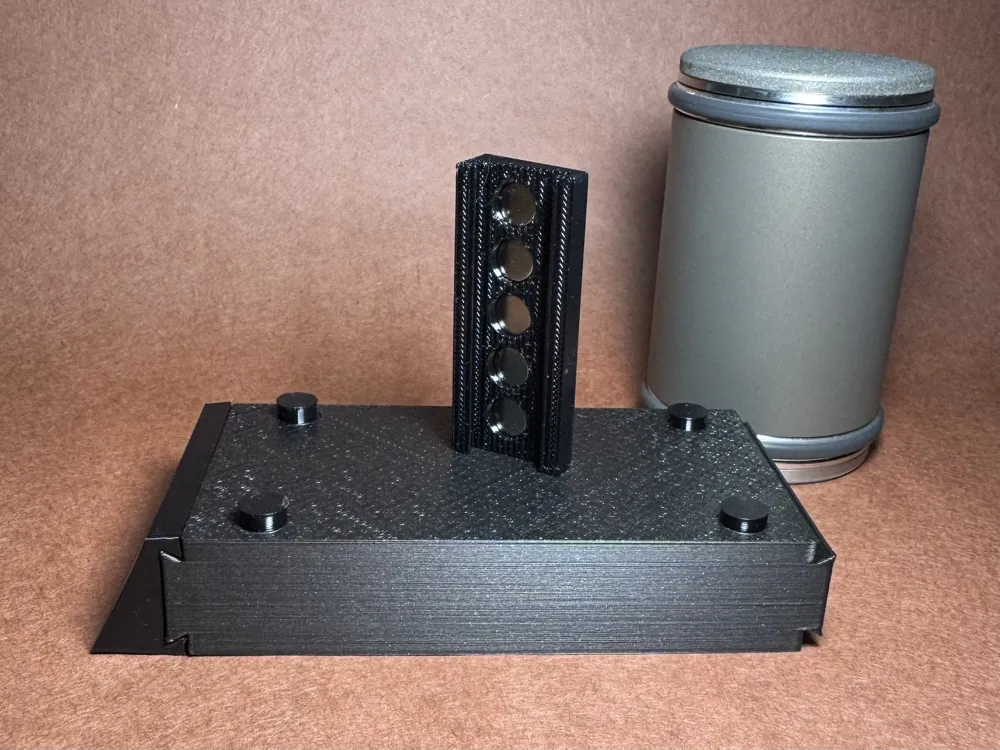
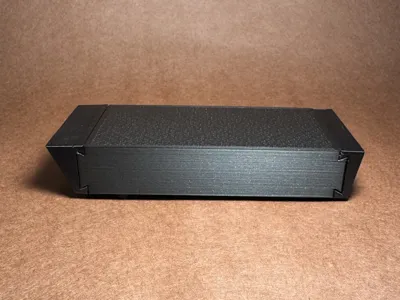
- High-Grip Feet: Optimized settings ensure the feet provide maximum grip on your countertop, preventing the base from sliding during use while providing a sturdy base. Use a low hardness TPU for maximum grip.
- Professional Finish: Uses the Hilbert Curve pattern on the top and bottom surfaces for a premium look. Feel free to change these to your desired look!
Build Plate & Material Recommendations
- The Engineering or Textured PEI Plate: For the TPU feet, I recommend using an Engineering Plate or a Matte/Textured PEI sheet. This leaves a micro-texture on the bottom of the feet that significantly increases friction and prevents sliding. With this said, the feet are designed where the surface that touches the build plate is the surface that will touch your counter top when sharpening. Remember this for assembly! I recommend using glue for both build plates but glue is required for the engineering plate.
- If all you have is a textured PEI build plate, don't worry, this model will still work for you! Just insert the textured side of the feet into the model instead.
- TPU Hardness: These profiles are tested with 90A TPU as that is all I had on hand. A lower hardness (e.g., 85A or 80A) will provide more grip for the feet of the base, I recommend increasing the wall count and infill density for only the feet if you use a lower hardness TPU. If using a higher hardness TPU I would recommend decreasing them. The anti-scratch faces do not need adjustments based on the type of TPU used.
- Support Material: I used Support for PLA as my support material. If you are also printing the base in PLA, you can use PETG as a support interface material (or vice versa). Since PETG and PLA do not bond to each other, the supports will pop off cleanly, leaving a perfect surface. I have also included a print profile for those who wish to use the same material for support.
Optimized Print Profiles
I have spent significant time dialing in these profiles for the best user experience:
- Dual-Material (H2D/H2C/AMS): Uses a secondary material as a support interface for the base to ensure a perfect fit. The TPU components do not require supports.
- Standard Single-Extruder: Optimized for those without dual extruders, tool-changer, or AMS.
Assembly & Usage
- The Feet: These are designed with a very tight tolerance to ensure they never fall out. You will need to push hard to seat them fully into the base. No glue is required.
- Grip Alignment: For maximum stability, insert the feet so that the printed lines on the bottom are perpendicular to the direction of your sharpening stroke. This creates a "tread" effect that locks the base to the counter. It's a very minor difference but worth paying attention to during assembly.
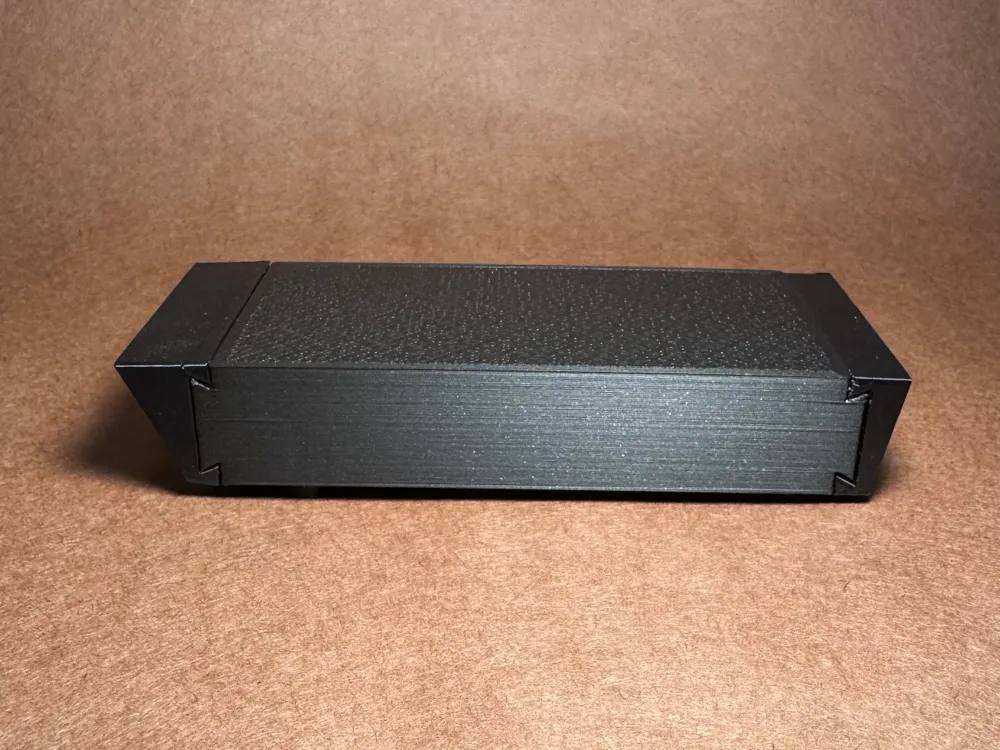
- The Faces: Simply slide the TPU magnetic faces onto the base with the thicker of the two long edges facing up away from the side with the feet. Glue is not required but recommended as the faces tend to slip off the base.
Hardware Requirements
- Magnets: 6 to 10 Bambu Lab D8x3mm Round Magnets. Neodymium is highly recommended to ensure a strong pull through the TPU interface. 10 magnets is helpful if you have large/heavy knives but definitely not required.
License

This user content is licensed under a
Creative Commons Attribution-Noncommercial-Share Alike


Comment & Rating (0)