
Cheap DIY Bluetooth Speaker
Print Profile(1)
Description
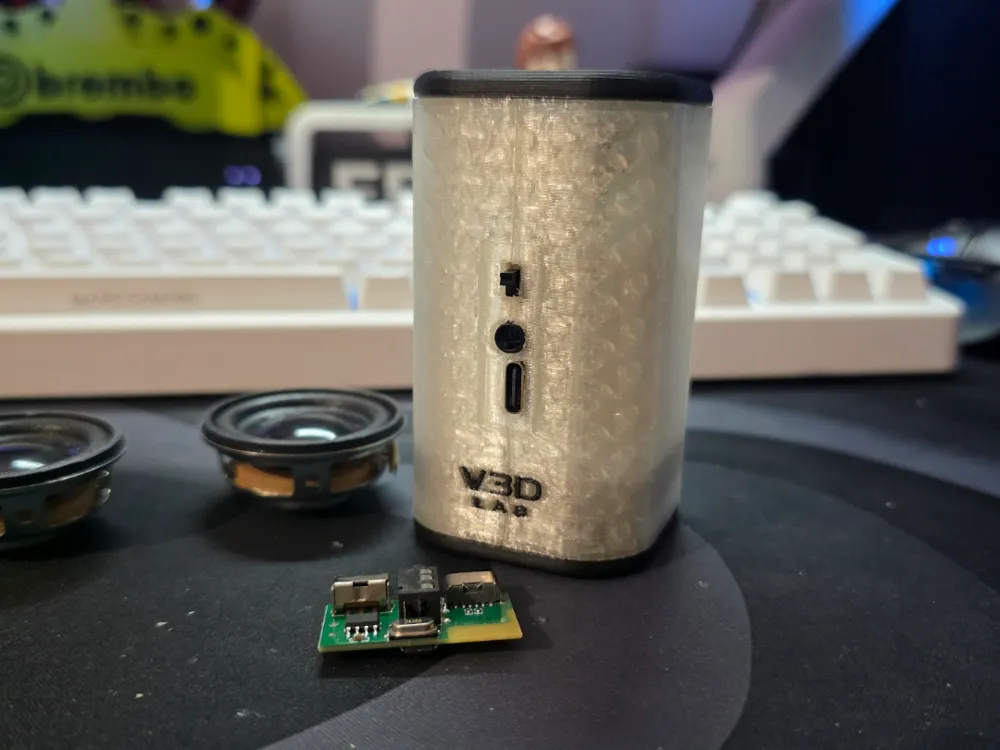
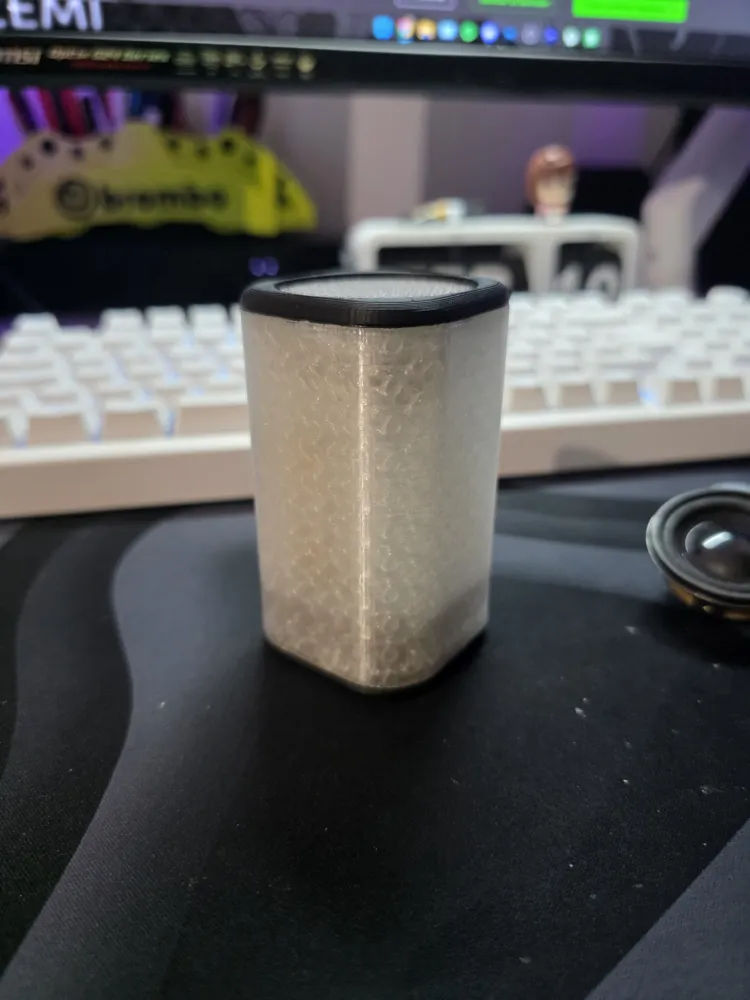
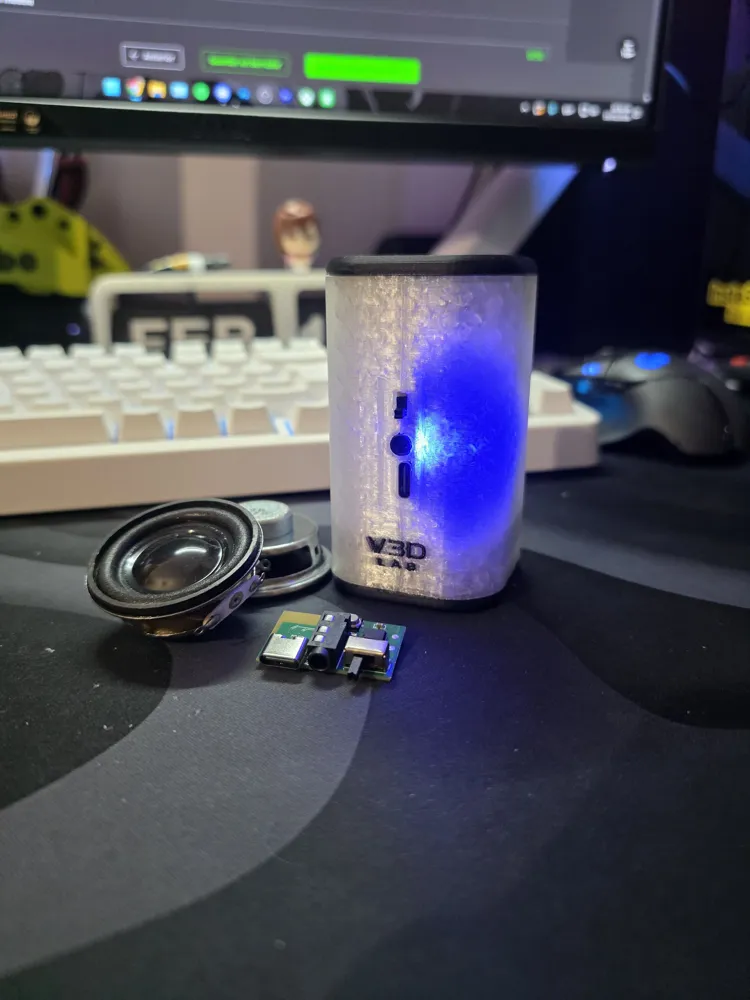
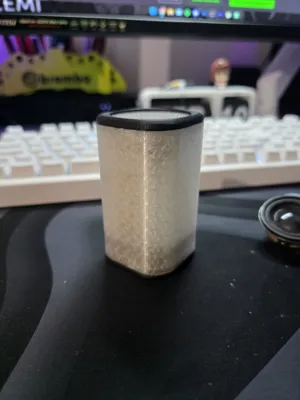
🔊 Easy DIY Bluetooth Speaker
The idea for this project arose when I tried to repair an old speaker and it wasn't possible. Instead of throwing it away, I decided to reuse some of its components and create one from scratch.
All printed parts in this project are made from PLA, as it is an easy-to-print material and more than sufficient for this type of use.
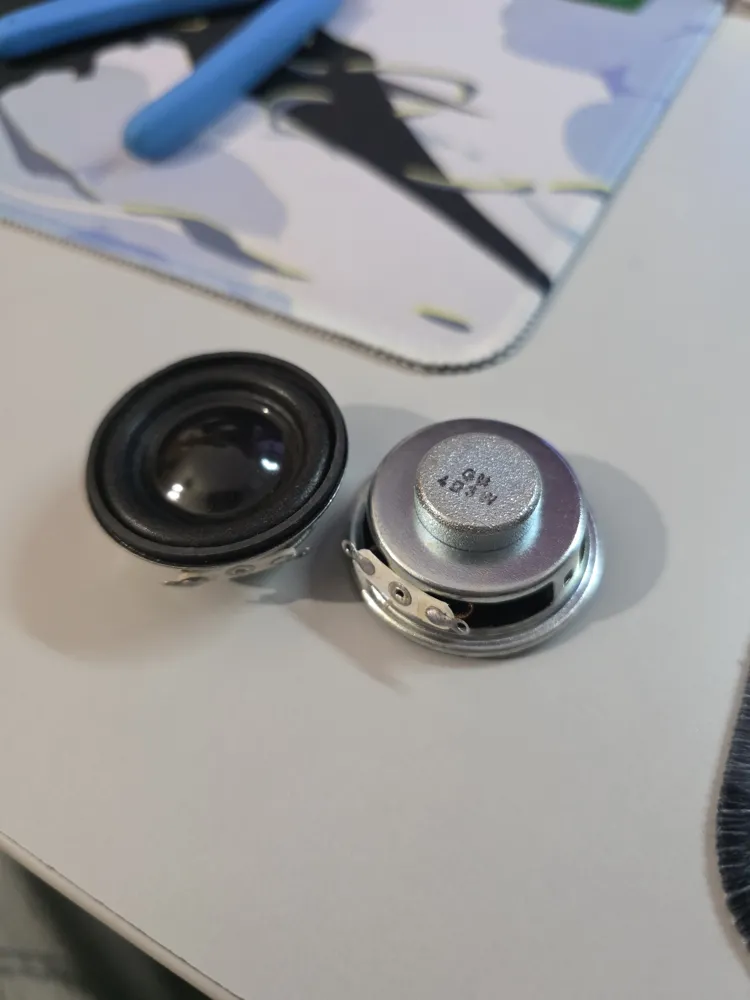
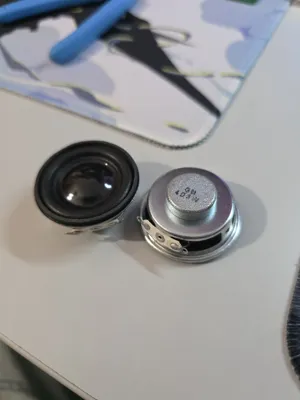
The speakers used are 40 mm in diameter and 3W of power. The manufacturer does not specify the impedance, but this type of speaker is typically 4Ω, so we will work with that reference.
The board is limited to approximately 5W output, so it is not recommended to use higher power speakers.
🧩 Components used
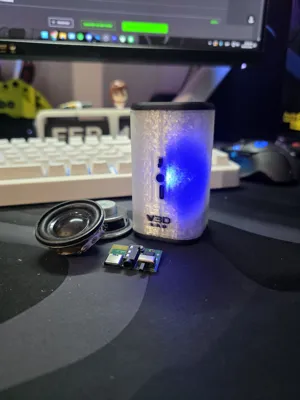
- Speakers x2 (40 mm, 3W)
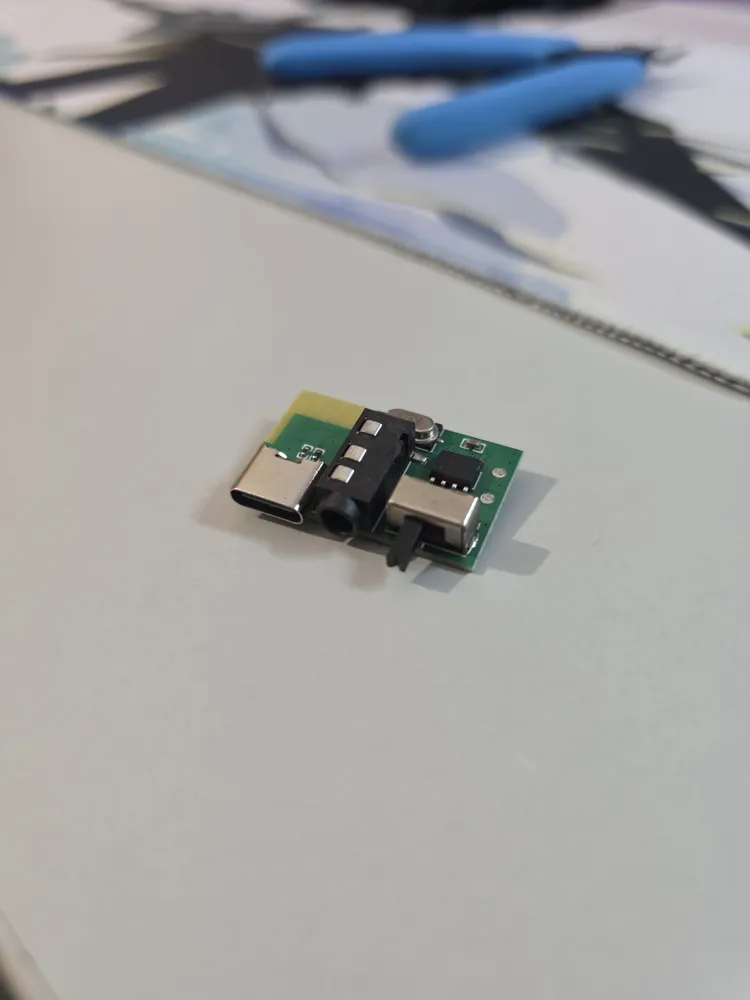
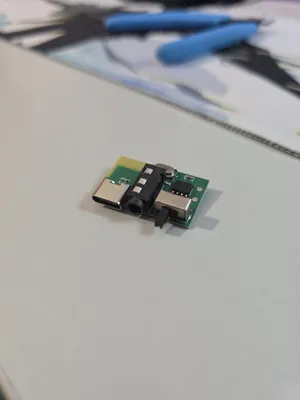
Link: https://es.aliexpress.com/item/1005007111833167.html - Bluetooth motherboard x1
Link: https://es.aliexpress.com/item/1005007564926026.html
I reused the battery from my previous speaker.
As an economical alternative, you can reuse batteries from disposable vapes, which are usually 3.7V – 400mAh (lithium). They are small and rechargeable.
With this type of battery, I am getting:
- 🔋 Approximately 20 hours of normal use
- 🔊 About 12 hours at maximum volume
🖨️ Print Material
- Material: PLA
- Recommended use: indoor
- Reason: ease of printing and sufficient strength for the project
🔌 Connections and operation
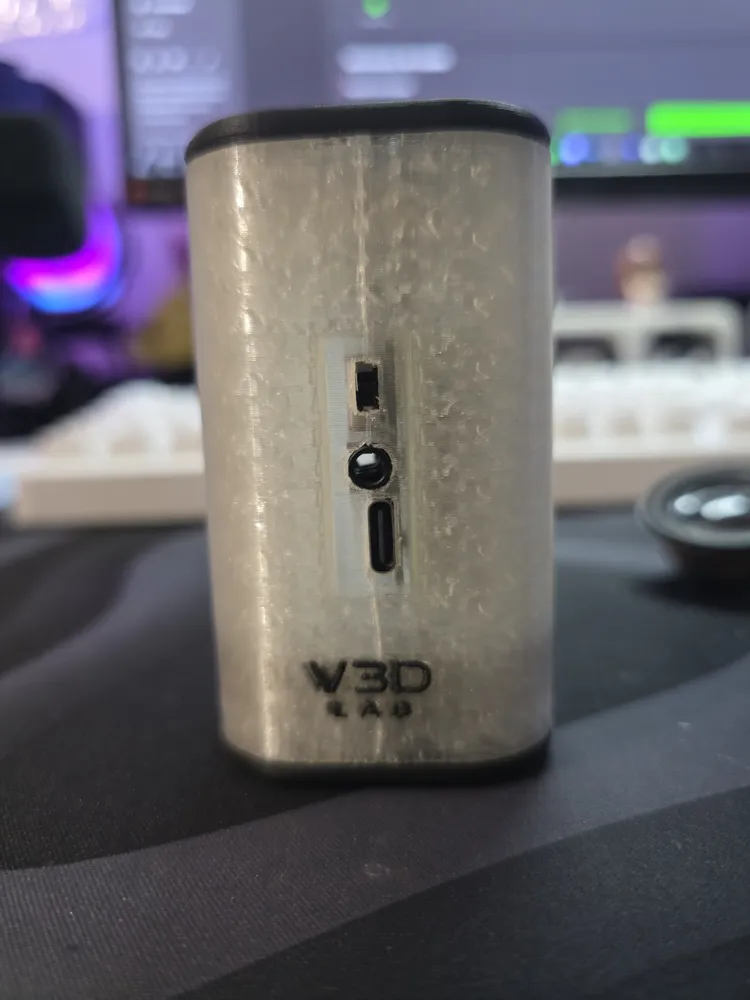
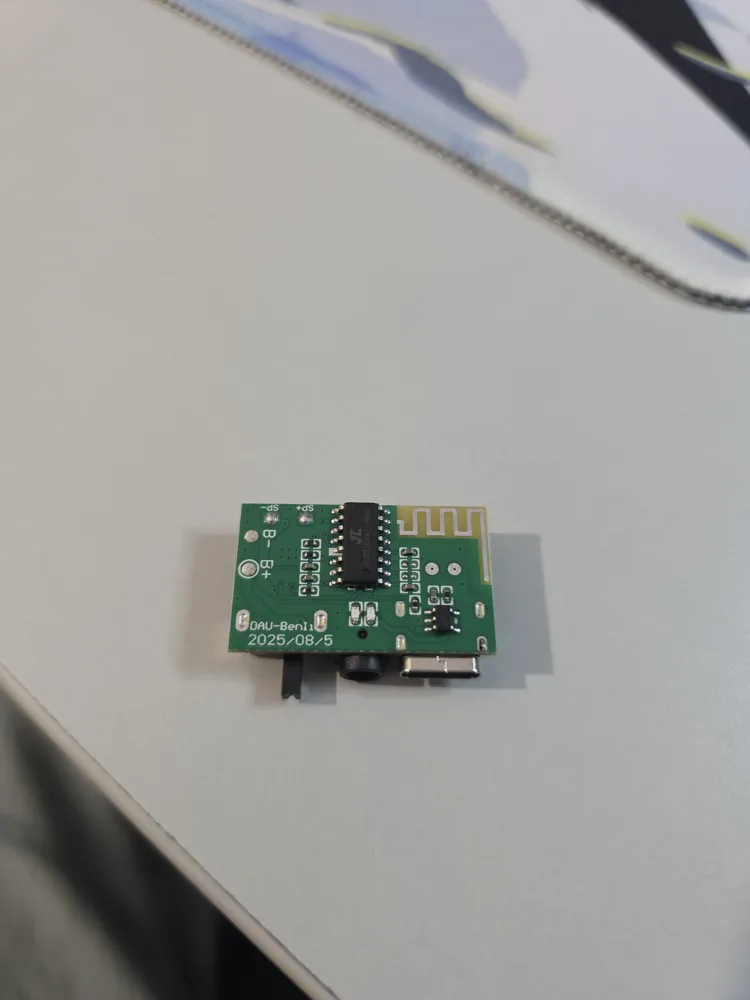
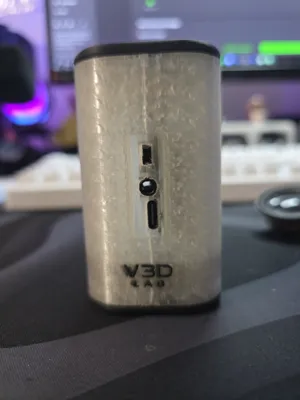
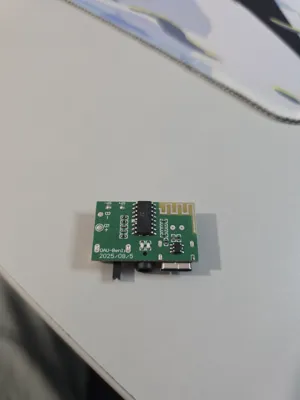
The motherboard includes:
- Bluetooth connection
- 2.5 mm Jack connector
- USB Type C charging port
The battery is soldered directly to the two pins indicated on the board.
The board only has two speaker output pins, so in theory it is designed for a single speaker (up to 5W).
In this setup, I have connected:
- One speaker directly to the board.
- The second speaker in parallel to the first.
Although I use two 3W speakers, the total power is limited by the board itself (approx. 5W), so both operate within the amplifier's allowed range. The result is mono sound distributed across two speakers.
🔗 Interesting extra feature
If two speakers are built using this same board, they can automatically link to each other.
This allows you to:
- Use them as a single system.
- Separate them around the room.
- Increase the sense of volume and space.
🎨 Customization
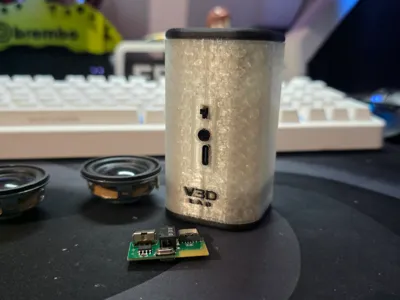
The mesh pattern can be modified from the cover part settings to customize the design.
You can also replace my logo with your own without any problem.
I hope you like the project.
If you decide to build it, I would love to see your results.
Leave photos in the comments! 🙌
Boost Me (for free)
Thank you sooooo much!!!!!!
License



Comment & Rating (0)