
VoxBox - Phone Speaker Amplifier



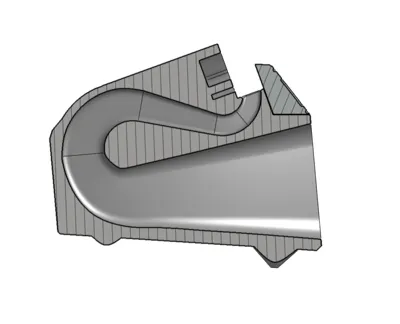
Print Profile(1)

Description
Hello Printing Friends,
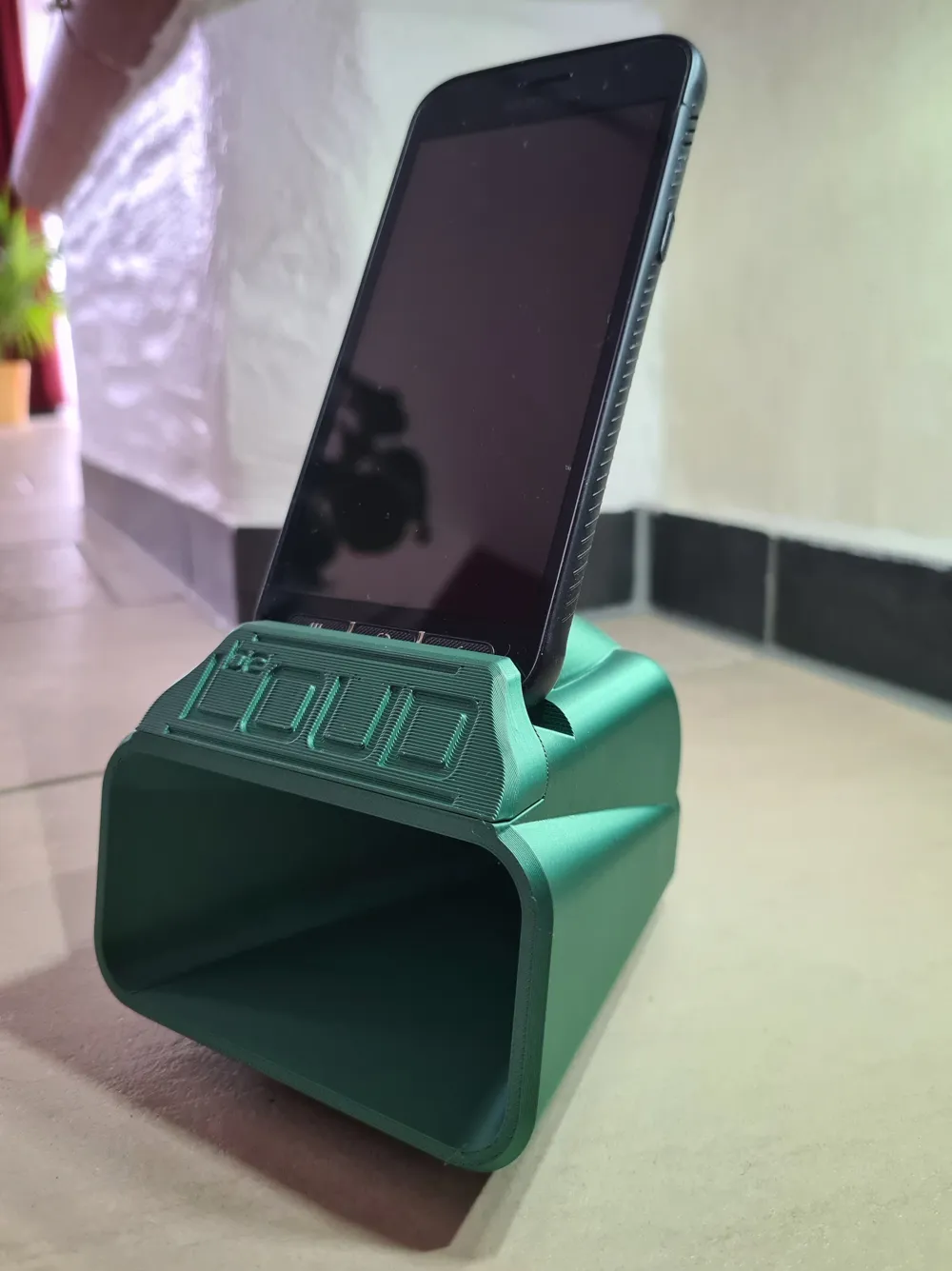
Today we're doing science. Today we have something for your ears. Today I'll show you how much power is in your smartphone.
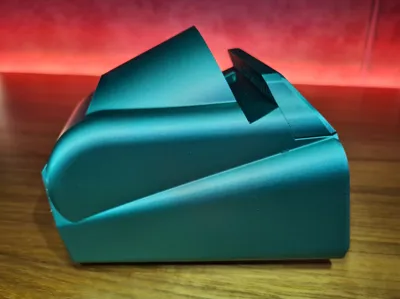
I'm sharing my smartphone stand, the VoxBox, which amplifies sound to new dimensions without electricity. ;-)
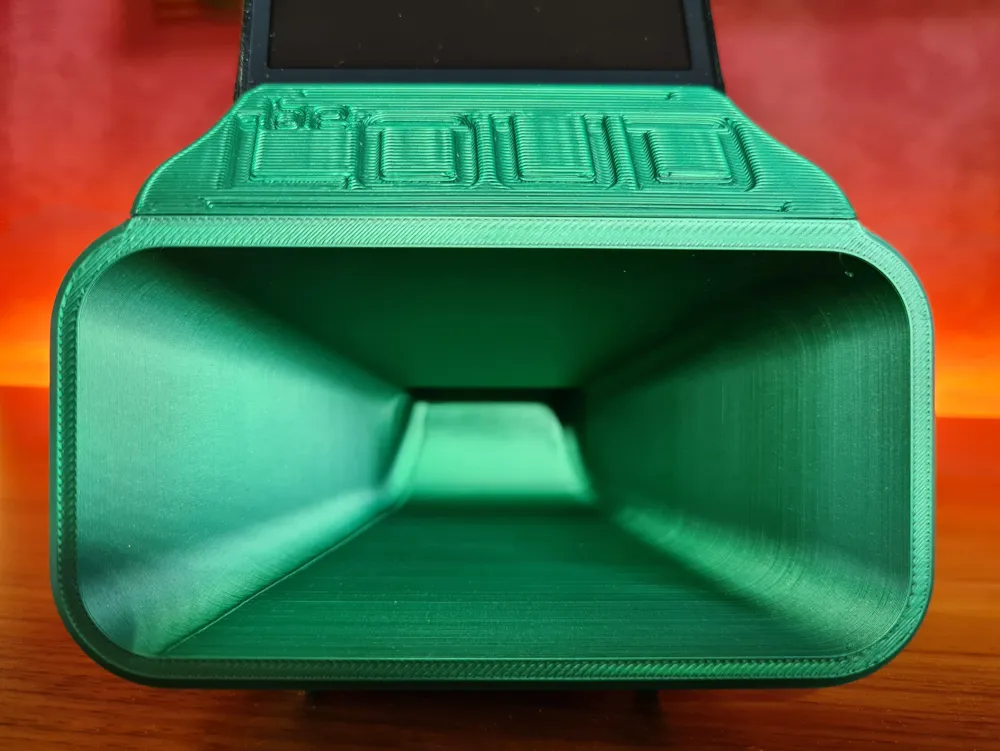
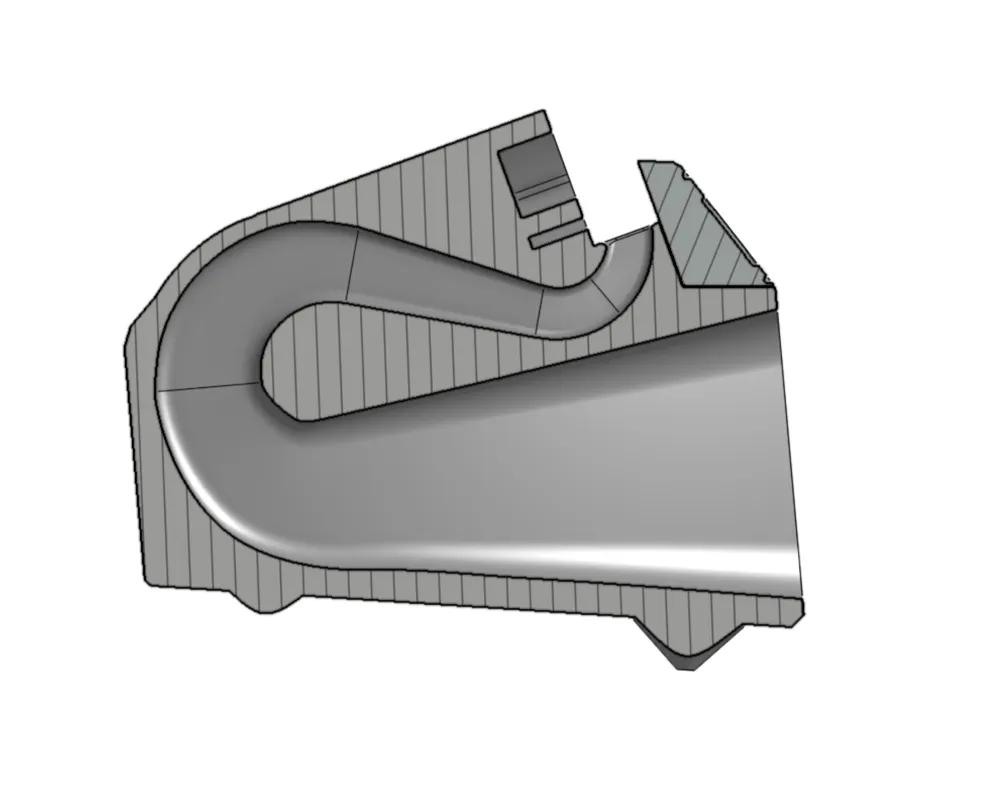
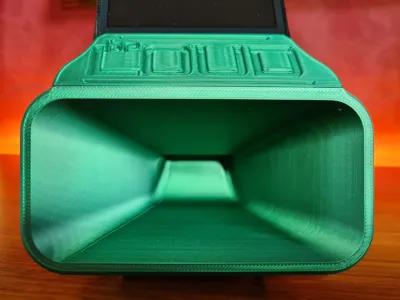
For this, I use the physics of the acoustic horn. Further down in the text, there's an explanation for it. But first, let's get to the print profile.
The print profile for the VoxBox consists of 4 plates.
- Smartphone with speaker output Right
- Smartphone with speaker output Left
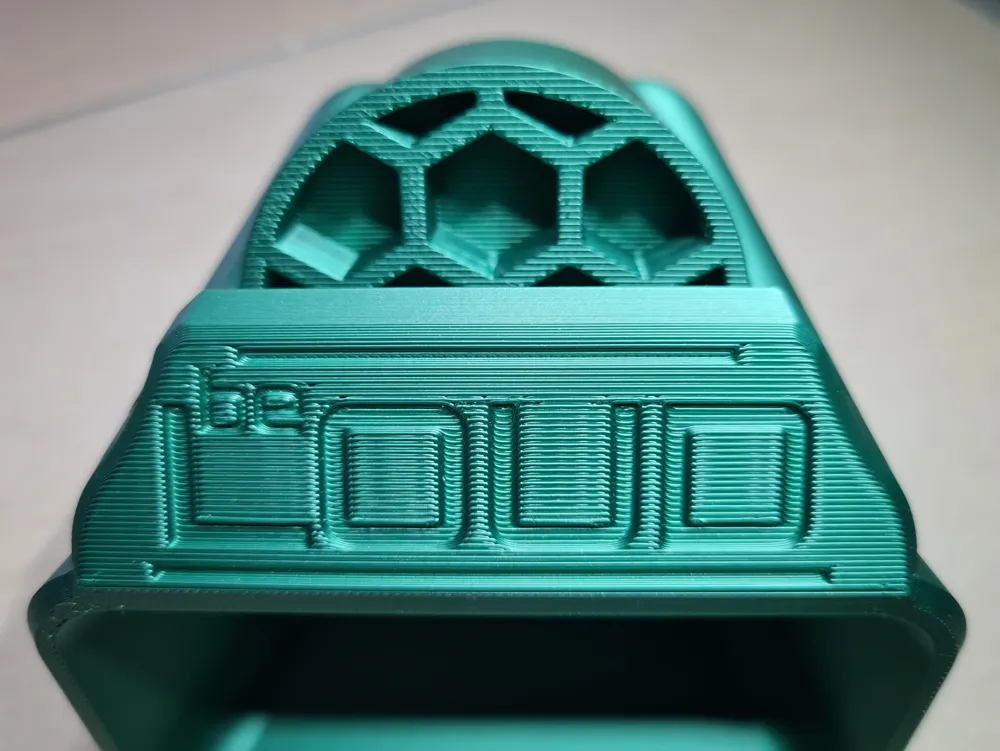
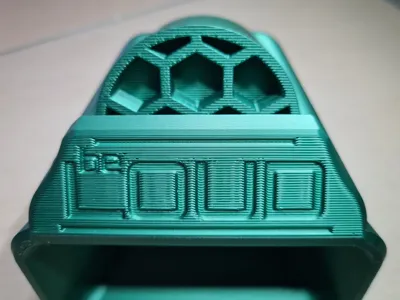
- Standard sign “be LOUD”
- Sign, customizable in Bambu Studio
I printed with PLA.
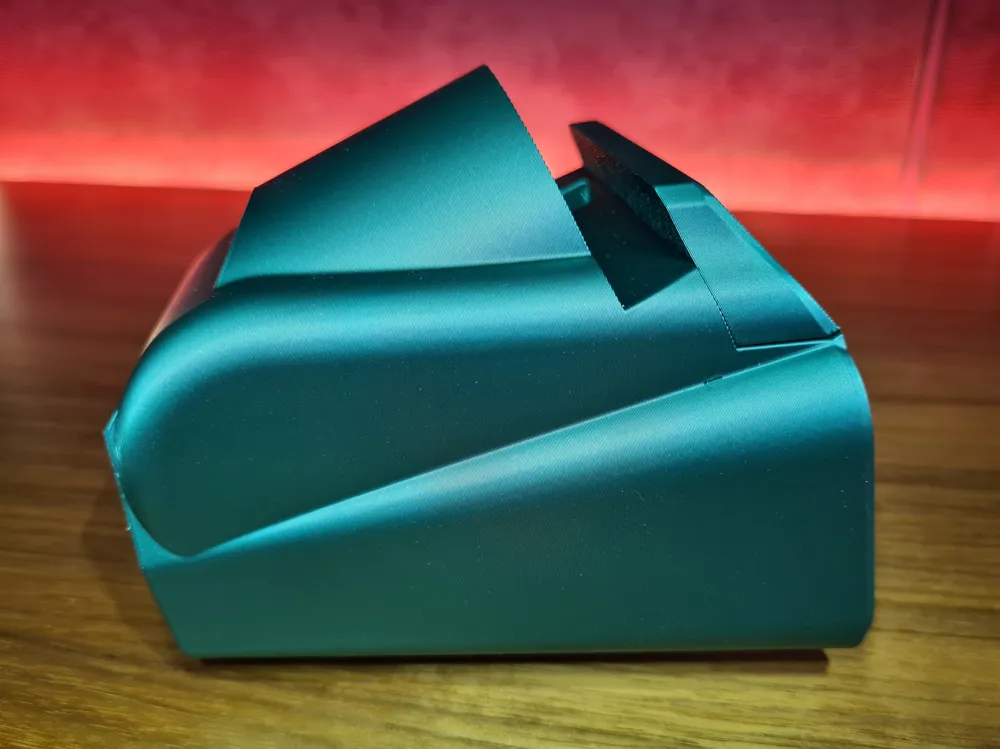
Print the horn as suggested in the profile. The horn is printed very solid. This is simply necessary for perfect sound.
Simply press the sign into the main body at the end. If you break off the tabs, it's not a problem. Just glue the sign in place. The sign is essential for the sound. The better the seal between your smartphone speaker and the surroundings, the better the sound will be.
What's the physics behind it, or what's actually the problem?
The main problem with a smartphone speaker is not its lack of power, but its inefficiency. The tiny speaker diaphragm tries to vibrate a huge amount of ambient air. This is like trying to stir a swimming pool with a toothpick – there's a massive difference in resistance (acoustic impedance).
How the horn solves the problem:
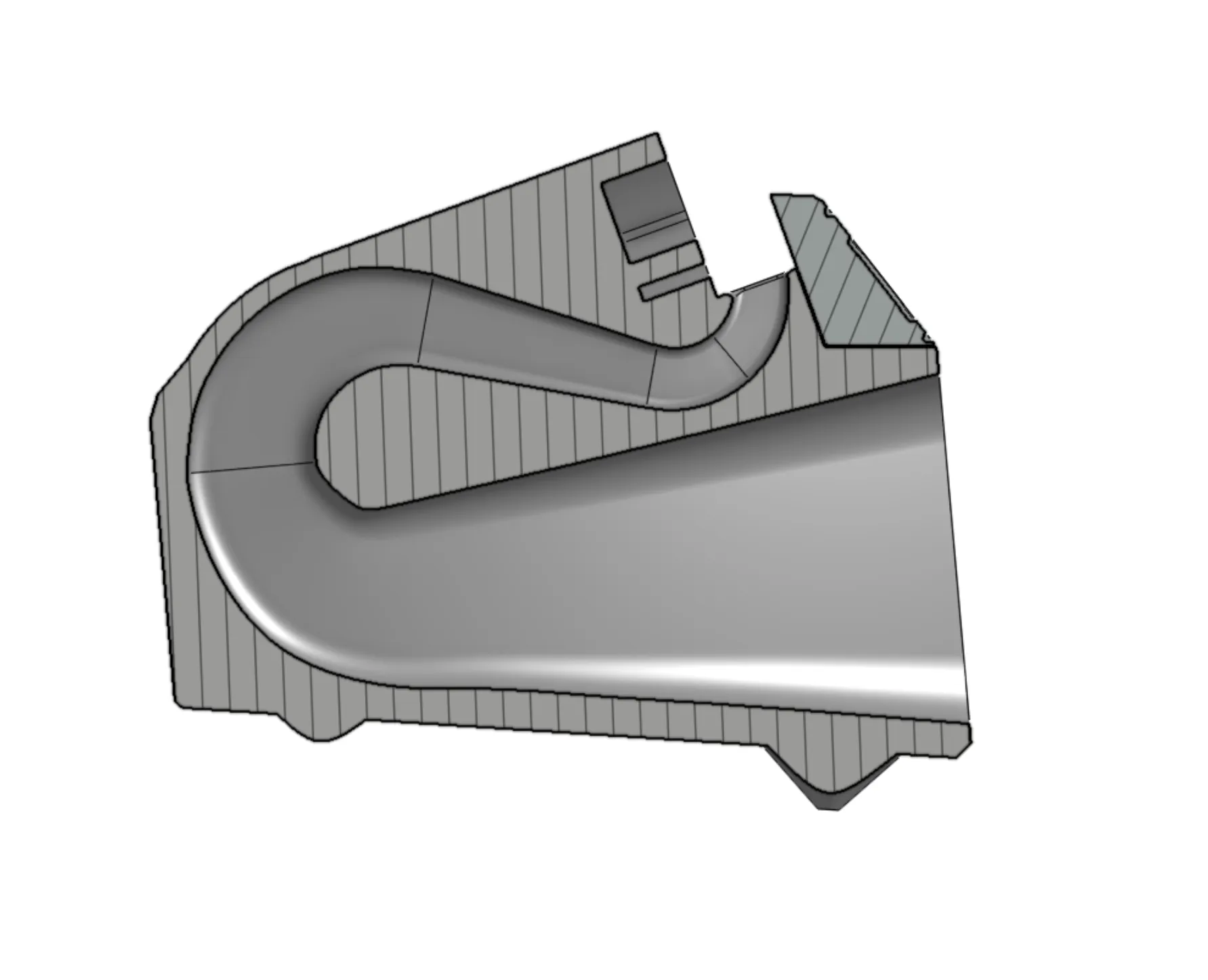
The Neck (Throat): At the narrow end of the horn, the air pressure is high, and the area is small. This perfectly matches the phone's small, fast-moving diaphragm.
The Expansion (Flare): The shape of the horn acts as a transformer. It guides the sound waves outward in a controlled manner, allowing the vibrating air mass to gradually increase.
The Opening (Mouth): At the wide end, the area is large enough to efficiently transfer sound energy to the ambient air. The resistance is now matched.
Why it sounds louder:
Increased Efficiency: The horn ensures that more of the diaphragm's mechanical energy is actually converted into sound waves, instead of dissipating as heat or useless vibration.
Focusing (Directivity): The horn prevents sound from spreading spherically in all directions. It focuses the waves in a specific direction – directly towards the listener.
The advantages are clear:
Thanks to the amplification, your smartphone's volume can be turned down, the battery lasts longer, the speaker diaphragm lasts longer as well, heat generation decreases, pollution also decreases, no more oversleeping. ;-)
What else can I say? I hope you share my fascination for physics, science, and the acoustic horn. If so, there will surely be new updates someday. Perhaps a horn with charging capability or other gimmicks.
Have fun with the model!!!
Boost Me (for free)
*** Thank you for the support, Makerworld rocks! 🚀 ***
Membership
Your prints, your sales. Secure your commercial license on MakerWorld now! Or simply support me and be part of my journey! 🚀🚀🚀
License

You shall not share, sub-license, sell, rent, host, transfer, or distribute in any way the digital or 3D printed versions of this object, nor any other derivative work of this object in its digital or physical format (including - but not limited to - remixes of this object, and hosting on other digital platforms). The objects may not be used without permission in any way whatsoever in which you charge money, or collect fees.


Comment & Rating (30)