
Multimeter Probe Grip & Tweezers System
Print Profile(2)

Description
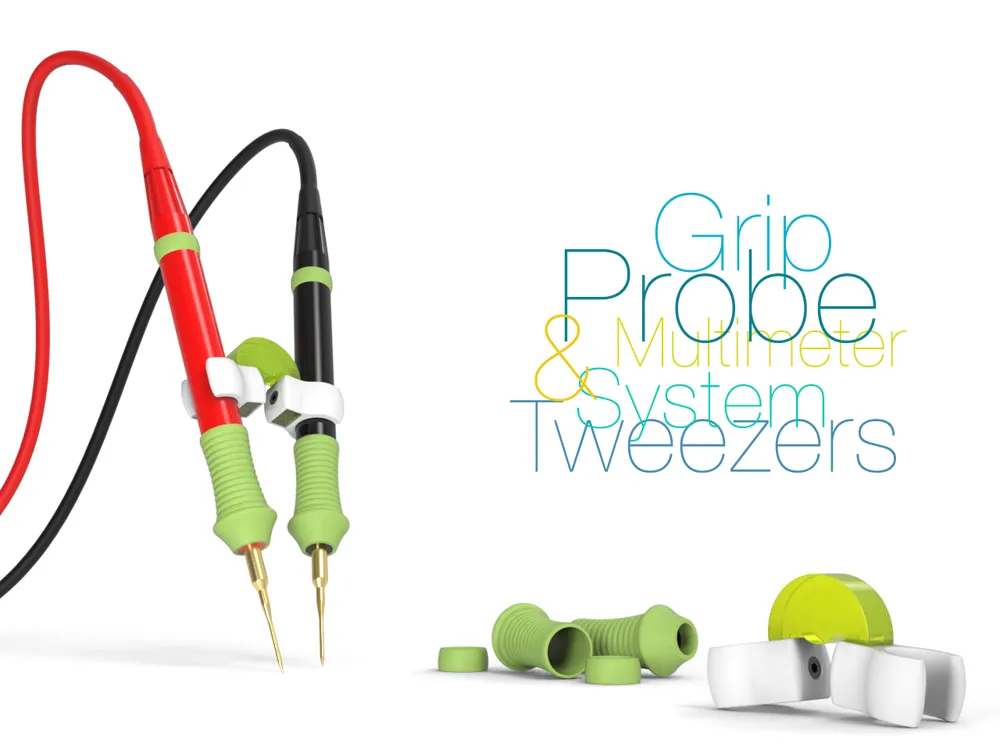
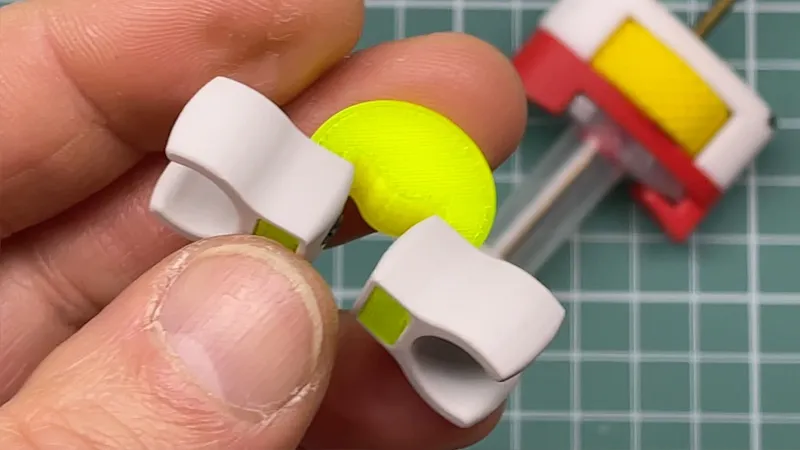
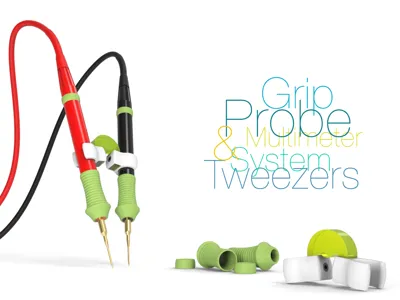
Multimeter Probe Grip & Tweezers System
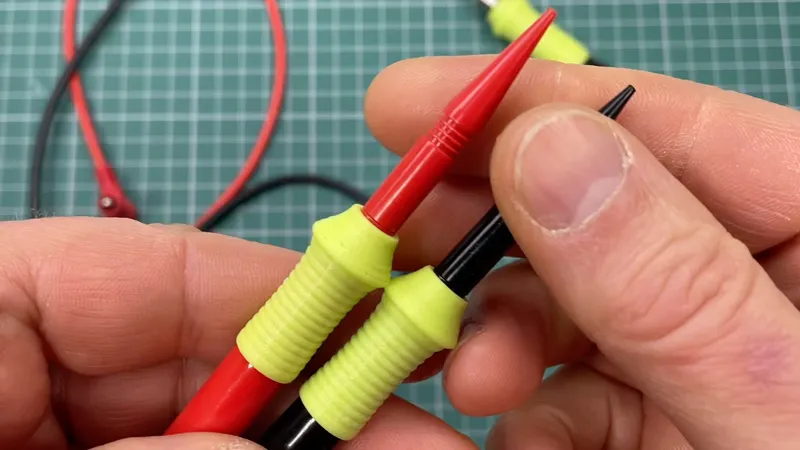
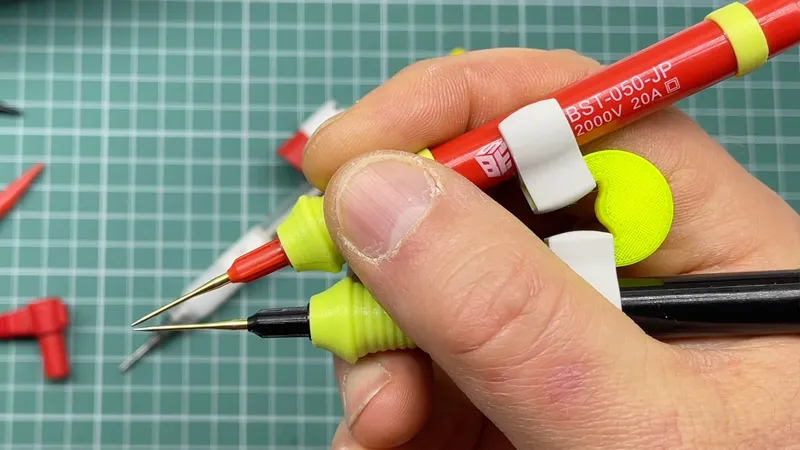
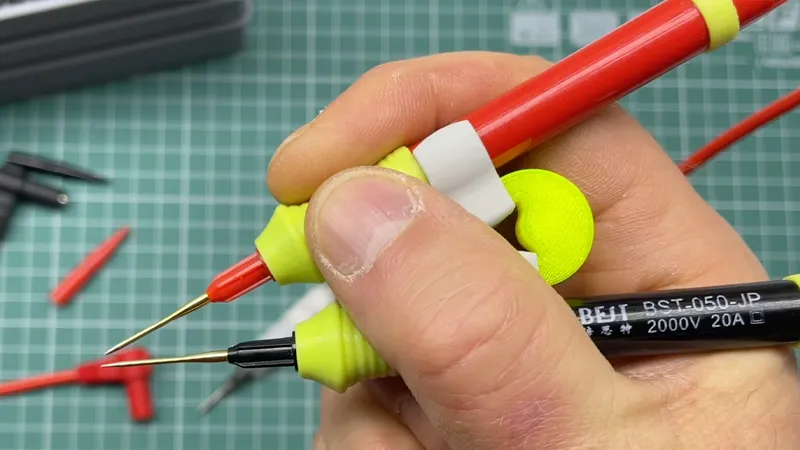
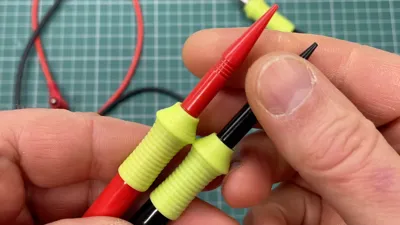
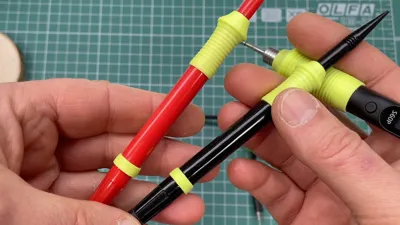
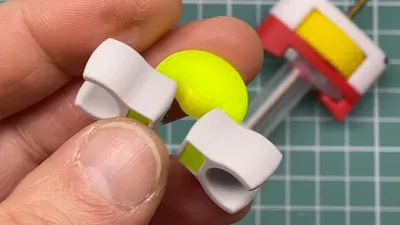
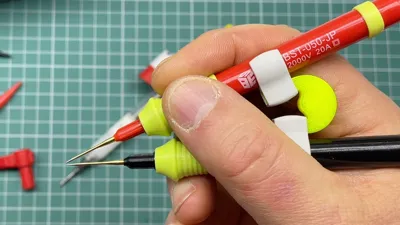
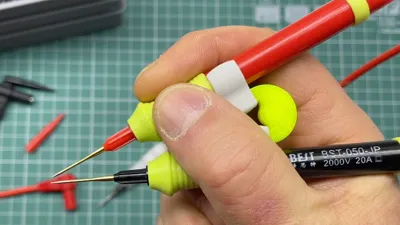
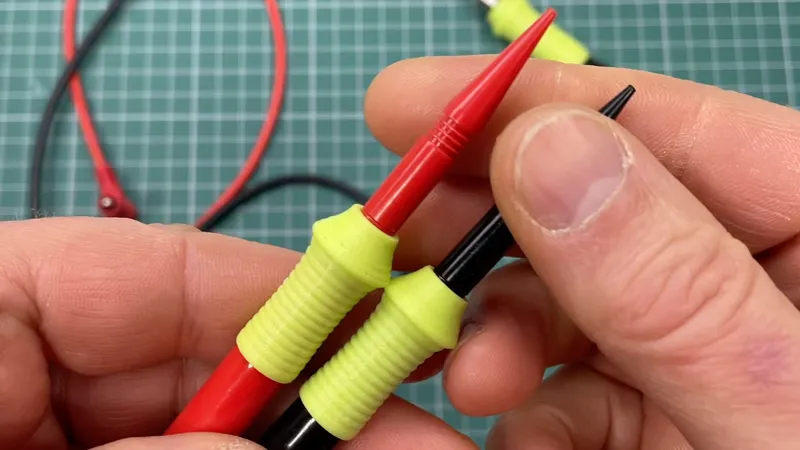
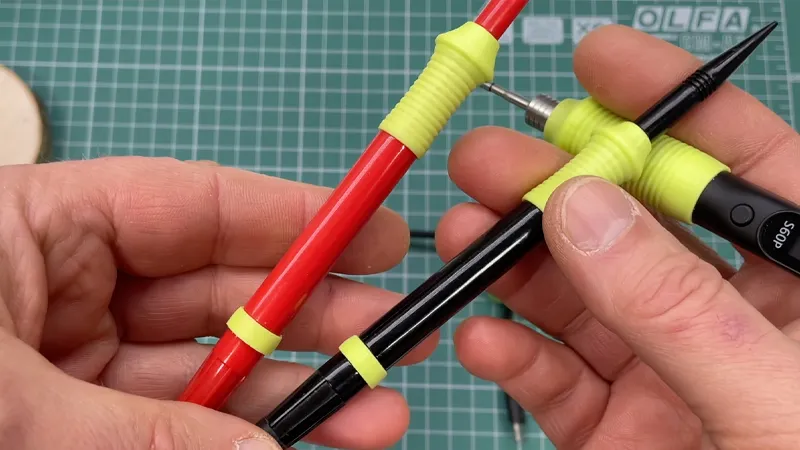
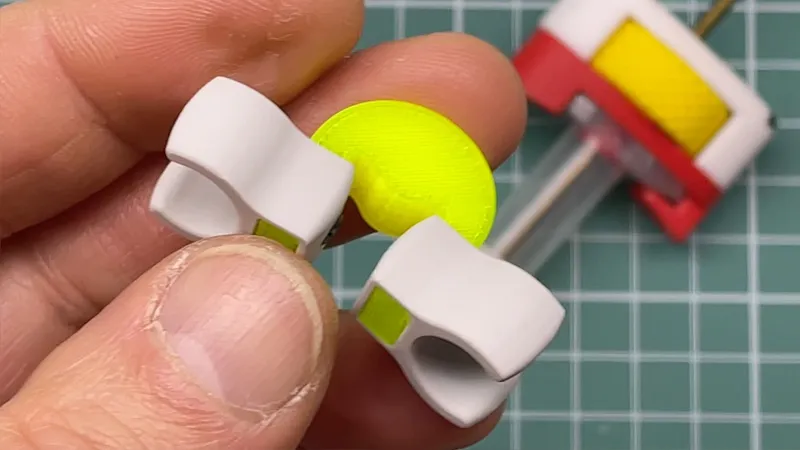
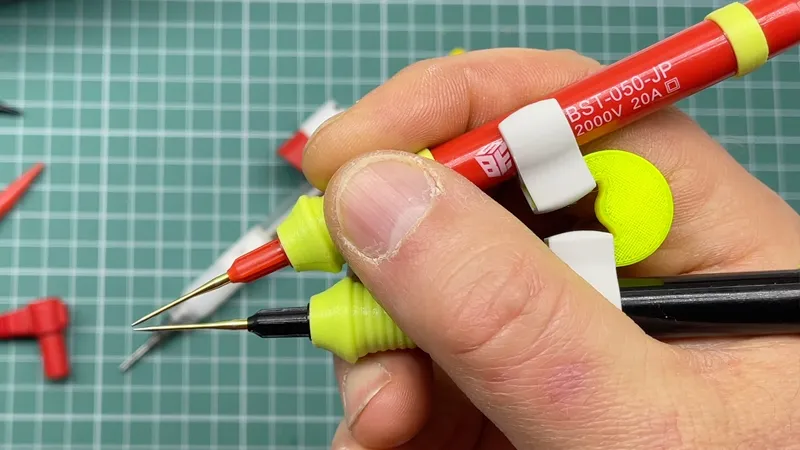
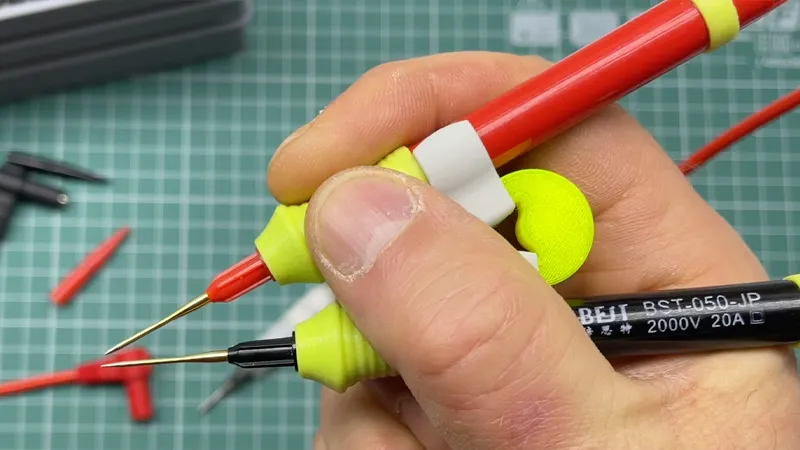
Right after designing the anti-slip grip for a soldering iron, I almost immediately created a similar solution for multimeter probes. I didn’t put it off — the logic was the same and the task was already familiar. This project is based on BEST multimeter probes, model BST-050-JP.
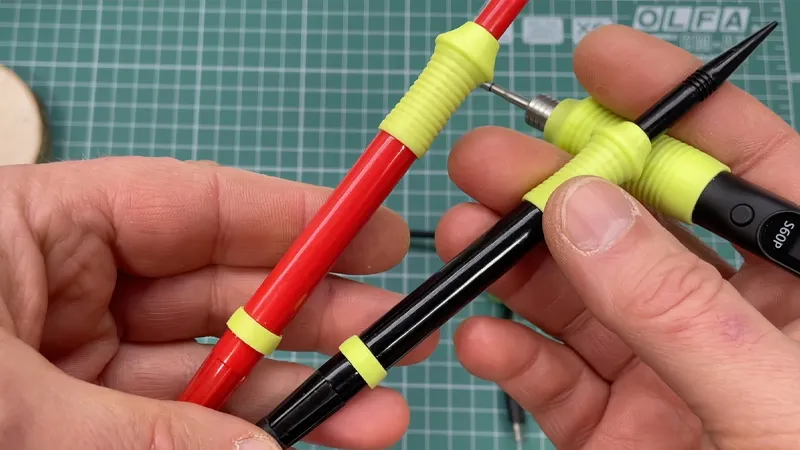
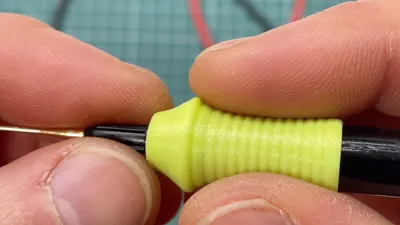
The rings on the probes deserve special mention. They are not decorative. They work as additional anti-slip resistance. The situation is typical: the probes are lying on a desk, while the cable hangs down. The cable is silicone, heavy, and well-made — and it simply pulls the probes along with it. As a result, they slowly but steadily slide off the table.
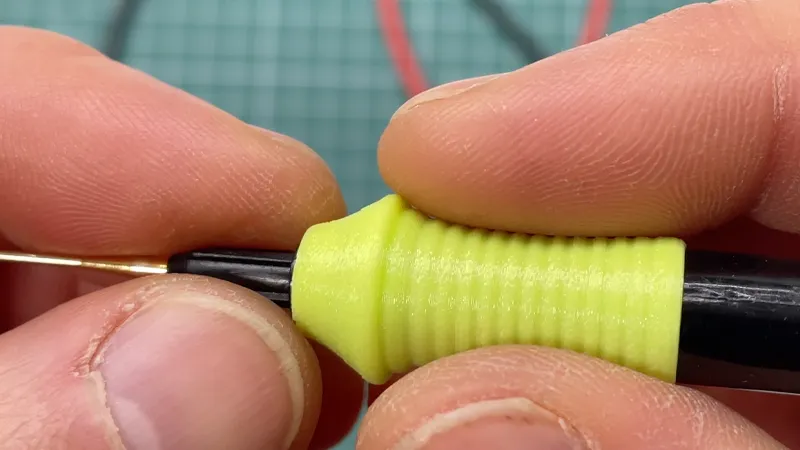
TPU solves this problem perfectly. The material is quite grippy, creates friction, and effectively works as a brake. The probes stop “creeping” off the table under the weight of the cable.
The probes themselves are good. The cable is excellent, and the strain reliefs are well designed. But the handles feel unfinished, as if the manufacturer simply didn’t bring them to their logical conclusion. The plastic is smooth and offers almost no grip control. For me, this issue was solved with these add-on grips.
As for printing, everything is predictable and without surprises. Just like with the previous model, the result directly depends on the settings: speed, temperature, and cooling. You can often hear that TPU is supposedly impossible to print on certain printers — manufacturers even state this themselves. I see this more as a safety disclaimer for beginners, to avoid a wave of complaints later.
My experience shows: it is possible.
You just need to understand the nature of the material.
Boost Me (for free)
If you like this model, a repost, boost, or like is the best way to say “make more.” It directly supports development and the creation of new projects.
TPU 85A does not like:
- high speeds,
- strong cooling,
- even the slightest resistance during filament feeding.
On the Bambu Lab A1 Mini, I comfortably printed TPU even with a 0.2 mm nozzle and achieved excellent results. In this project, a 0.4 mm nozzle and a 0.12 mm layer height were used — the prints came out clean and consistent, with no issues in geometry or surface quality.
The feed speed could have been reduced even further — I’ll definitely try that next time. If you use my 3MF file , I recommend reducing the print speed by another factor of two — the quality will improve noticeably.
See the video for details:
If you liked this thing - let me know by putting like!
Parts links below:
Links to used tools:
License



Comment & Rating (0)