
Lattice Stool


Print Profile(4)
Bill of Materials


.jpg)


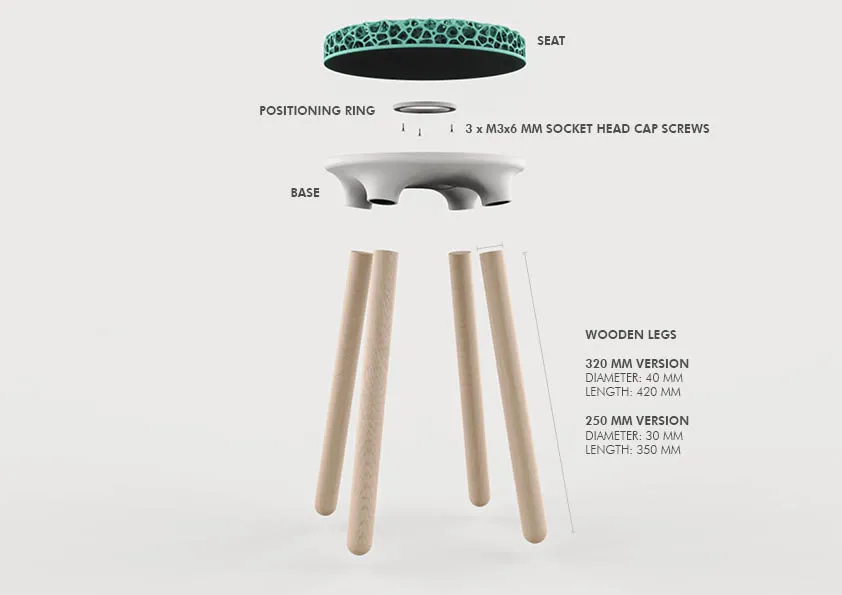
- Wooden Legs 30 MM (A/P Series Version) x 4: 350 mm Length
- Wooden Legs 40 mm (H2 Series Version) x 4: 420 mm Length
Description
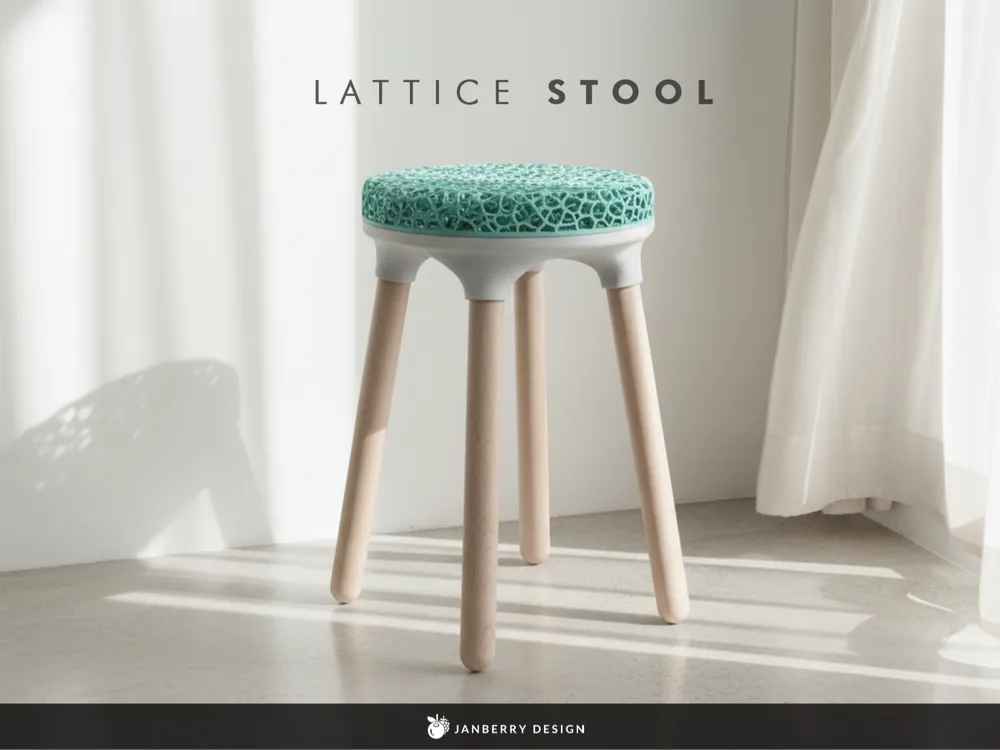
Minimalist 3D-Printed Stool
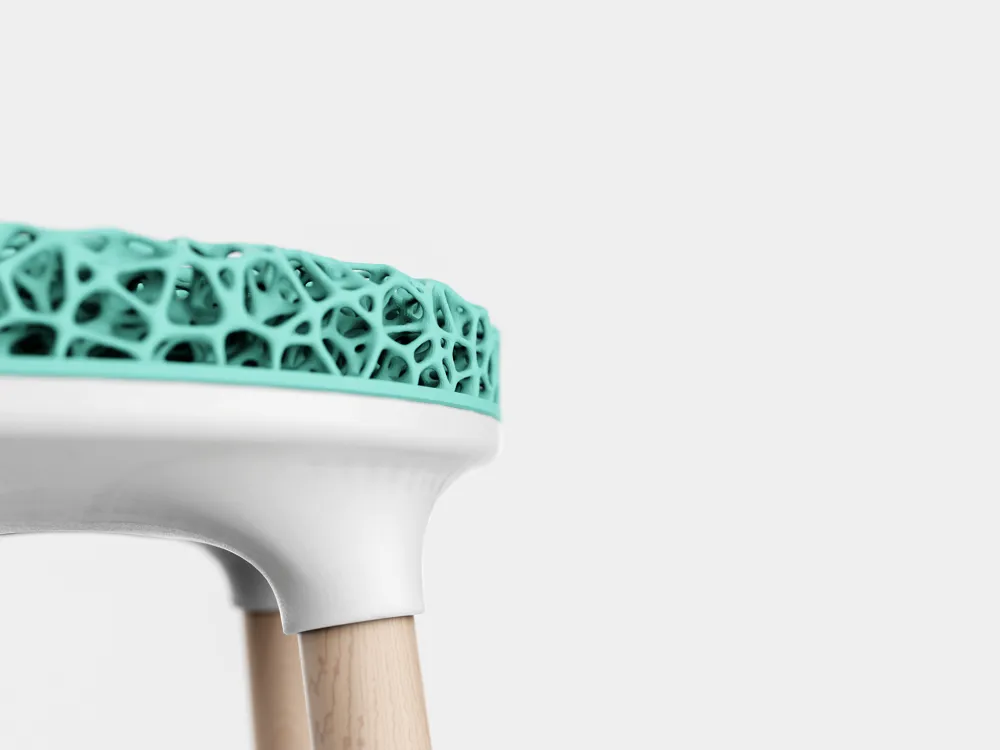
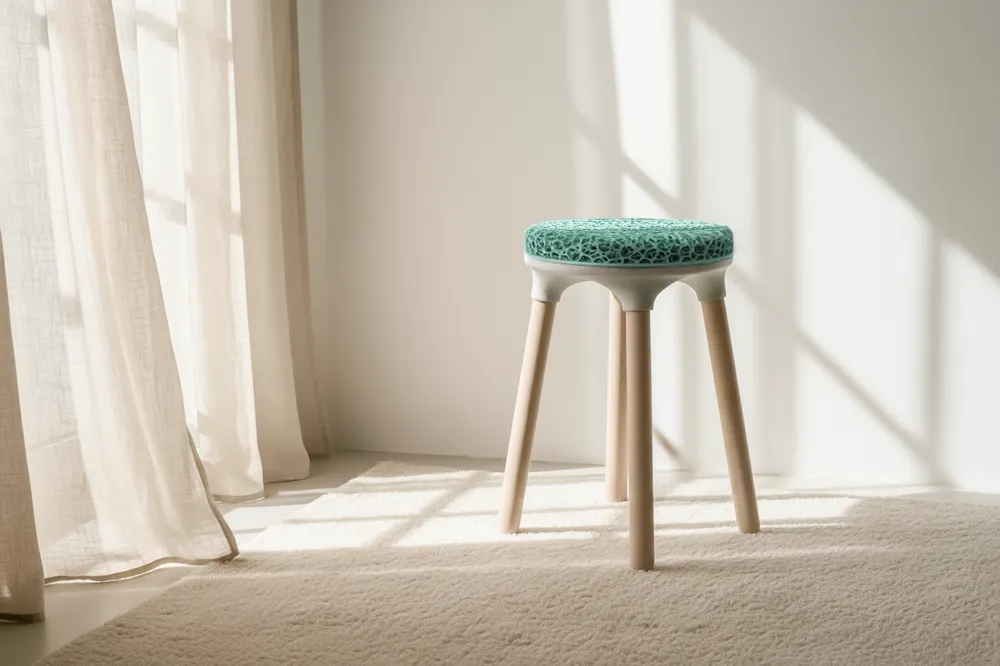
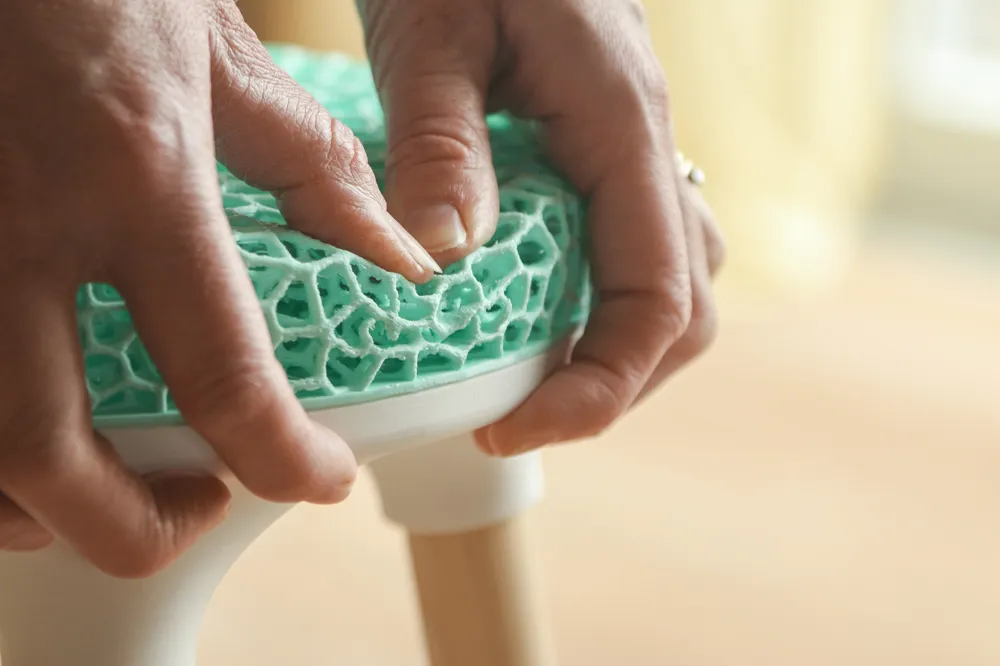
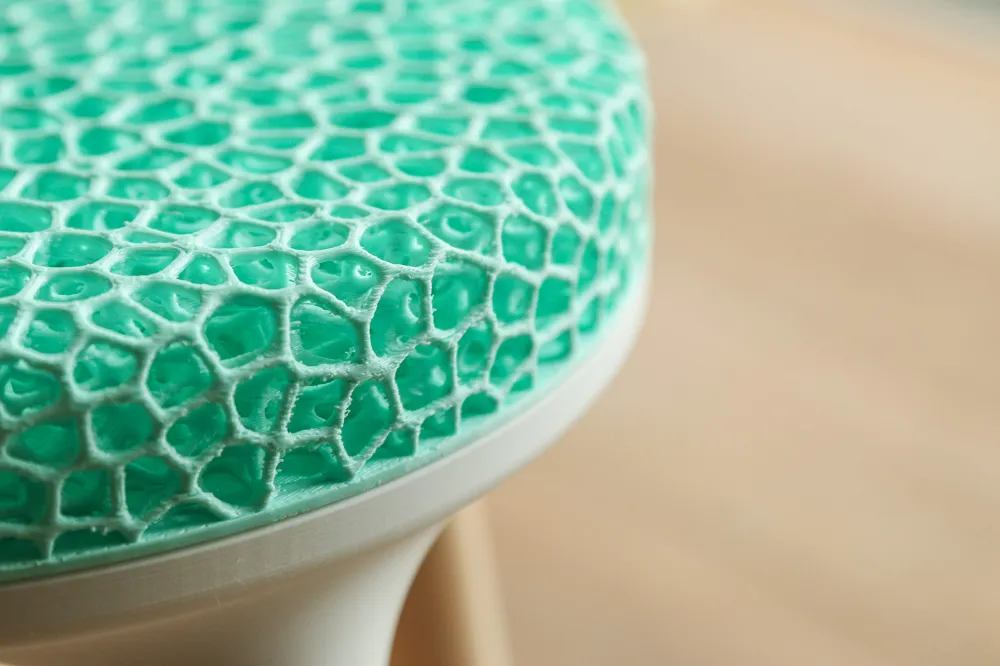
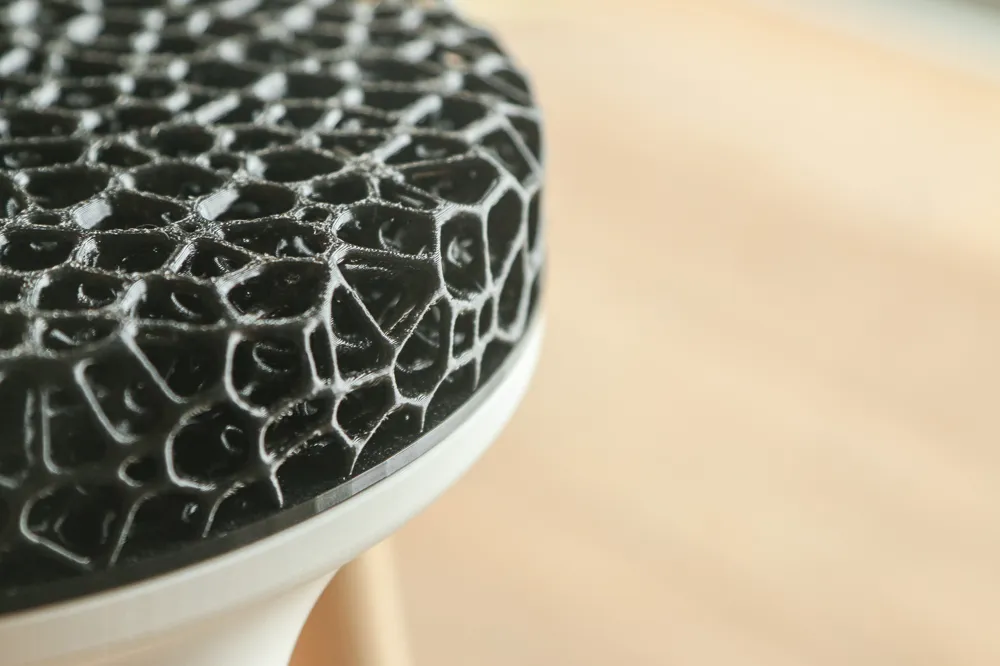
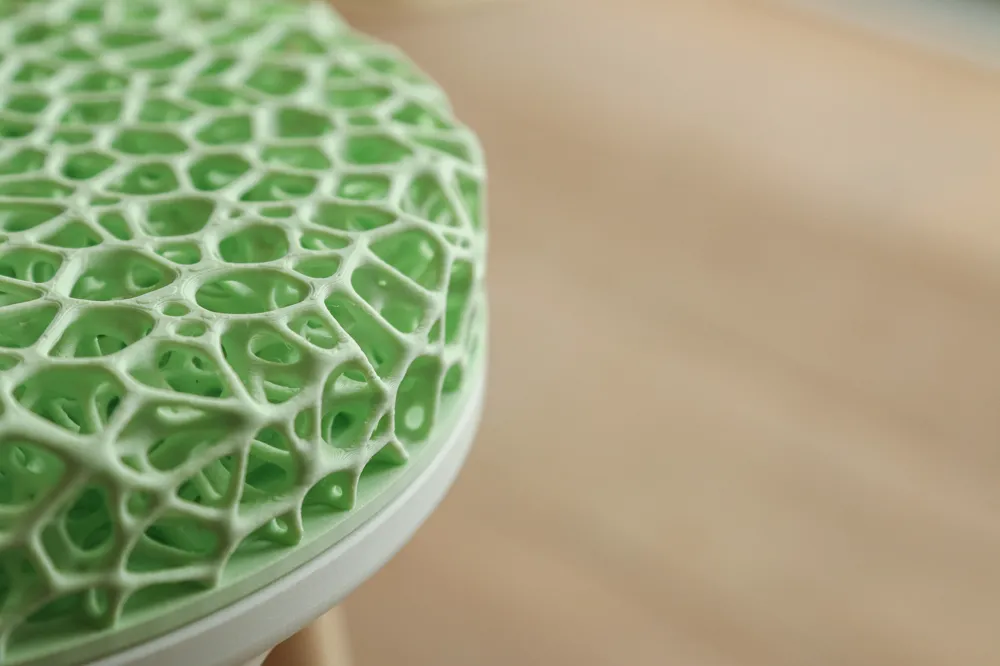
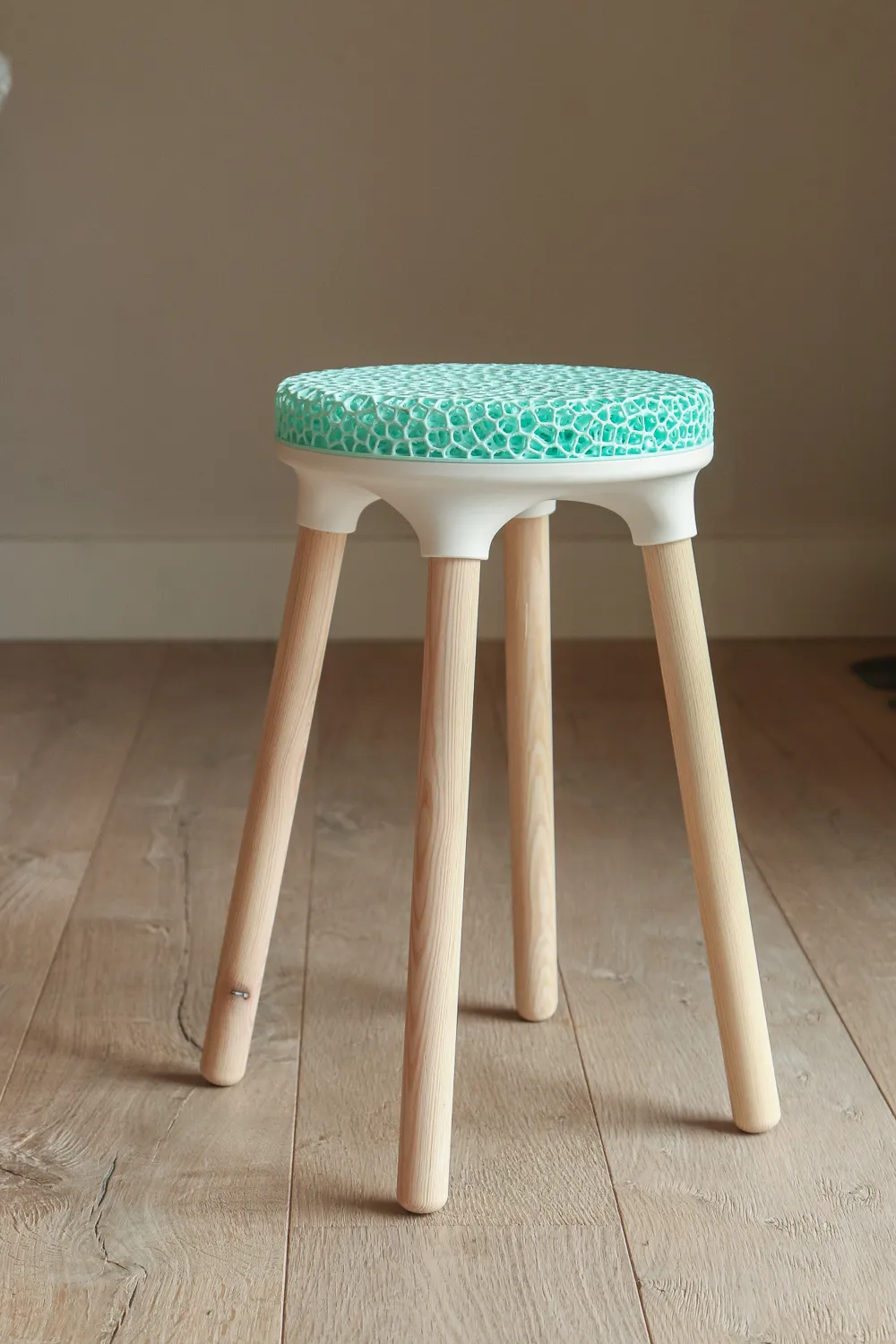
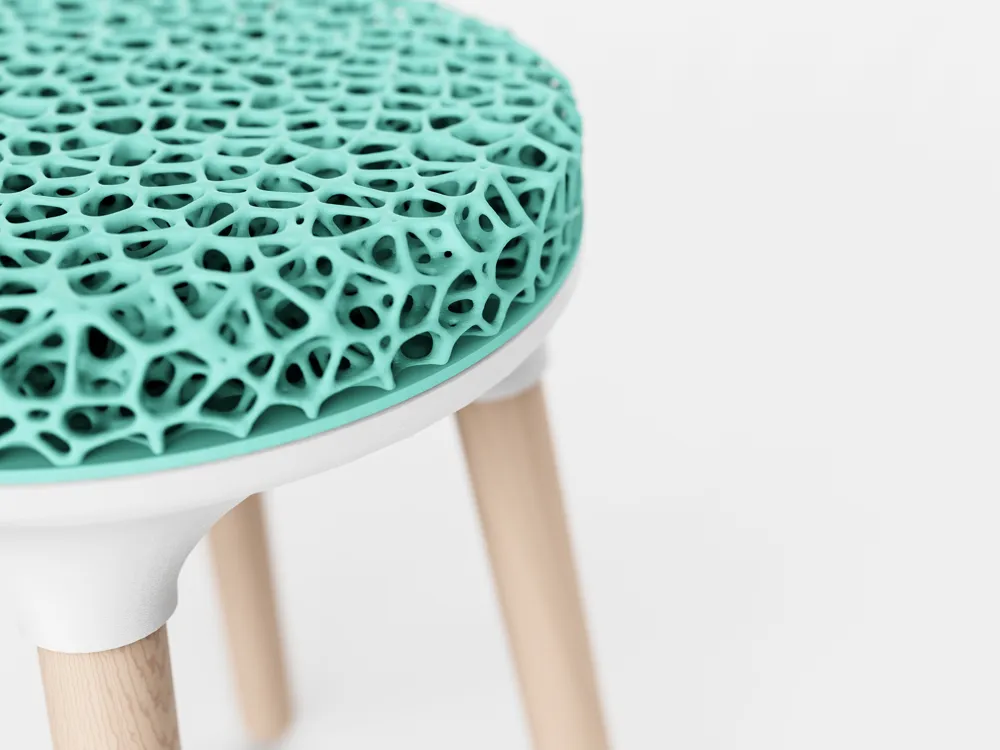
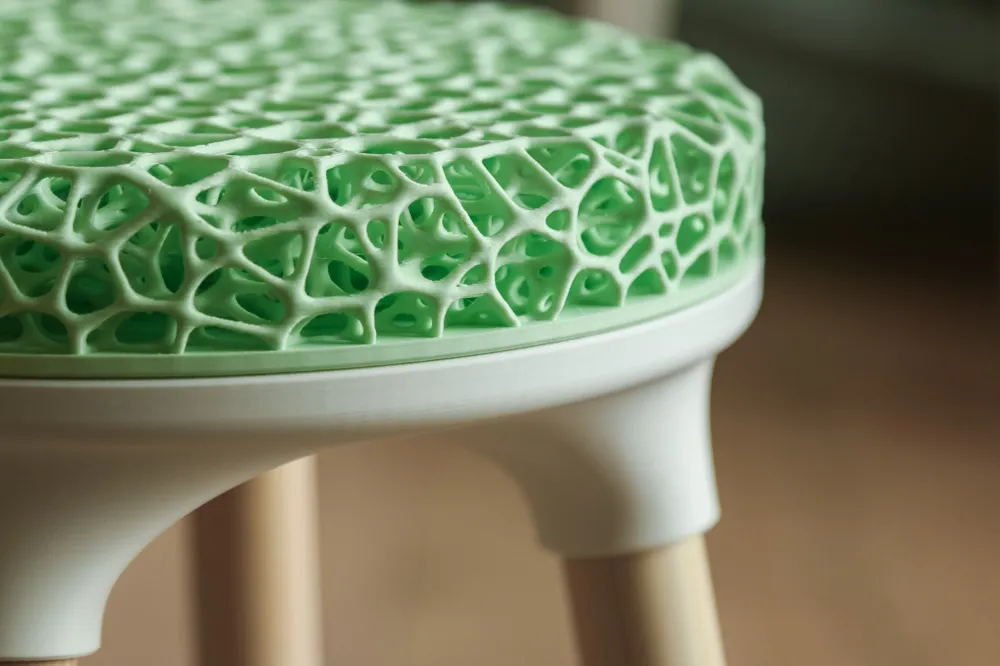
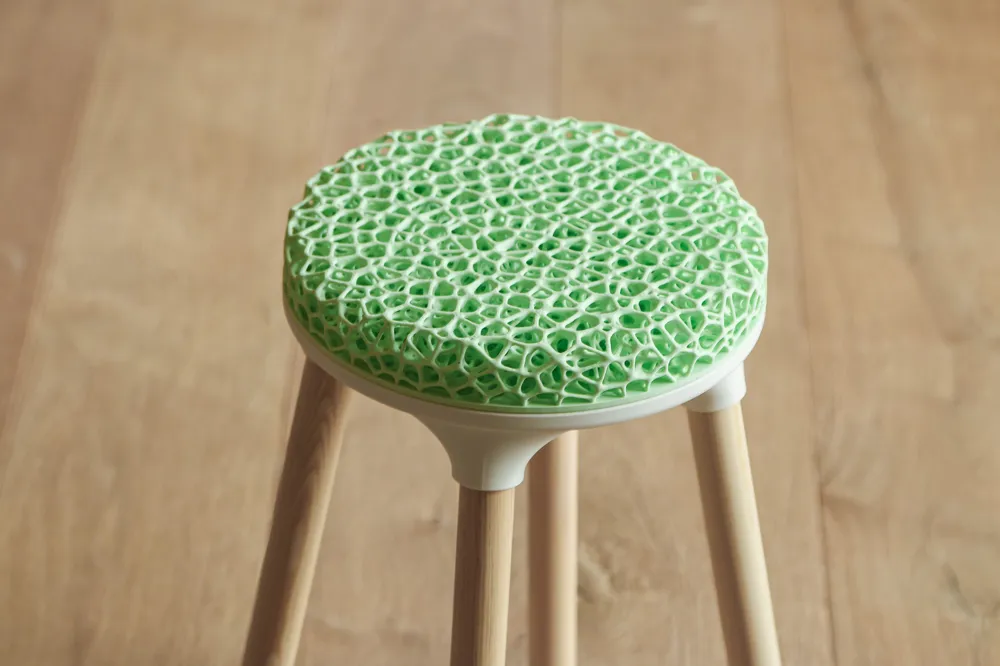
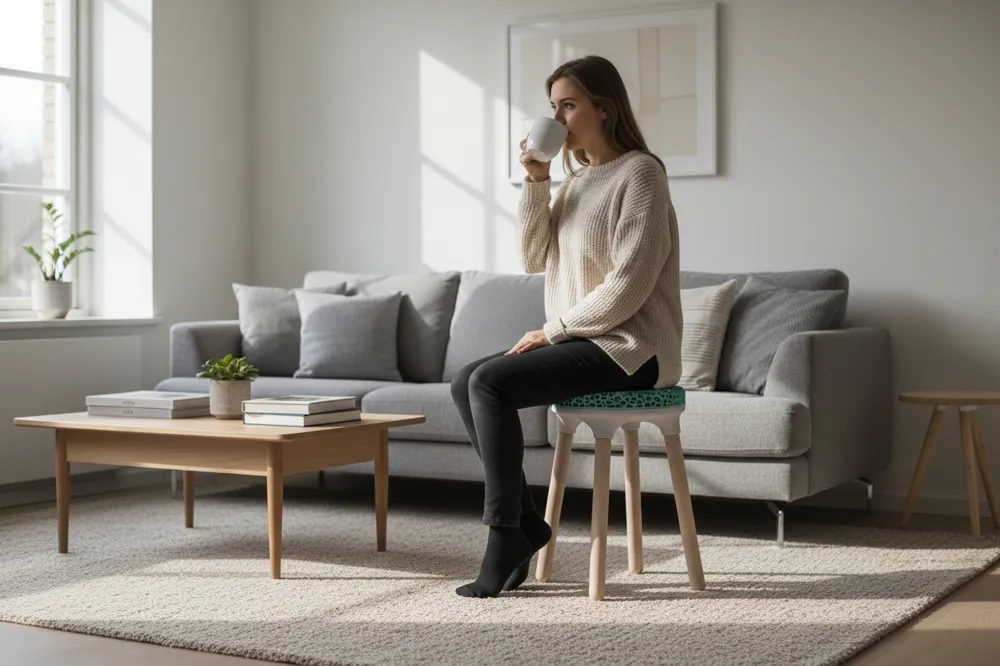
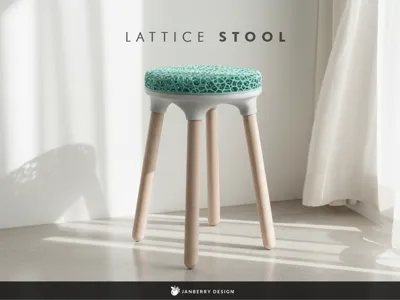
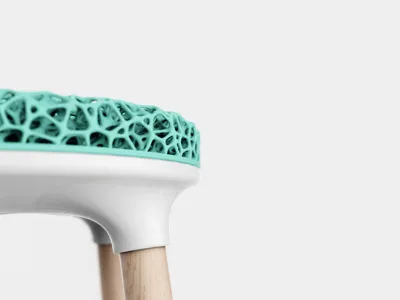
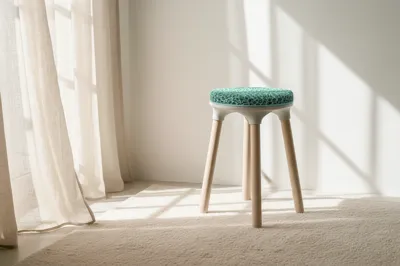
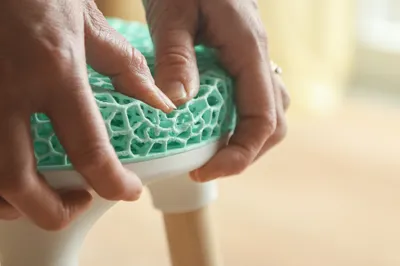
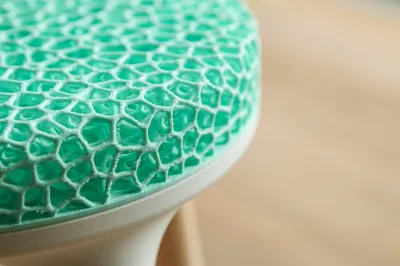
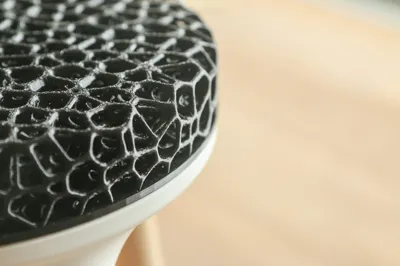
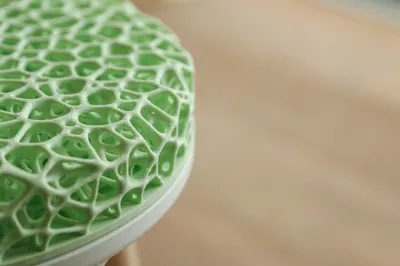
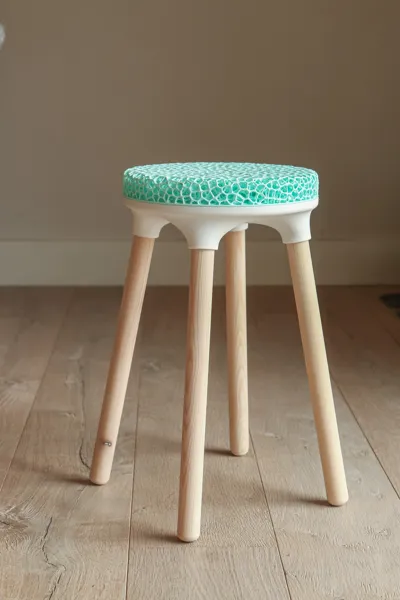
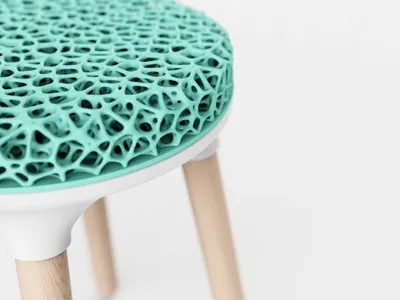
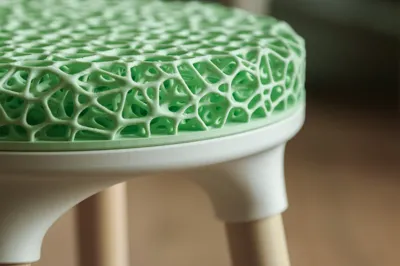
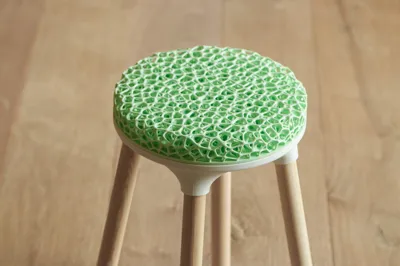
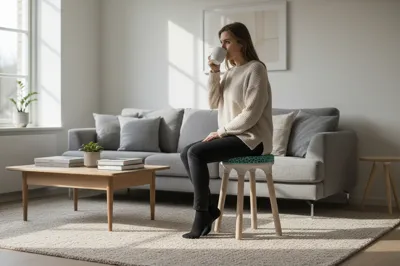
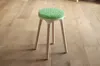
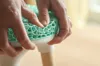
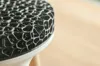
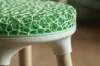
This stool combines a 3D-printed seat with classic wooden legs and is designed as a modern, minimalist piece of furniture. The organic lattice structure of the seat creates a striking visual appearance and a pleasant tactile feel. The design works well as a small stool, side table, or decorative interior object.
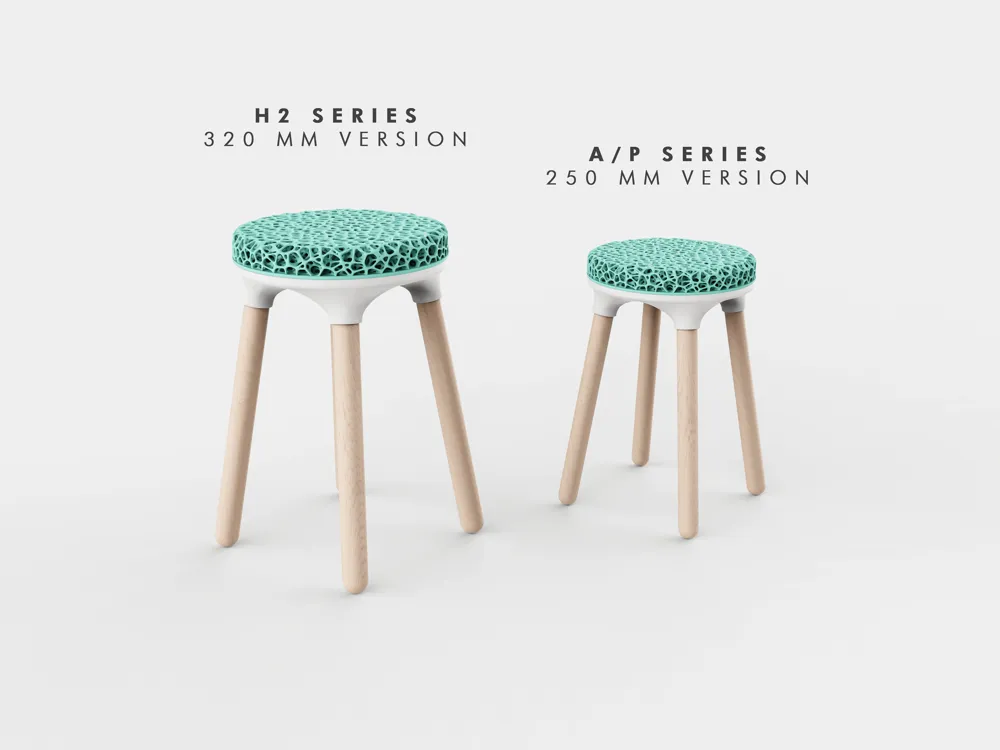
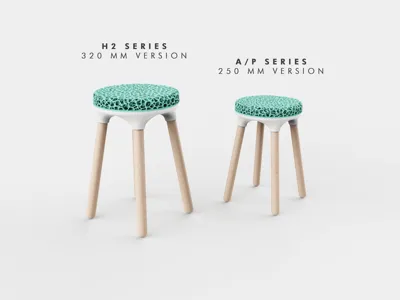
Two size versions are currently available:
- Version L: Seat diameter Ø 320 mm, designed for wooden legs with a 40 mm diameter (will be added soon)
- Version S: Seat diameter Ø 250 mm, designed for wooden legs with a 30 mm diameter
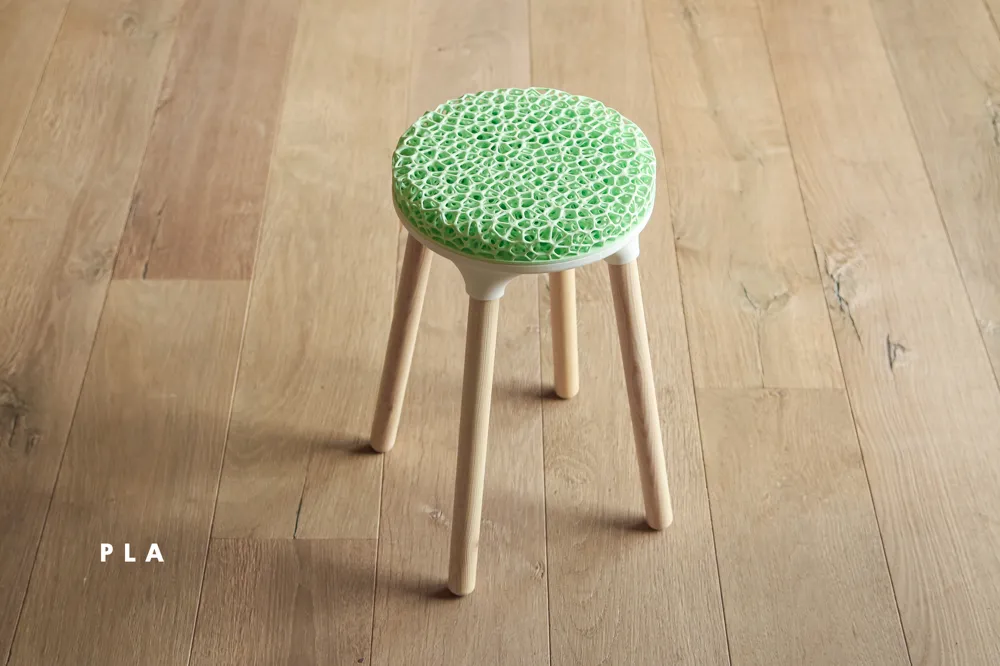
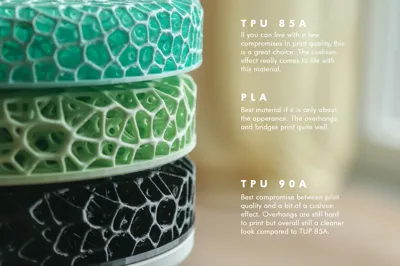
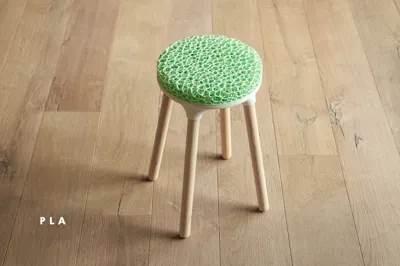
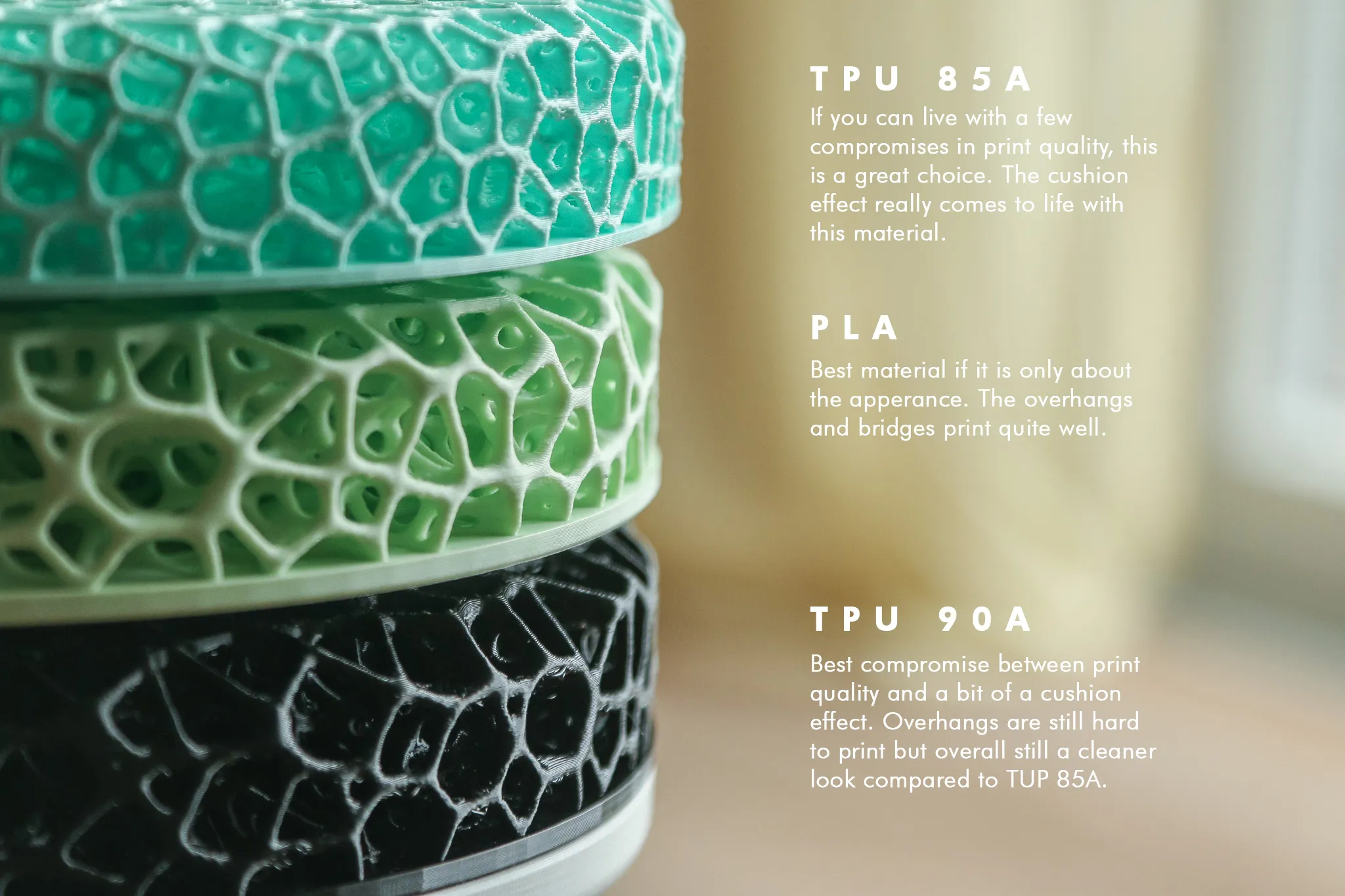
The currently available print file for the seat is optimized for PLA. Even in PLA, the lattice structure looks spectacular. While it does not provide the same functional flexibility as a TPU print, it still offers good structural stability and a distinctive aesthetic.
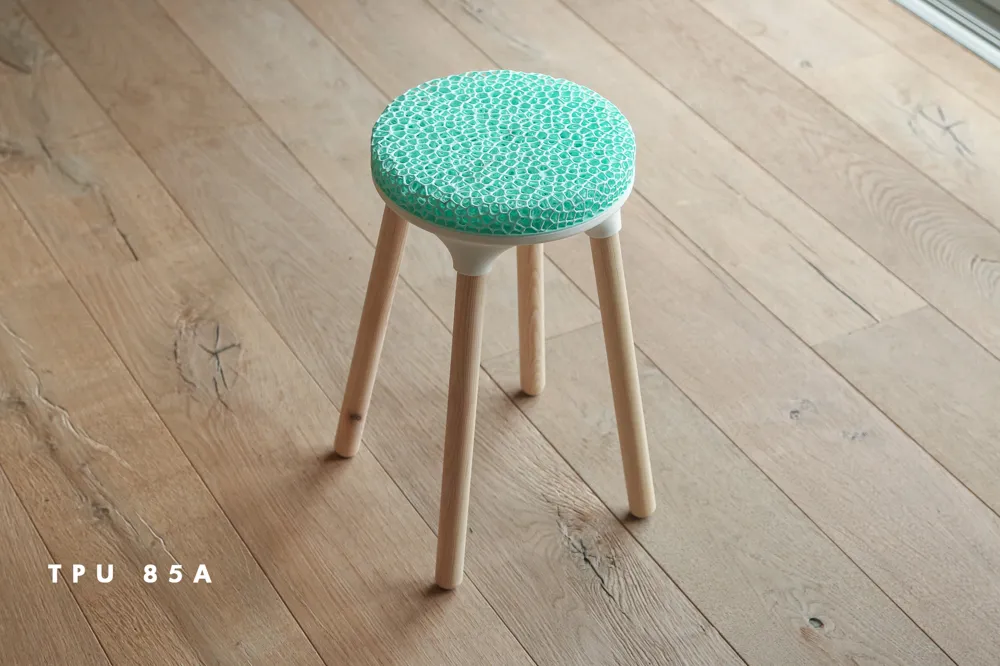
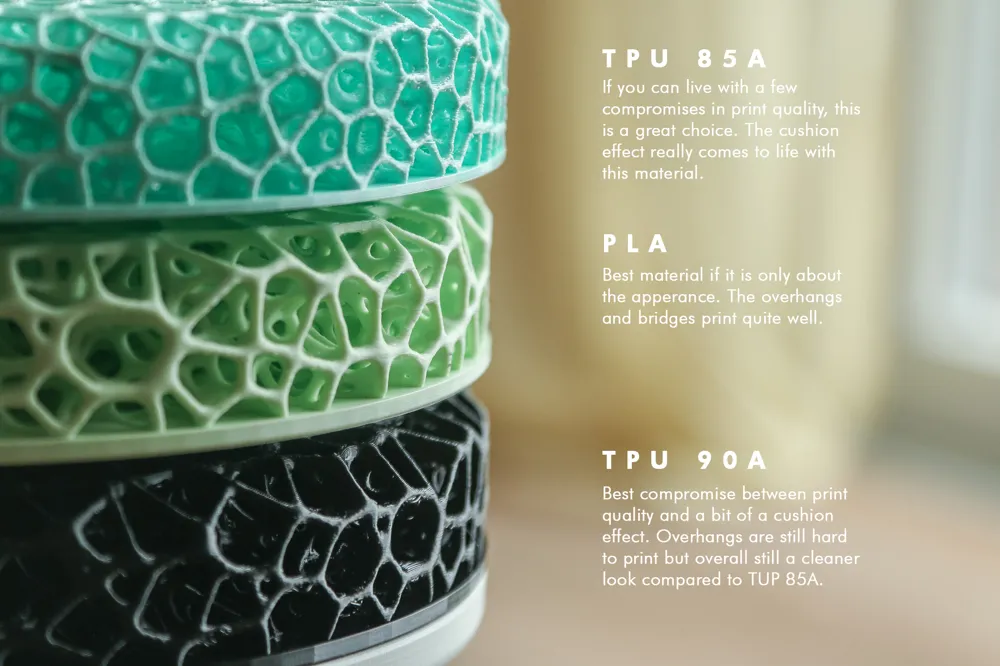
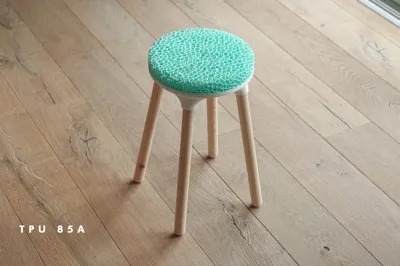
I’ve experimented a lot with TPU and tuned the profile in various ways. However, TPU is not PLA and is significantly more challenging to print. In particular, strong overhangs and bridges are difficult to achieve cleanly. Since this model contains many of these features, some compromises in print quality are unavoidable. Please take a look at the images for reference! These are extremely long prints that consume quite some filament. I’m sharing this upfront to be as transparent as possible and to avoid any disappointment.
The two most important factors when printing TPU are making sure the filament is completely dry and placing the spool as close to the print head as possible. Avoid PTFE tubes whenever possible, as they can create additional friction. (Check how to print TPU on an H2 Series.)
There are two TPU profiles included: one for TPU 85A (for use with a 0.6 mm nozzle!) and one for TPU 90A.
The seat is not an easy print, even in PLA. Please make sure your filament is completely dry before printing. The provided print parameters are tuned for my printer. In general they should be fine. But you may need to make some adjustments to achieve a satisfactory result on your own machine.
If you don’t mind a few imperfections, you’ll end up with a truly unique piece — something that can ONLY be made using 3D printing.
Assembly
Depending on whether you want the stool to be portable and removable or permanently assembled, you can choose to glue the parts together. The positioning ring can also be either screwed in place or glued, depending on your preferred assembly method.
Membership
Boost Me (for free)
Interested in some of my other work?


License

You shall not share, sub-license, sell, rent, host, transfer, or distribute in any way the digital or 3D printed versions of this object, nor any other derivative work of this object in its digital or physical format (including - but not limited to - remixes of this object, and hosting on other digital platforms). The objects may not be used without permission in any way whatsoever in which you charge money, or collect fees.


Comment & Rating (57)