
Baroque Appliqué, Rococo Furniture Mount
Print Profile(1)
Bill of Materials

- Metallic Water Colors x 1: Bronze, Copper, Old Gold, Light Gold
Description
Lot No. 2354318
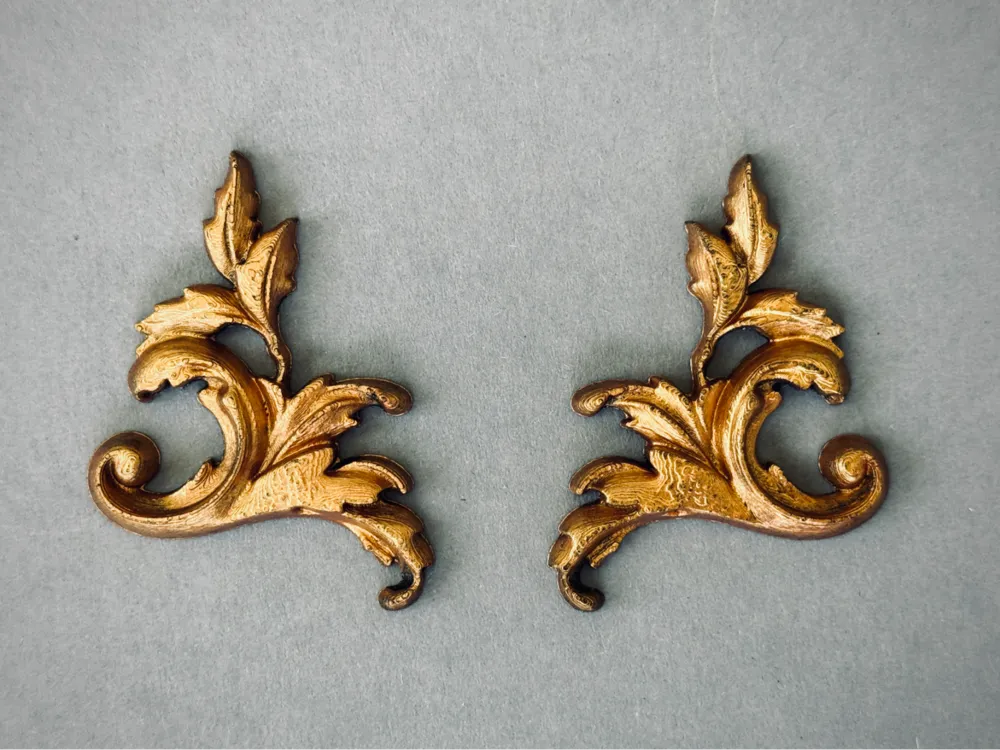
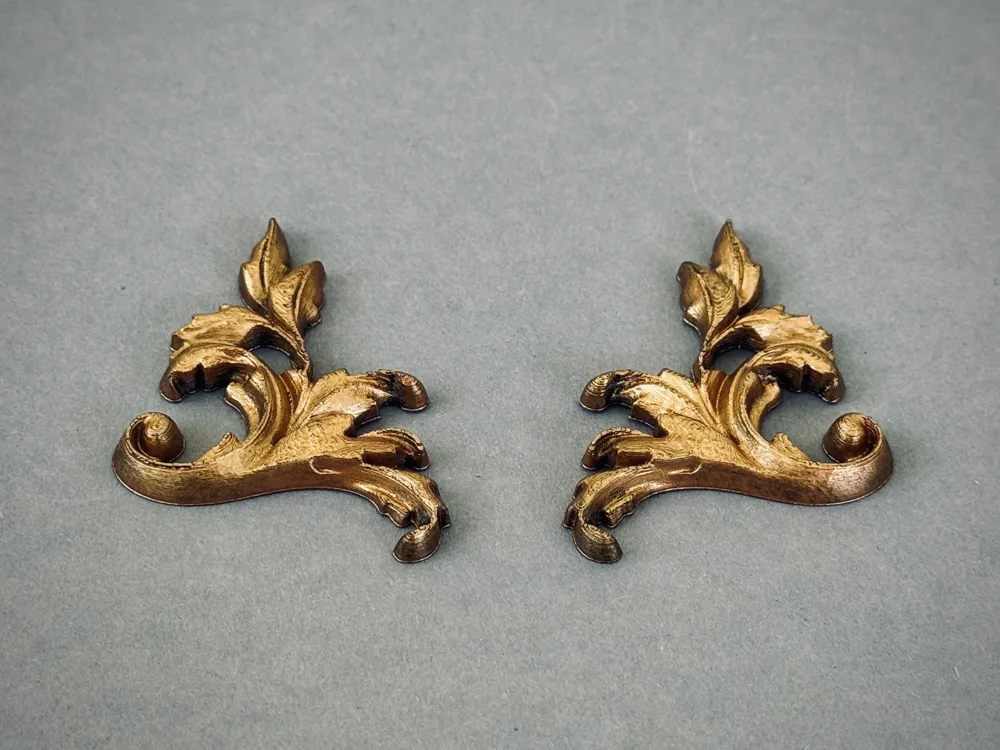
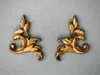
A PAIR OF GILT-BRONZE SCROLLING FOLIATE FURNITURE MOUNTS, OF LOUIS XV STYLE
18TH CENTURY
Each cast and finely chased with asymmetric rocaille and acanthus leaf motifs characteristic of the Louis XV period, featuring a central scroll from which extend elaborate, upward-sweeping leaves and volutes. The naturalistic yet playful asymmetry captures the essence of the Rococo aesthetic. These pieces were likely designed to be fixed as ornamental hardware on case pieces such as dressers, cabinets, or desks (bureaux), possibly as part of the apron or flank decoration.
Material: Gilt-bronze (ormolu) †
Dimensions: Approximately 40 x 60 x 5 mm
Condition Report
The mounts exhibit a warm, aged patina with minor surface wear and light scratches consistent with historical use. The chasing remains sharp. The condition appears sound, with no major breaks or repairs evident.
Boost Me (for free)
† To achieve a convincing gilt-bronze finish through dry brushing with metallic watercolors, you need a range of warm, brownish/gold tones to mimic the aged bronze underneath and the 24-karat gold surface: Bronze (Base Tone), Copper (Undertone/Warmth), Old Gold/Antique Gold (Main Color), Light Gold/Pale Gold (Highlight).
The Golden Age of Ormolu: Rococo Ornament in the Eighteenth-Century French Interior
The pair of mounts offered here are beautiful examples of the enduring appeal of the Rococo style, which dominated French decorative arts during the reign of King Louis XV (1720-1760) and experienced a significant revival in the late 19th and early 20th centuries. Known as bronze doré in French and ormolu in English, these gilt-bronze mounts represent the pinnacle of artistry and technical mastery of the period.
Form and Function
Gilt-bronze mounts were integral to the design of 18th-century French furniture, serving both practical and aesthetic purposes. Functionally, pieces like these protected vulnerable wooden corners, feet (sabots), and edges from damage, ensuring the longevity of expensive case furniture. Aesthetically, their shimmering, highly reflective gilded surfaces emphasized the sinuous, serpentine lines of Rococo furniture and enriched the overall appearance of a room through the magnified effect of candlelight.
The Mastery of the Bronziers and Ébénistes
The creation of such elaborate pieces involved a complex collaboration between master craftsmen. The ébéniste (cabinetmaker) was responsible for the wooden carcass and the intricate marquetry, while specialist fondeurs-ciseleurs (casters and finishers) and ciseleurs-doreurs (chasers and gilders) produced the metal mounts. Famous masters like Jacques Caffiéri and his son Philippe were celebrated for their vigorous and original handling of Rococo motifs, creating models that were subsequently cast in bronze. The ability to cast intricate shapes from bronze allowed for a level of detail and sculptural quality that would have been prohibitively expensive in solid gold, combining strength with splendor.
These particular mounts, with their fluid acanthus leaves and asymmetrical C-scrolls, capture the joyful, expressive nature of the Rococo movement. They are a testament to an era where decorative art reached an unparalleled level of quality and beauty, making pieces in this style highly sought after by collectors today.
License

You shall not share, sub-license, sell, rent, host, transfer, or distribute in any way the digital or 3D printed versions of this object, nor any other derivative work of this object in its digital or physical format (including - but not limited to - remixes of this object, and hosting on other digital platforms). The objects may not be used without permission in any way whatsoever in which you charge money, or collect fees.


Comment & Rating (1)