
TPU Lawn Dart / Ground Marker
Print Profile(1)
Description
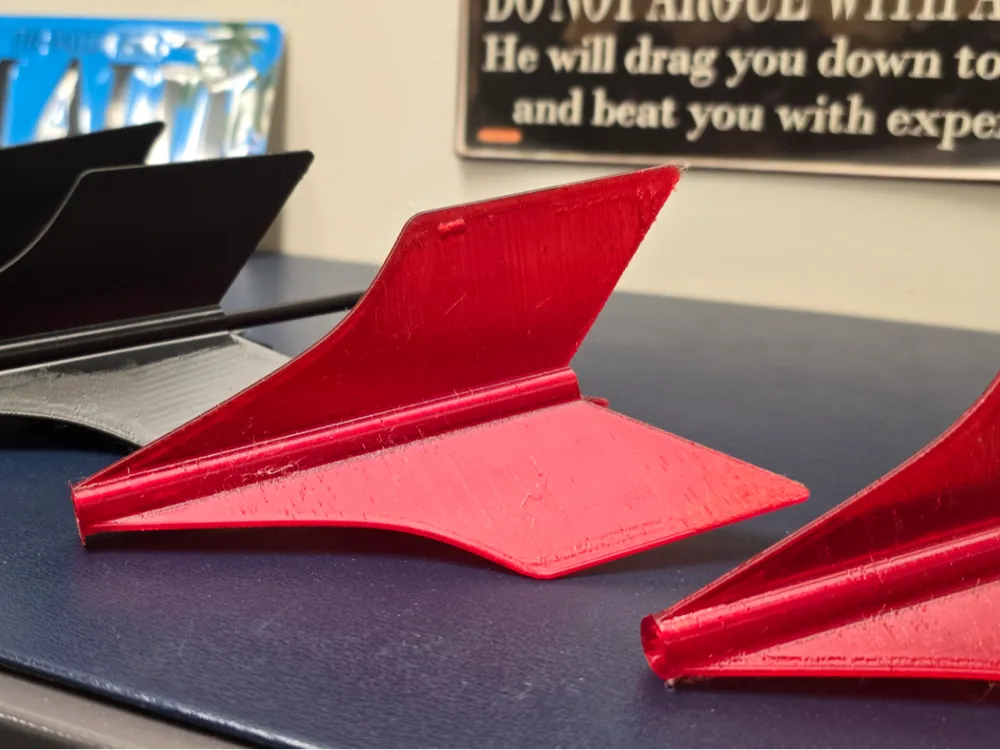
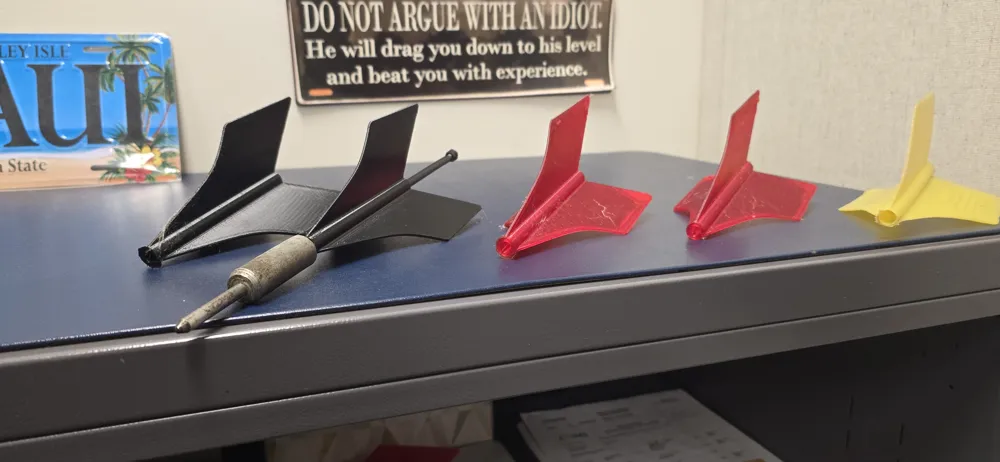
TPU Lawn Dart / Ground Marker – Flexible, Durable, and Reusable
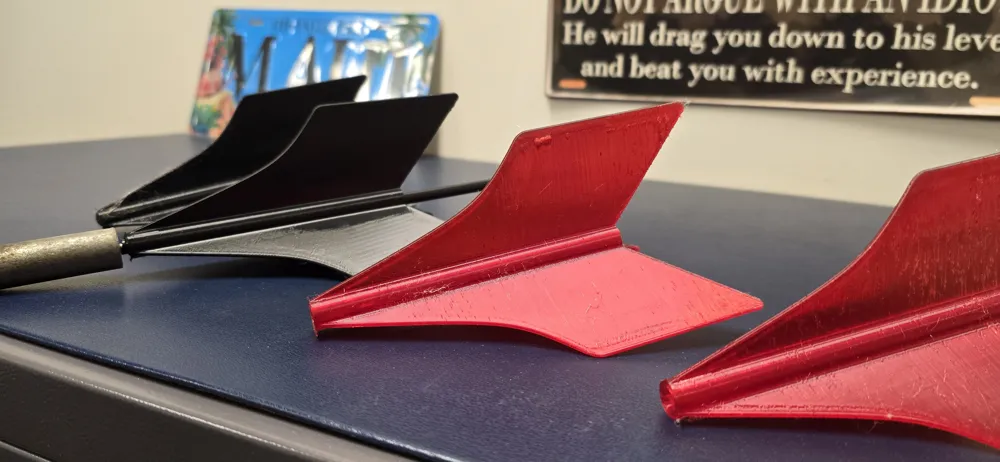
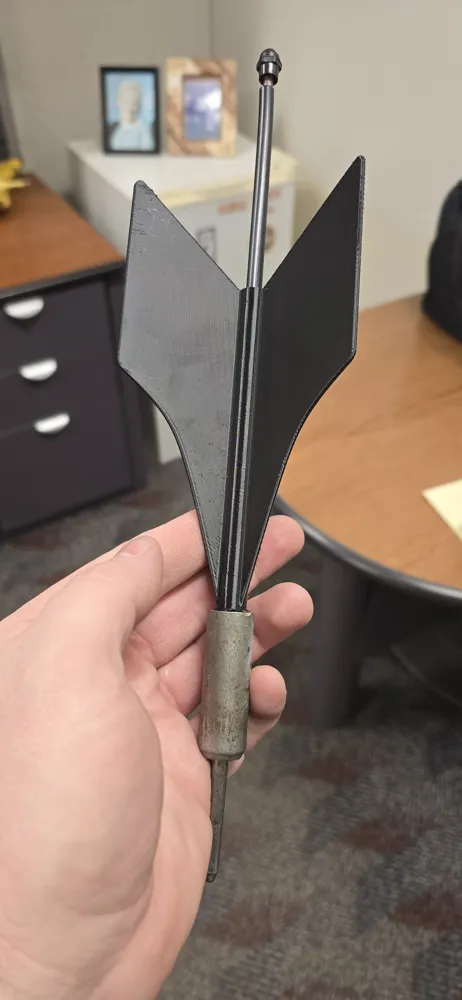
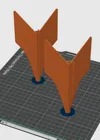
This is a flexible TPU lawn dart / ground marker designed for durability, visibility, and repeatable printing. The geometry has been carefully optimized specifically for TPU to ensure clean surface finish, strong layer bonding, and reliable tall prints without wobble or deformation.
The design uses:
- Smooth, continuous curves (no sharp stress points)
- Thick, all-wall construction (no infill)
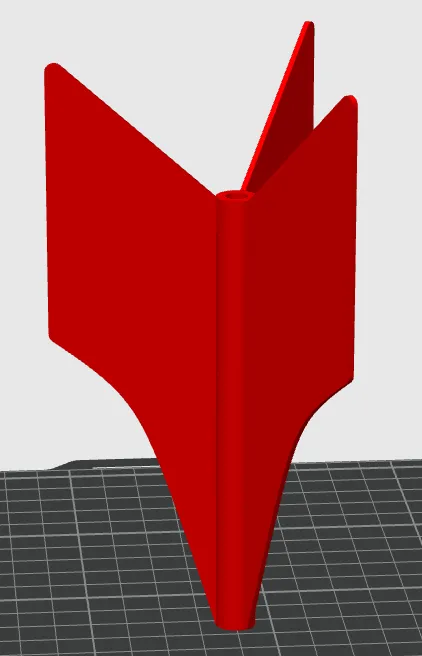
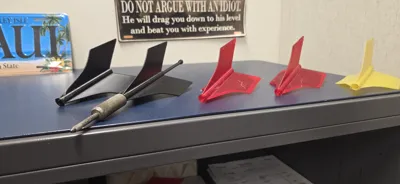
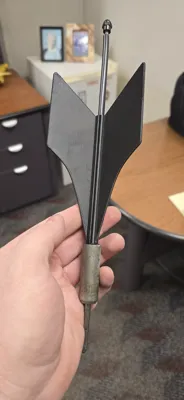
- A center bore sized for a loose-fit PTFE/Teflon sleeve or rod
Ideal for lawn games, outdoor markers, or anywhere a soft, impact-resistant dart or stake is needed.
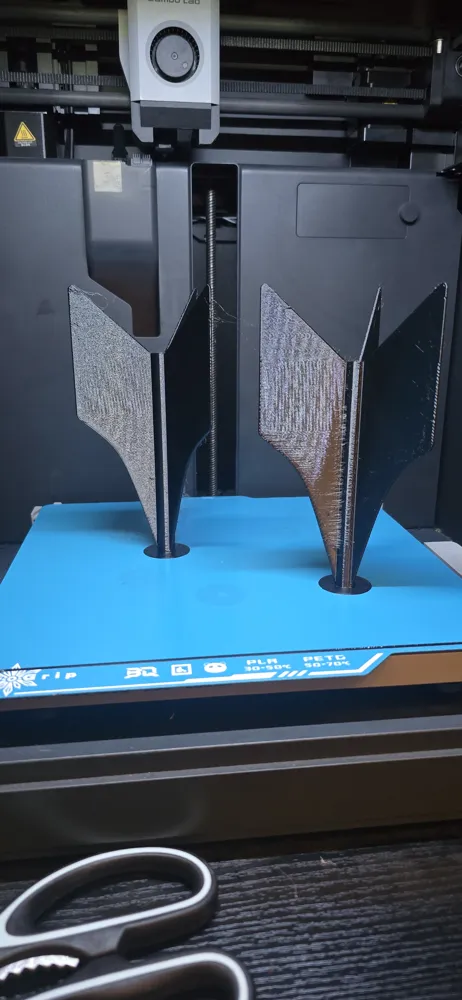
This model has been extensively tested on a Bambu P1S and prints cleanly with both Bambu TPU (AMS) and generic TPU.
🖨️ Print Instructions
Material
- TPU (95A recommended)
- Bambu TPU for AMS or equivalent works best
- Softer TPUs will also work but may require slower speeds
Nozzle
- 0.6 mm nozzle (recommended)
- 0.4 mm will work, but print time will increase
Layer Height
- 0.20 mm
Walls / Infill
- Walls only (no infill)
- 15 wall loops
- Infill: 0%
Speeds (TPU-safe)
- Outer walls: 25–28 mm/s
- Inner walls: ≤32 mm/s
- Travel speed: 150–170 mm/s
Volumetric Flow
- Max volumetric speed: 3.0 mm³/s
Cooling
- Moderate part cooling
- Avoid aggressive cooling near the base
Bed Adhesion
- Smooth or textured PEI works well
- Small brim recommended for stability on tall prints
Orientation
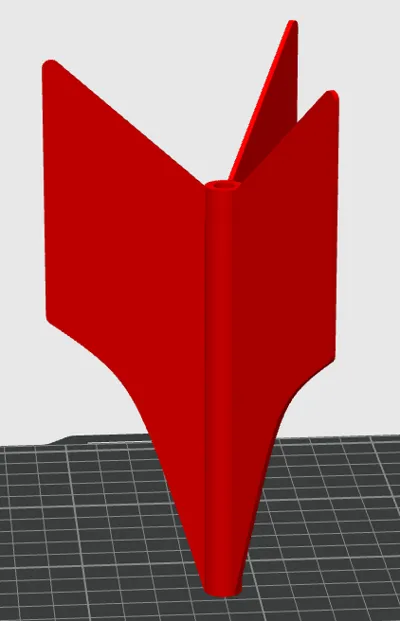
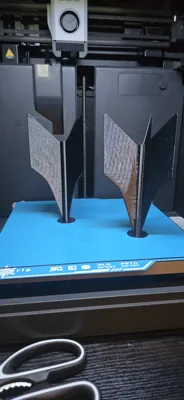
- Print upright as shown for best strength and surface finish
🔩 Center Bore / Sleeve Fit
- Center post outer diameter: 11 mm
- Bore diameter: 7.65 mm
- Designed for a loose fit with PTFE/Teflon sleeves or rods
(TPU will lightly grip without stressing the walls)
✅ Tested & Proven
- Optimized geometry eliminates common TPU issues:
- No corner over/under extrusion
- No wall-count oscillation
- Minimal stringing
- Excellent top-end stability
- Successfully printed two at once on a single build plate
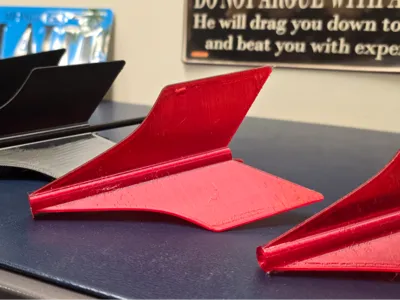
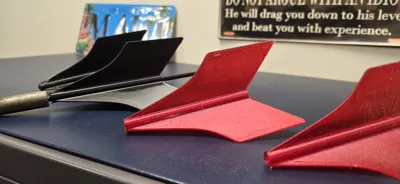
- Final print quality shown in photos is representative
🧵 Suggested TPU Filaments (Beginner → Advanced)
- Not all TPU prints the same. For the best experience with this model, choose one of the options below based on your comfort level.
⭐ Best Overall / Easiest (Highly Recommended)
- Bambu TPU for AMS (95A)
- Why choose it:
- Very consistent diameter and hardness
- Excellent layer bonding and surface finish
- Predictable retraction behavior
- Works reliably in both AMS and direct-feed
- Least tuning required
- 👉 Best choice for first-time TPU users
👉 Ideal if you want “load filament and print”
👍 Good Budget Option
- Overture TPU 95A
- Why choose it:
- Widely available and affordable
- Prints cleanly with conservative speeds
- Slightly more stringing than Bambu TPU
- Requires minimal tuning
- 👉 Great balance of price and performance
👉 Recommended once you understand basic TPU behavior
⚠️ Advanced / Requires More Tuning
- Amazon Basics TPU
- Why choose it:
- Can produce excellent results
- More sensitive to speed, retraction, and geometry
- Benefits greatly from the optimized geometry in this model
- 👉 Recommended for users comfortable adjusting TPU profiles
👉 Not ideal for a first TPU experience
❌ Not Recommended for This Model (Especially for Beginners)
- Very soft TPU (85A–90A)
- Unknown or unbranded TPU
- TPU with fillers (carbon fiber, glitter, etc.)
- These materials are significantly harder to tune and may cause stringing, surface artifacts, or failed tall prints.
✅ Quick Recommendation
- If you’re unsure which filament to buy:
Start with Bambu TPU (95A) using the recommended print settings and upright orientation.
Once you’re comfortable, Overture and Amazon Basics TPU can be used successfully with little to no model changes.
📜 Change Log
v1.0 – Initial Release
- Original lawn dart geometry
- Functional print, but sensitive to TPU tuning
- Sharp corner transitions
- Thinner wing sections
v1.1 – TPU Stability Improvements
- Refined overall proportions for better upright printing
- Improved base stability
- Minor geometry cleanup for cleaner slicing
v1.2 – Major Geometry Optimization (Recommended)
- Added large-radius fillet to the first wing bend
- Eliminates sharp corner pressure spikes
- Improves surface consistency in TPU
- Increased wing thickness to 1.8 mm
- Enables stable 4-wall printing with a 0.6 mm nozzle
- Reduces flex and movement at tall heights
- Optimized center post bore
- Bore set to 7.65 mm for loose-fit PTFE/Teflon sleeve
- Maintains consistent wall thickness around the post
- All-wall construction validated
- Designed for 15 walls / 0% infill
- Improved strength and layer bonding
- Geometry tuned specifically for TPU behavior
- Successfully tested with:
- Bambu TPU (AMS)
- Generic TPU
- Bambu P1S
v1.3 – Final Production Geometry
- Finalized curves for smooth, continuous toolpaths
- Eliminated slicer edge cases (wall count changes, pressure snaps)
- Improved top-of-print stability and finish
- Verified clean two-up printing on one build plate
- This version is considered production-ready
License

You may create derivative works based on this object, provided that all such derivative works are published exclusively on the MakerWorld platform and include proper attribution to the original creator. You may not share, upload, host, distribute, or publish this object—or any derivative work of this object—on any other digital platform, marketplace, or distribution channel. Commercial use of this object and any derivative works is strictly prohibited. This includes, but is not limited to, selling, renting, sublicensing, or using the object in any context in which you receive monetary compensation or other financial benefits.


Comment & Rating (5)