
[Scholar's Study Tools] Yinjin (Seal Paste Stirrer), Seal Paste Spatula, Bone Pick, Bone Awl, Seal Paste Mixing Stick, Seal Paste Mixing and Conditioning Tool, suitable for various calligraphy and painting cinnabar and vermilion seal pastes
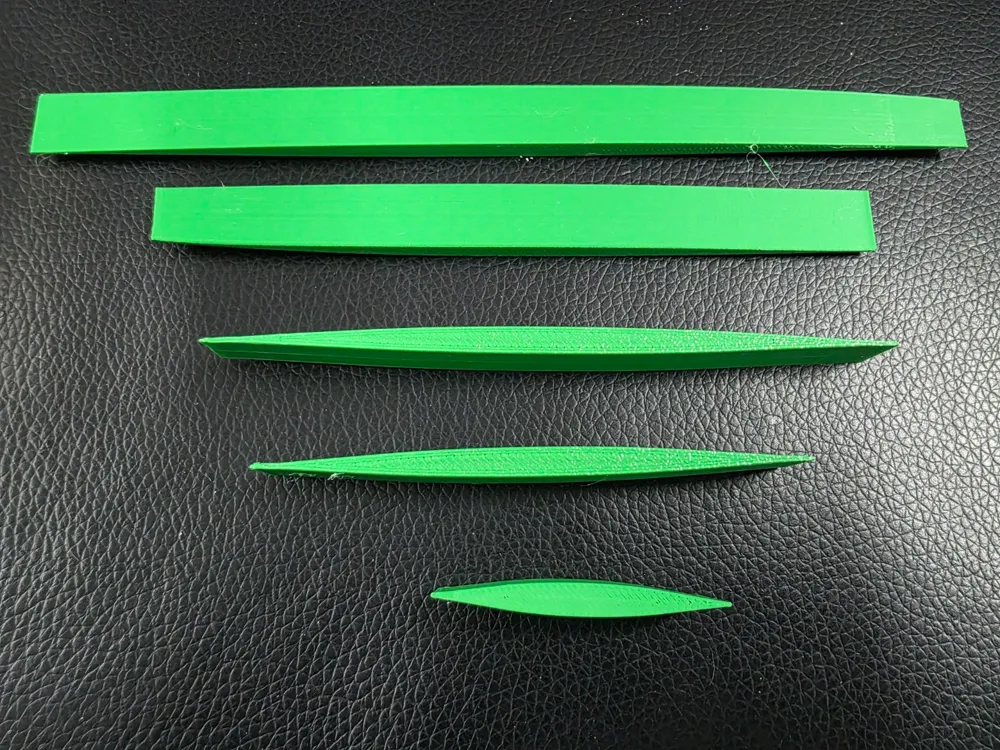
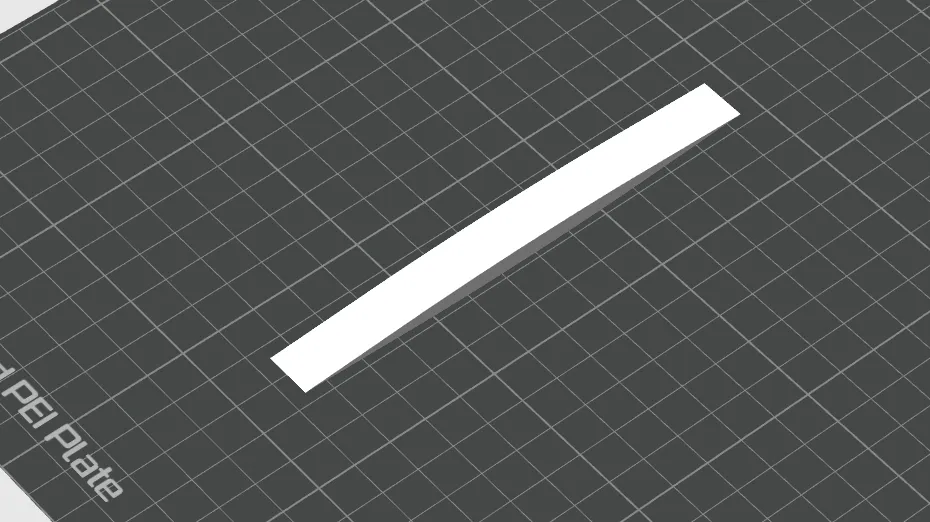
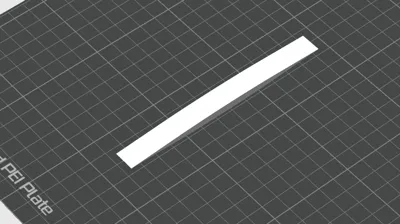
Print Profile(1)
Description
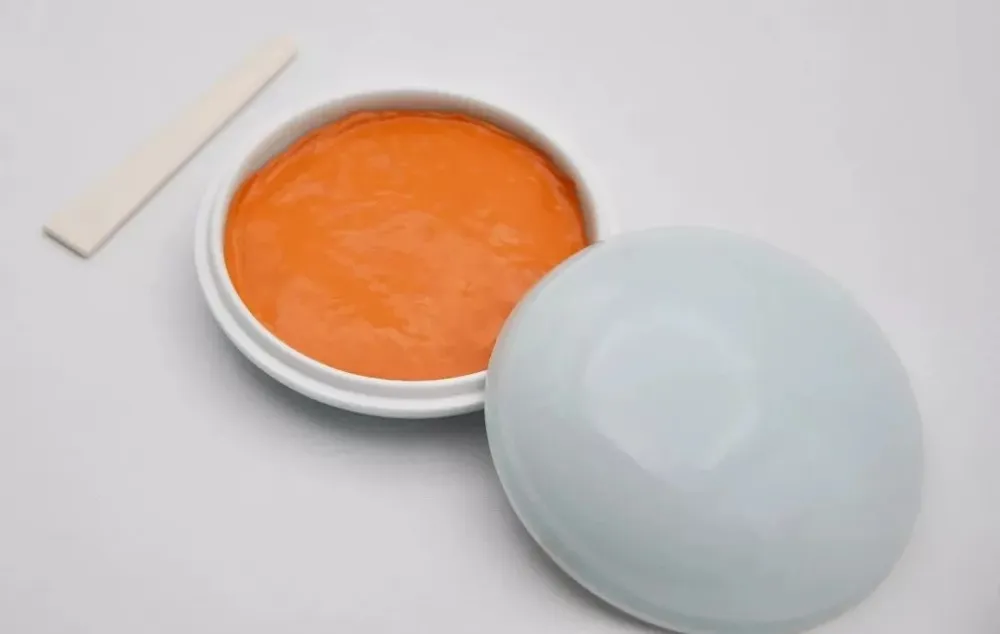
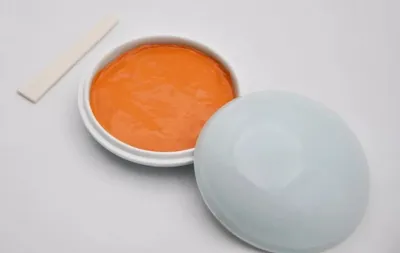
A yinjin (seal paste stirrer) refers to a specialized stirring tool, usually made of bone or jade material. The shape of the yinjin is generally flat at one or both ends, facilitating stirring and blending in the seal paste. It is used for mixing seal paste. If seal paste is not used for a long time, the oil will settle and seep out, causing the oil and paste to separate. Therefore, after a period of use, or when it easily freezes in cold weather, it should be stirred frequently to keep it smooth and moist, and as good as new.
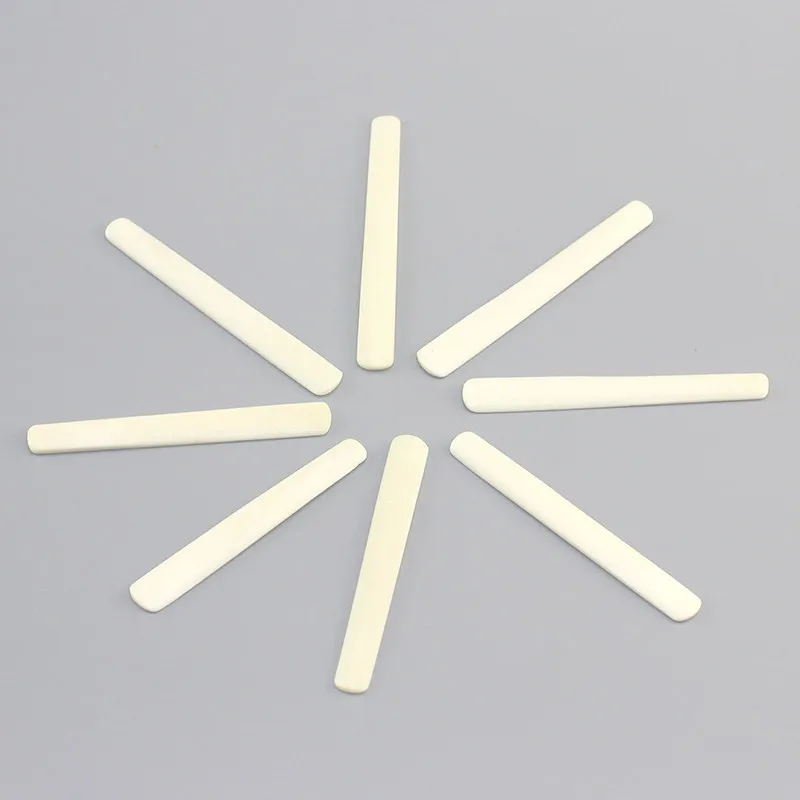
Yinjin are generally made of bone or jade material. High-grade seal paste boxes usually come with a yinjin, so there is no need to make or buy one separately. If using bulk seal paste, a yinjin must be prepared separately. Yinjin are best made from ivory, bone, or bamboo materials, avoiding the use of metal or wood.
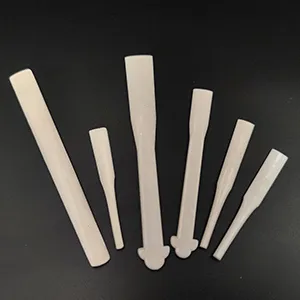
Before using seal paste, first insert the yinjin into the seal paste box and gently stir the seal paste up and down. This step allows the various components within the seal paste to initially 'blend into one,' mixing evenly. Next, lift one side from the bottom of the seal paste and push and press it into the paste mass in a diagonal direction. During operation, be careful to lift and press gently; don't break the seal paste, and don't lift it too high. Meanwhile, rotate and press the entire paste mass in the same direction, allowing the seal paste to further blend under appropriate pressure. Rotate the seal paste box, change the stirring position, and repeat the operation in the previous direction several times. Continue this 'agitation' until the seal paste forms a rounded ball shape on top.
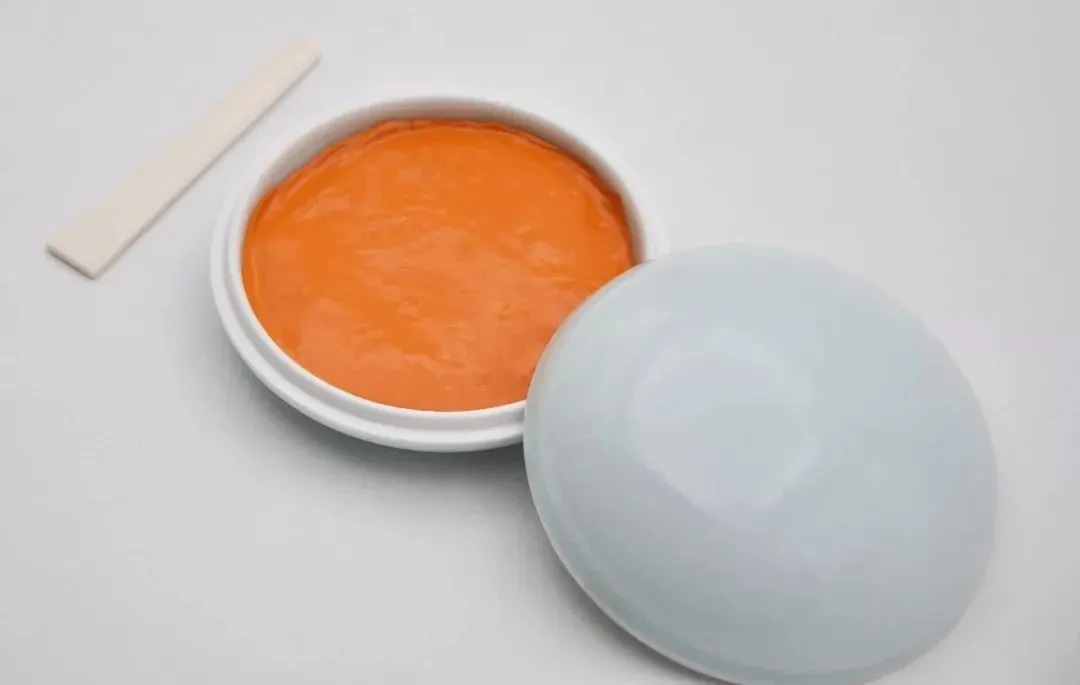
Conditioning the paste makes its components more uniform and also aligns the wormwood fibers in the seal paste predominantly in one direction, preventing the fibers from being pulled out during subsequent use, which could affect the sealing effect. After conditioning, the seal paste becomes thicker and develops internal stress, leading to a significant increase in elasticity. After conditioning, don't be in a hurry to use the seal paste immediately. It's best to let it sit quietly for a few days. During this period, air trapped in the paste during conditioning will escape, and the paste body will become more dense and lustrous. When stamping later, it will directly produce a perfectly clear impression.
License

You shall not share, sub-license, sell, rent, host, transfer, or distribute in any way the digital or 3D printed versions of this object, nor any other derivative work of this object in its digital or physical format (including - but not limited to - remixes of this object, and hosting on other digital platforms). The objects may not be used without permission in any way whatsoever in which you charge money, or collect fees.


Comment & Rating (0)