
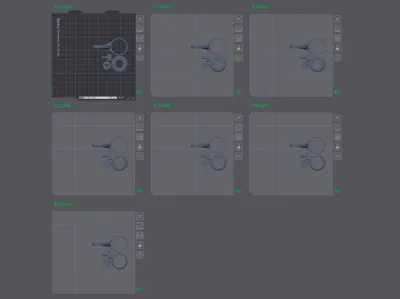
Print Profile(6)
Description
NOTE: For most models, it is worth reading the description carefully, and for some it is even necessary.
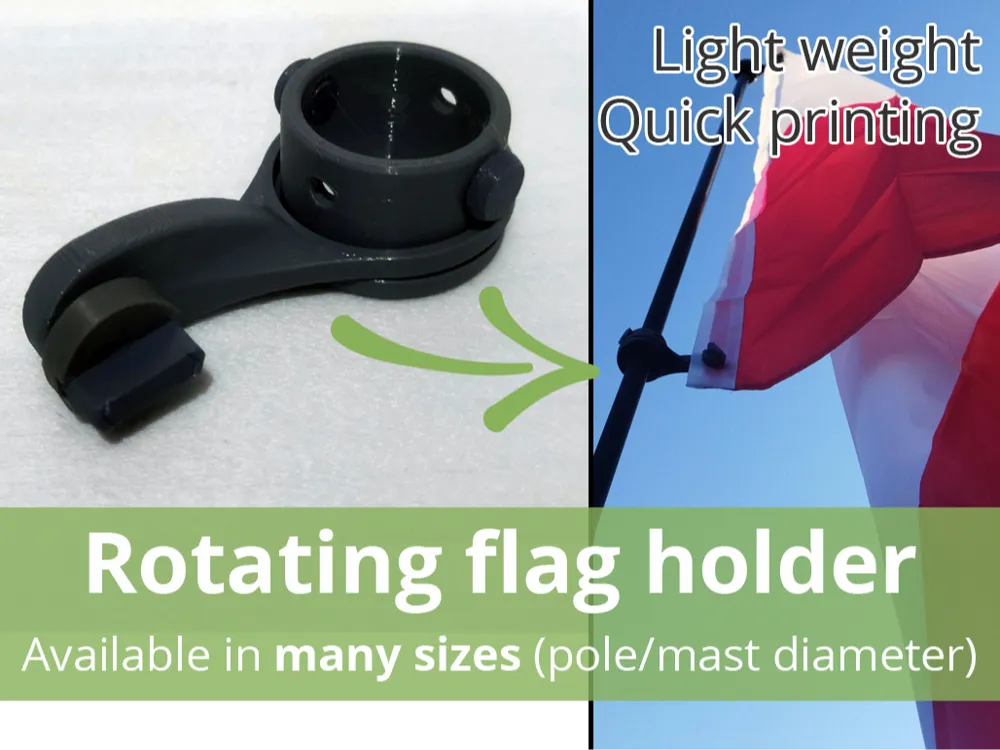
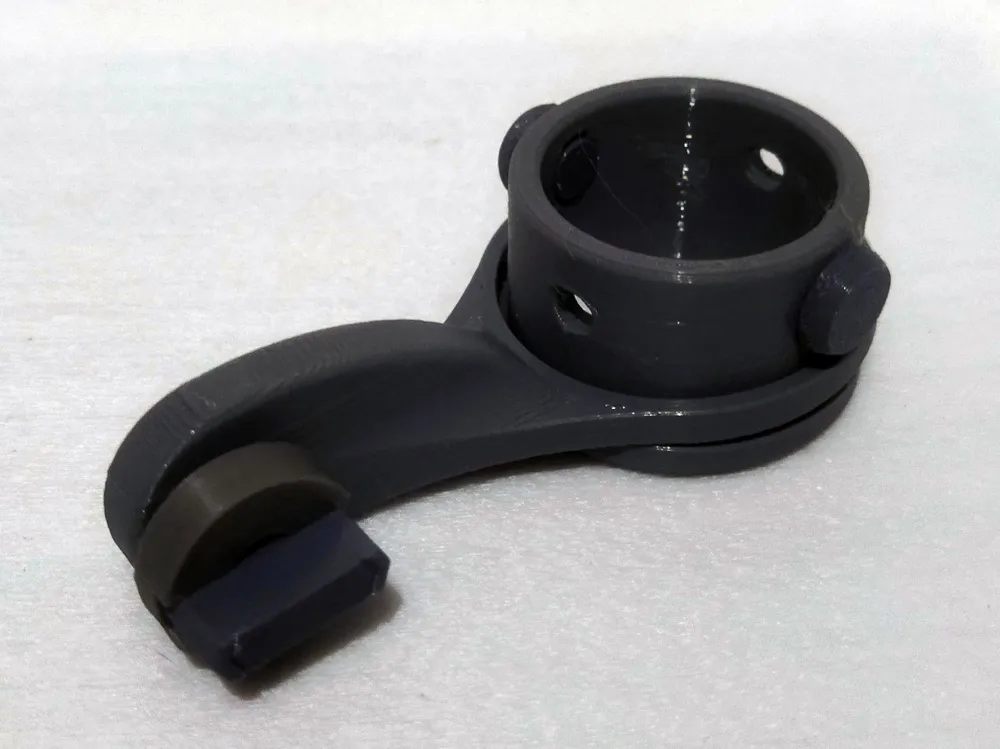
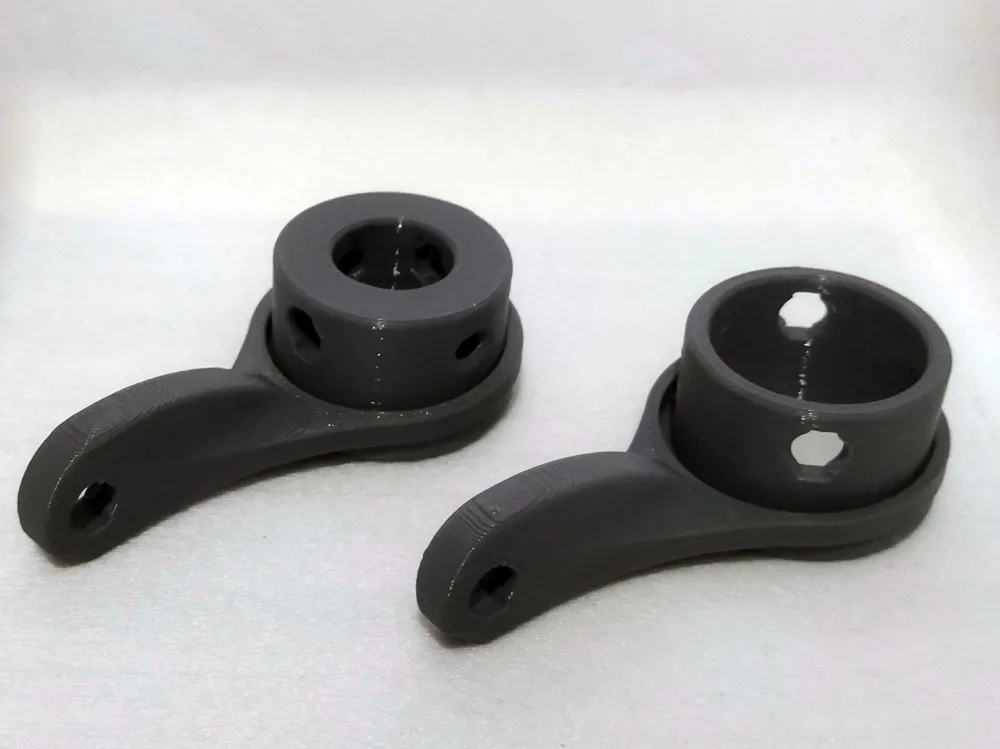
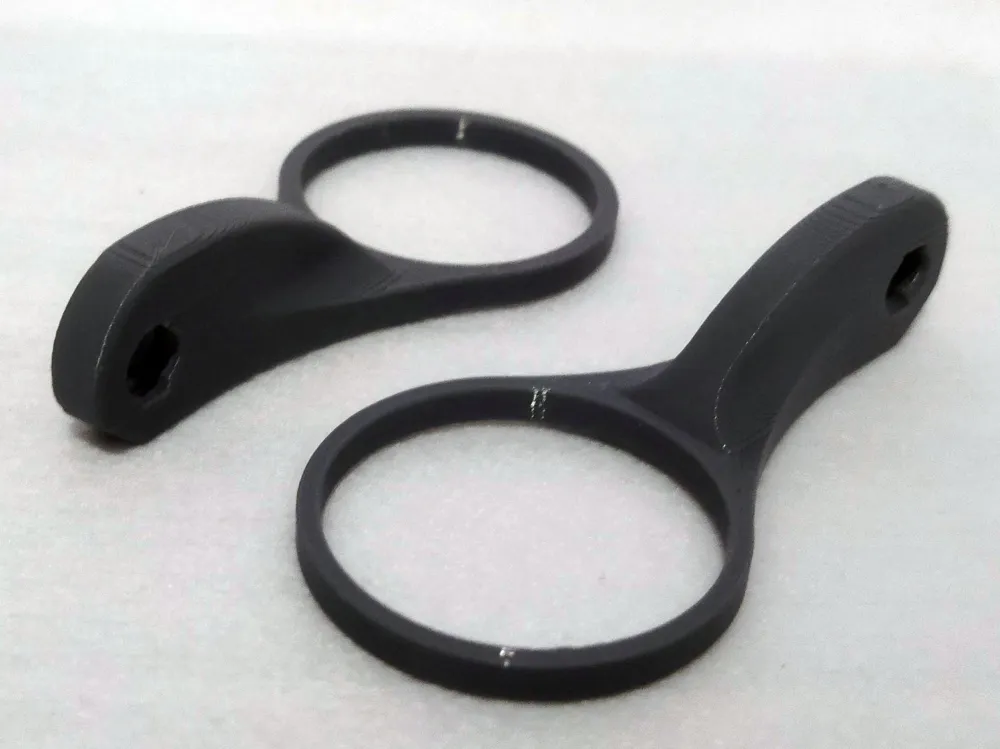
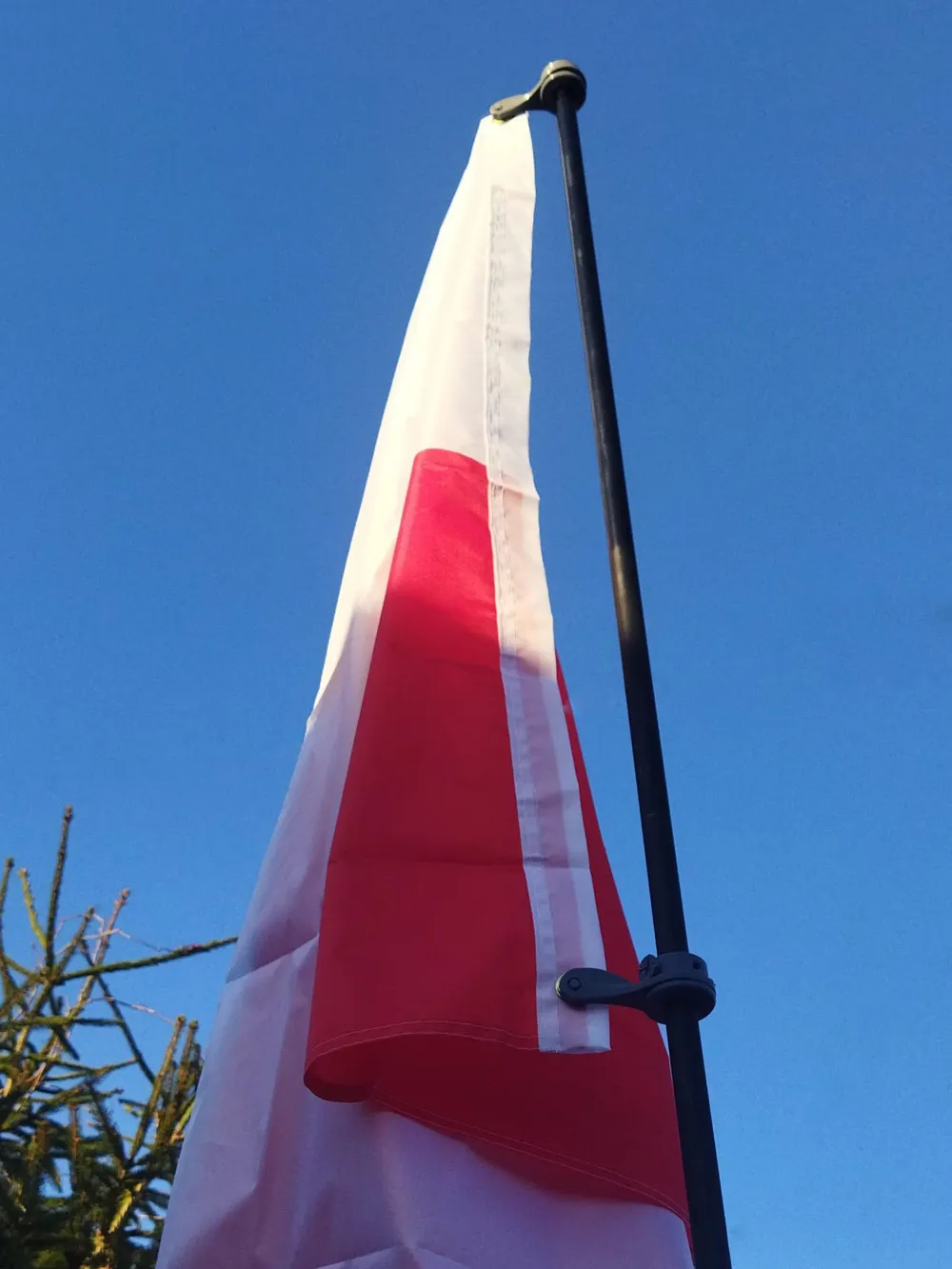
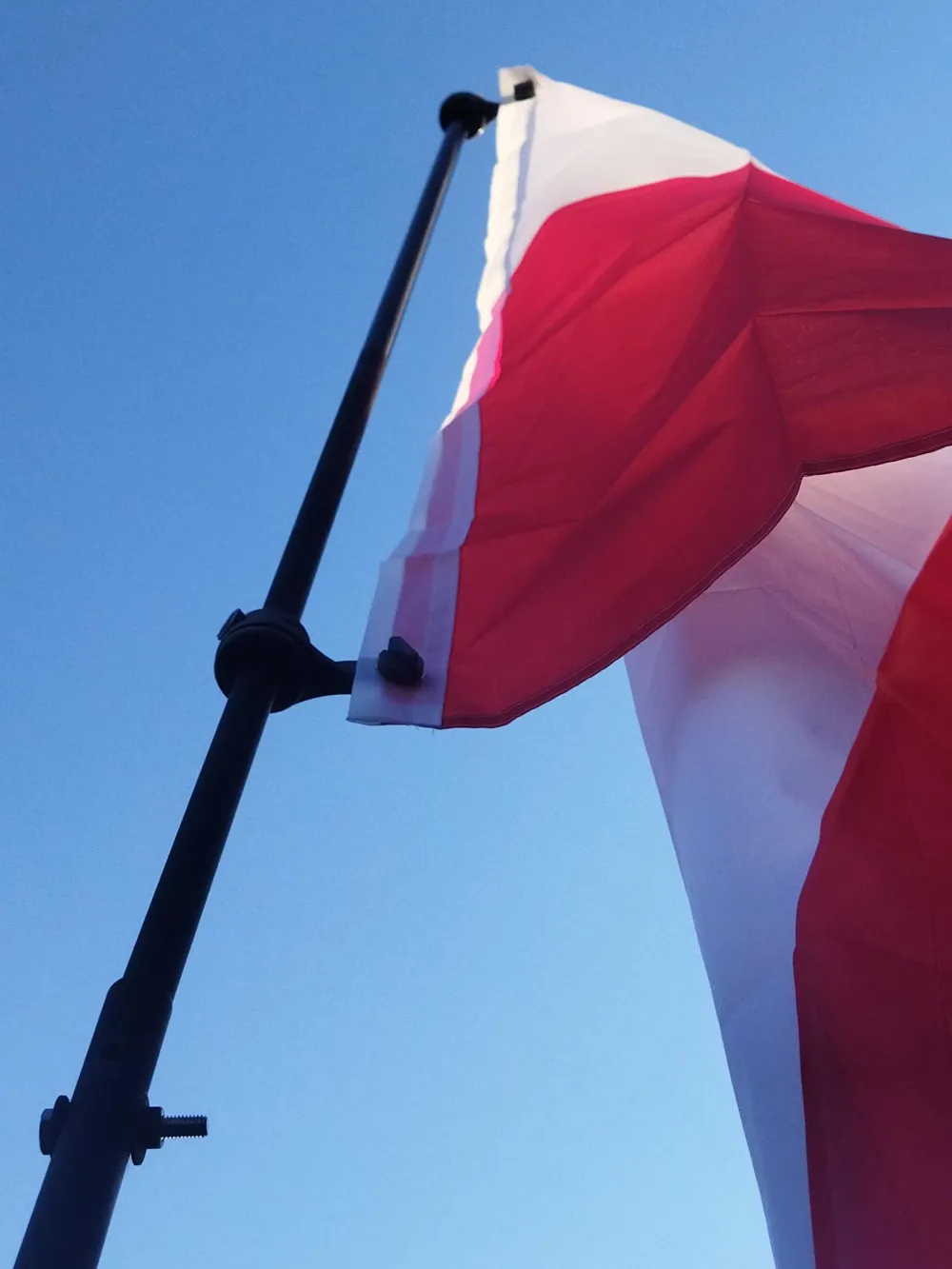
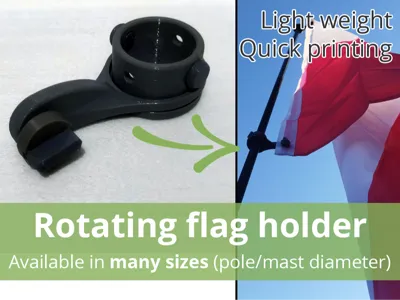
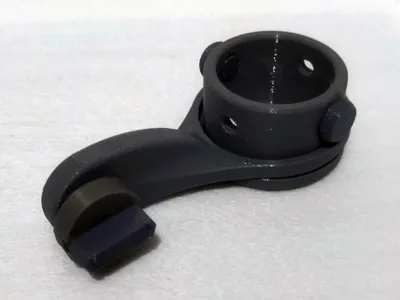
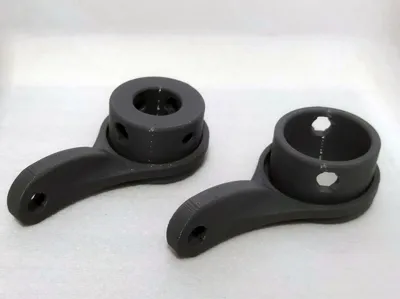
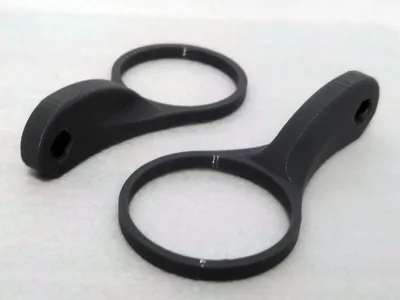
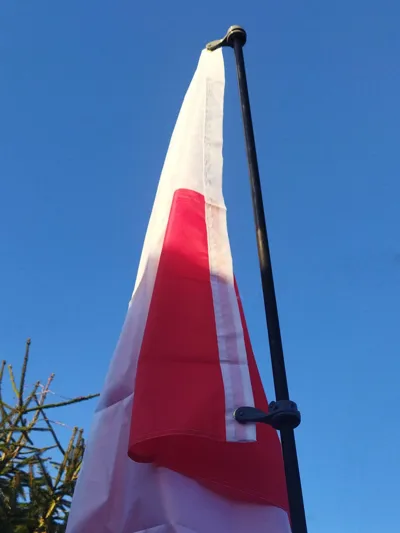
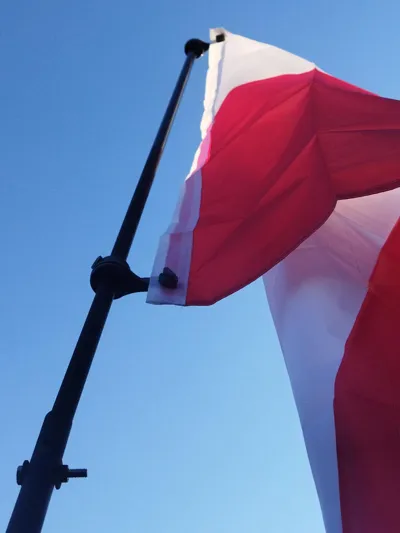
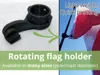
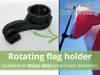
A rotating flag holder that allows the flag mounted on the pole to rotate freely on the pole/staff. This is a flag mount with mounting eyelets (minimum inner diameter ~7 mm, so that a Multiboard Small Thread screw can pass through it).
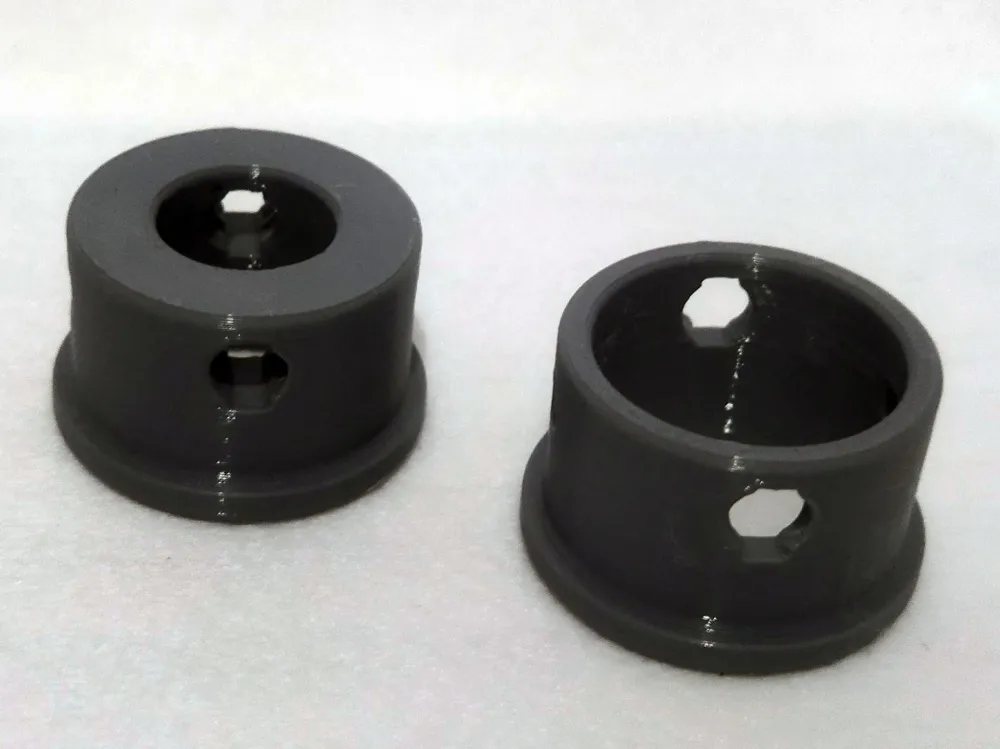
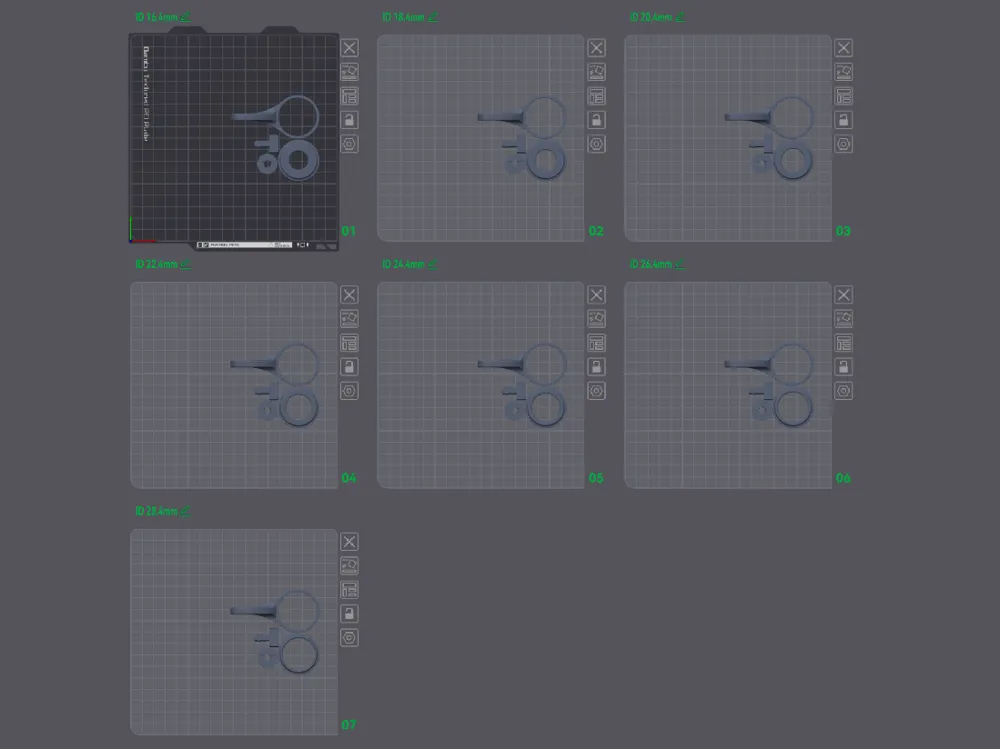
Each plate has a different internal size - the diameter of the pole/mast. From 16 mm (16.4) to 28 mm (28.4).
Each plate v1.1 includes (longer bolt, additional locking nut):
- 1x Bracket for the pole (with the selected pole diameter) [Main Part A]
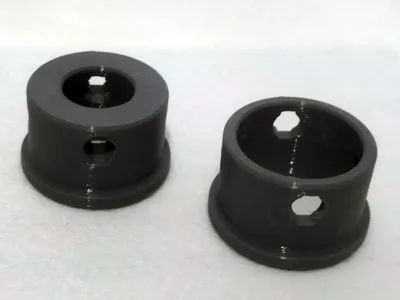
- 1x Rotating flag holder [Main Part B]
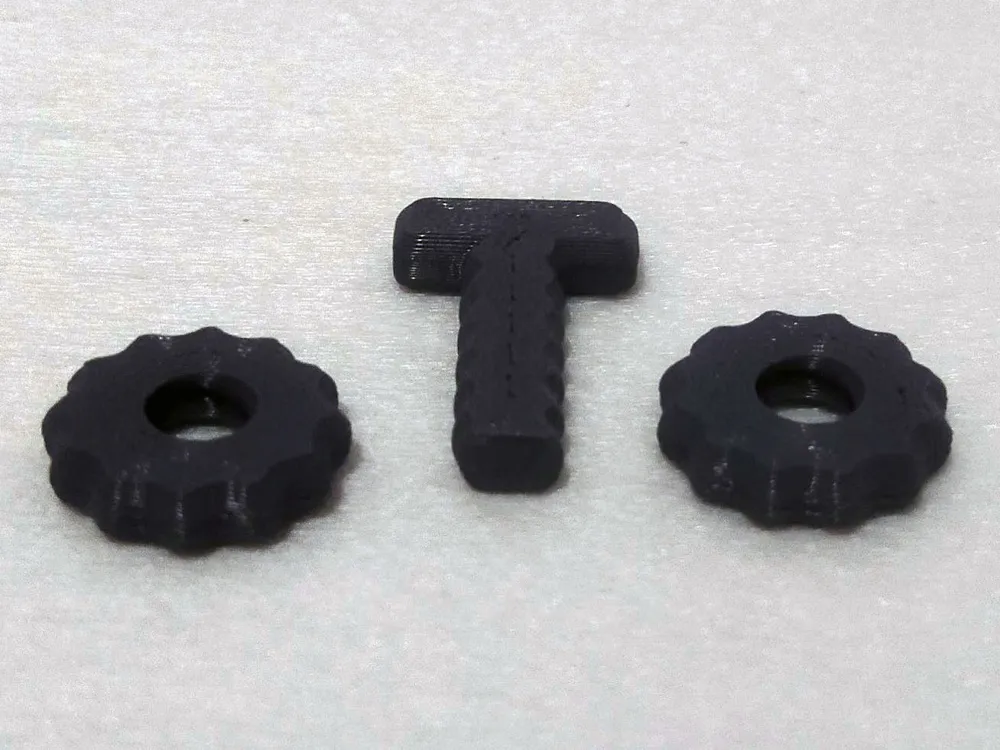
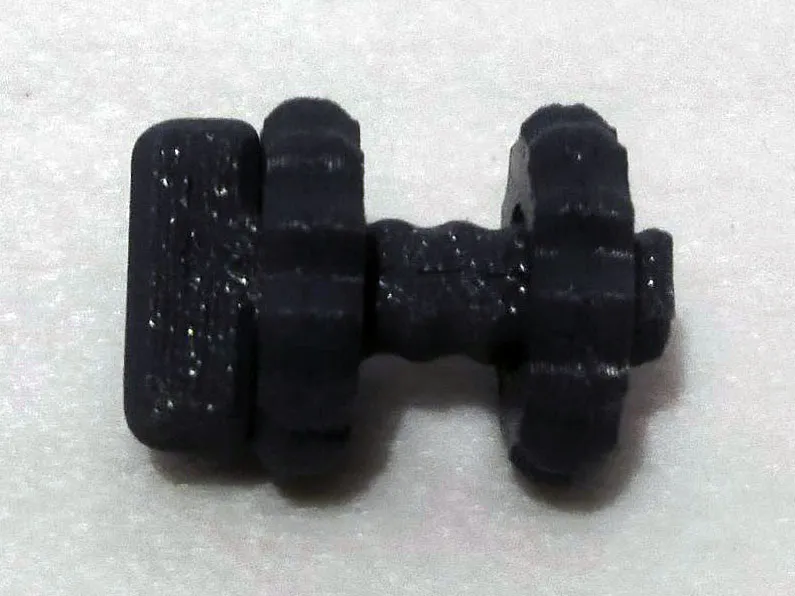
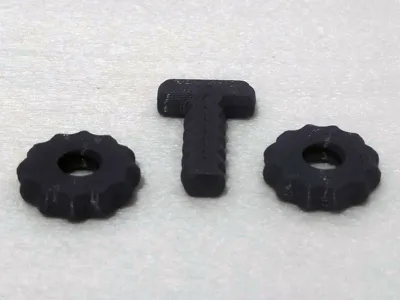
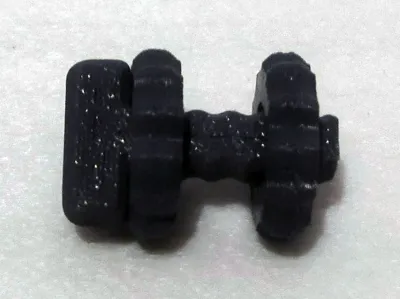
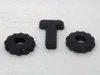
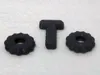
- 1x MB Small Thread T-Bolt
- 2x MB Lock for the T-Bolt
- 2x MB Small Screw
Each plate v1 includes:
- 1x Bracket for the pole (with the selected pole diameter) [Main Part A]
- 1x Rotating flag holder [Main Part B]
- 1x MB Small Thread T-Bolt
- 1x MB Lock for the T-Bolt
- 2x MB Small Screw
If you want to attach the flag to two eyelets, print twice...
The pole mount (mast) has 2x Multiboard Small Thread holes + 2x screw holes (4 mm diameter) so that it can be locked onto the pole if necessary.
In the case of the upper mount (upper handle), this is necessary to prevent it from falling. The lower mount (lower handle) can usually move freely, but if necessary, it can also be secured.
Version v1.1 includes a longer bolt (T-Bolt) and two nuts to secure the flag more securely. This is useful in higher winds, where the standard mount (v1) could potentially come loose in some situations.
Keep weather conditions in mind
If the handles are to be used outdoors, especially in a place exposed to UV radiation, it is worth considering a filament that will be resistant to it (e.g., PET-G, ASA). However, I have had PLA handles on my pole for several months and have had no problems with them.
Boost Me (for free)
If the model was useful - like and give a boost. It doesn't cost you anything, and for me it's information that it was worth it :-)
Filament in Print Profiles
The filament specified in print profiles is usually just a guideline. It simply must be there. But most often – unless the model description specifically states that a given element must be printed with a specific filament – you can easily change it to the type you want to print the model with. Of course, when making such a decision, it's worth considering not only the type of filament you have, but also what will actually be best for the given print (model, application).
You can change the material type as needed while creating the print (Bambu Studio, Bambu Handy).
License

You shall not share, sub-license, sell, rent, host, transfer, or distribute in any way the digital or 3D printed versions of this object, nor any other derivative work of this object in its digital or physical format (including - but not limited to - remixes of this object, and hosting on other digital platforms). The objects may not be used without permission in any way whatsoever in which you charge money, or collect fees.


Comment & Rating (12)