
Vibration-damping base vibration-damping block vibration-damping bracket vibration-damping platform - Moderate damping
Print Profile(2)

Description
Rigid Material Structure Anti-vibration Platform Solution
2026-01-23: It is recommended to use a two-plate setup Desktop - Plate 1 - Damping Structure - Plate 2 - Machine installation method, which is more reliable and easier to install, please refer to the low damping solution: https://makerworld.com.cn/zh/models/2020008-jian-zhen-di-zuo-jian-zhen-kuai-jian-zhen-zhi-jia#profileId-2252322
(This low damping,most of the time it's so quiet I don't even know if it's printing, I have to open the curtain to peek)
Boost Me (for free)



Studying most damping solutions in the community, I found that to achieve the best results, the damping blocks must be rigidly connected between the machine bottom and the desktop, some use TPU sleeves, some use PETG/PLA adhesive, and some even involve removing the original foam feet from the machine's bottom.
There are also PETG/PLA sleeves, with two sub-types: one is shallow, actually relying on the original foam feet of the machine bottom for friction; the second is deep, actually rubbing against the machine bottom near the original foam feet. Neither method is particularly ideal, first, the "4-foot" solution fears cumulative asymmetrical shifts, and imbalance can lead to falling; second, installation is inconvenient, unless it's a one-piece design directly adhered to the machine bottom.
Some excellent high-scoring solutions in the community, in addition to efforts in damping, also put a lot of effort into addressing sleeve and installation methods, designing corresponding contact surfaces for different machines, which is truly challenging.
Regarding the "pain points" mentioned above, some players' comments also suggest a similar solution, which is to add an extra layer from Desktop - Damping Structure - Machine, resulting in Desktop - Damping Structure - Panel - Machine, this way for the machine, it's like walking on flat ground, eliminating concerns about insufficient friction, difficult installation, and diverse machine issues.

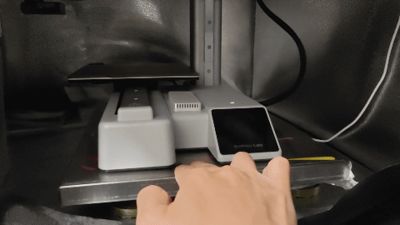


The current design is universal, it increases surface friction, and also considers a "4-foot" installation solution, however, it is still strongly recommended to follow the "Desktop - Damping Structure - Panel - Machine" installation method, by directly adhering the damping structure to the four corners of the panel to secure it (as shown in GIF 1). If the desktop is relatively smooth, it is recommended to place sponges between the "Desktop - Damping Structure".
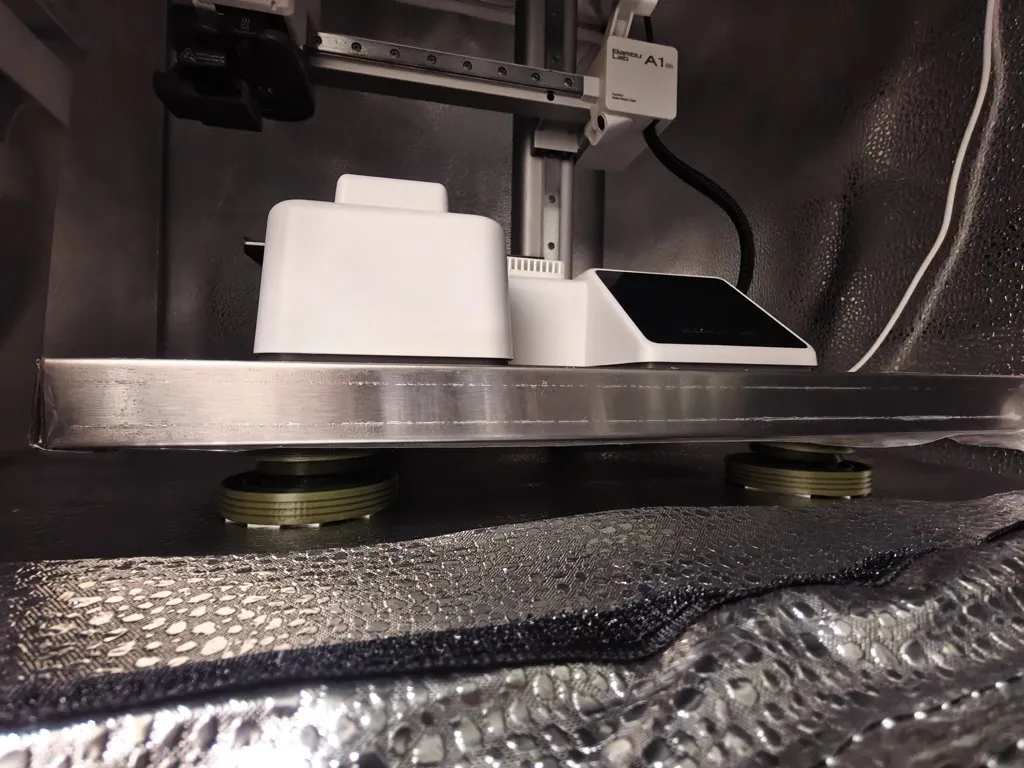
About Assembly
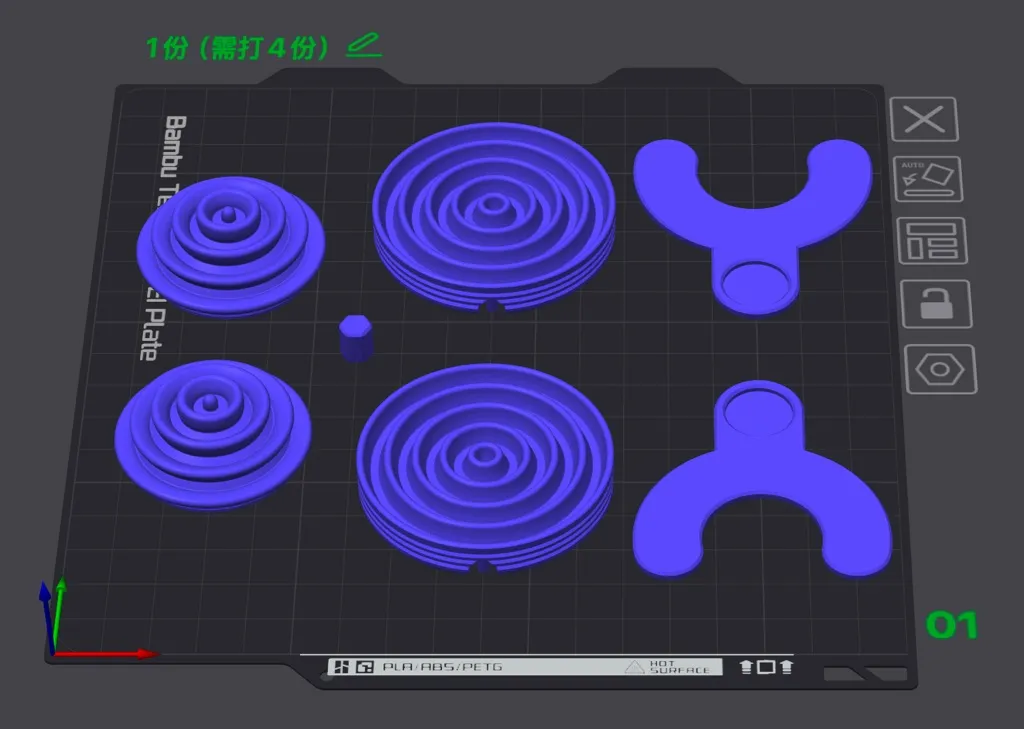
Damping ball, pin connection
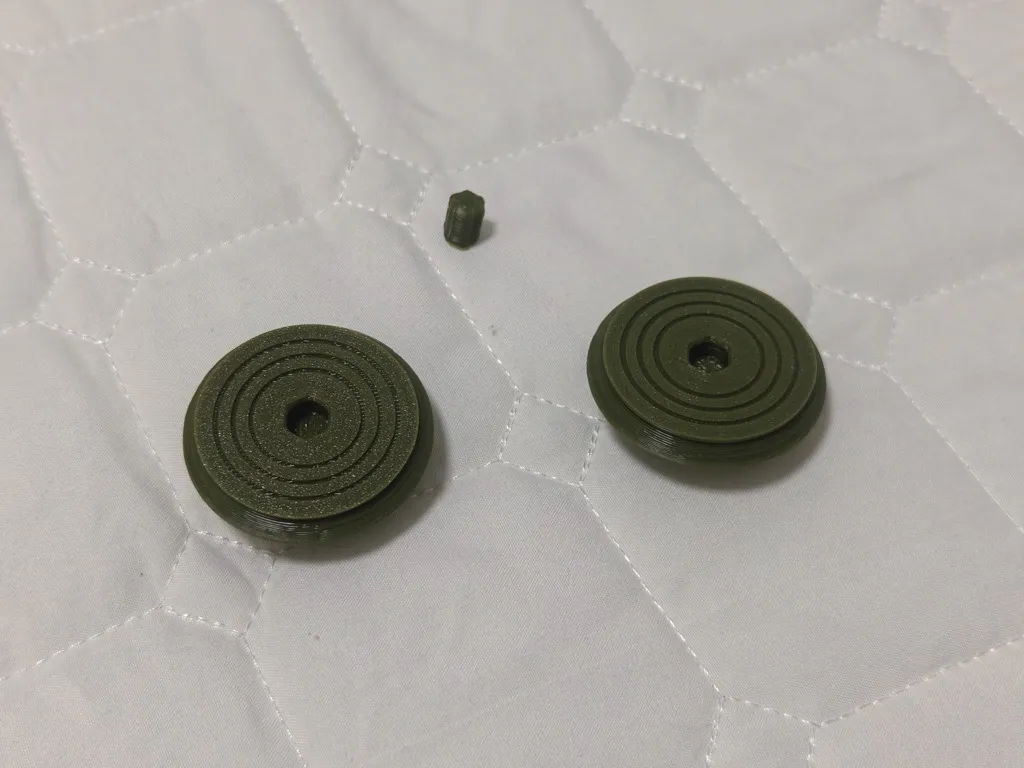
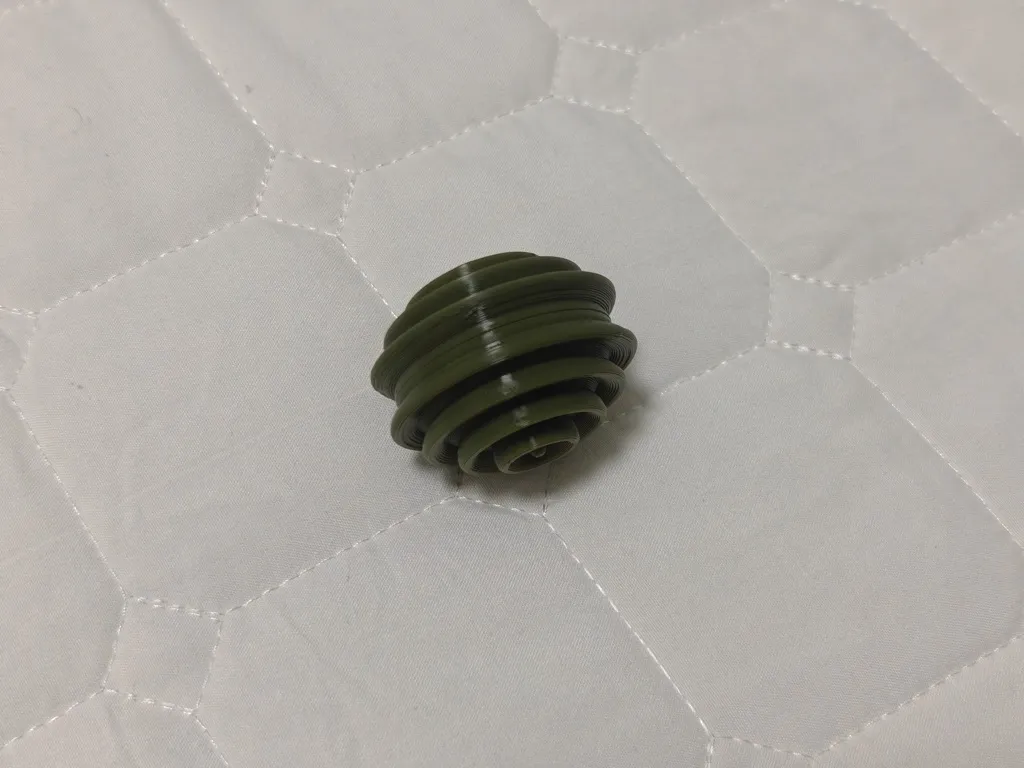
Stacked
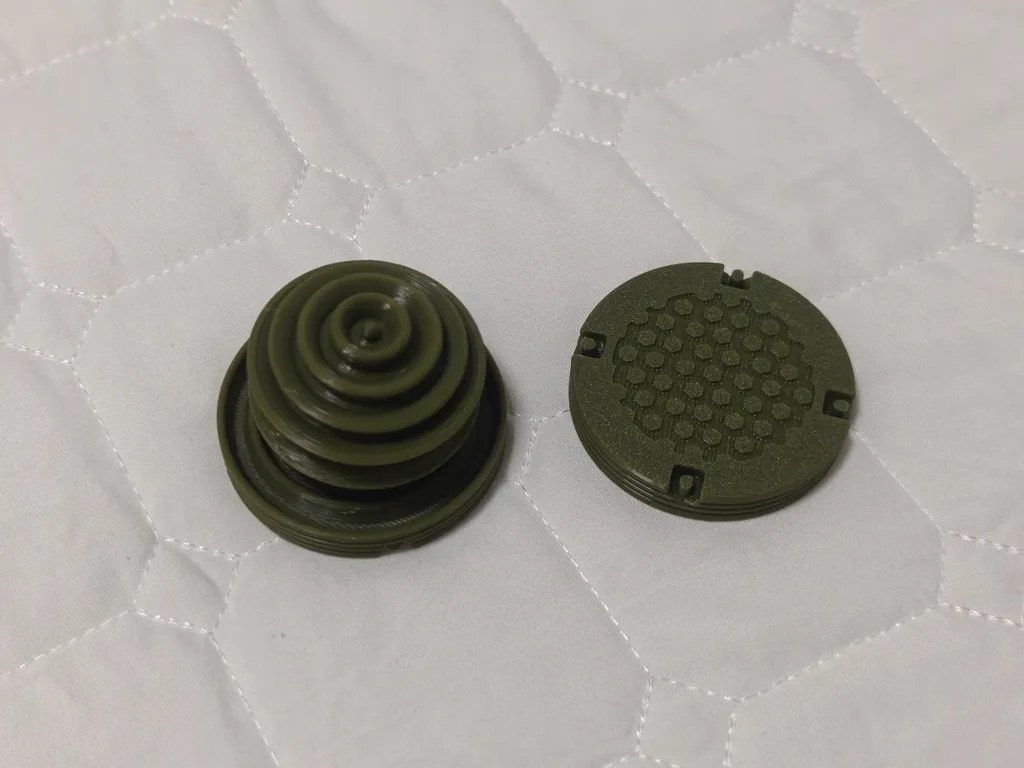
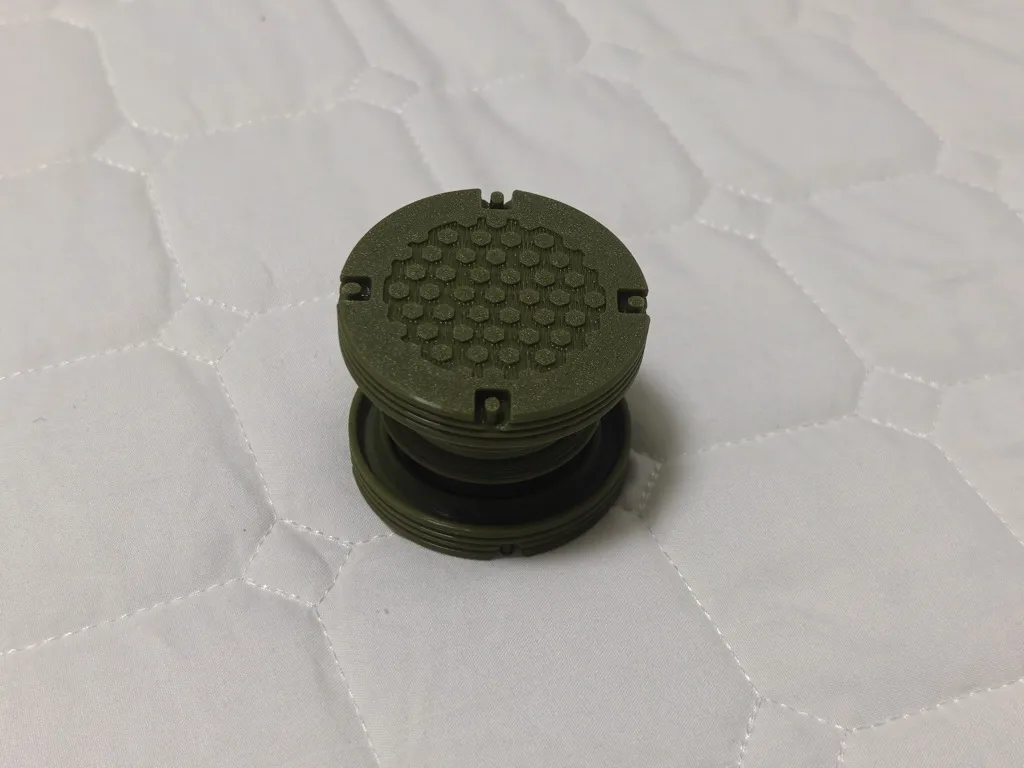
Temporary auxiliary holder

Optional
To increase damping/fixing, reserved hooks (using it eliminates the need for a holder)
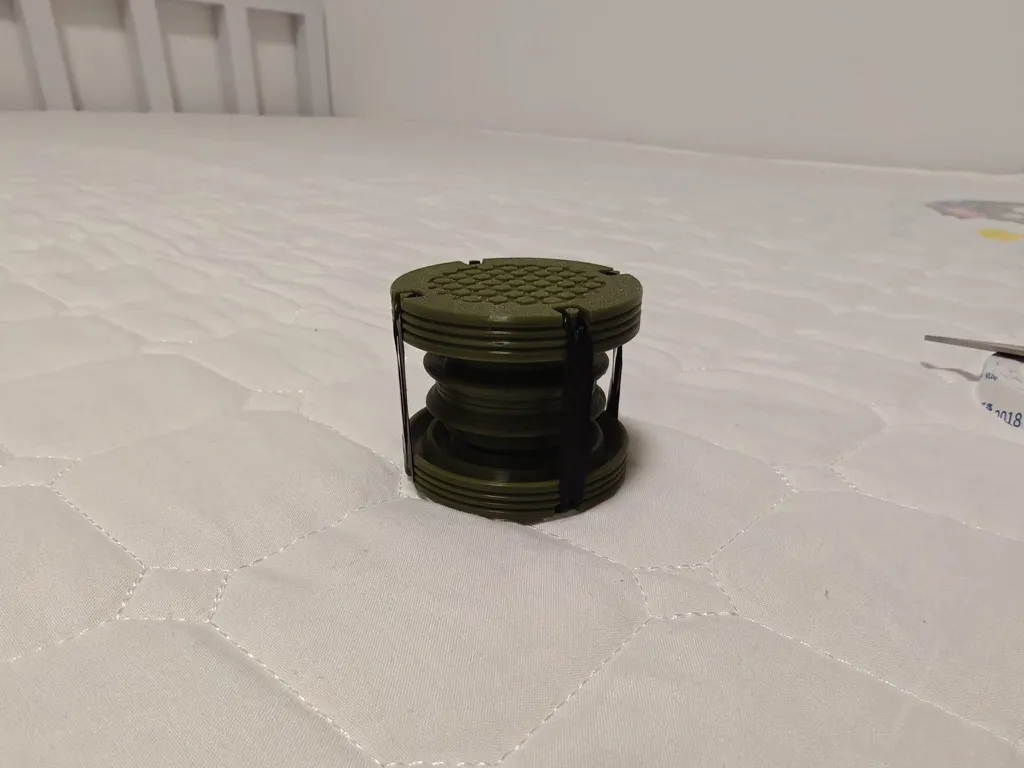

Further optimization
To reduce noise, lubricant is recommended
AI-recommended lubricants that can be used for PETG and PLA, which will not dissolve/corrode, here are 4 types:
1. PTFE [polytetrafluoroethylene] dry lubricant (e.g., WD-40 Dry Lube)
2. Silicone oil [dimethyl silicone oil]
3. Solid paraffin / paraffin oil
4. Vaseline
Personal recommendations:
[Easily accessible] Vaseline
[Inexpensive and abundant] Silicone oil (viscosity: around 500cSt, balancing lubrication durability and wash-off resistance)
[Optimal performance] PTFE
License

You shall not share, sub-license, sell, rent, host, transfer, or distribute in any way the digital or 3D printed versions of this object, nor any other derivative work of this object in its digital or physical format (including - but not limited to - remixes of this object, and hosting on other digital platforms). The objects may not be used without permission in any way whatsoever in which you charge money, or collect fees.


Comment & Rating (0)