
Customizable ISO Parametric Nut (from M1.6 to M64)
Print Profile(1)

Description

Boost Me (for free)
Click “Follow” so you don’t miss the next models. Share your photos in the comments and, if you found it useful, leave a like 👍 or a boost 🚀. Every suggestion is always welcome.
🔹 Description
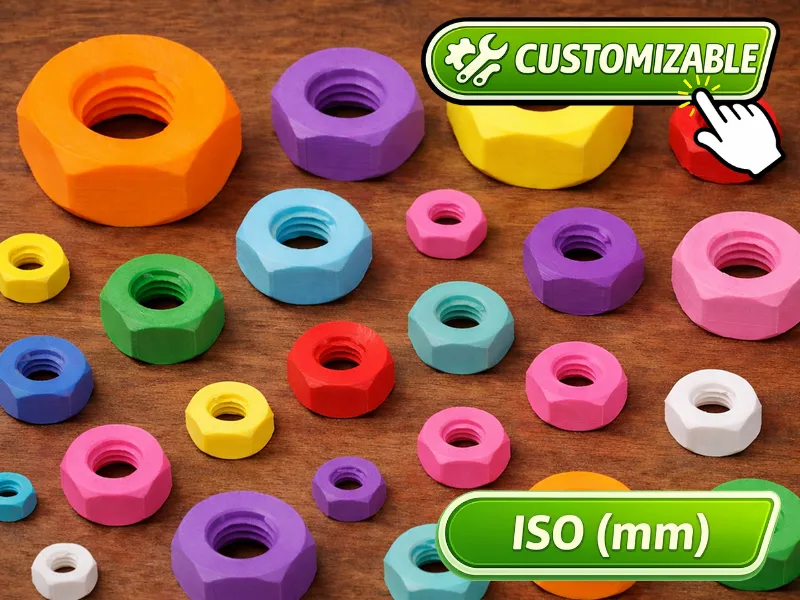
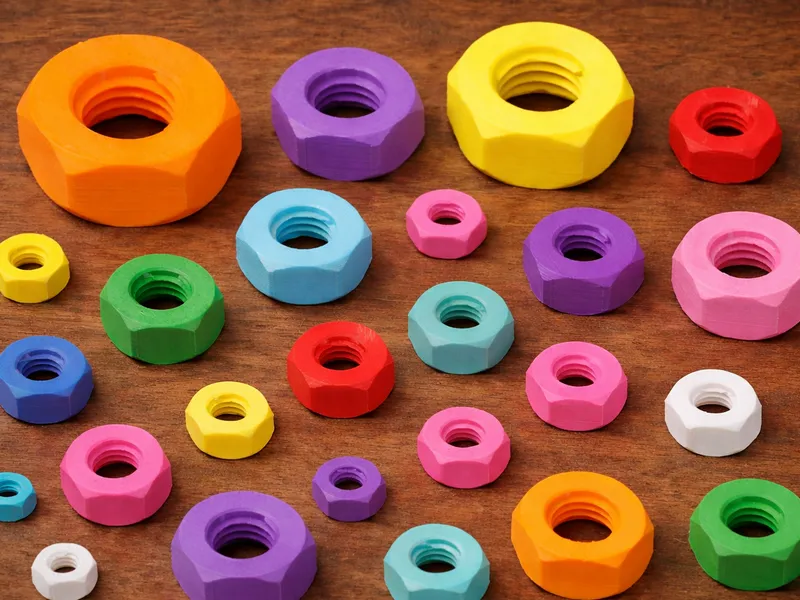
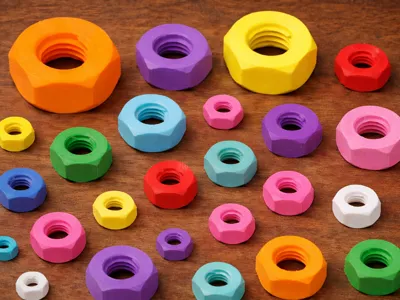
This is a fully customizable ISO parametric hex nut.
Simply click the Customize button and adjust a few parameters to create a nut that fits your needs.
Once the parameters are set, click Generate to update the model and download the custom nut STL file using Download.
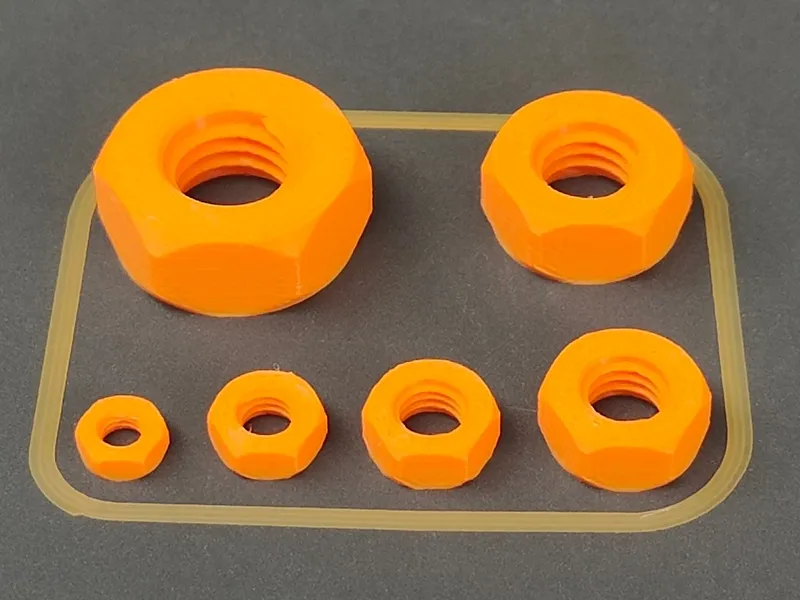
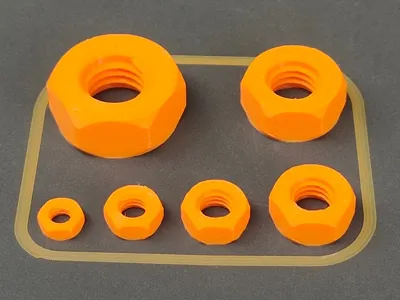
One ready-to-use print profile is also included, covering nut sizes from M3 to M10.
This allows you to immediately print the most common sizes.
In addition, an STL file is provided for each standard ISO nut (from M1.6 to M64).
Below is an explanation of the available parameters:
• ISO Size (from M1.6 to M64)
Nominal metric thread size (e.g. M6, M8, M10).
In most cases, selecting one of the available sizes without changing the other parameters is sufficient to obtain a standard ISO nut of the desired size.
Note:
For smaller sizes or higher print accuracy, a 0.1 mm layer height is recommended.
For M1.6 and M2 sizes, using a 0.2 mm nozzle is recommended.
If a non-standard nut is required, the other parameters can be adjusted.
Each parameter follows this principle:
• if set to 0, the ISO standard value is used
• if set to a value other than 0, the specified value is used
• physically unrealistic parameter combinations will result in a generation error.
The available parameters are:
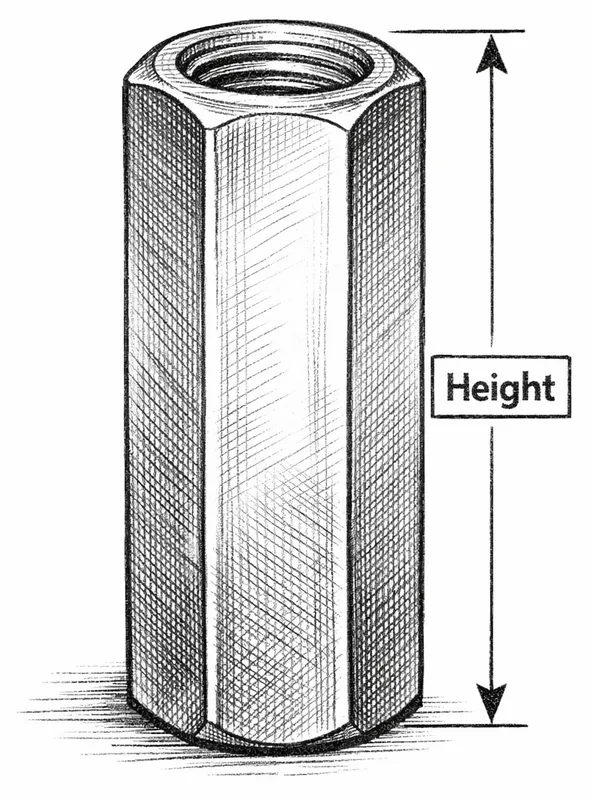
• Height The total height of the nut.
🔹 Advanced settings (for experienced users)
• Pitch Thread pitch.
• Wrench Wrench size (distance across flats).
• Tolerance Tolerance applied to the internal thread to compensate for printing inaccuracies and ensure proper fit.
ℹ️ Note
3D-printed components have lower strength compared to metal ones and are intended for light, non-structural applications.
Use Collect  to save this project to your personal collection and reuse it in the future.
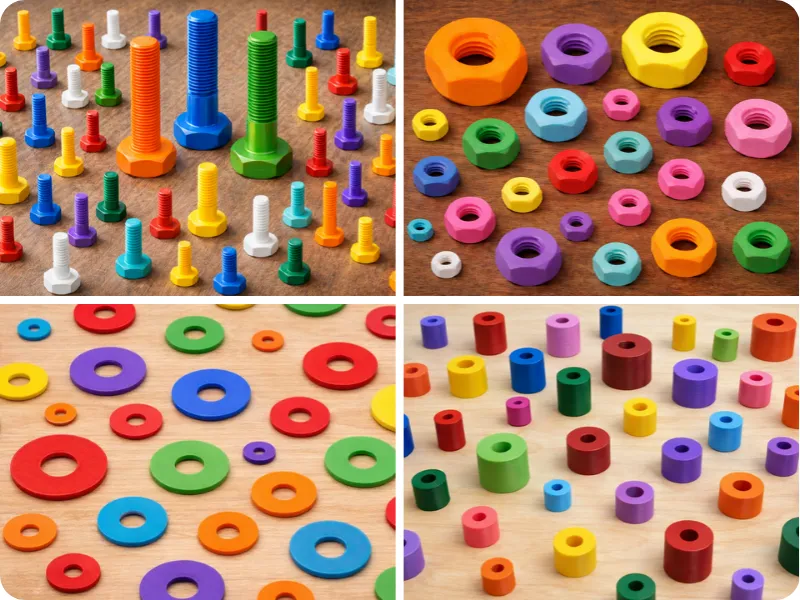
Check out the full collection:
Questions or doubts? Send me a message using the button  on my profile.
Boost Me (for free)
Click “Follow” so you don’t miss the next models. Share your photos in the comments and, if you found it useful, leave a like 👍 or a boost 🚀. Every suggestion is always welcome.
My collections:
License

You shall not share, sub-license, sell, rent, host, transfer, or distribute in any way the digital or 3D printed versions of this object, nor any other derivative work of this object in its digital or physical format (including - but not limited to - remixes of this object, and hosting on other digital platforms). The objects may not be used without permission in any way whatsoever in which you charge money, or collect fees.


Comment & Rating (35)