
Print Profile(1)

Description
The mechanical pantograph was invented by Christoph Scheiner as early as 1603.
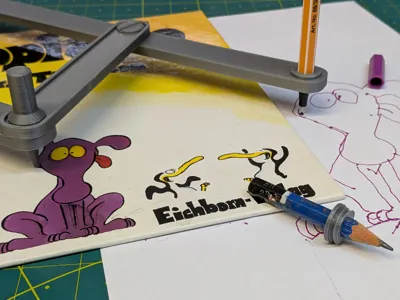
In the past, pantographs were used to transfer, reduce, and enlarge images, patterns, maps, and plans. Pantographs were for a long time the only way to reliably transfer drawings, even with varying scales.
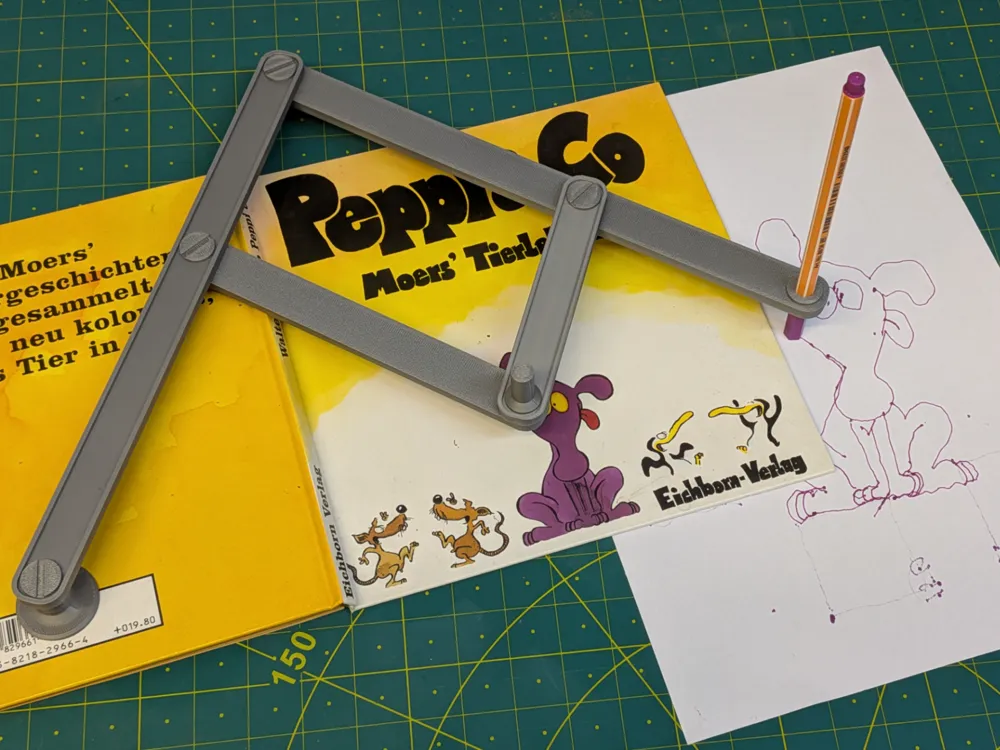
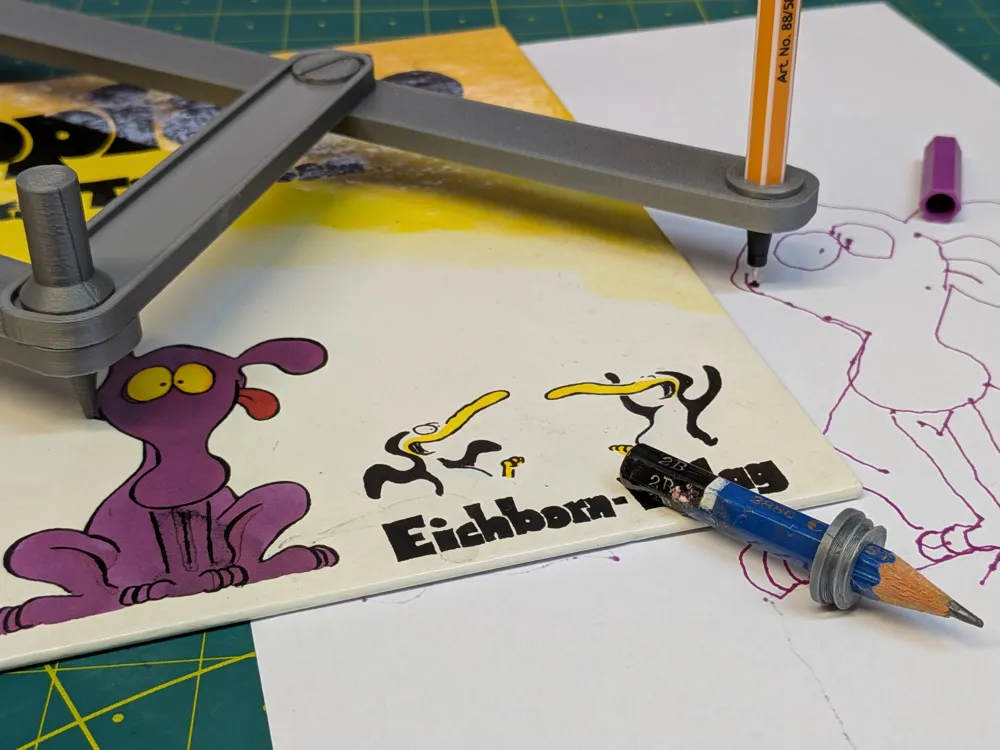
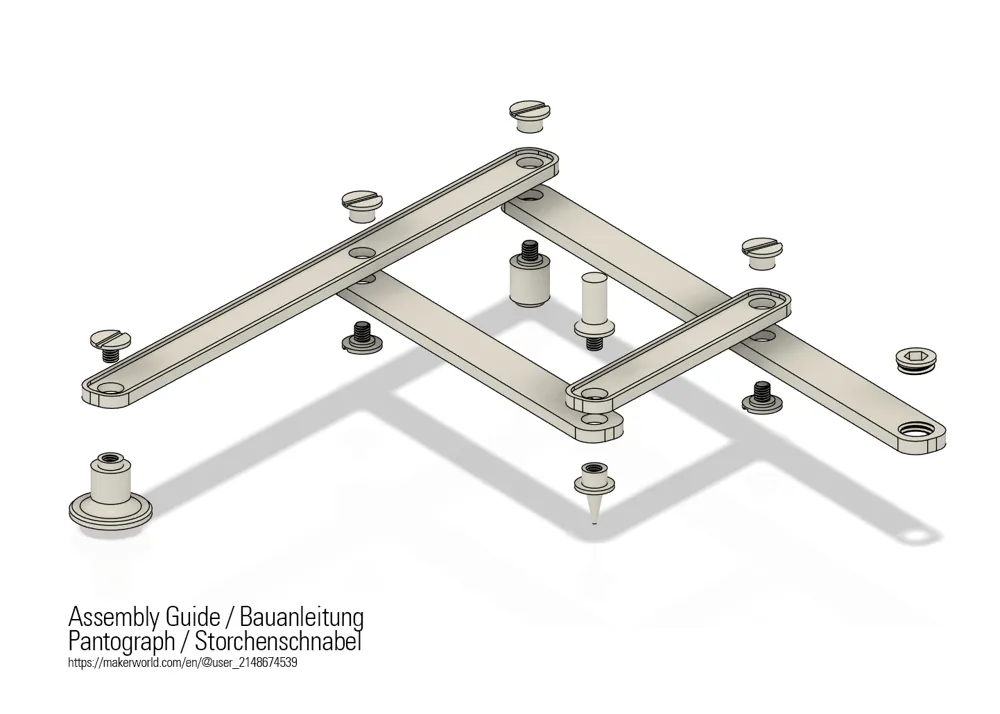
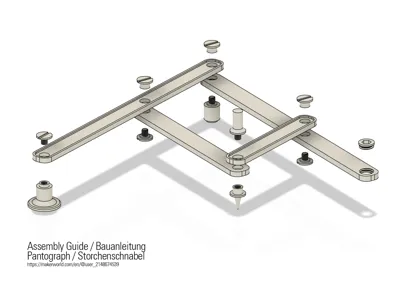
To copy, trace the motif with the stylus. The plate on the outer tendon must remain fixed. A pen is clamped into the other opening.
The motif is thereby traced enlarged by a factor of 1.6.
The print template includes inserts for common hexagonal pencils, as well as for Stabilo fineliners. When using a pencil, use a very soft pencil, strength B or 2B.
Have fun with it!
Boost Me (for free)
Thank you!
Documentation (1)
License

You shall not share, sub-license, sell, rent, host, transfer, or distribute in any way the digital or 3D printed versions of this object, nor any other derivative work of this object in its digital or physical format (including - but not limited to - remixes of this object, and hosting on other digital platforms). The objects may not be used without permission in any way whatsoever in which you charge money, or collect fees.


Comment & Rating (7)