
Print Profile(5)
Description
Because shaking paint bottles and spray cans by hand is a workout nobody asked for.
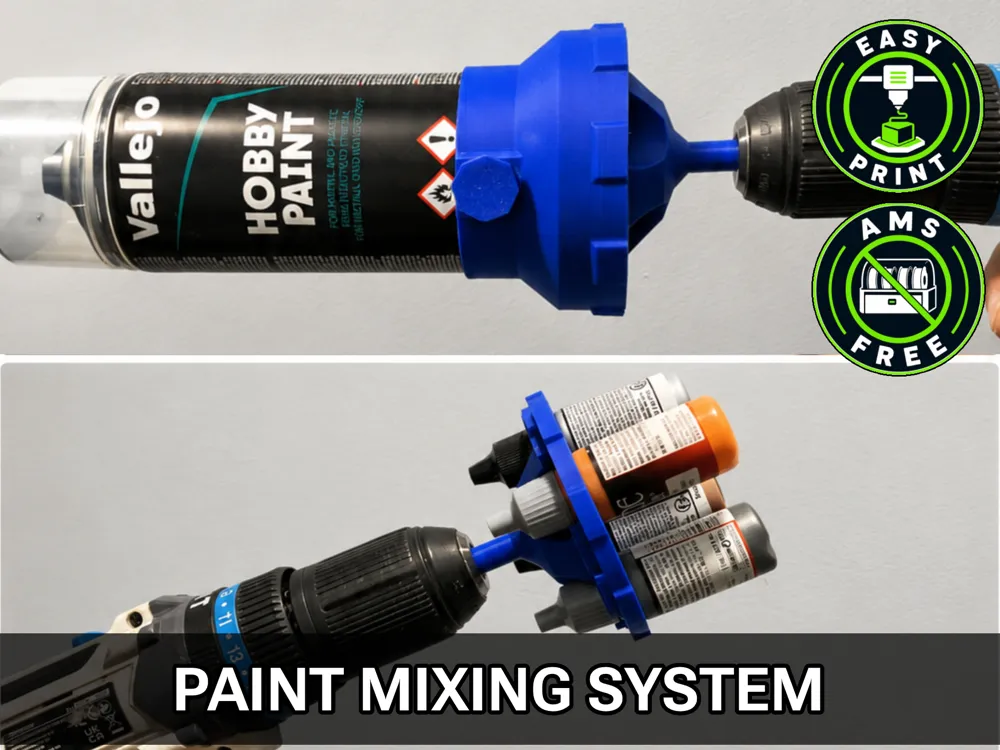
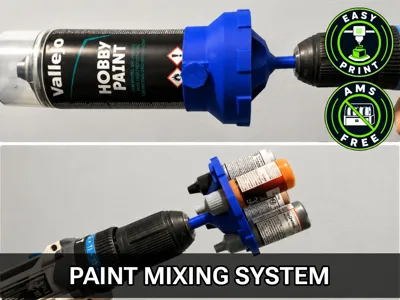
This modular, drill-powered paint mixing system lets you mix acrylic paint bottles and spray cans quickly, evenly, and without wrist fatigue. Whether it’s Vallejo, Army Painter, or a stubborn spray can that hasn’t been used in months — your drill does the hard work.
Modular system design

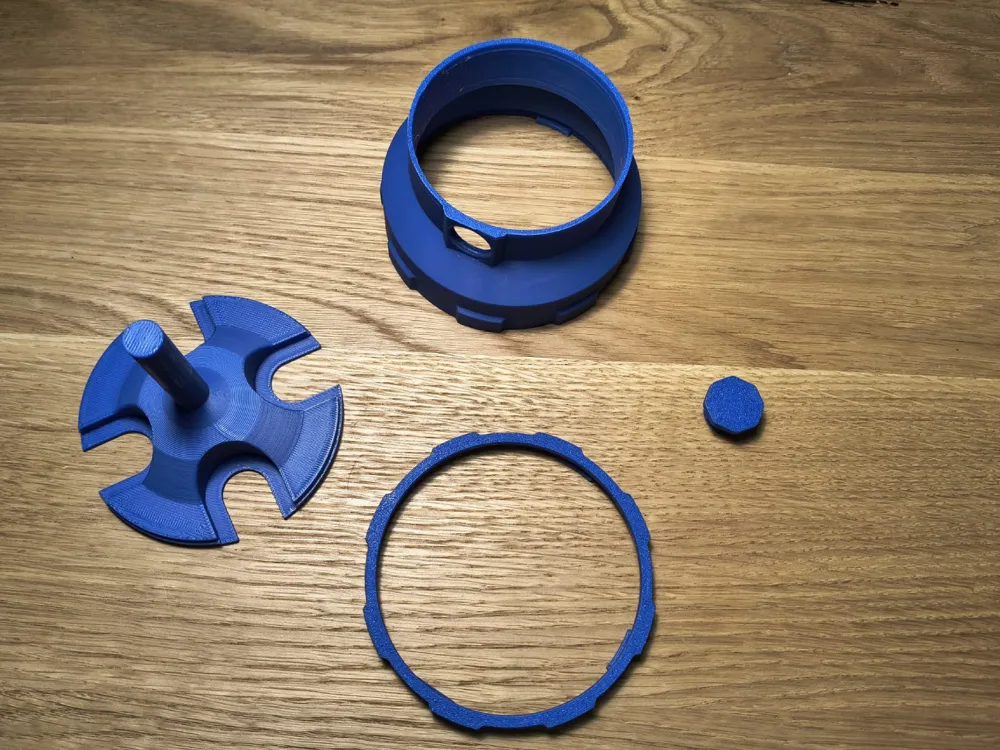
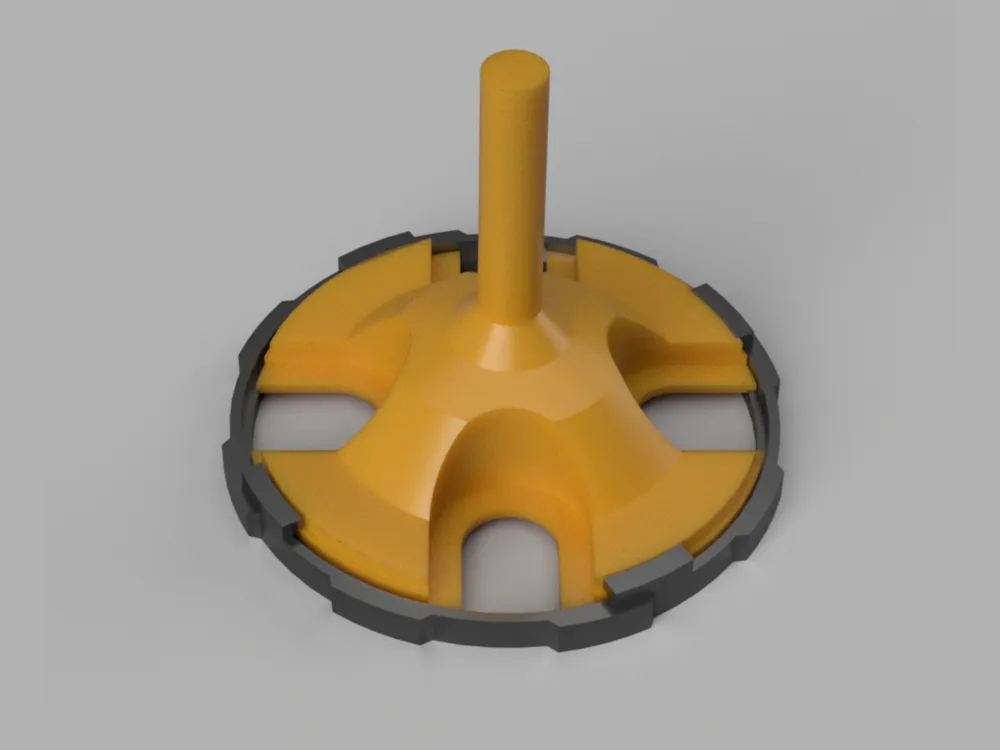
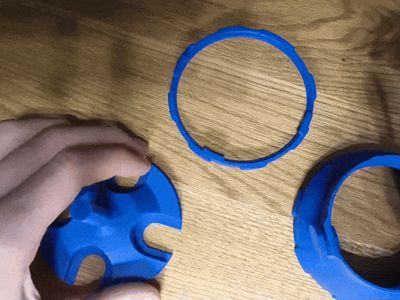
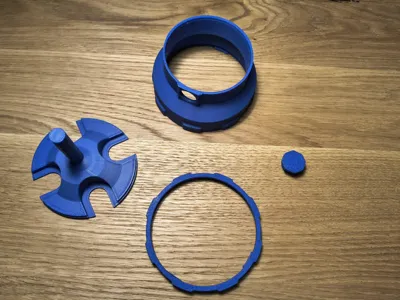
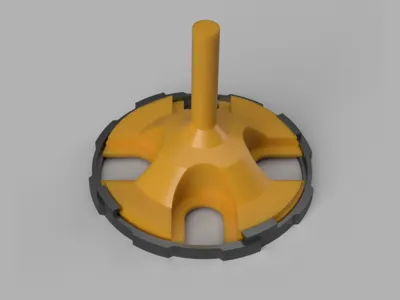
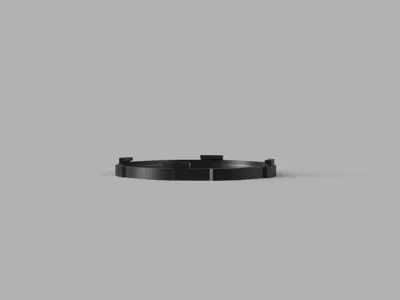
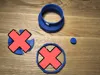
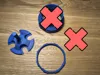
The system consists of two main printed parts:
- Central mixing core
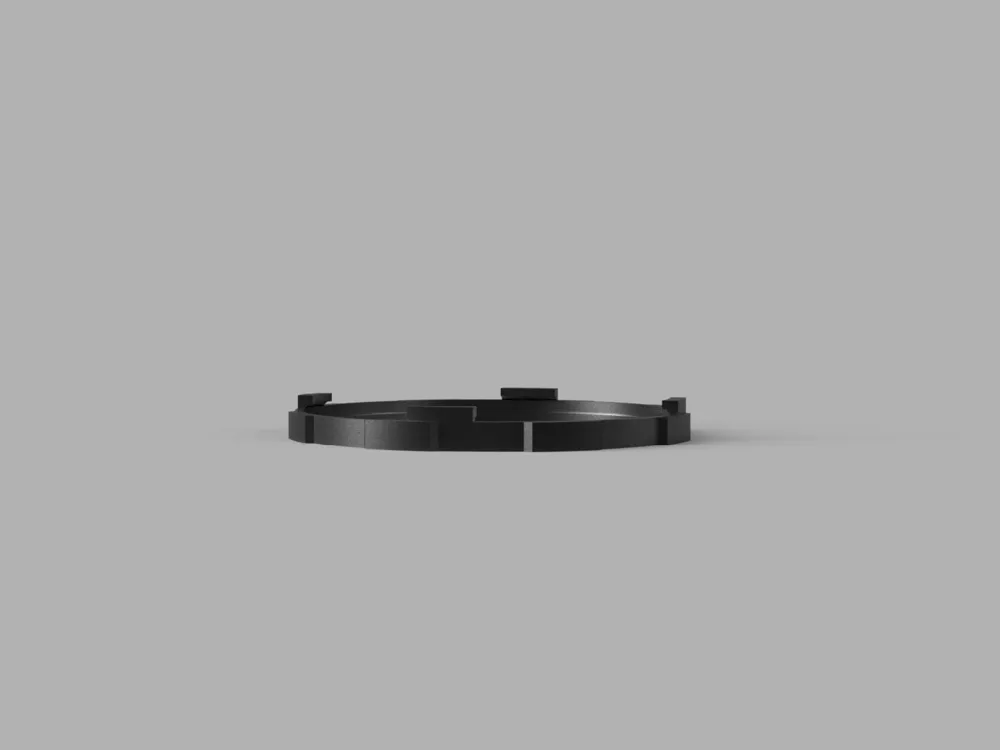
- Circular locking ring
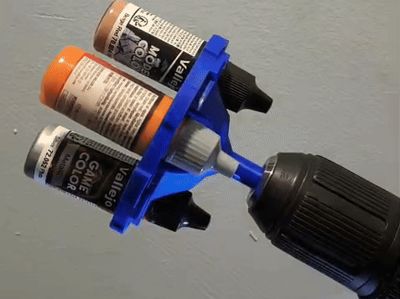
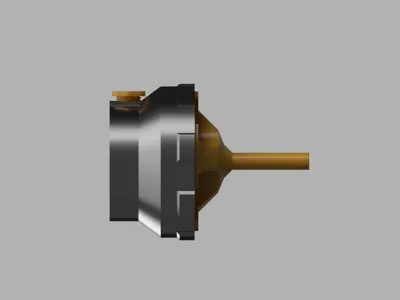
Paint bottles or adapters are placed into the core and secured using the locking ring.
No tools, no metal parts, no additional hardware.
Everything is 100% 3D printed.
Paint bottle mixing

- Mix up to 4 paint bottles at once
- Works perfectly with 1–3 bottles as well
- Designed for common hobby paints such as Army Painter and Vallejo
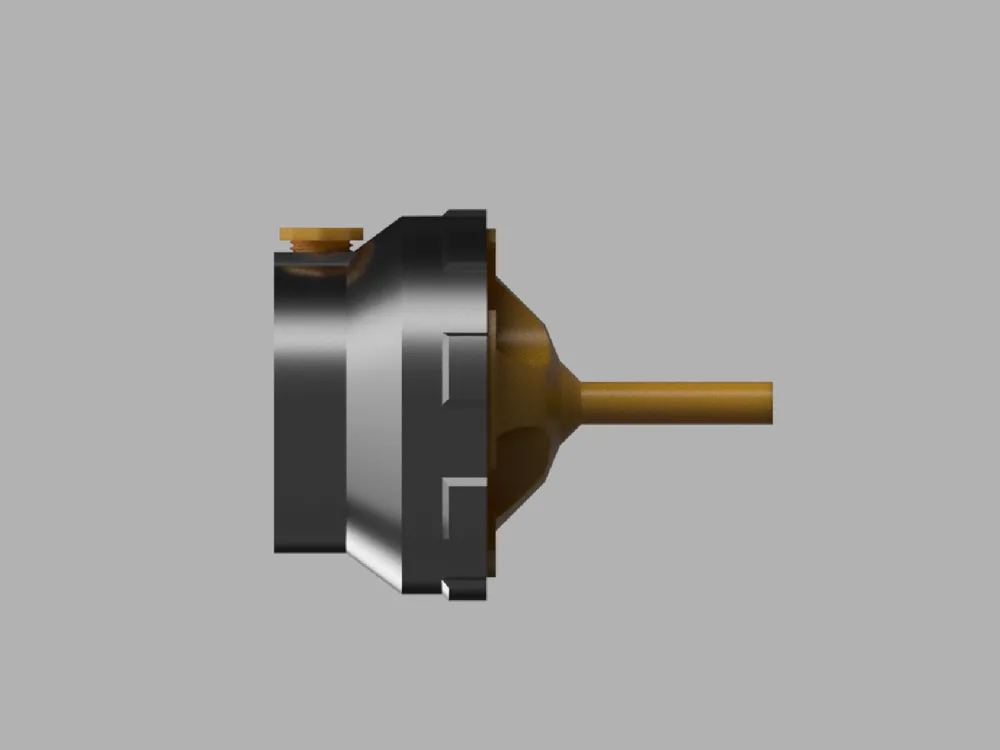
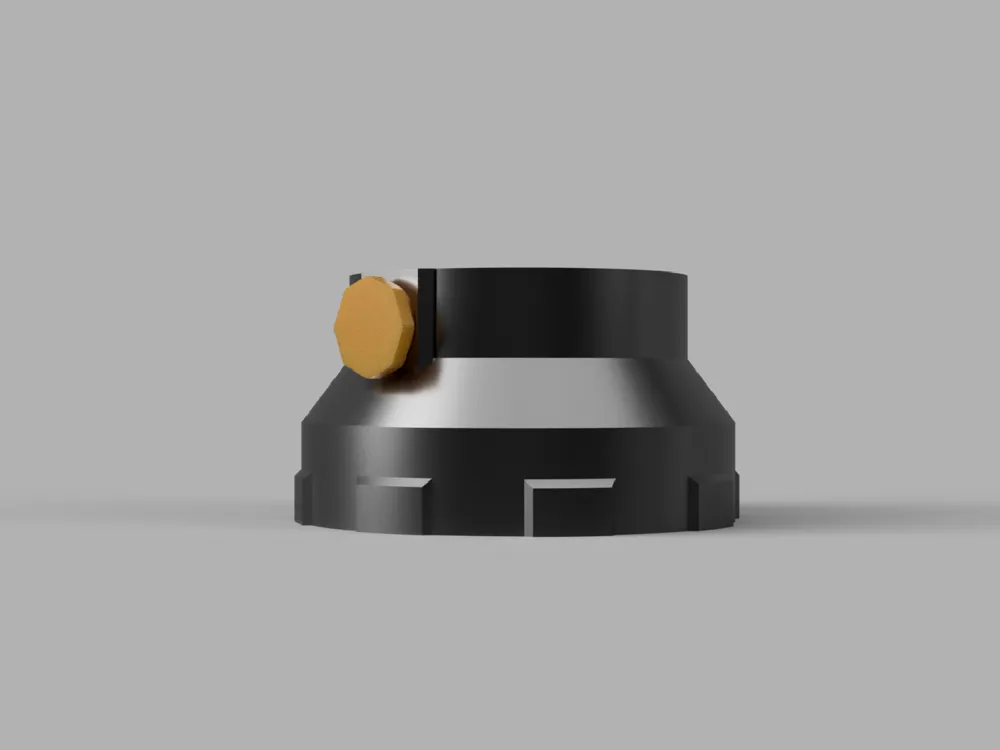
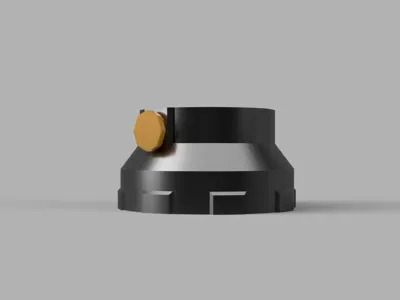
Spray can mixing (optional adapter)
An optional spray can adapter is included:

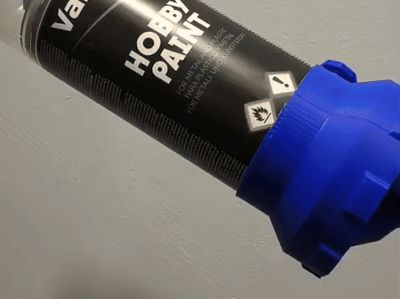
- Compatible with spray cans up to 66.6 mm diameter
- Mounted in the same way as the locking ring
- Allows controlled, drill-powered mixing of spray paints
- Ideal for long-stored or heavily separated cans
Visual guides included
GIFs included with the project show:
- how the bottles are loaded
- how the locking ring works
- how the spray can adapter is mounted and used
Friendly reminder
- Start at low RPM
- Make sure all bottles and cans are properly closed
- Over-mixing may result in extremely smooth paint and questionable levels of satisfaction 😄
Boost Me (for free)
Useful? A boost is always appreciated 🙂
☕ If you like this model, you can support me here:

🛠️Before You Start Printing
Before printing, give the bed a quick clean 🧽 — good adhesion = better first layer and accurate geometry.
Use dry filament (wet filament loves to pop, string, and ruin dimensions).
When using my MakerWorld profiles, make sure the selected material matches what you’re actually printing. Different materials shrink and behave differently — the wrong profile can mean wrong dimensions.
Also, my STL files are designed and dimensioned for PLA. If you print them in PETG, you may need to slightly rescale the model to compensate for different shrinkage.
Clean bed. Dry filament. Correct material. Done 😄
License

You may create derivative works based on this object, provided that all such derivative works are published exclusively on the MakerWorld platform and include proper attribution to the original creator. You may not share, upload, host, distribute, or publish this object—or any derivative work of this object—on any other digital platform, marketplace, or distribution channel. Commercial use of this object and any derivative works is strictly prohibited. This includes, but is not limited to, selling, renting, sublicensing, or using the object in any context in which you receive monetary compensation or other financial benefits.


Comment & Rating (26)