
H2 Debris Catcher Mat (Fully Printable, No Z-Loss)
Print Profile(2)


Description
Boost Me (for free)
If you like this model, please consider giving me a boost. It's free! I would really appreciate it :)
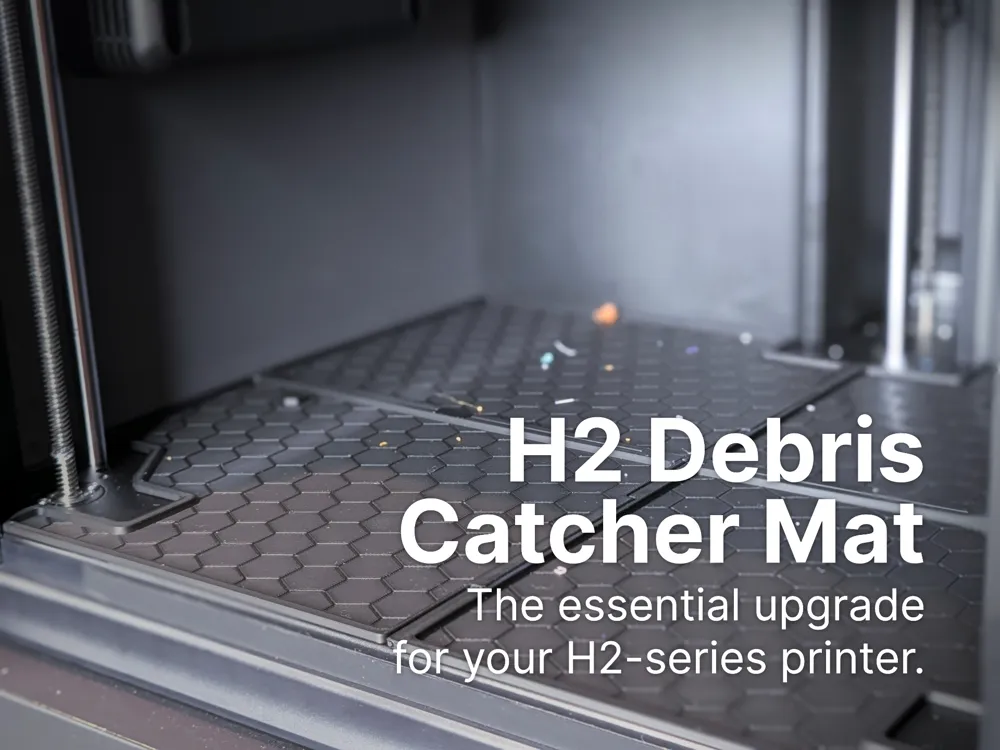
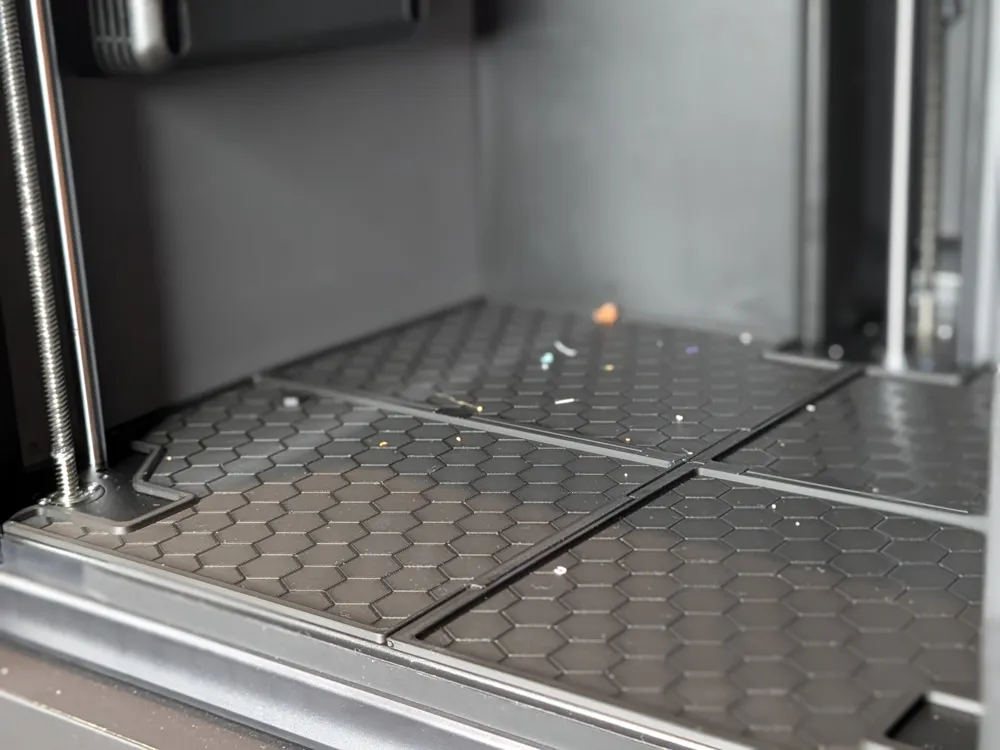

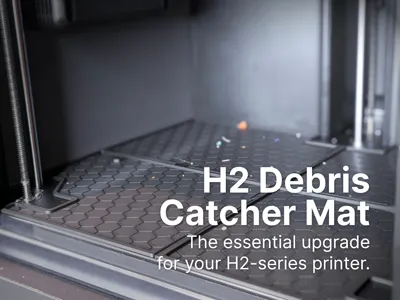
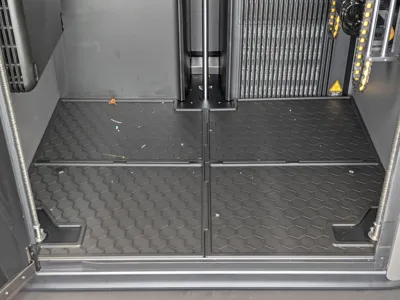
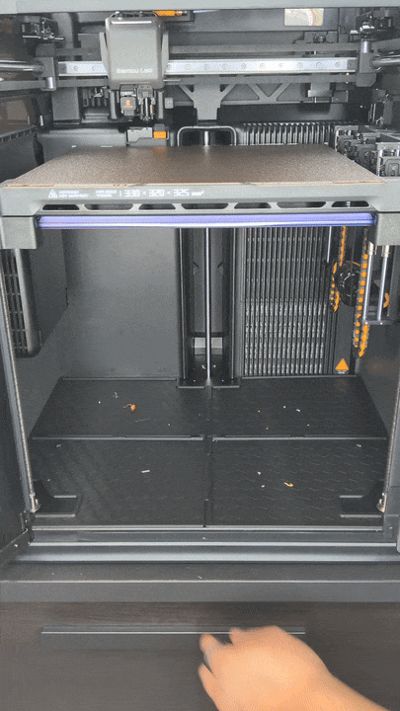
Keep the bottom of your Bambu Lab H2-series printer enclosure clean by catching the small bits that drop during printing and nozzle wiping, like stray strings, crumbs, and debris. This low-profile floor mat / tray / diaper is designed to lift out easily for quick cleanup.
Compatible with: H2C / H2S / H2D
Key features
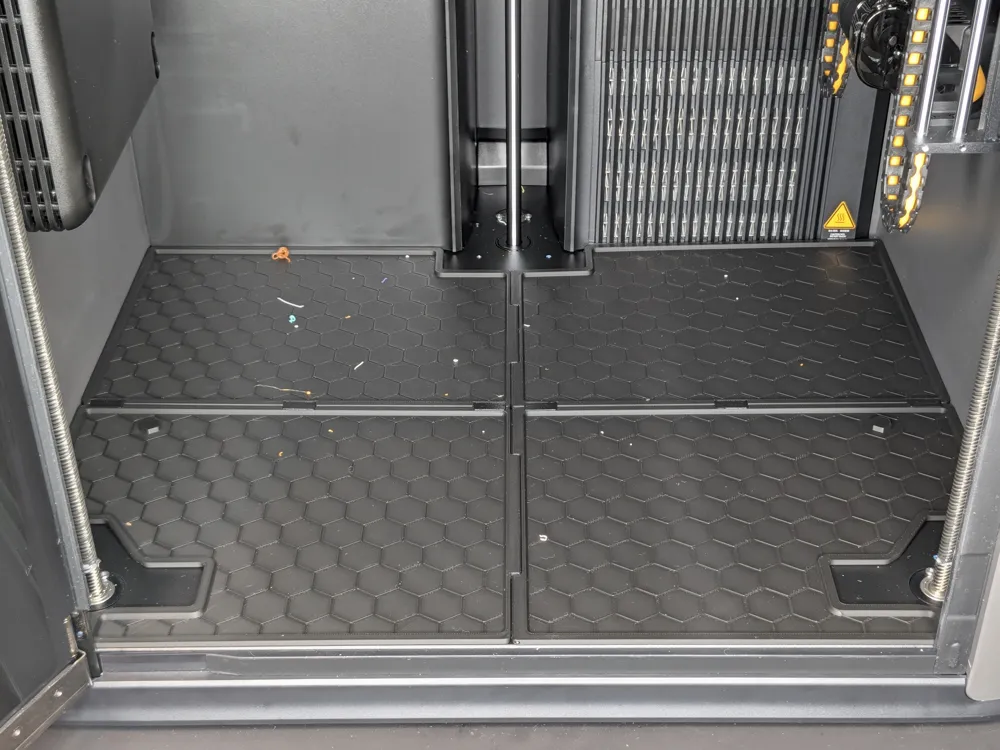
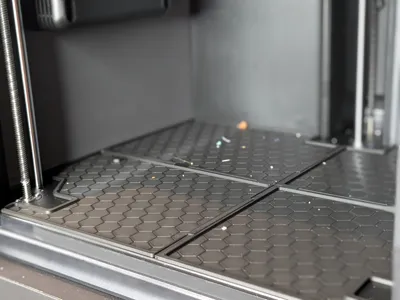
- Edge-to-edge coverage: Designed for a precise, wall-to-wall fit to maximize the area where debris gets caught.
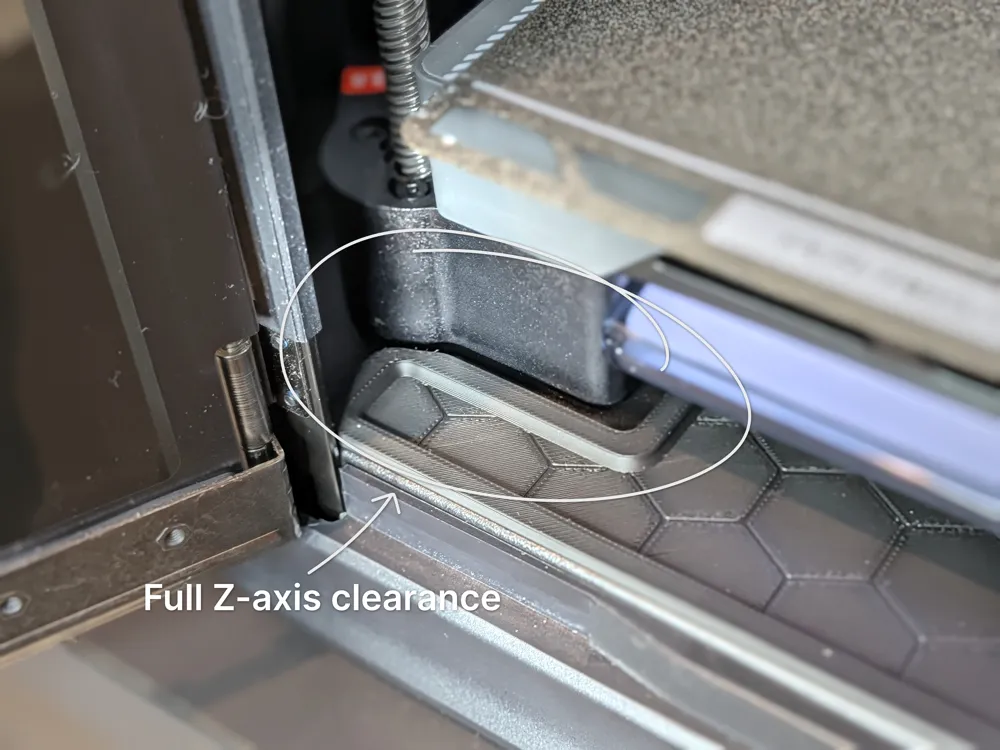
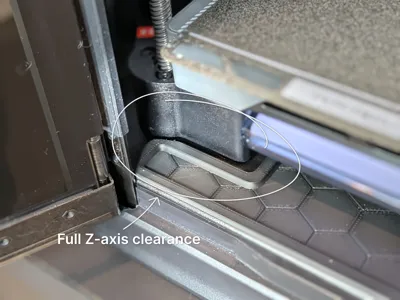
- No lost build height: Precise cutouts let the bed lower fully to the printer floor, so build height is not reduced.
- Low-profile and sturdy: Thin without feeling flimsy, and the full mat comes in at just over 160g of filament.
- No extra hardware: Fully 3D printable, no screws required, the hinge uses standard 1.75mm filament, and the front/back sections lock together with 3D printable clips.
- Hex detail: I designed the surface with a hex pattern as a nod to the hexagon details on the printer floor, so that element is still reflected even though the mat covers the original.
Print and assembly
- Prints in 4 parts: Back Left, Back Right, Front Left, Front Right
- Front and back connect with 3 clips each
- These are slightly oversized for the cutouts to ensure a tight fit, but you can adjust them based on your printer's tolerances. Too loose of a fit and the front and back won't have a sturdy connection.
- Left and right sides hinge together using a length of standard 1.75mm filament
- The hinge allows the mat to fold over 45 degrees on each side into a V-shape, making it easy to remove in one piece.
Bonus: Each piece fits on a smaller printer like the Bambu Lab A1 (but not the A1 Mini).
Hinge fit tips
- Test each end of the hinge hole with a short piece of filament first.
- The hinge holes are designed to accept filament easily, but if your printer runs tight:
- Gently widen the entrance with a small screwdriver (or similar), and/or
- If the inside of the hinge path is rough, run a bit of abrasive filament back and forth through the hole to smooth it out.
- If feeding the filament is still a struggle, use pliers for grip and push while holding the filament close to the hinge entrance.
Material note
I printed this in PLA, but I recommend using a filament with a heat deformation temperature higher than the hottest chamber temperature you plan to run.
License

You shall not share, sub-license, sell, rent, host, transfer, or distribute in any way the digital or 3D printed versions of this object, nor any other derivative work of this object in its digital or physical format (including - but not limited to - remixes of this object, and hosting on other digital platforms). The objects may not be used without permission in any way whatsoever in which you charge money, or collect fees.


Comment & Rating (125)