
Mini Measuring Spoon — 1/4 tsp
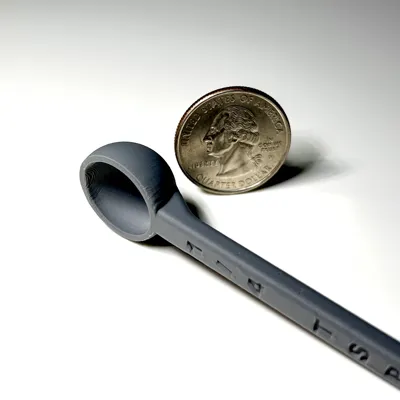
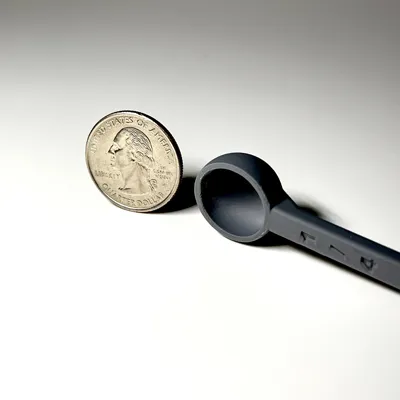
Print Profile(1)

Description
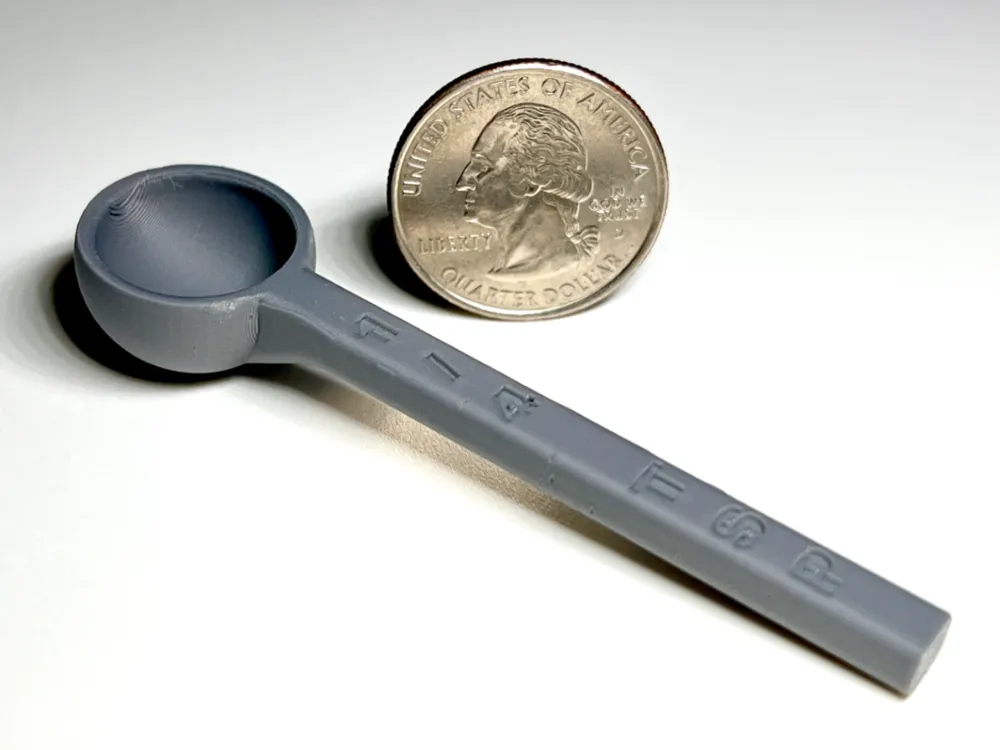
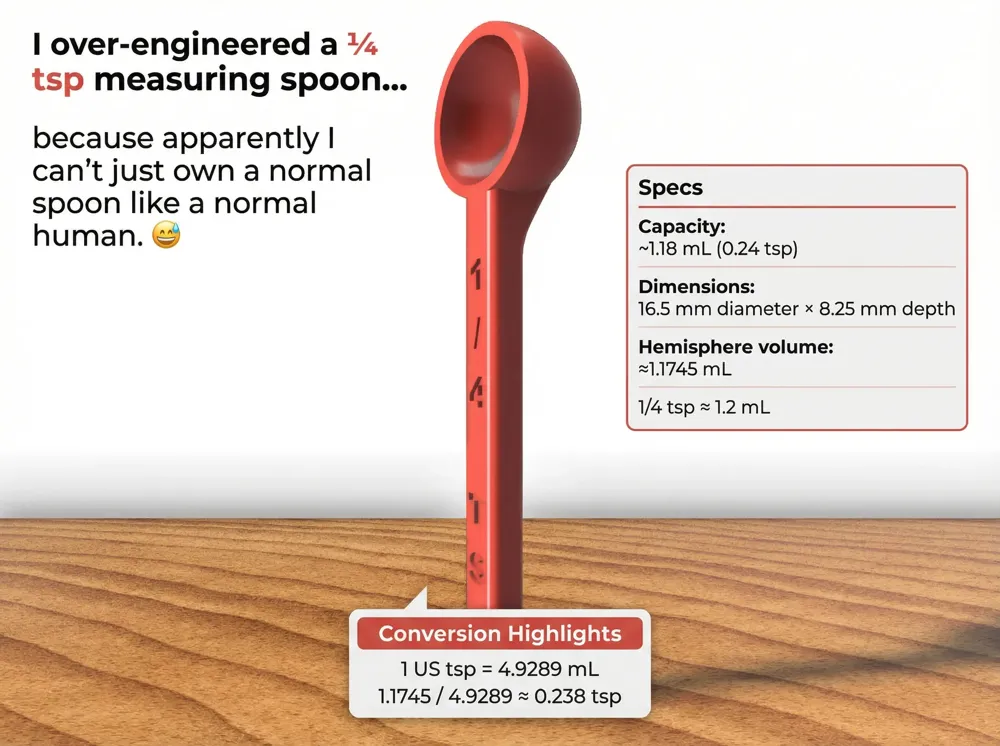
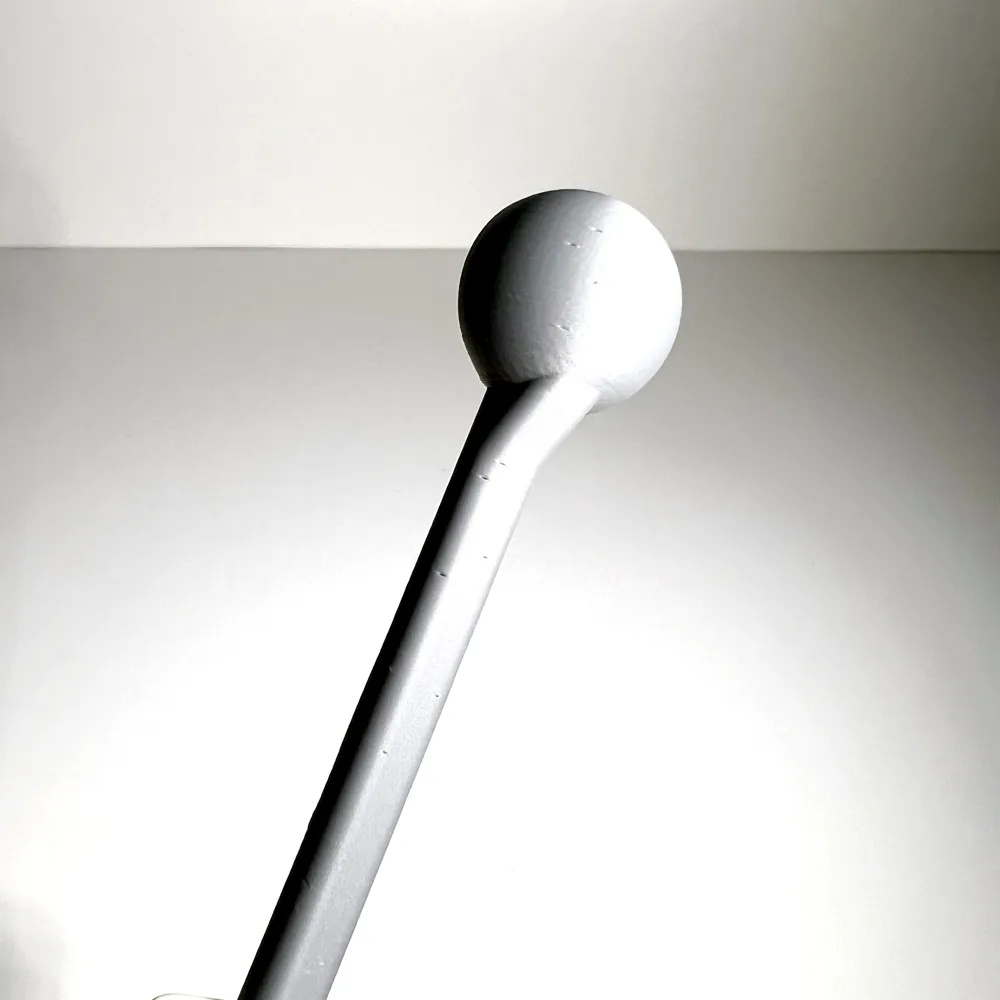
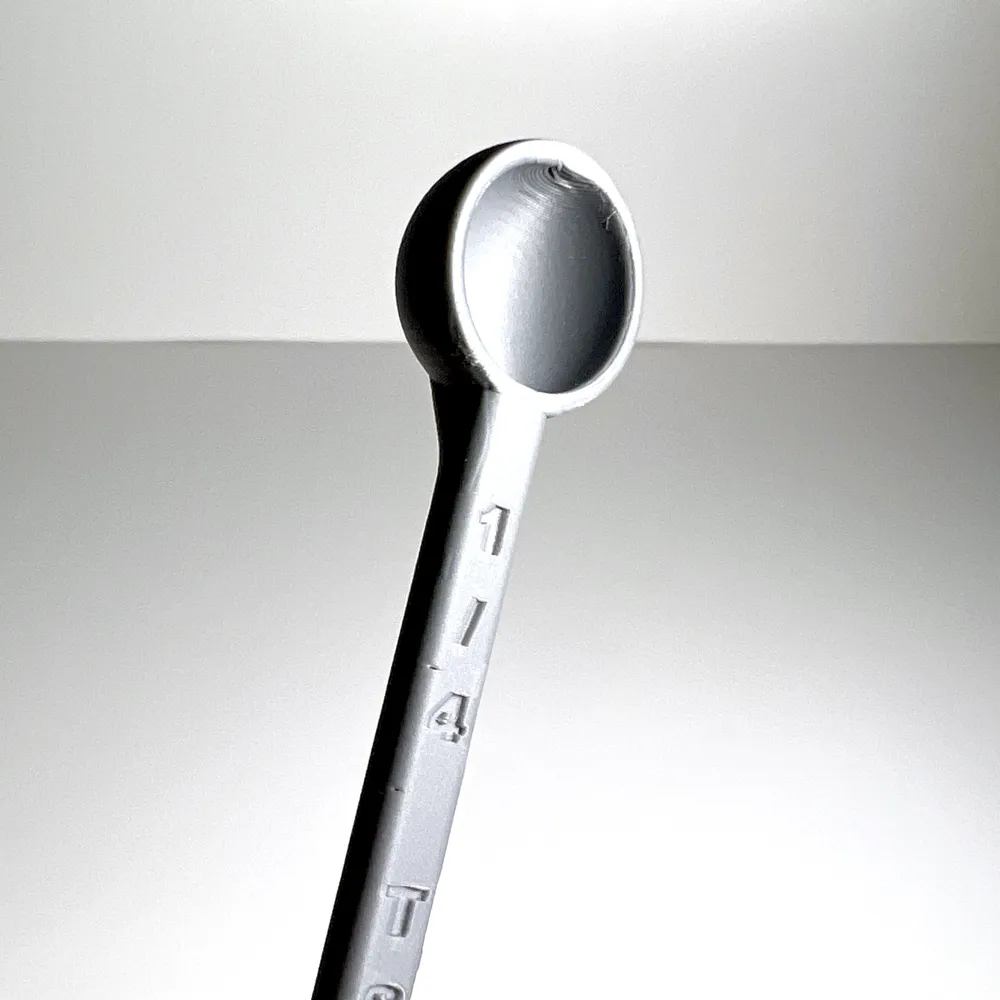
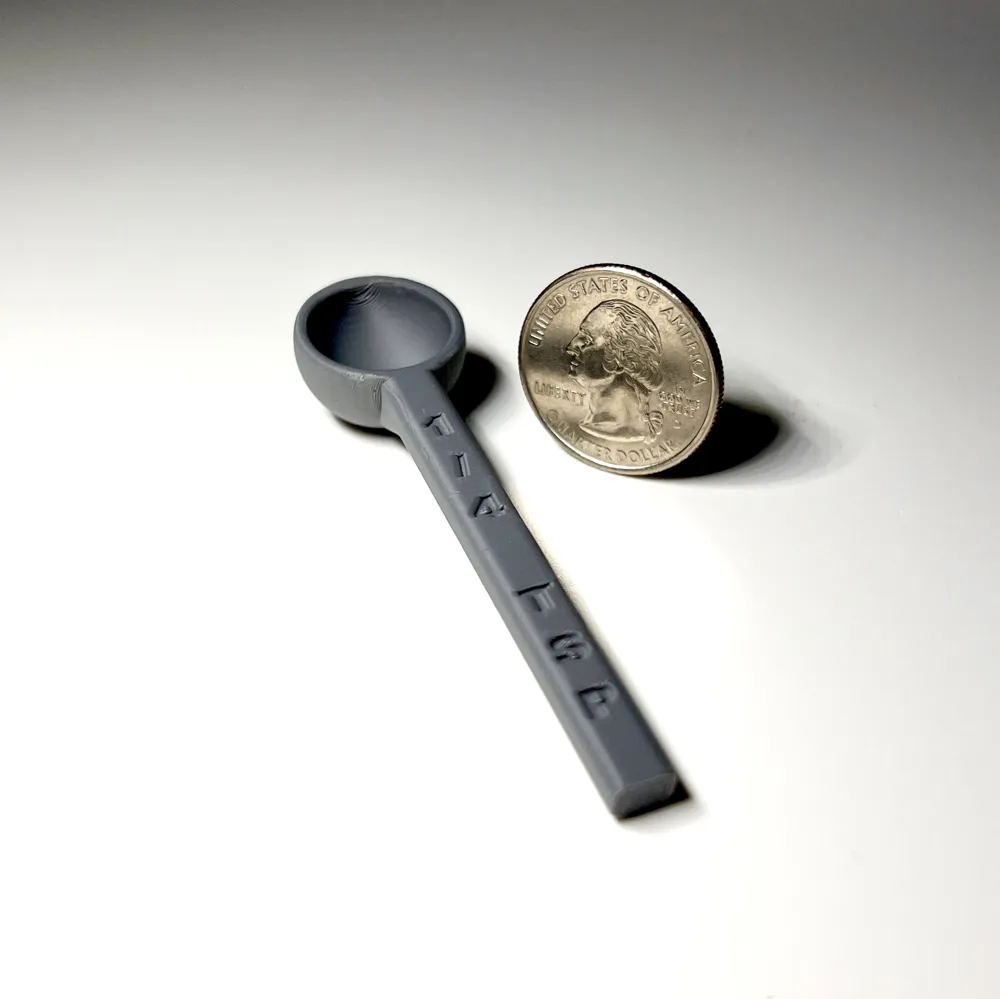
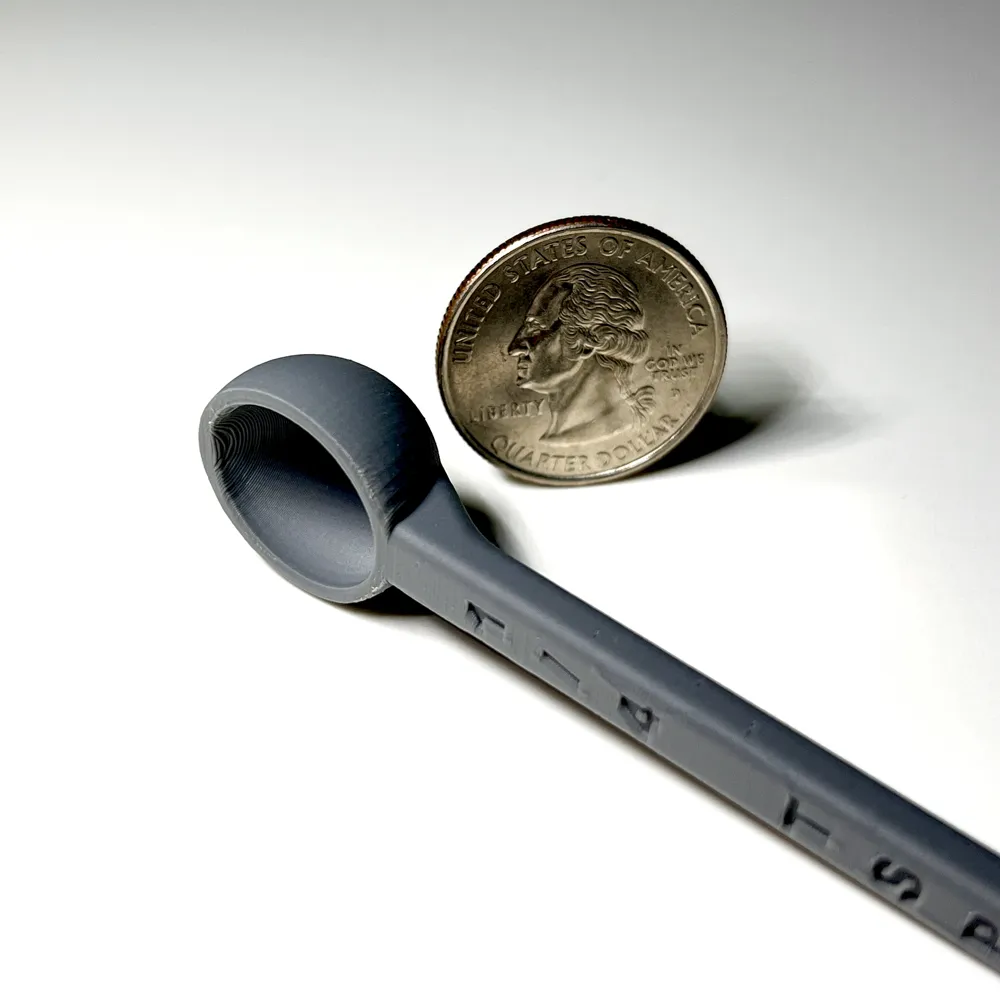
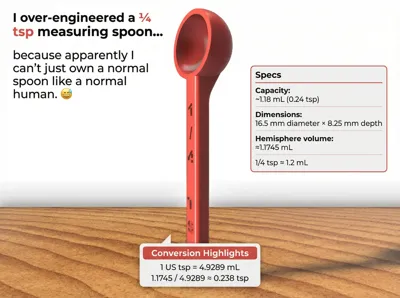
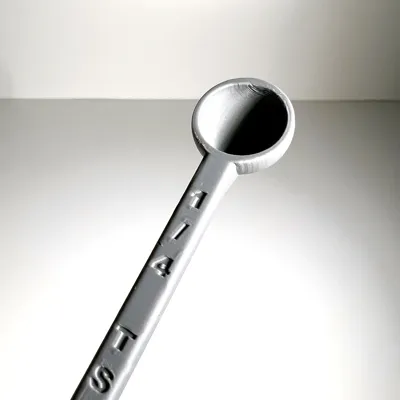
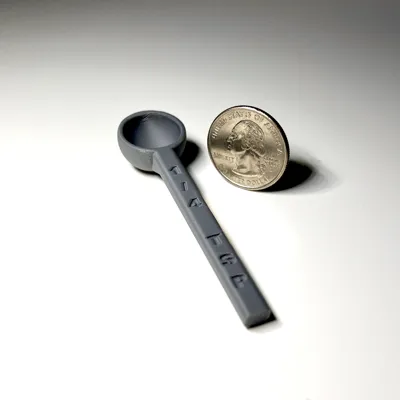
I over-engineered a ¼ tsp measuring spoon… because apparently I can’t just own a normal spoon like a normal human. 😅
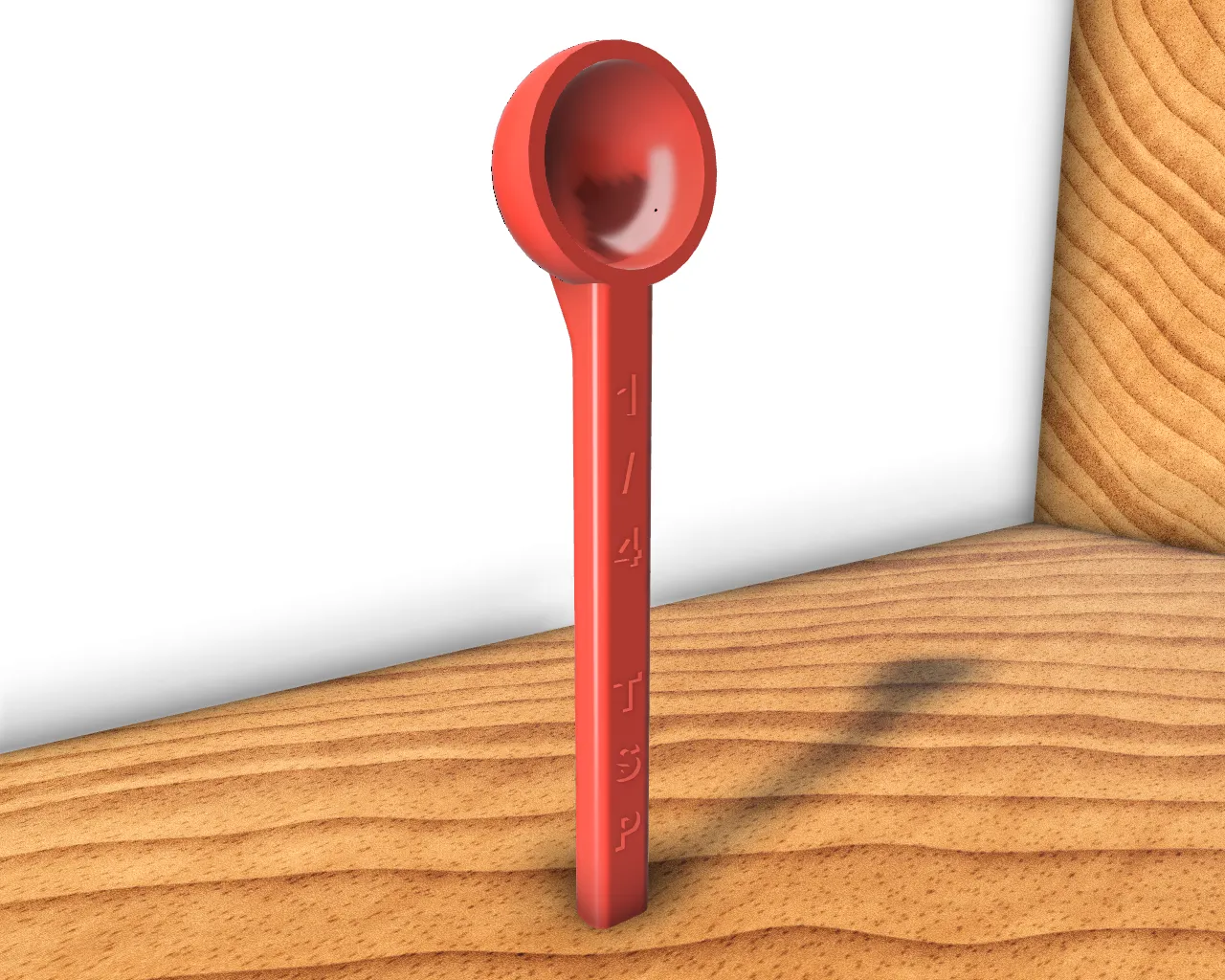
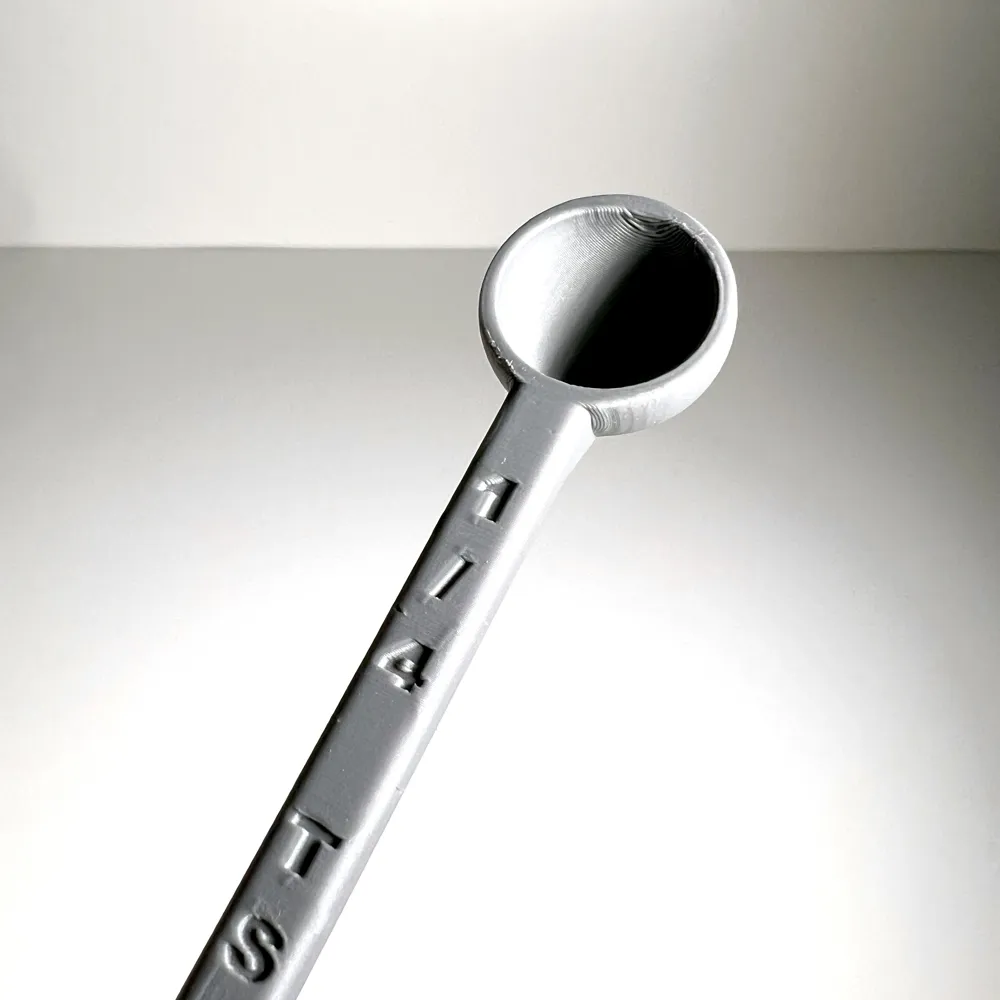
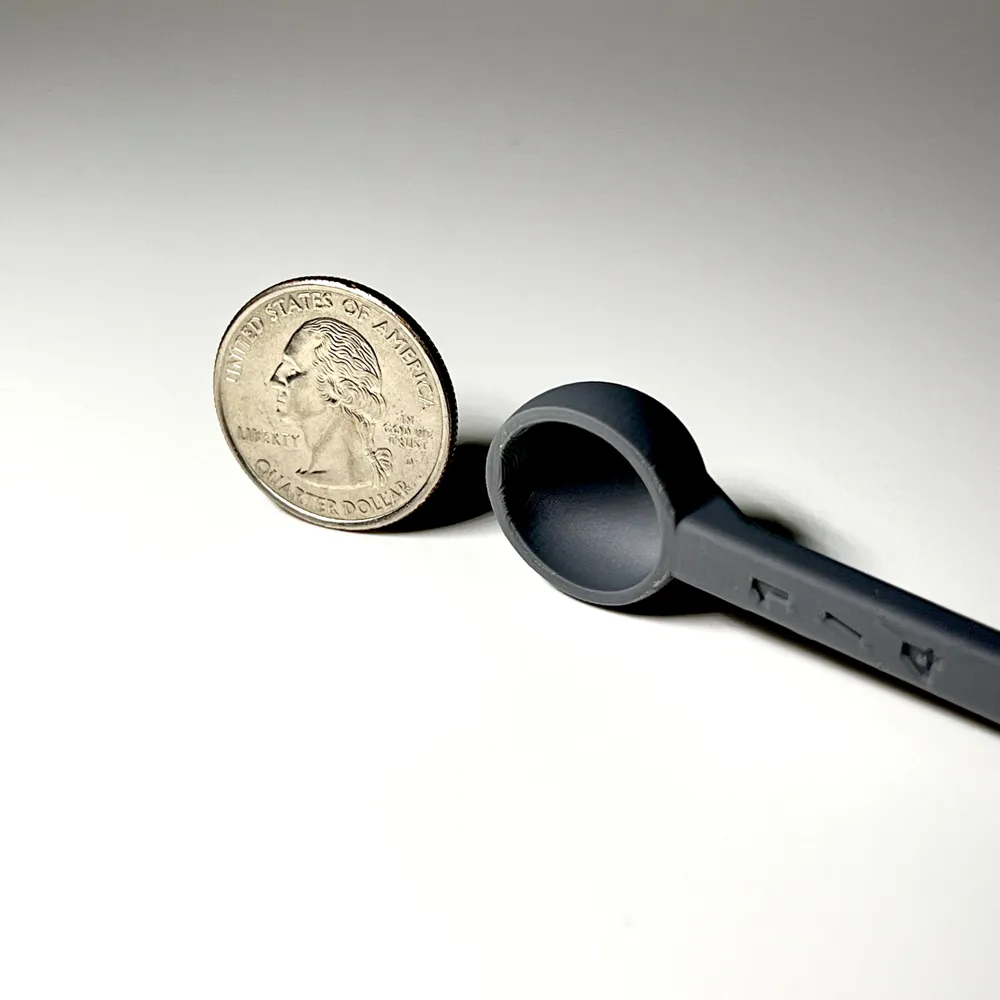
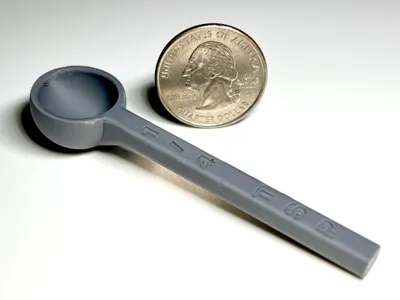
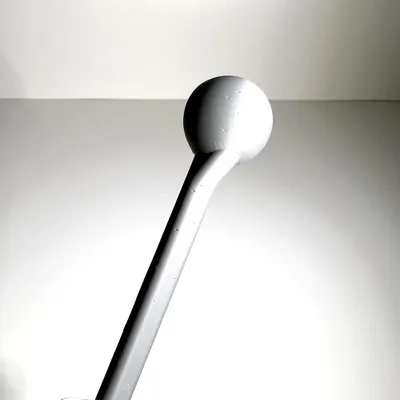
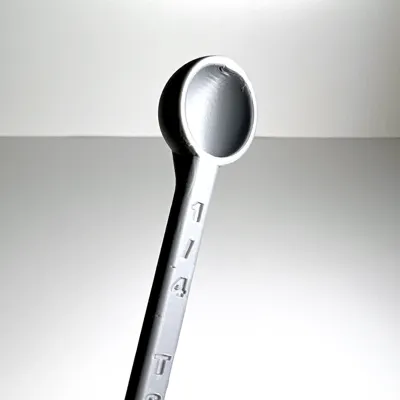
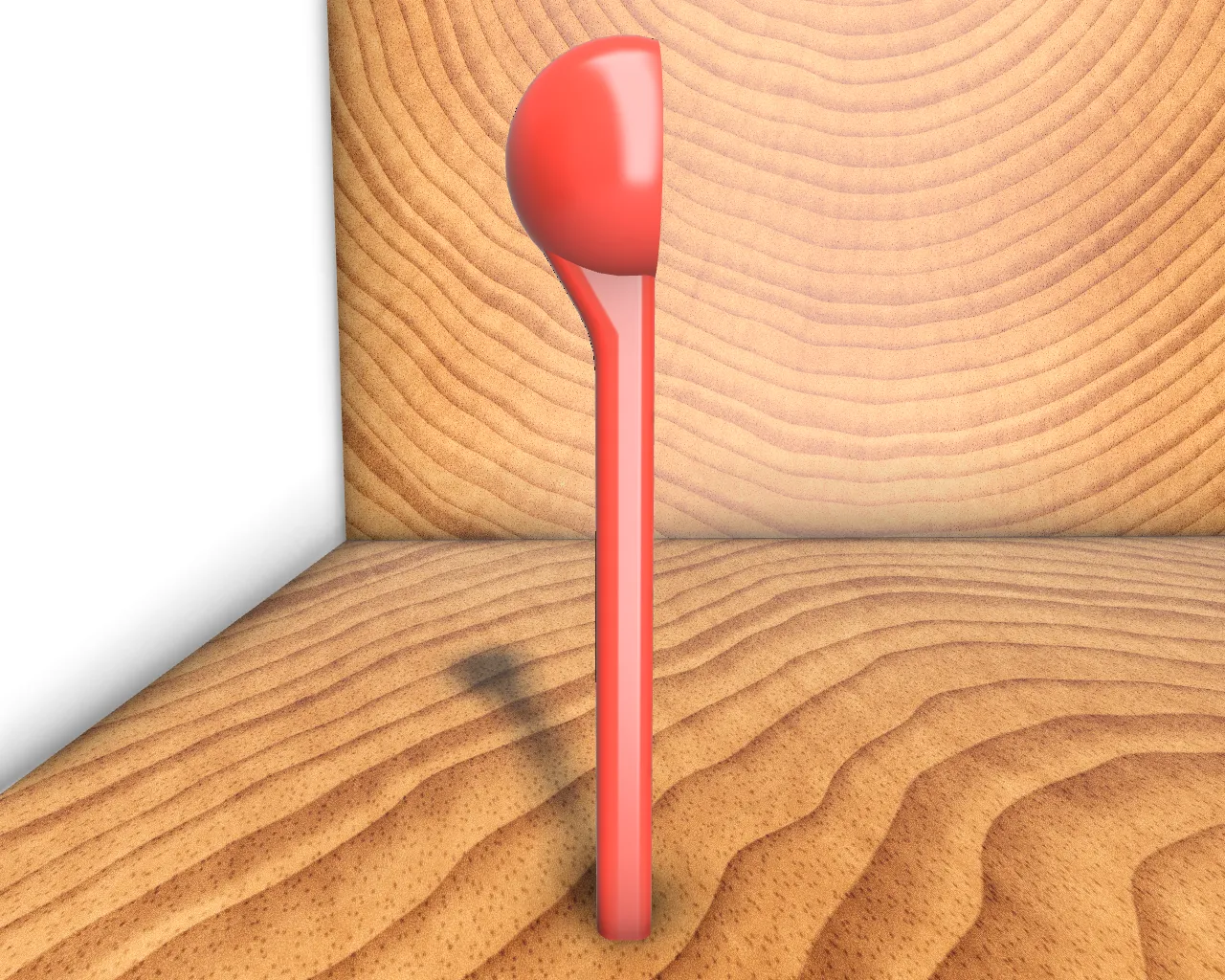
This model is a small, sturdy, super-clean measuring scoop with a smooth cup and a simple handle that’s comfortable to hold and looks way nicer than it has any right to.
Capacity/size:
Based on the inner cup dimensions (16.50 mm diameter × 8.25 mm depth), the bowl is essentially a half-sphere, giving an estimated capacity of ~1.18 mL (1.18 cc)—about 0.24 tsp, aka just under a true ¼ teaspoon.
Volume of a hemisphere:
- V = ⅔ x πr^3
- r = 8.2465 mm
V ≈ 1174.54 mm^3
- 1000 mm^3 = 1 mL
- V ≈ 1.1745 mL (Also 1.1745 cc (cc=mL))
- 1000 mm^3 = 1 mL
- r = 8.2465 mm
Converting to teaspoon
- 1 US teaspoon = 4.9289 mL
- 1.1745 / 4.9289 ≈ 0.238 tsp
- So it holds about 0.24 tsp, which is "close enough" to 1/4 tsp (¼ tsp is ~1.23 mL)
- 1.1745 / 4.9289 ≈ 0.238 tsp
Best “rounded” measurement
- ≈ 1.2 mL (≈ 1.2 cc)
≈ 1/4 teaspoon (a hair under)
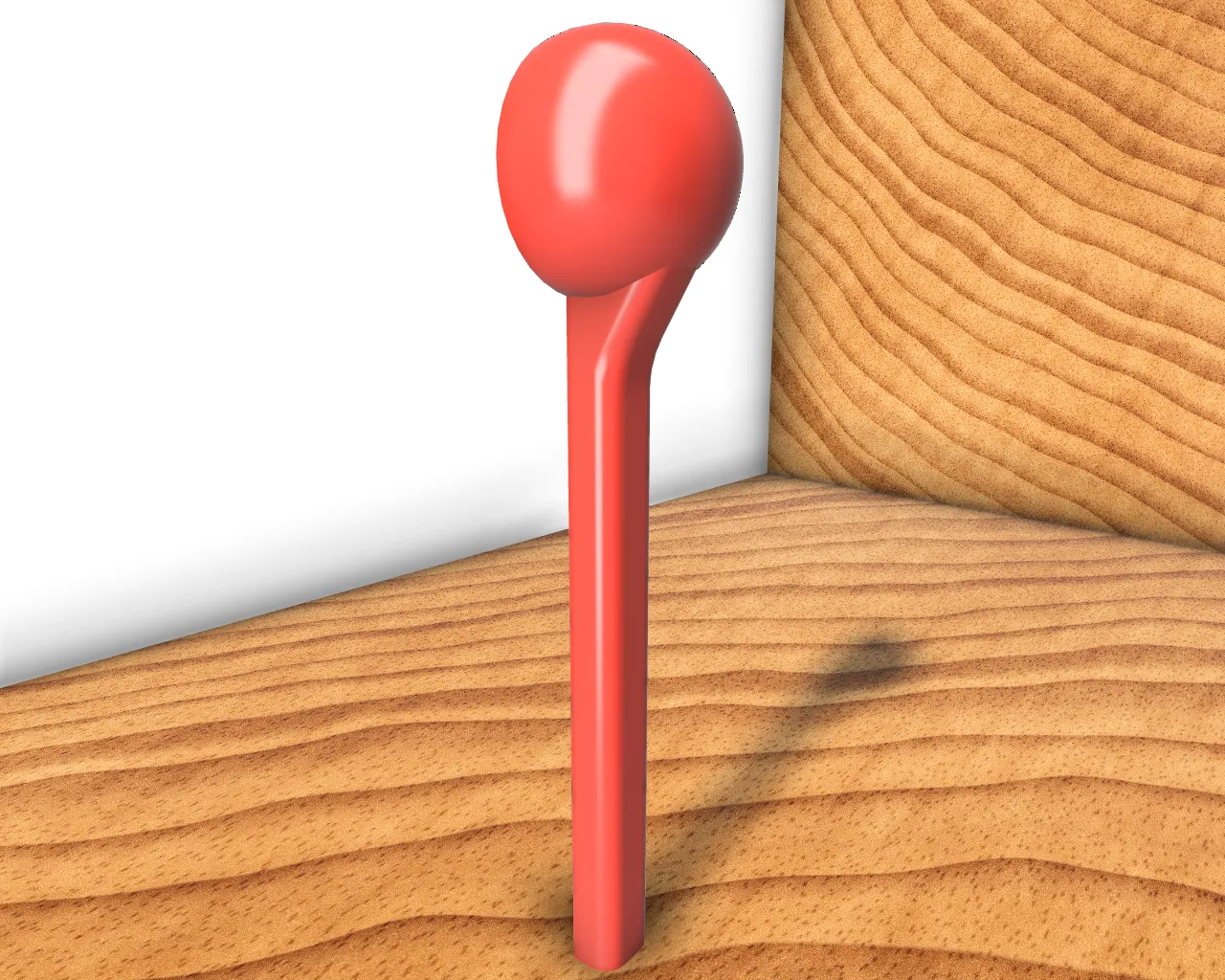
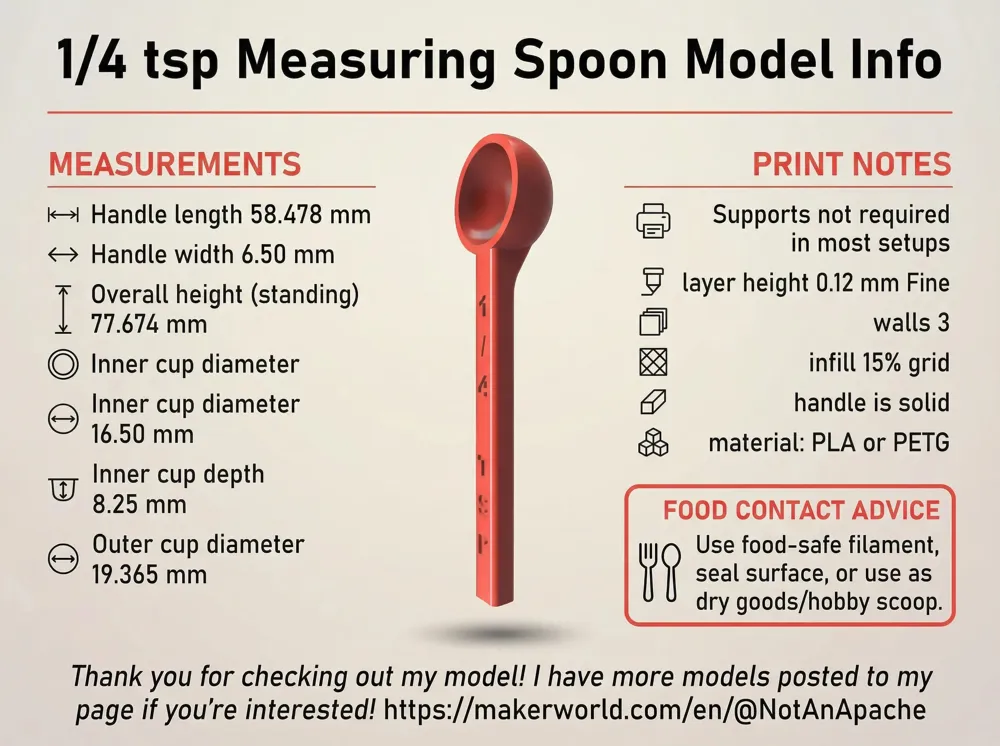
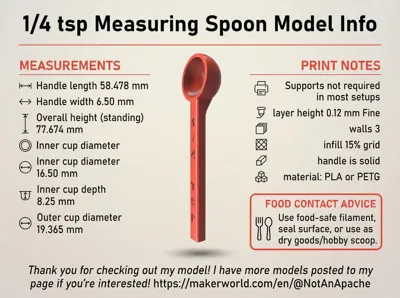
Measurements:
- Handle length: 58.478 mm
- Handle width: 6.50 mm
- Overall height (standing): 77.674 mm
- Inner cup diameter: 16.50 mm
- Inner cup depth: 8.25 mm
- Outer cup diameter: 19.365 mm
Print notes:
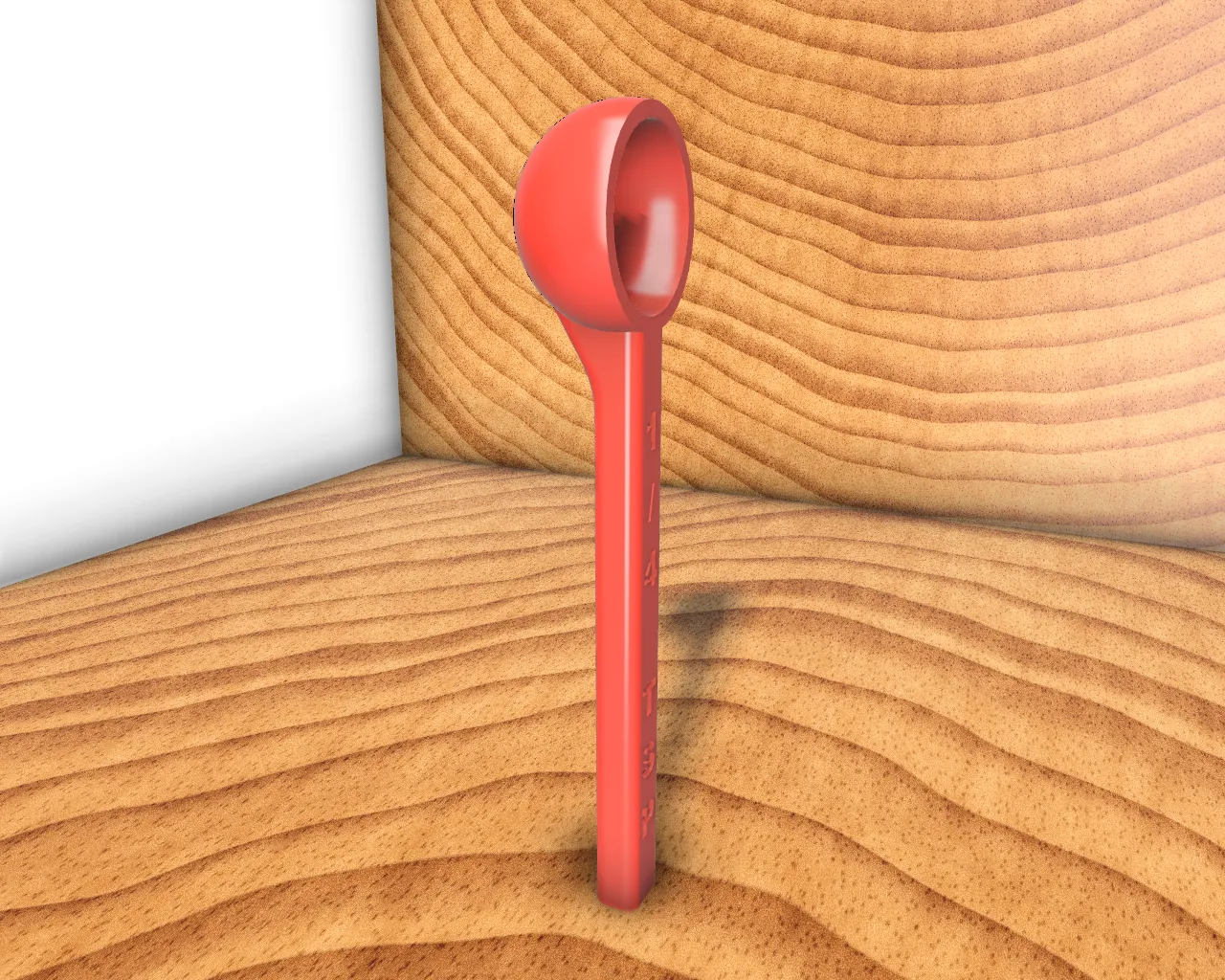
Supports: Not required in most setups (the geometry is friendly), but if your printer struggles with gentle overhangs, add light supports just under the bowl area.
- Layer height: 0.12 mm Fine
- Walls: 3
- Infill: 15% Grid—Note: The handle is solid with three walls. The only support material will be a tiny bit in the head of the spoon.
- Material: PLA works; PETG is tougher. If you plan food contact, see the note below.
***Food Contact***
If you’re using this for spices, coffee, supplements, etc., remember most FDM prints have tiny layer lines that can trap residue. For food-safe use, consider food-safe filament + sealing, or treat it as a “dry goods / hobby scoop” (paint powders, resin pigment, salt, gardening nutrients, etc.).
Thank you for checking out my model!
I have more models posted to my page if you’re interested!
https://makerworld.com/en/@NotAnApache
:)
License

You shall not share, sub-license, sell, rent, host, transfer, or distribute in any way the digital or 3D printed versions of this object, nor any other derivative work of this object in its digital or physical format (including - but not limited to - remixes of this object, and hosting on other digital platforms). The objects may not be used without permission in any way whatsoever in which you charge money, or collect fees.


Comment & Rating (10)