
GU10 Wall Lamp Socket
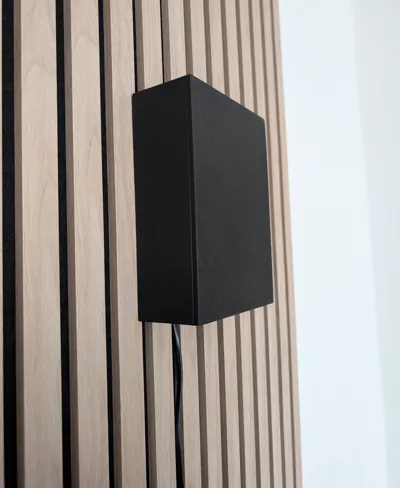
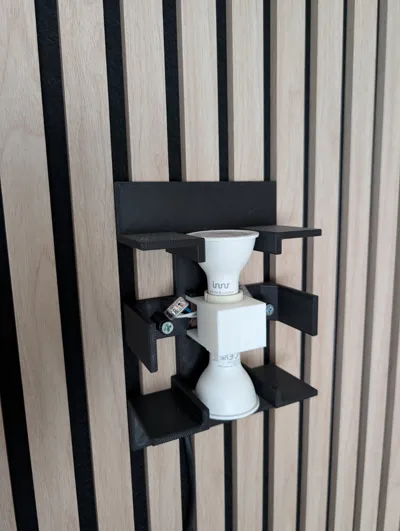
Print Profile(1)

Description
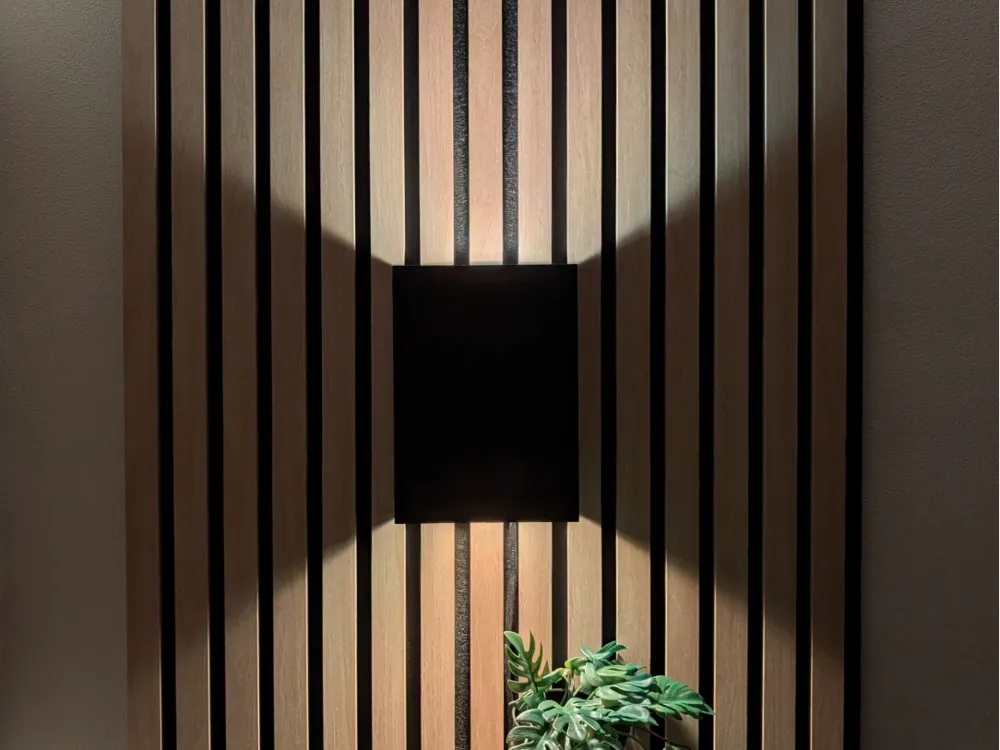
I was looking for a smart lamp compatible with Philips Hue for my wall panels in the bedroom.
After a long search, I couldn't find a lamp that met my requirements and was also affordable.
The requirements for the lamp are:
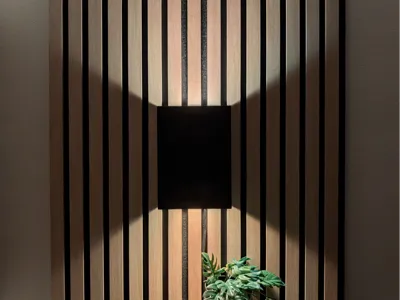
- the light top and bottom must be individually controllable (light only on top or only on bottom + different color)
- the bulb must be replaceable and compatible with Hue
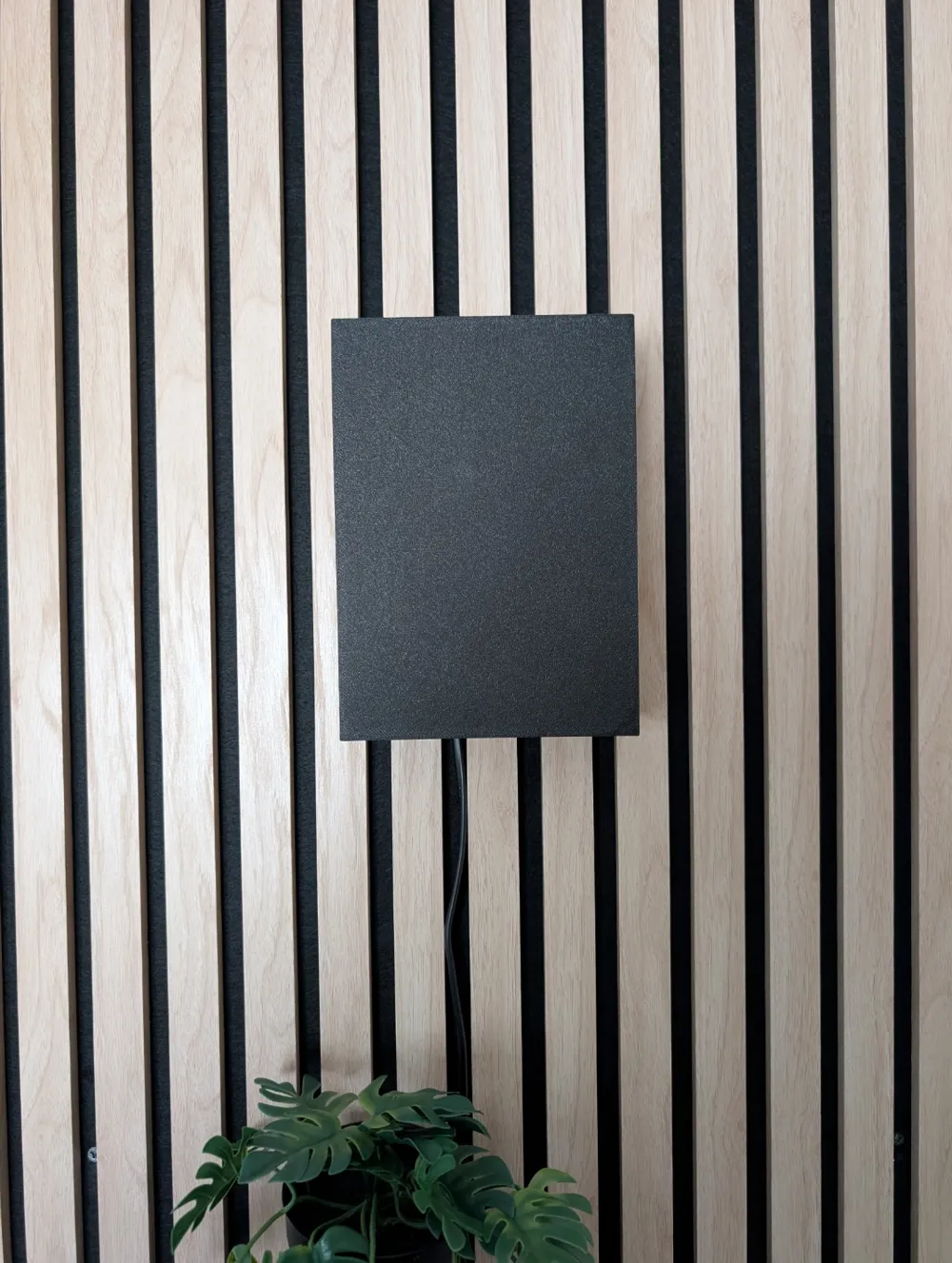
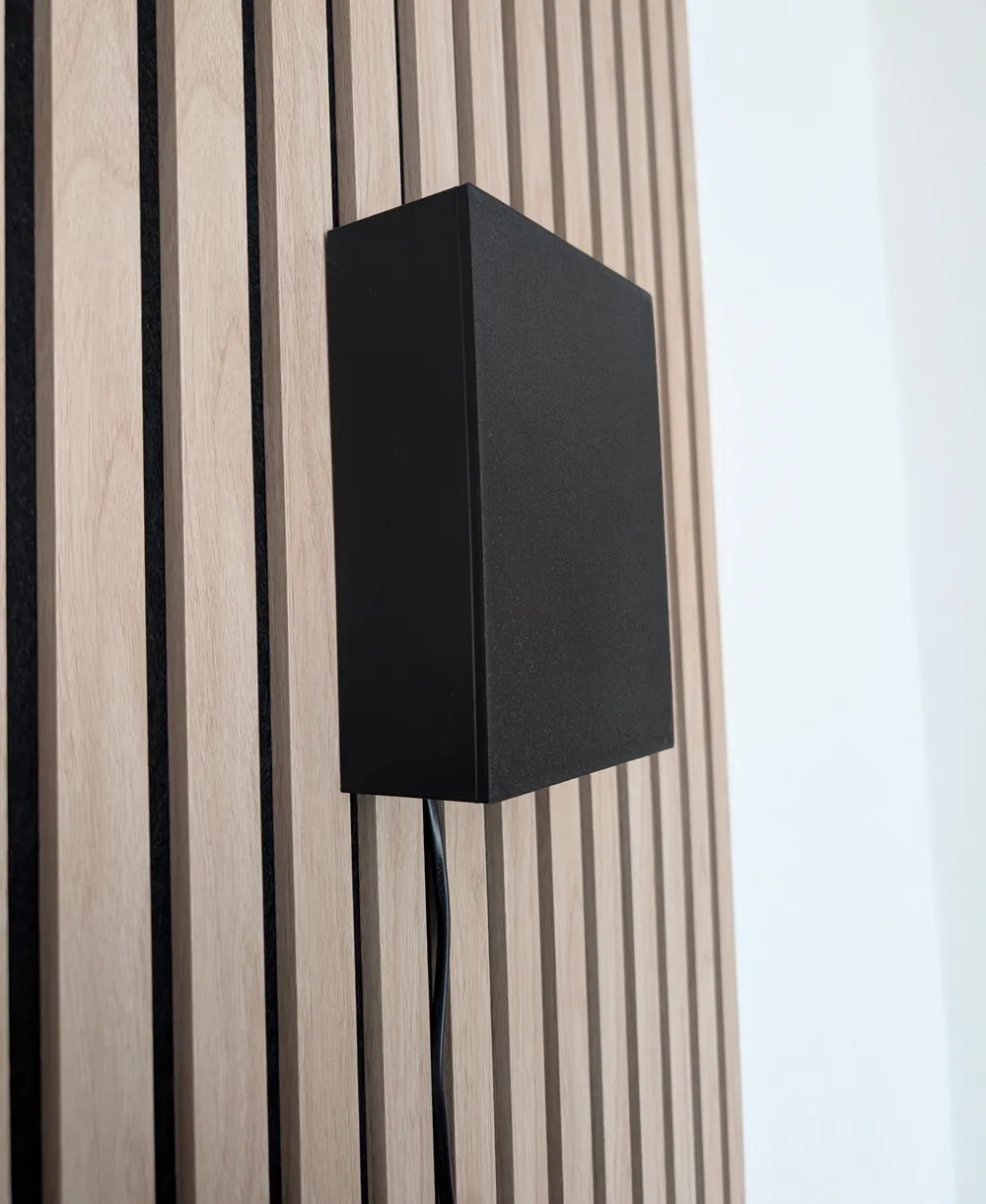
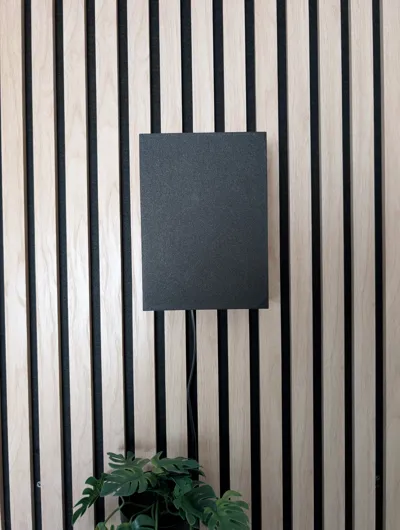
- a slim design
- the light beam should have sharp edges
So I set out to design my own lamp.
For self-assembly, you will need:
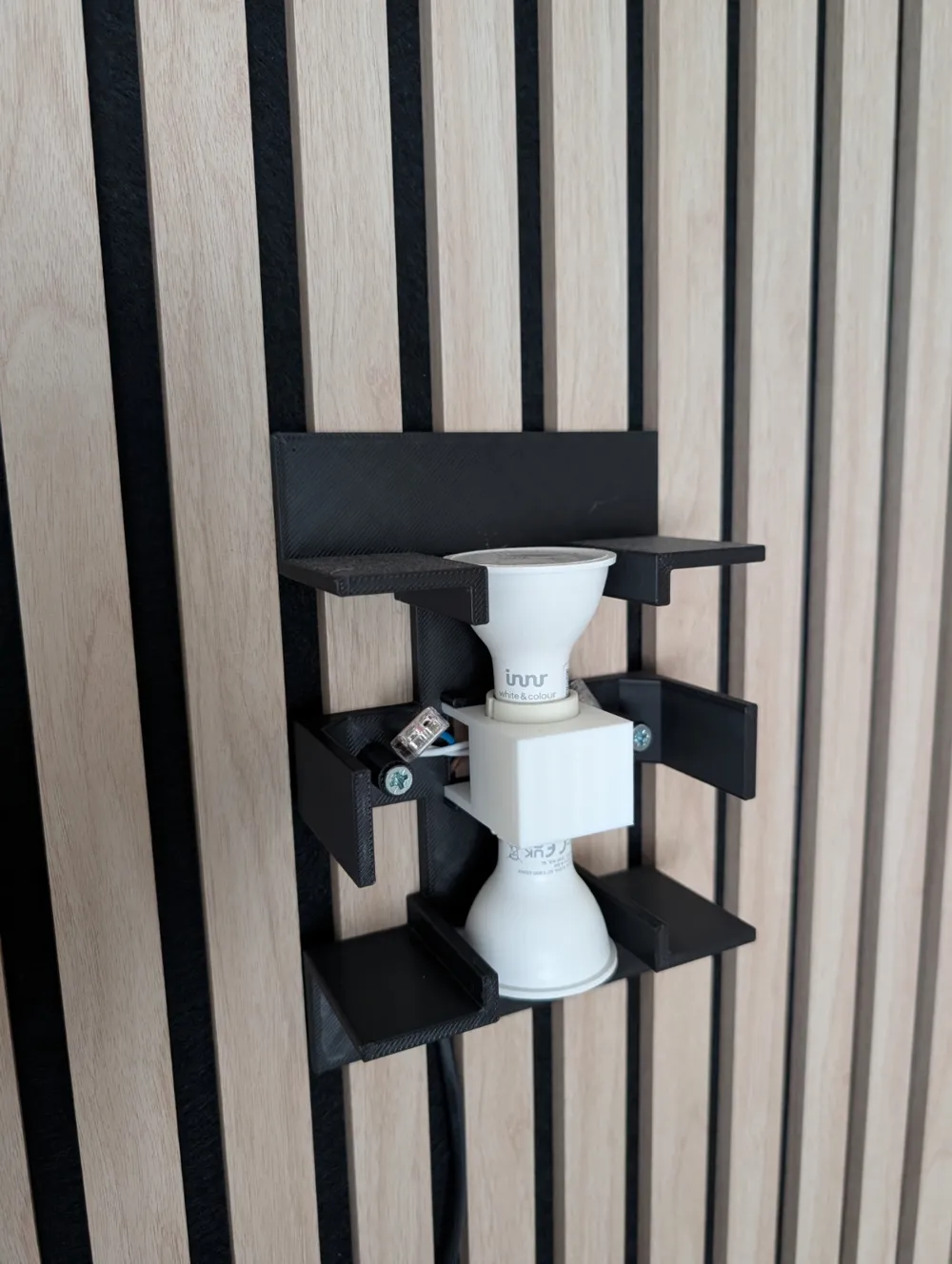
- 2x GU10 socket
- 1x power cable with plug on one side and only wires on the other
- 2x WAGO terminal connector
- 2x smart GU10 lamp (in my case "innr Zigbee GU10 Smart LED Spot")
- 1x superglue
- 2x screws (size 6x30)
Instructions
1.
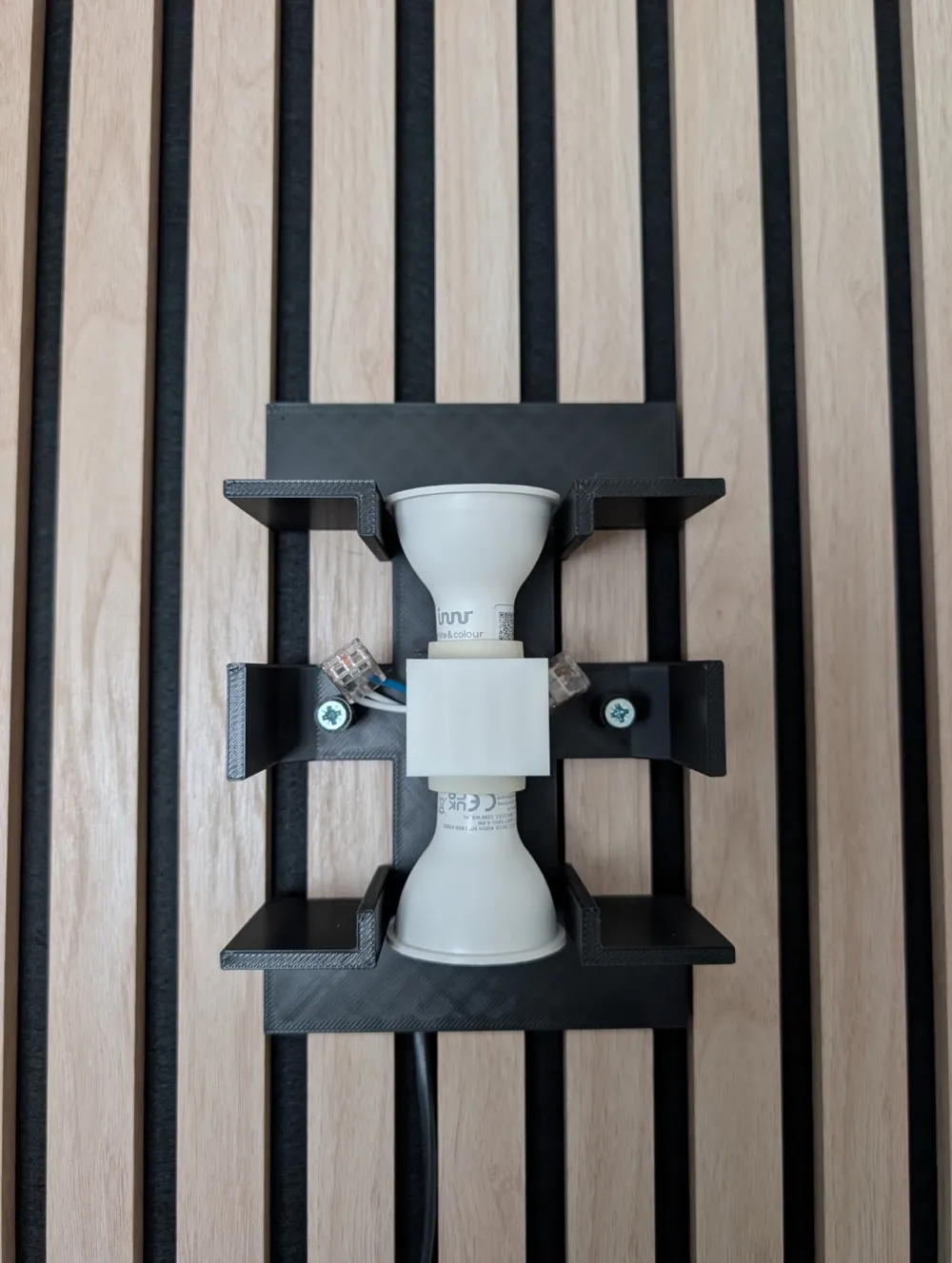
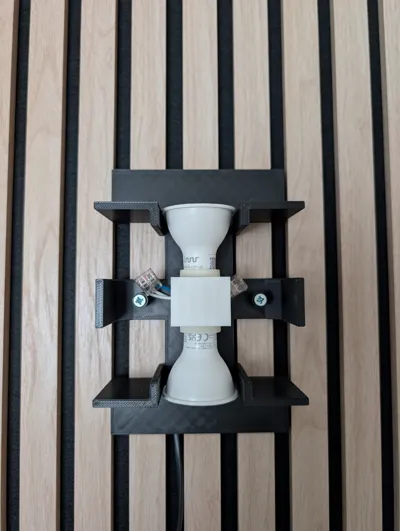
First, the GU10 socket will be printed. Both GU10 bulbs are inserted there. In my case, there were significant differences in the diameter of the sockets. The cables are threaded through the pre-made hole and connected with the WAGO terminal connectors (Pay attention to the correct wiring!!).
2.
Once this step is completed, the wall mount is printed. The GU10 holder is now glued into the wall mount using superglue. Once the glue has dried, the power cable is also connected to the WAGO terminal connectors, and the mount is screwed to the wall.
3.
Now screw the GU10 bulbs into the sockets. Finally, the lampshade is printed and simply slid onto the wall mount. In my case, it holds well to the mount due to friction.
Disclaimer:
The use of these instructions is at your own risk. I assume no liability for property damage or personal injury resulting from the replication or operation of the lamp.
Important Safety Note:
Work on electrical installations (230V) in Germany may only be carried out by qualified electricians. Pay attention to compliance with VDE regulations and use only CE-certified components.
License

You may create derivative works based on this object, provided that all such derivative works are published exclusively on the MakerWorld platform and include proper attribution to the original creator. You may not share, upload, host, distribute, or publish this object—or any derivative work of this object—on any other digital platform, marketplace, or distribution channel. Commercial use of this object and any derivative works is strictly prohibited. This includes, but is not limited to, selling, renting, sublicensing, or using the object in any context in which you receive monetary compensation or other financial benefits.


Comment & Rating (26)