
DIY Case for XL4016 Li-Ion Adjustable Power Supply
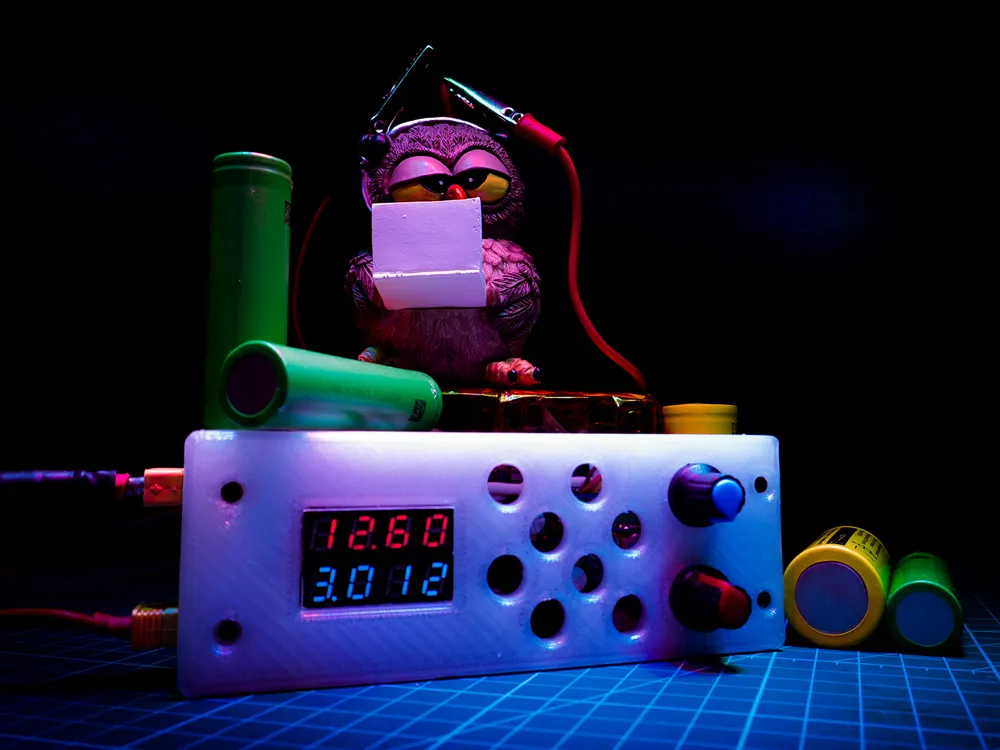
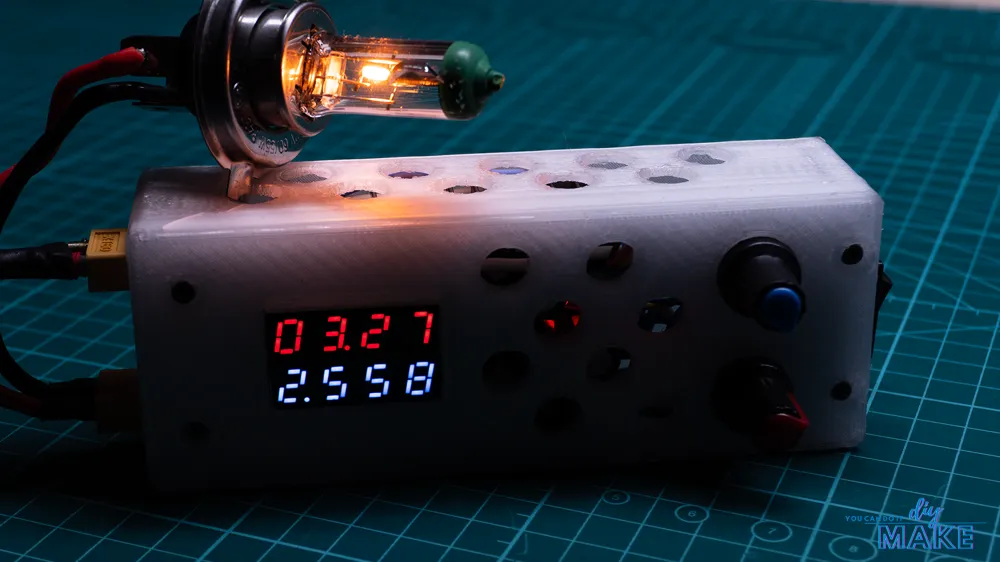
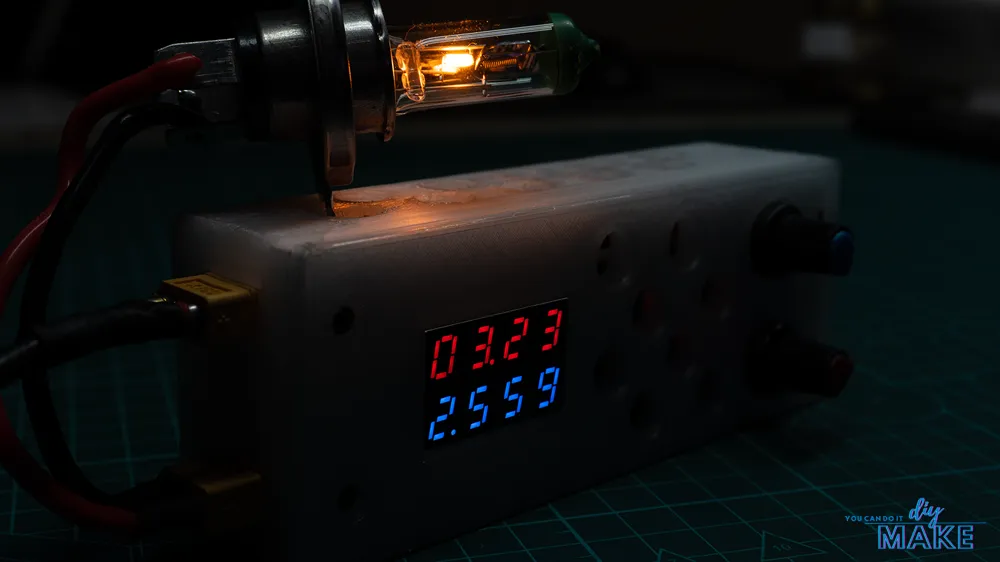
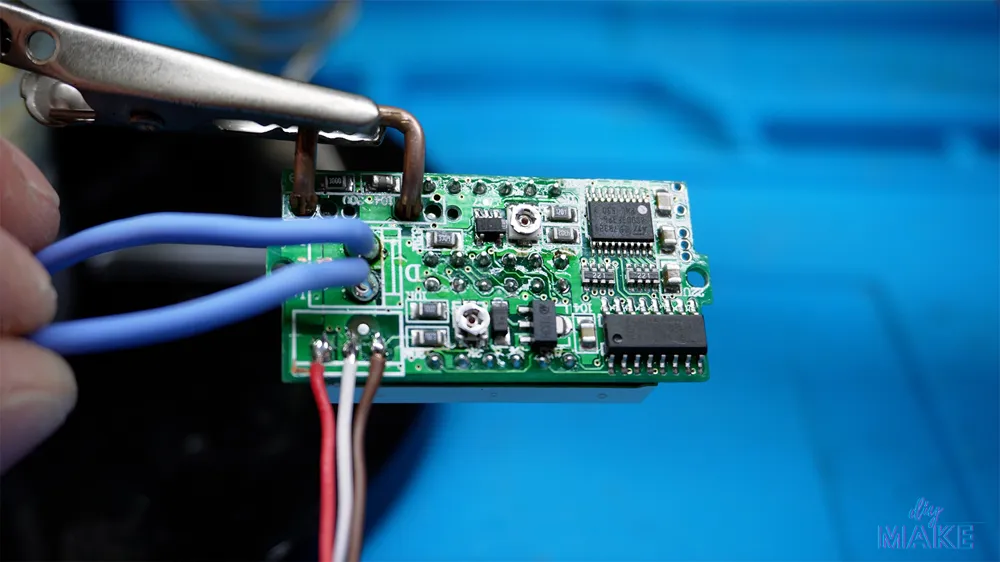
Print Profile(1)

Description
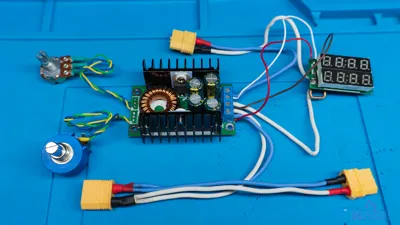
XL4016 Adjustable Power Supply & Li-Ion Charger 200W - 300W
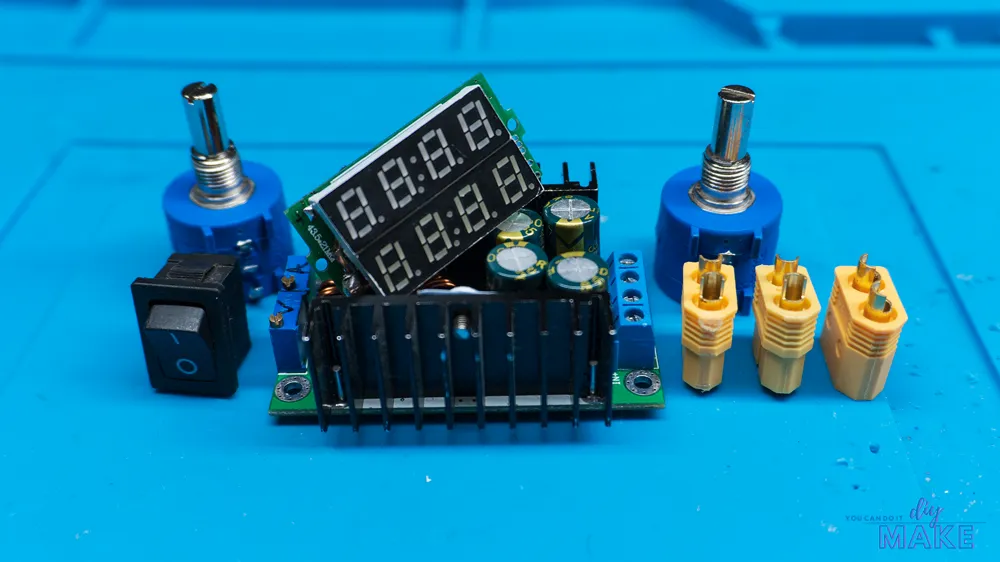
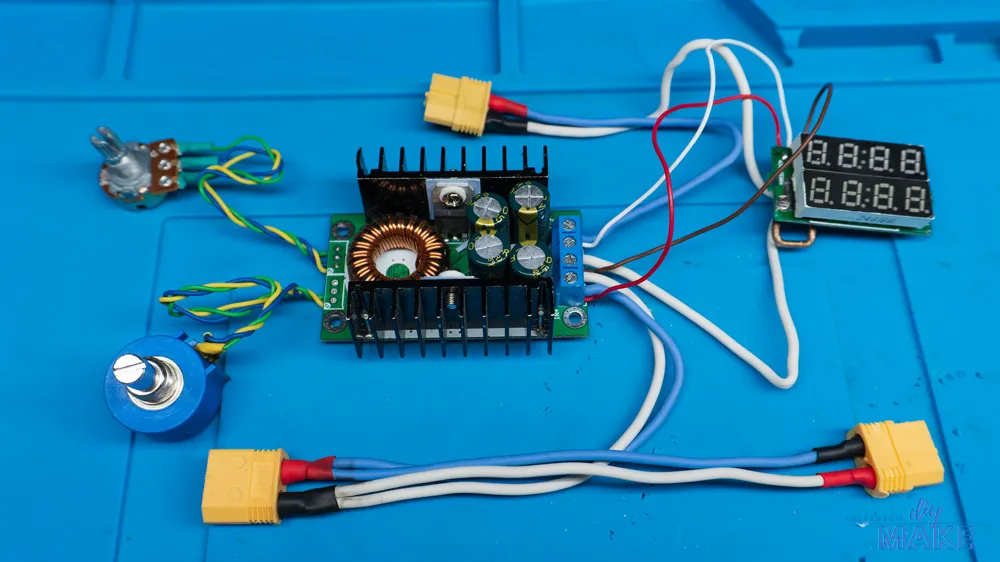
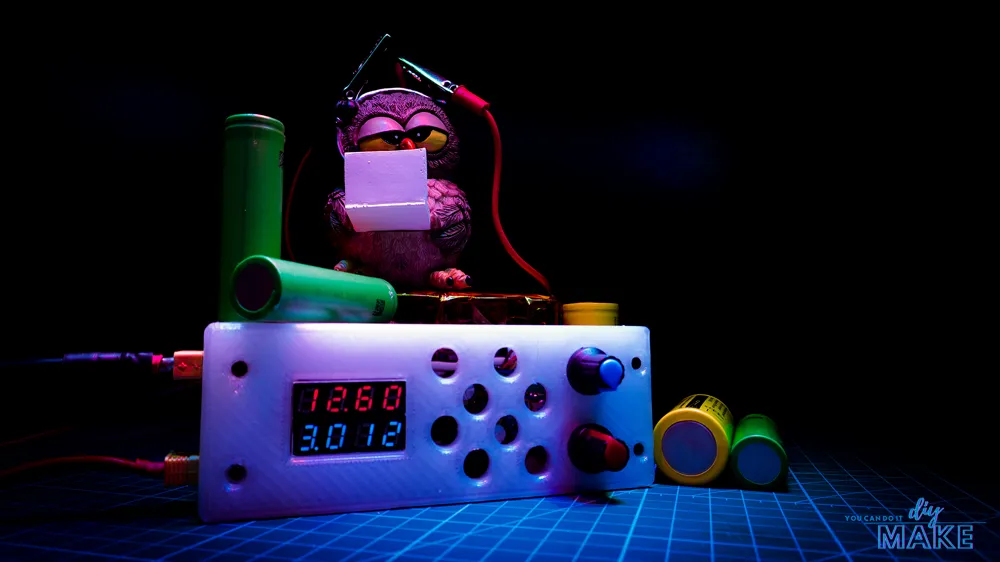
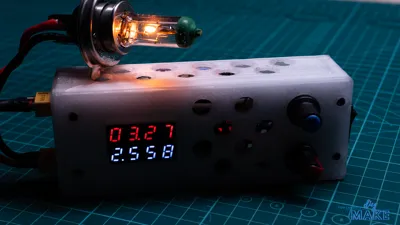
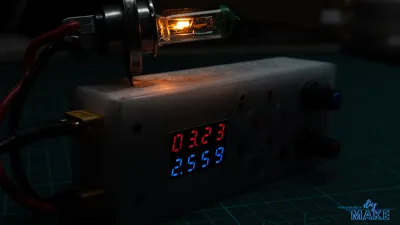
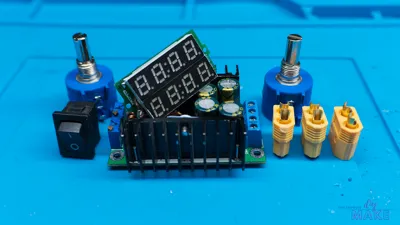
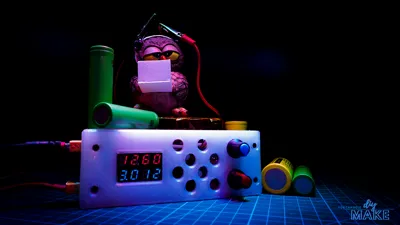
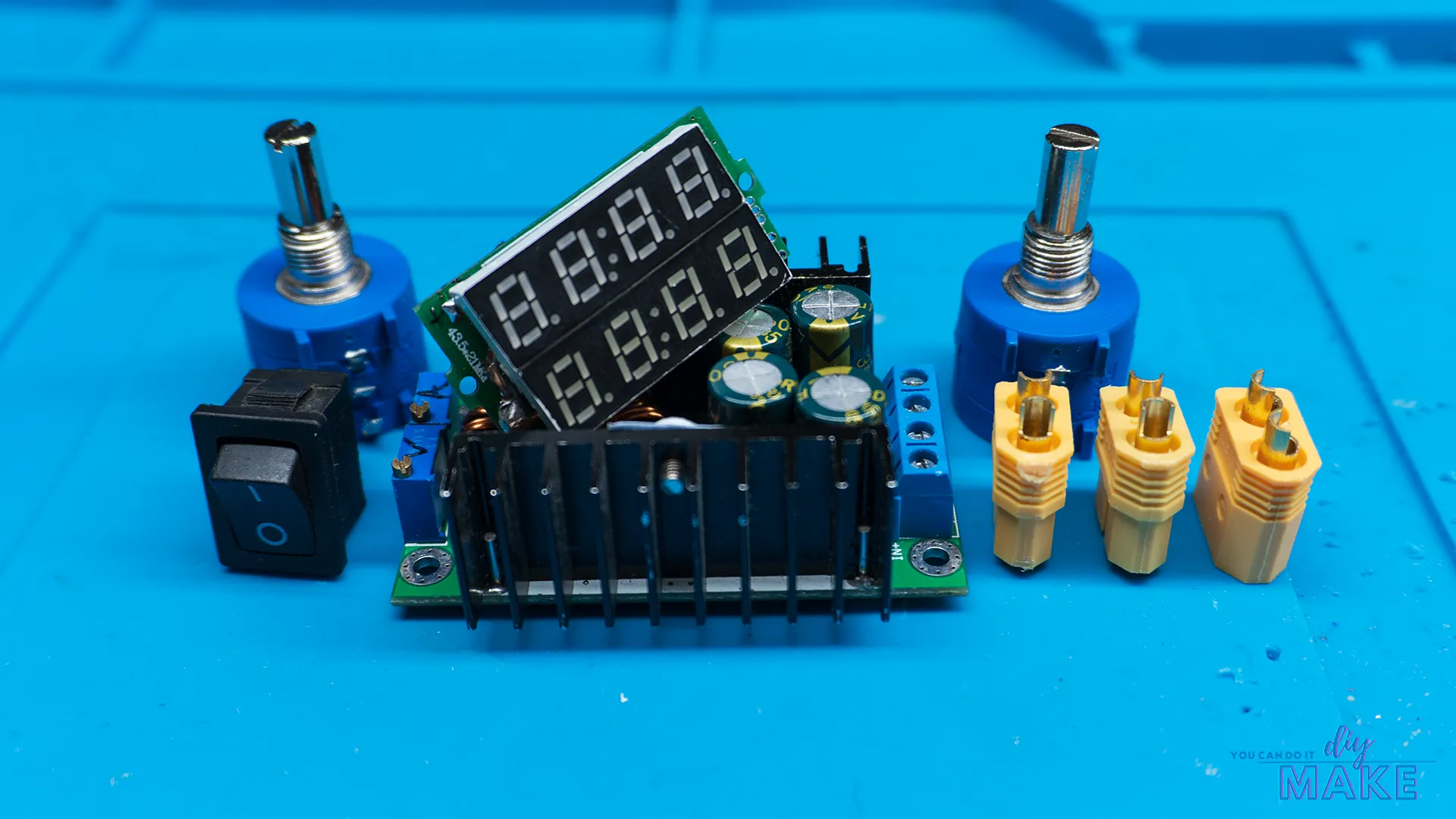
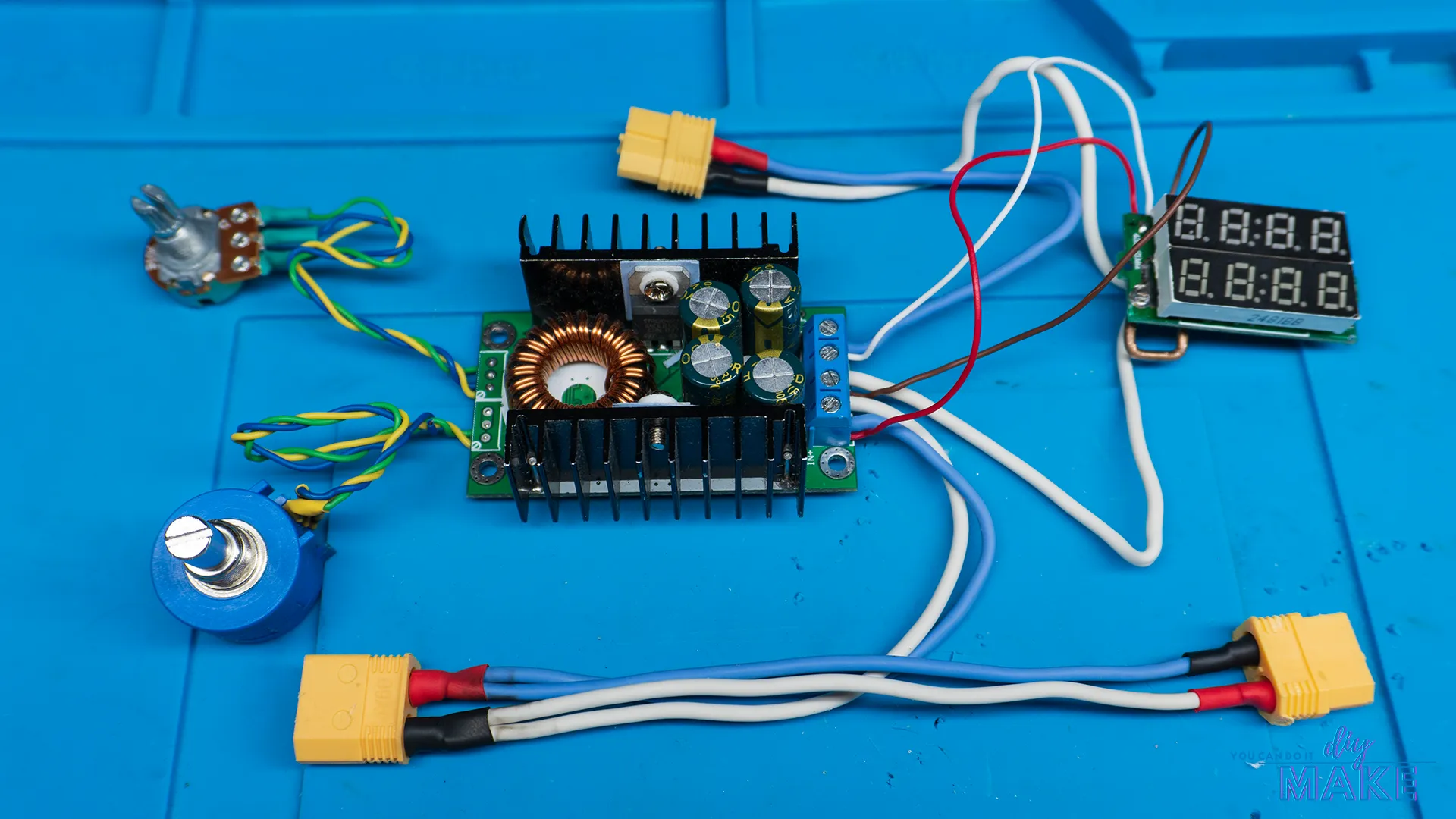
This project is a DIY mini digital adjustable power supply and battery charger based on the XL4015 DC-DC buck converter, designed for makers, electronics enthusiasts, and lab use. The enclosure is optimized for 3D printing and provides a clean, practical, and safe way to use the XL4016 module.
Boost Me (for free)
If you want more projects like this, don’t forget to leave a like and press the “Boost me button"
Thanks for your support!
SPECIFICATIONS AND FEATURES
Voltage
- Input voltage: 5 V to 40 V DC
- Output voltage: 1.25 V to 36 V DC (adjustable via potentiometer)
Current
- Maximum output current: up to 9 A (adjustable via potentiometer)
- No-load current consumption: 25 mA (typical)
Power and Efficiency
- Conversion efficiency: up to 95–96% (depending on voltage and current settings)
- Power dissipation: up to 200 W
- Maximum output power: up to 300 W
Electrical Parameters
- Switching frequency: 180 kHz (constant)
- Ripple: maximum 2% (measured with 20 MHz bandwidth)
Physical Characteristics
- Operating temperature: −55 °C to +150 °C
- Dimensions: 65 mm × 48 mm × 24 mm
MODULE DESCRIPTION
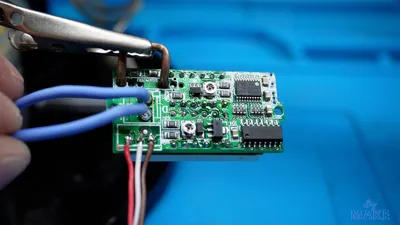
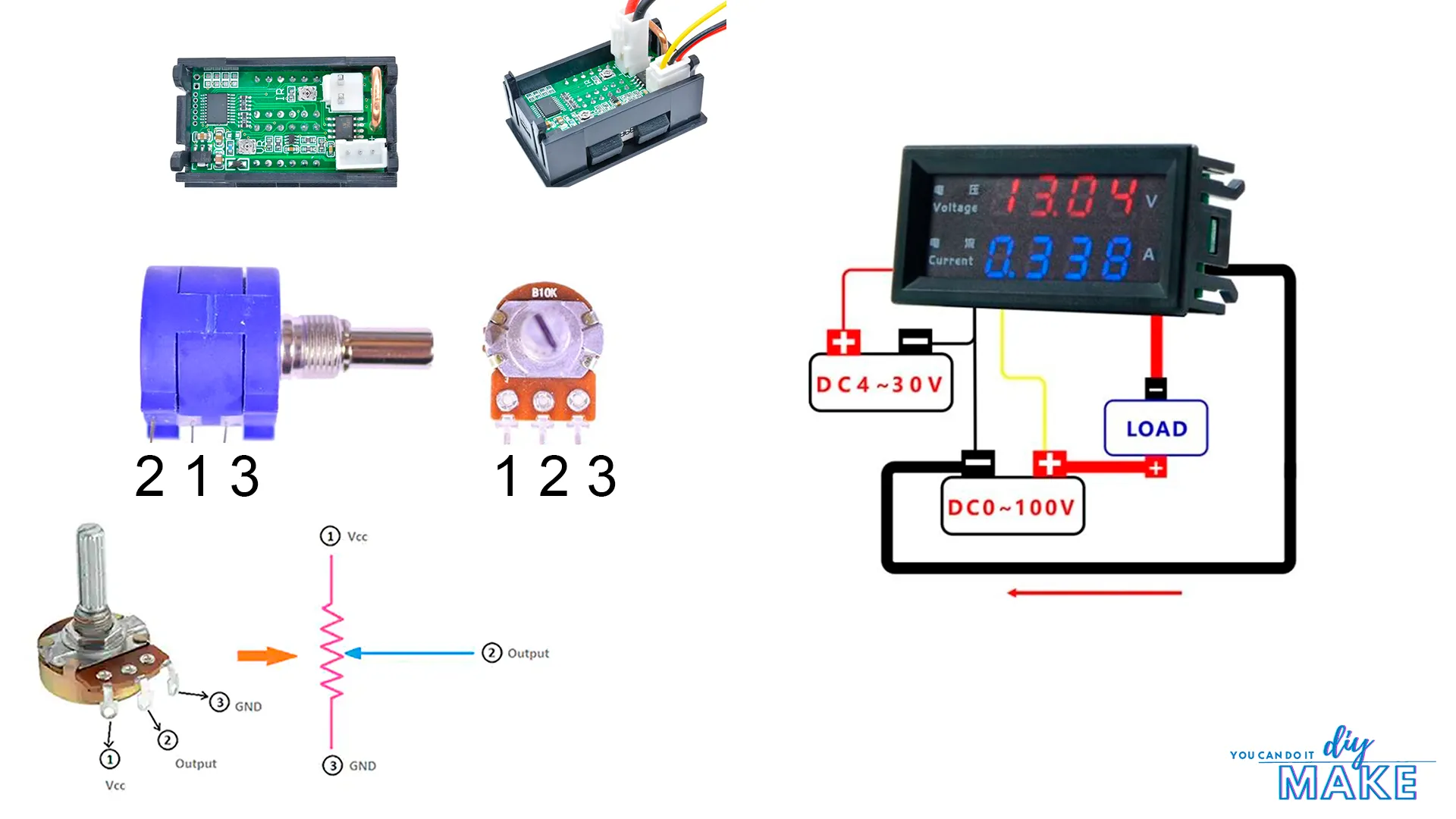
This module is a buck (step-down) voltage regulator, meaning it reduces the output voltage using one of the onboard adjustment potentiometers. To ensure proper operation, the input voltage must always be higher than the output voltage; otherwise, efficiency and performance will be significantly reduced.
In addition, the module allows output current limiting via the second onboard potentiometer, making it especially suitable for battery charging applications and circuit protection.
IMPORTANT COOLING NOTE
Useful tip: When operating this module at output currents above 6 A, an external cooling solution such as a fan or heatsink is required. At high current levels, the module can reach temperatures that exceed the dissipation capability of its onboard components.
BATTERY CHARGING
Lithium-Ion Batteries (Li-Ion)
- Charging voltage:
Each cell must be charged between 4.2 V and 4.25 V.
For multi-cell packs, the voltage increases by 4.2 V per cell (4.2 V, 8.4 V, 12.6 V, 16.8 V, etc.). - Charging current:
- Standard batteries: up to 50% of their rated capacity (in amperes).
- High-performance batteries: up to 1C (e.g., a 2800 mAh battery may be charged at 2.8 A or less).
Lithium-Polymer Batteries (Li-Po)
Charging voltage:
Each cell must be charged at 4.2 V, following the same 4.2 V per-cell progression for multi-cell packs.
Charging current:
For standard batteries, the charging current should be equal to or lower than the battery capacity in amperes (e.g., a 3300 mAh battery should be charged at 3.3 A or less).
License

You shall not share, sub-license, sell, rent, host, transfer, or distribute in any way the digital or 3D printed versions of this object, nor any other derivative work of this object in its digital or physical format (including - but not limited to - remixes of this object, and hosting on other digital platforms). The objects may not be used without permission in any way whatsoever in which you charge money, or collect fees.


Comment & Rating (0)