
GASB ONE – World’s Most Printed RC Plane | x Bambu
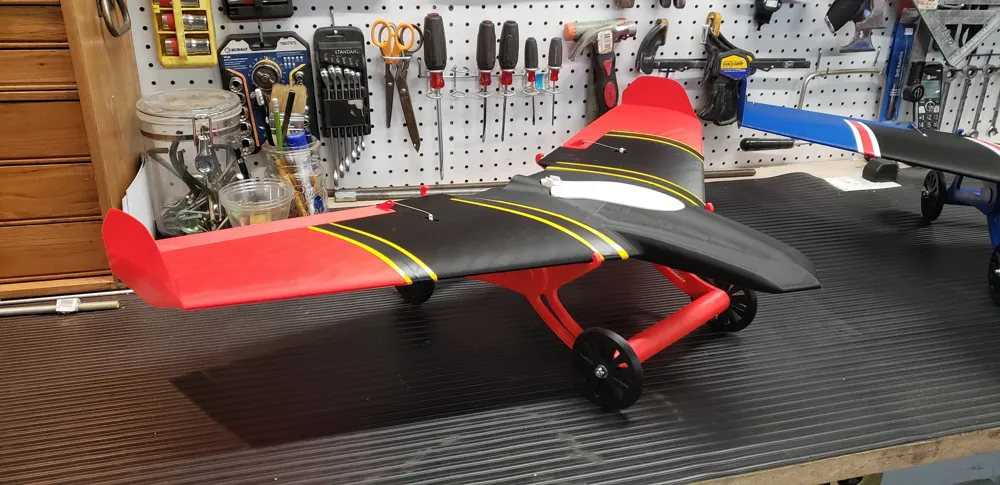
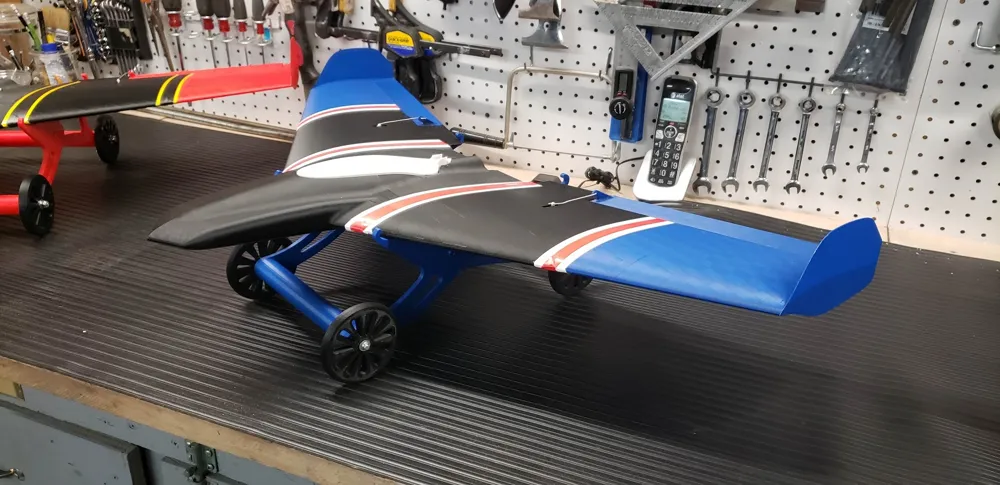
Print Profile(3)



Description
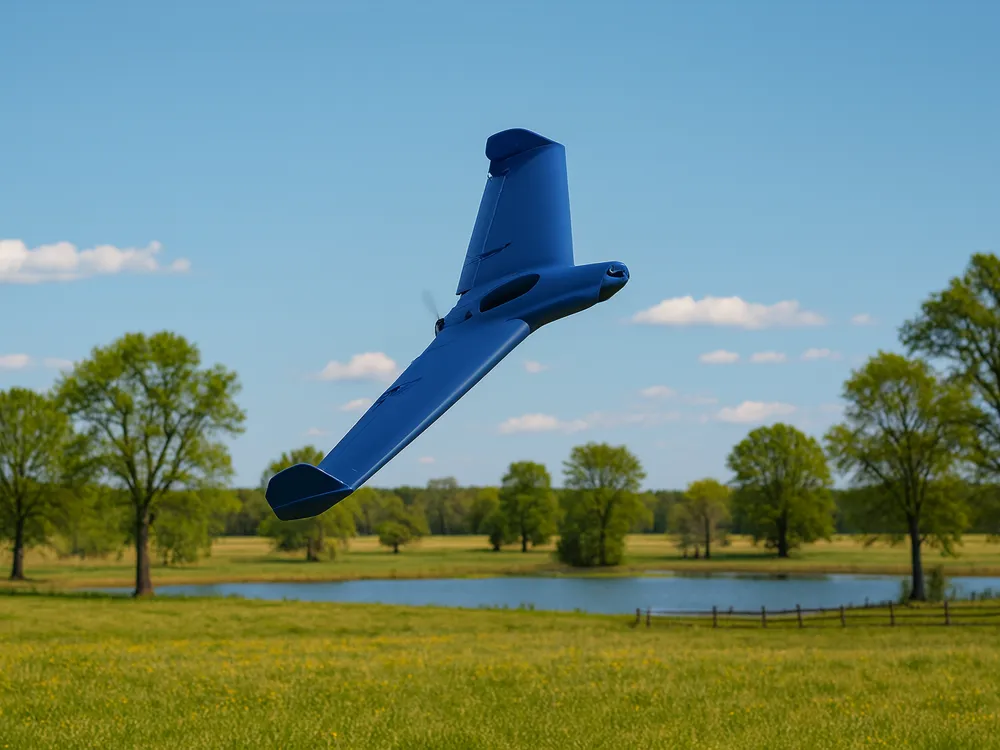
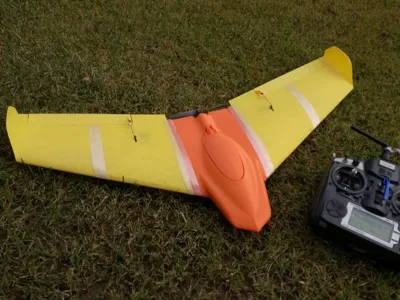
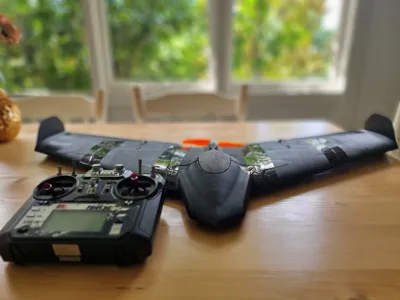
+✈️ GASB ONE – The Most Printed RC Plane in the World
Now fully optimized for Bambu Lab printers 🚀
Finally, GASB ONE lands on MakerWorld!
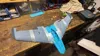
With optimized print parameters specifically tuned for Bambu Lab printers, the most printed RC plane in the world (with over 75,000 downloads) is now even easier to print, assemble, and fly.
If you’re looking for a reliable, cheap, fast-to-print, and beginner-friendly RC plane, GASB ONE is the perfect choice.
🎥 Videos
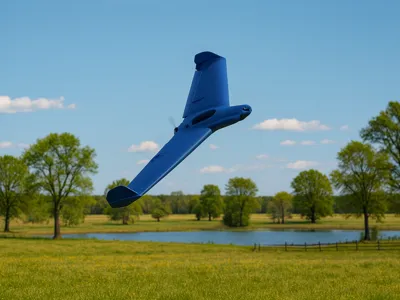
This is one of the very first GASB ONE flight videos, from about 9 years ago. Since then, two modifications have been made to improve flight control and robustness. Since then, it has been downloaded by over 75,000 people (source:  ) and thousands of units have been printed, as demonstrated in videos posted on
🌍 Why GASB ONE?
- Over 75,000 downloads worldwide
- The most printed RC plane ever
- One of the easiest printable flying wings
- Perfect for beginners and experienced pilots
- Easy to repair in case of crash
0ne of the most popular and viral videos about the GASB ONE (even if the author does not mention the name of the model) anyway well made and funny video
📐 Technical Overview
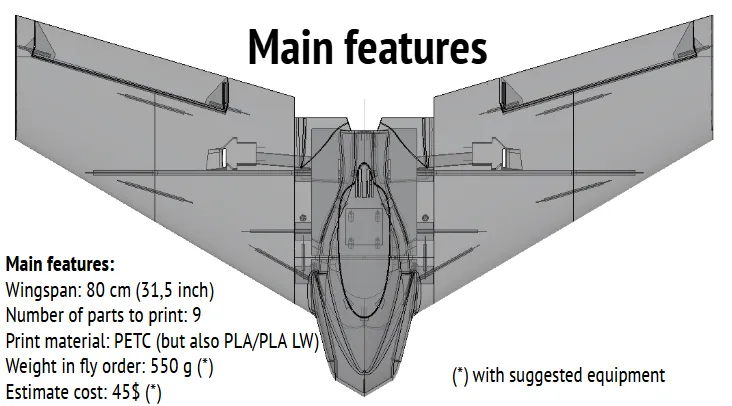
- Wingspan: 80 cm (31.5 inches)
- Printer size required: All parts fit standard printers (min. 190 × 190 × 160 mm)
- Number of parts: Only 9 pieces / 9 plate
- Material: ~498 g of PETG (also PLA works fine)
- Assembly:
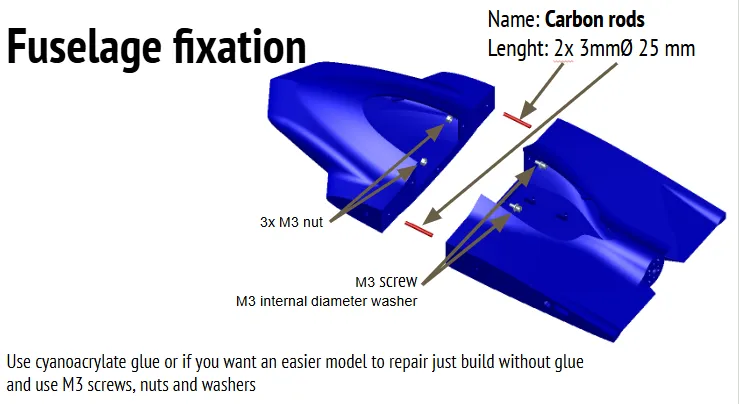
- No glue required (You can also use glue if you want a better aesthetic result, but in case of a crash the damage will be more extensive)
- Easy assembly, disassembly, and repair
- Printing: Fast and simple with printer profile optimized for Bambu Lab printer you don't have change nothing !!!
- Flight characteristics: Stable, forgiving, and fun to fly
🧠 Design Philosophy
The GASB ONE was designed to be:
- Cheap
- Easy to print
- Easy to repair
- Easy to fly
- Highly customizable
If something breaks, just reprint only the damaged part and you’re back in the air
🕰️ A Bit of History
- July 31st, 2016 – Padulle (Italy):
GASB ONE version 4 successfully flew after CG optimization (145 mm from the wing leading-edge junction).
Final flying weight: 334 g (ready to fly). - Version 5:
Improved thickness, infill, and magnetic canopy. Slightly heavier (358 g), but still a great flyer.
→ Over 10,000 downloads. - Version 6:
Introduction of 9g servos and internal wing structure to allow printing without infill. - Current Version 7 (this one):
A huge step forward, thanks to community feedback:- No glue required (You can also use glue if you want a better aesthetic result, but in case of a crash the damage will be more extensive)
- Fully disassemblable
- Solid wings for easier printing
- No magnets needed for the canopy
- Longer nose to make CG balancing easier
- Beginner-friendly and setup-flexible
🧾 Bill Of Material
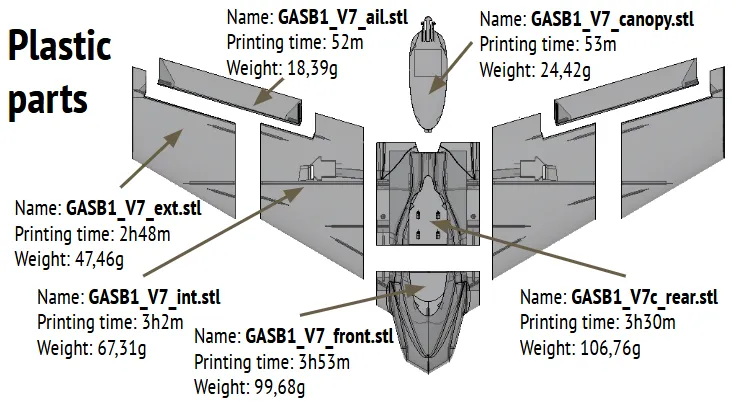
- Plastic part GASB1_V7_ext 47g PETG → 0,85 $
- Plastic part GASB1_V7_ext_L 47g PETG → 0,85 $
- Plastic part GASB1_V7_int 67g PETG → 1,20 $
- Plastic part GASB1_V7_int_L 67g PETG → 1,20 $
- Plastic part GASB1_V7_ail 18g PETG → 0,32 $
- Plastic part GASB1_V7_ail_L 18g PETG → 0,32 $
- Plastic part GASB1_V7C_rear 106g PETG → 1,90 $
- Plastic part GASB1_V7_front 99g PETG → 1,78 $
- Plastic part GASB1_V7_canopy 24g PETG → 0,43 $
- Motor BE1806 – 2300kv → 15 $
- ESC 30A with BEC → 15 $
- 2× 9g metal gear servos MG90S → 5,20 $
- 6×4 propeller → 2,20 $
- 1.2mm diameter 120mm steel wire for connection between servo and aileron → 2,00 $
- Fork for connection between servo and aileron → 2,00 $
- Medium cyanoacrylate glue → 7,00 $
- LiPo battery 3S 1500mA 45C → 8,00 $
- Set 3x 3x12 M3 screw, M3 nut and M3 washer → 0,50 $
- Turnigy three channel receiver → 5,50 $
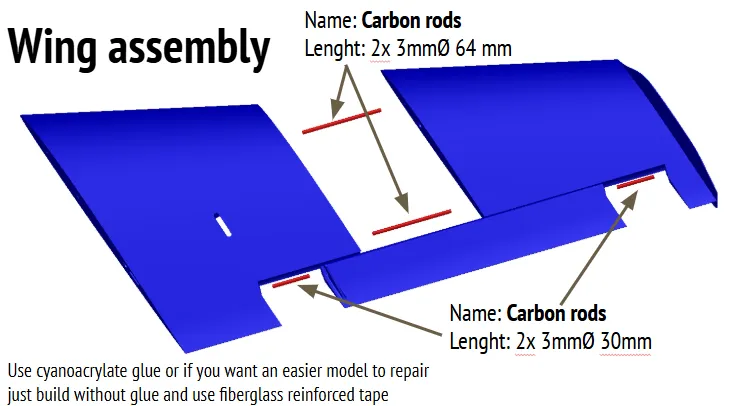
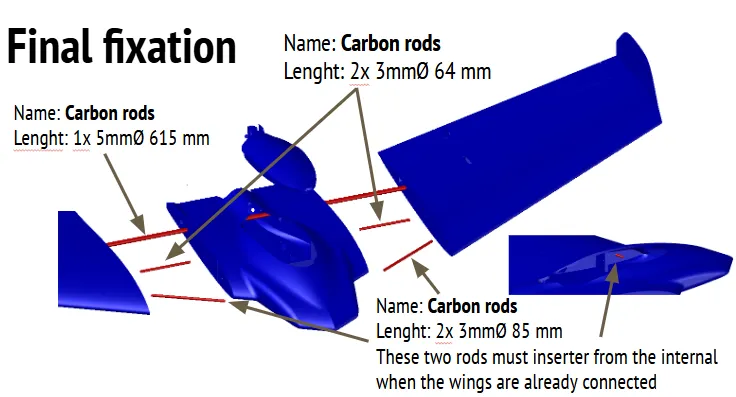
- 6x carbon rods 3x64mm between int. and ext. wings and between wings and fuselage
- 4x carbon rods 3x30mm on ailerons
- 2x carbon rods 3x25mm between front and rear
- 2x carbon rods 3x85mm between between wings and fuselage
- 1x carbon rods 5x615mm to be used as a bayonet
📐 Assembly
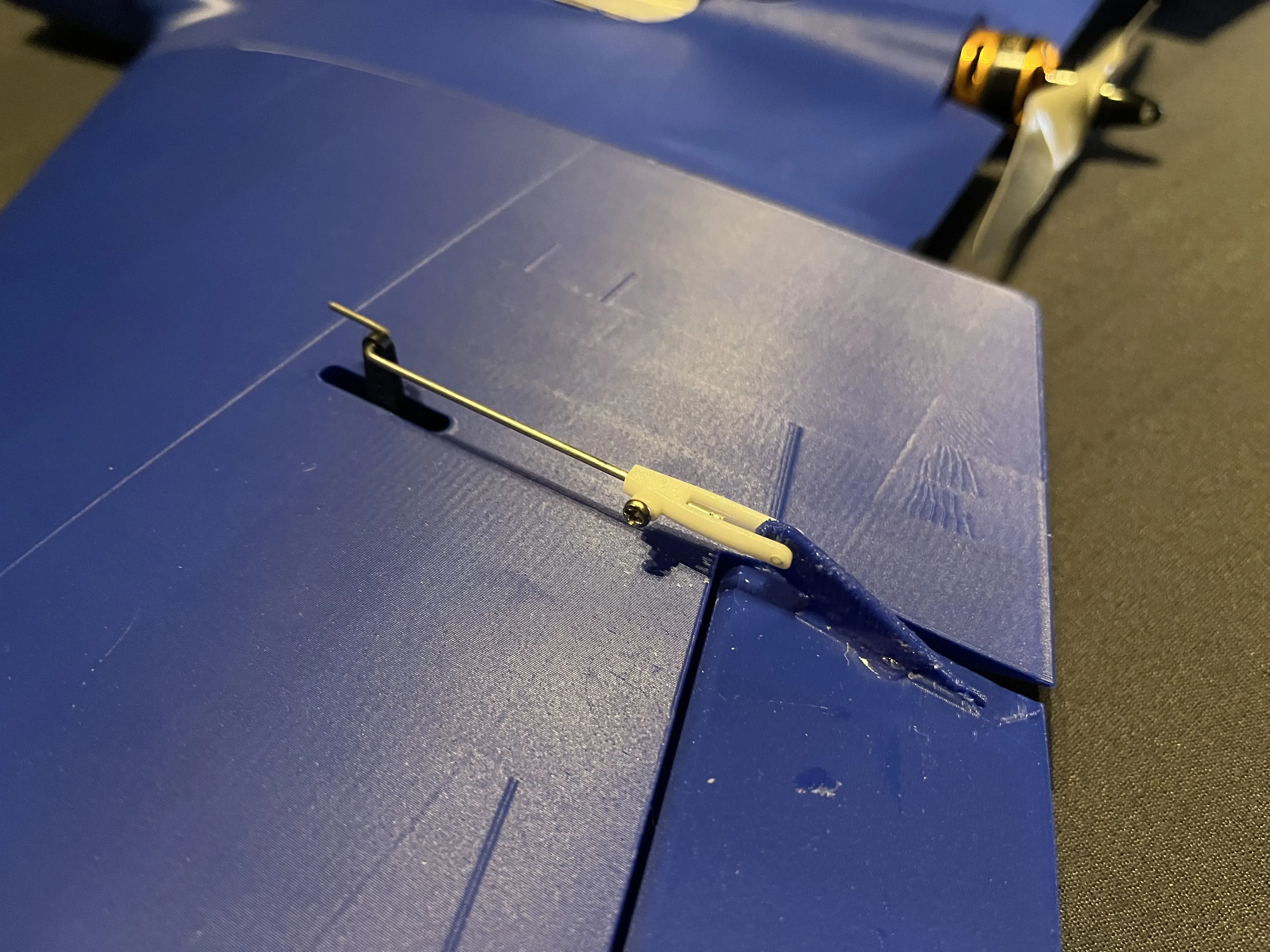

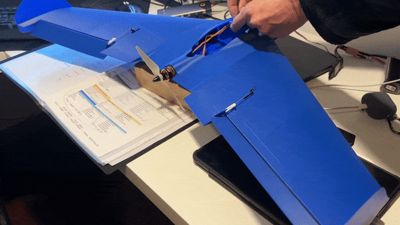
This photo shows how the servo is connected to the aileron. A 1mm diameter steel tube and a special servo clevis are used. The part of the aileron that connects to the servo clevis should be strengthened by applying a layer of cyanoacrylate glue.
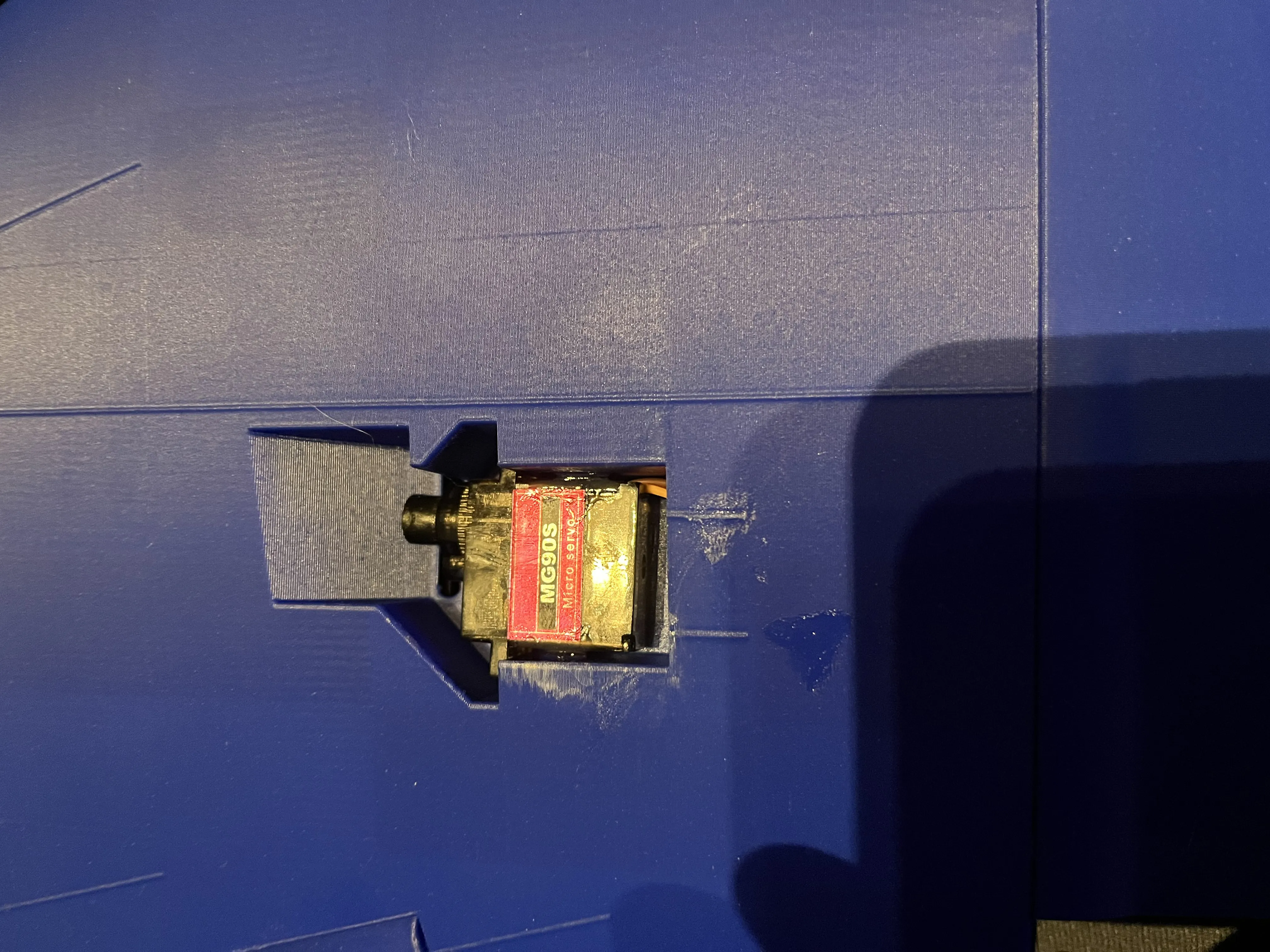
The servo, in its seat under the wing, must be glued with cyanoacrylate glue. It is important to use metal-gear servos. If you use cheaper plastic servos, moving the aileron by hand risks breaking the servo.
❤️ Support the Project
You can download GASB ONE completely for free.
If you like this model and want to support my work offering me a coffee, your help is truly appreciated and allows me to continue developing new, fully tested models available for free.
And please…
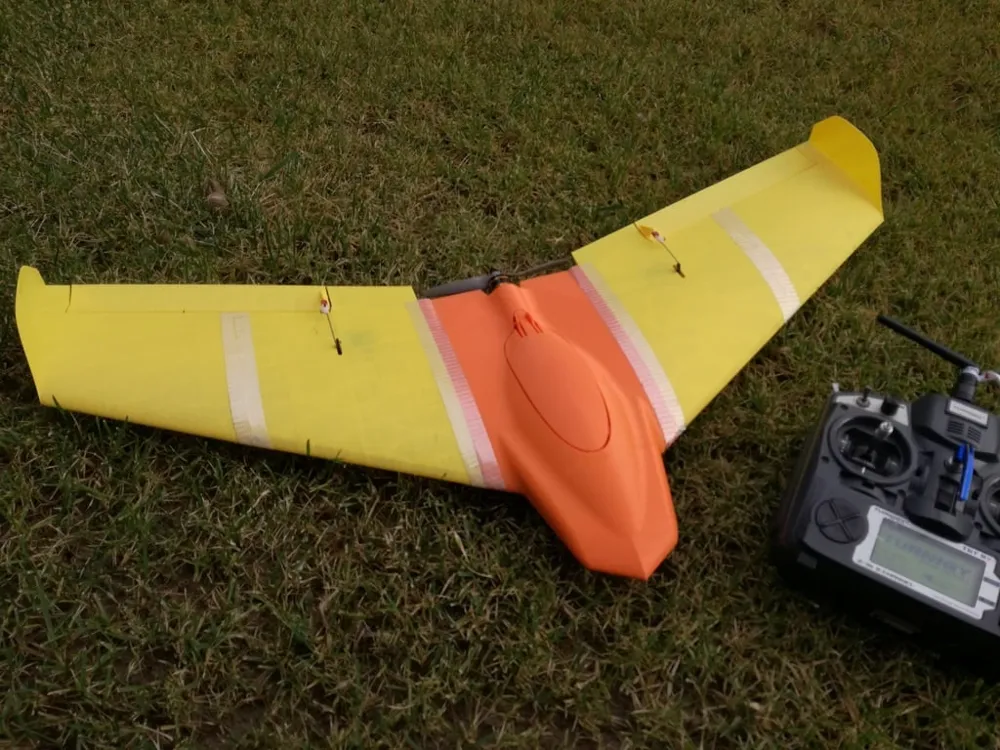
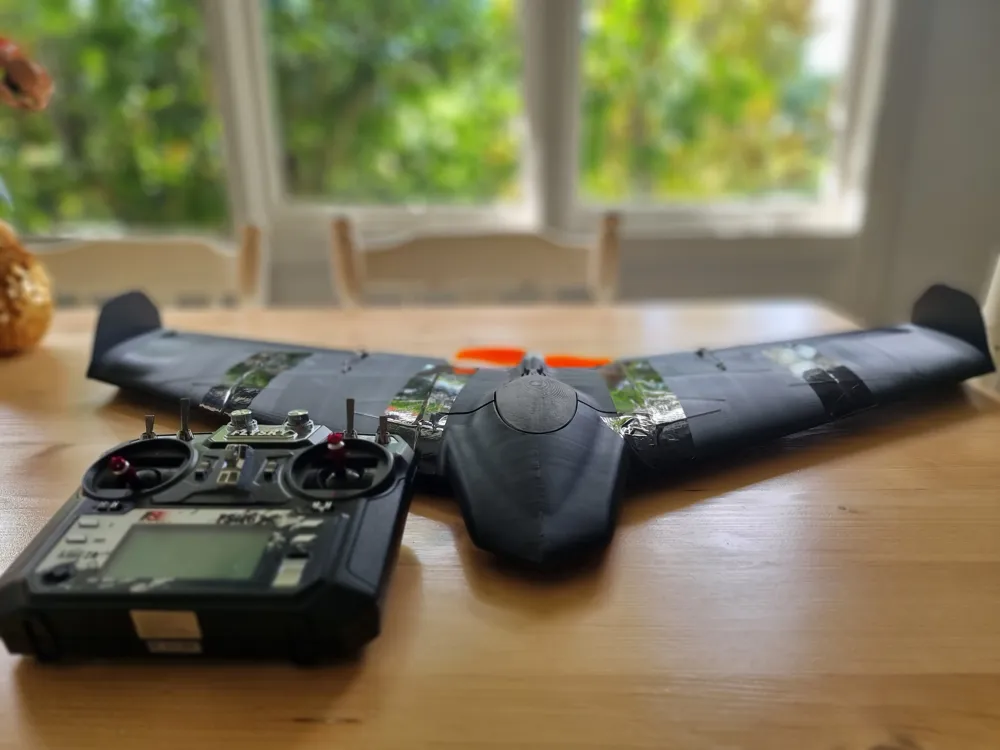
📸 Share photos of your print and your flights!
Seeing your GASB ONE in the air is the best reward.
If you like this model, please consider supporting me by liking or commenting, I will reply to everyone, if you are enthusiastic about my model, you can buy me a coffee, it will give me the energy to always design new models better

Your support will allow me to purchase material for the development of new projects, furthermore you will be able to access my repository with all my projects complete with detailed manuals and exclusive accessories only for my supporters
Boost Me (for free)
If you appreciate the time, passion, and dedication I put into creating free 3D models, please consider giving me a Boost — it’s the best way to support my work
License



Comment & Rating (311)