
Lion Sin of Pride
Print Profile(2)


Description
The Seven Deadly Sins — II · Pride
If Wrath was born when restraint failed,
Pride was born when humility was rejected.
Before Pride became a sin, it was certainty — the belief that order could be imposed, that strength justified command, and that leadership alone could prevent collapse.
This belief created a king.
Pride — The Gilded Sovereign
Once known as Aurelion, the lion was chosen to rule not through violence, but through authority. His presence ended conflict before it began. His voice carried finality. Where others argued, he decided. Where others doubted, he stood unshaken.
He did not need to prove himself.
He was right — and the world agreed.
Or so he believed.
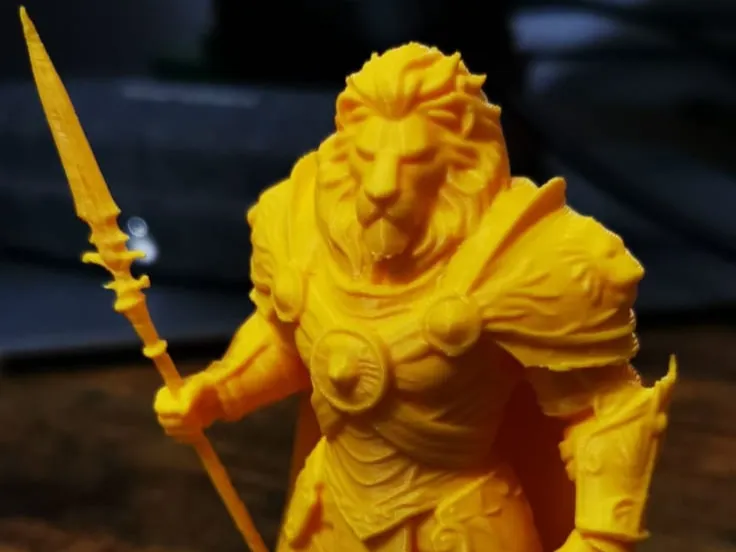
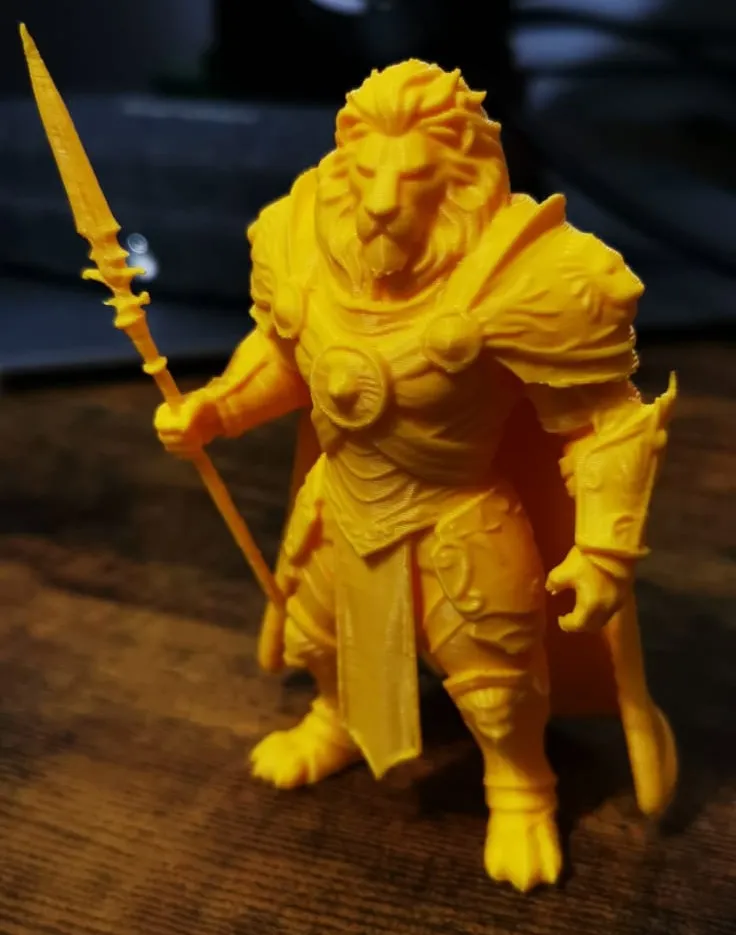
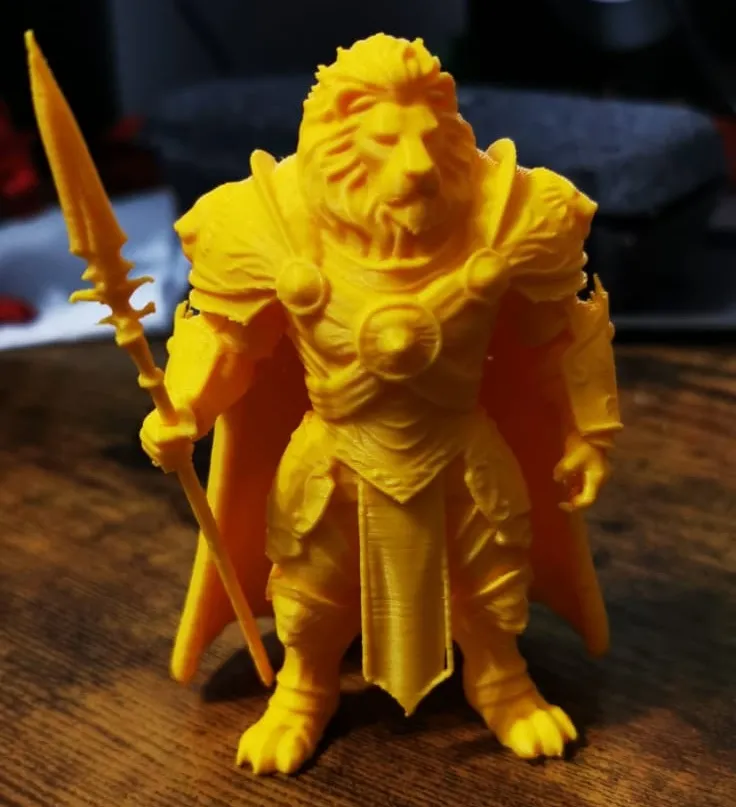
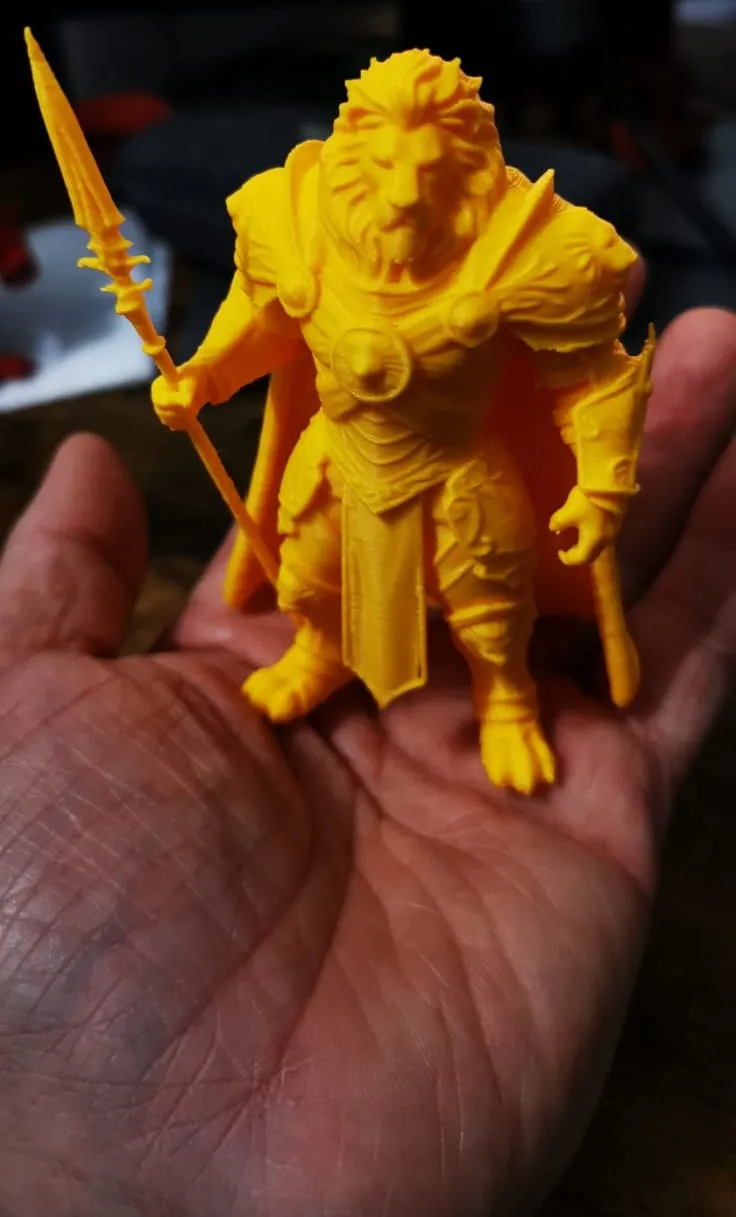
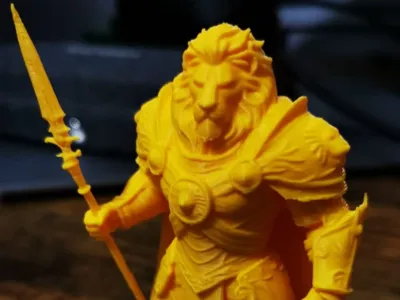
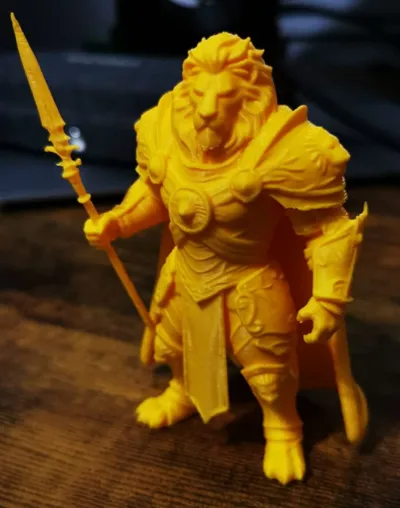
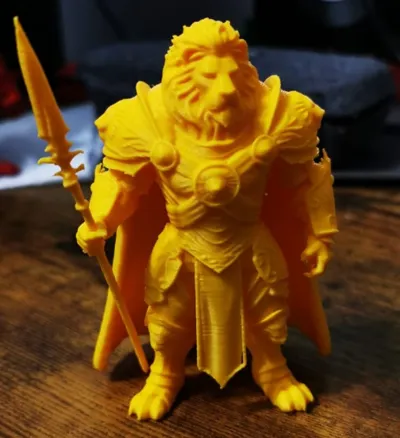
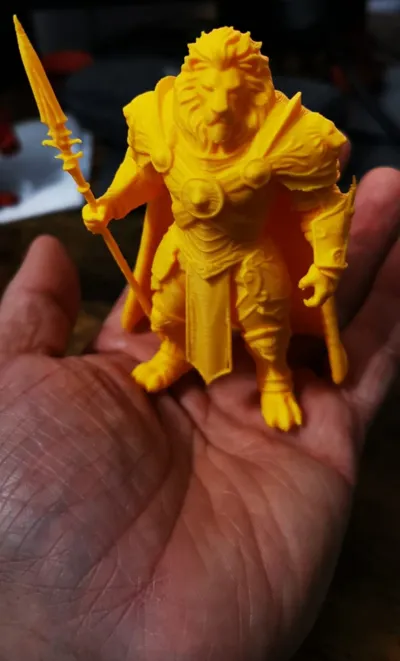
Aurelion ruled from elevation, both literal and symbolic. He wore no crown, for he saw no need to mark what was already obvious. His halberd was not a weapon of war, but a symbol of rank — held upright, immaculate, untouched by desperation or blood. It existed not to strike, but to remind others of distance.
Over time, Pride stopped listening.
Advice became noise. Counsel became insult. Questioning his judgment was no longer disagreement — it was defiance. Aurelion did not rage. He did not threaten. He simply ceased to acknowledge anything that did not align with his will.
Gold crept across his form, not as ornament, but as manifestation. His mane hardened into a mantle. His body became a monument — polished, flawless, untouchable. He no longer ruled for order. He ruled because he believed rule was proof of worth.
When the first rebellion rose, he did not crush it.
He ignored it.
And in that silence, it grew.
Now known only as Pride, the Gilded Sovereign does not stride forward — he stands unmoving. His gaze is judgment. His presence an unspoken command. The halberd rests beside him, pristine, vertical, ceremonial — a reminder that he has never needed to swing it.
Among the Seven, others burn, scheme, seduce, envy, consume, or decay — but Pride stands apart, elevated, convinced of his own permanence.
Wrath ends conflict with force.
Pride creates conflict by refusing to see it.
And when Pride finally falls,
it is never because he was weak —
but because he believed himself unquestionable.
Series Note
Pride follows Wrath because arrogance often survives destruction. Where Wrath clears the ground, Pride builds monuments to itself — and mistakes them for stability.
Together, they form the foundation of the Seven:
- One that ends
- One that refuses to change
License



Comment & Rating (2)