
3D Model of Automotive Constant Velocity Joint
Print Profile(1)

Description
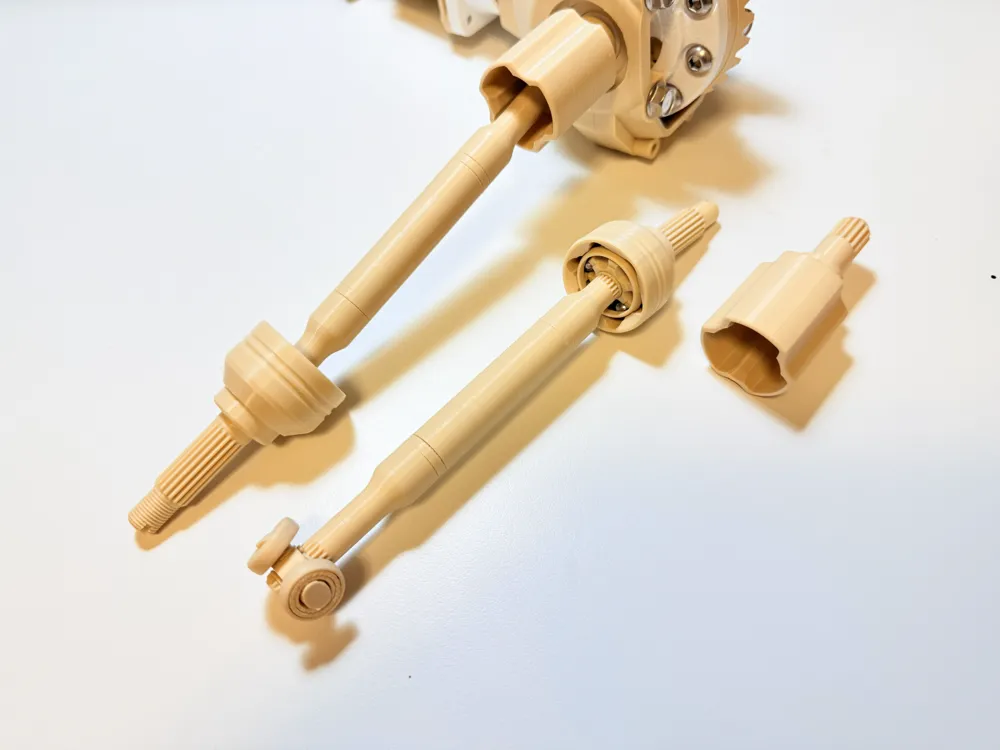

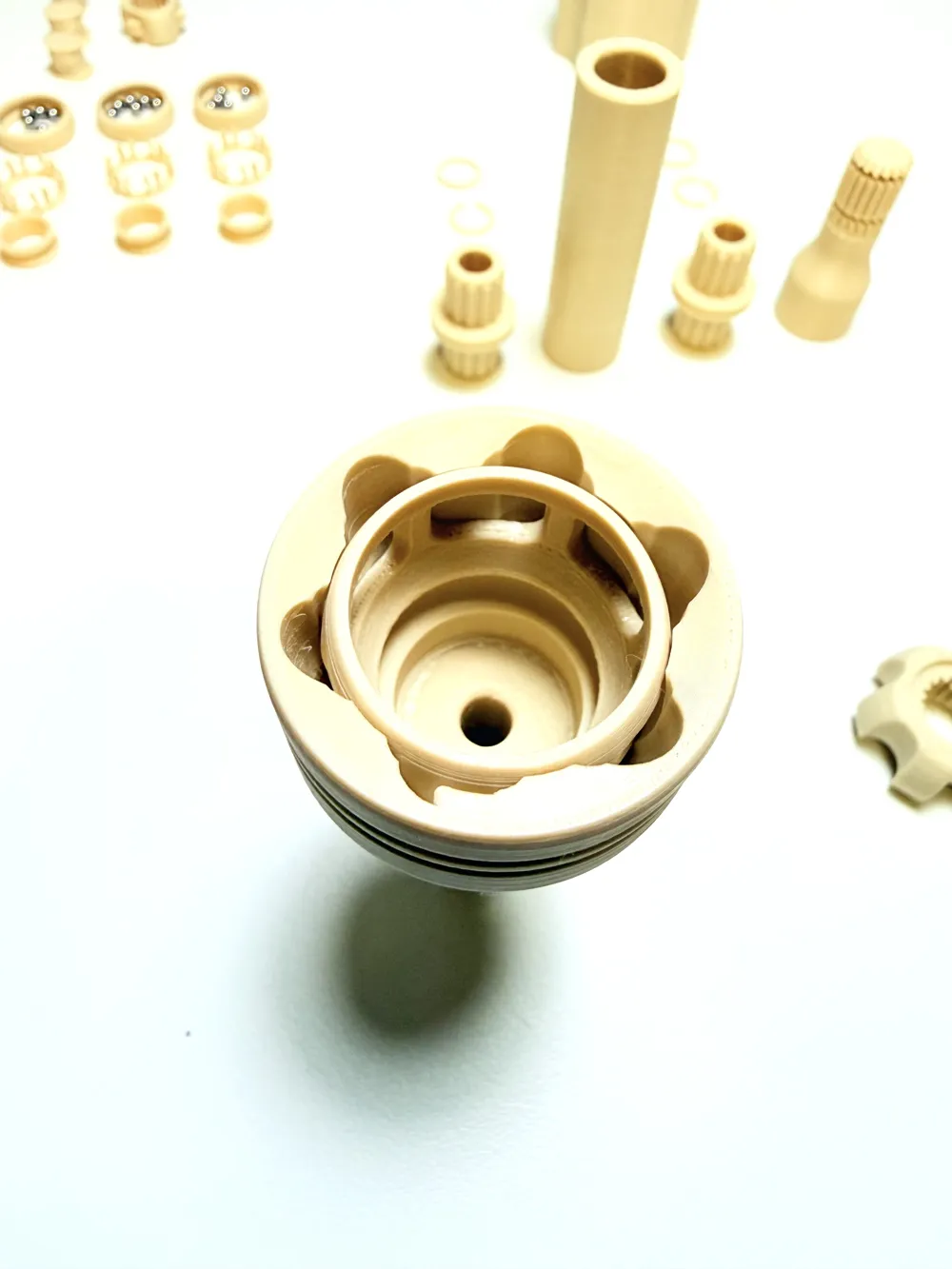
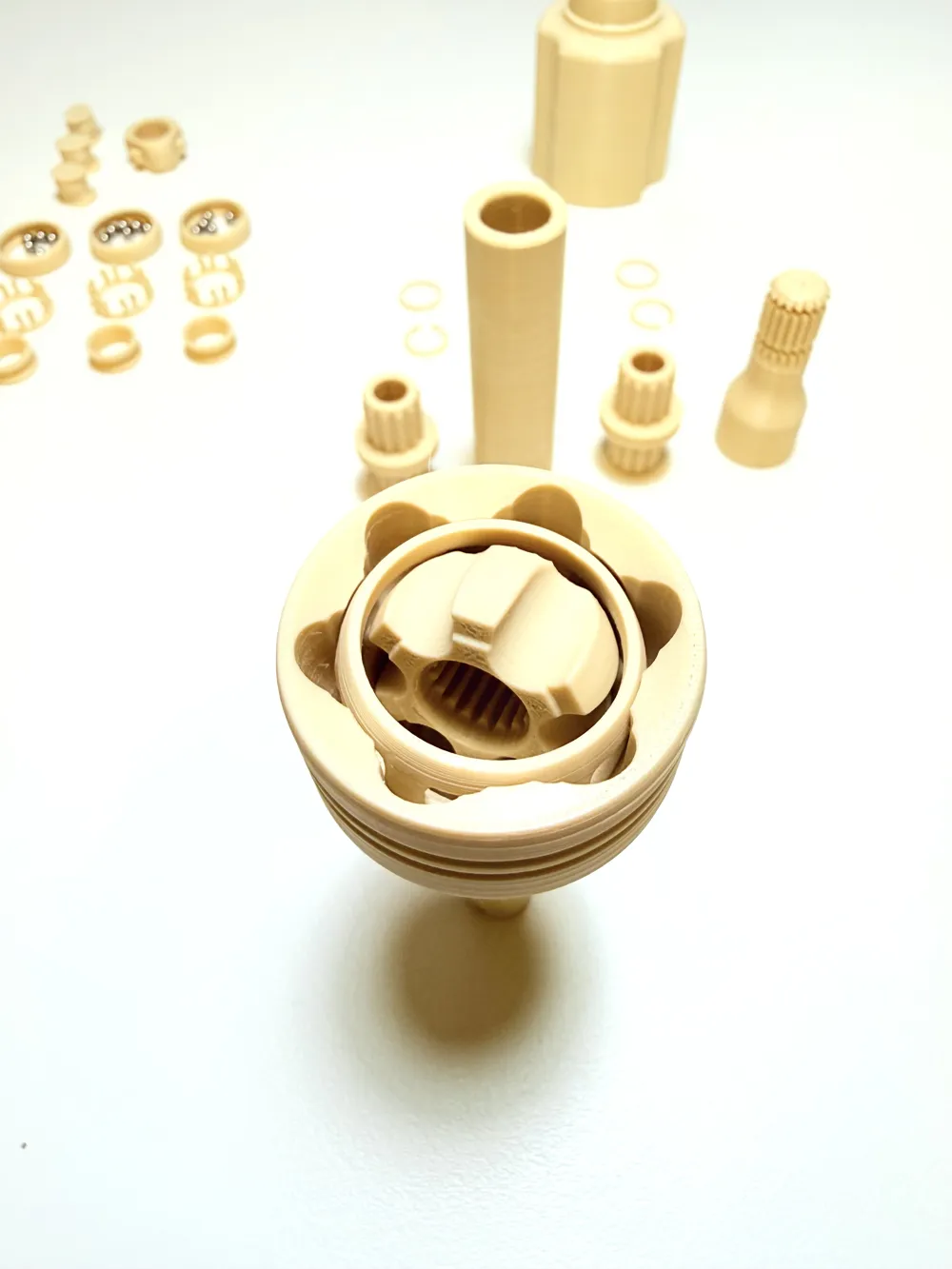
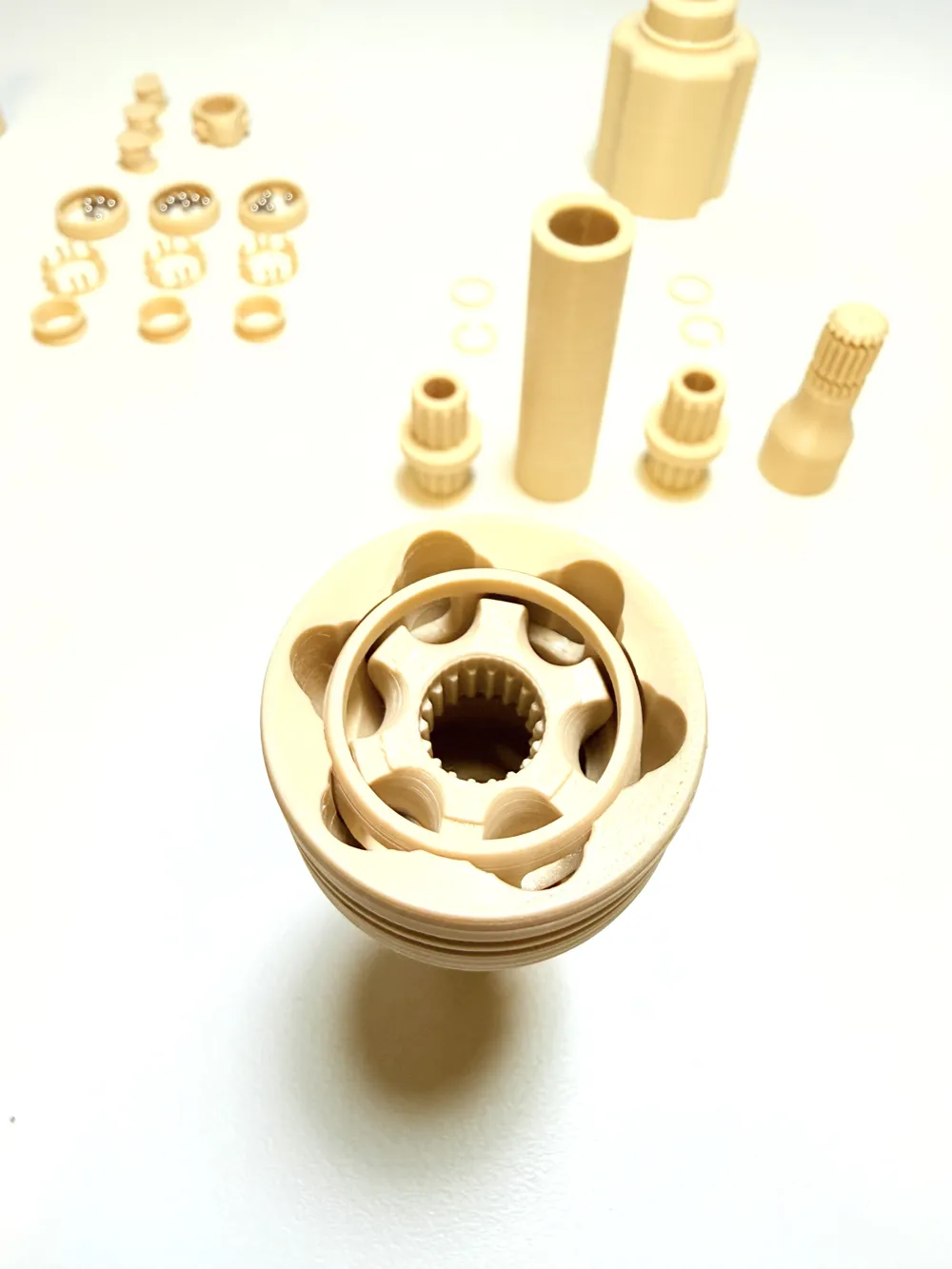
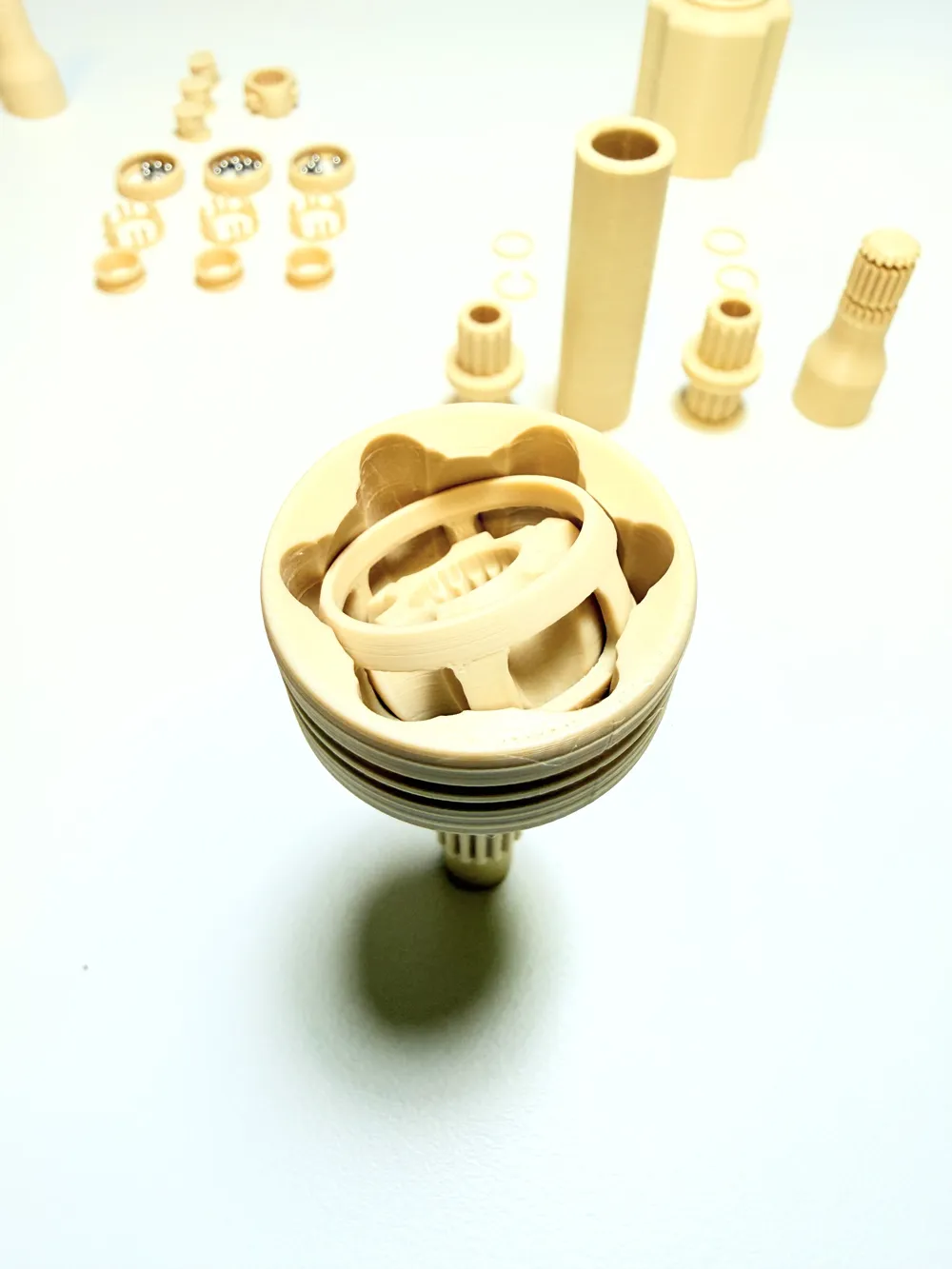
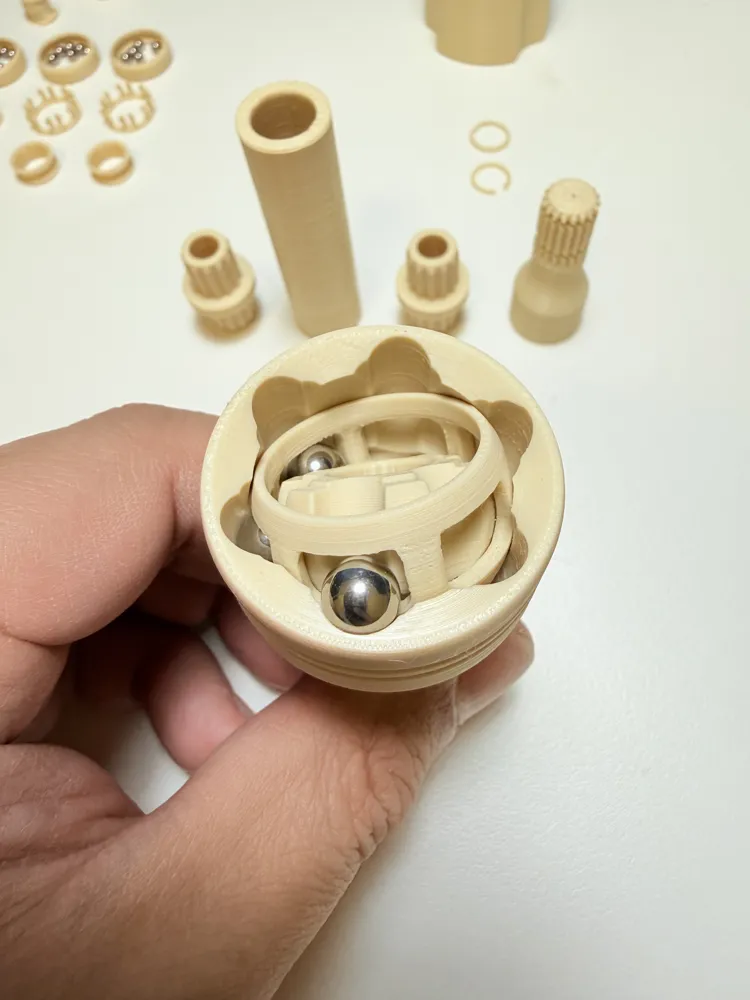
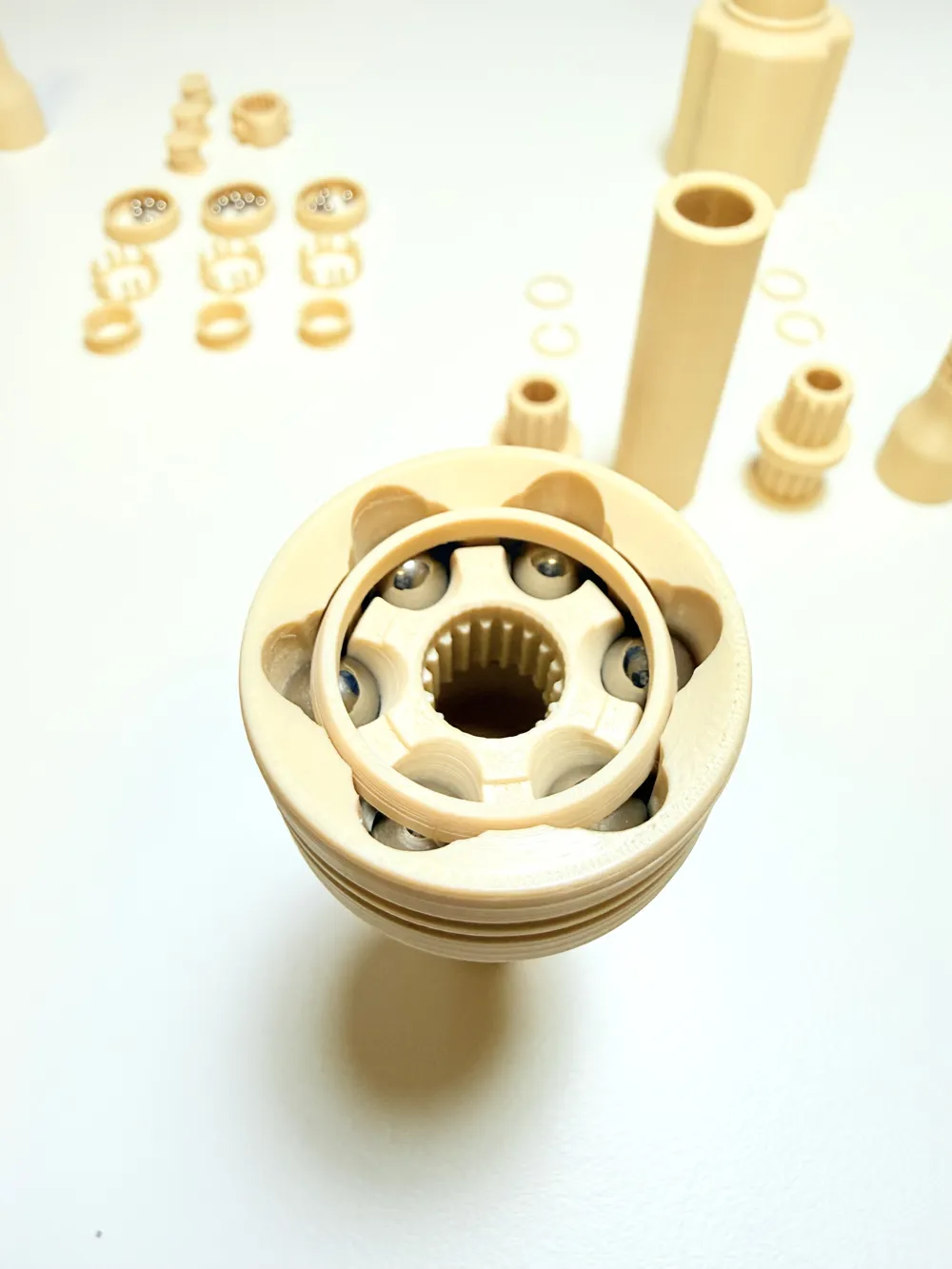
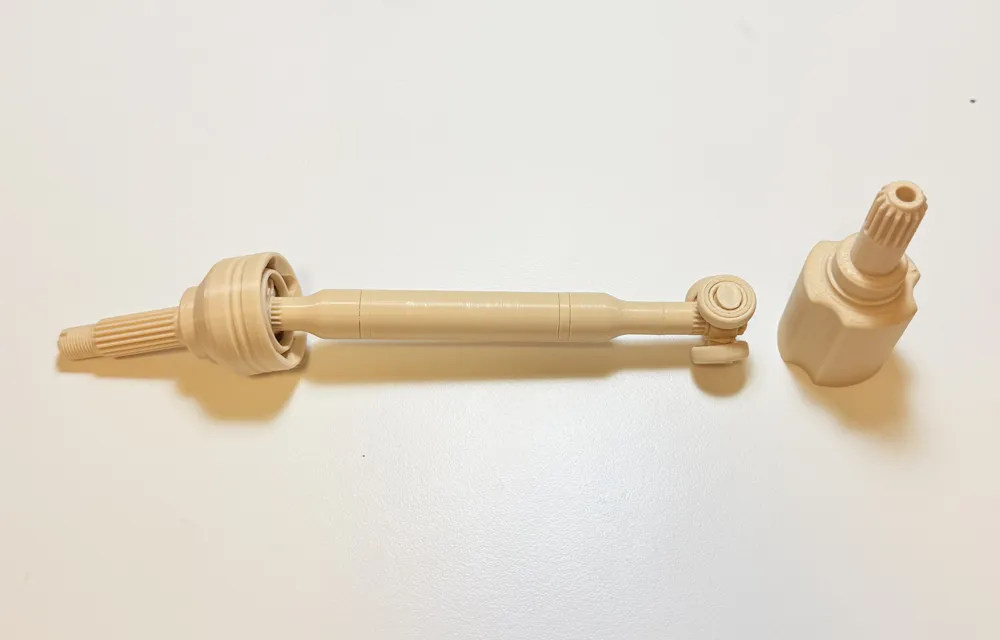
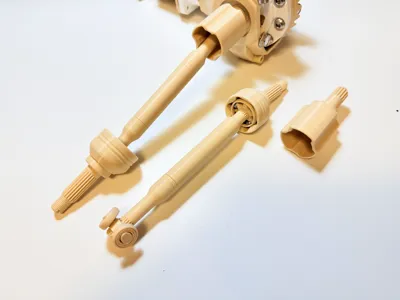
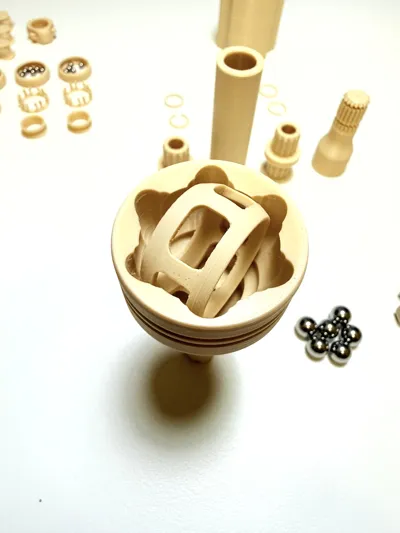
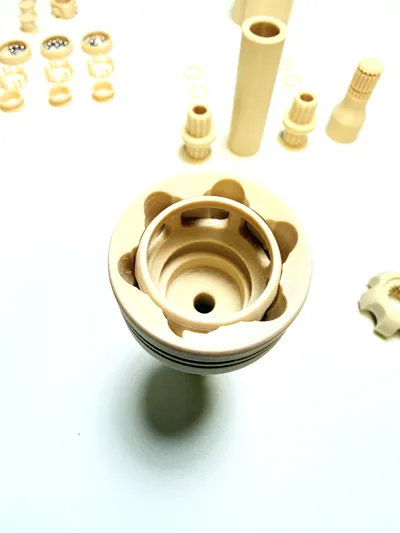
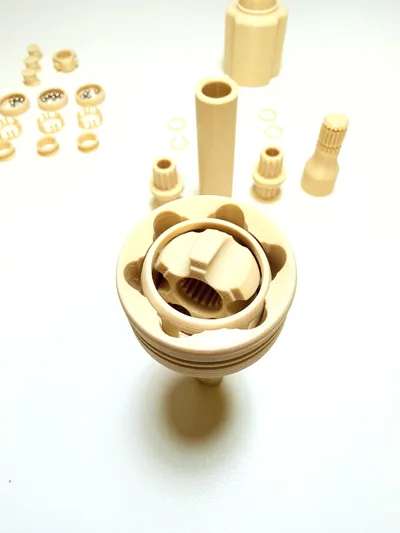
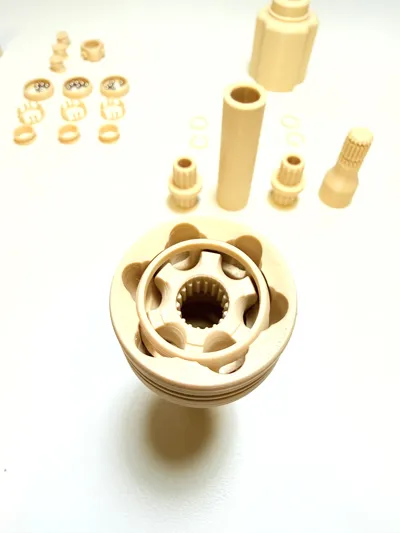
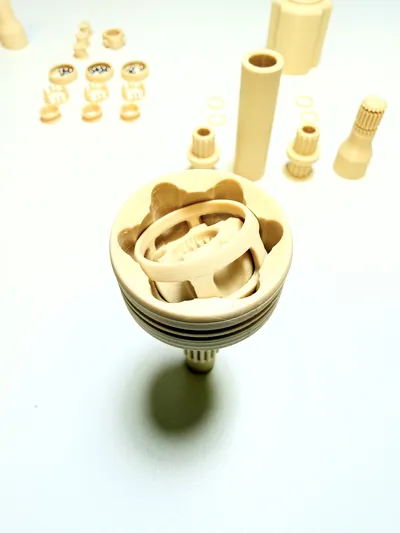
Here we introduce the automotive constant velocity joint (CVJ).
History of the CVJ (Constant Velocity Joint) :
The CVJ is a mechanism that transmits rotational speed at a constant rate regardless of changes in rotational angle. It is a critical component that supported the shift to front-wheel drive (FF) and the pursuit of higher performance in automobiles.
In the 1920s, Jean-Albert Grégoire of France invented the practical ball-type constant velocity joint (Rzeppa type). This is considered the prototype of the CVJ.
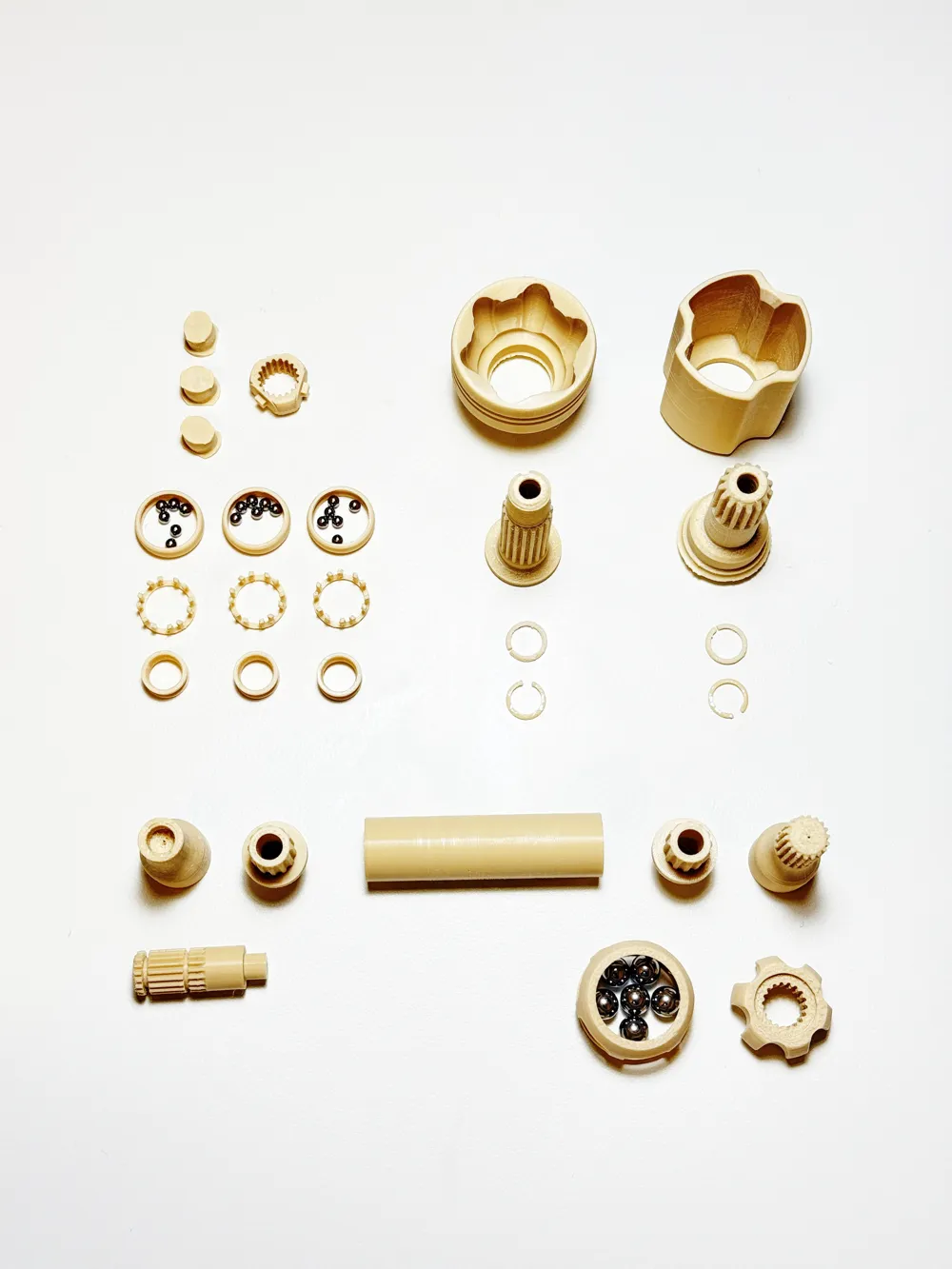
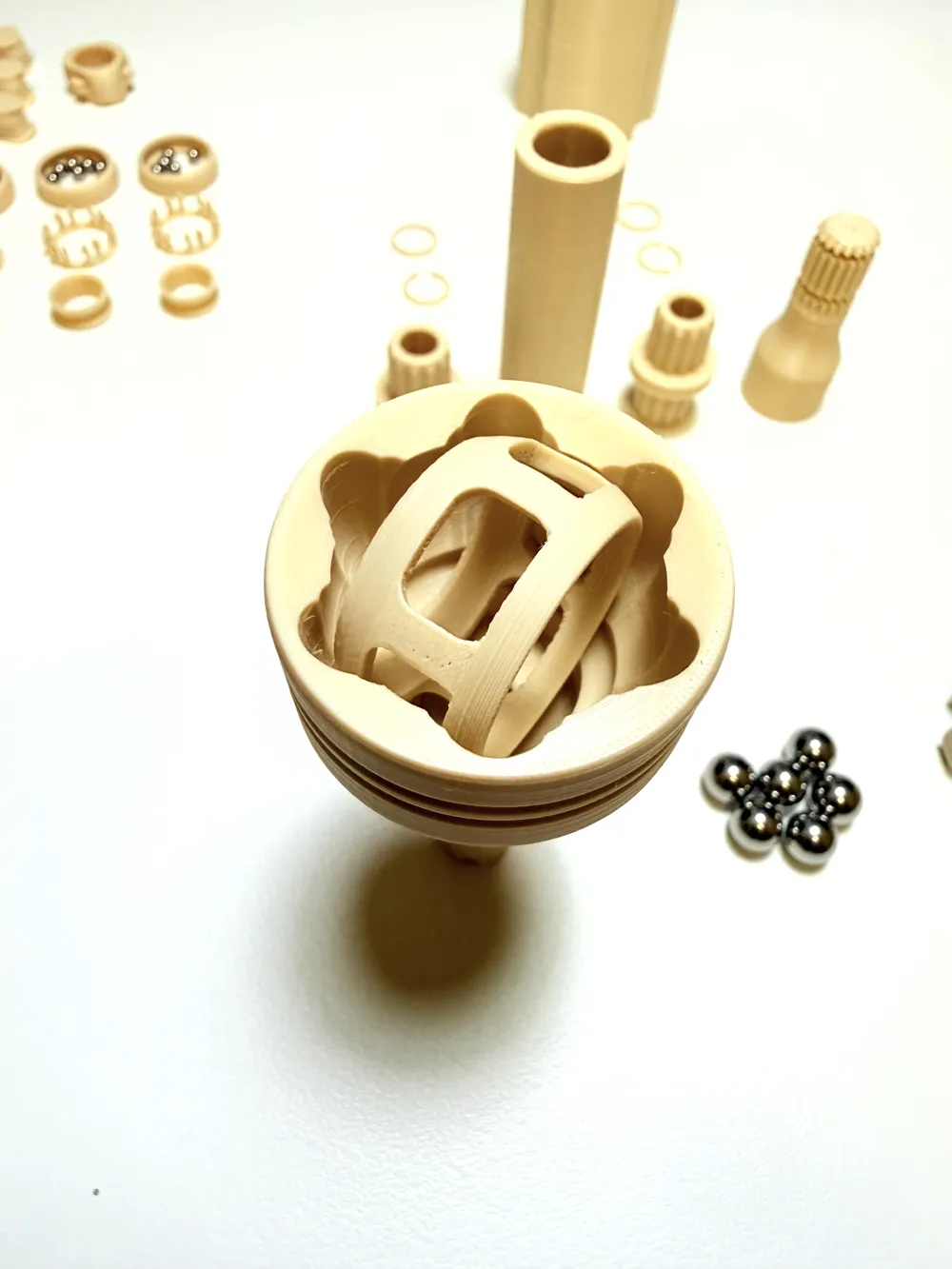
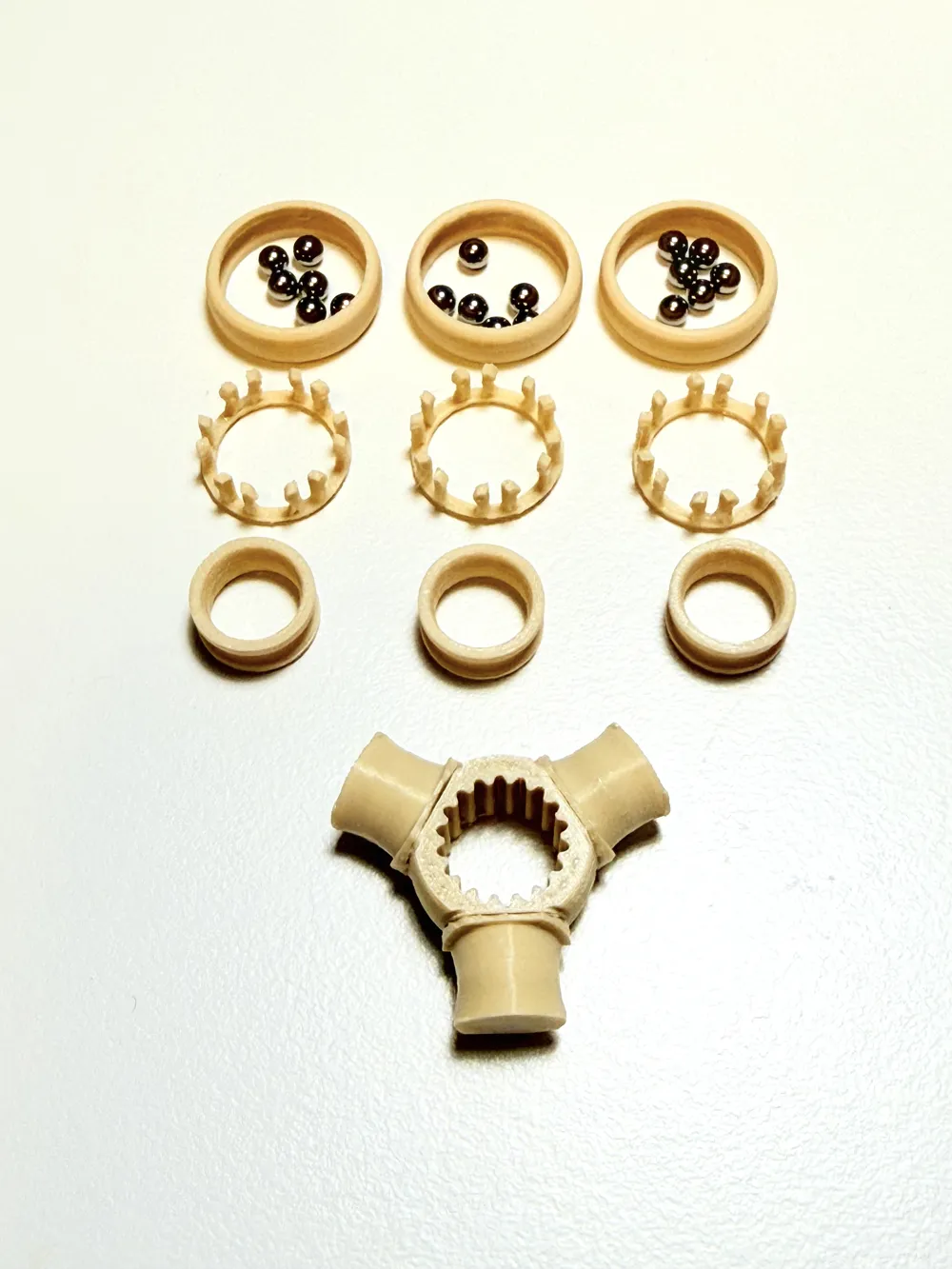
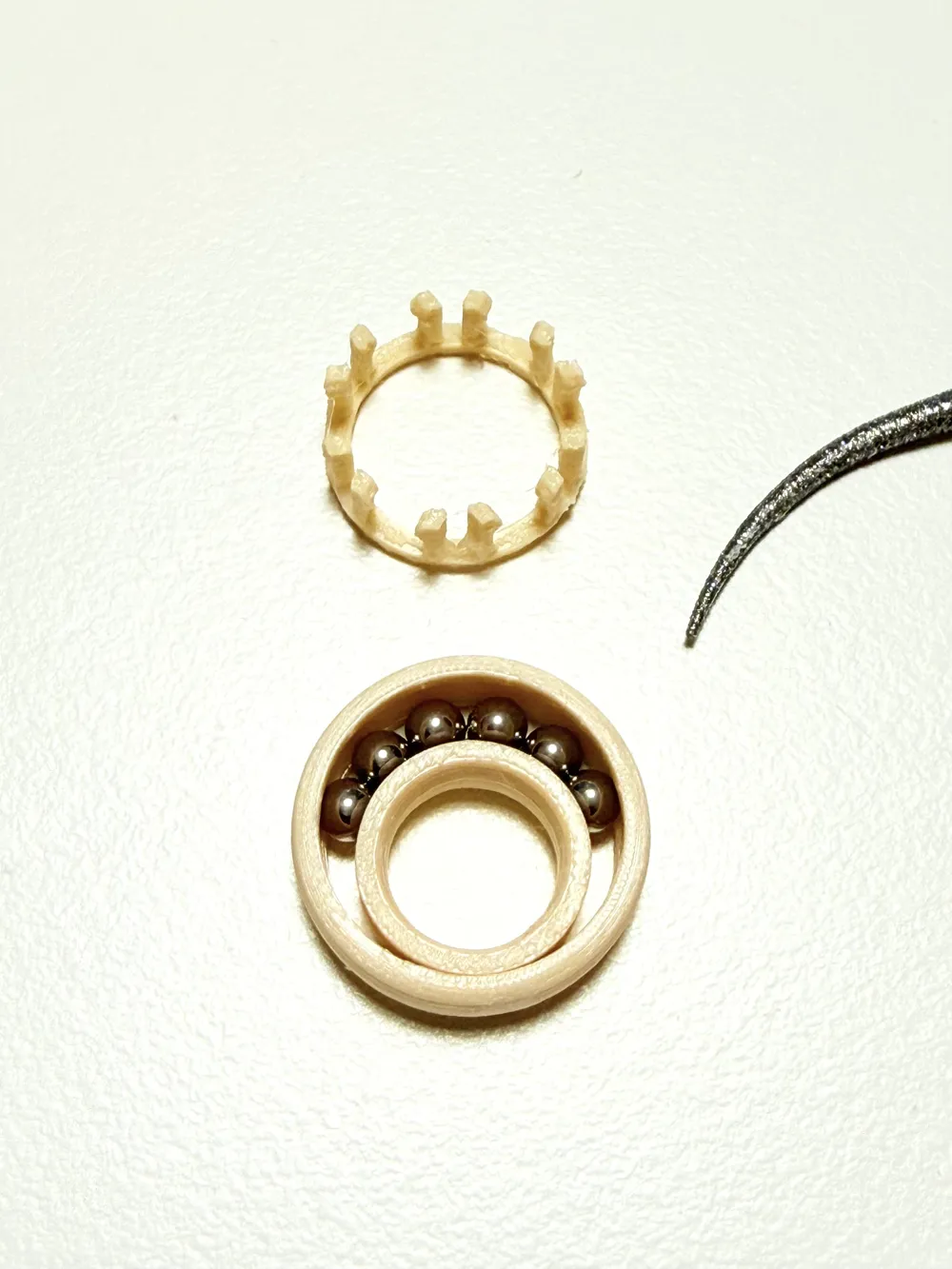
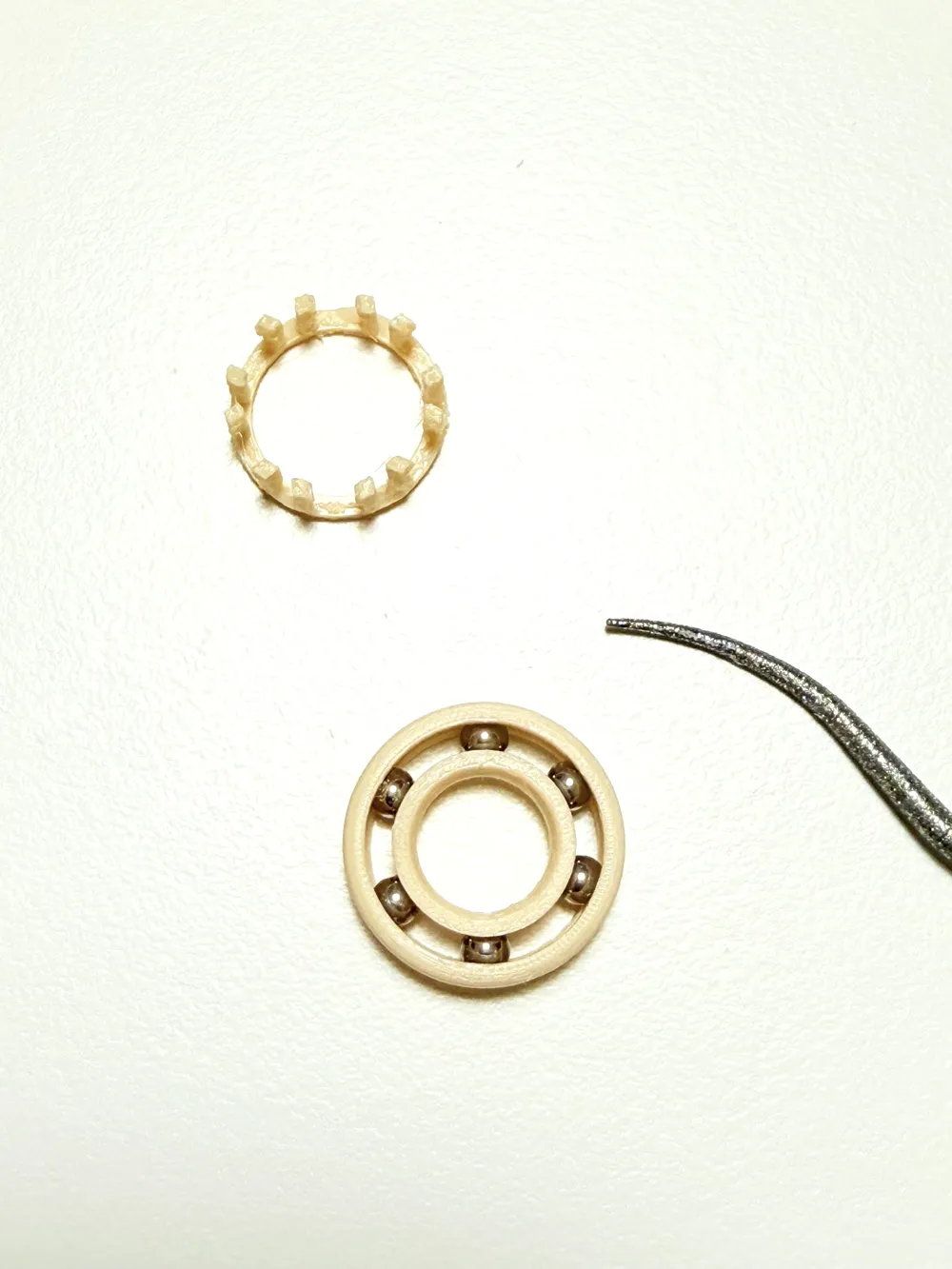
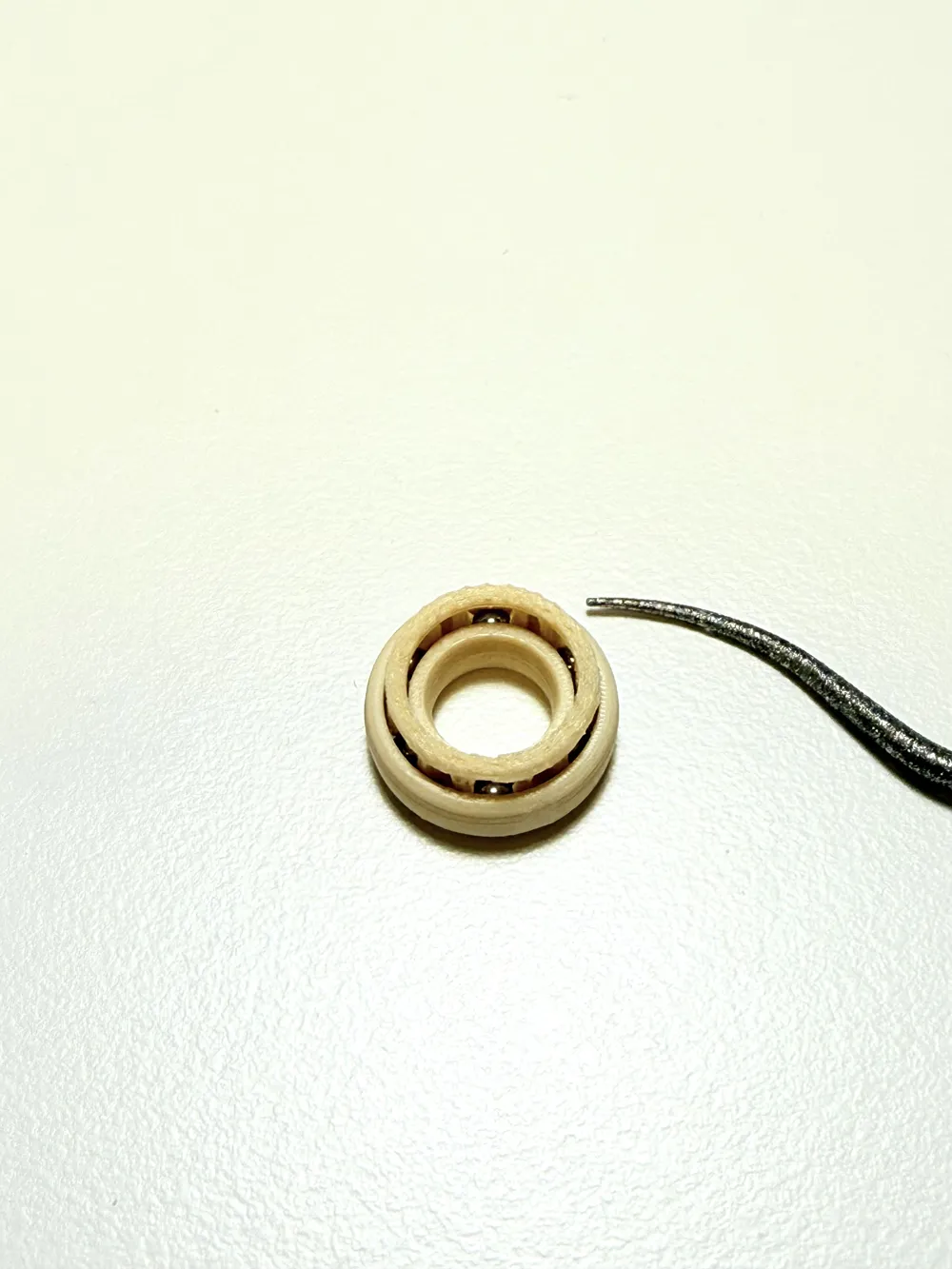
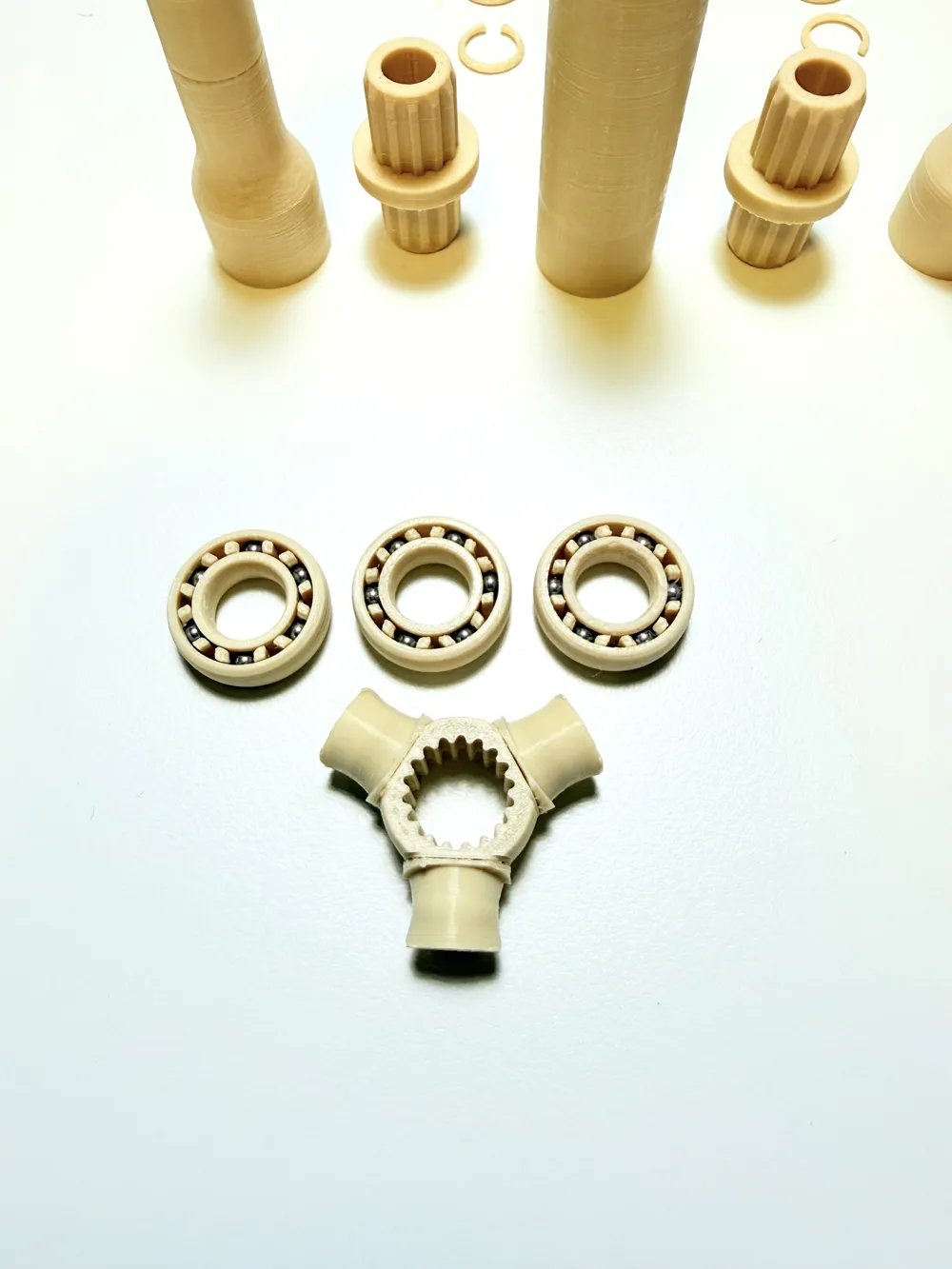
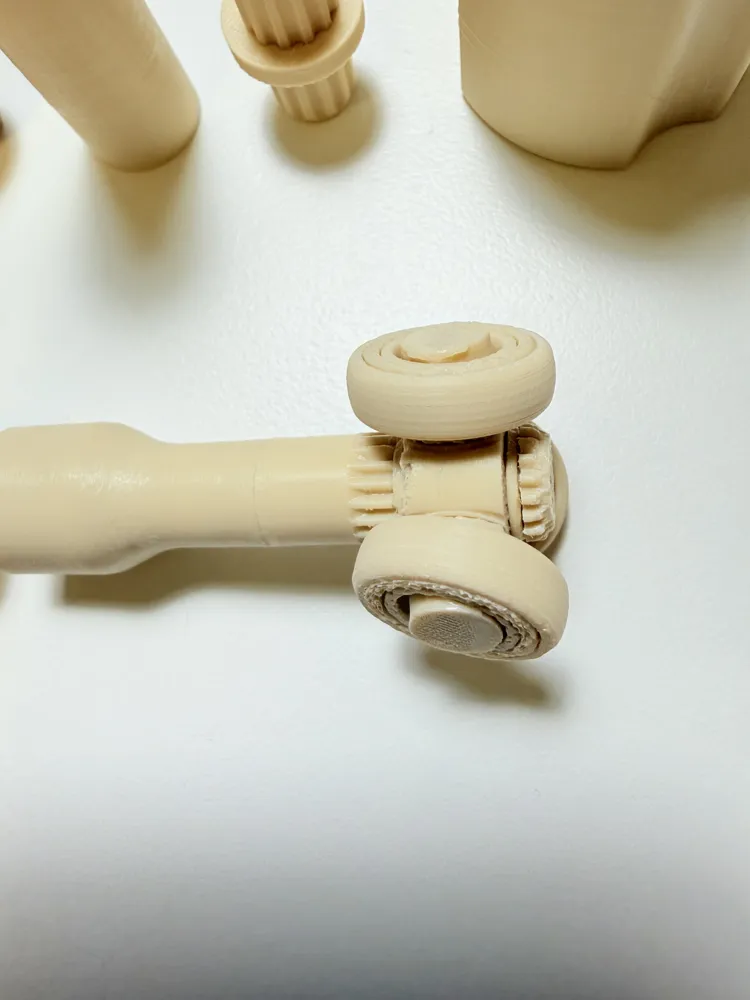
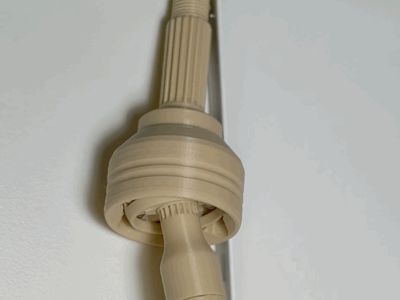
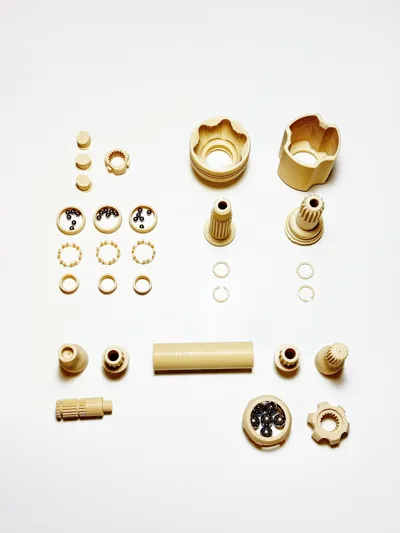
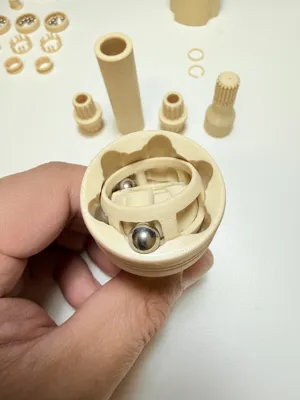
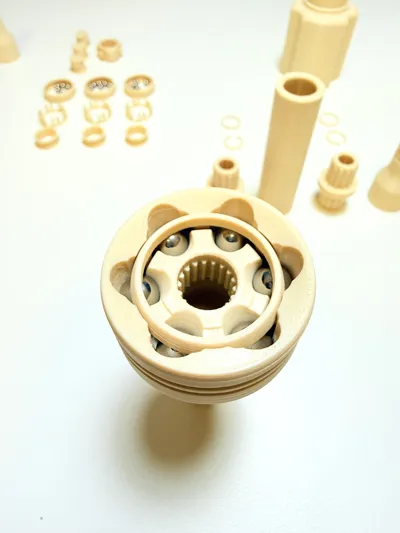
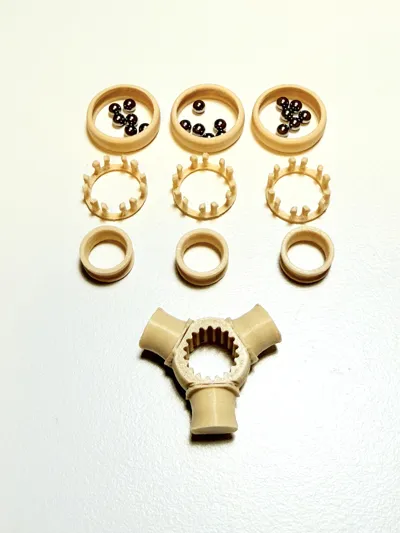
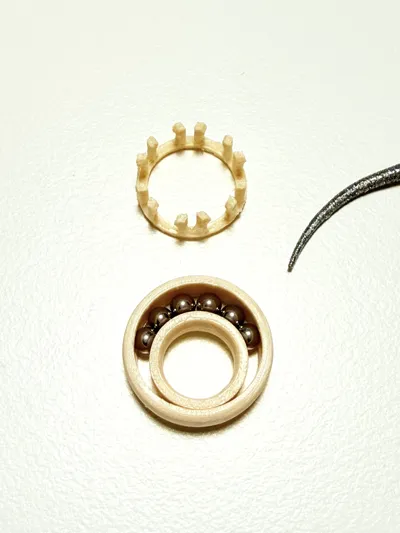
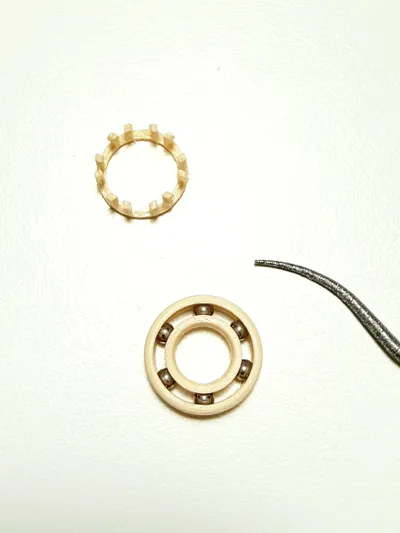
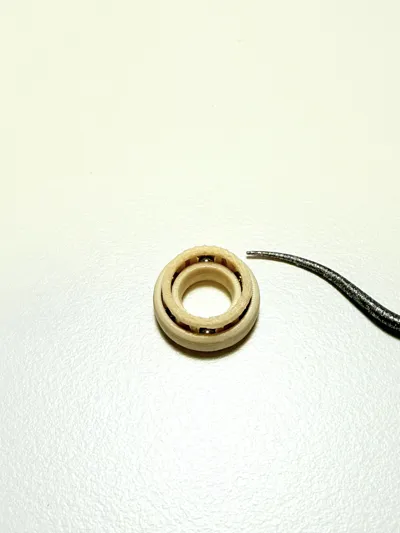
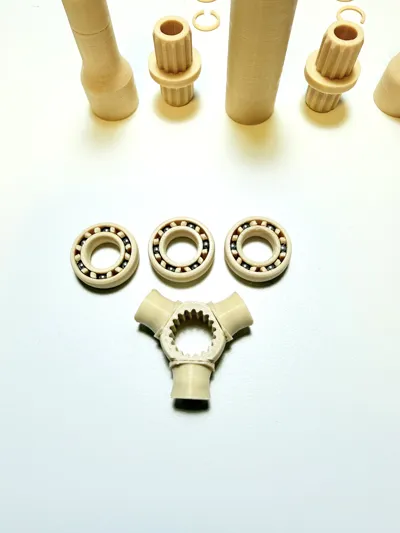
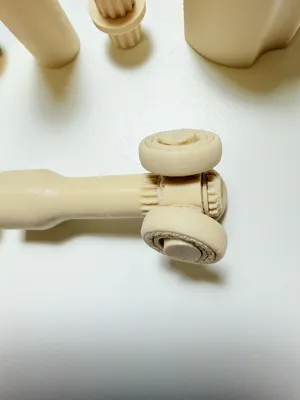
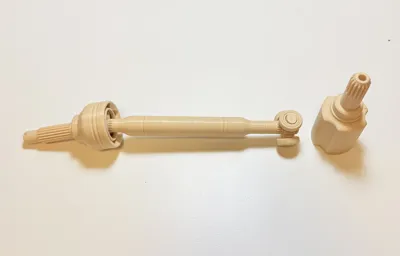
The joint in this 3D model is a standard combination of a fixed type and an extensible type. The part configuration of the 3D model closely resembles the actual unit, so it contains small parts. Some areas require fine adjustments using a knife or file.
For smooth operation, carefully repair any imperfections on the printed surface.
Parts required besides the 3D printed components:
・7mm stainless steel balls: 6 pieces per set
・3mm stainless steel balls: 18 pieces per set
Double the quantities are needed if making two sets.
License

You shall not share, sub-license, sell, rent, host, transfer, or distribute in any way the digital or 3D printed versions of this object, nor any other derivative work of this object in its digital or physical format (including - but not limited to - remixes of this object, and hosting on other digital platforms). The objects may not be used without permission in any way whatsoever in which you charge money, or collect fees.


Comment & Rating (0)