
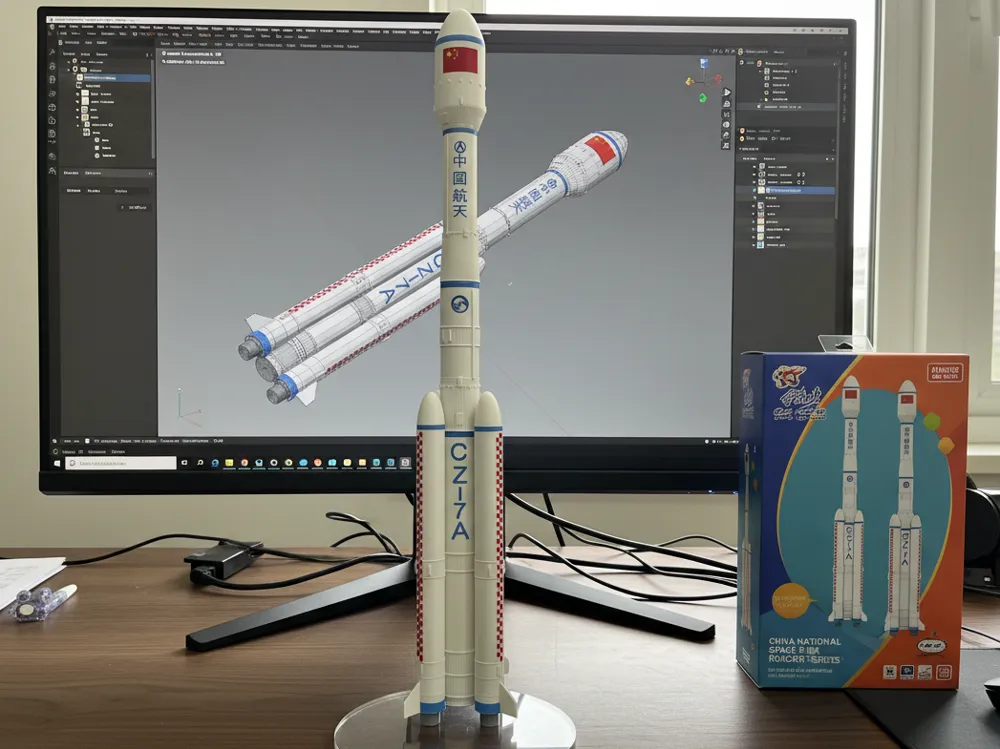
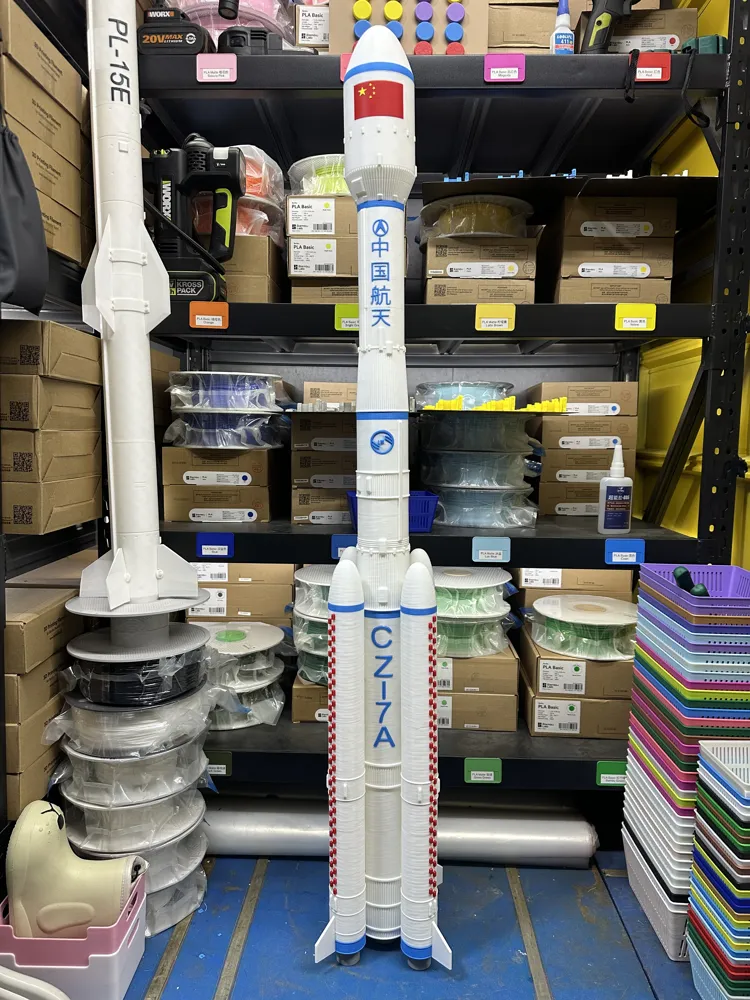
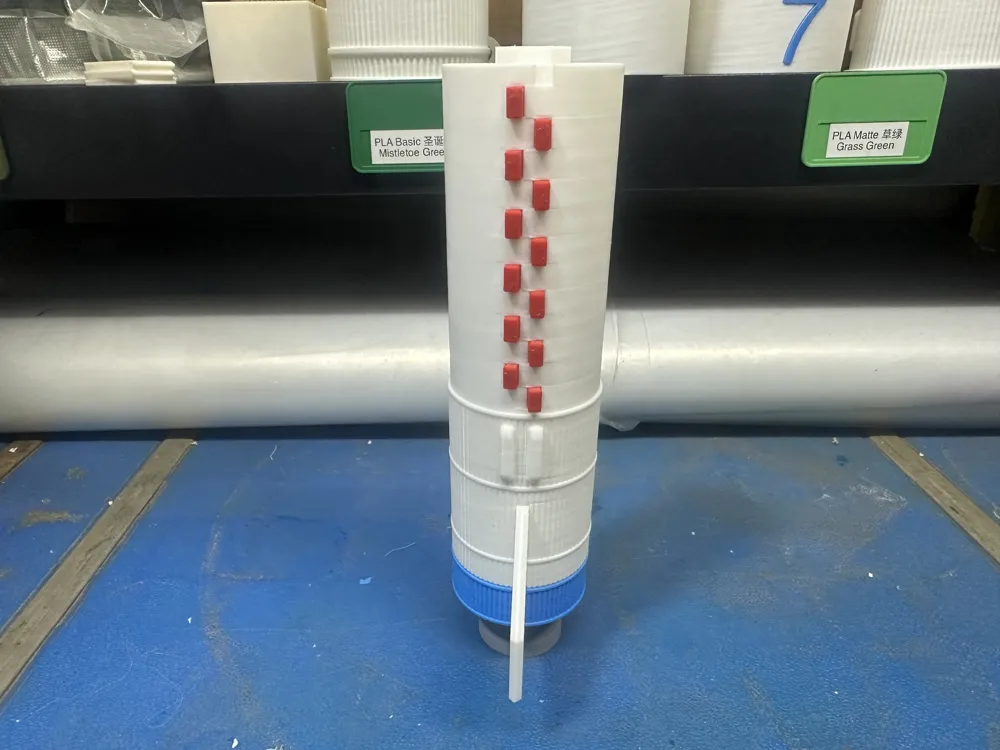
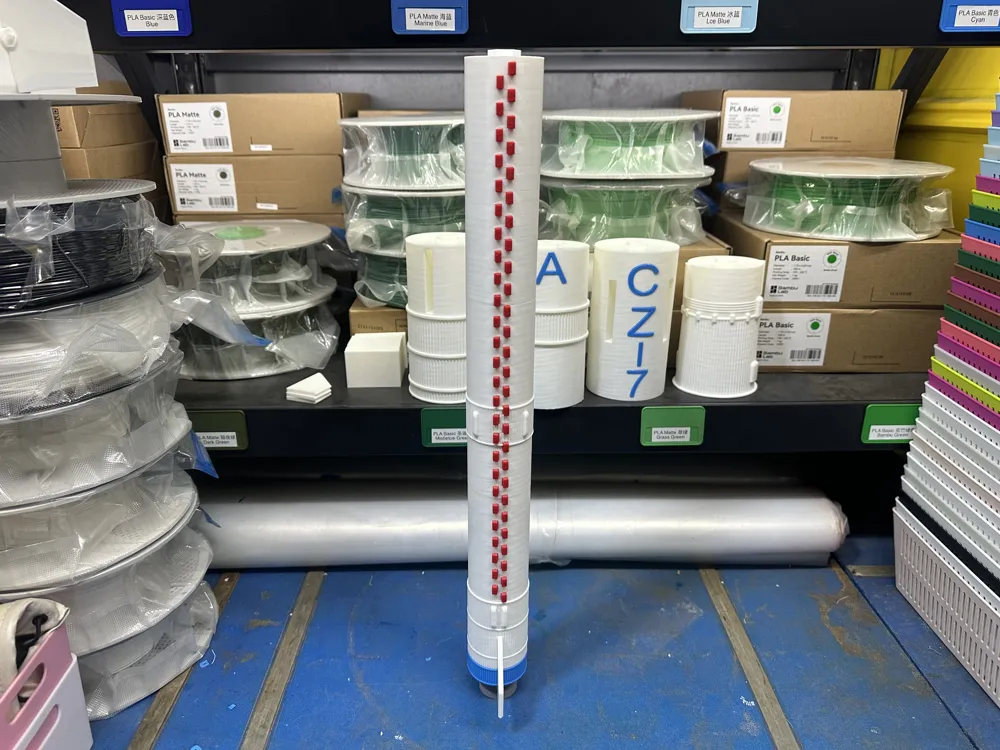
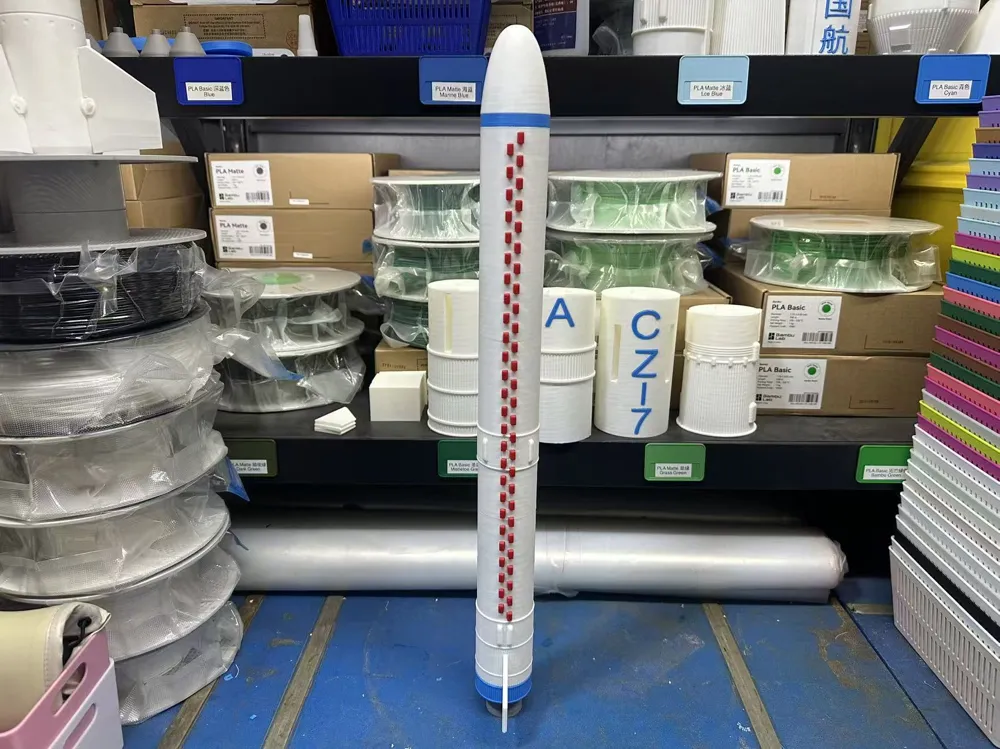
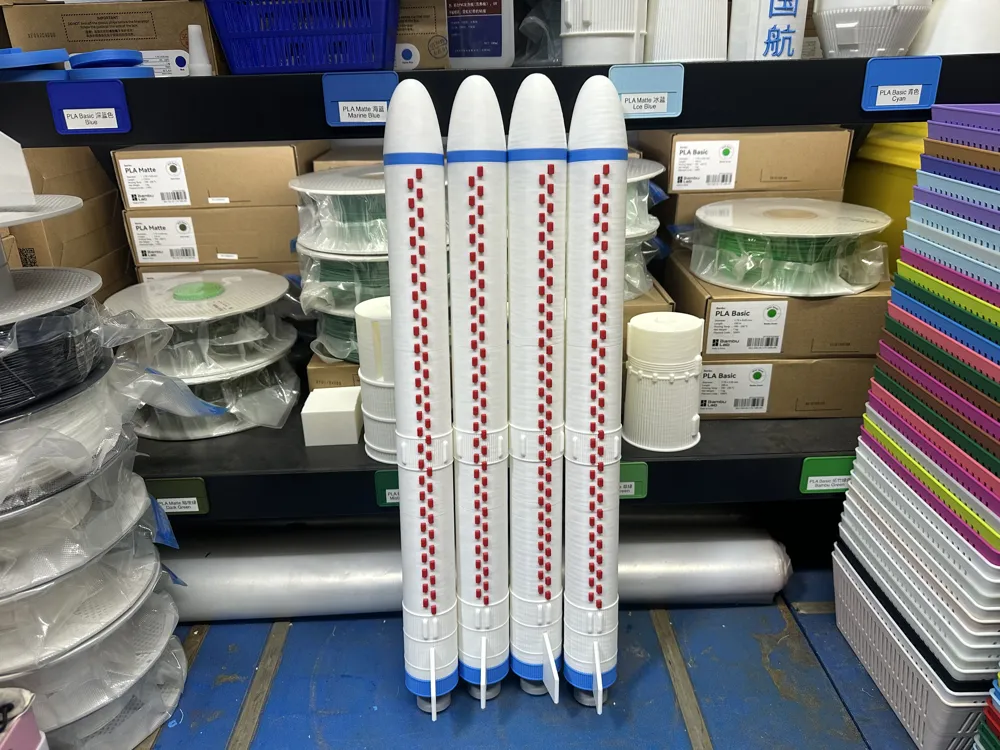
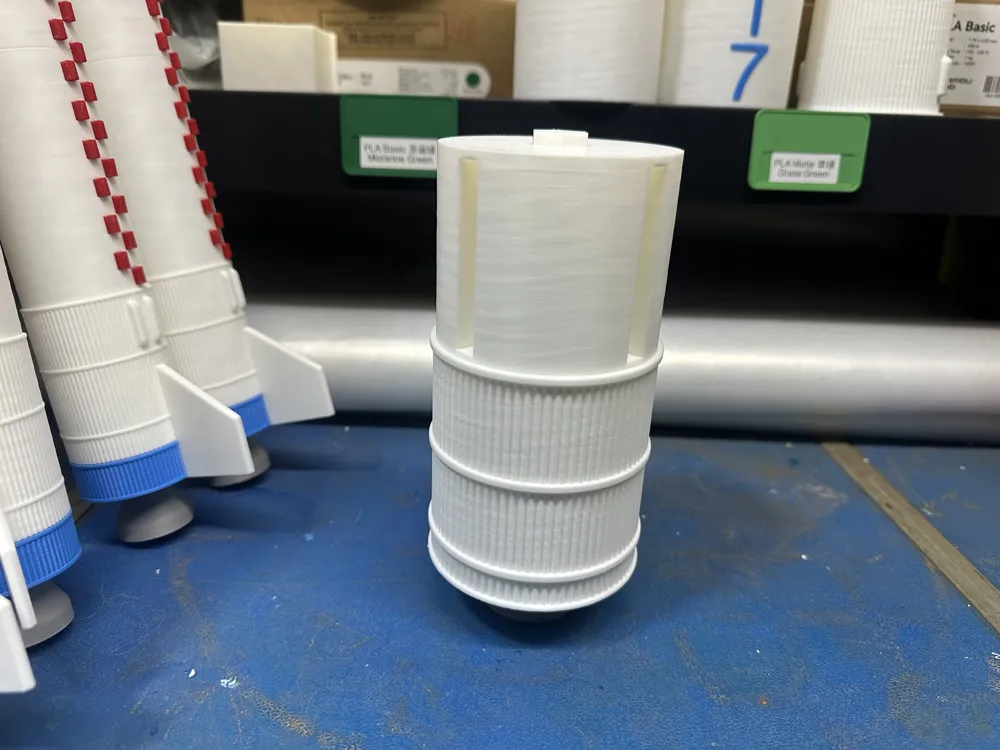
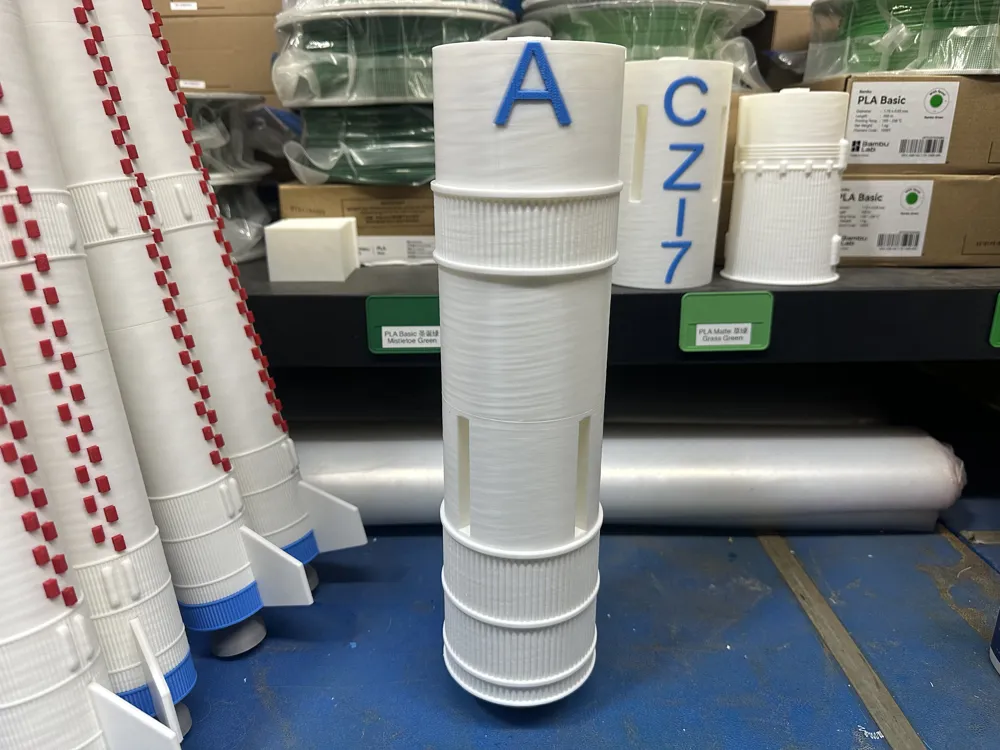
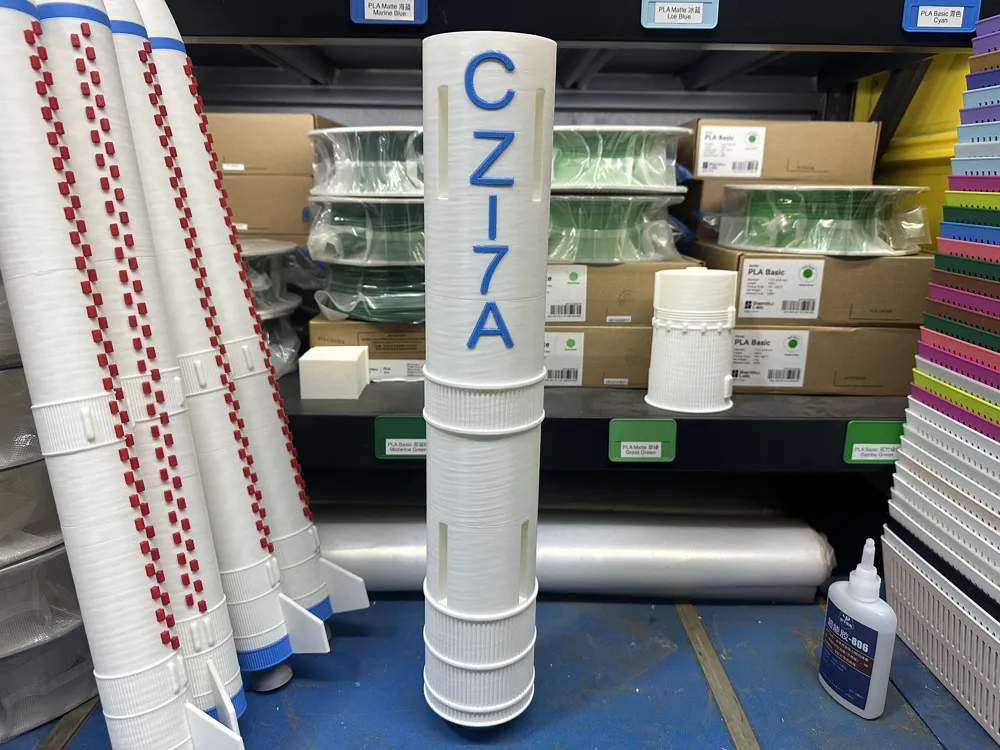
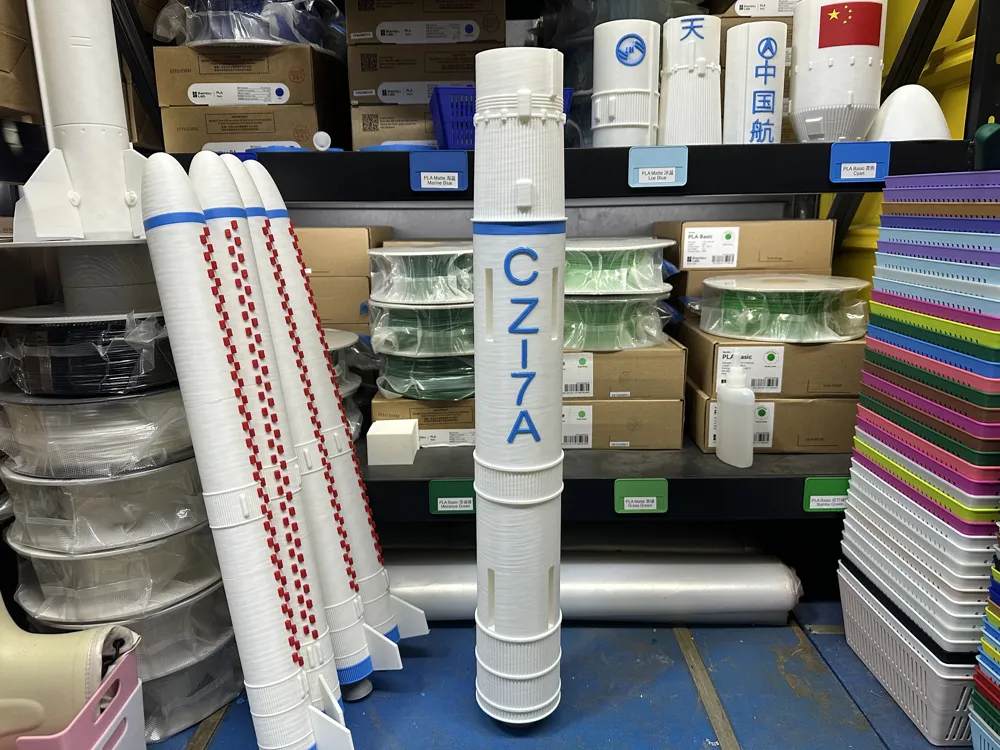
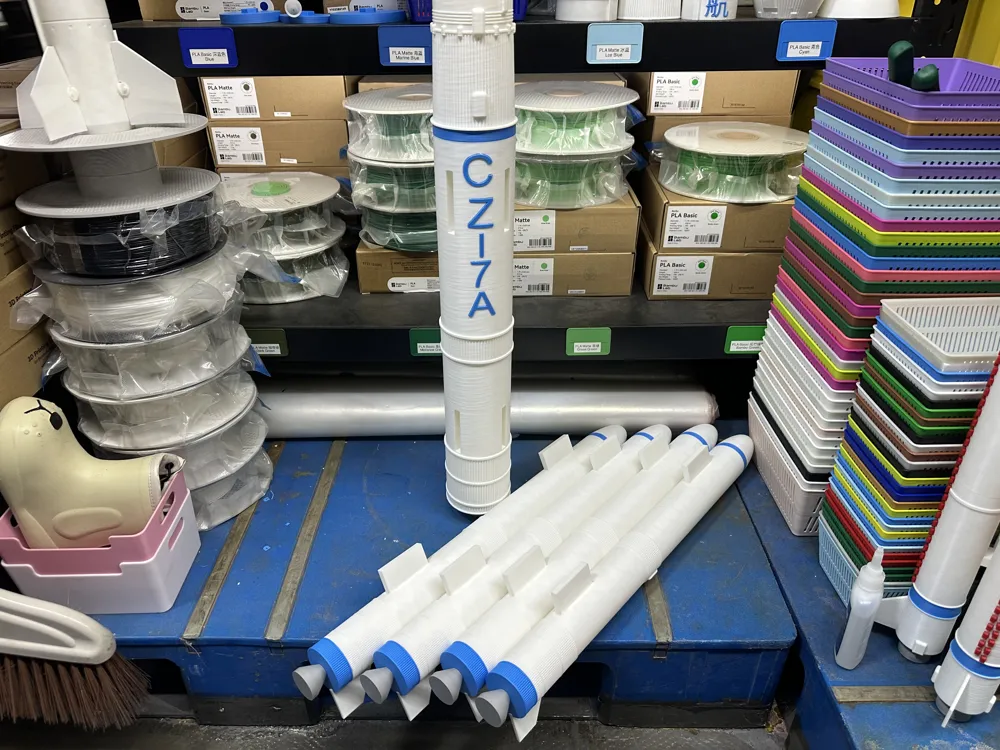
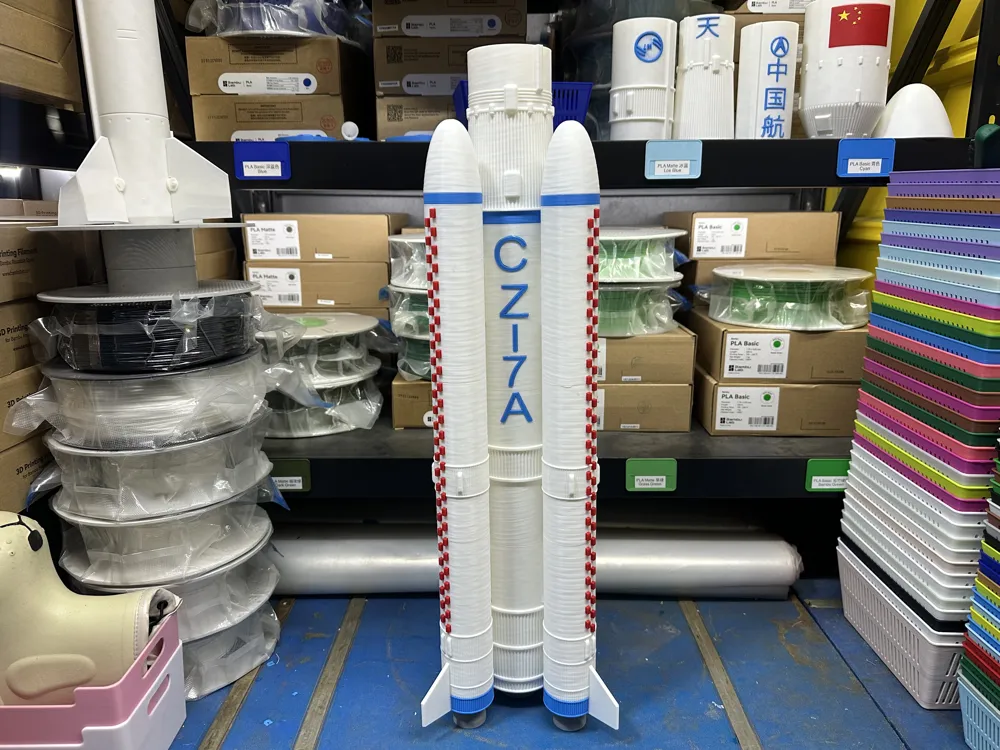
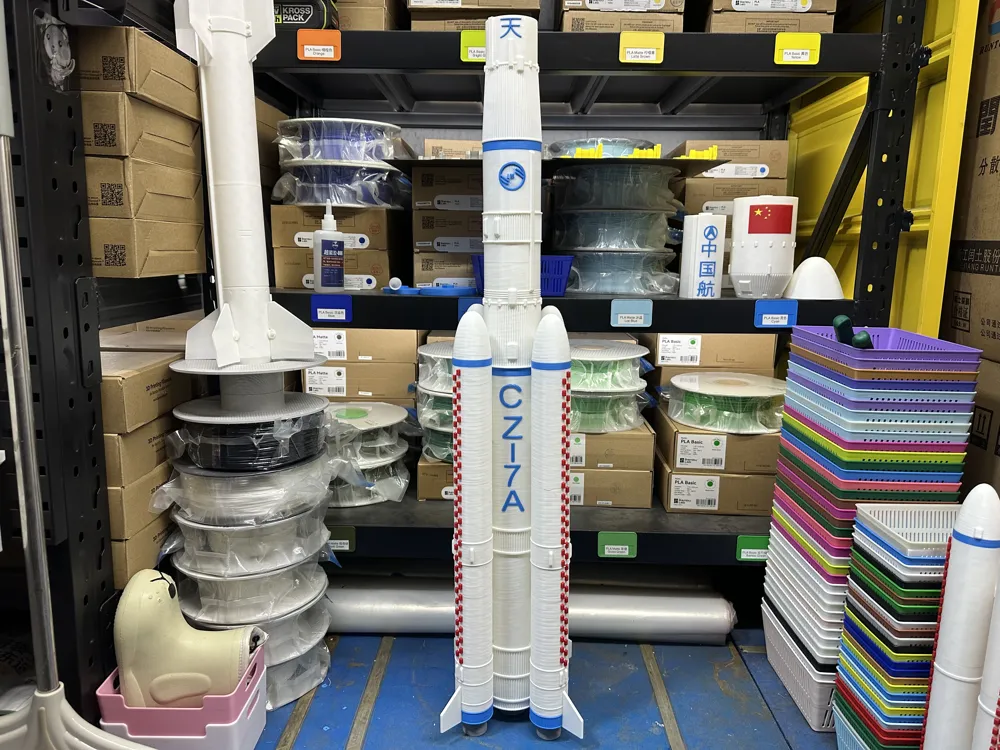
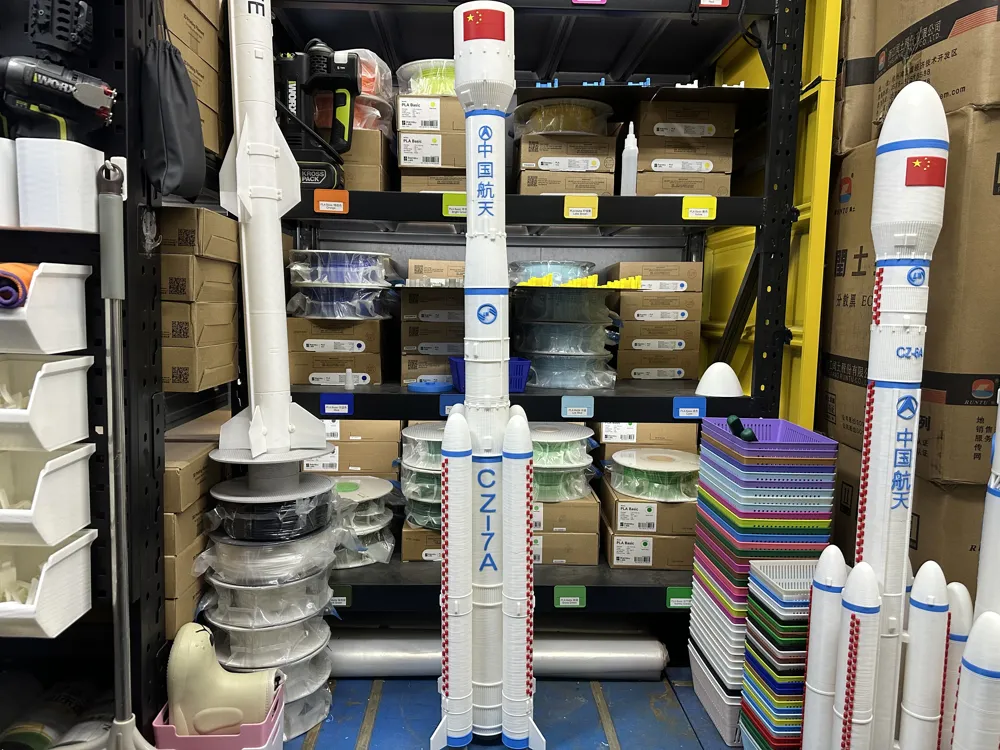
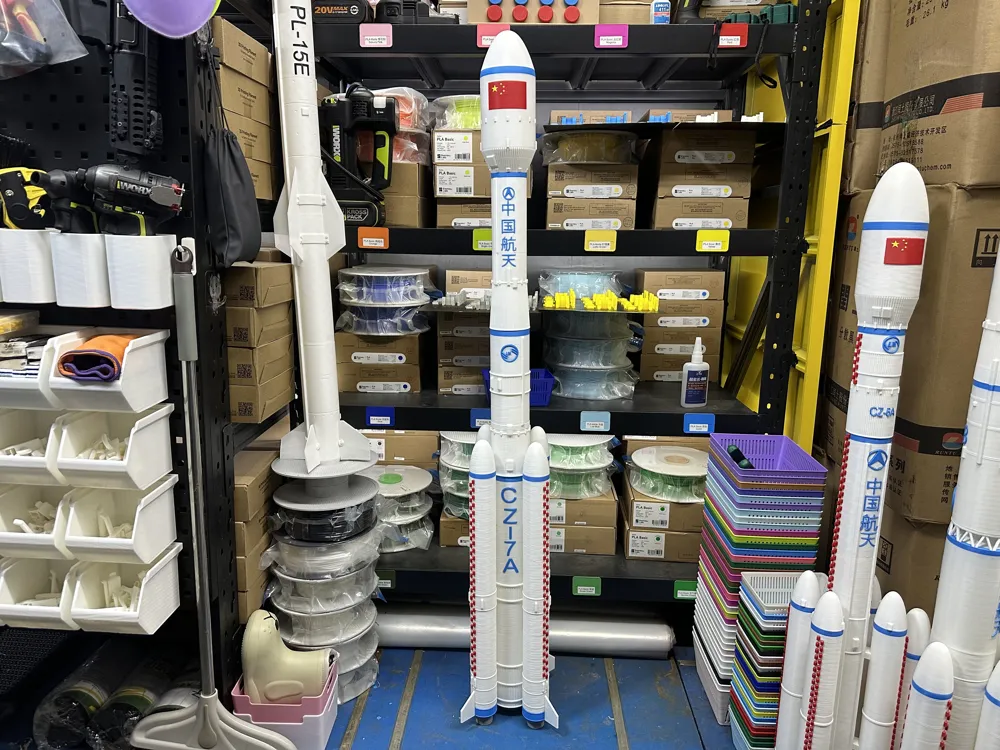
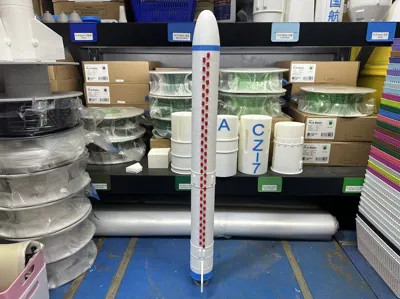
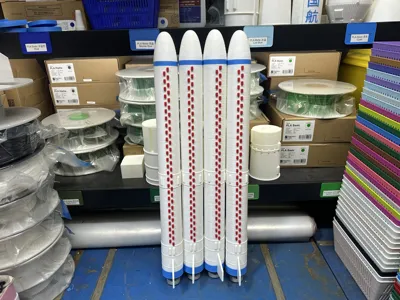
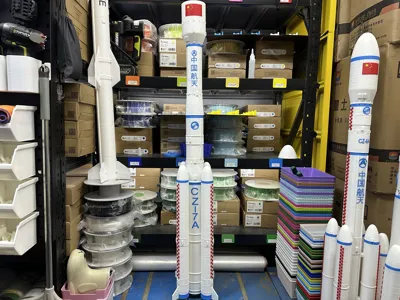
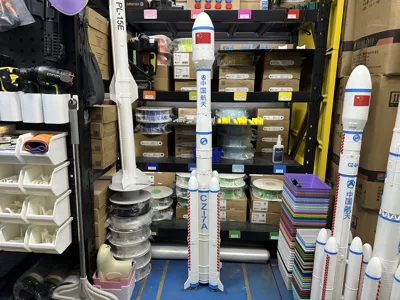
Long March 7A 1.2 meters high 1:50 scale multi-part print Long March 7A Launch Vehicle China Aerospace
Print Profile(2)


Description
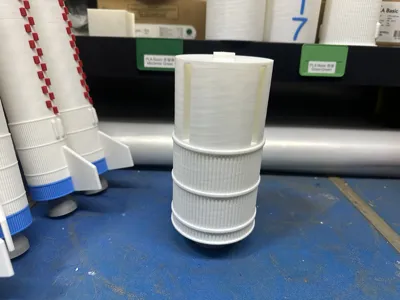
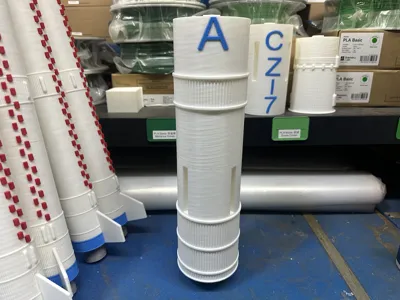
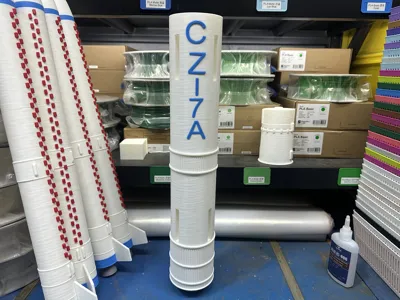
Long March 7A 1.2 meters high 1:50 scale multi-part print Long March 7A Launch Vehicle China Aerospace
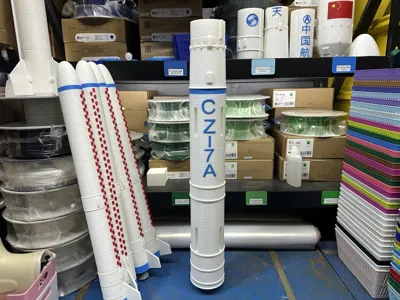
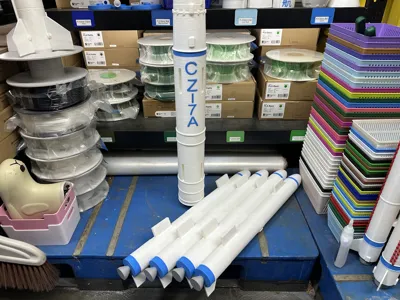
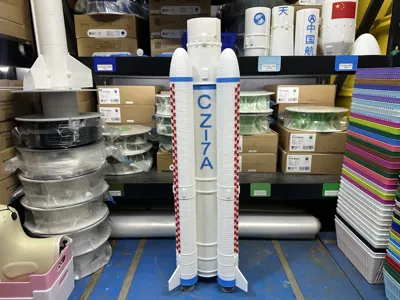
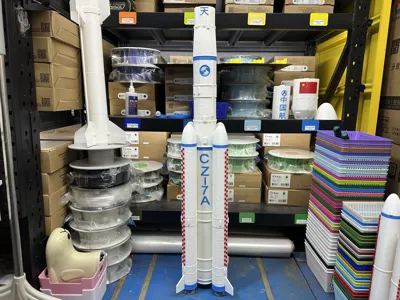
The Long March 7A launch vehicle (referred to as LM-7A) is a new-generation three-and-a-half-stage liquid-propellant bundled medium-lift high-orbit launch vehicle developed by the China Academy of Launch Vehicle Technology (CALT) under China Aerospace Science and Technology Corporation (CASC), using a combination of YF-100, YF-115, andYF-75 engines. With a total height of 60.1 meters and a geostationary transfer orbit (GTO) payload capacity of 7 tons, it fills a gap in China's GTO launch capability for payloads ranging from 5.5 to 7 tons. This rocket is an improvement based on the Long March 7, inheriting the third-stage modules of the Long March 3A series, adapted to a 4.2-meter fairing configuration, and capable of launching one satellite per mission and two primary satellites per mission. It primarily performs missions at the Wenchang Spacecraft Launch Site.
The rocket completed its maiden flight on March 12, 2021, successfully launching the Shiyan-9 satellite, carrying the Zhongxing-1E satellite into space on September 13, 2022, and placing the ShiJian-23 satellite and Communication Technology Test Satellite 10 into orbit on January 9 and November 3, 2023, respectively. On March 30 and May 20, 2025, it will successively execute launch missions for the Communication Technology Test Satellite 16 and Zhongxing-3B satellite. The project team continues to enhance the rocket's overall performance through technological improvements such as optimizing launch procedures, applying intelligent shutdown technology, and using new sensors.
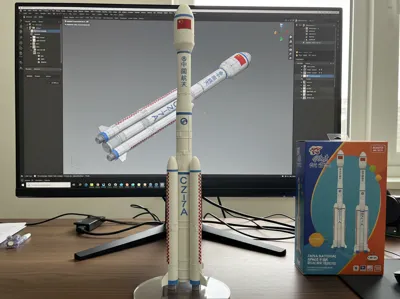
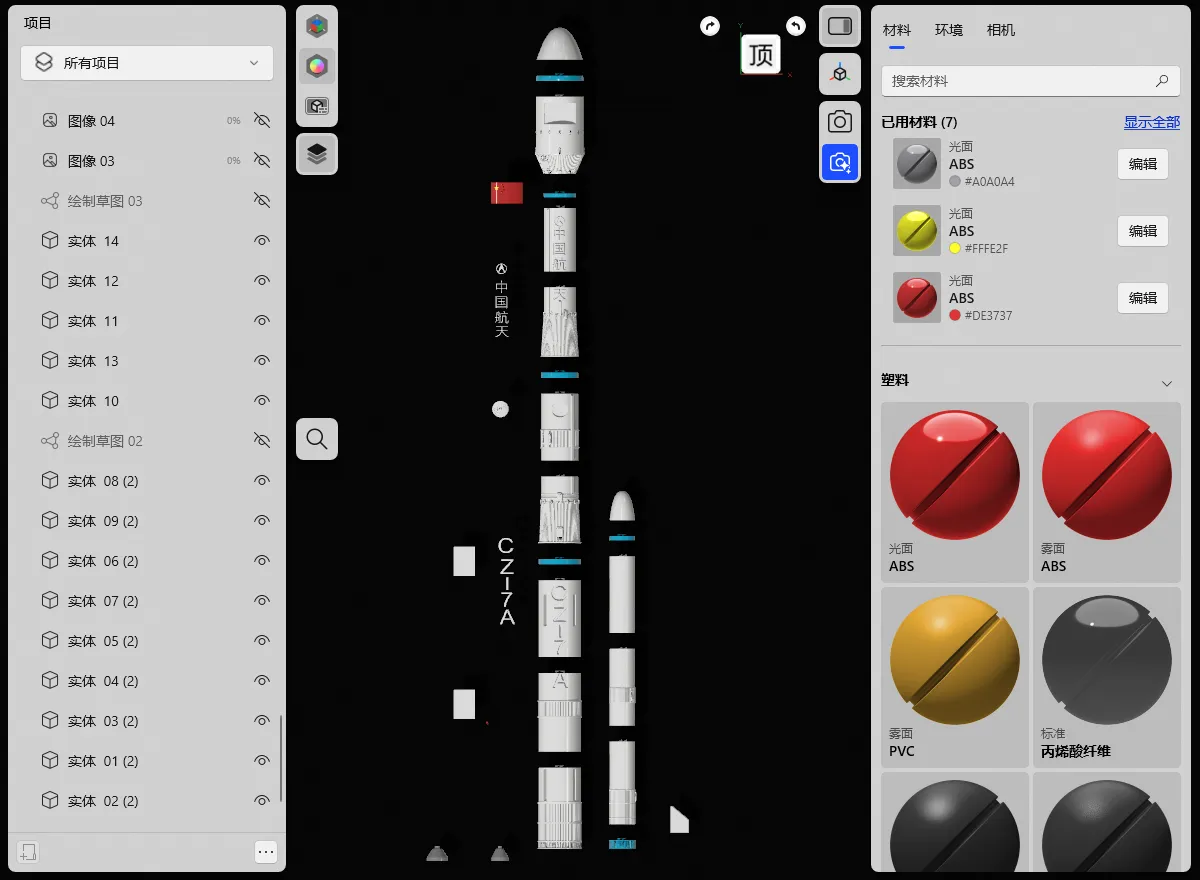
1. Sketch:
2. Booster one:
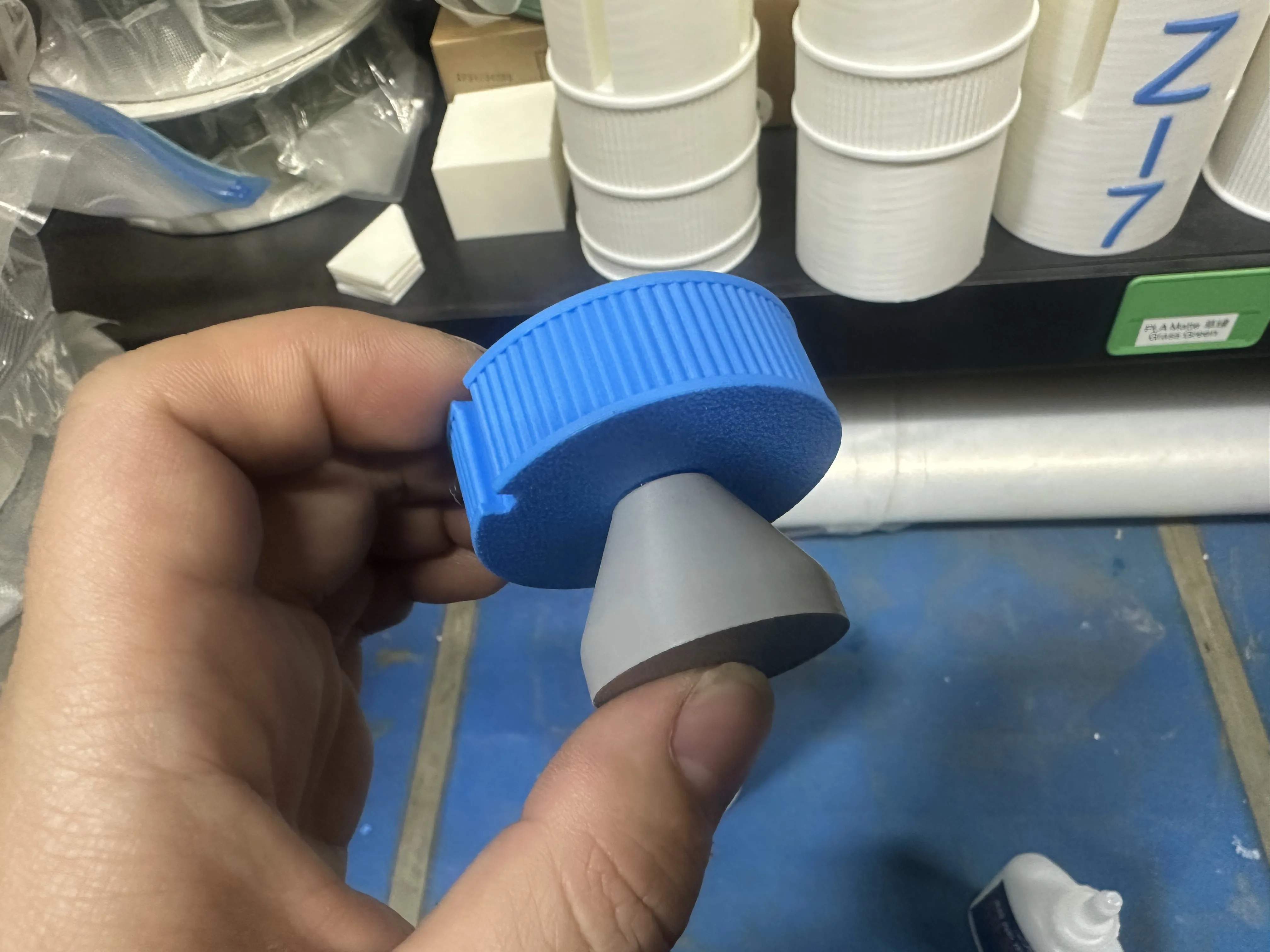
3. Booster two:
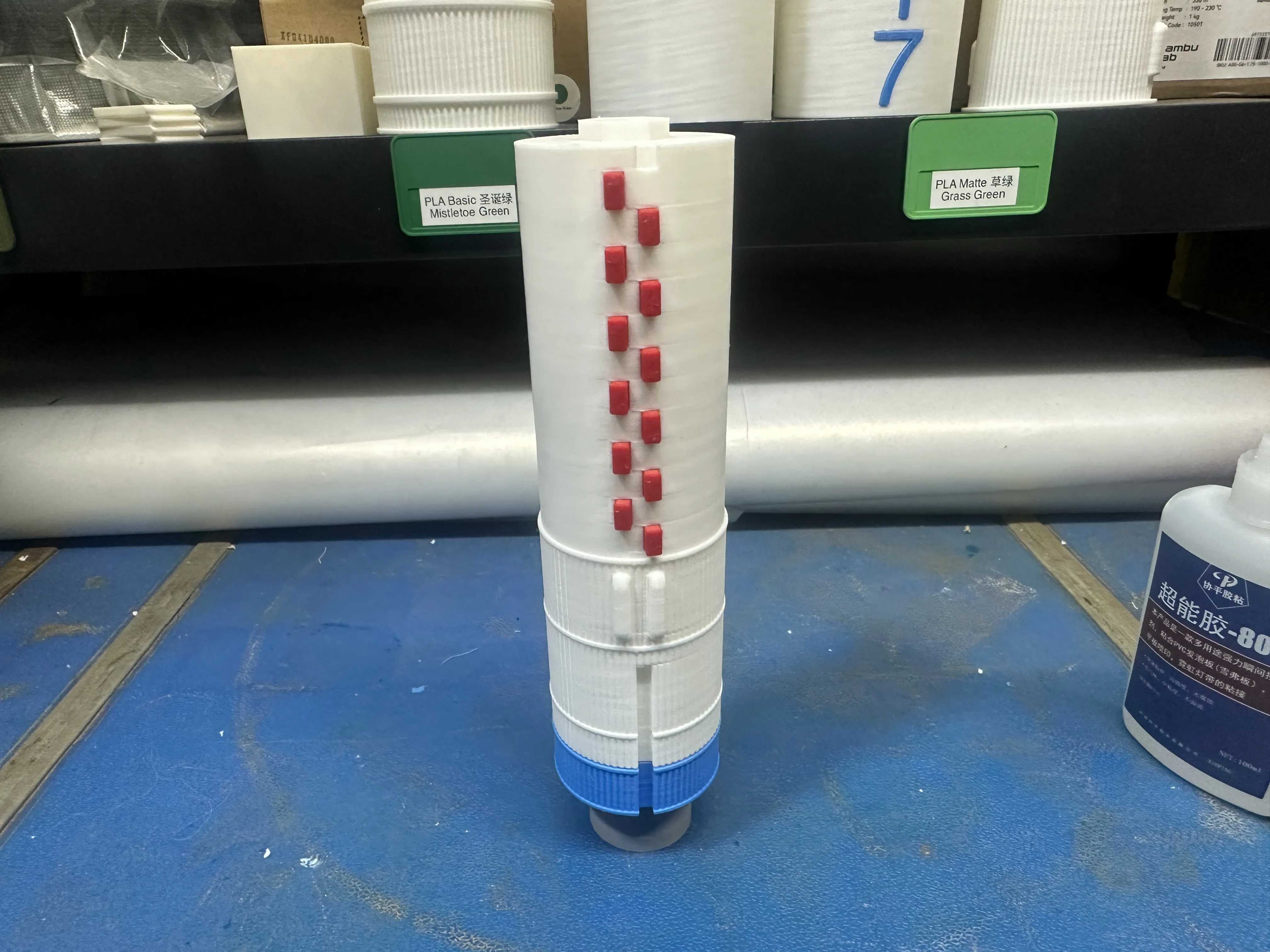
4. Booster three:
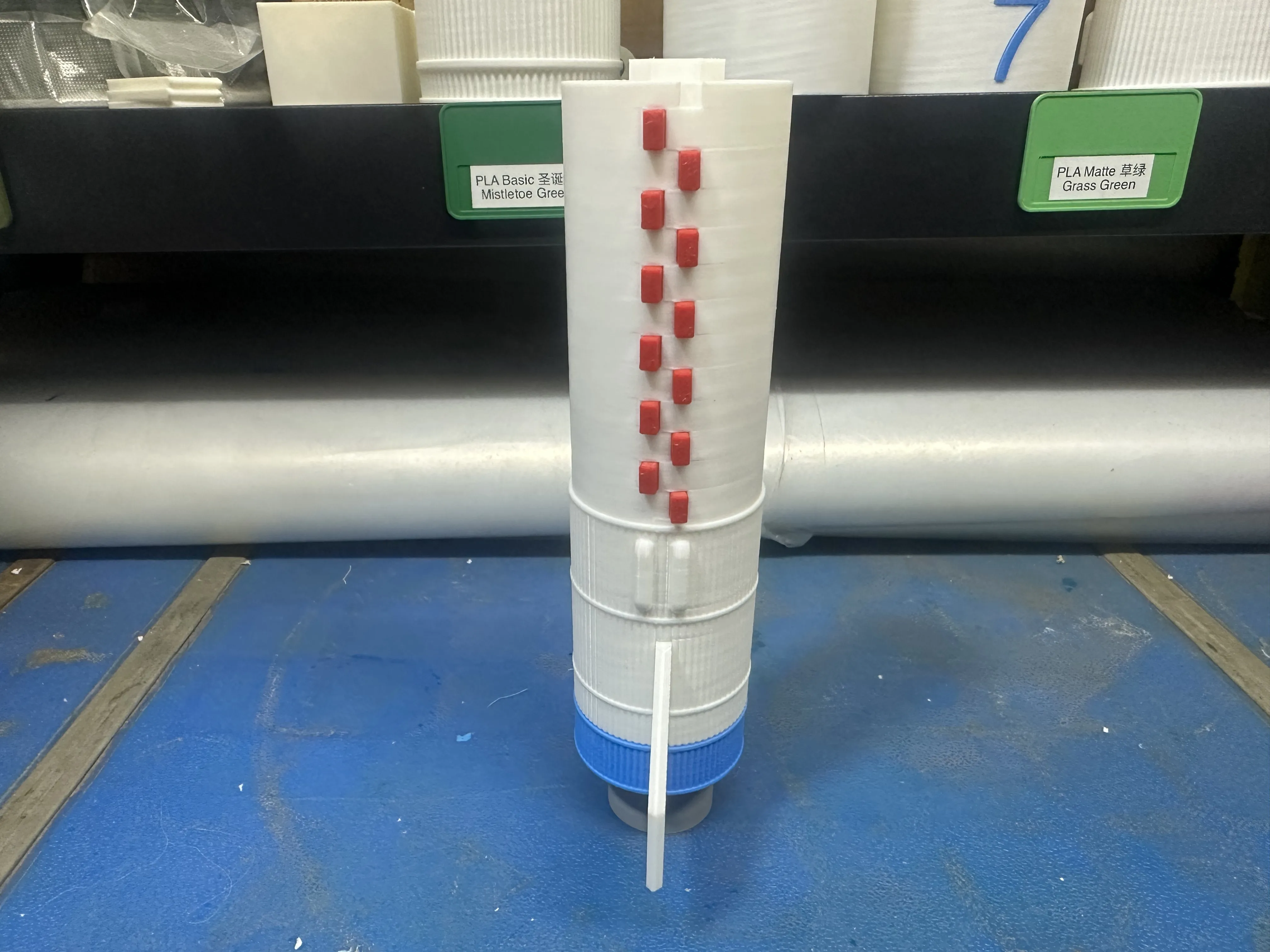
5. Booster four:
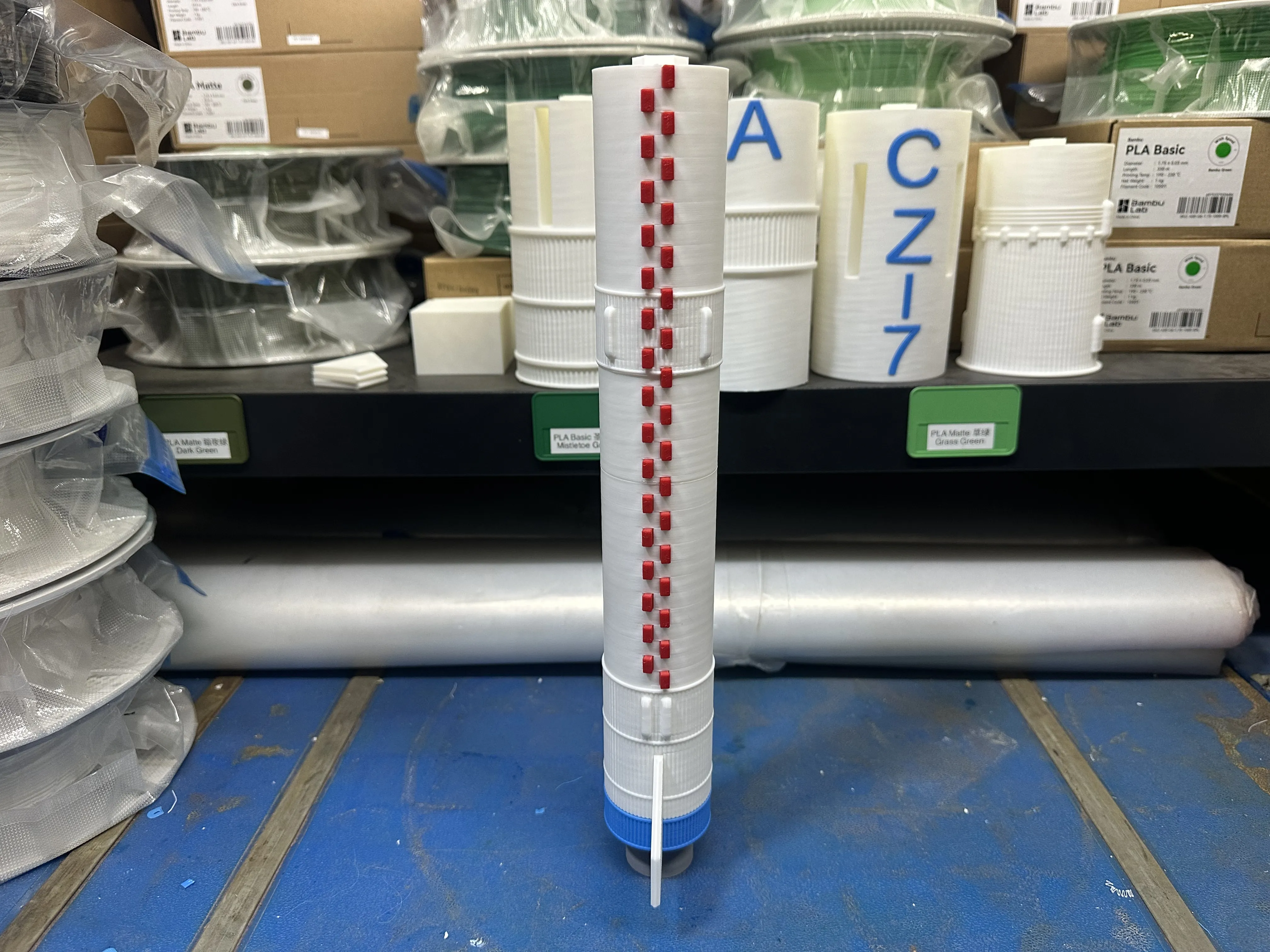
6. Booster five:
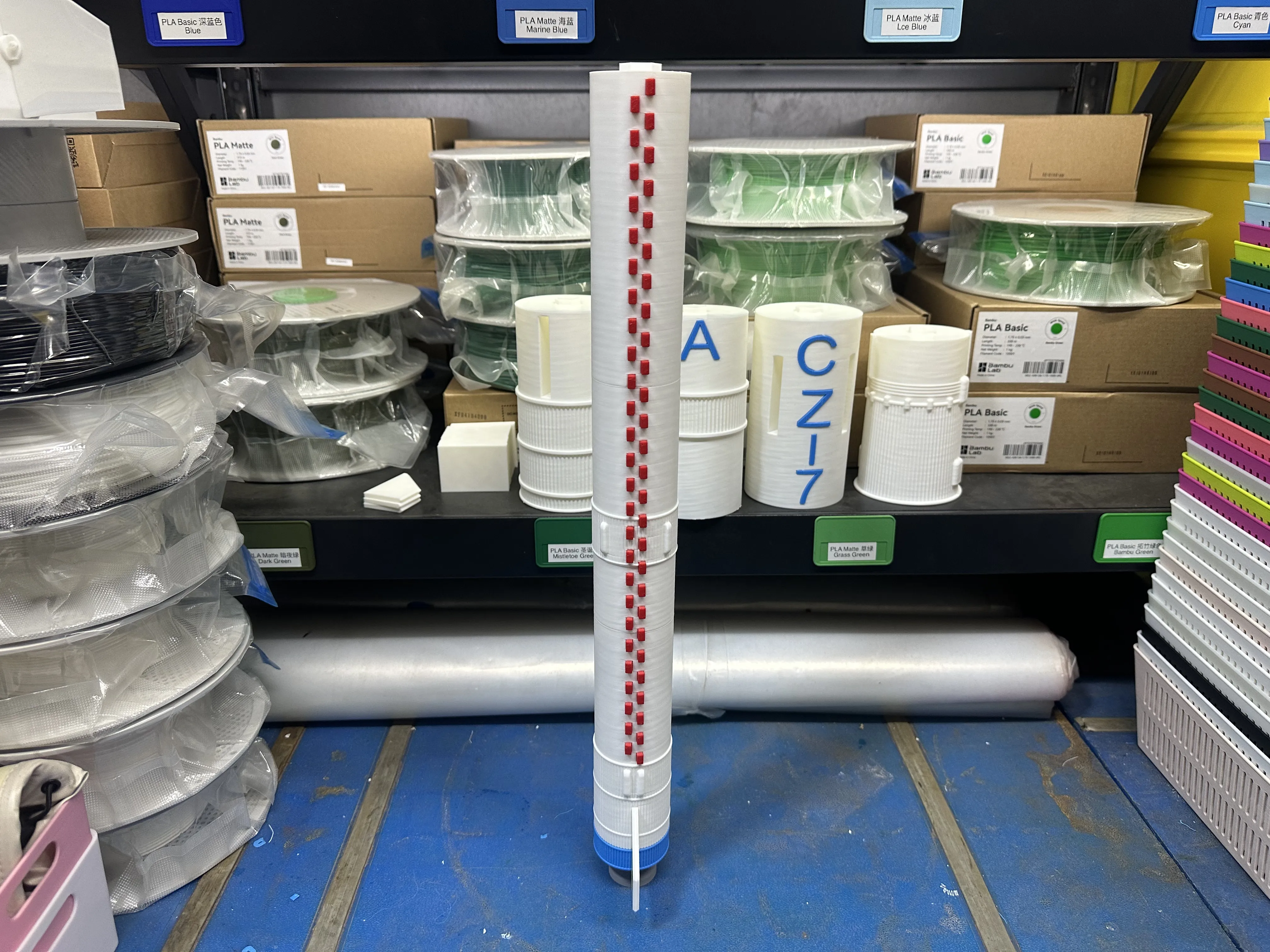
7. Booster six:
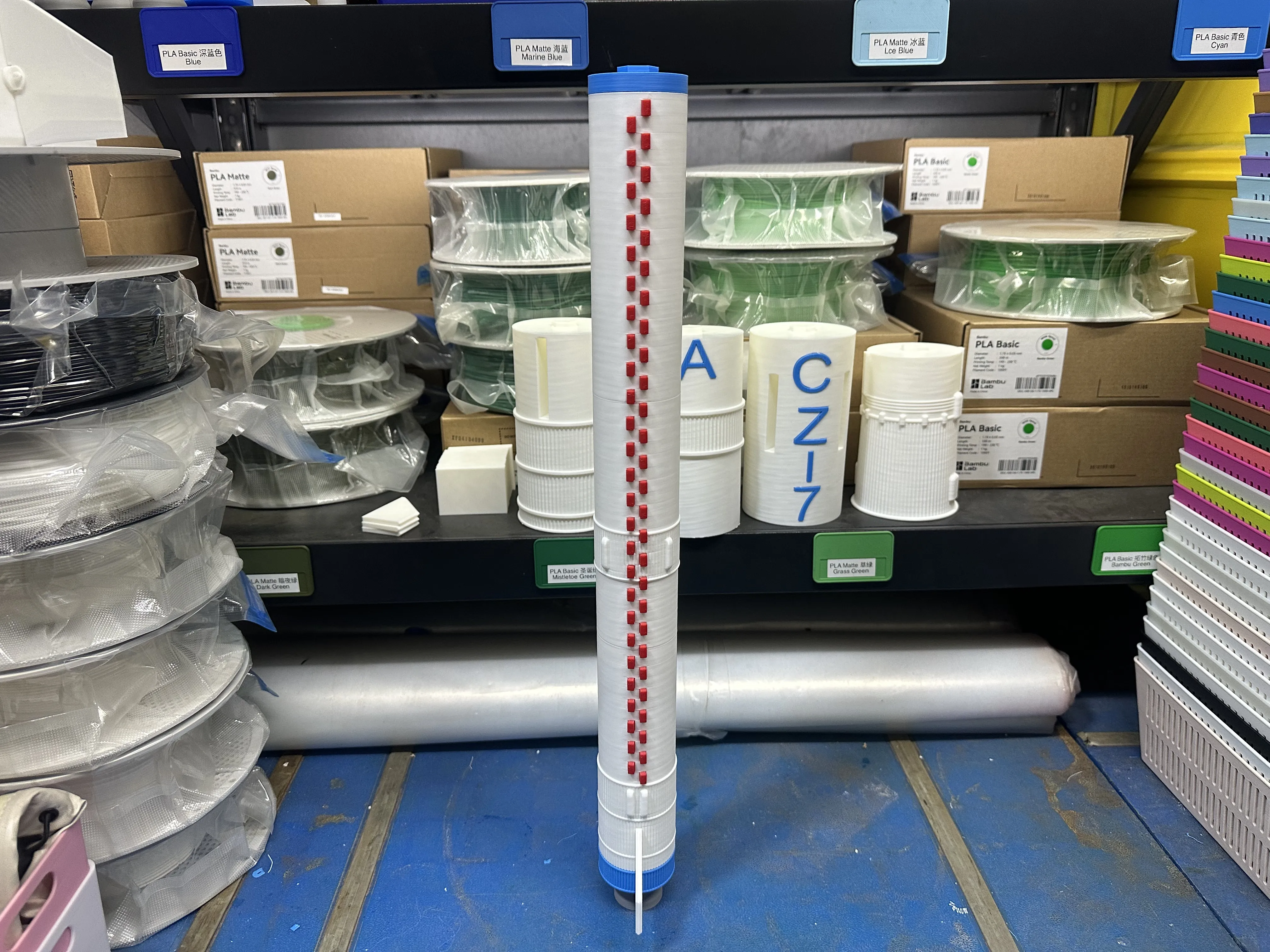
8. Booster seven:
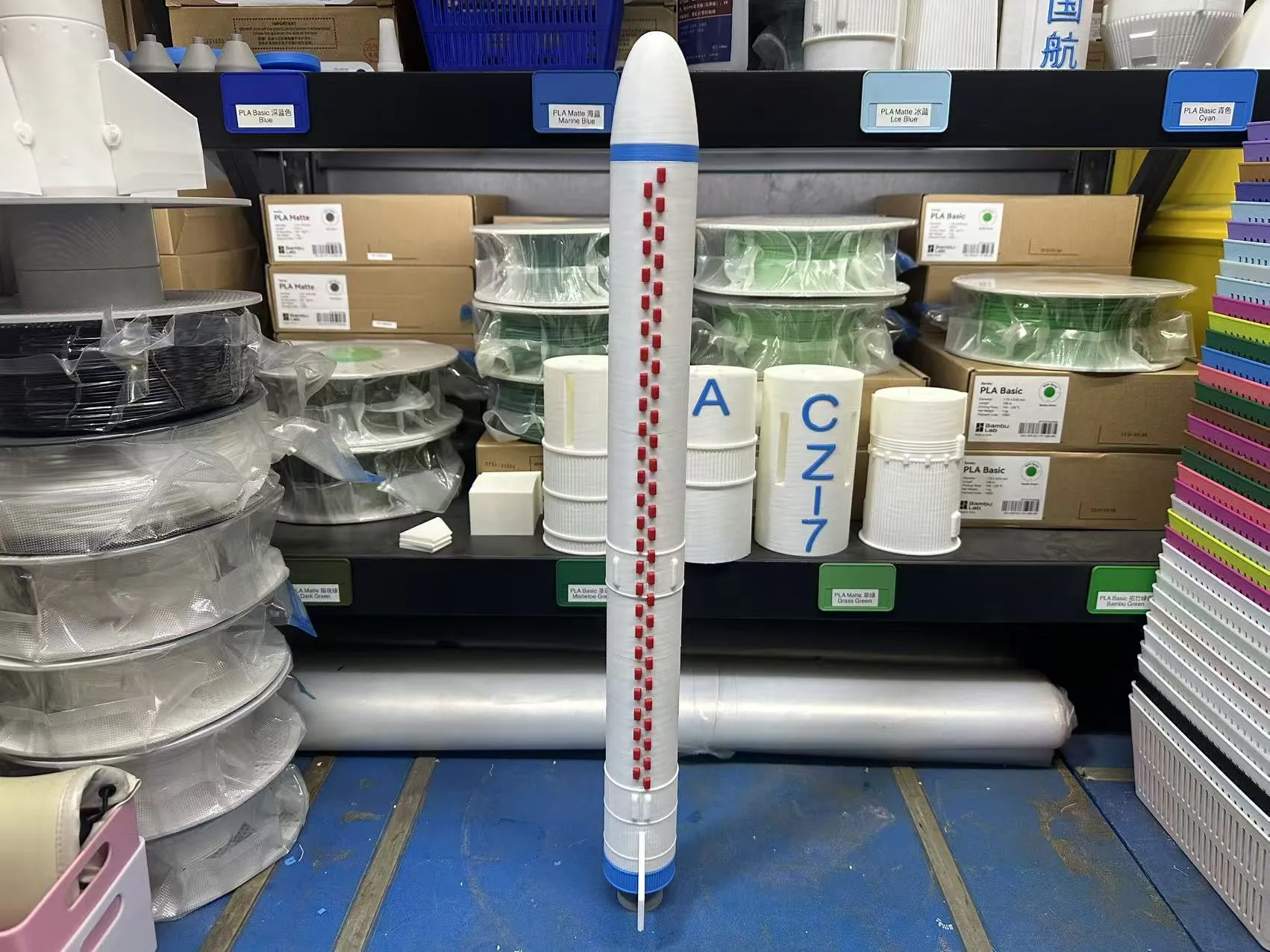
9. Booster eight:
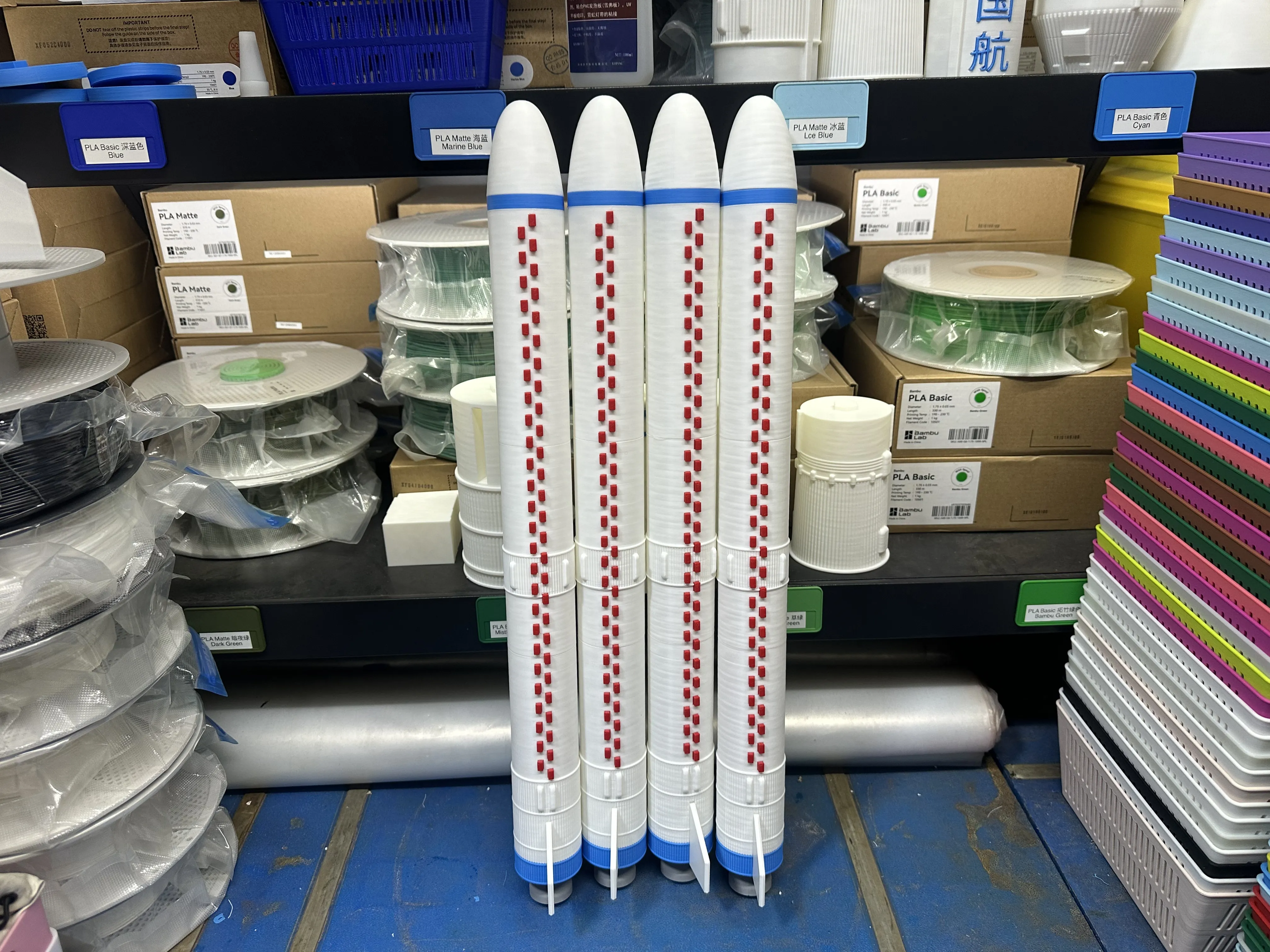
10. Main thruster one:
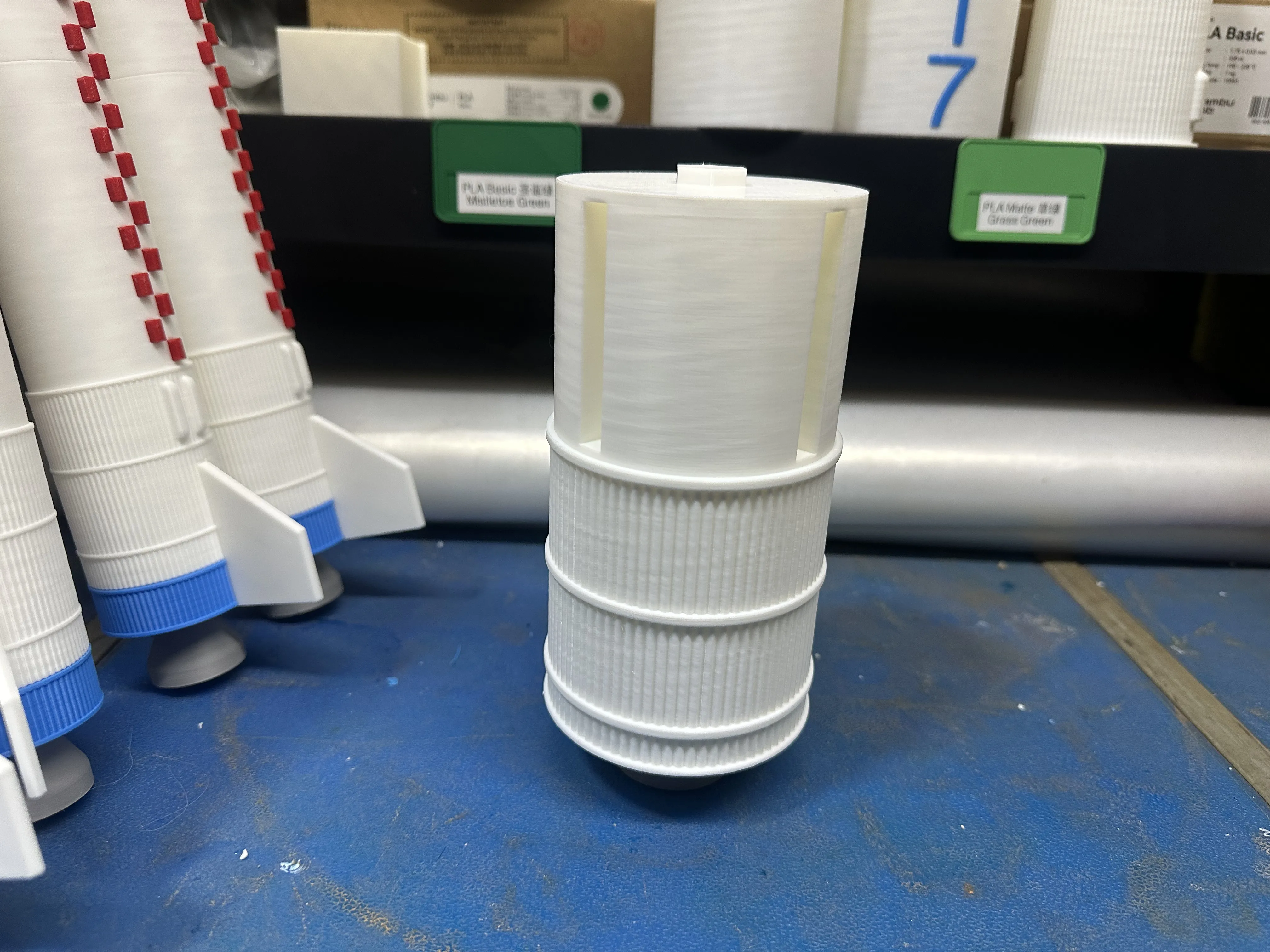
11. Main thruster two:
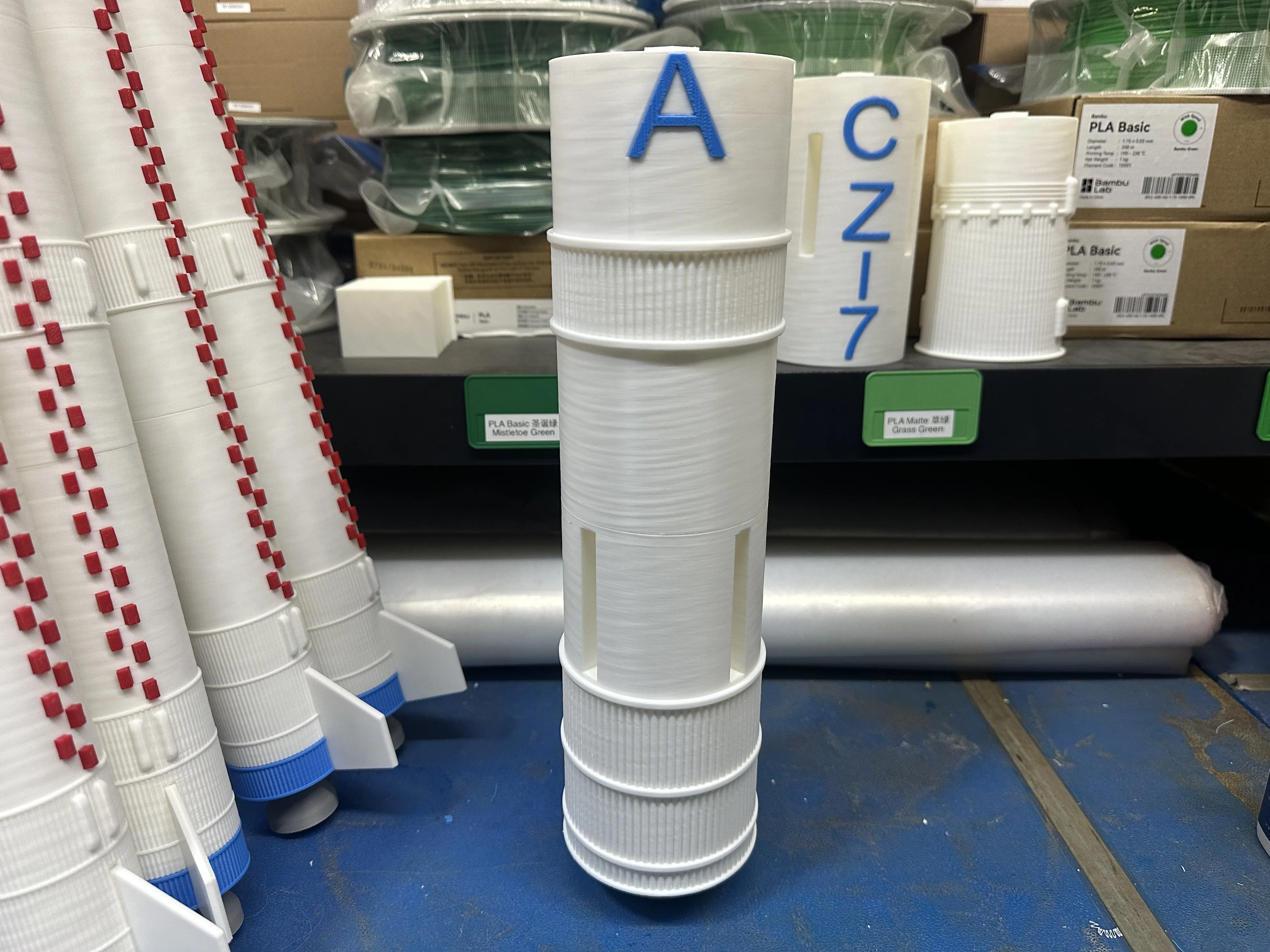
12. Main thruster three:
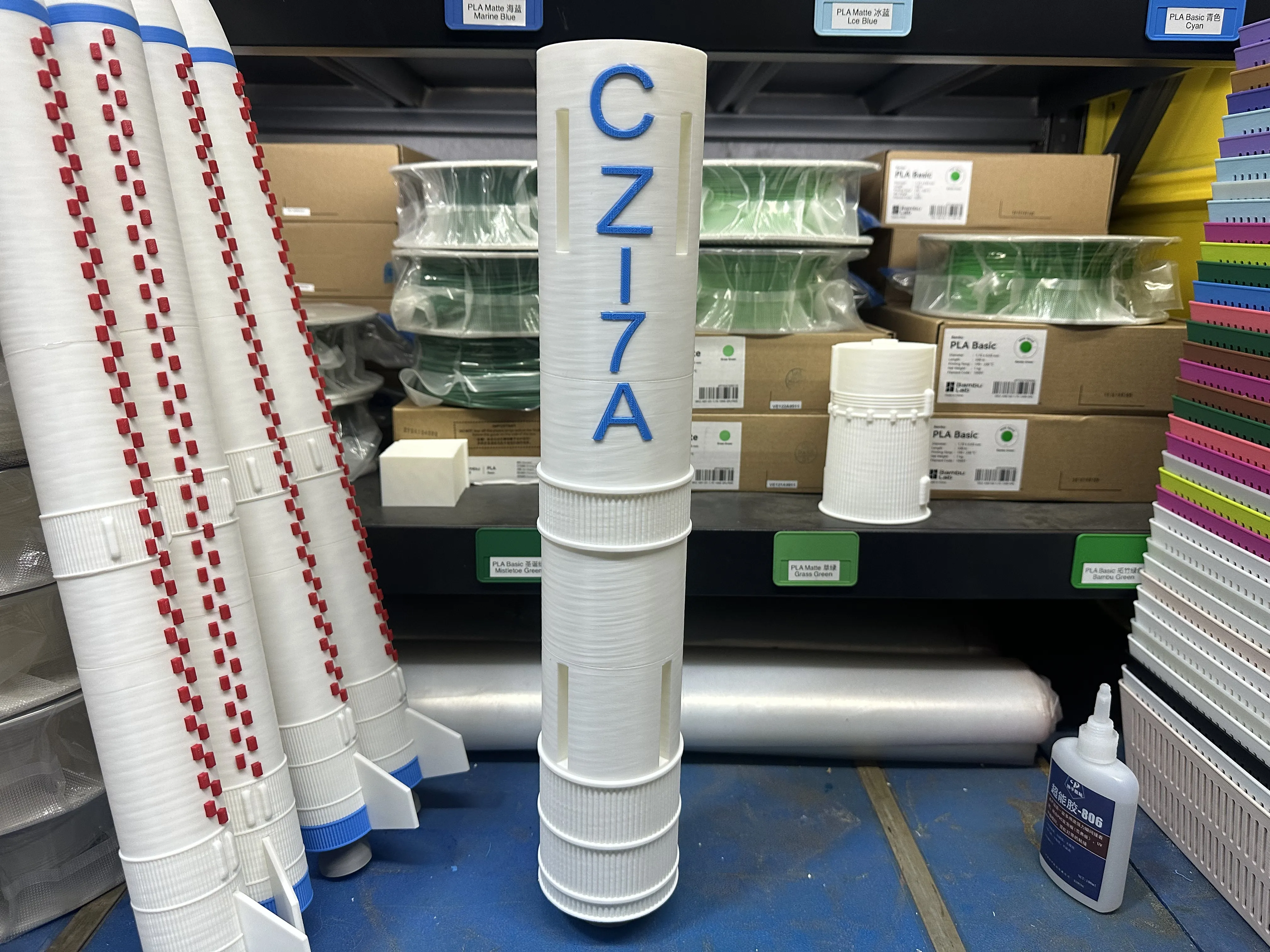
13. Main thruster four:
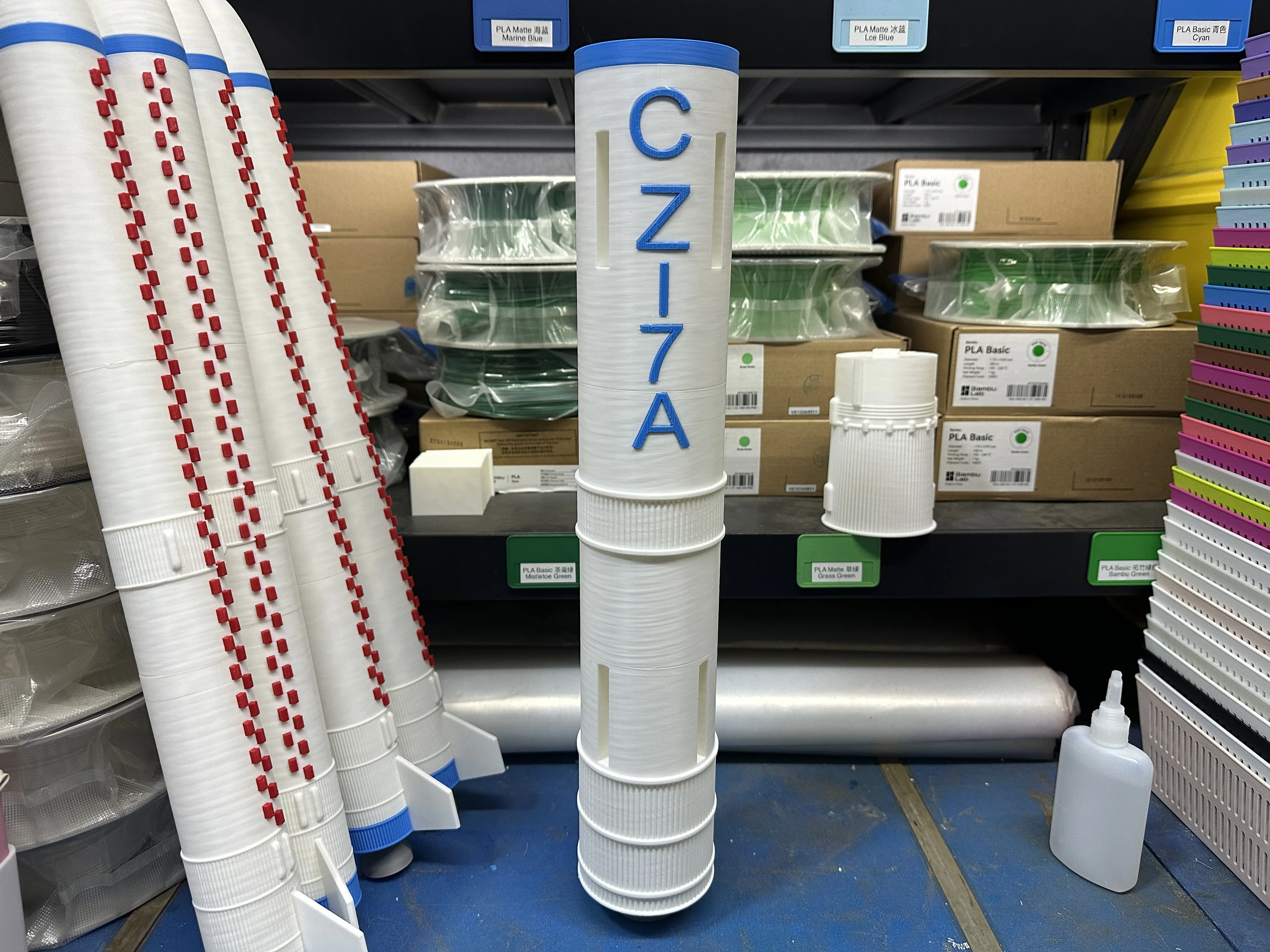
14. Main thruster five:
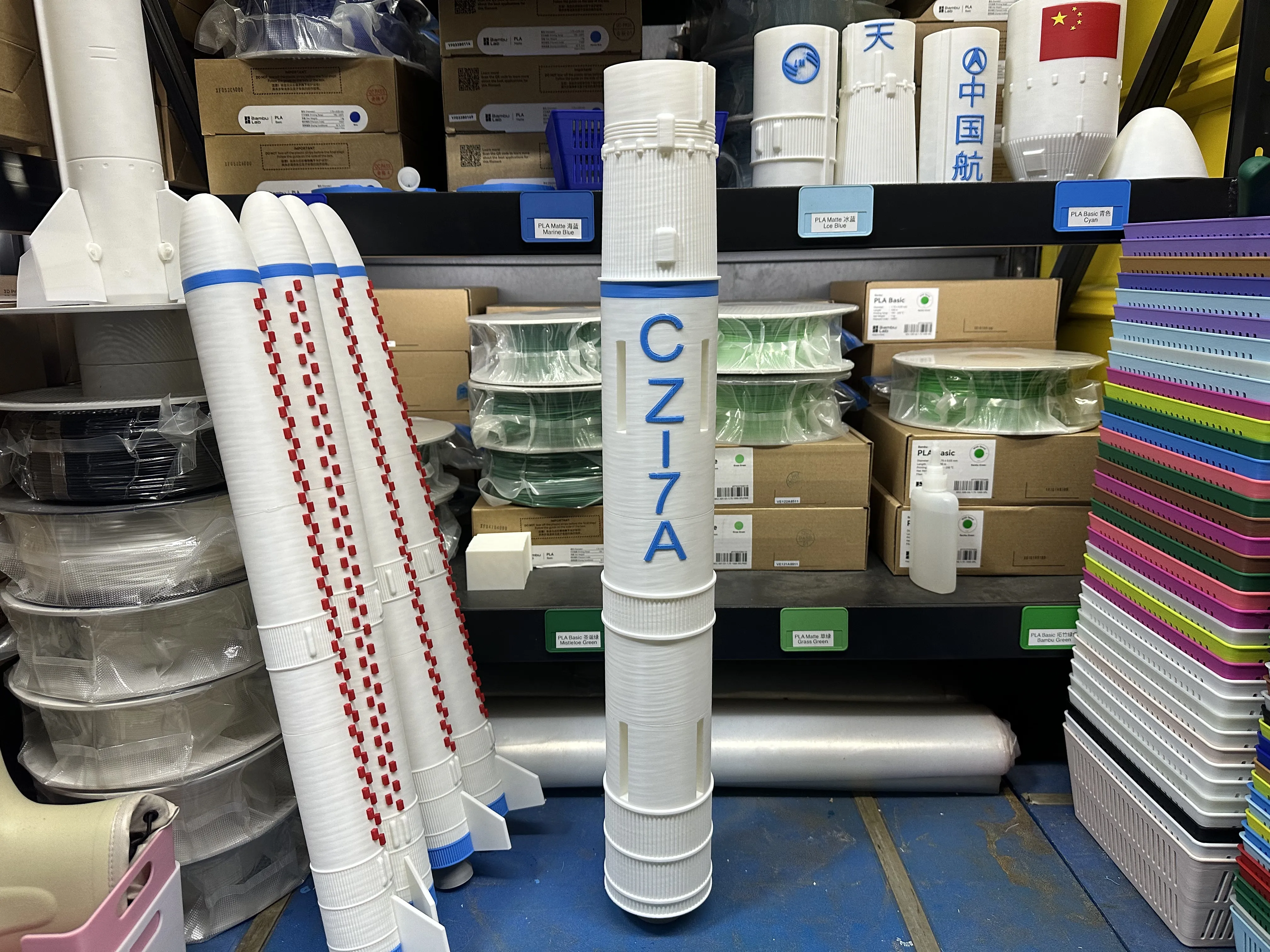
15. Main thruster six:
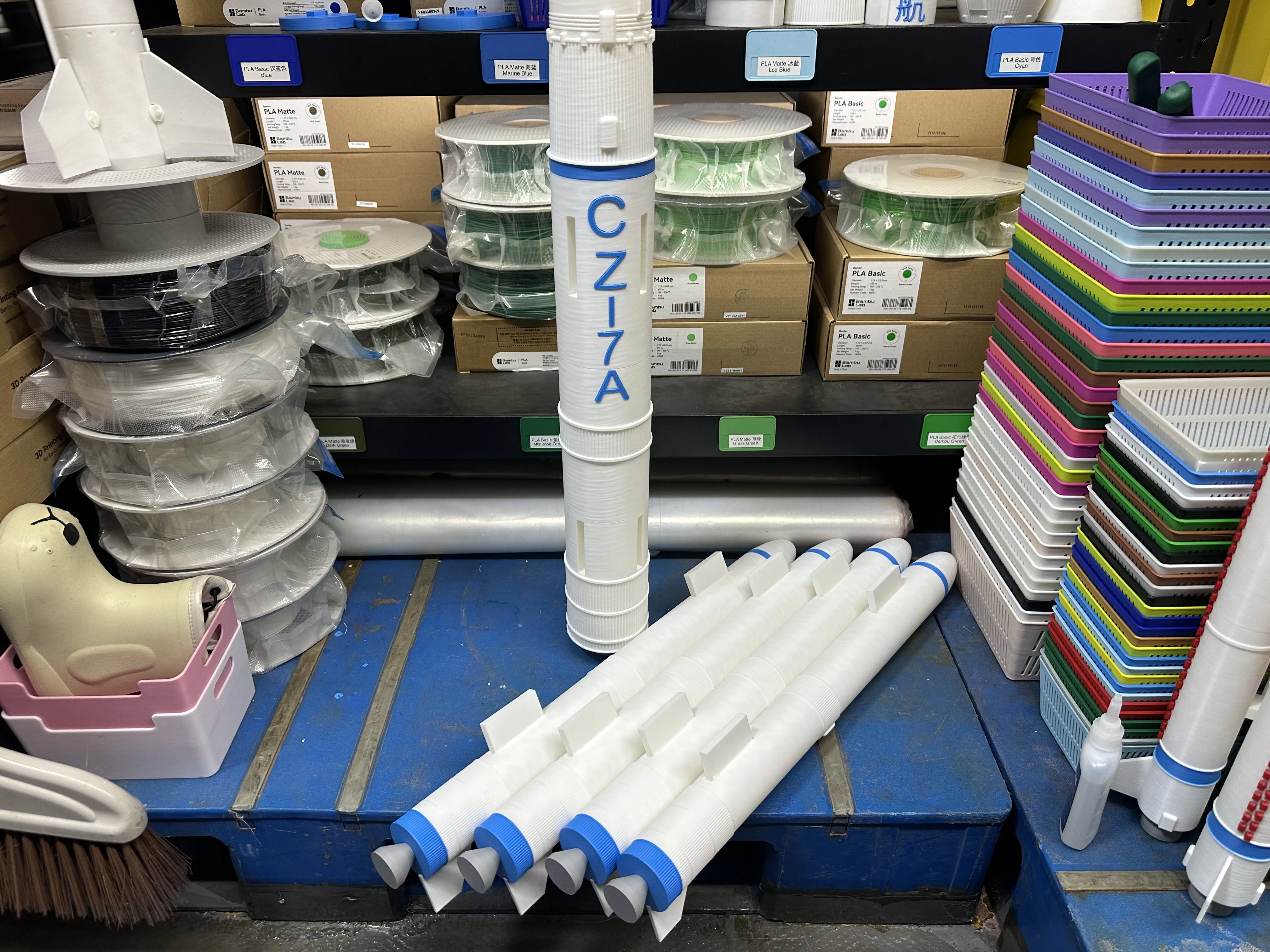
16. Main thruster seven:
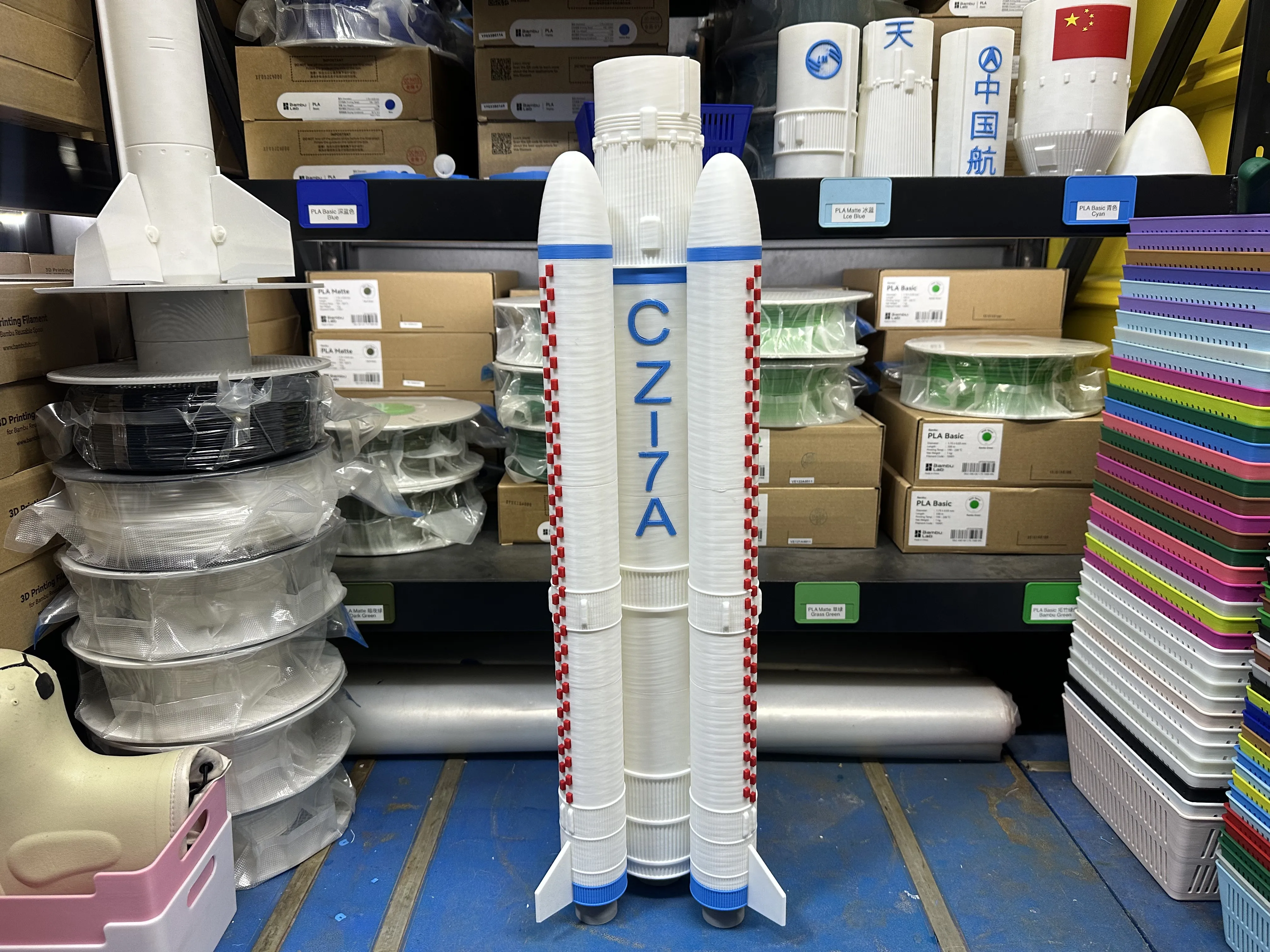
17. Main thruster eight:
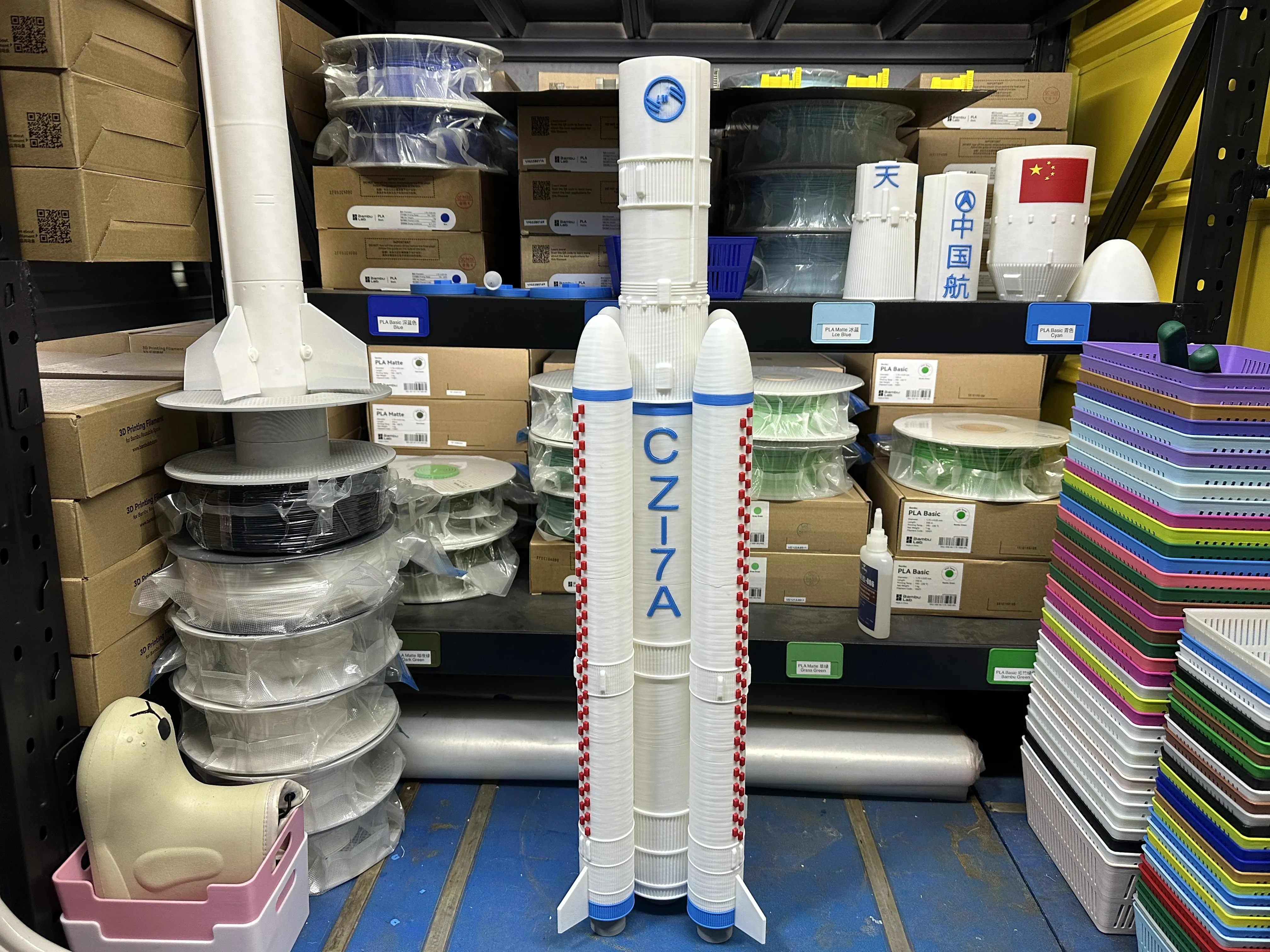
18. Main thruster nine:
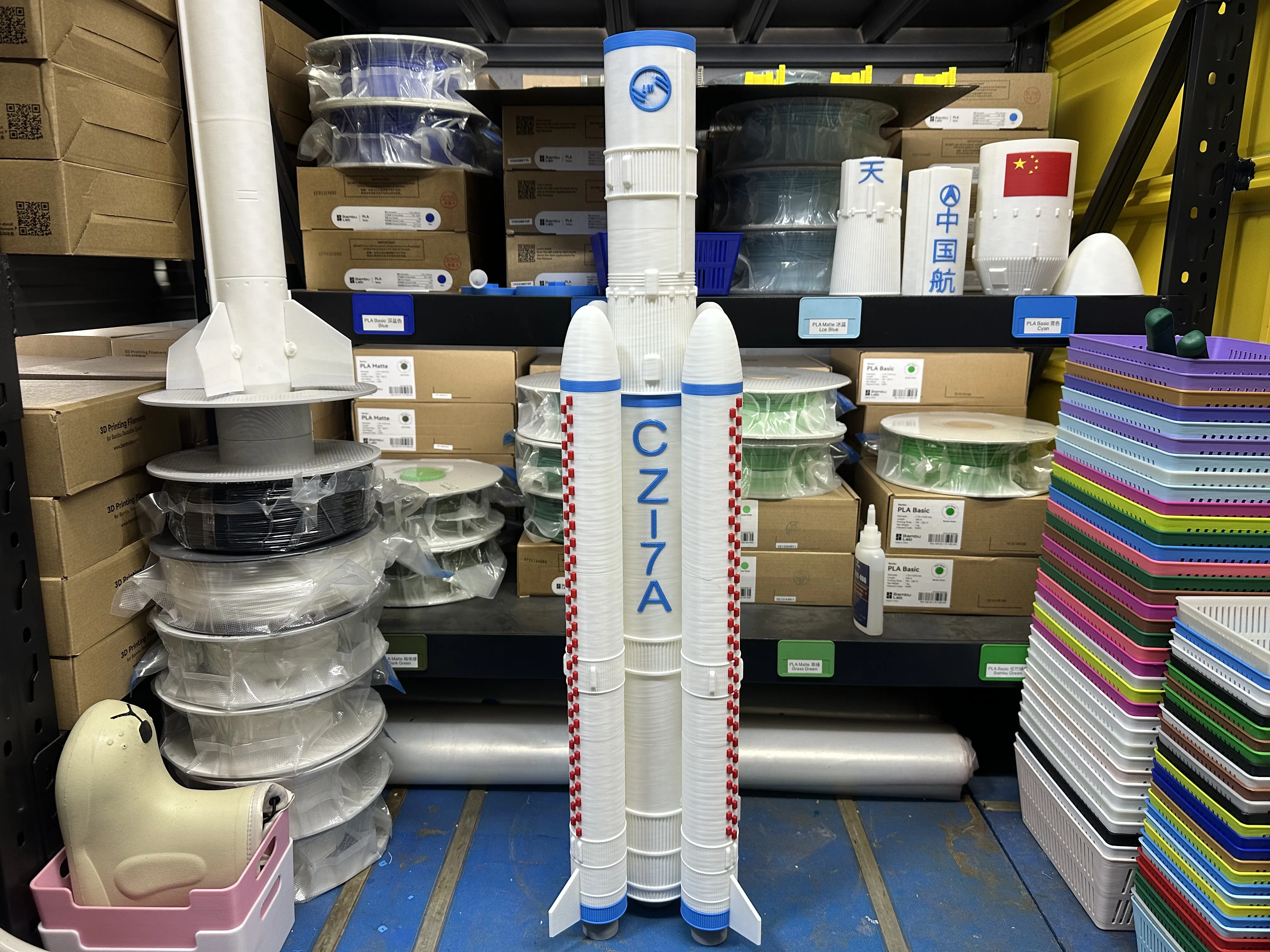
19. Main thruster ten:
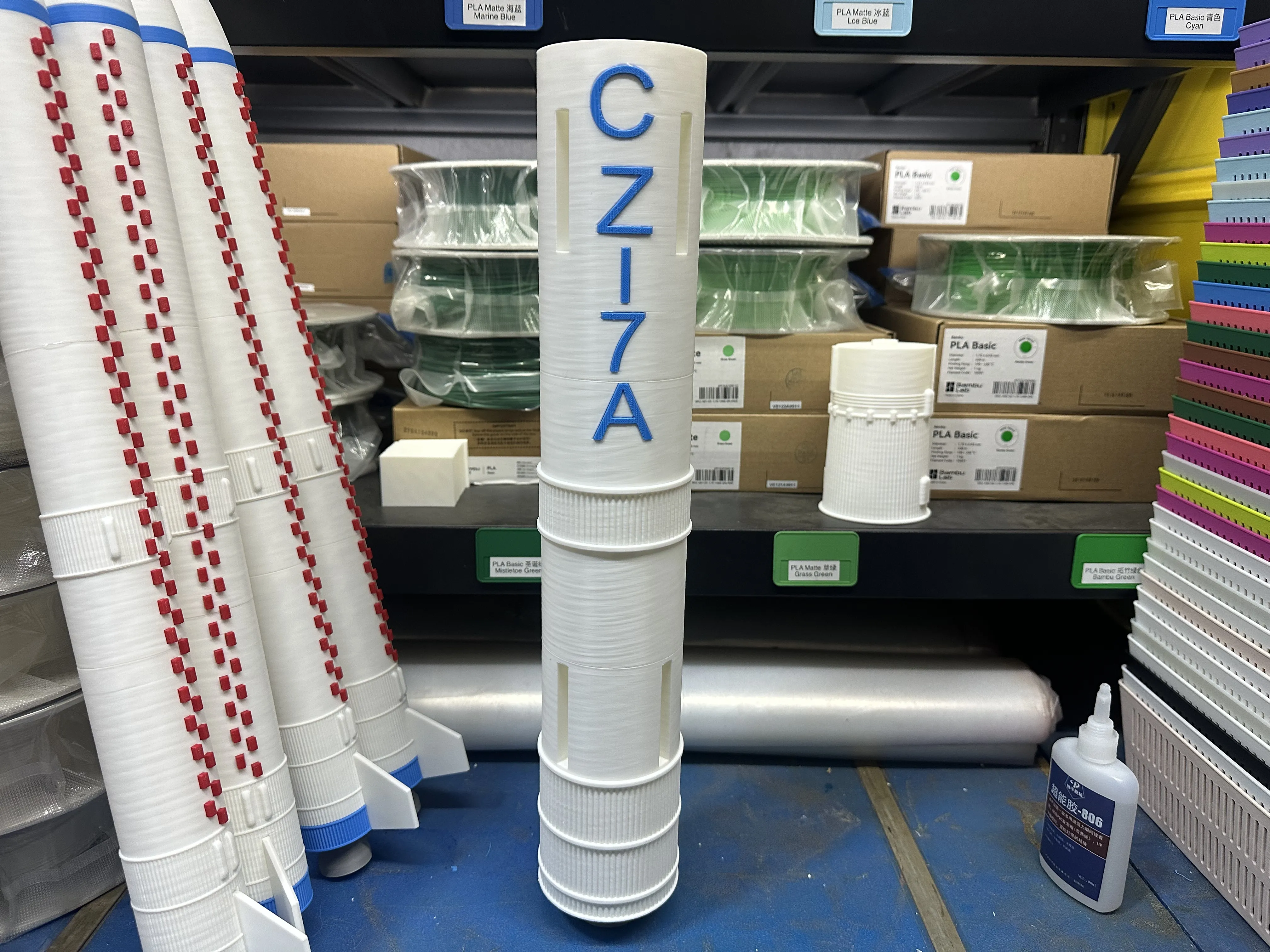
20. Main thruster eleven:
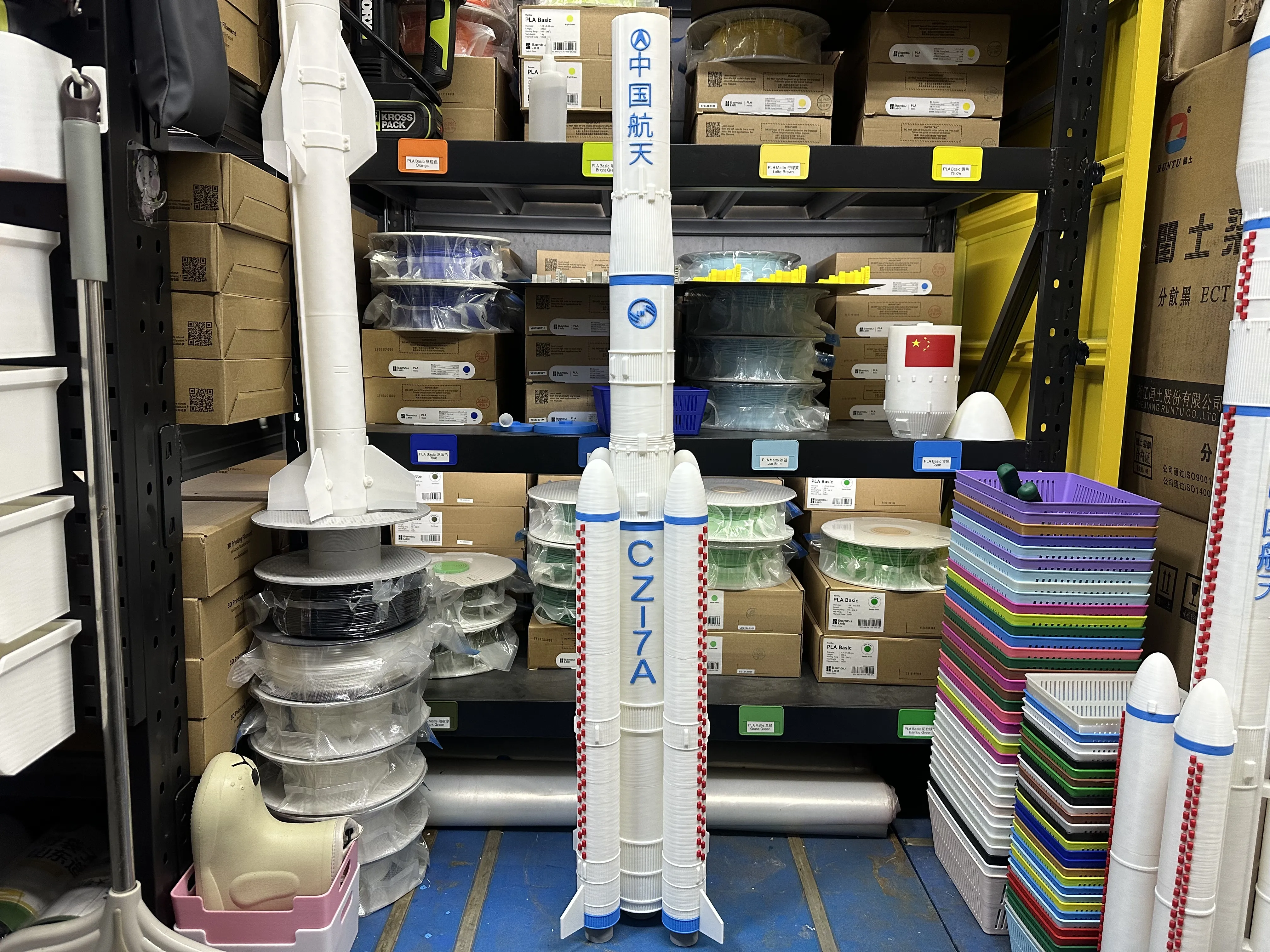
21. Main thruster twelve:
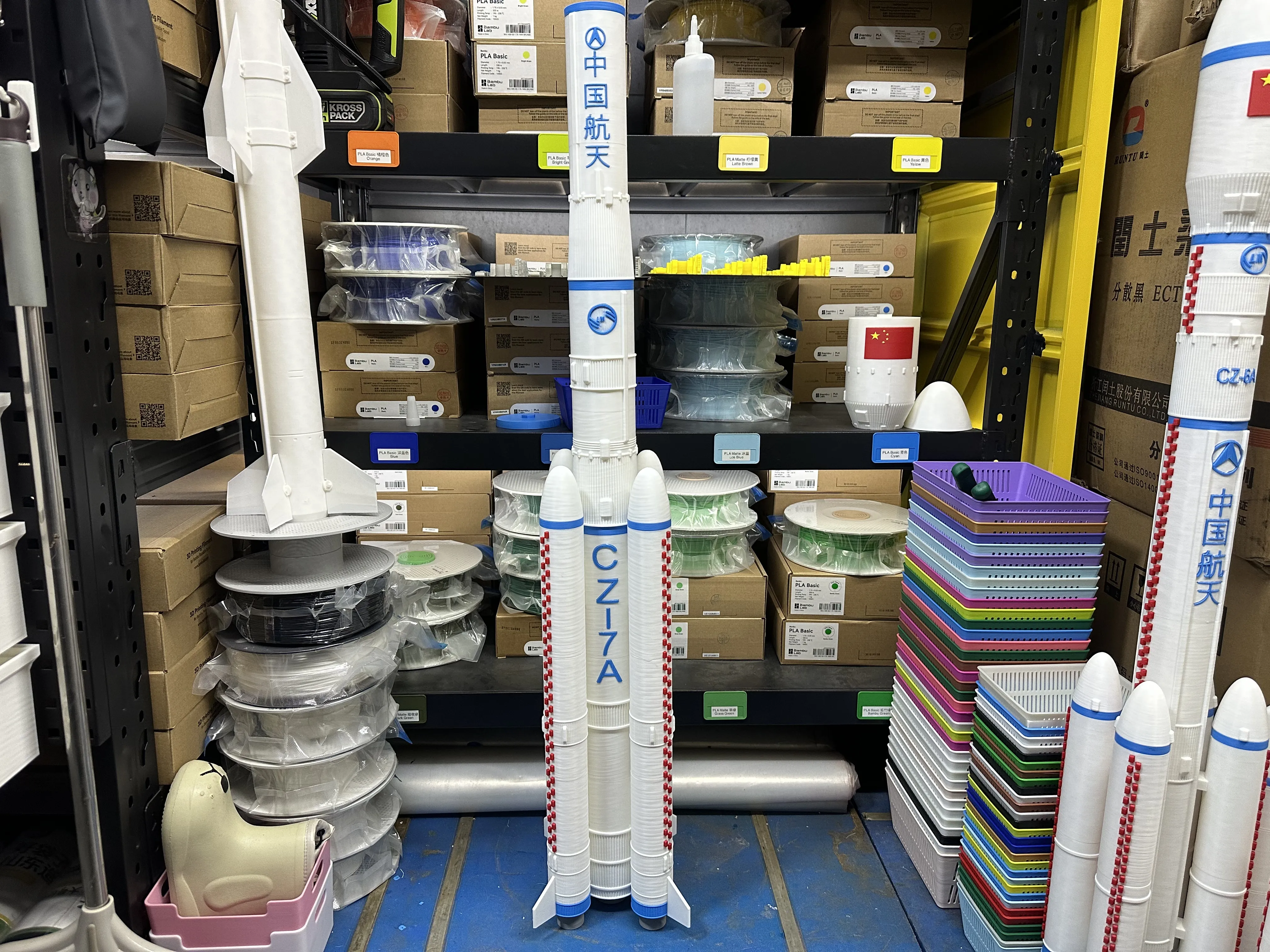
22. Main thruster thirteen:
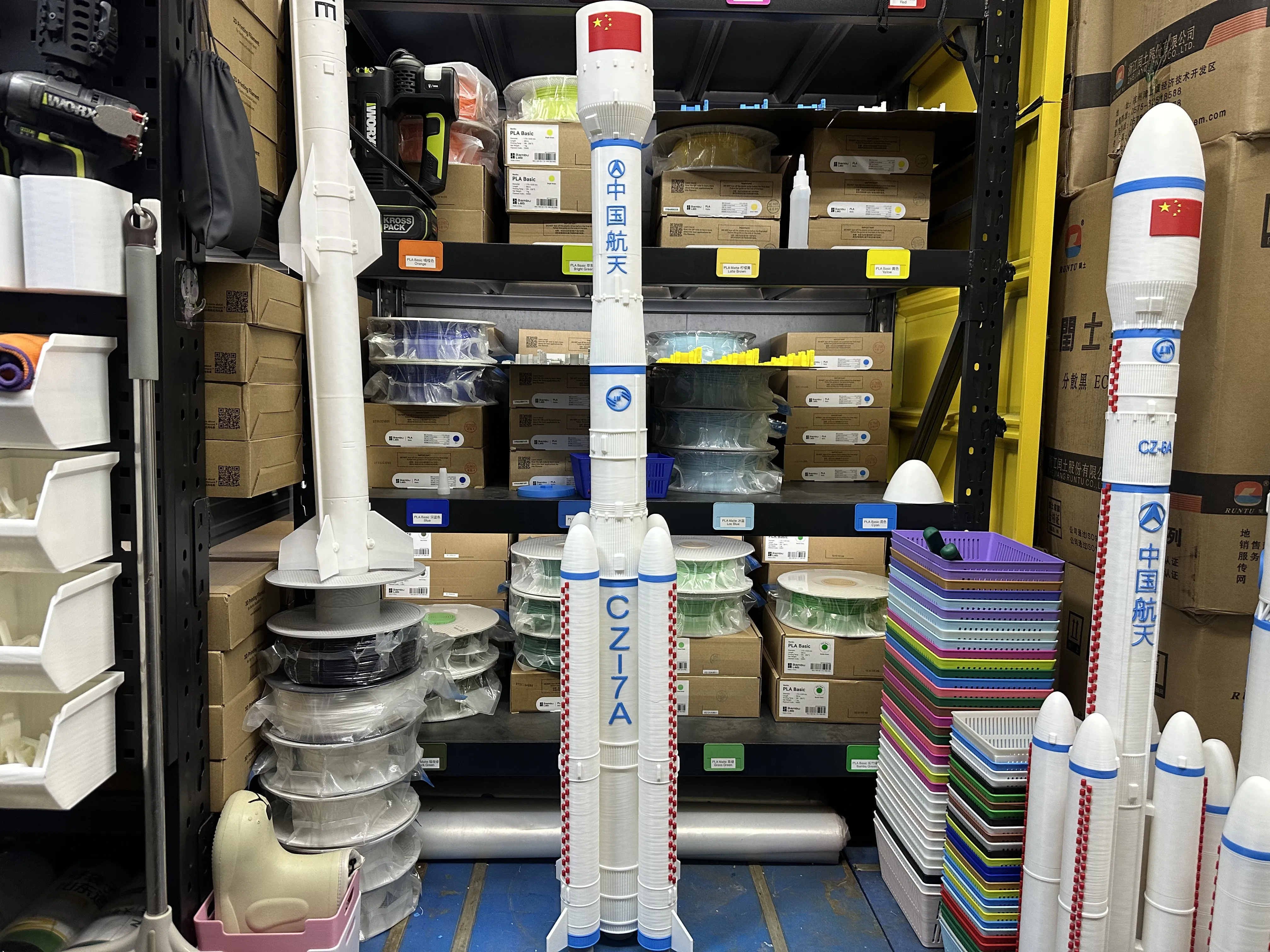
23. Main thruster fourteen:
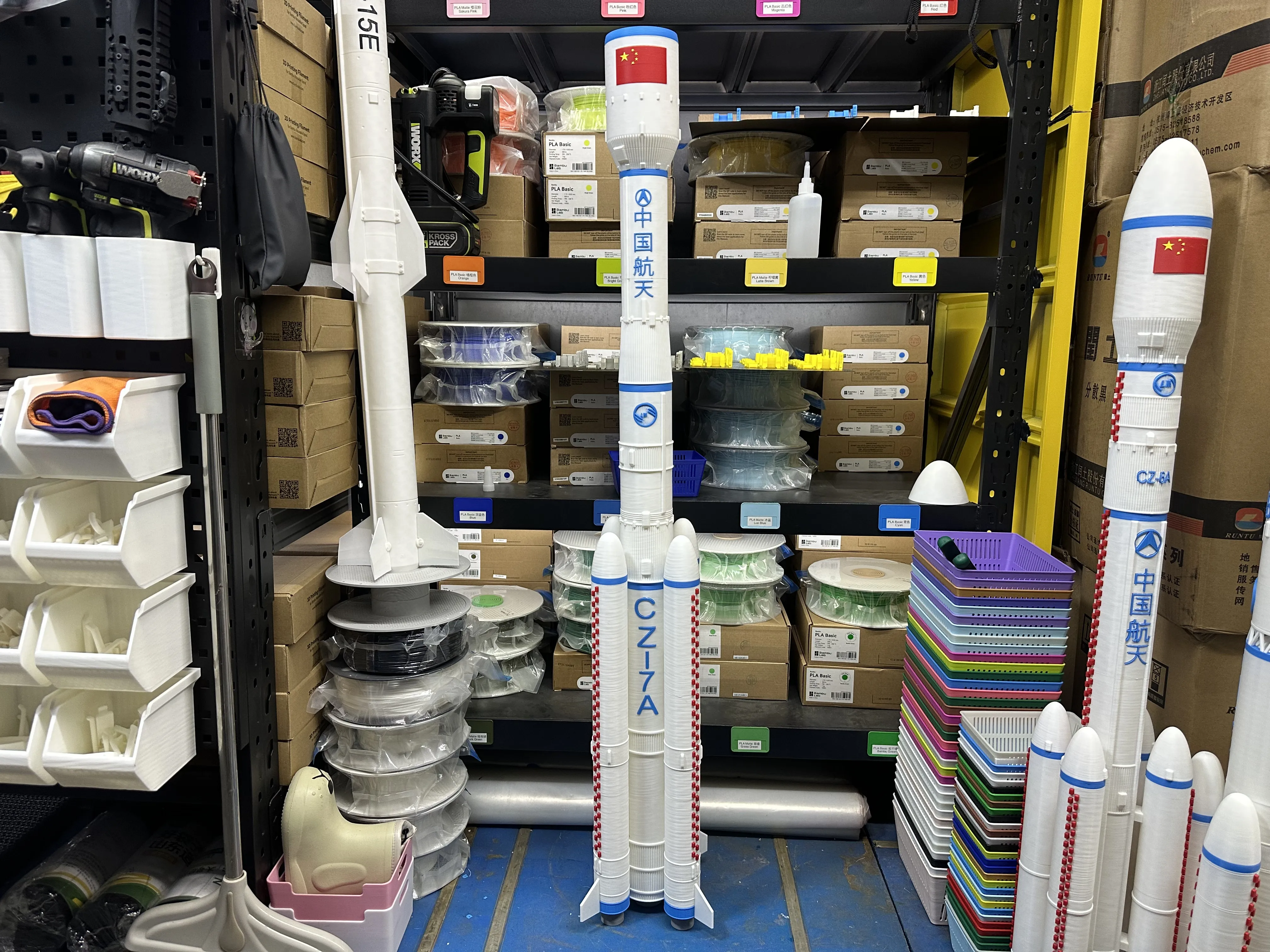
24. Main thruster fifteen:
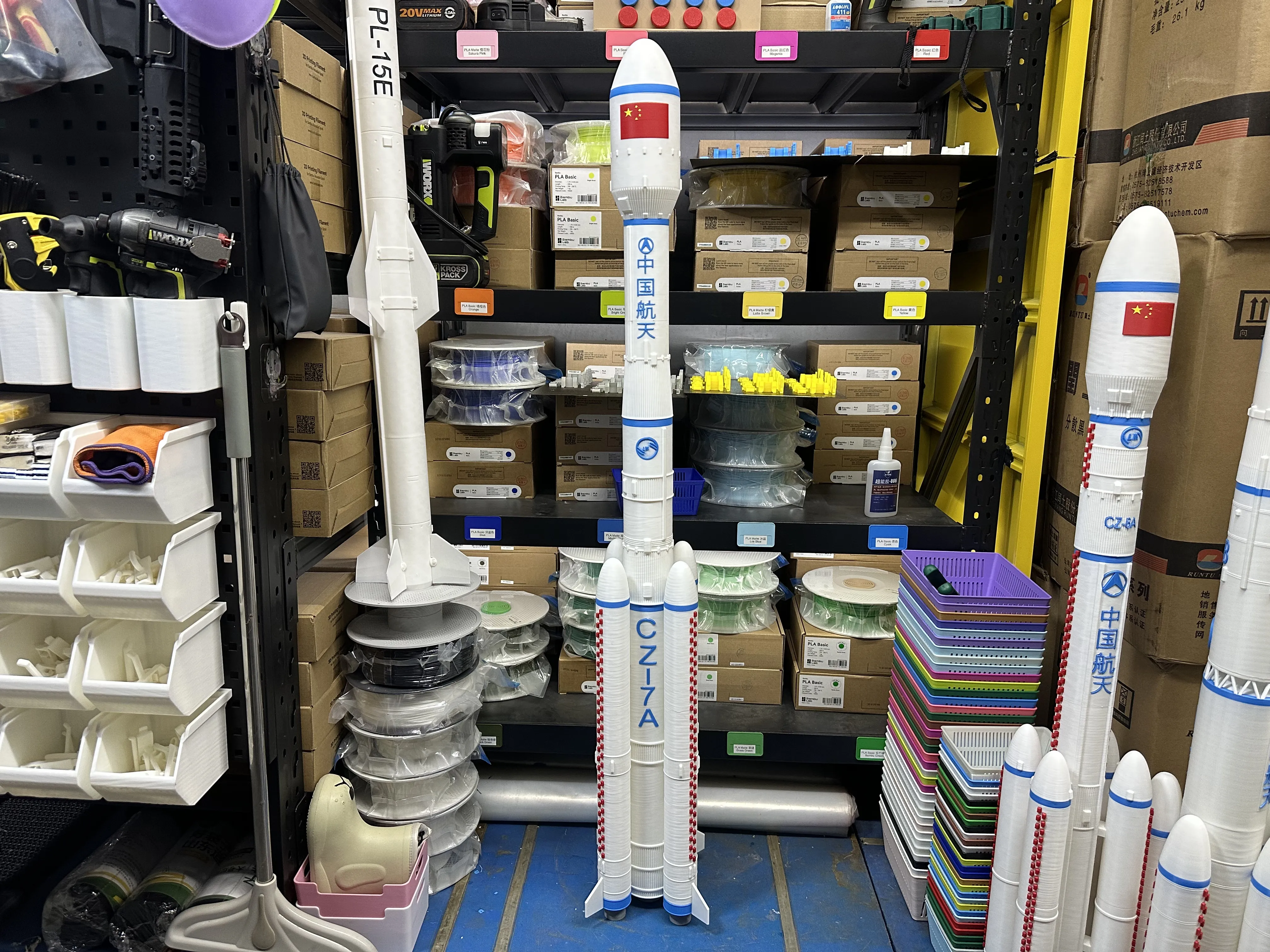
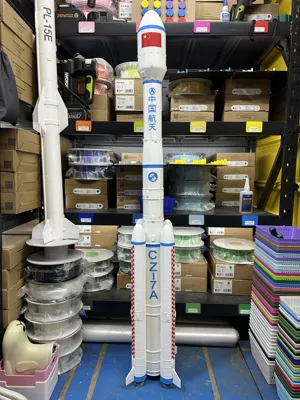
25. Completed image:
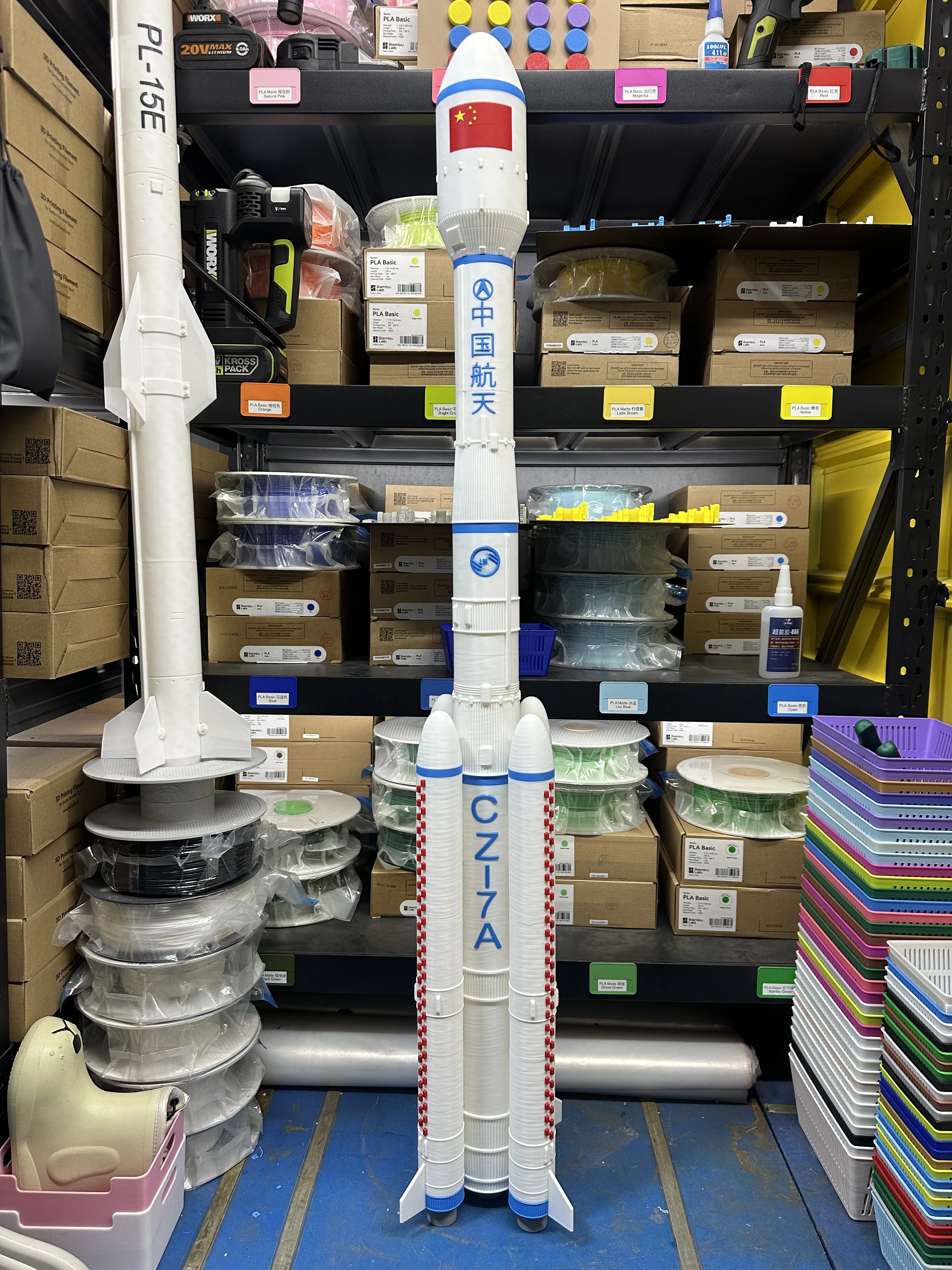
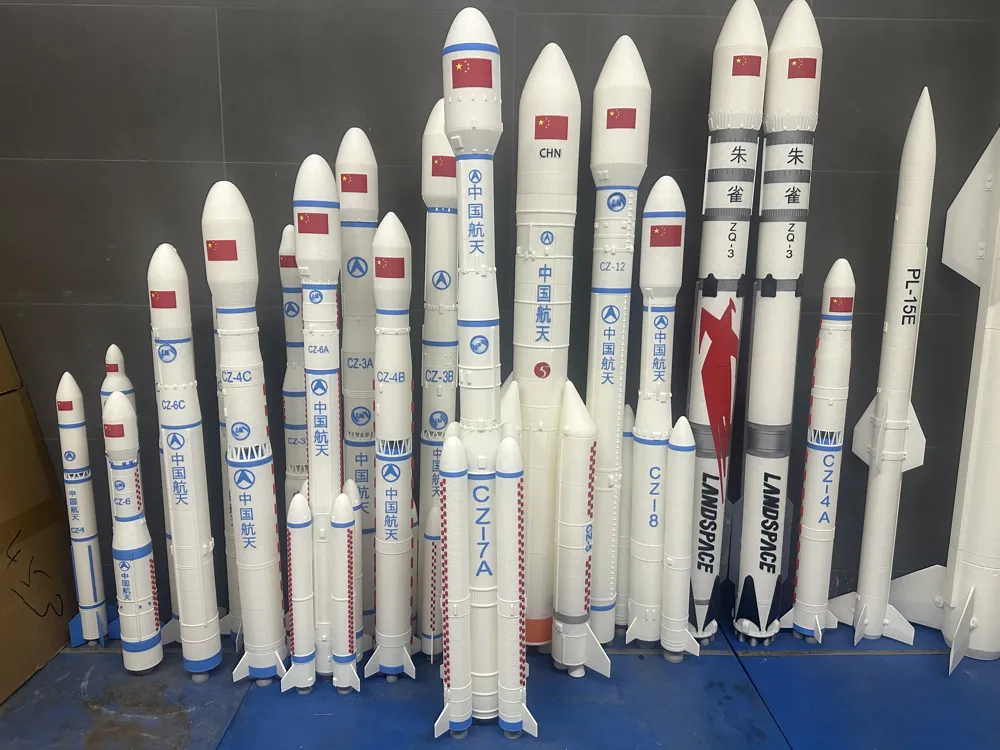
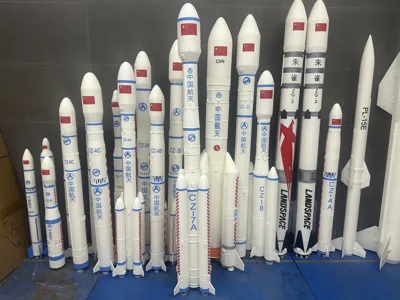
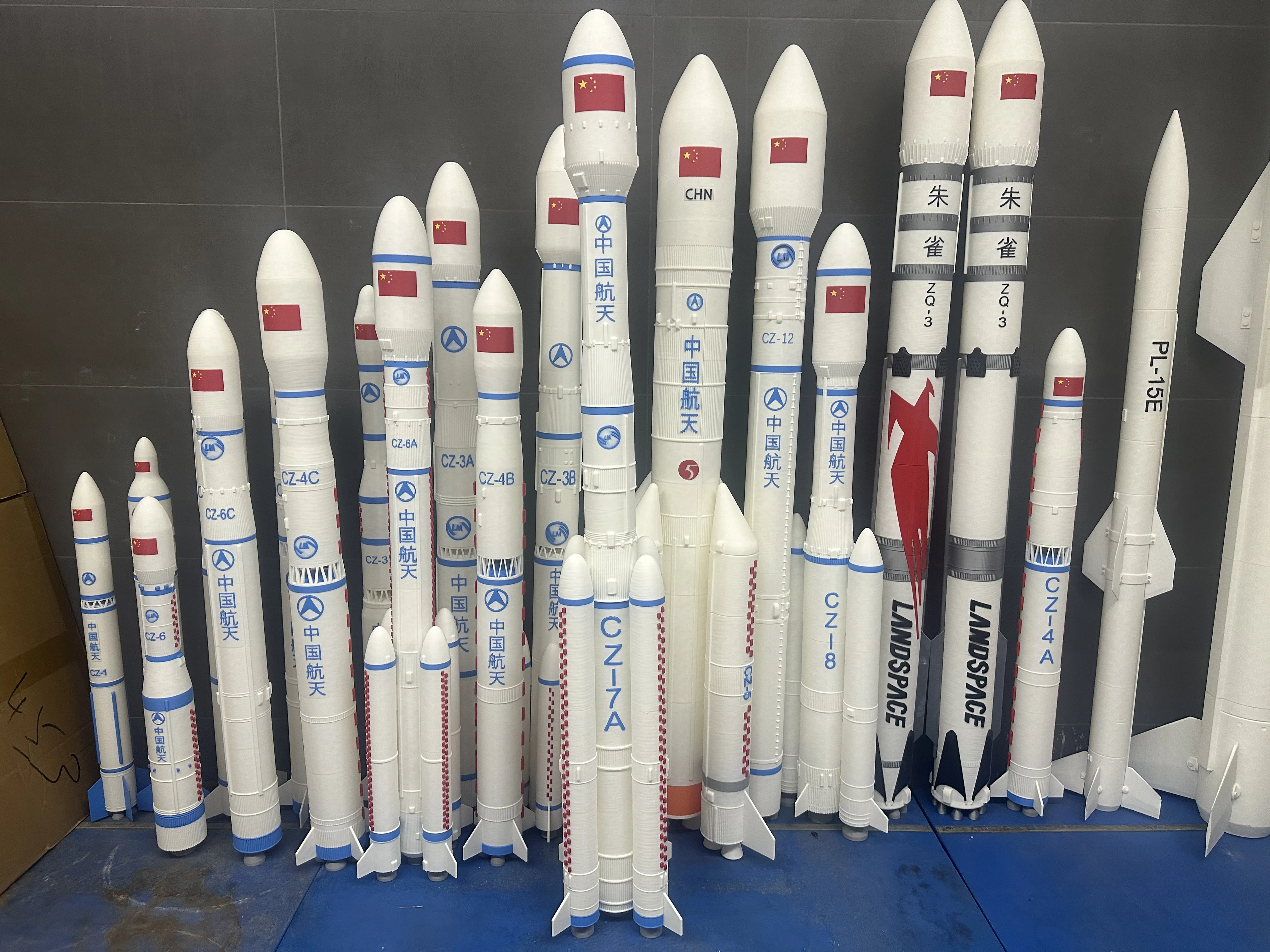
26. Comparison image:
License

You shall not share, sub-license, sell, rent, host, transfer, or distribute in any way the digital or 3D printed versions of this object, nor any other derivative work of this object in its digital or physical format (including - but not limited to - remixes of this object, and hosting on other digital platforms). The objects may not be used without permission in any way whatsoever in which you charge money, or collect fees.


Comment & Rating (0)