


Print Profile(1)

Description
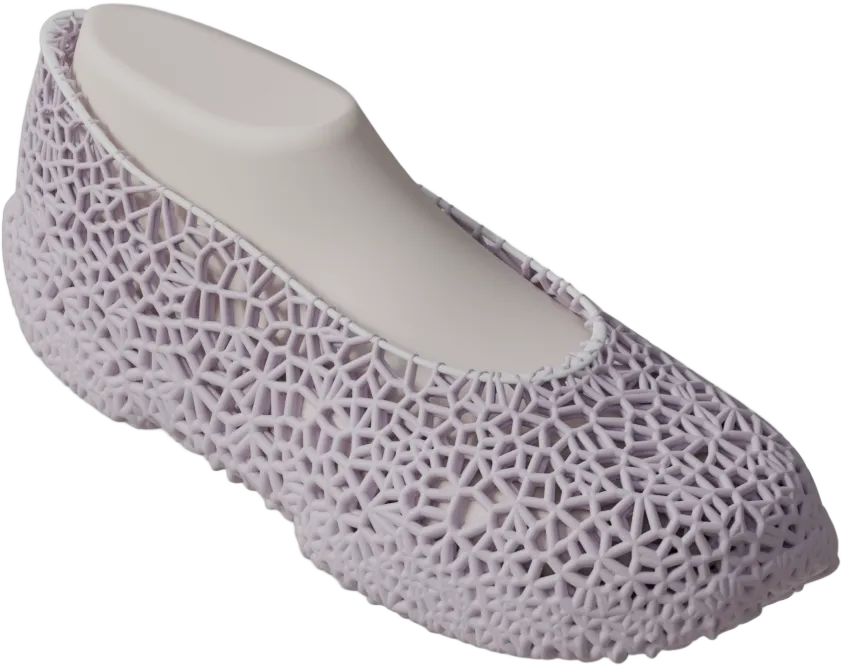
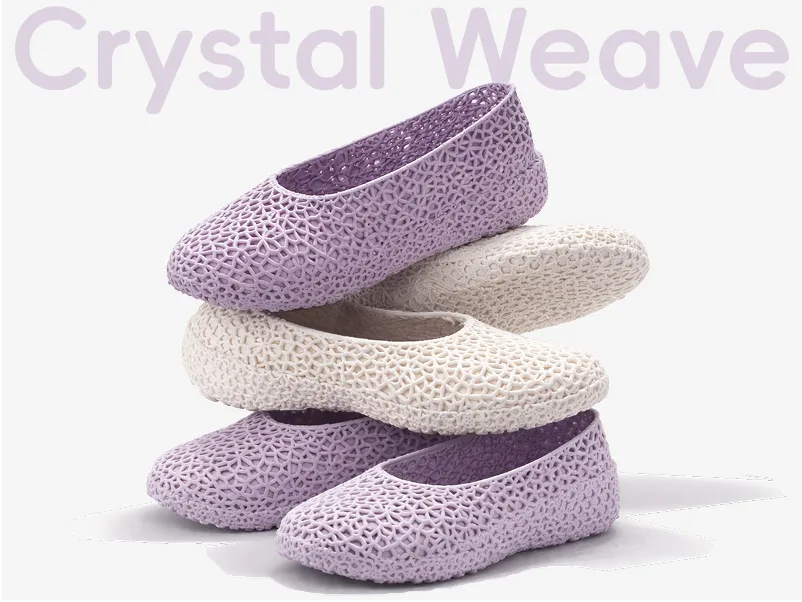
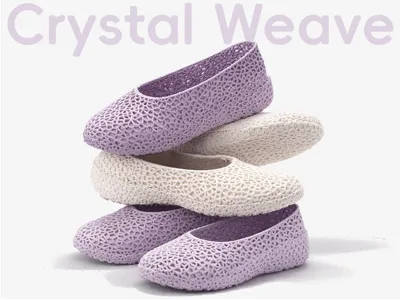
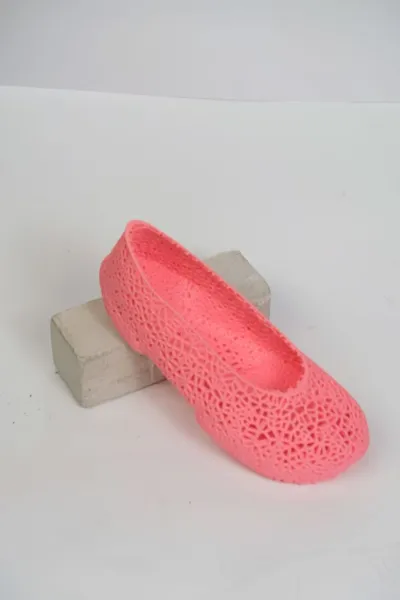
Crystal Weave is an "exoskeleton" for the feet, designed for activities like yoga, Pilates, and ballet that demand extreme sensory perception. It activates the foot's natural shock absorption system through its zero-drop thin sole and wide toe box.
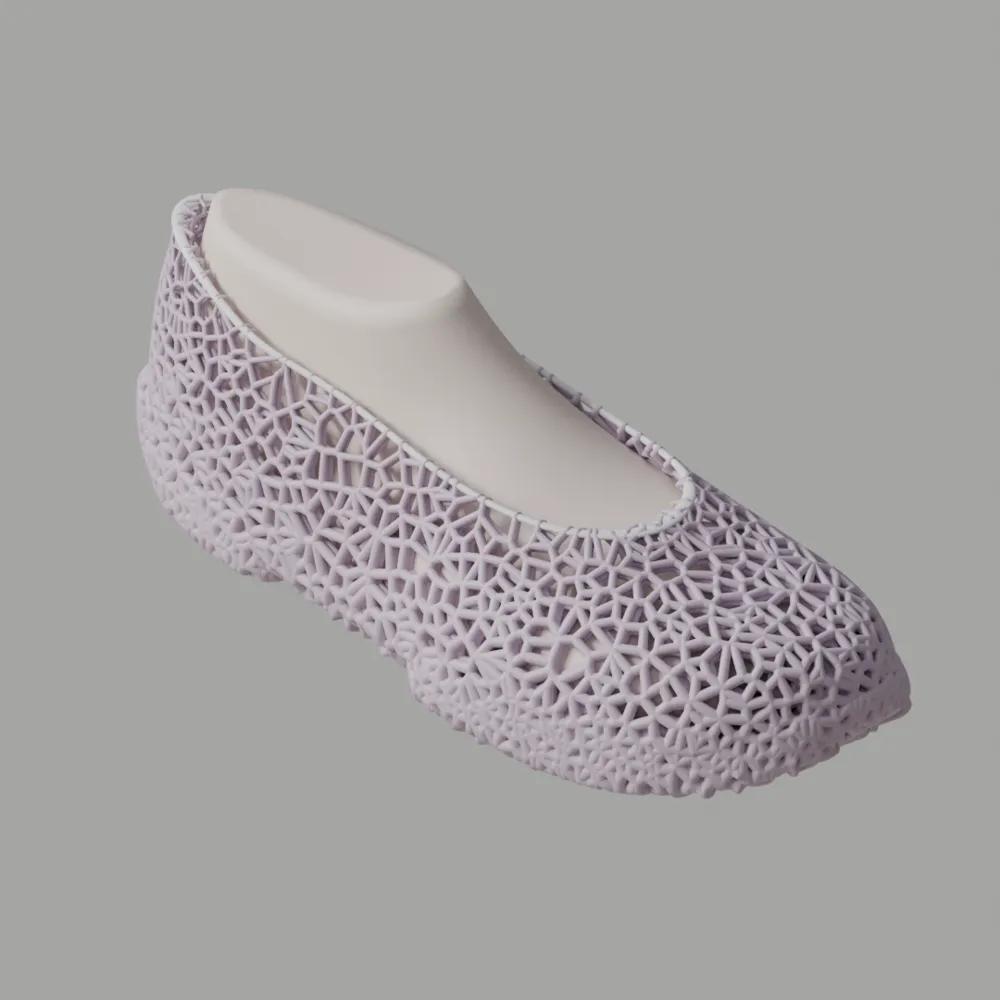
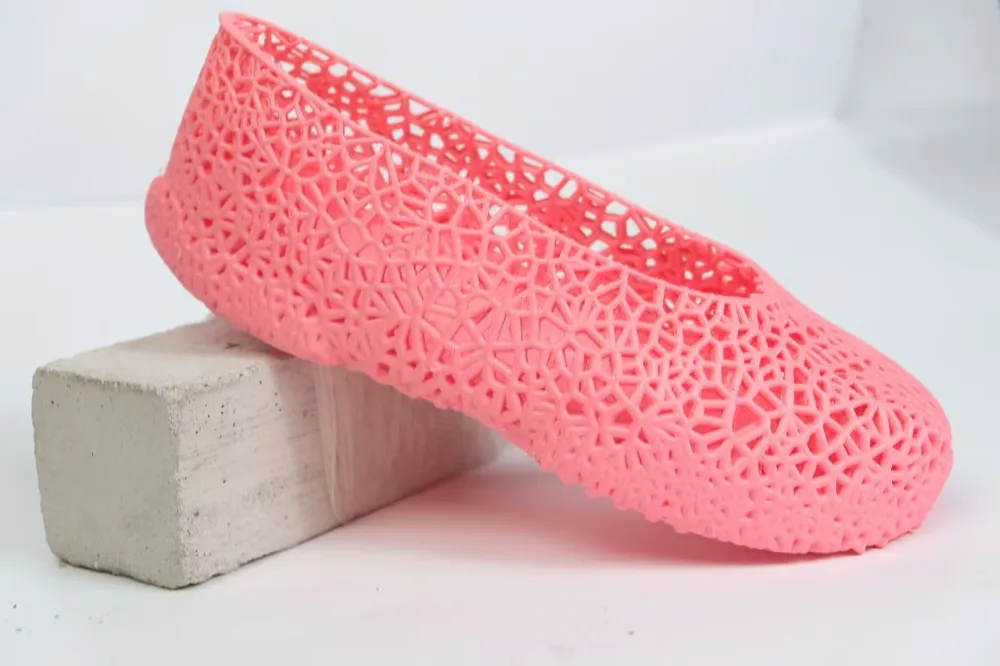
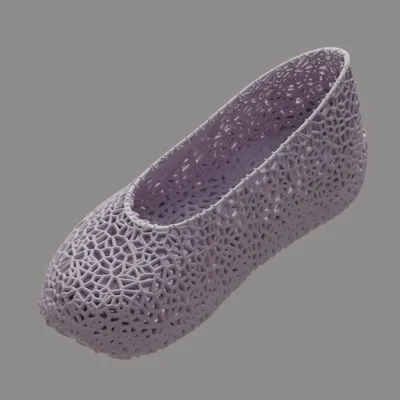
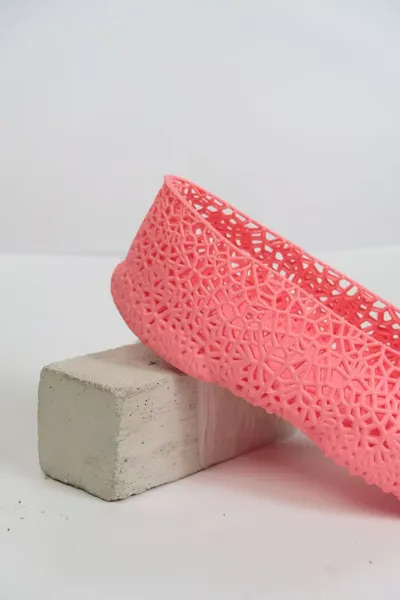
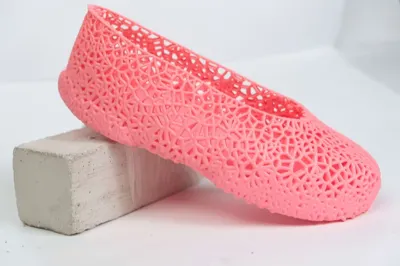
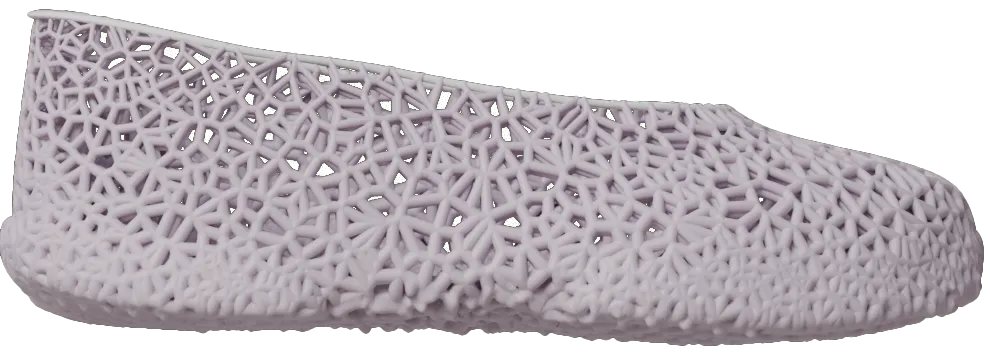
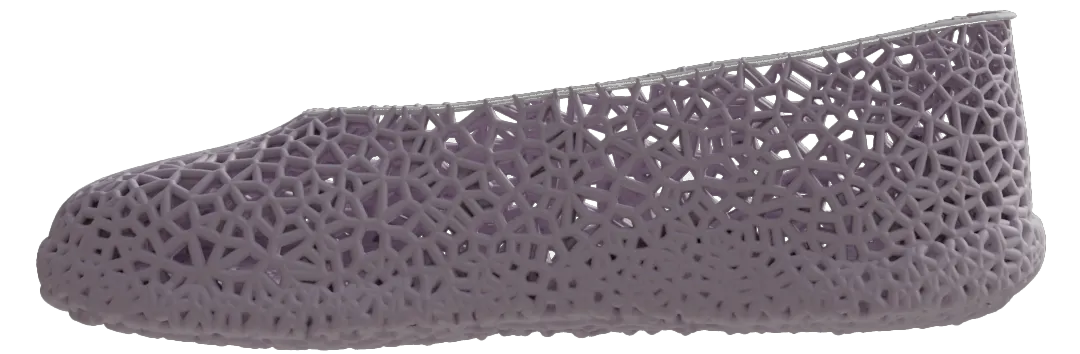
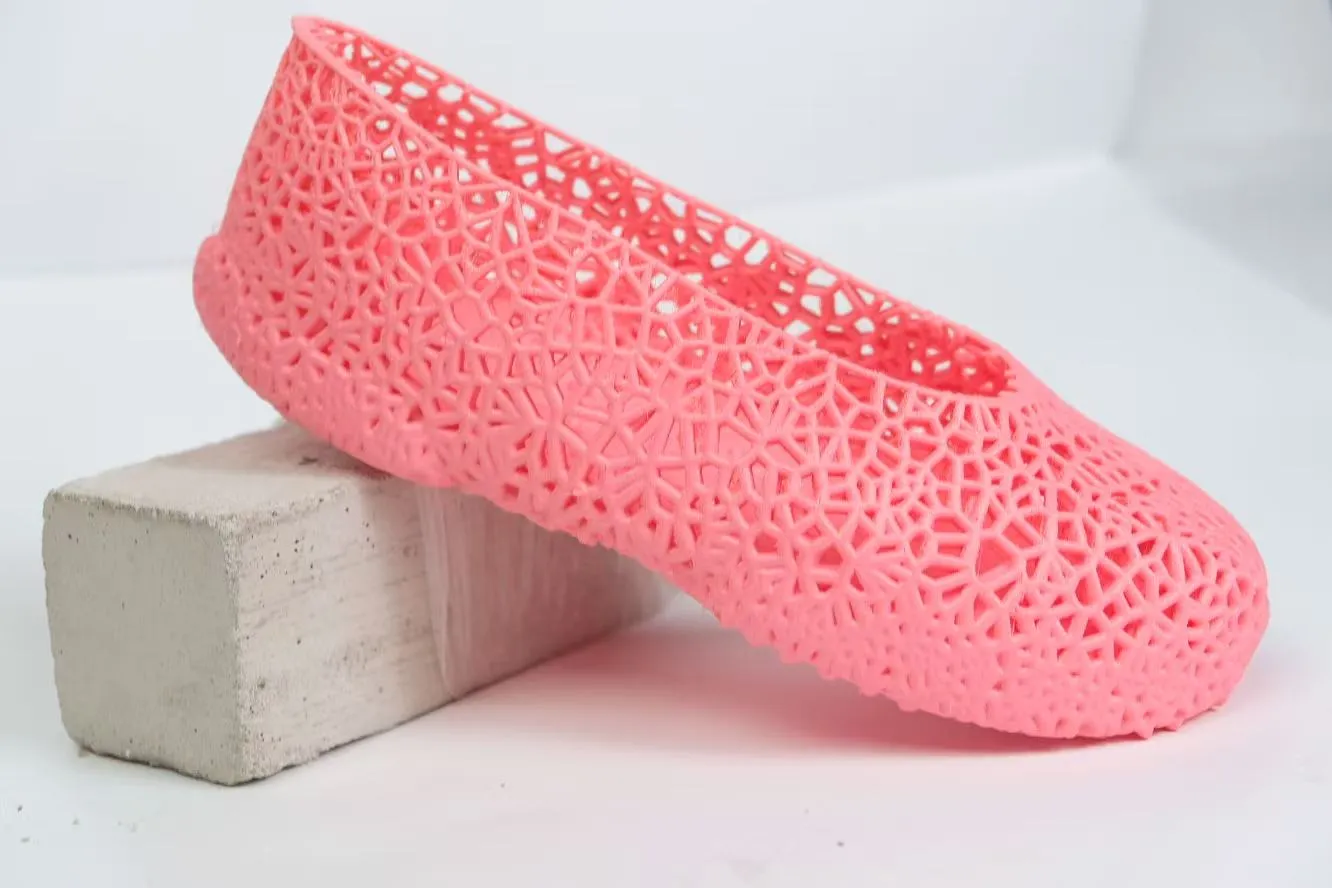
The shoe body uses a parametric Voronoi lattice, whose structure is intelligently generated based on the pressure distribution of the sole, providing dense support in high-stress areas and maintaining flexible breathability in low-stress areas. The intelligent gradient of the lattice rods, from thick to thin, forms a dynamic lock at the arch and sides, achieving stable anti-rollover and a "second-skin" fit.
This is a digital tribute to the classic ballet shoe style, 3D printed in one piece based on personal foot data, representing a unity of form, function, and art.
Scene association Scene association
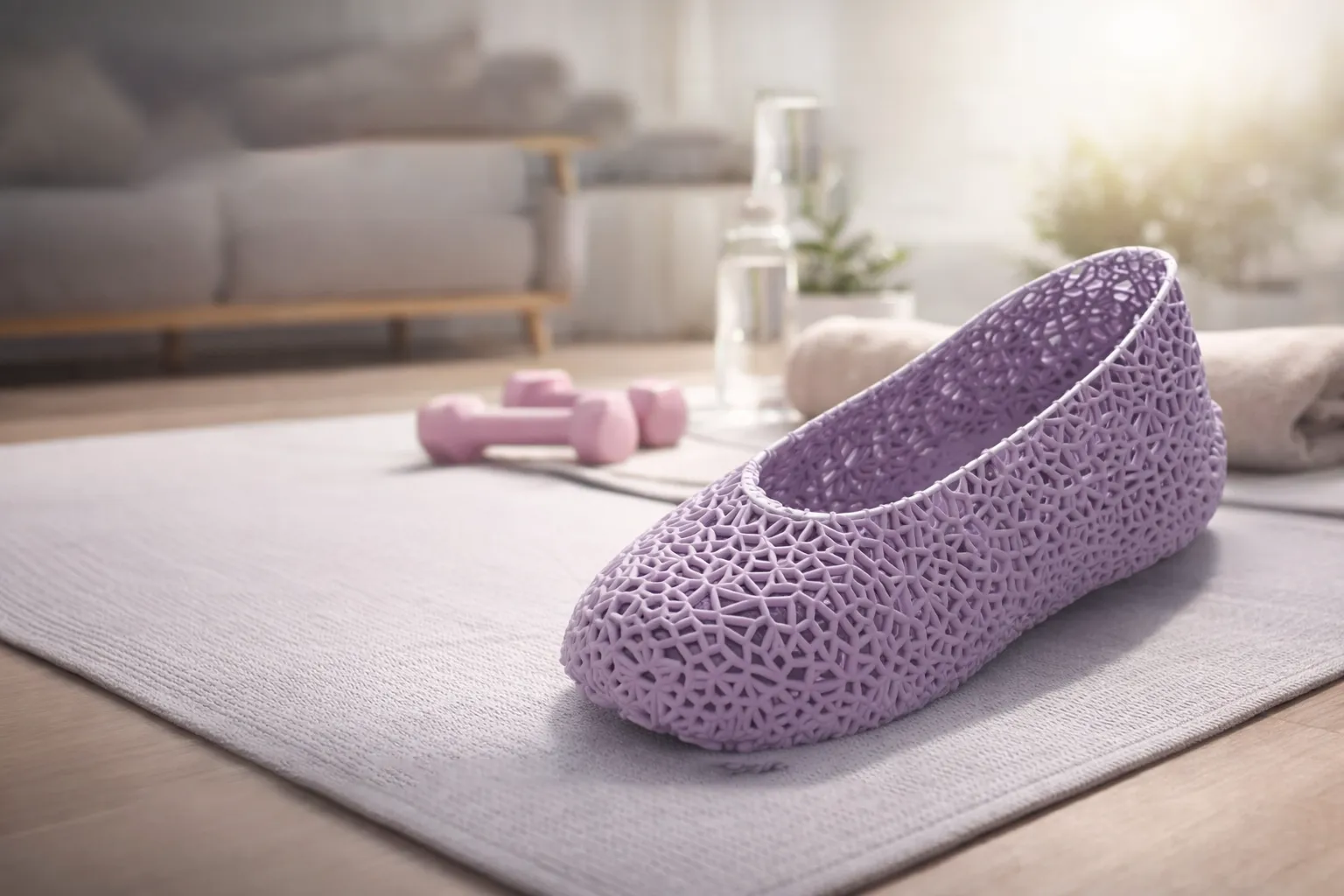
Exercises that are highly dependent on body perception, balance and precise control - yoga and Pilates
It includes kettlebell training, body weight training, agility training, etc., and requires stable and flexible feet. -- Barefoot functional training, comprehensive physical fitness
Exercises that are highly dependent on body perception, balance and precise control - yoga and Pilates
It includes kettlebell training, body weight training, agility training, etc., and requires stable and flexible feet. -- Barefoot functional training, comprehensive physical fitness
Why is it a ballet shoe style? Why is it a ballet shoe style?
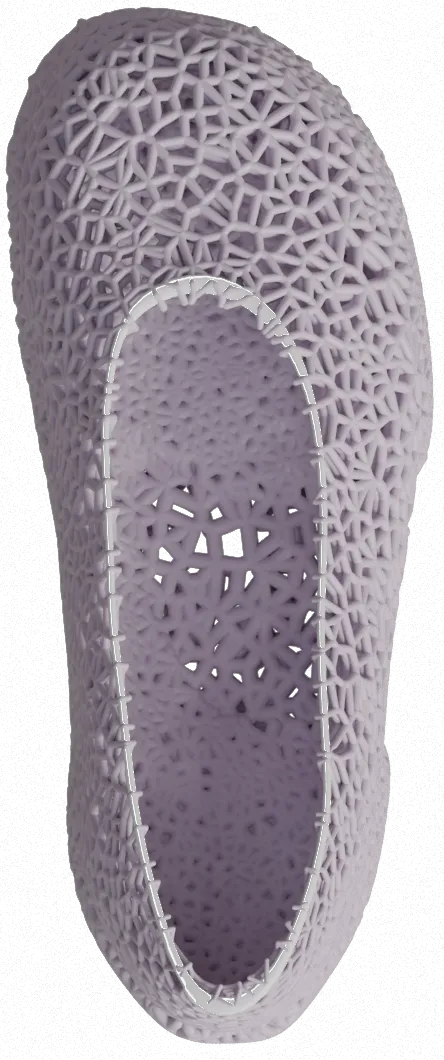
Ballet represents the ultimate limit of human foot function and aesthetics. Its shoe designs, after evolving over the centuries, have become a classic ergonomic model for addressing the pain point of "foot cramps". This design inherits the unrestrained form of the "foot container" and employs Tyson polygonal lattices and 3D printing technology to achieve an iterative upgrade from hand sewing to digital customization, and from textiles to programmable structures, paying tribute to the classics with modern technology and surpassing them.
Ballet represents the ultimate limit of human foot function and aesthetics. Its shoe designs, after evolving over the centuries, have become a classic ergonomic model for addressing the pain point of "foot cramps". This design inherits the unrestrained form of the "foot container" and employs Tyson polygonal lattices and 3D printing technology to achieve an iterative upgrade from hand sewing to digital customization, and from textiles to programmable structures, paying tribute to the classics with modern technology and surpassing them.
Why is it a thin sole? Why is it a thin sole?
The core is to activate the foot's own shock absorption system. Through structures such as zero-drop wide lasts, the musculoskeletal system of the foot is fully activated to maximize proprioception, laying the foundation for achieving ultimate precision, balance and control.
The core is to activate the foot's own shock absorption system. Through structures such as zero-drop wide lasts, the musculoskeletal system of the foot is fully activated to maximize proprioception, laying the foundation for achieving ultimate precision, balance and control.
Why Tyson Polygon? Why Tyson Polygon?
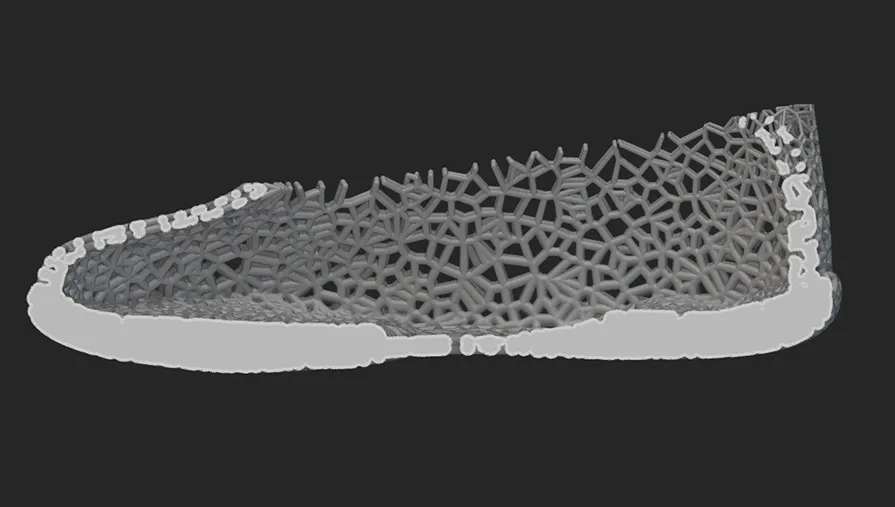
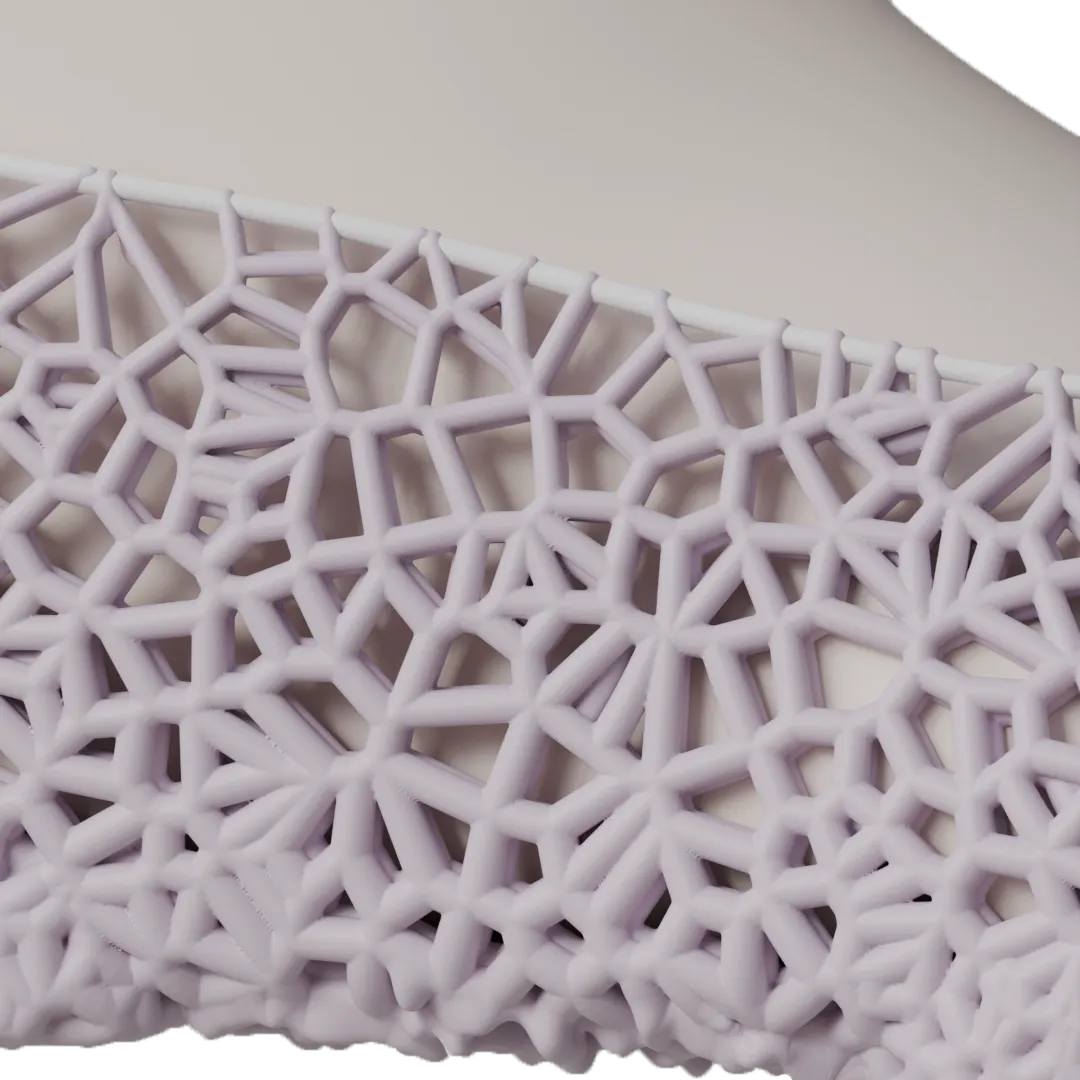
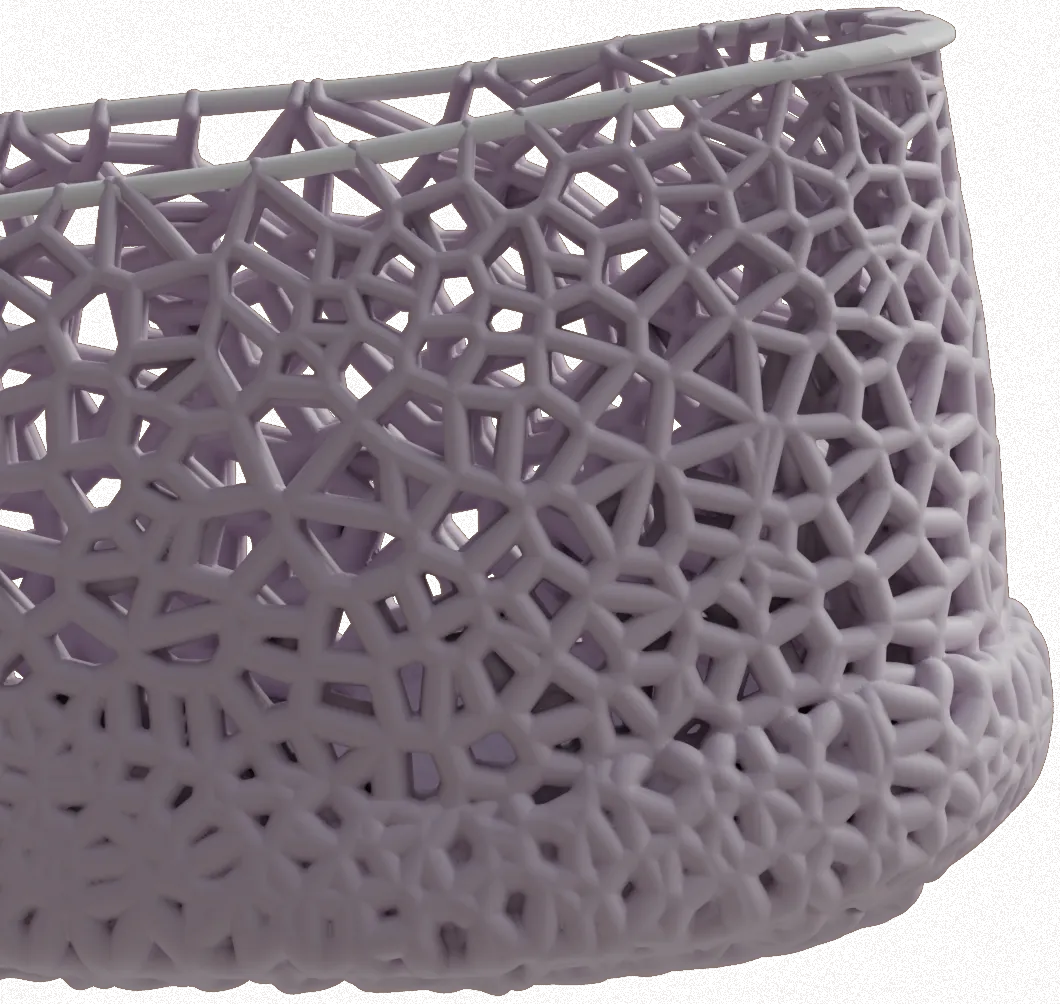
This lattice structure adopts the Tyson polygon algorithm, and its shape is completely driven by mechanics: by densely arranging points in high-stress areas to generate strong supports and sparsely arranging points in low-stress areas to form high flexibility, it achieves "growth as optimization". By integrating parametric customization, each user's foot data will generate a unique mechanical "map", and through the intelligent gradual change of rod diameter (thicker in the stress zone and thinner in the activity zone), a smooth transition between rigidity and flexibility will be achieved, realizing the essential unity of form and function.
This lattice structure adopts the Tyson polygon algorithm, and its shape is completely driven by mechanics: by densely arranging points in high-stress areas to generate strong supports and sparsely arranging points in low-stress areas to form high flexibility, it achieves "growth as optimization". By integrating parametric customization, each user's foot data will generate a unique mechanical "map", and through the intelligent gradual change of rod diameter (thicker in the stress zone and thinner in the activity zone), a smooth transition between rigidity and flexibility will be achieved, realizing the essential unity of form and function.
Why is there such a side curve? Why is there such a side curve?
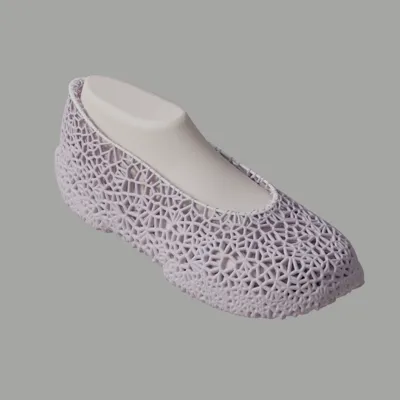
This design specifically strengthens the lateral support structures of three key areas: the forefoot, the arch of the foot, and the heel. These structures work in coordination to resist lateral forces during movement, effectively preventing ankle sprains and achieving stable locking and heel tracking.
This design specifically strengthens the lateral support structures of three key areas: the forefoot, the arch of the foot, and the heel. These structures work in coordination to resist lateral forces during movement, effectively preventing ankle sprains and achieving stable locking and heel tracking.
Workflow Workflow
Adjust the lattice density changes and sole thickness of the sole by using grasshopper in combination with the force diagram of the human foot sole. Inspired by the design of ballet shoes, a basic shoe shape was established in Blender. Create gradient Tyson polygons using nTop; Return to Blender for final modifications and adjustments; Bambu Studio adjusts print parameters for printing.
Adjust the lattice density changes and sole thickness of the sole by using grasshopper in combination with the force diagram of the human foot sole. Inspired by the design of ballet shoes, a basic shoe shape was established in Blender. Create gradient Tyson polygons using nTop; Return to Blender for final modifications and adjustments; Bambu Studio adjusts print parameters for printing.

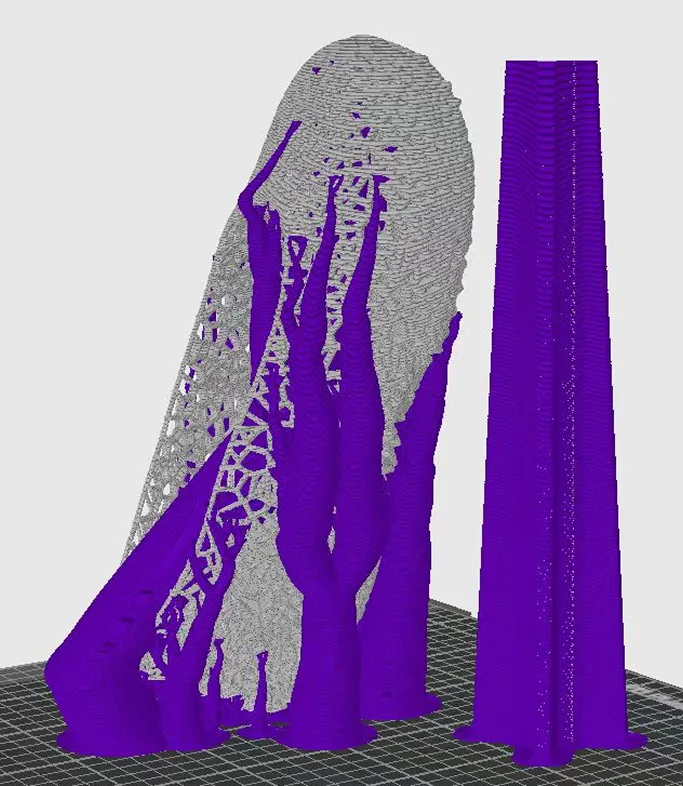
Print parameters Print parameters
Product material: TPU90A, support material: PLA Basic. Bambu Lab H2D printer is recommended. Nozzle diameter: 0.4mm, printing time: 2d17h39min
Product material: TPU90A, support material: PLA Basic. Bambu Lab H2D printer is recommended. Nozzle diameter: 0.4mm, printing time: 2d17h39min
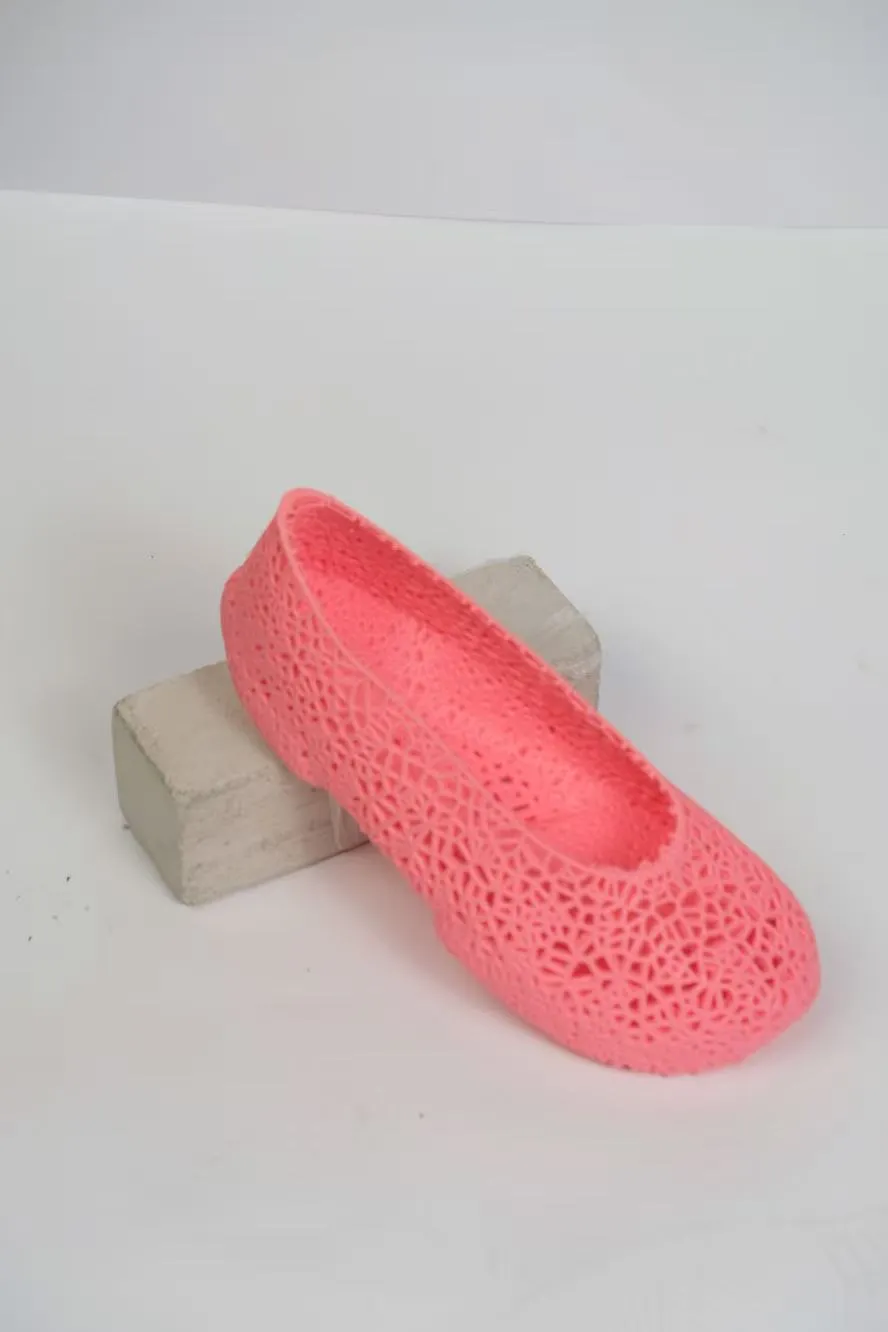
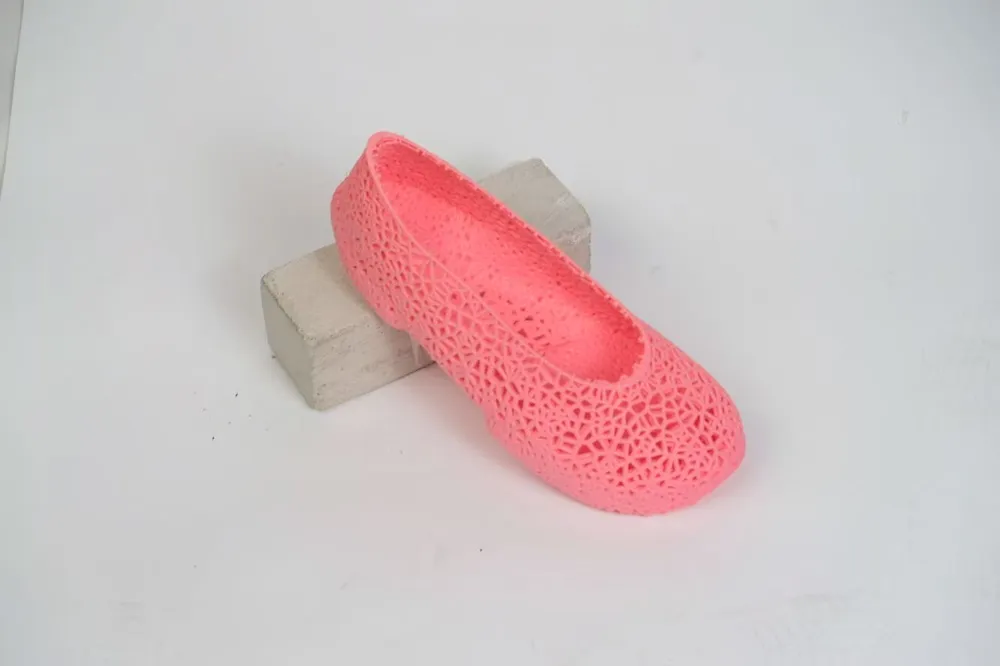
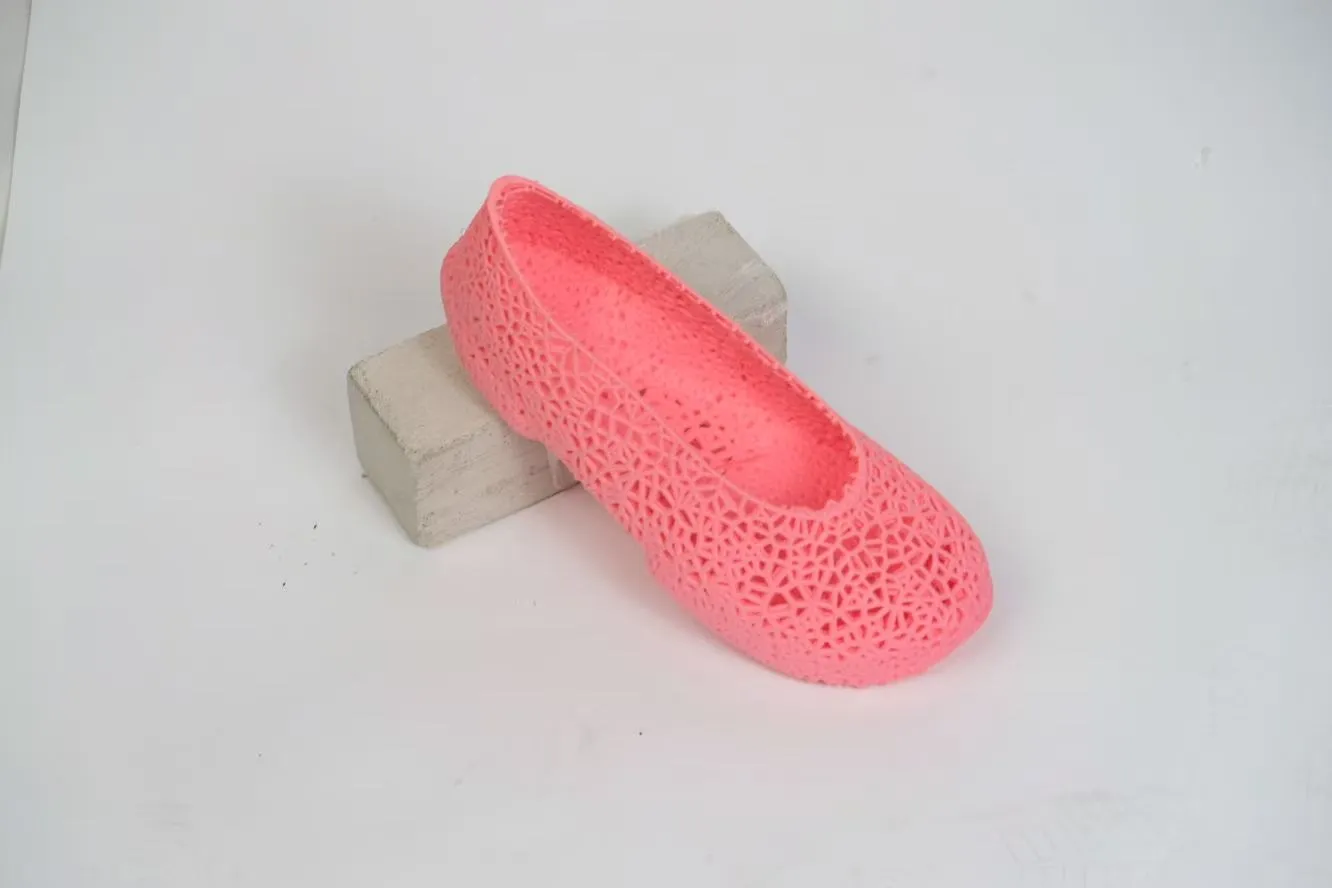
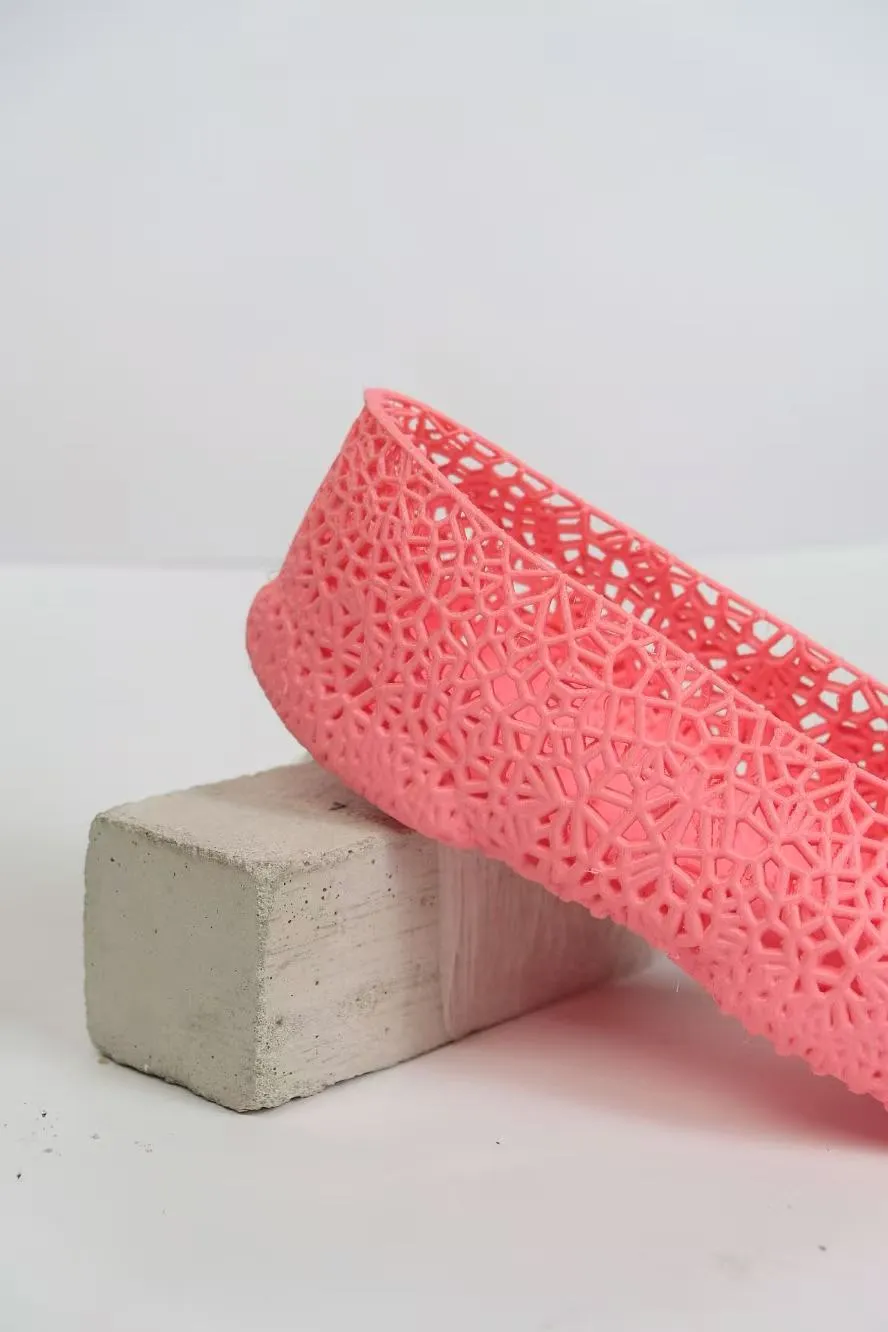
Product real photos Product real photos
License



Comment & Rating (0)