
Peregrine 840mm - RC planes / FPV Aircraft
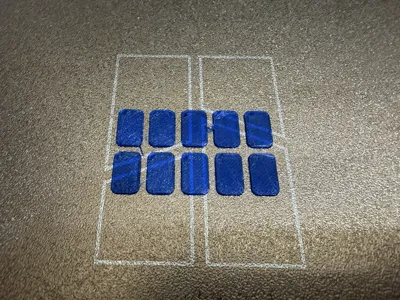
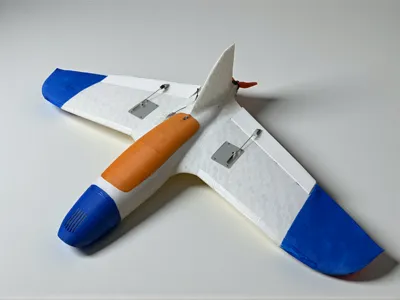
Print Profile(3)


Bill of Materials

.jpg)


Description
Boost Me (for free)
Your support motivates me to pursue more exciting creations! Thanks.
Membership
If you have commercial sales needs, you can subscribe to digital authorization for a small amount to support me. Thank you.
Peregrine 840mm - RC planes / FPV Aircraft
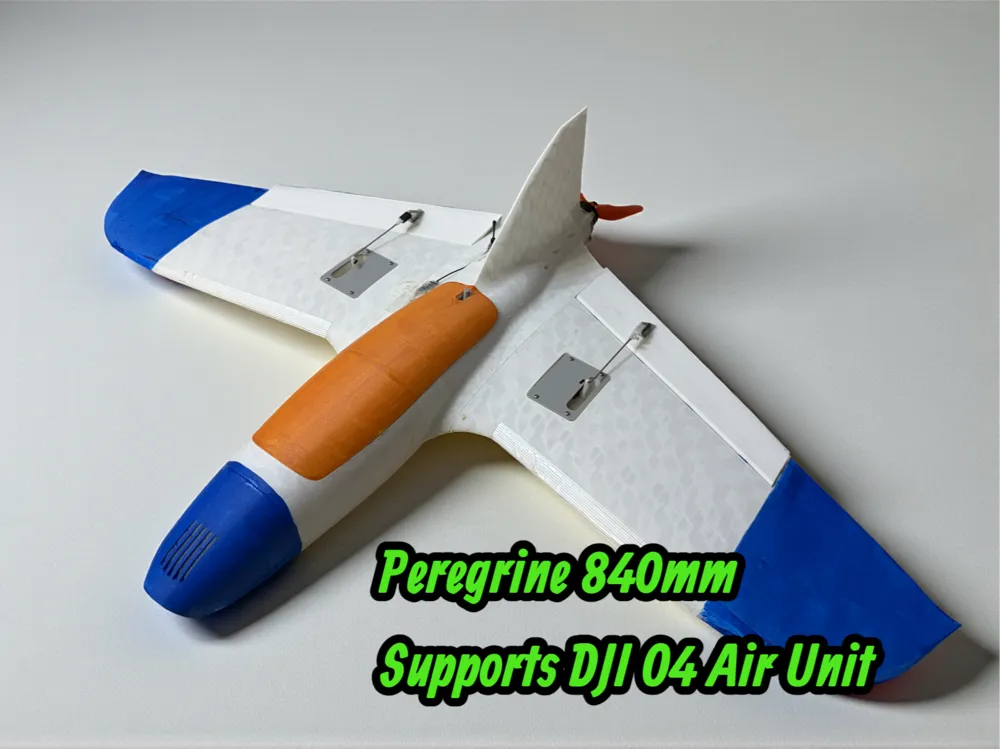
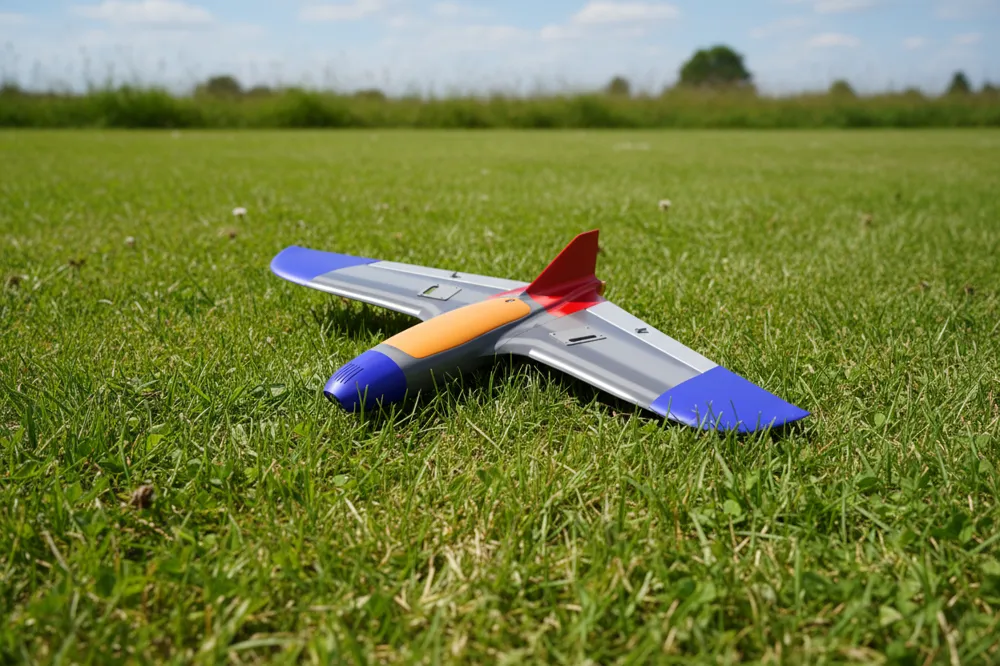
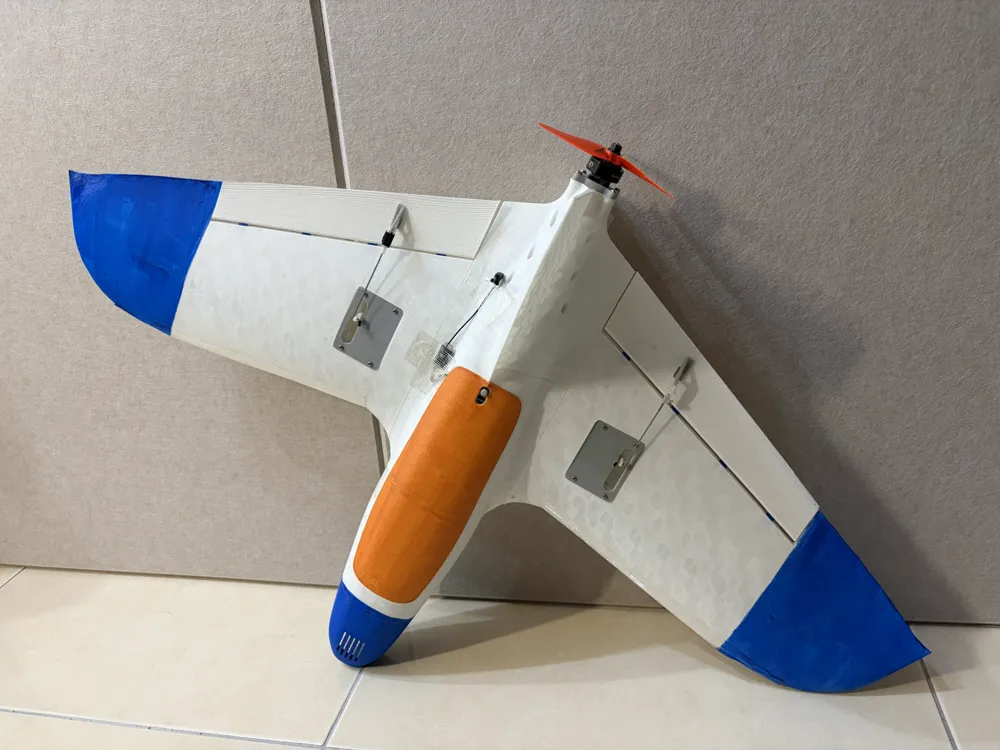
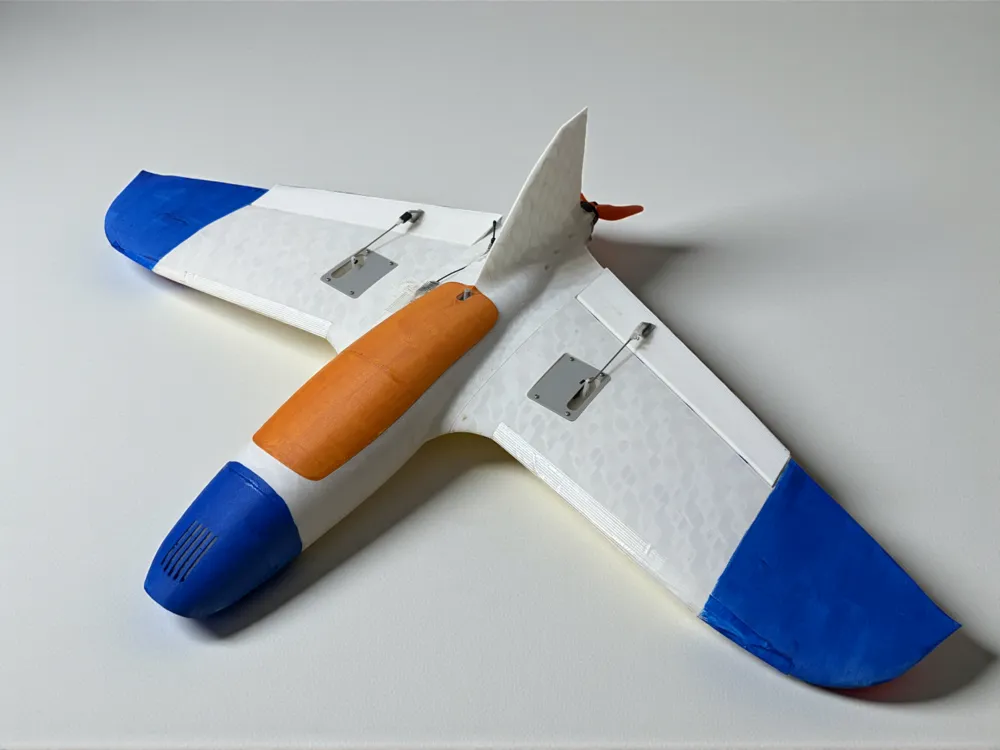
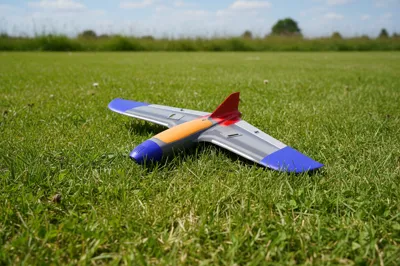
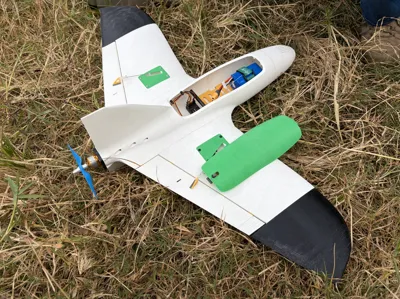
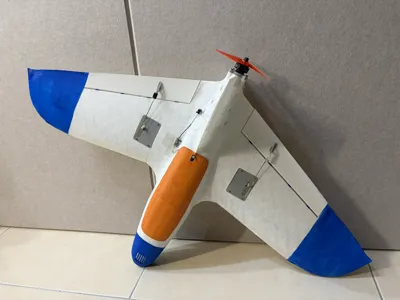
The Peregrine 840mm is a 3D-printed RC aircraft specifically designed for pilots seeking ultimate agility and an immersive FPV experience.
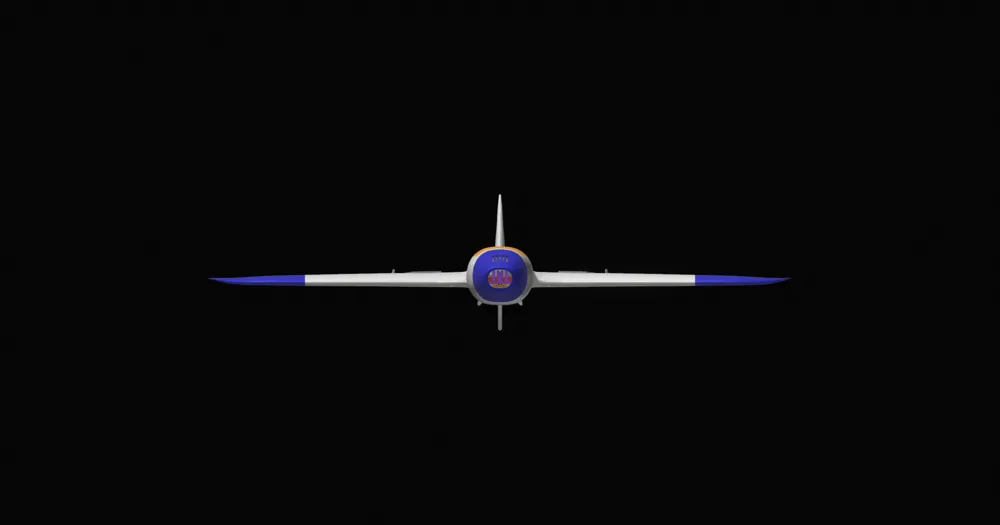
Inspired by legendary forward-swept wing (FSW) configurations in aviation history, its unique geometry channels airflow toward the fuselage, effectively preventing tip stalls and granting the aircraft the sharp, predatory maneuverability of a "Peregrine" falcon.
This model is ideal for both Line of Sight (LOS) and First-Person View (FPV) flying. To ensure top-tier visual performance, the airframe is optimized to support the DJI O4 Air Unit.
Given the inherent high sensitivity and aerodynamic instability that make forward-swept wings so agile, it is highly recommended that beginners install an RC Gyro or Flight Controller for a smoother and more controlled flight experience.
Specifications
PRINTED WEIGHT 315g
TAKE OFF WEIGHT 720g
STALL SPEED 35km/h
WING SPAN 840mm
LENGTH 500mm
Hardware:
Self-tapping screws: M3x8mm (x 12)
Carbon tube Ø8*654mm x 1
Carbon tube Ø4*194mm x 1
FPV Use:
Countersunk screws: M2x20mm (x4)
Silicone Vibration Damping Balls (x4)
Recommended Configuration:
Motor: 2208 kv2000 (or similar)
2207 kv1980 (FPV motor)
Propellers: 51466x3 or APC 6x4 (recommended)
ESC: 30A / 40A
Battery: 4S LIPO/18650 battery
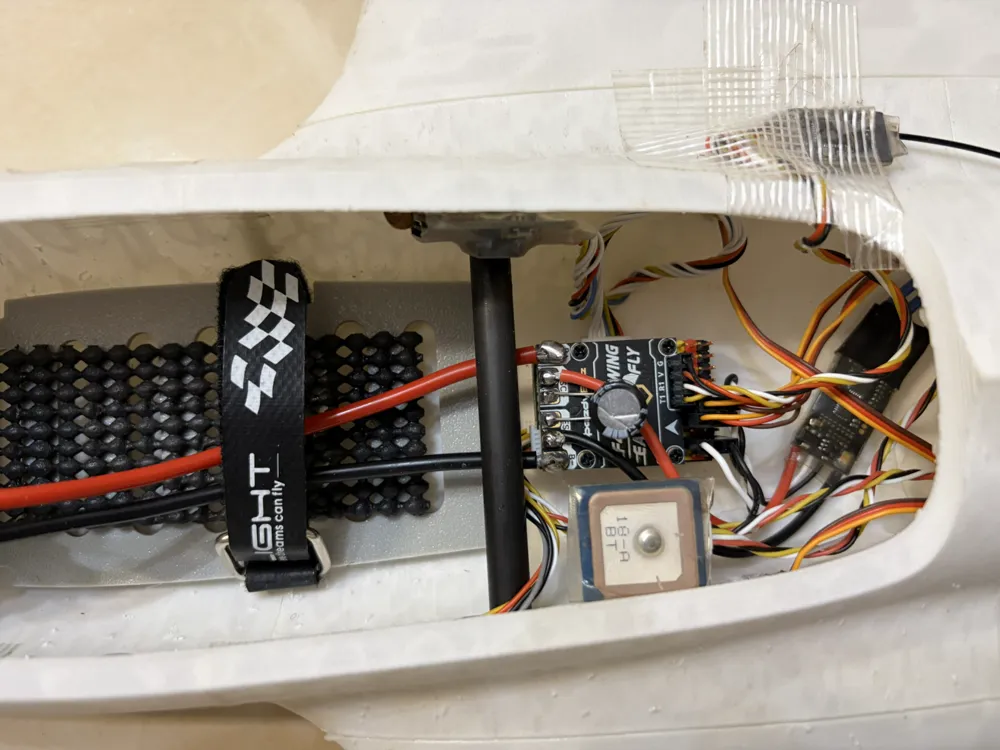
Flight Controller: Flight Controller / SpeedyBee F405 WING MINI Fixed Wing Flight Controller (INAV 8.1)
GPS: Beitian BE-220 (or similar)
Servos: PREDATOR 13g Digital servo motor
Receiver: ELRS Nano Receiver
FPV: DJI O4 / Custom model
Assembly Instructions
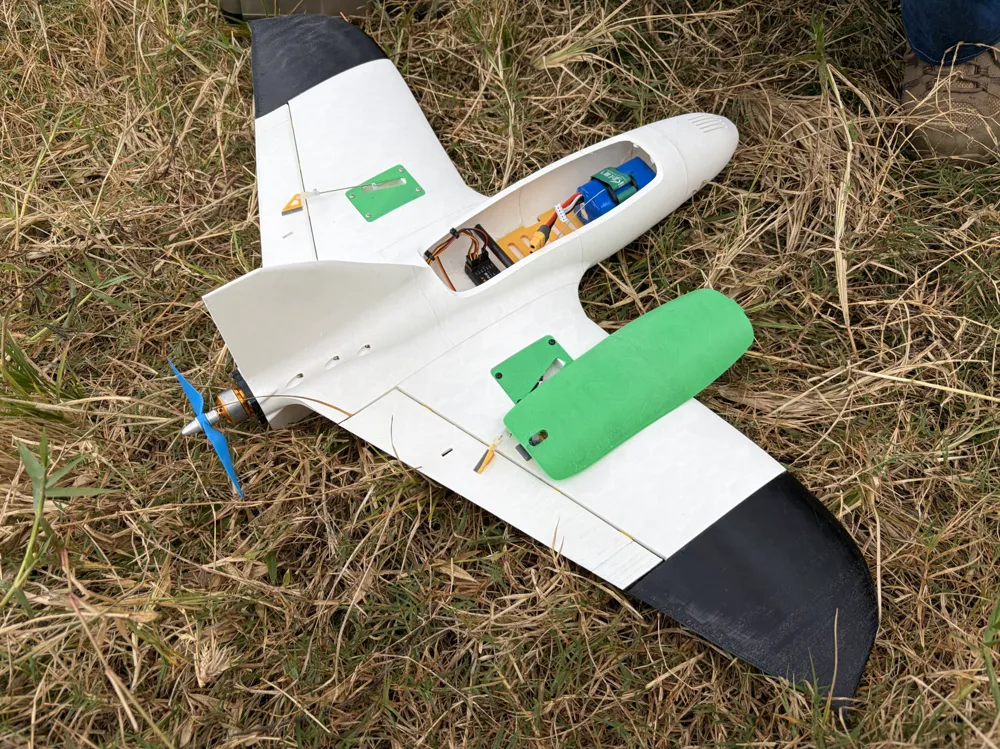
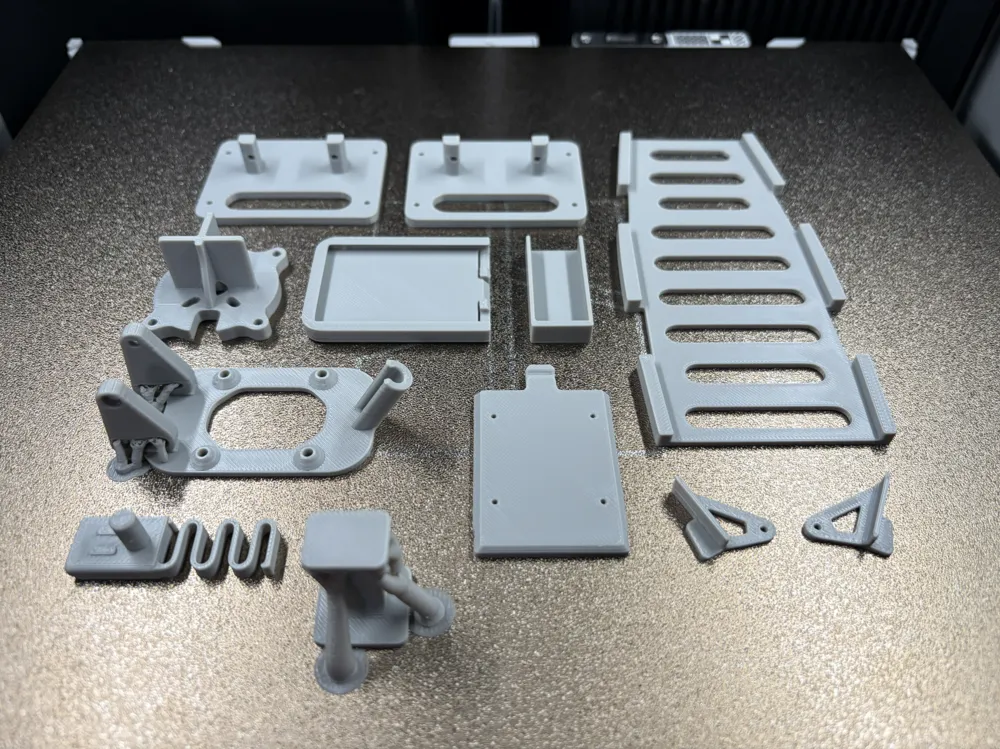
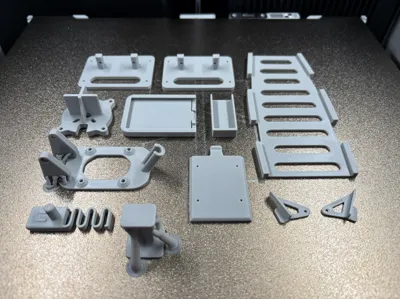
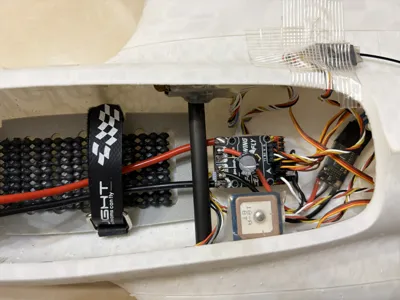
First, glue the various components of the aircraft together, leaving holes between the components so that PLA or PETG cables can be used to fix the position.
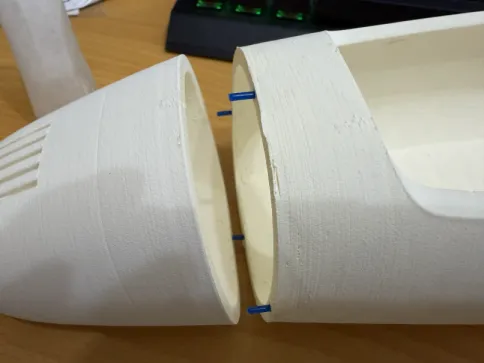
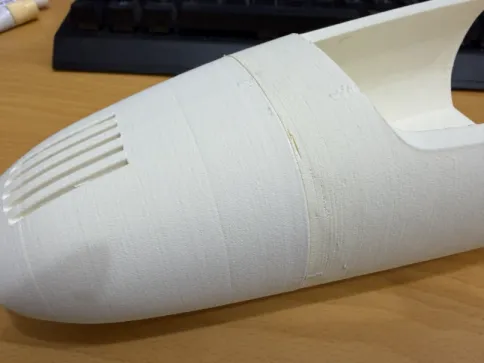
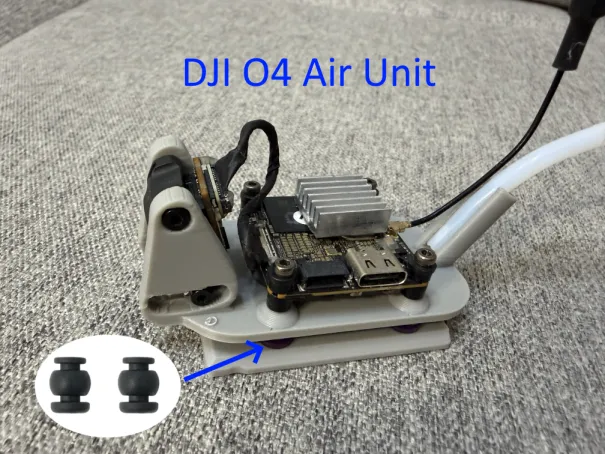
Assemble the aircraft parts. If using the DJI O4 system, to reduce vibration, add silicone damping rings in the middle of the bracket, as shown in the picture:
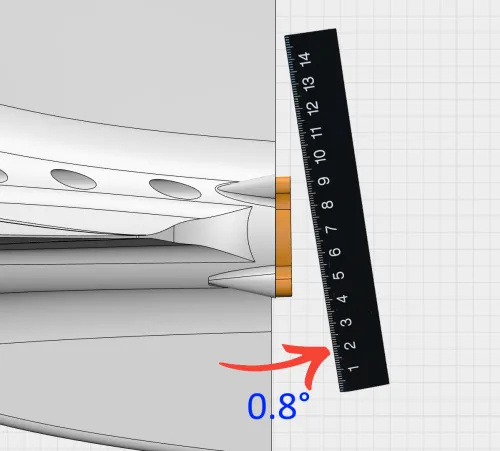
When installing, pay attention to the motor mounting bracket, which has a 0.8-degree angle. After installation, the motor will tilt upwards by 0.8 degrees.
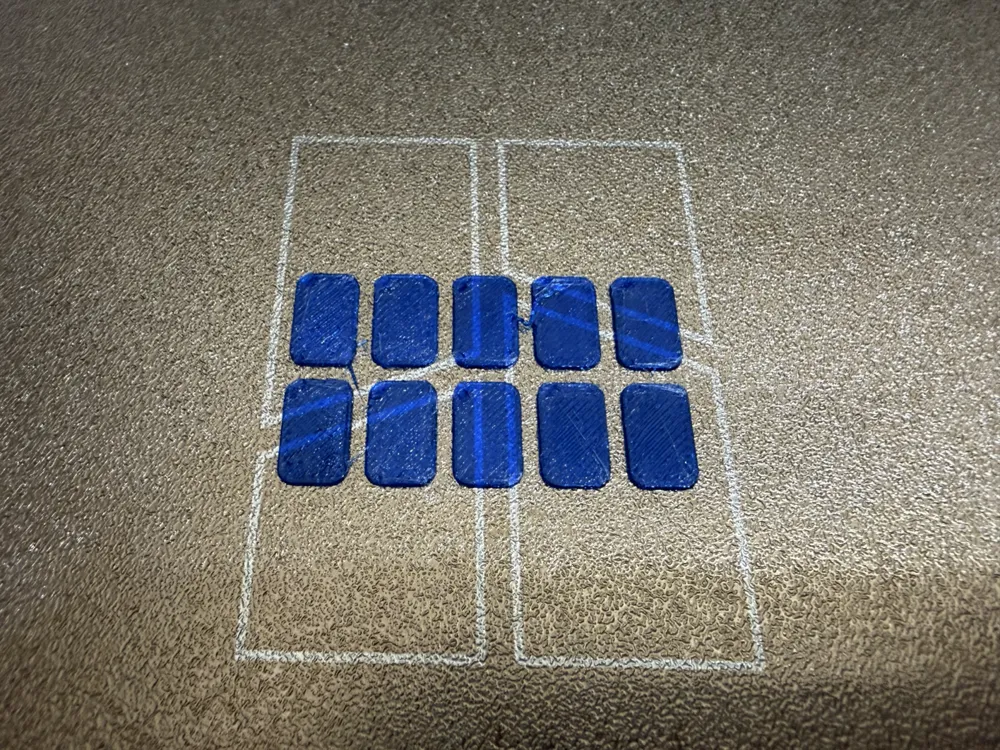
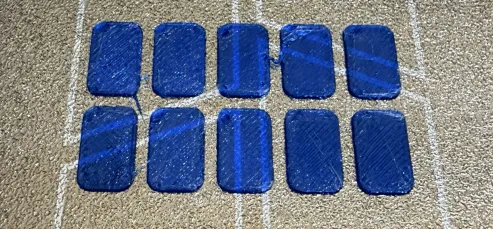
I offer hinge profiles made of TPU, glued together. Alternatively, you can use other types of hinges that you prepare yourself if you already have them.
Test flight
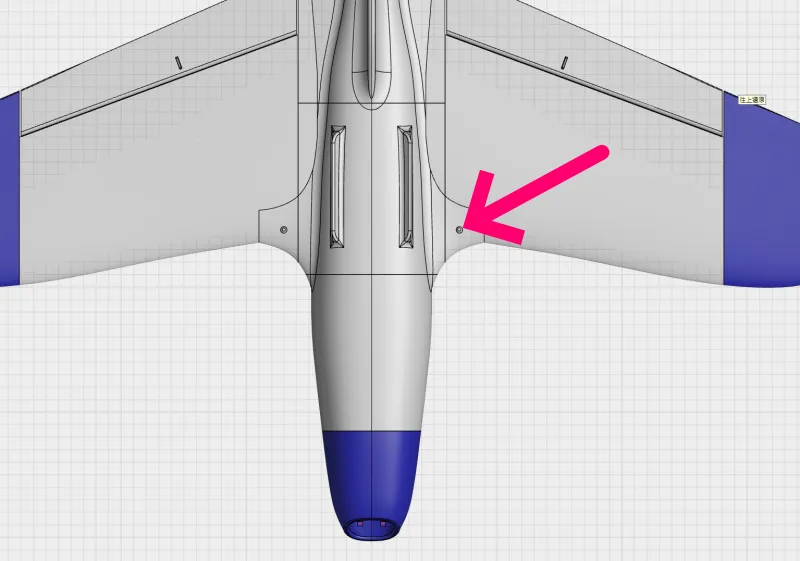
Before flying, please confirm the orientation of the aircraft wings. The CG point is based on a flight weight of 720 grams.
If your aircraft is too heavy or too light, please make adjustments based on this CG point.
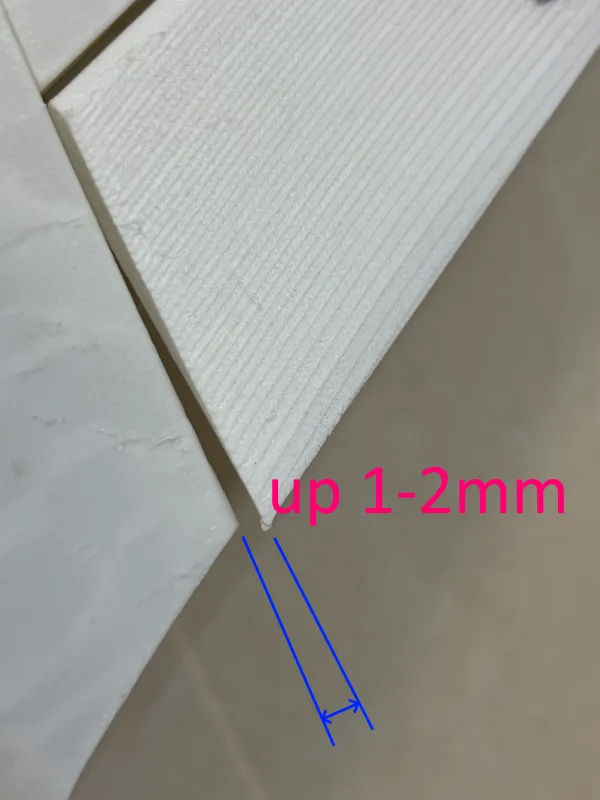
If the takeoff weight is too heavy, the ailerons can be adjusted upwards by 1-2mm before the test flight.
Solution for "Dolphin Porpoising" in INAV RTH/Cruise/Loiter … Modes
If you are experiencing "porpoising" (altitude oscillation/dolphin jump) during automated modes like RTH, Cruise, or Loiter, but the plane flies stable in Manual/Angle modes, try adjusting the following settings.
Please open INAV Configurator and modify these values in order:
1. [Advanced Tuning]
- Cruise throttle: 1400 -> 1500 (Increase cruise speed to prevent stalling in turns)
- Pitch to throttle ratio: 10 -> 5 (Reduce throttle burst during climb to prevent pitching up too aggressively)
2. [PID Tuning] -> [Advanced / Extra PID Gains]
- Position Z (Altitude) - P: 30 -> 15 (Significantly reduce altitude correction strength to stop over-correcting)
3. [PID Tuning] -> [Mechanics]
- Level Pitch Adjustment [deg]: 0 -> 3 (Suggested starting value, fine-tune based on actual flight performance. This ensures the FC knows the correct nose-up attitude for level flight.)
Take off
License

You shall not share, sub-license, sell, rent, host, transfer, or distribute in any way the digital or 3D printed versions of this object, nor any other derivative work of this object in its digital or physical format (including - but not limited to - remixes of this object, and hosting on other digital platforms). The objects may not be used without permission in any way whatsoever in which you charge money, or collect fees.


Comment & Rating (79)