
CGN-M "Hanhai" Nuclear-powered Modular Multi-purpose Missile Cruiser
Print Profile(1)

Description
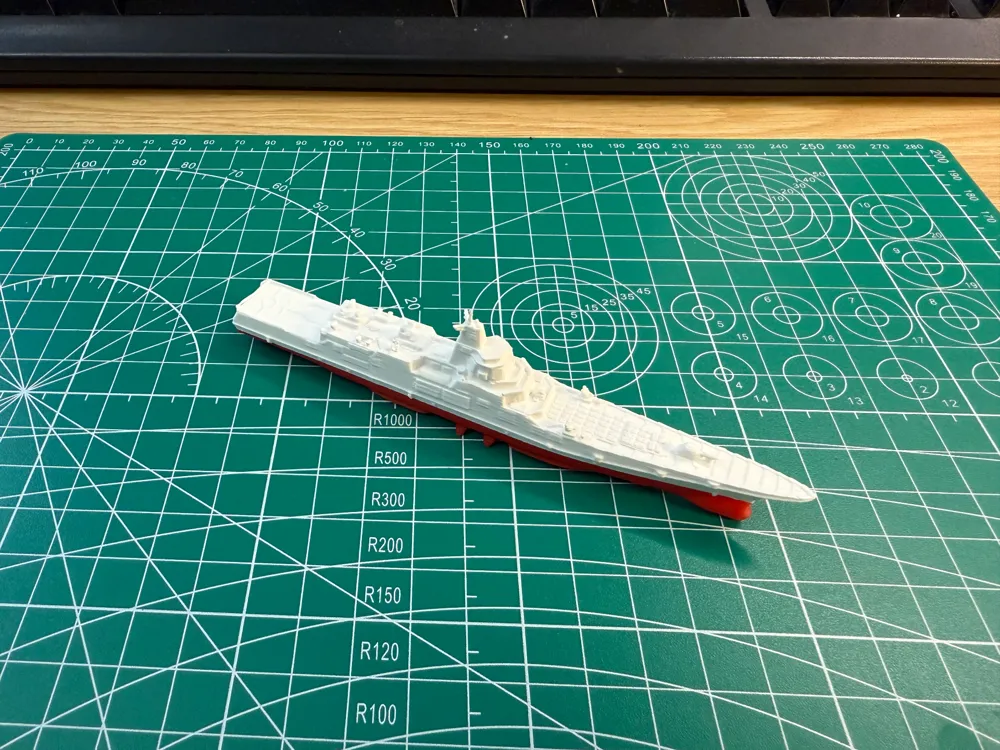
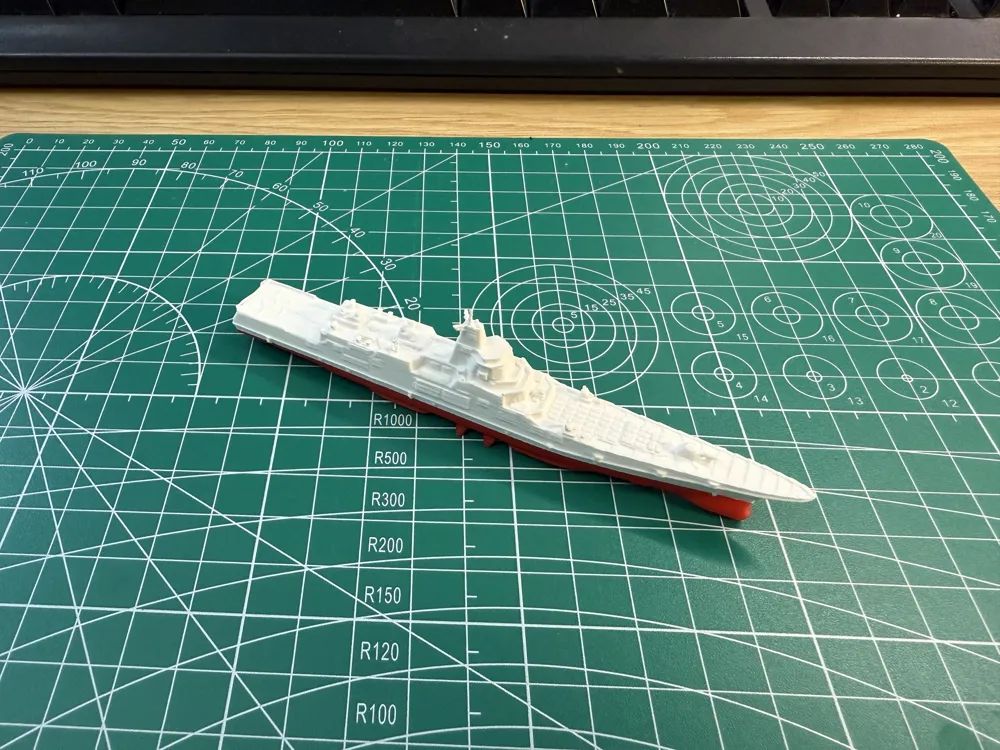
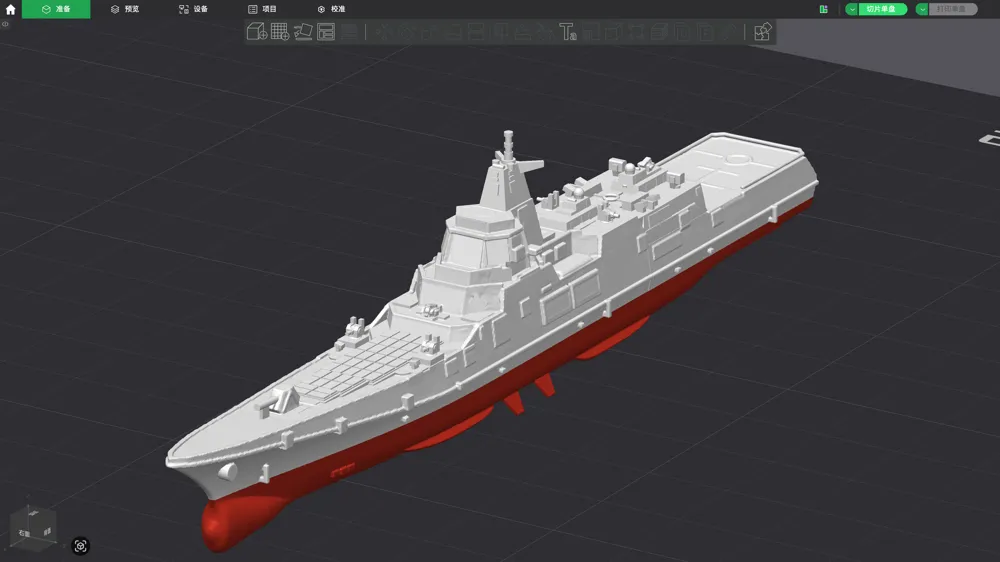
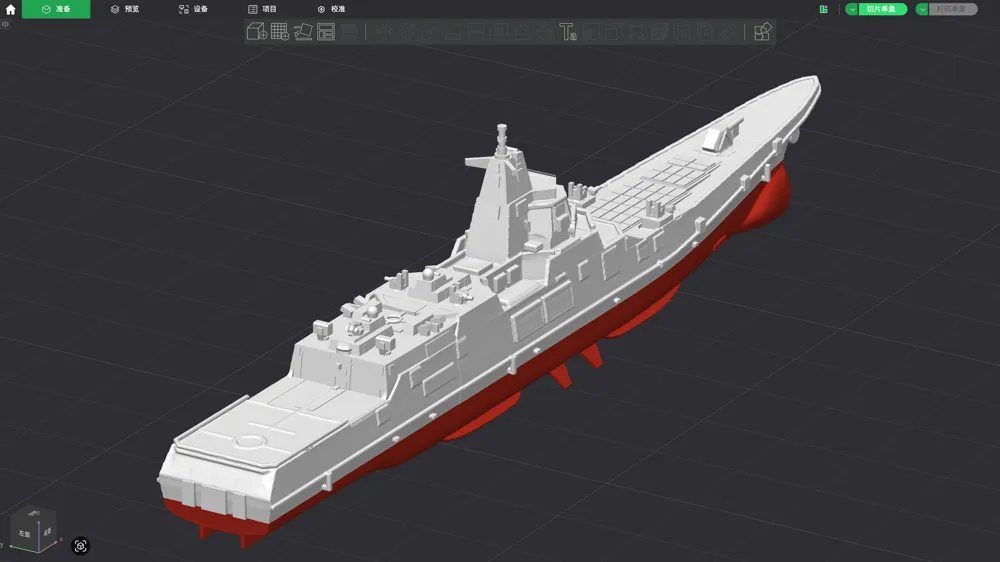
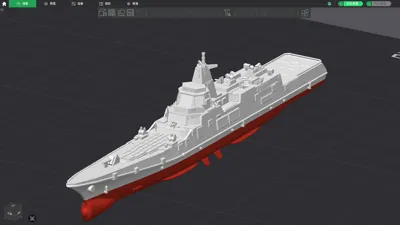
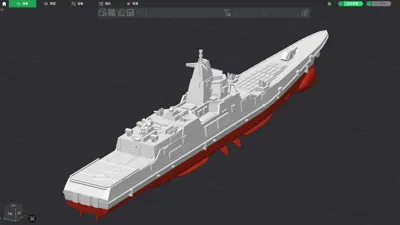
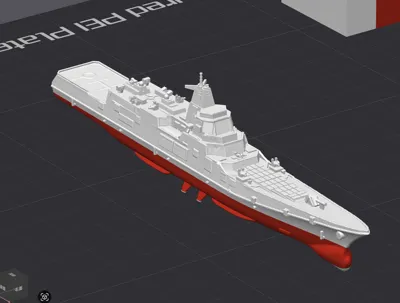
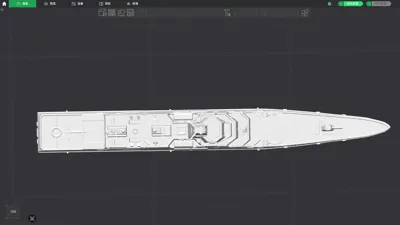
The “Hanhai” Nuclear-powered Modular Multi-purpose Missile Cruiser
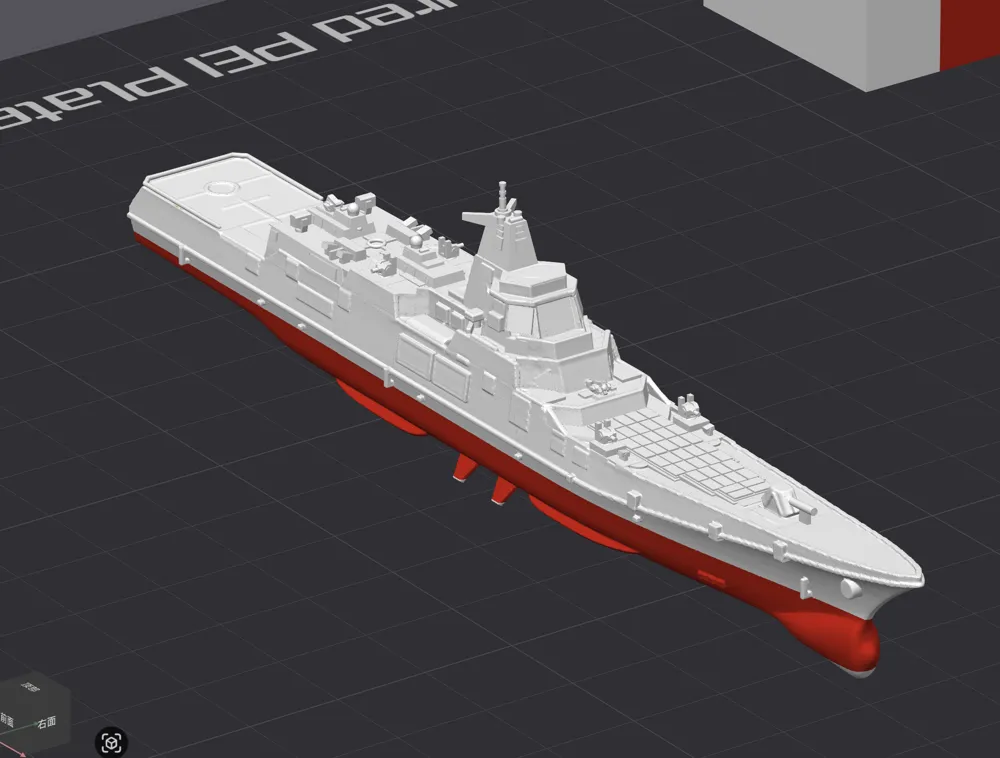
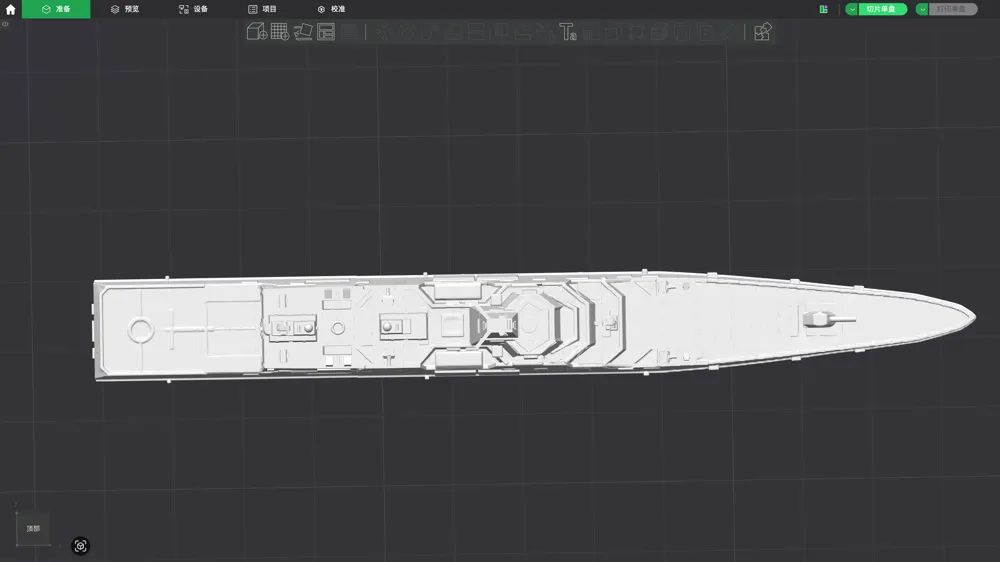
The 1144M-class (provisional) nuclear-powered modular multi-purpose missile cruiser is a conceptual nuclear-powered ocean-going heavy cruiser completely re-engineered based on the hull dimensions of the “Kirov-class” and Chinese system-oriented thinking, positioned as a multi-purpose blue-water combat and fleet command node capable of independent long-range voyages. The hull dimensions follow the original class scale: overall length approximately 252 m, molded beam approximately 28.5 m, and full load displacement approximately 25,000 tons. The overall design philosophy is not to pursue “a single ship directly confronting front-line firepower,” but to achieve global deployment availability, long-term duty capability, and multi-mission flexibility through a large platform + high redundancy + high endurance.
Power and Electricity utilize advanced nuclear power and an Integrated Electric Propulsion (IEP) architecture, eliminating the original fuel-fired steam boilers and large-volume intake/exhaust/flue systems, emphasizing reliable long-endurance power supply, zoned power distribution, redundant cooling, combat damage power recovery, and stable energy supply in electromagnetic environments. The maximum speed is set at approximately 32 knots; estimated for continuous cruising at 20 knots, a Trans-Pacific voyage can be completed in approximately 10–14 days (varying with route and weather). This electrical redundancy provides a foundation for high-power sensors, data links, directed energy close-in defense, and electromagnetic railguns, enhancing long-term operational reliability and maintenance window flexibility for blue-water operations.
Combat System is re-architected based on the “Type 055 systematization” concept, emphasizing a “sensor-command-firepower” closed-loop and multi-source fusion. The original 1144's bulky and heavy No 2 auxiliary radar mast has been eliminated. The ship uses an integrated main composite mast to host fixed array phased array radars and integrated electronic equipment:
- S/C-band AESA for long-range air/surface search and track management;
- X-band AESA for precision tracking, low-altitude small target processing, and fire control support;
- Ku-band with small arrays/dedicated positions to supplement terminal precision tracking and close-range engagement requirements;
- L-band with distributed/small array elements integrated into the main composite mast and superstructure edges, providing redundant anti-stealth “clues” and controlling top-weight and external complexity.
Electronic reconnaissance, electronic warfare, and communication antenna systems are also integrated as much as possible, supported by a new generation of command and control, data links, and link redundancy, with the goal of maintaining continuous situational awareness in distant seas over the long term, rather than merely stacking point-performance during short-term high-intensity engagements.
Weaponry Configuration emphasizes versatility and endurance. The primary strike capability is provided by a universal vertical launch system, with a planned scale of 296 cells, and a typical upper limit reaching approximately 336 cells according to the proposal; in terms of specific layout, high capacity at the bow is a priority (a more conservative configuration of “approximately 296 cells as the main body” also appeared in your iterations); the core idea is to use the universal VLS as the main tool for missile type reconfiguration and continuous salvo firing, enabling rapid switching between missions such as anti-air/anti-missile, anti-surface, land attack, and anti-submarine warfare. The bow is additionally equipped with one 203 mm electromagnetic railgun as a supplement for high-energy direct fire/high-speed strike capability, its value lying in providing scalable rapid-response firepower based on the IEP electrical foundation, rather than replacing the missile system. Close-range defense adopts a multi-layered structure: soft-kill (decoys/jamming/suppression) + traditional close-in weapons + laser close-in defense (directed energy) in coordination, used against small UAVs, loitering munitions, and terminal saturation threats, reducing ammunition consumption, and positioned for “basic self-defense + long endurance availability”.
Aviation and Unmanned Systems are considered the platform multiplier and core of 1144M's blue-water routine capability. The stern retains a large flight deck and aviation control system, with the hangar adopting a dual-hangar reconstruction:
- The recessed hangar normally accommodates approximately 5 Z-20 class helicopters, with a maximum capacity of 6;
- The newly added upper large hangar can accommodate 2 Z-18 class helicopters or 3 Z-20 class helicopters side-by-side.
Fixed guide rails and rapid transfer paths are set from the hangar to the deck/parking positions, reducing logistical conflicts and improving turnaround efficiency. For UAVs, small VTOLs serve as routine expendable platforms, while also capable of carrying 12 medium-sized shipborne VTOL UAV helicopters/fixed-wing VTOLs (JUMP-20 class, S-100/V-200 type concept), with a maximum capacity of up to 30 ; and there are dedicated UAV launch/recovery platforms and lifting/transfer direct-connect hangars, ensuring the UAV deployment chain minimizes encroachment on helicopter deck operations.
Underwater Warfare and Environmental Awareness operate on the principle of “continuous passive + windowed operations”. The hull and stern are designed with equipment compartments and deployment/recovery channels for Towed Array Sonar (TAS) and Variable Depth Sonar (VDS), routinely establishing underwater situational awareness through hull-mounted passive and towed passive arrays; it carries 1 UUV as a periodic mission asset, used for local mapping, environmental sampling, reconnaissance/mine countermeasures, etc., typically deployed and recovered during low-speed or stopped-ship windows in conjunction with VDS operations. Active sonar is used for target confirmation when necessary and short-term activation in critical sea areas, balancing stealth, equipment lifespan, and sustained blue-water duty.
Modularity and Global Deployment are embodied through onboard “modular mission bays”: the mid-to-aft sections form large-volume multi-purpose compartments that can be reconfigured with containerized modules for communication/command enhancement, electronic warfare/reconnaissance expansion, unmanned system support (spares/power/data processing), special operations support, rescue medicine, disaster response, and resupply transfer, according to deployment requirements. These are positioned to serve as operational and fusion units/backup nodes for the main CIC, reducing pressure on main CIC workstations and enhancing resilience in combat damage and strong electromagnetic environments.
In fleet operations, the 1144M can serve as the endurance and power support core, an extra-large universal munitions depot, a high-frequency aviation/unmanned system operations platform, and a blue-water command node within an ocean-going fleet. Its main limitations are that a large platform with multiple parallel systems leads to higher management complexity and signature characteristics, and demands stricter resource allocation and system coordination in high-threat front-line confrontations. Therefore, it is more suitable for undertaking missions such as sustained blue-water presence, escort, anti-submarine command, land-attack support, non-warfare operations, and fleet command, rather than pursuing high-intensity direct engagements at the forefront as a single ship.
License

You may create derivative works based on this object, provided that all such derivative works are published exclusively on the MakerWorld platform and include proper attribution to the original creator. You may not share, upload, host, distribute, or publish this object—or any derivative work of this object—on any other digital platform, marketplace, or distribution channel. Commercial use of this object and any derivative works is strictly prohibited. This includes, but is not limited to, selling, renting, sublicensing, or using the object in any context in which you receive monetary compensation or other financial benefits.


Comment & Rating (0)