
Gridfinity-baseplate-stacked printing-super easy to separate
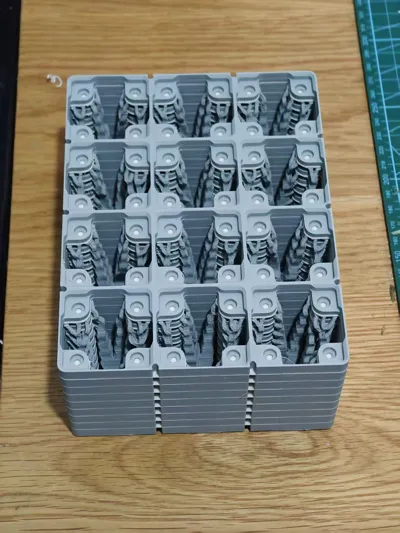
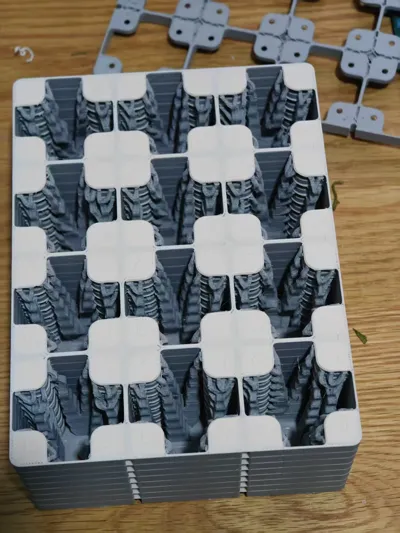
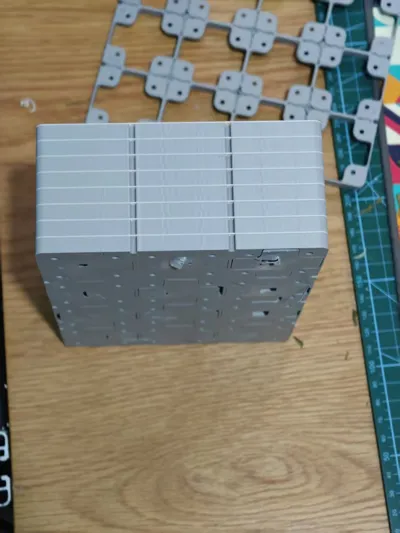
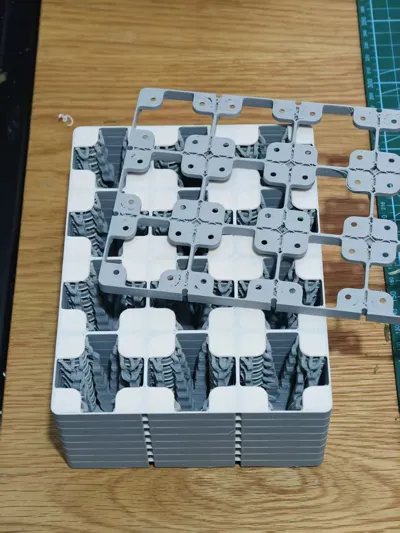
Print Profile(1)

Description
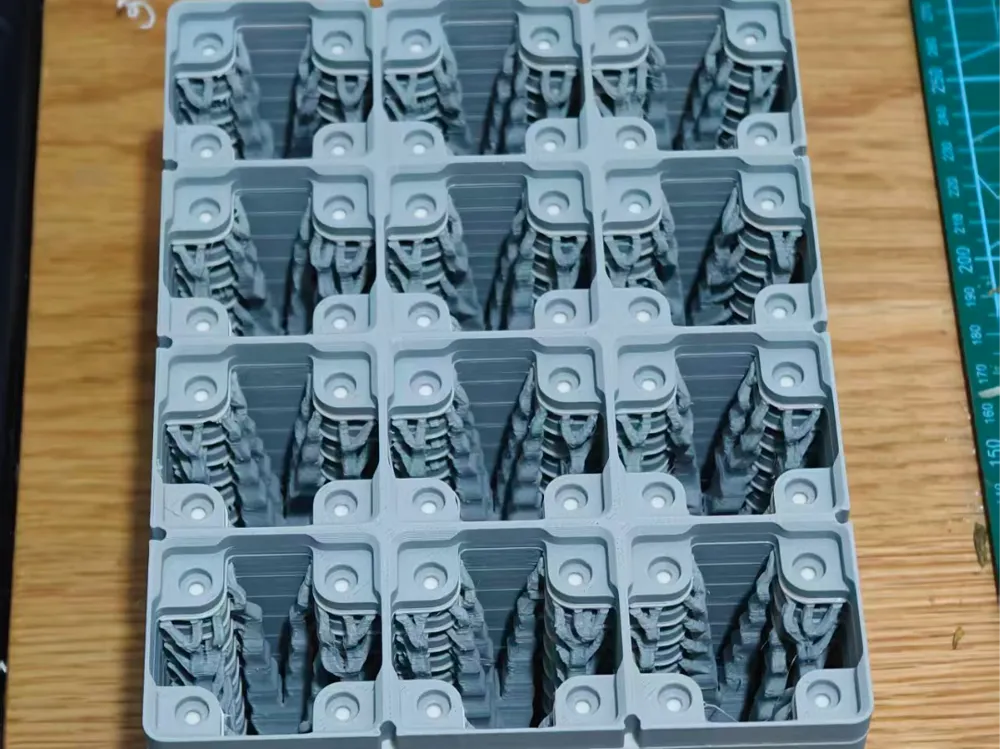
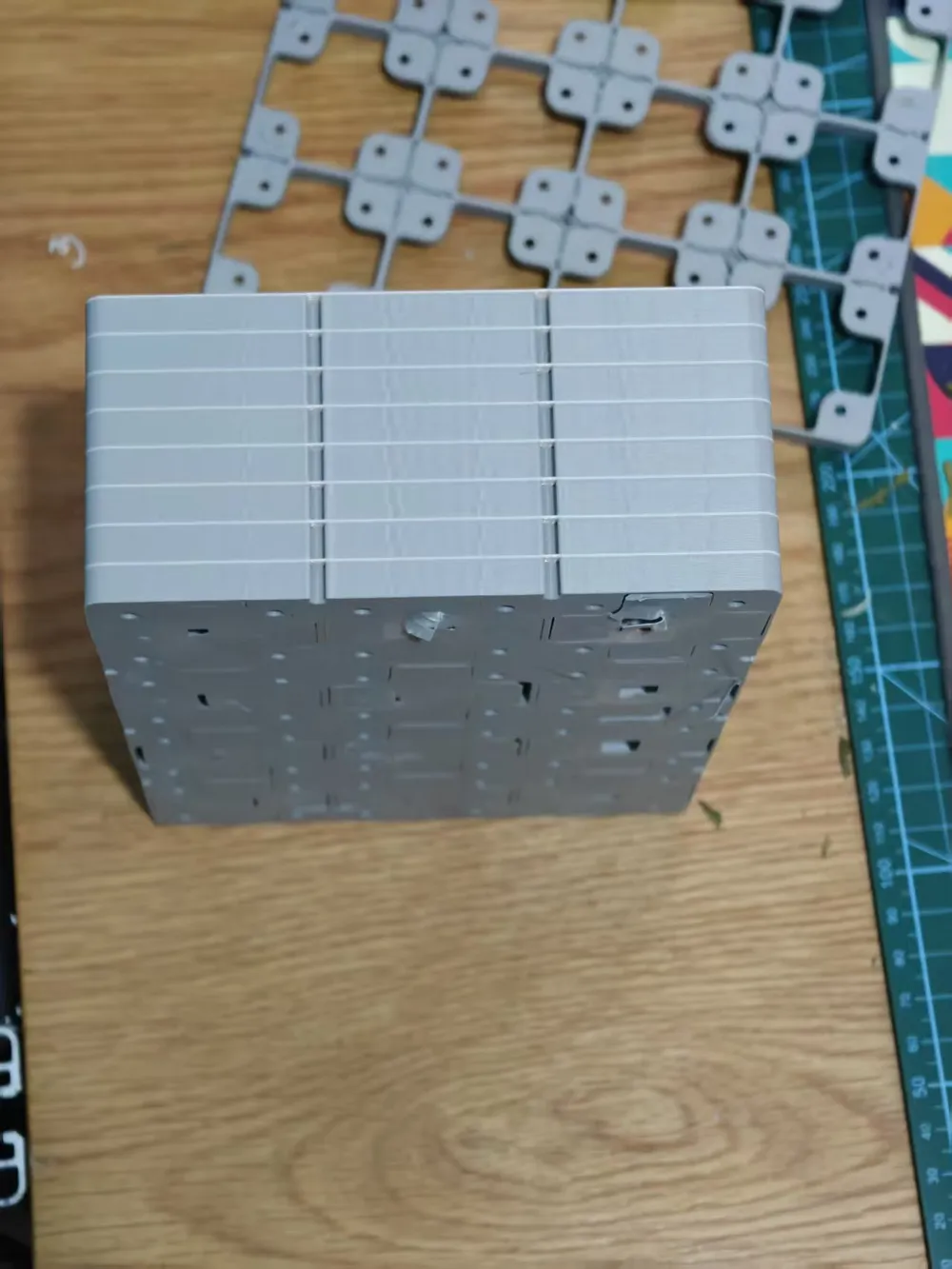
DIY Gridfinity Stackable Printing Baseplate, Batch Production, Say Goodbye to Frequent Plate Changes!!!
When Gridfinity Enthusiasts Meet "Time Anxiety"
As a heavy user of the Gridfinity modular storage system, I am deeply fascinated by the neatness and efficiency it brings. However, I believe many friends have encountered the same problem as me: when printing a large number of storage boxes of different sizes, it requires frequent model changes and progress monitoring, especially since a single small box might only take half an hour, but printing 9 in a queue takes an extremely long time.
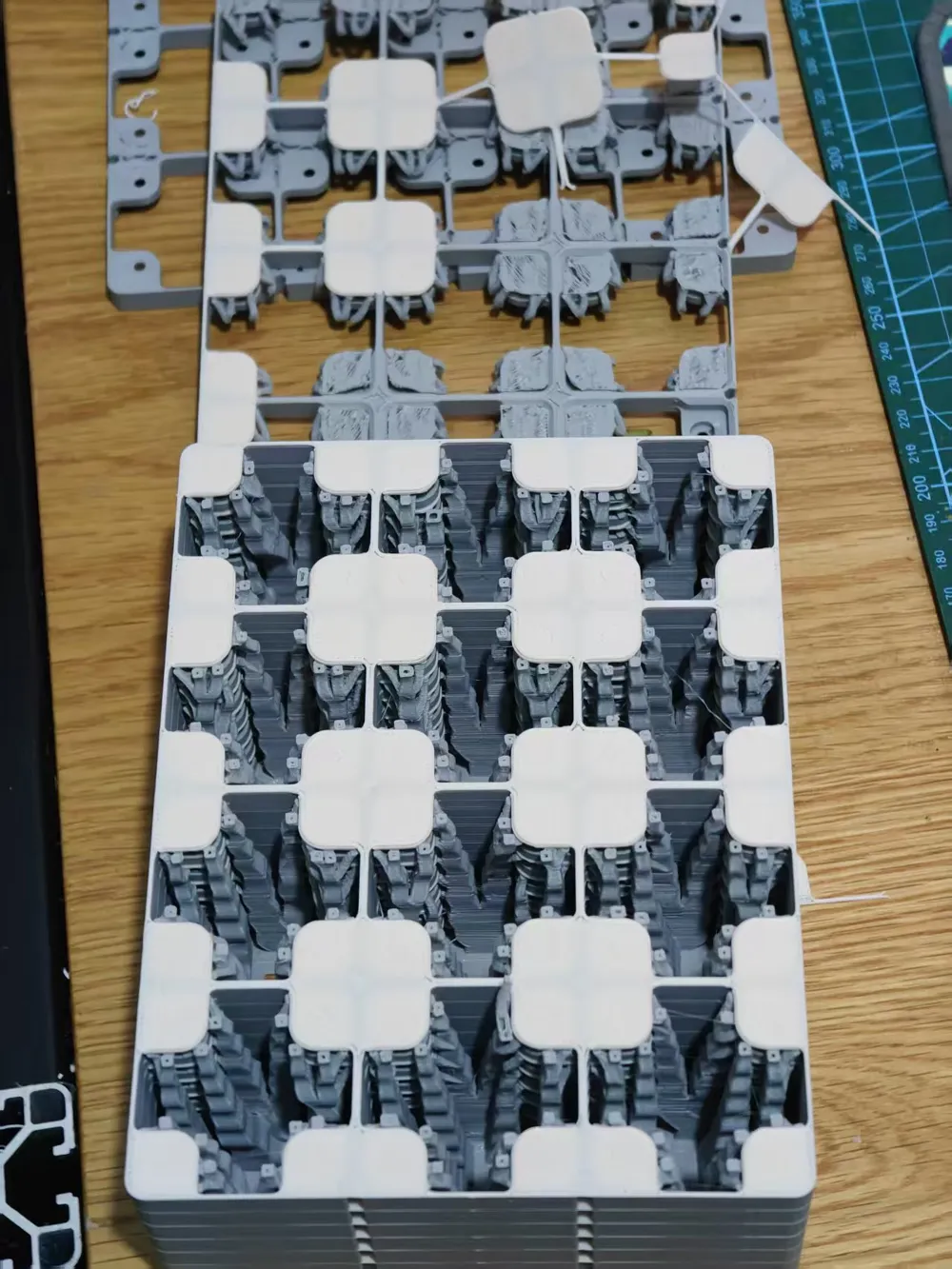
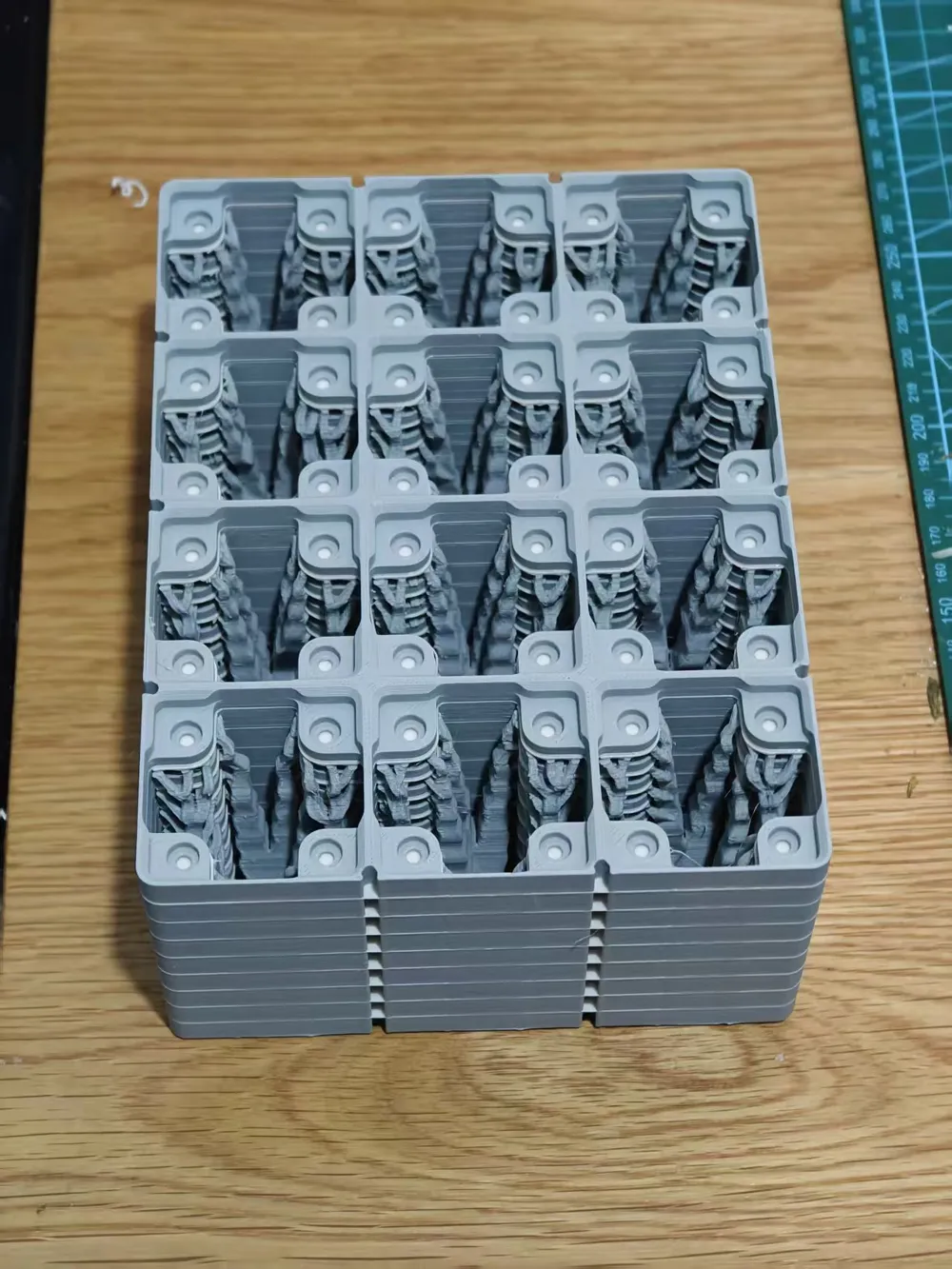
To solve this problem, I designed a stacked printing baseplate optimized for Gridfinity. It allows you to print 9 identical Gridfinity baseplates simultaneously in a single printing task, shortening fragmented tasks to just one plate change, especially suitable for "unattended" batch production while you're out on weekends or resting at night.
Design Highlights and Core Advantages
- Ultimate Efficiency Boost
- Batch Production: Supports printing 9 standard Gridfinity baseplates at once (of course, you can add more, up to 50 layers can be achieved), fully utilizing the printer's Z-axis height space.
- Time-saving and Worry-free: No need to frequently change filament and models, greatly reducing manual intervention time, truly achieving "set it and forget it".
- Innovative Material Combination: PETG HF + PLA Basic
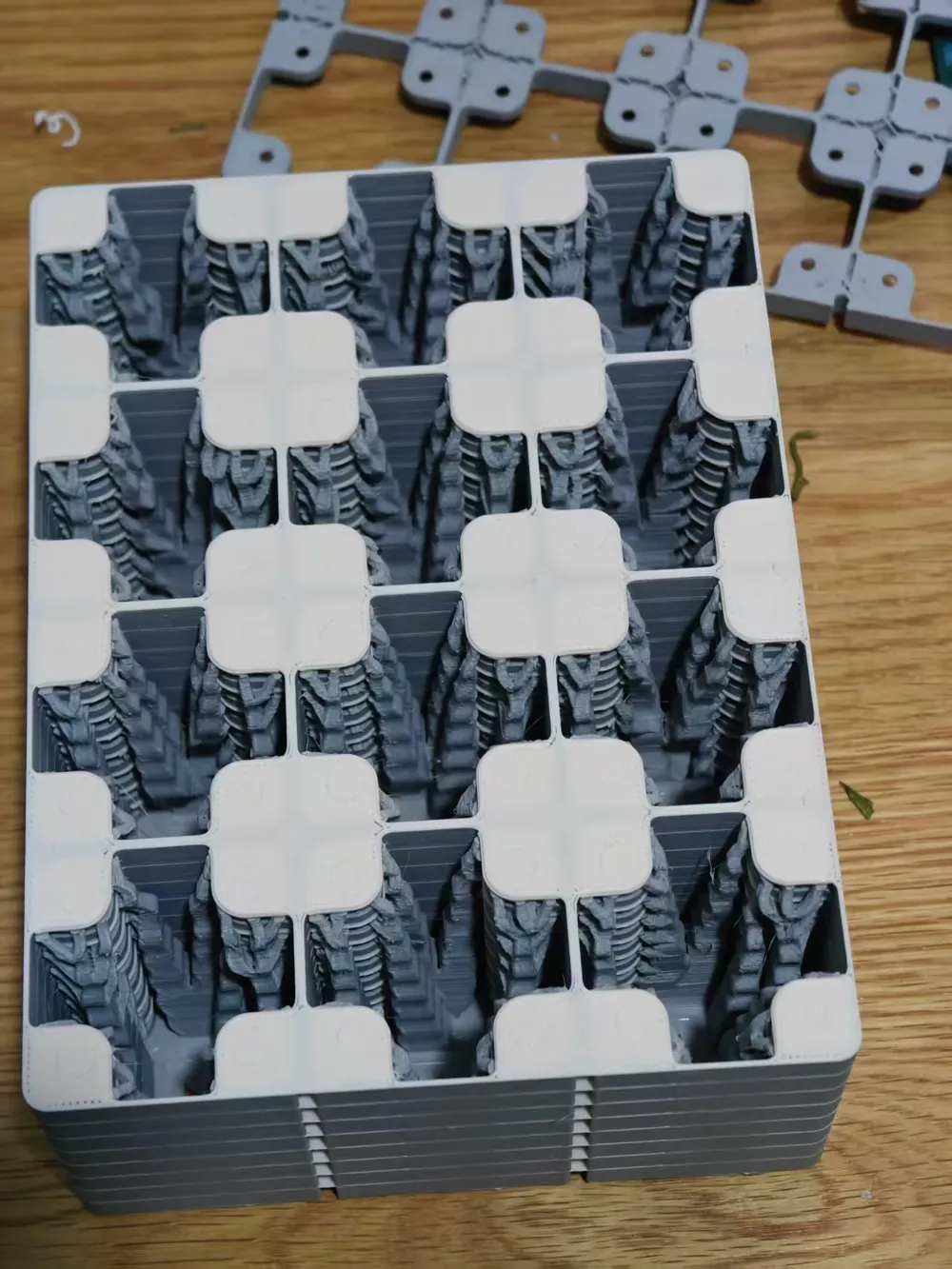
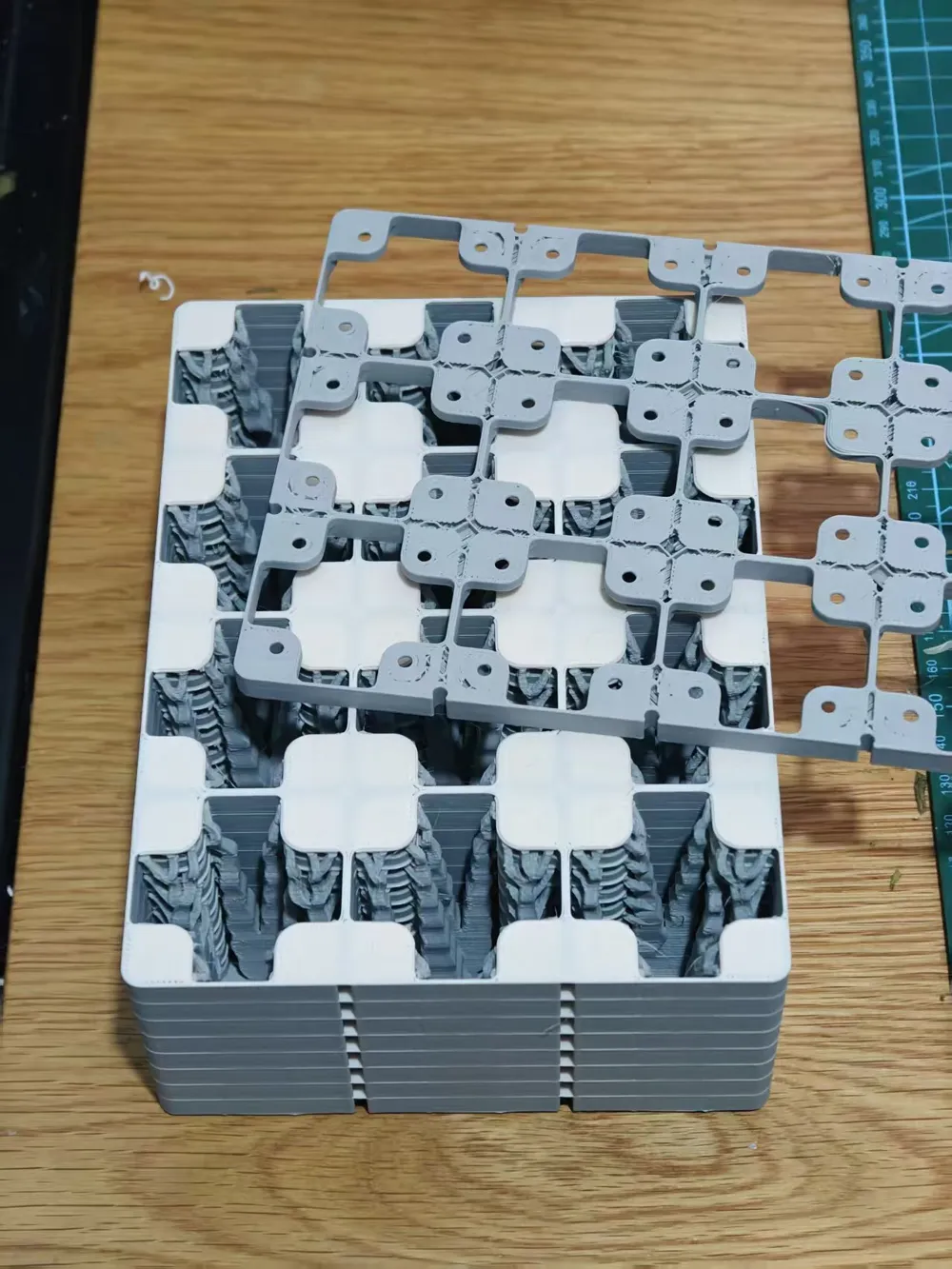
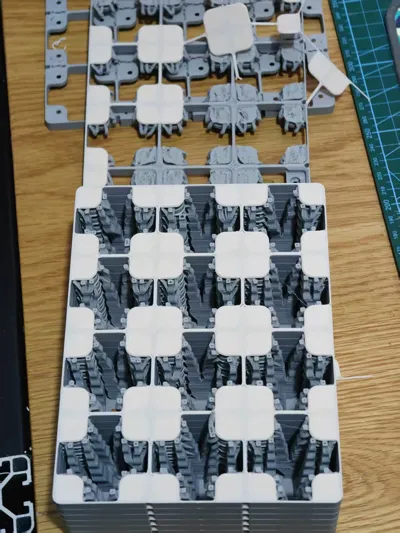
- Easy Separation Design: The connecting support structure is printed using PETG HF (High Performance) material, while the baseplate body uses PLA Basic material. The adhesion of these two materials has been carefully adjusted, allowing the baseplates to be easily separated layer by layer after printing, and the support structures can be easily removed, leaving a clean interface.
- Economical: PLA Basic material is inexpensive and easy to obtain, it is the official recommended filament by Bambu Lab, ensuring low cost and ease of use for the project.
- Two Specifications Available
- 3x3 Double-Layer Test Version: Suitable for users trying stacked printing for the first time for verification and testing.
- 3x4 Nine-Grid Mass Production Version: Designed specifically for efficient mass production, and is currently the main version.
Known Shortcomings:
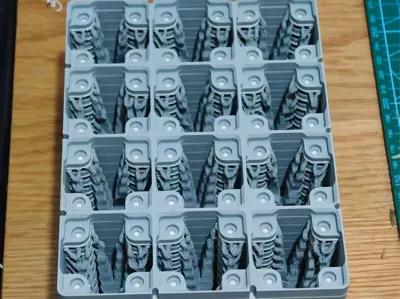
The main drawback at present is that the support structures are numerous and relatively fragmented. This is automatically generated by the slicing software to ensure the stability of stacked printing, and while adjusting support parameters can offer some improvement, it is difficult to completely avoid. When pursuing the convenience of batch printing, this slight waste of support material and post-processing time is an acceptable trade-off.
The core purpose of this stacked printing baseplate design is to transform your printer from a "single-piece artisan" into a "batch production workshop". It is particularly suitable for users who need to quickly expand their Gridfinity storage system.
What are your thoughts on this design? You are very welcome to share your user experience, propose improvement suggestions in the comments section, or share your own tips for improving printing efficiency!
License



Comment & Rating (0)