
Modular Eratosthenes Shadow Measurement Apparatus
Print Profile(2)

Description
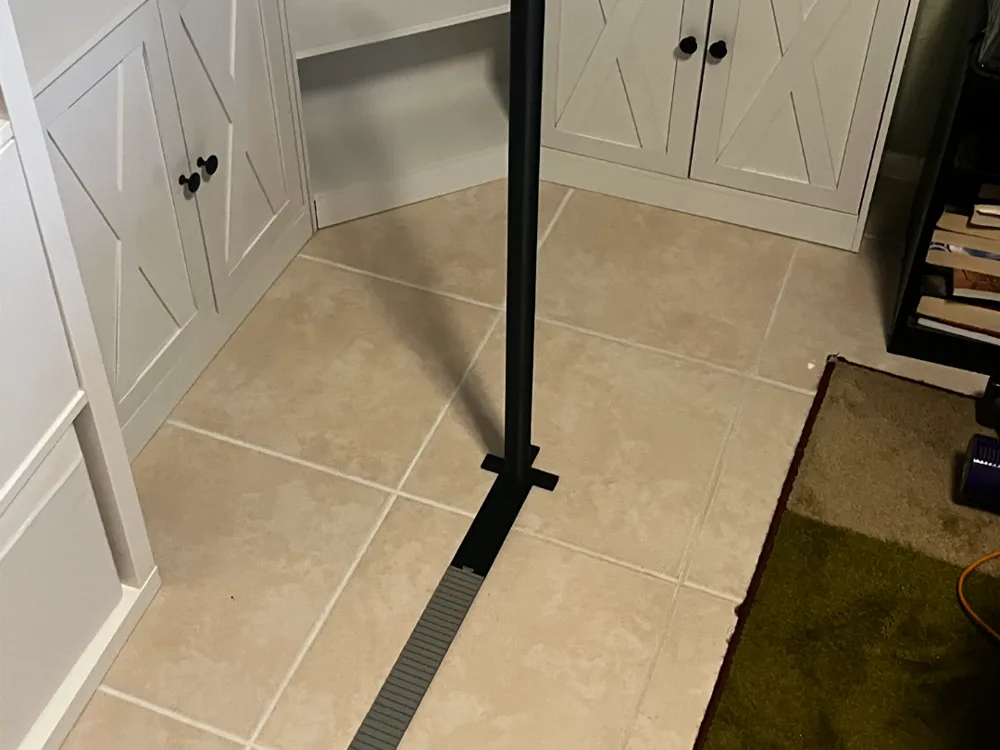
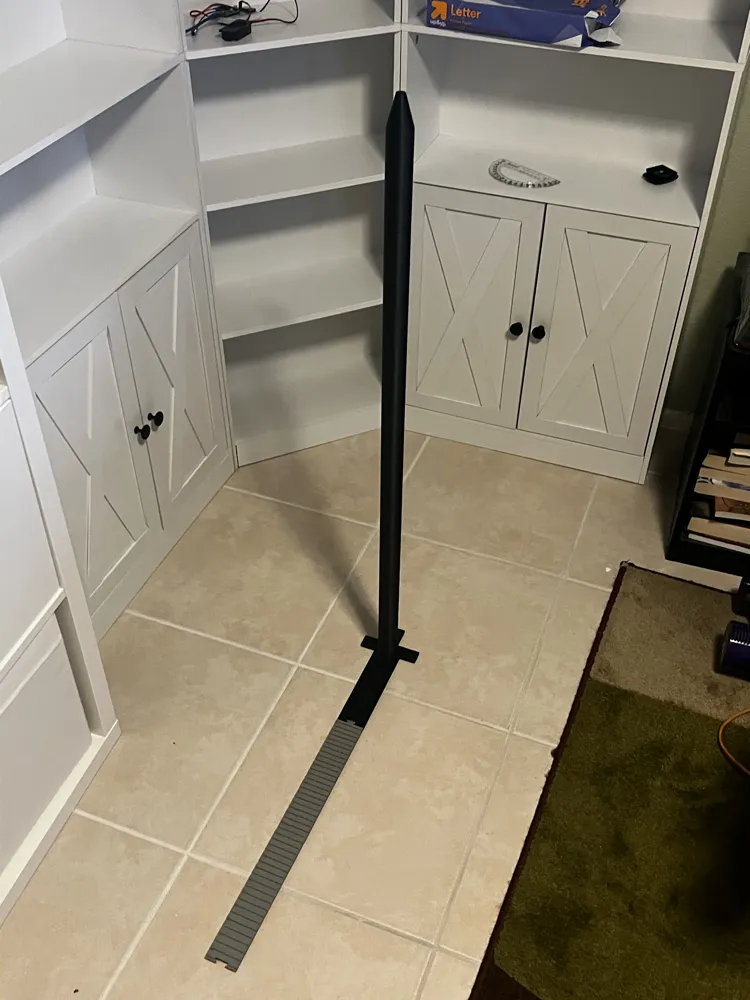
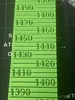
This is a modular, 3D printable Eratosthenes-style shadow measurement apparatus designed for accurate solar-noon experiments across different latitudes.
The design uses a vertical pole (gnomon) and modular base plates marked with calibrated shadow distances. When aligned to true north and used at local solar noon, the apparatus allows users to measure the Sun’s altitude angle using simple shadow geometry.
This model was designed specifically to support multi-location, multi-observer experiments, where measurements from different latitudes can be compared on the same day. It is ideal for:
- Earth science education
- Astronomy demonstrations
- Citizen science projects
- Classroom and outreach experiments
- Replicating and extending the Eratosthenes experiment
- Testing Sun–Earth geometry claims using real data
Key Features
- Modular base pieces that connect together
- Sized to print on smaller printers, including the Bambu A1 Mini
- Designed for a 40 inch effective pole height (pole can be printed or substituted with a straight rod)
- Markings support measurements from approximately 5° N to 54° N latitude at the equinox
- Wide measurement bands tolerate small timing errors around solar noon
- No electronics required
How It’s Used (Overview)
- Assemble the base plates and vertical pole
- Align the apparatus to true north
- Using a solar-noon shadow is recommended
- Magnetic compass users must account for declination
- Measure the shadow length within ±1 minute of solar noon
- Compare results across different latitudes
Only latitude is required for analysis. Exact locations do not need to be shared.
Intended Philosophy
This design is released for open scientific use.
Anyone is free to print it, modify it, teach with it, or use it in their own experiments.
The goal is replication, transparency, and learning.
License



Comment & Rating (0)