
Quiet Directional Floor Vent Airflow Redirector
Print Profile(4)


Description
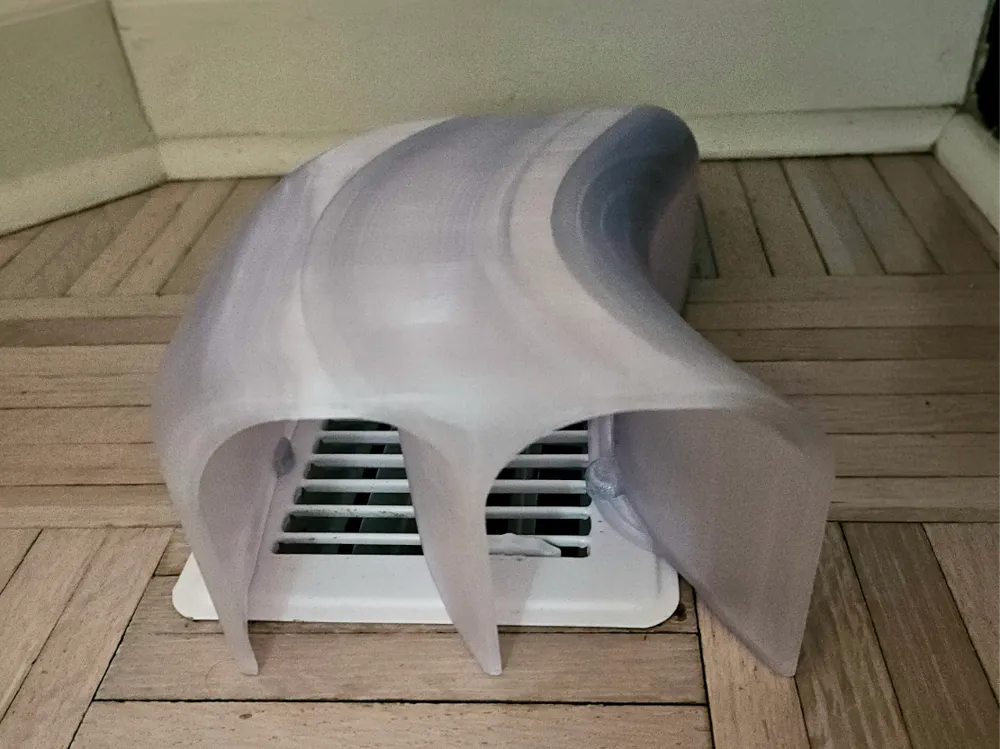
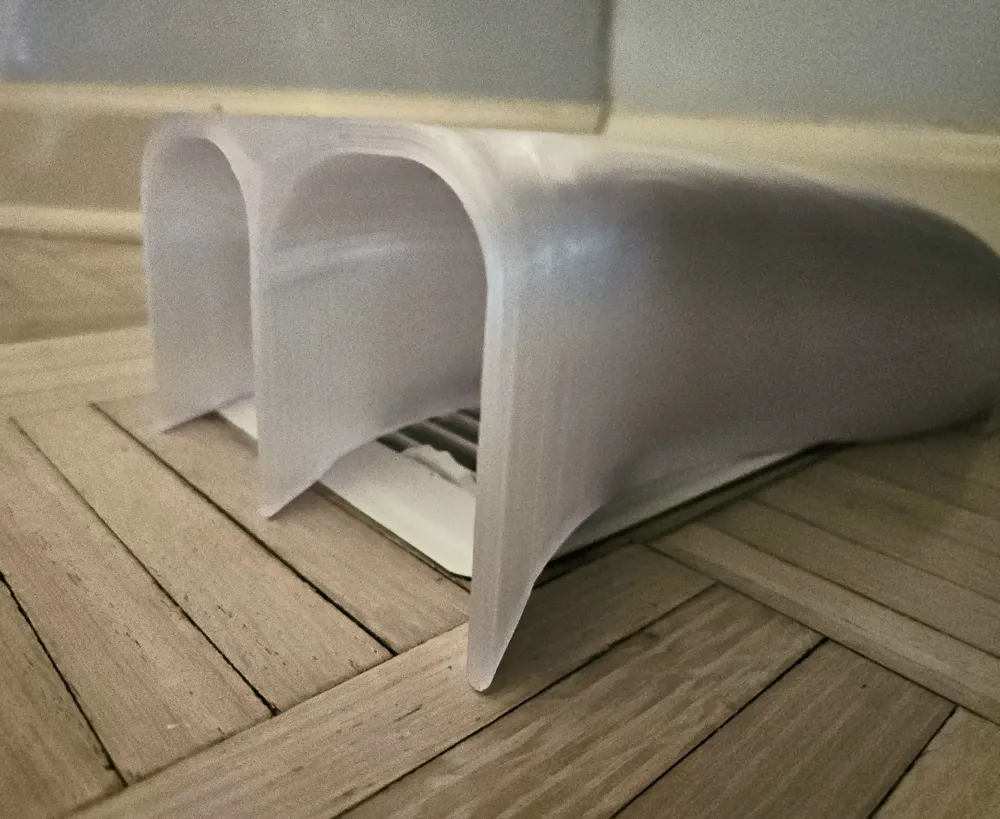
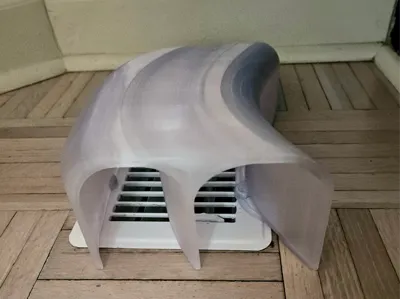
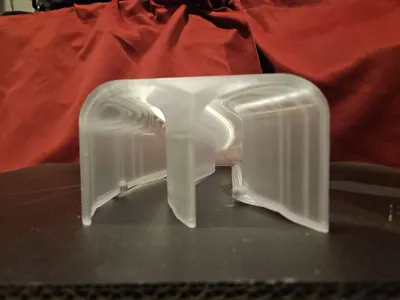
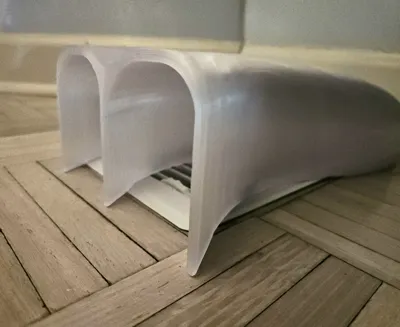
This redirector attaches to a standard metal floor register (10" x 4" opening) using magnets and projects airflow forward toward the narrow end of the vent, angled to one side. It is pretty chonky and uses a good amount of filament, I wanted it to be tough so it could handle feet and vacuum cleaners.
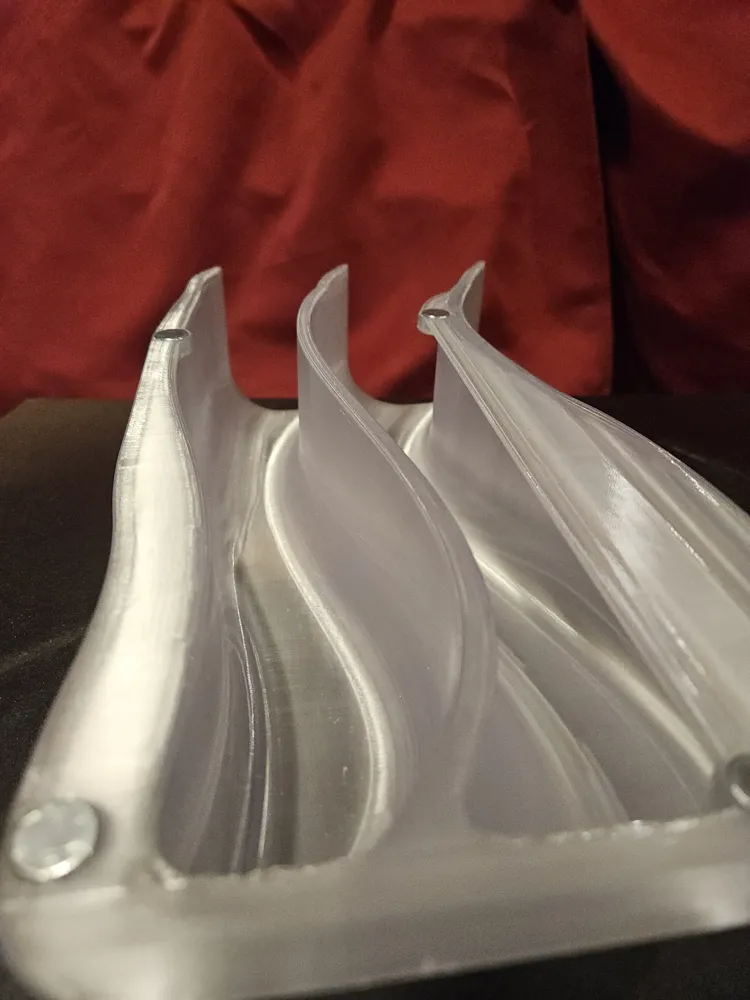
The internal shape is engineered for smooth, quiet operation with strong directional throw:
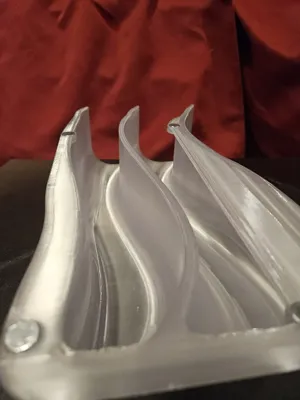
- All interior surfaces are smooth and radiused to minimize turbulence
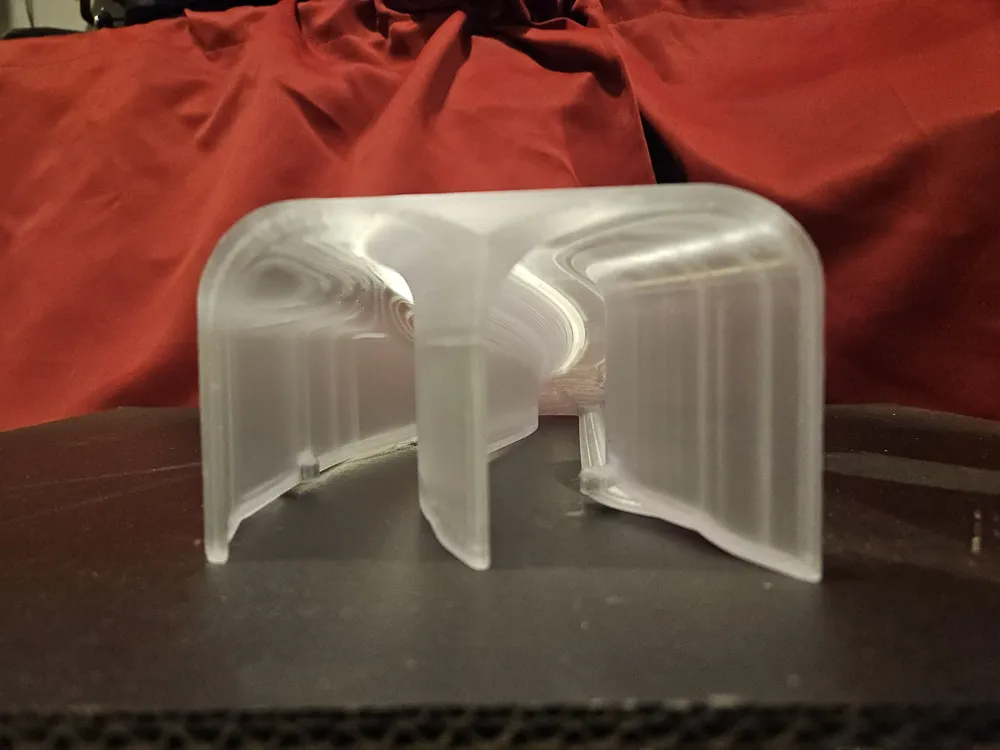
- A central splitter vane divides the airflow into two channels, reducing swirl and eddy formation that cause noise and loss of momentum
- The body is slightly oversized in a couple places to help shape the airflow direction, and where it is outside the vent footprint it arcs down to the floor which helps you position it correctly
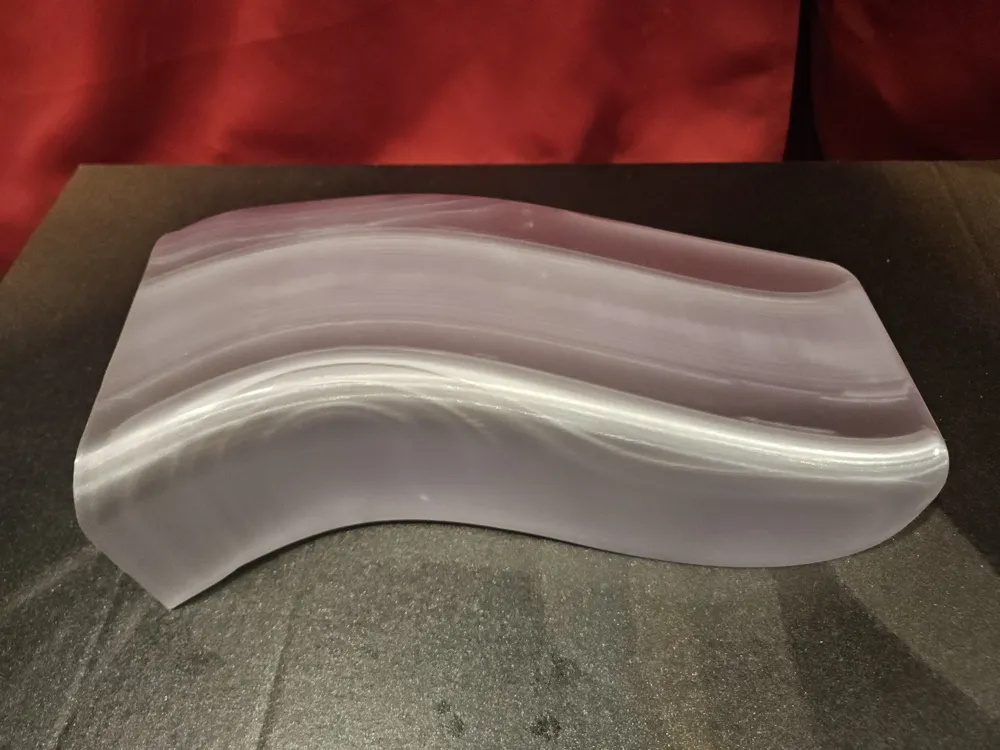
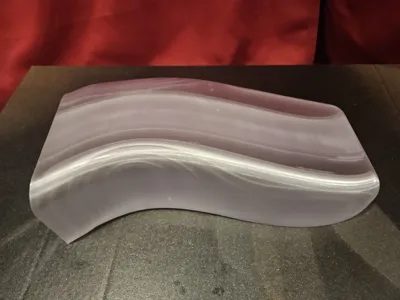
- The curves give it an interesting modern look
- The throw (distance the air travels) is quite impressive!
Printing specifics:
Use PETG, ABS, ASA, or other heat-resistant materials. PLA is not recommended due to heat softening.
- I used a 0.6mm nozzle, but 0.4mm profiles are provided too and will work just fine
- It can be printed in one piece on an H2
- All other Bambu printers (including A1 mini) can print it in two pieces. I suggest two part epoxy as the adhesive (be sure to scuff the surfaces), just make sure your adhesive can handle the temperature which can get up to 140F/60C.
- Supports are not necessary, but at the top (which becomes the inner back wall) there will be some bridging. It will most likely not come out totally perfect but it will be functional, and you can clean it up to ensure it's smooth. If that sounds unacceptable to you, add some supports.
- The PETG profiles is pretty conservative on speed, just an FYI
---
When I started designing this I really just wanted to angle the outflow but I got a bit carried away, more or less following my intuition on what would work well. It was fun to learn that the fin is called a vane, which is a fixed fin meant to direct fluid flow. And now I better understand why weather vanes are called what they are!
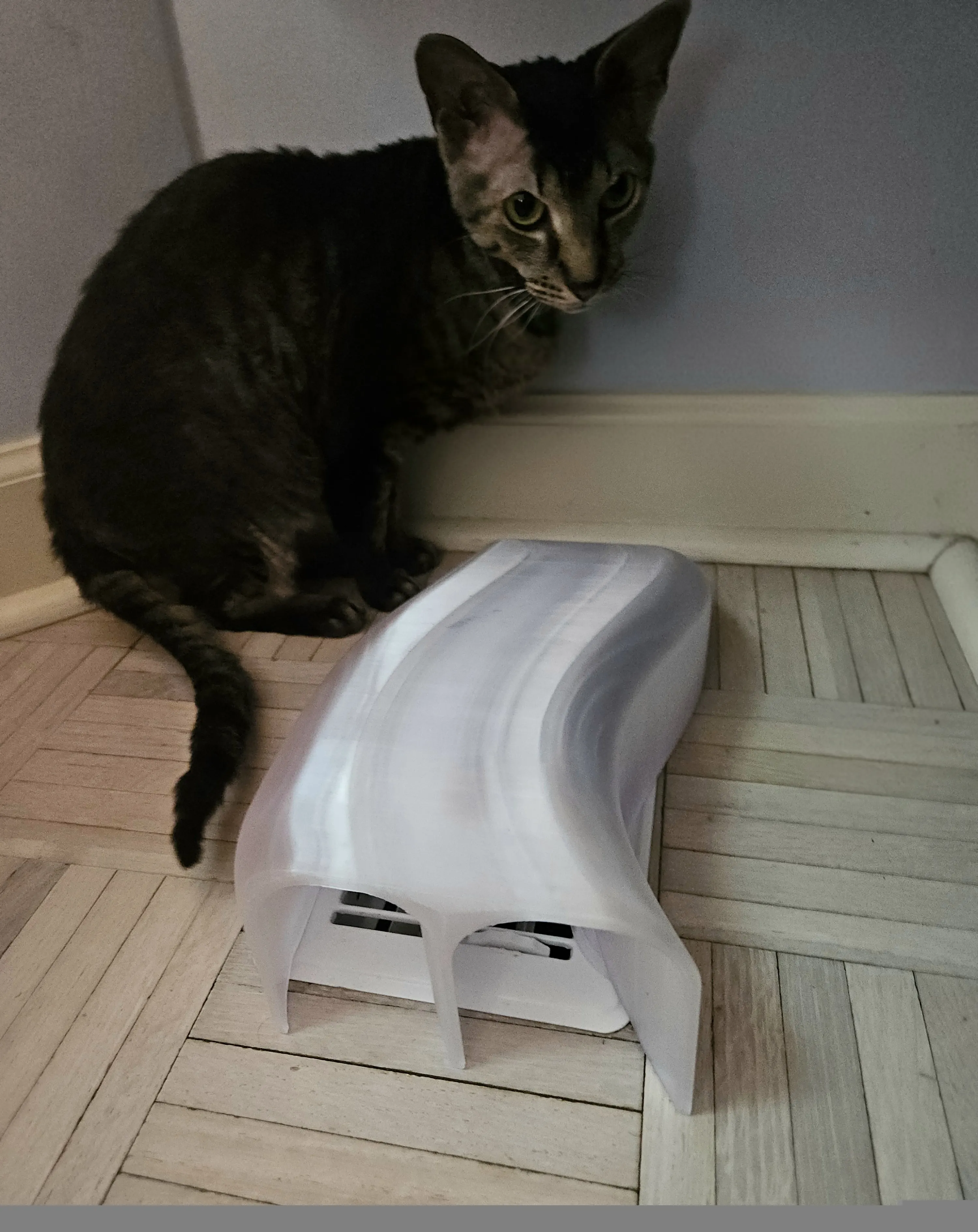
Bonus feature: Cats love it in the winter!
License

You shall not share, sub-license, sell, rent, host, transfer, or distribute in any way the digital or 3D printed versions of this object, nor any other derivative work of this object in its digital or physical format (including - but not limited to - remixes of this object, and hosting on other digital platforms). The objects may not be used without permission in any way whatsoever in which you charge money, or collect fees.


Comment & Rating (4)