


Print Profile(3)


Description
Boost Me (for free)
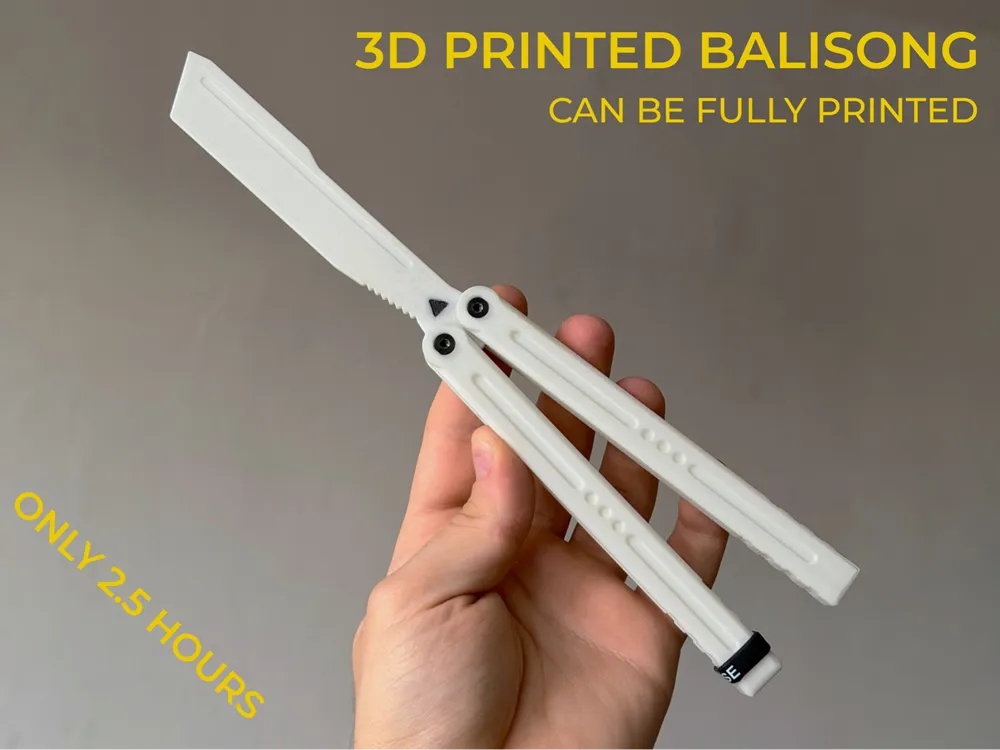
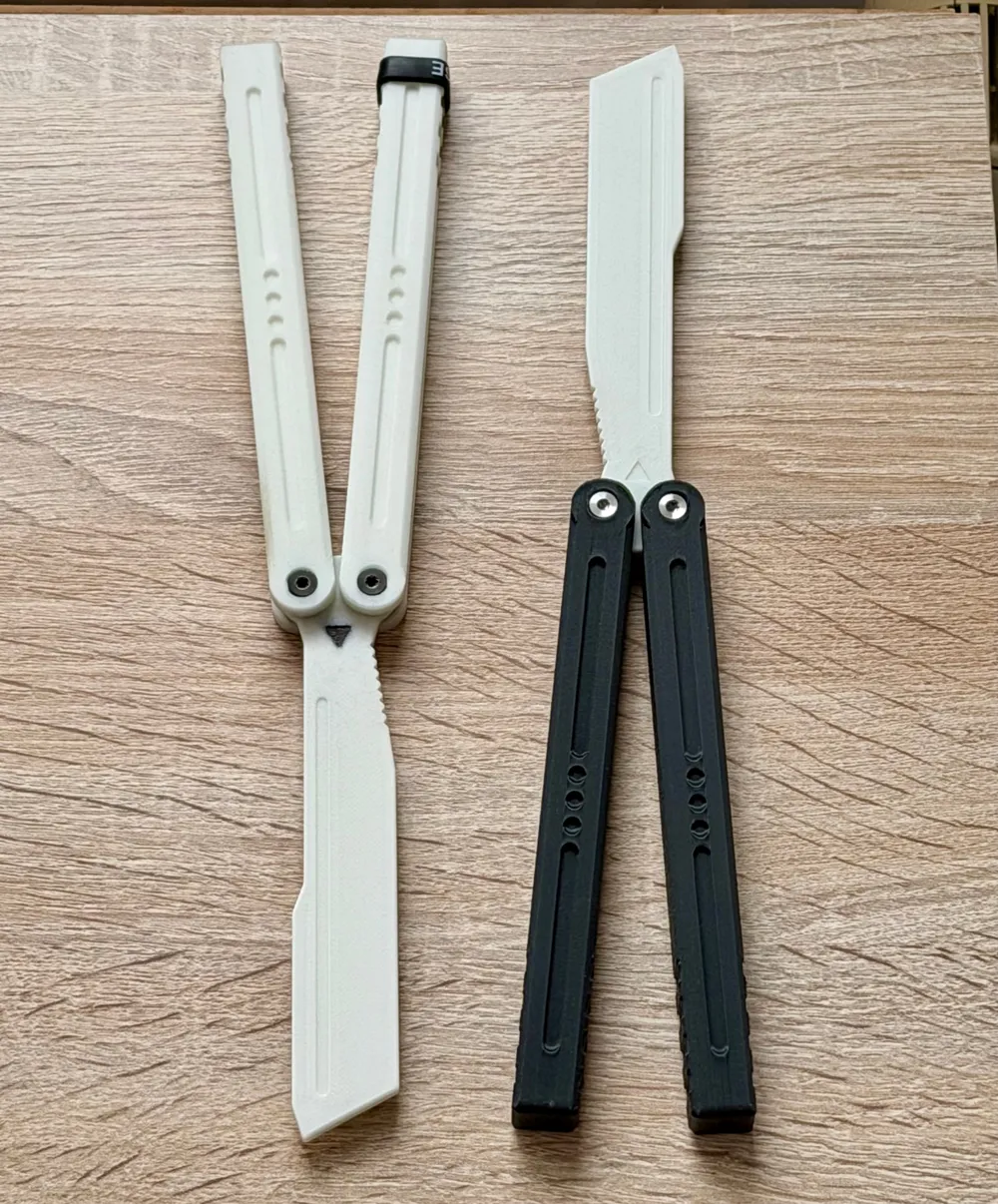

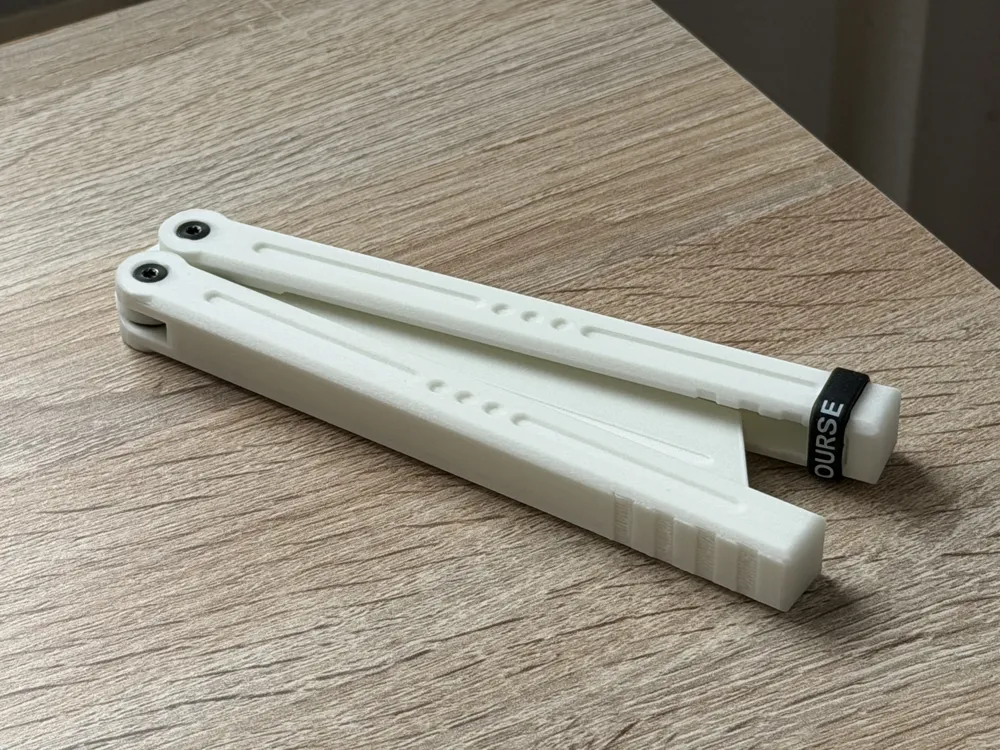
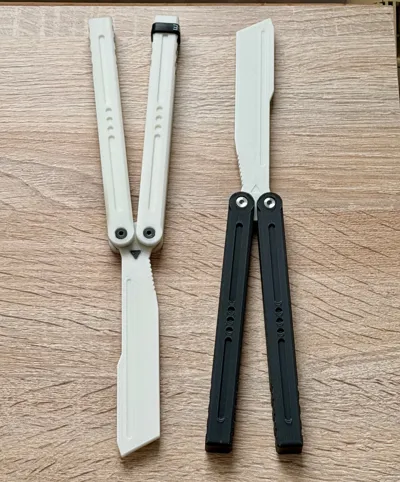
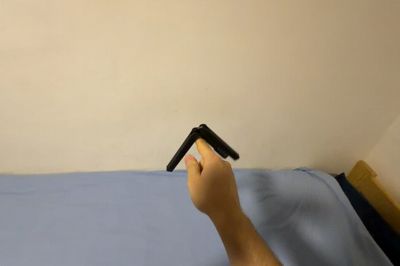
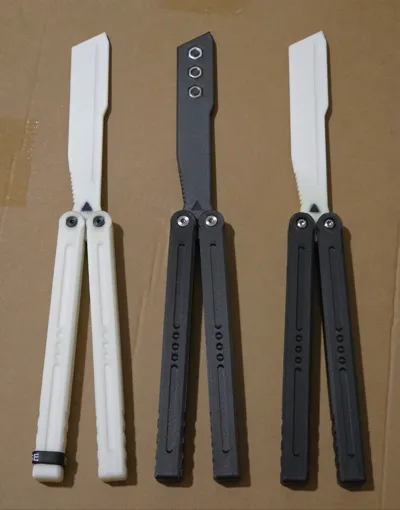
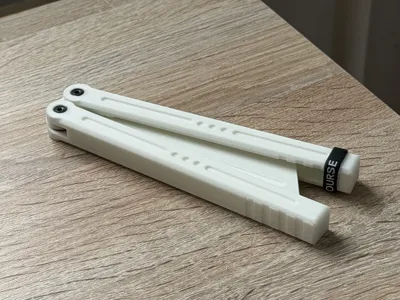
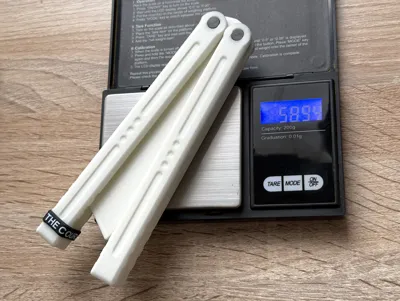
The Tenkai Trainer (展開) is a safe, 3D printed butterfly knife with channel handles and pinless system that is designed for metal washers and standard balisong hardware. Thanks to this it achieves a smoother action and better durability. It was designed from the ground up for flipping performance and features a moderate handle bias and significant blade tip weight, which helps with more advanced tricks like chaplins or rollovers.
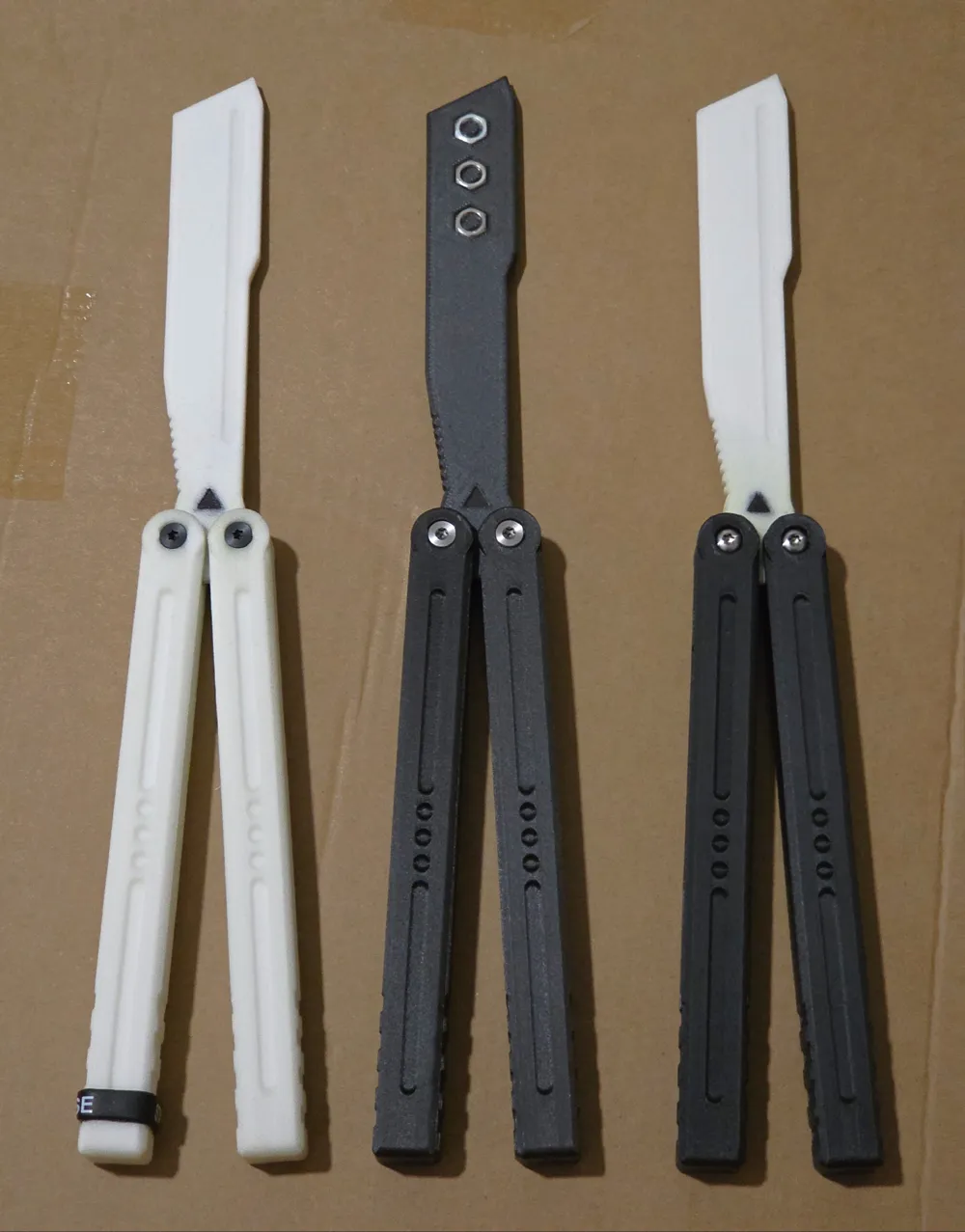
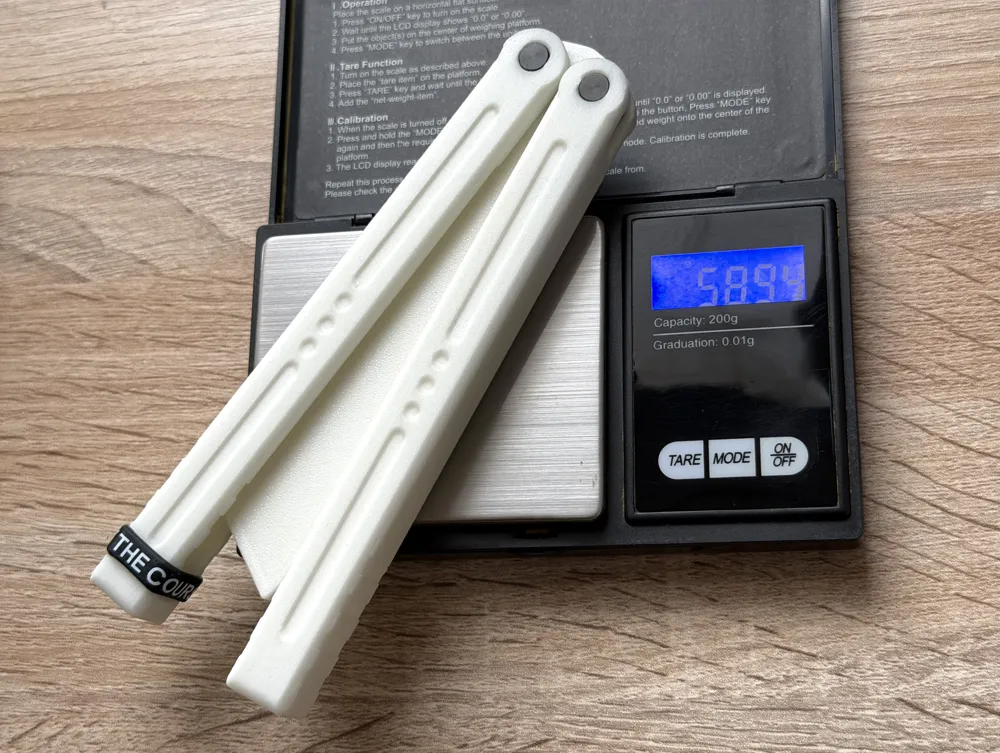
There are two blades available - one standard and one with insertable metric M5 DIN934 hex nuts (those should pop into place, but if they don't hold, you might have to glue them in). The standard blade version weighs 56-59g while the one with hex nuts weighs about 4 extra grams and has a more neutral balance.
The balisong initially has a larger open and closed handle gap out of the box, this is normal and intentional - due to the pinless system which has plastic on plastic contact, I had to give it some leeway, but after 1-2 hours of flipping the handle gap will reduce by about 30-50% depending on material and infill, after which the plastic should be harder and it should stop reducing.
The name “Tenkai” is from Japanese and it means something like “Deployment" or “Unfolding”.
Parts Needed:
2x Handle
1x Blade
4x Washer (0.50mm thickness, 4.8mm ID and ~10mm OD (should probably fit between 9-12mm OD)
2x torx T10 pivot barrel
2x torx T10 pivot screw
Any knife oil (Not required but recommended for smoother action)
I HIGHLY RECOMMEND USING METAL WASHERS AND SCREWS. The printed ones do work, but it's not a great experience. The knife was designed primarily around Nabalis Vulp hardware kit with 0.50mm washers, but it should fit the vast majority of balisong T10 TORX hardware that runs on 0.50mm washers (SI Kraken, SI Tsunami, Nabalis Canyon, Nabalis Impulse etc). Good place to get compatible washers and screws is thetruelink.com or Nabalis website.
How to Print:
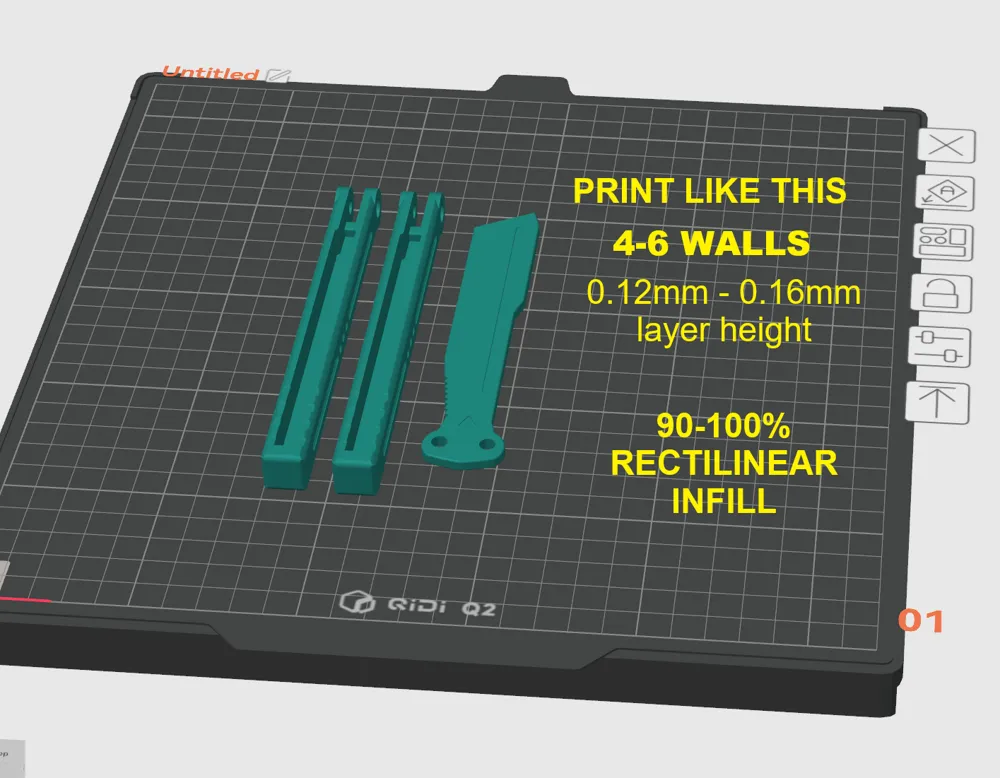
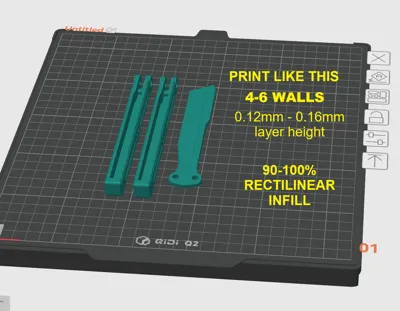
Print without supports, ideally at 0.12mm layer height, or 0.16mm layer height. Printing with smaller or larger layers might result in the dimensions being wrong and hardware or the blade not fitting correctly. Print with 90-100% infill - less infill might cause worse sound and mainly worse flipping performance because the weight balance will be off. For best visual quality, set your printing speed for the handles to 65% of your normal printing speed. For optimal durability, print the blade with 4-6 perimeter walls and the handles with 4 perimeter walls. Do not print with less than 4 walls as it could cause the pivot area around the blade to crack.
The best material for printing is PLA+, PETG, PLA-GF, PLA-CF or PC, other materials were not tested, but standard PLA or ABS/ASA should also work fine, though regular PLA may be too brittle and break easily. If your slicer has the option, changing overhang cooling activation threshold from 50% to 25% in filament settings under Cooling will improve overhang quality a bit.
For the printed hardware, print it at 0.08mm or 0.12mm and 100% infill/walls. The printed screw is a bit hard to get into the printed pivot fully, but you can help yourself by placing it flat on a table and pushing on it with another object until it's fully seated.
Troubleshooting:
Blade doesn't fit the handles - check your Z axis accuracy, there is a good chance your blade printed much taller than designed (the intended height should be between 3.92-4.04mm). A good solution is to reduce flow by 0.03-0.05 and see if it fixes it. Helps if you have a caliper.
Hardware doesn't fit into the holes - Can happen if your cooling fan is weaker or you have stringy filament. Try to grab a screwdriver or some other object that is slightly larger than the hole (don't use too big) and push it through repeatedly until the hole widens enough to fit the hardware. Alternatively you can use a tiny strip of sandpaper to widen the holes. But for most people it should fit, it just takes more force - watch the assembly video.
Screw is backing out when flipping - it's possible this can happen with different washers/hardware or printing differences. There are two main ways to solve it - the easiest one is putting some rubbery material inside the pivot screw hole or putting some tape around the screw and then screwing it in with the tape on it, it should hold significantly better and not back out as much. The second fix is applying loctite to the screw and then tightening it just enough so that the handles move freely and wait about 16-24 hours for the loctite to dry.
License



Comment & Rating (26)