Search models, users, collections, and posts

Print Profile(1)

0.2mm layer, 2 walls, 15% infill
Designer
2.7 h
2 plates
Open in Bambu Studio
Boost
11
75
5
1
89
32
Released
Description
💡 Overview and Function
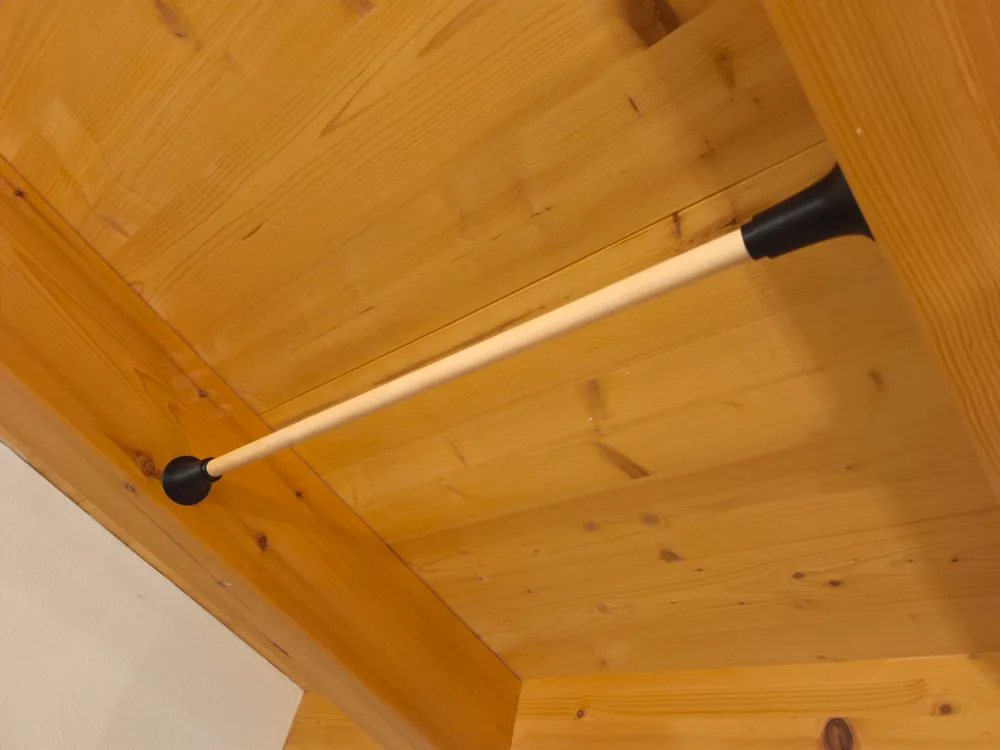
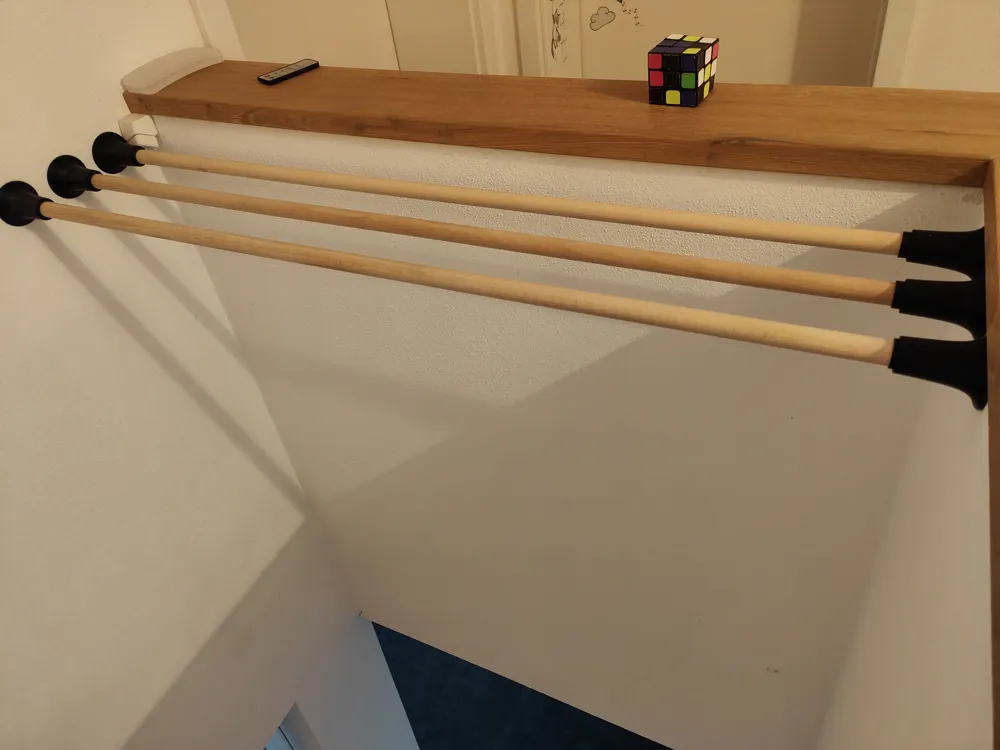
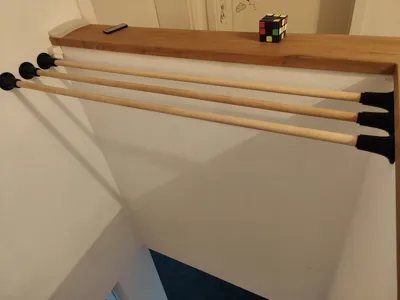
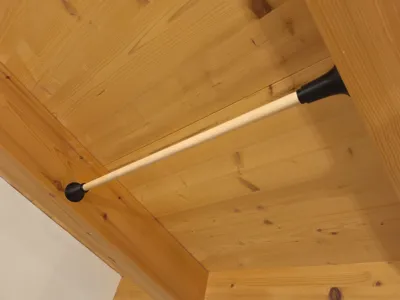
This model provides a robust, customizable method for creating temporary or semi-permanent barriers or mounting points. The design utilizes a classic left-hand/right-hand thread mechanism to apply tension.
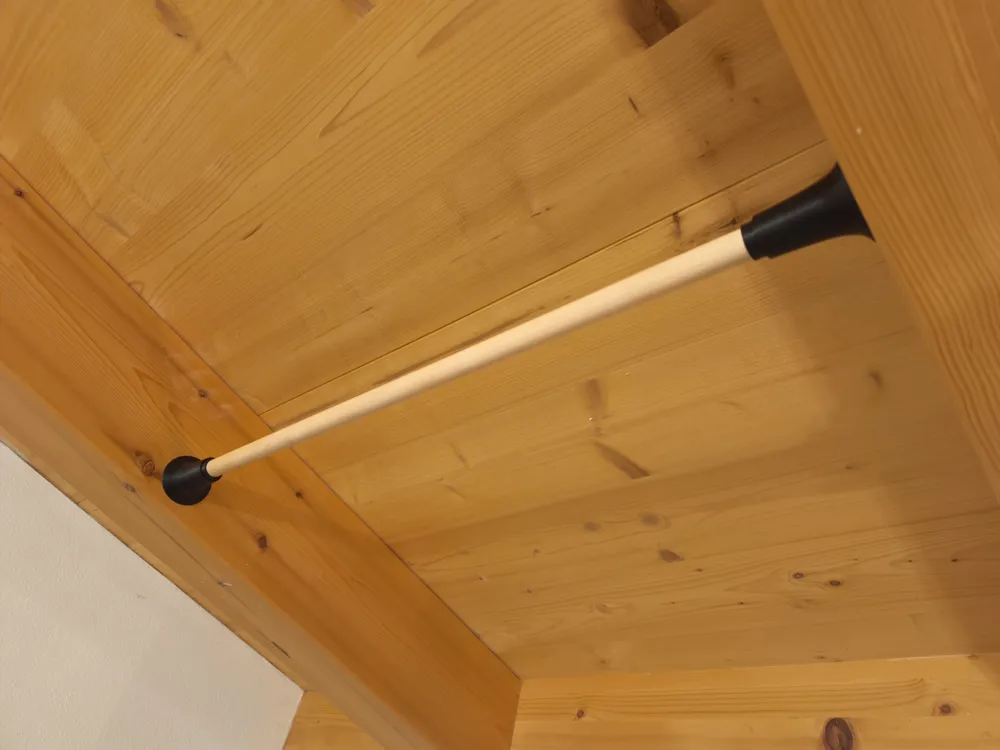
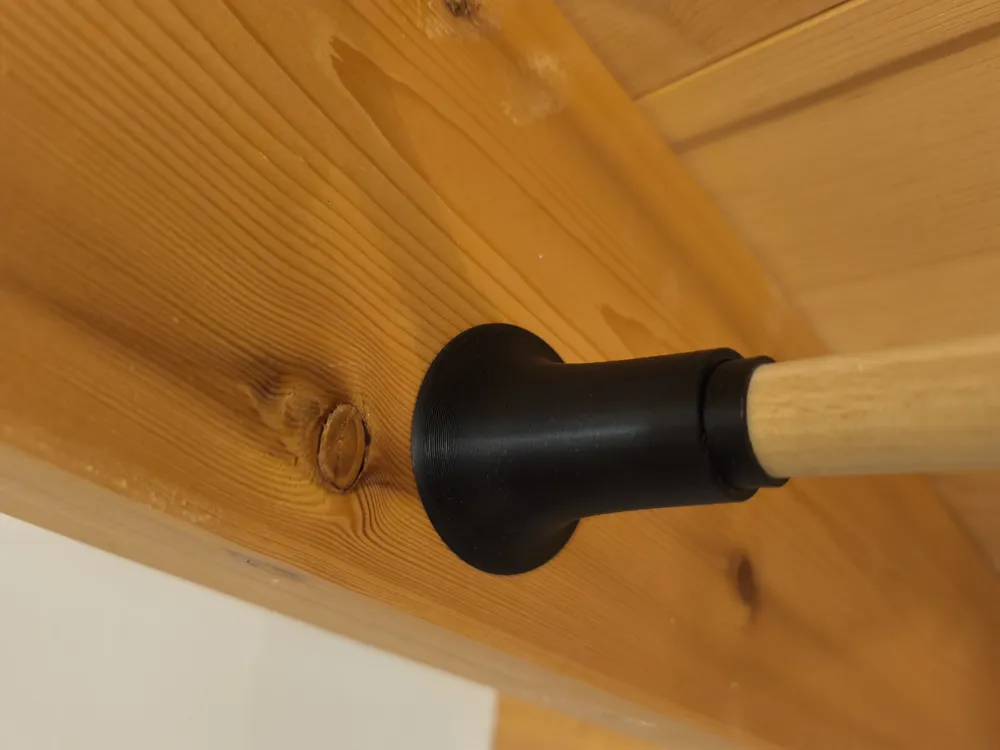
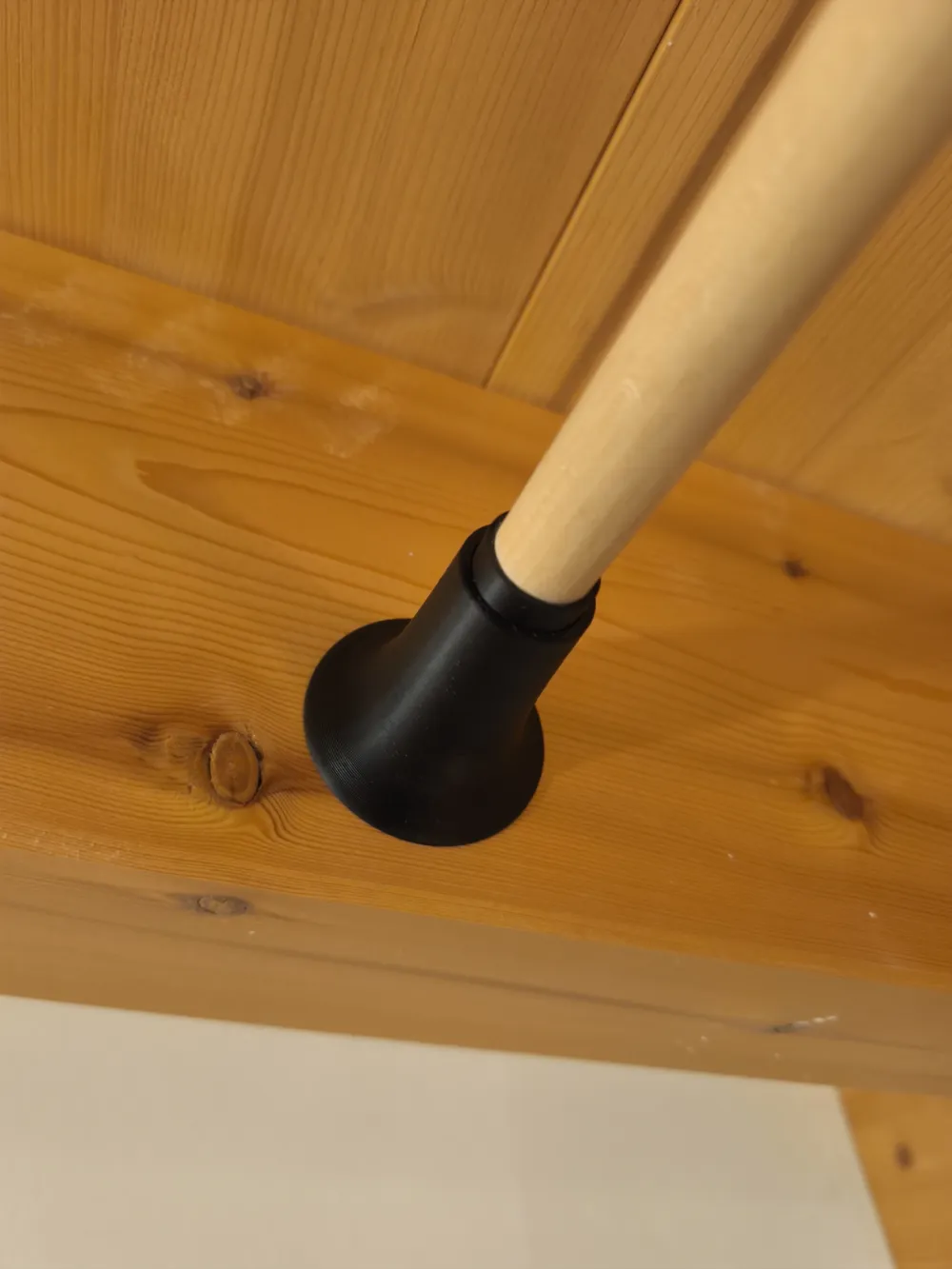
The main component is a split bracket assembly that houses a centrally placed wooden rod. By rotating the rod, the left and right ends of the holder move simultaneously, expanding the assembly and bracing the rod tightly between two opposing surfaces.
🛠️ Assembly and Operation
- Rod Preparation: Select a wooden rod (e.g., $20 \text{mm}$ diameter) of appropriate length.
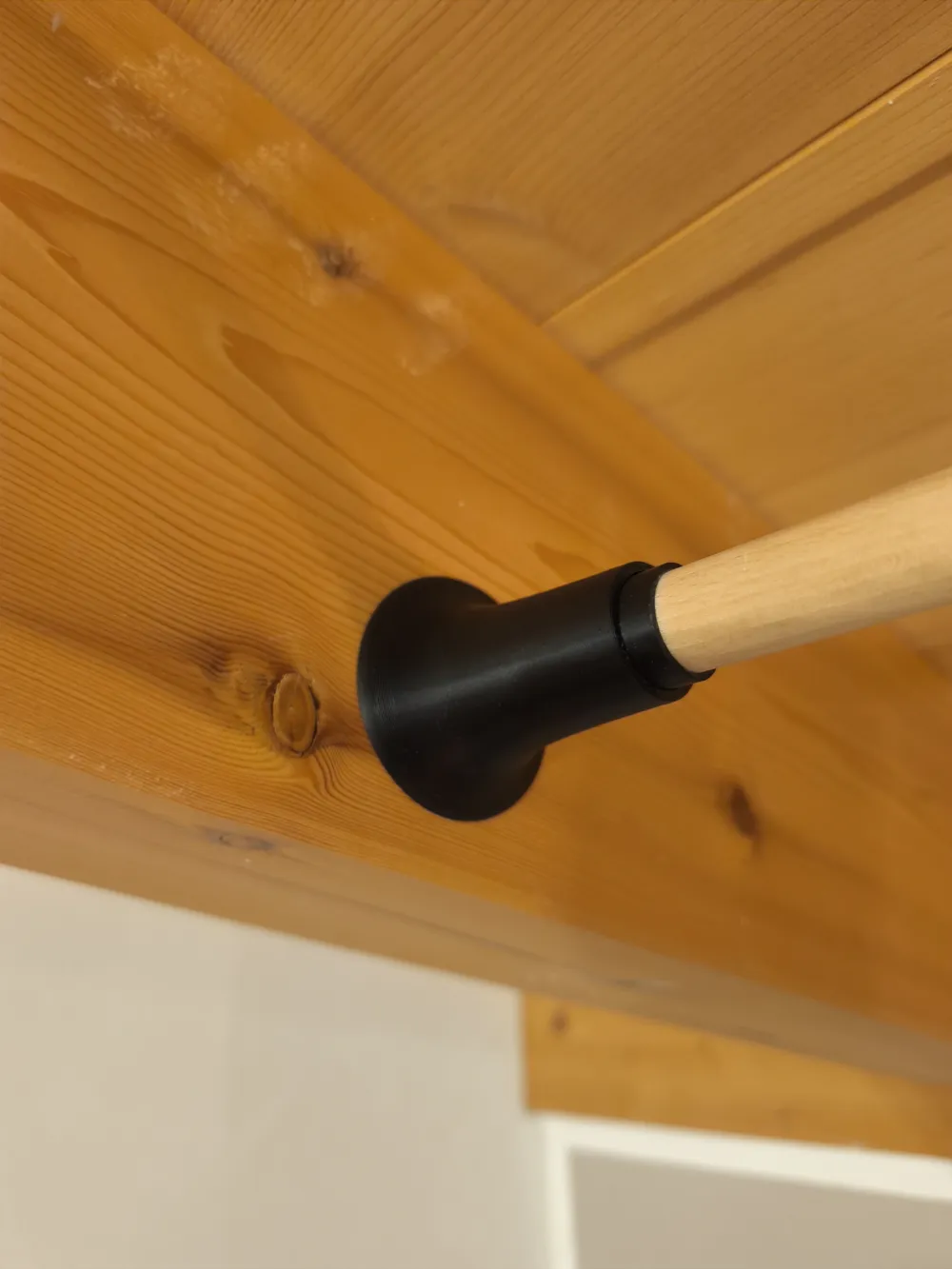
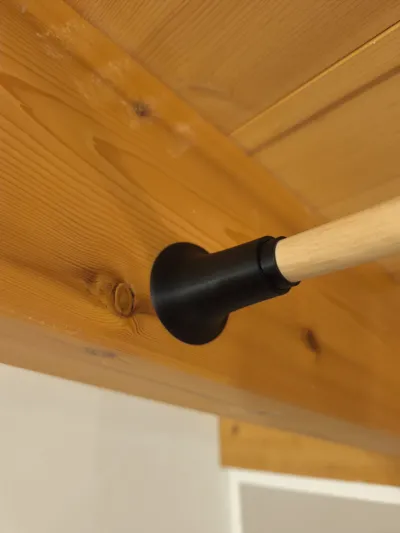
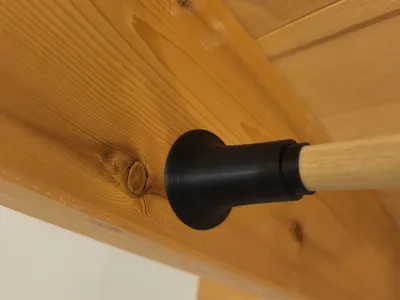
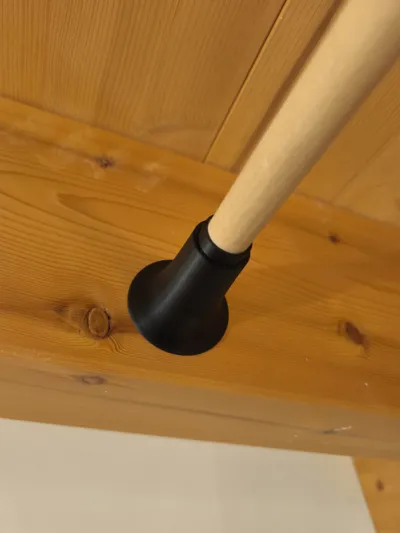
- Mounting: Place the rod into the designated $20 \text{mm}$ hole in both the left and right tension holder ends. The intention is to securely screw the holder onto the wooden rod for maximum grip and rotation (e.g., using coarse threads or a tight fit).
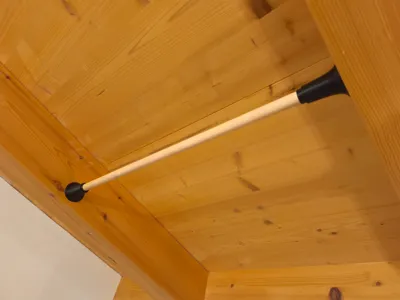
- Placement: Position the assembled holder and rod between the two desired surfaces (e.g., a door frame).
- Tensioning: Slowly rotate the wooden rod (the center piece). Since the threads are oriented oppositely, turning the rod will drive the left and right ends apart, applying tension against the walls until the holder is firmly secured.
🛡️ Surface Grip and Security Options (NEW)
The wall-contact surfaces of the tension ends are designed for enhanced versatility:
- Felt Pads (Filzstopper): The flat contact surfaces are suitable for attaching felt pads or rubber stoppers. This provides excellent grip on smooth or delicate surfaces and protects walls from scratches.
- Permanent Mounting Option: An optional separate bracket model is available. This variant is designed to accept a small nail or pin that can be mounted first onto a rough or wooden surface (like a stair post). The tension holder then sits securely against this pre-mounted pin, preventing slippage and ensuring a fixed mounting point.
License

This user content is licensed under a
Creative Commons Attribution-Noncommercial-Share Alike


Comment & Rating (5)