Search models, users, collections, and posts

Scanner 3D & Turntable
Print Profile(6)

All
X1 Carbon
P1S
P1P
X1
X1E
A1
H2D
H2D Pro
H2S
P2S
H2C
X2D
A2L
A1 mini

With helpful marks
With helpful marks
Designer
12 h
2 plates
4.8(12)

0.2mm layer, 6 walls, 25% infill
Designer
12.1 h
2 plates
4.9(12)

0.2mm layer, 2 walls, 15% infill
Designer
8.1 h
2 plates

0.2mm layer, 6 walls, 25% infill
Designer
16.3 h
2 plates
Click to see more

Open in Bambu Studio
Boost
227
508
88
59
552
190
Released 

Description

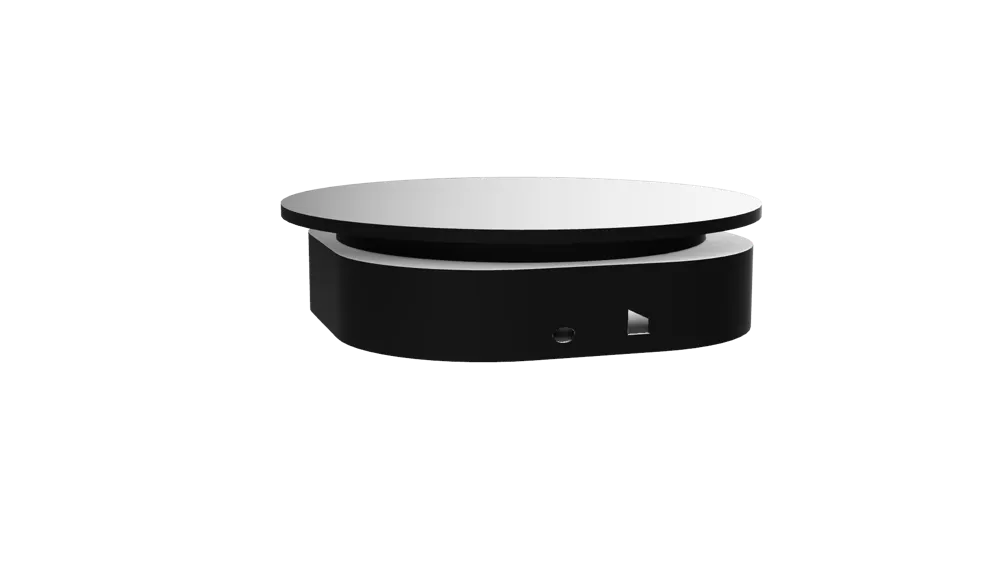
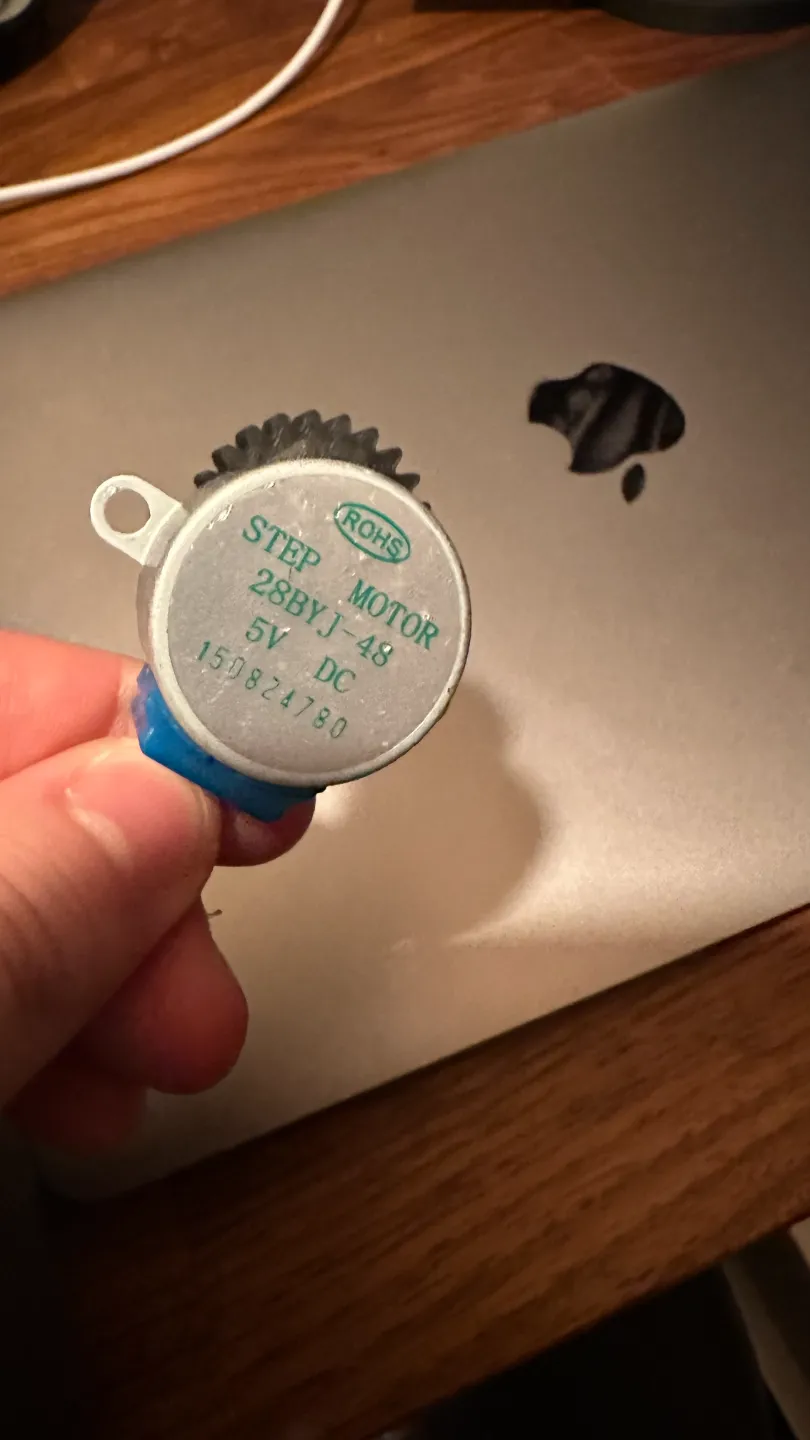
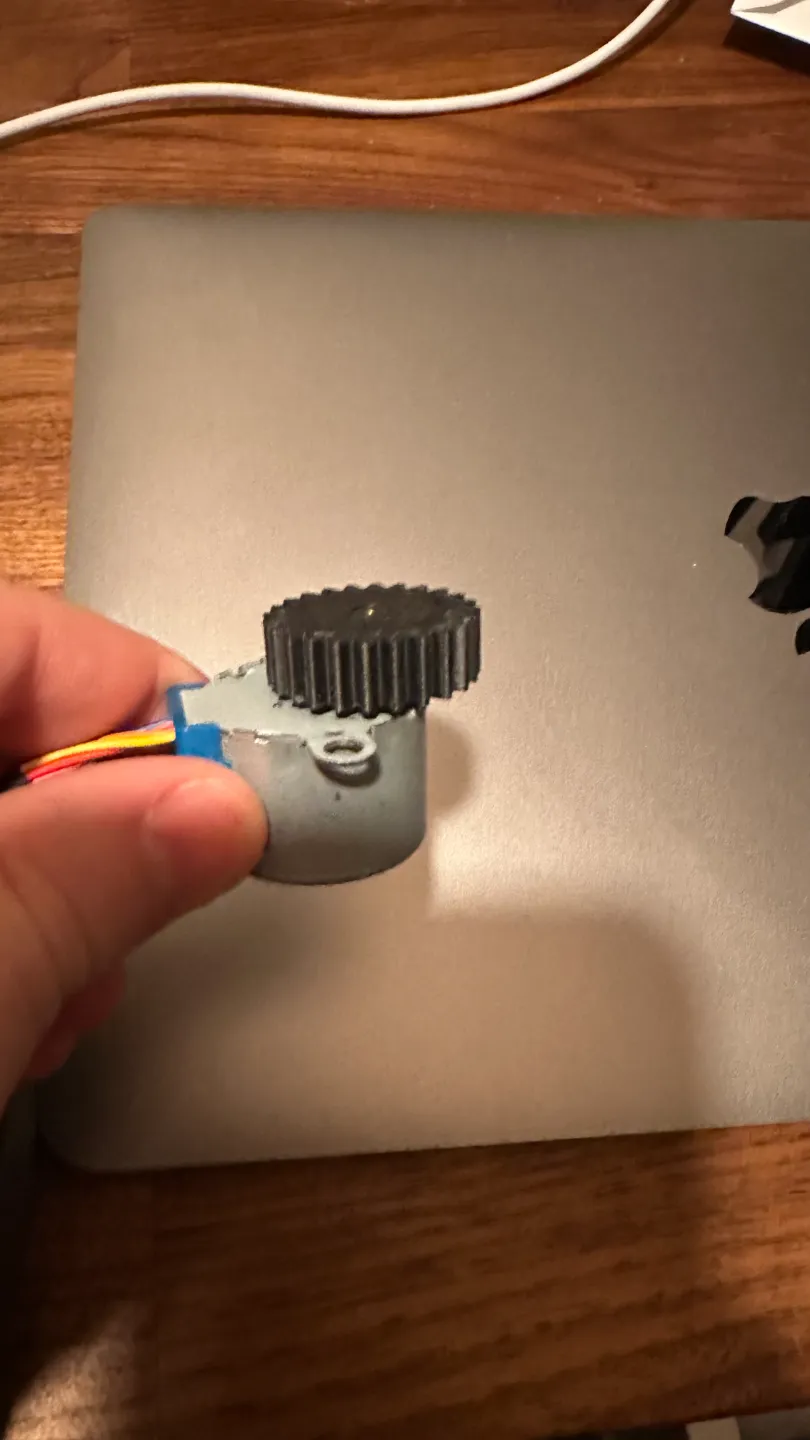
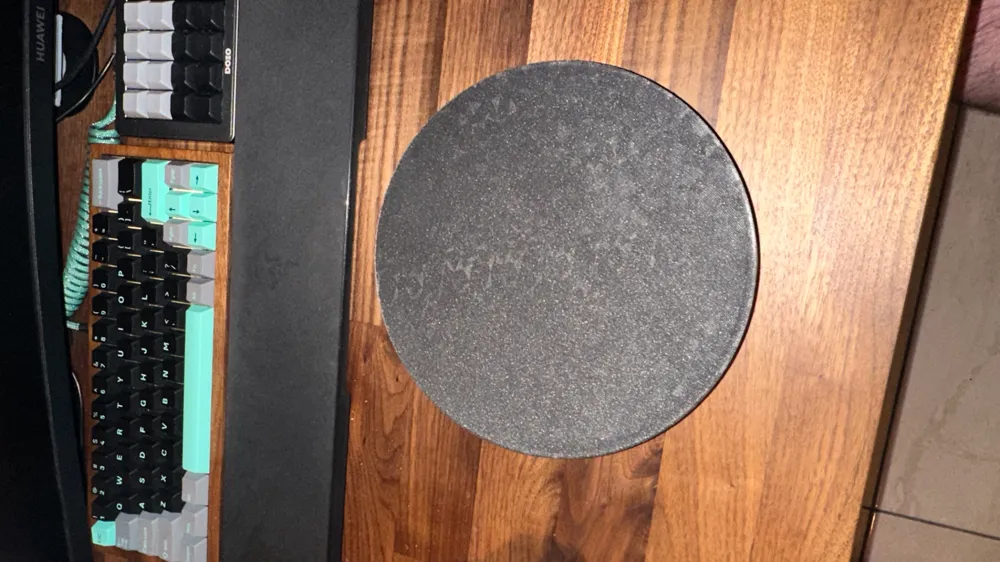
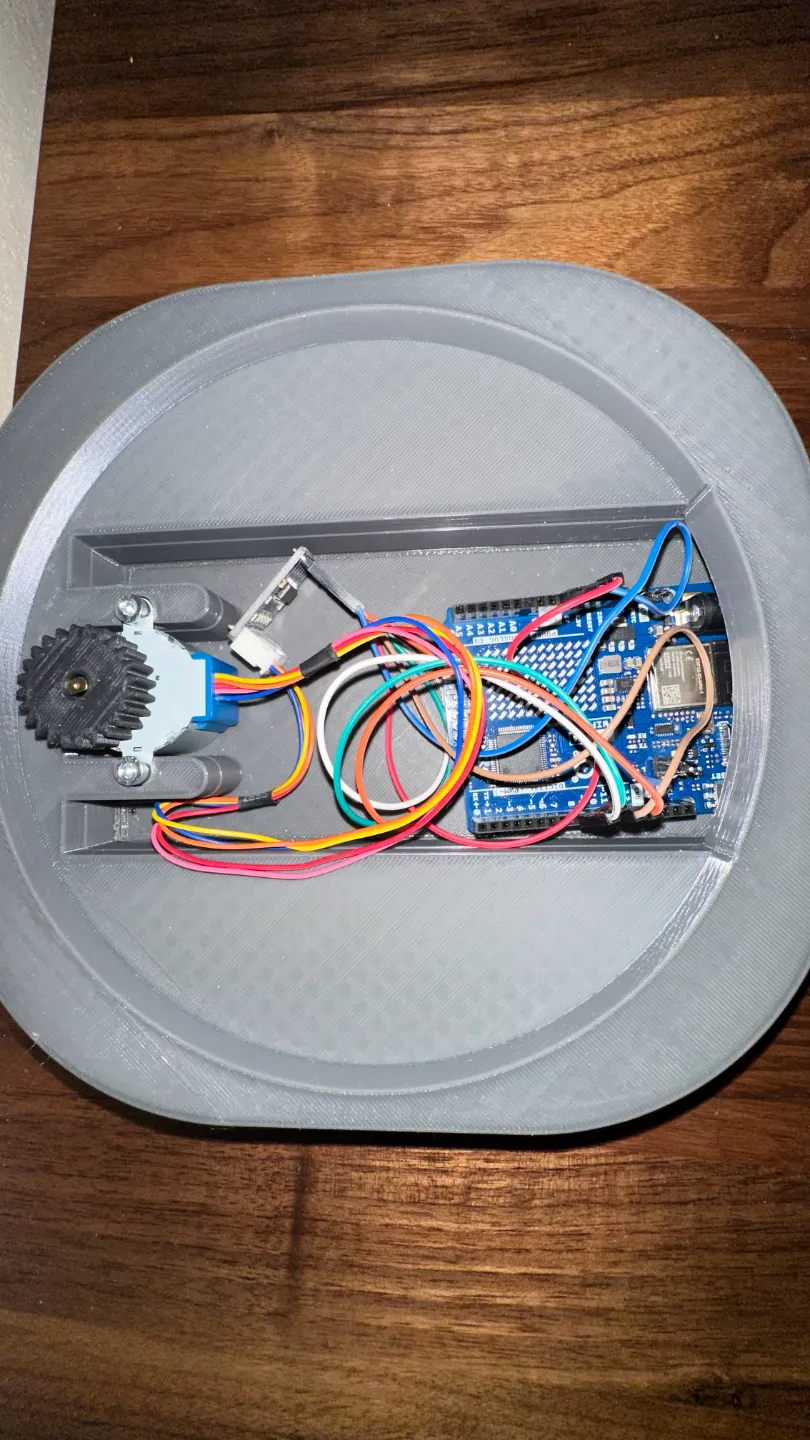
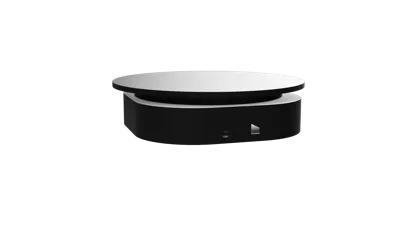
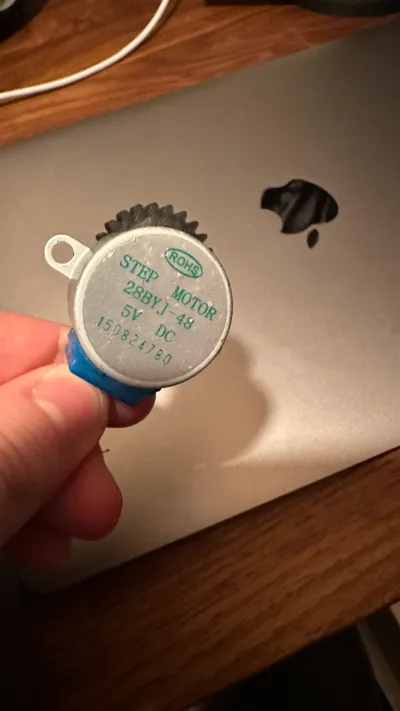
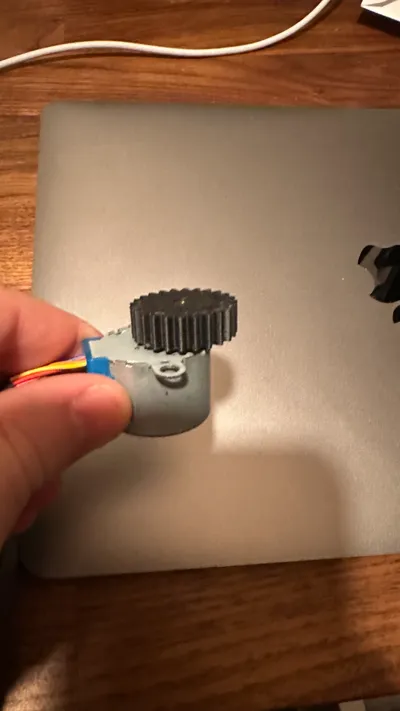
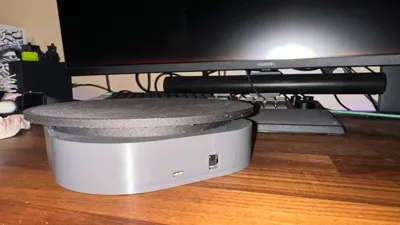
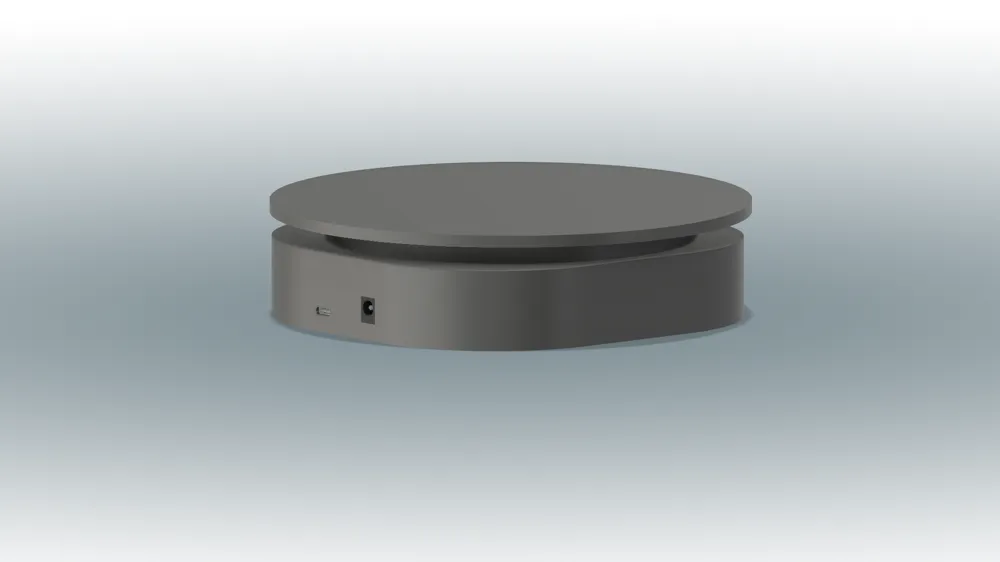
Immerse yourself in the world of 3D digitization with our DIY 3D Scanner, powered by the capabilities of Arduino Uno and the 28BYJ-48 stepper motor alongside the reliable ULN2003A control board.

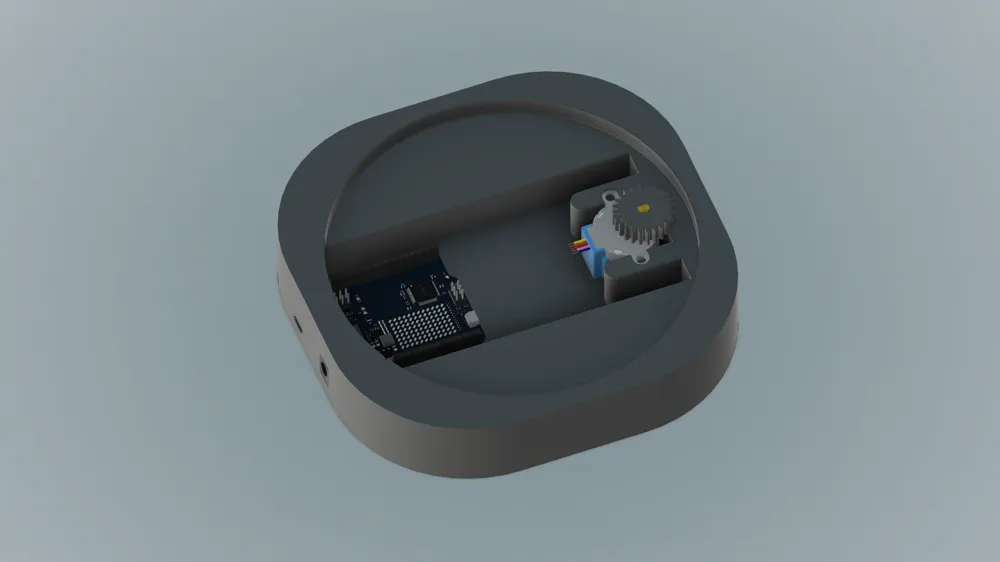
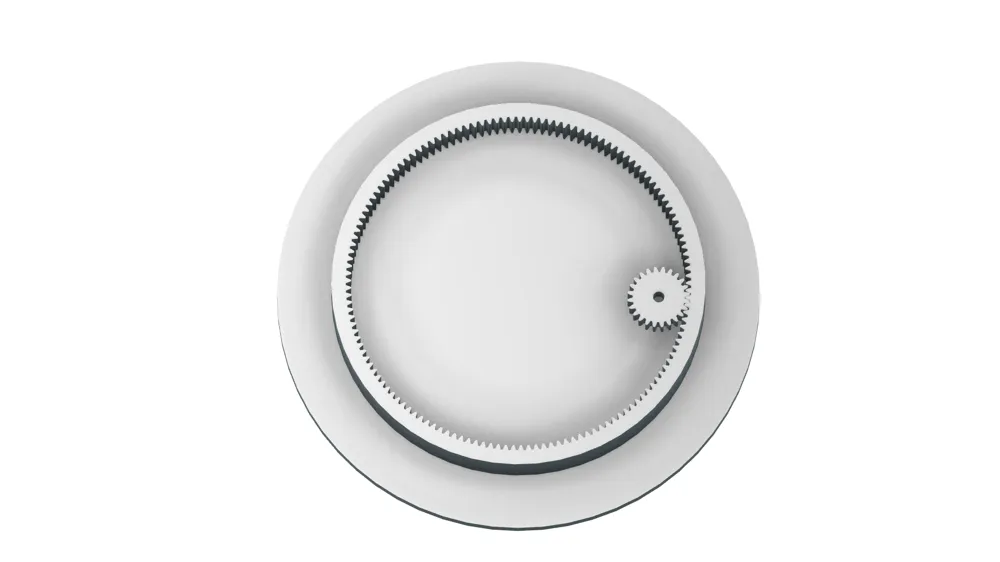
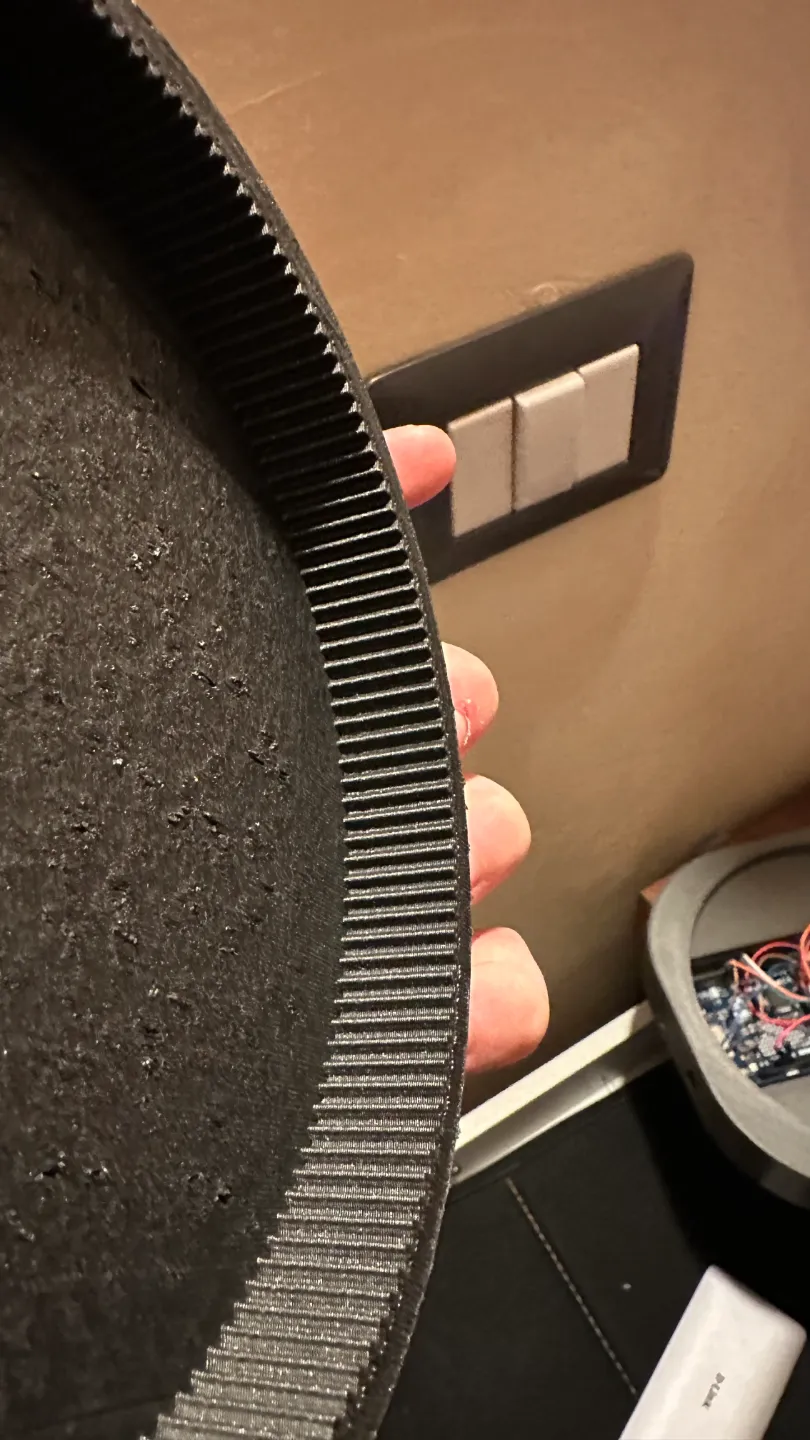
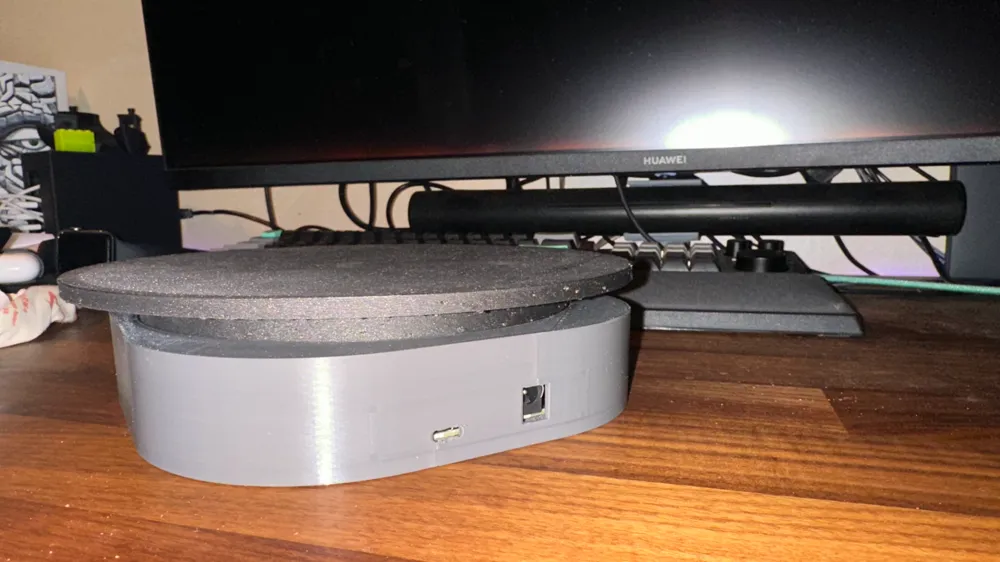
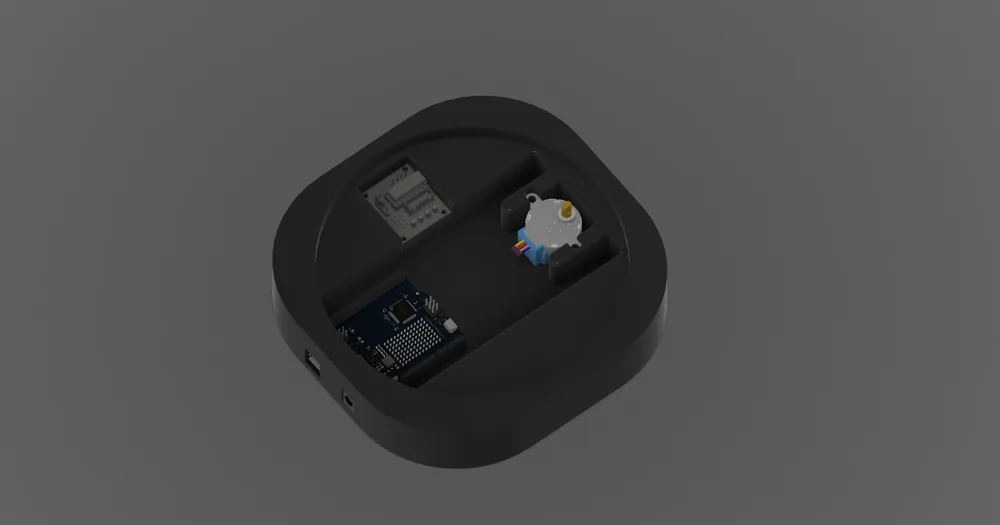
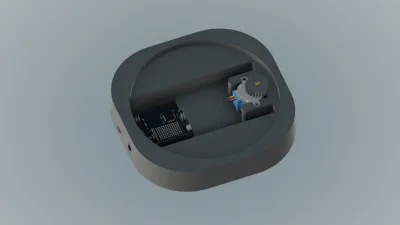
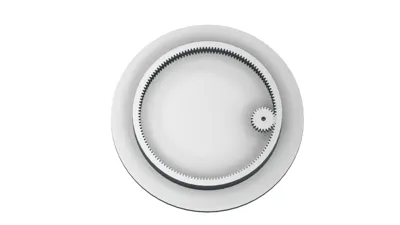
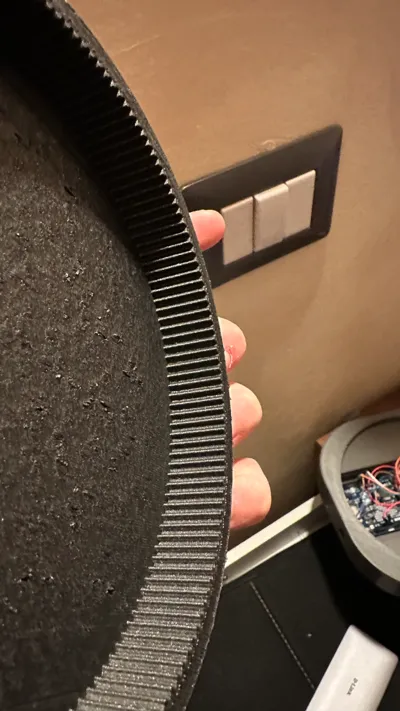
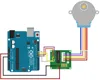
The design includes a 28BYJ-48 stepper motor controlled by the ULN2003A board via Arduino Uno. This configuration allows your 3D scanner to feature a turntable, thanks to its built-in gear, enabling precise scanning. Additionally, you can enhance your experience by incorporating a distance sensor to further improve scanning depth. The data captured by the scanner can be easily processed through photogrammetry software, enabling you to create detailed 3D models.


Update 25-11-2024:

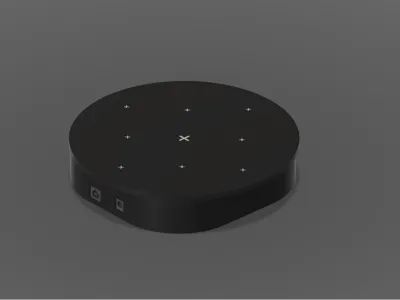
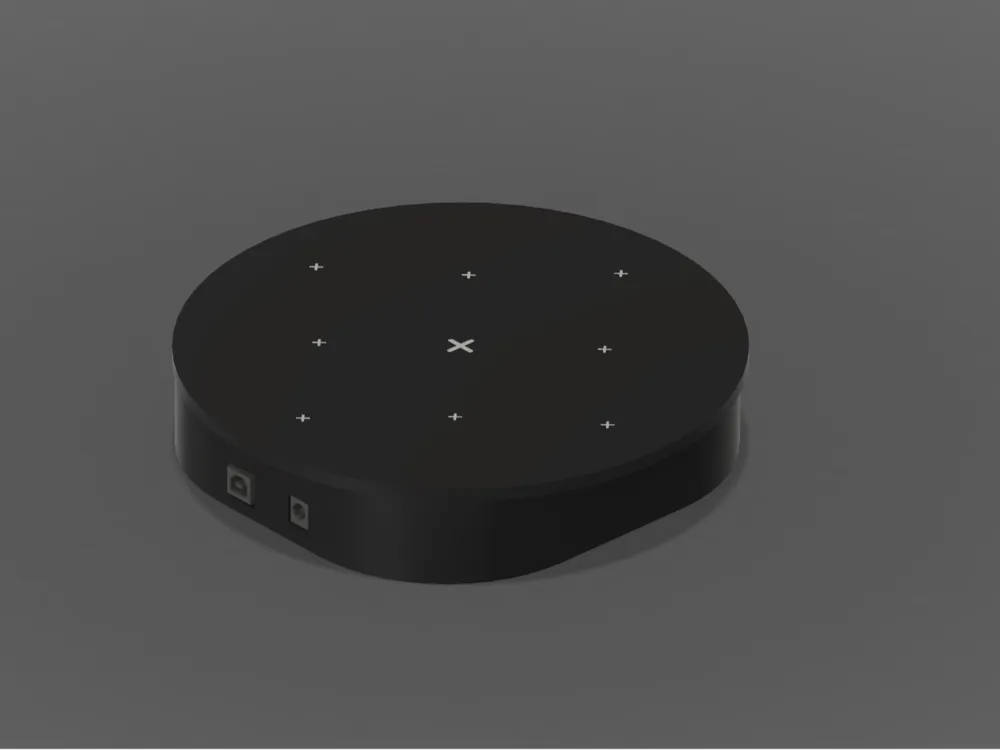
I added some small marks to the plate to allow immediate identification of the scanner's center, as well as marks that enable various scanners to correctly analyze the model to be scanned.


Update 13-08-2024:

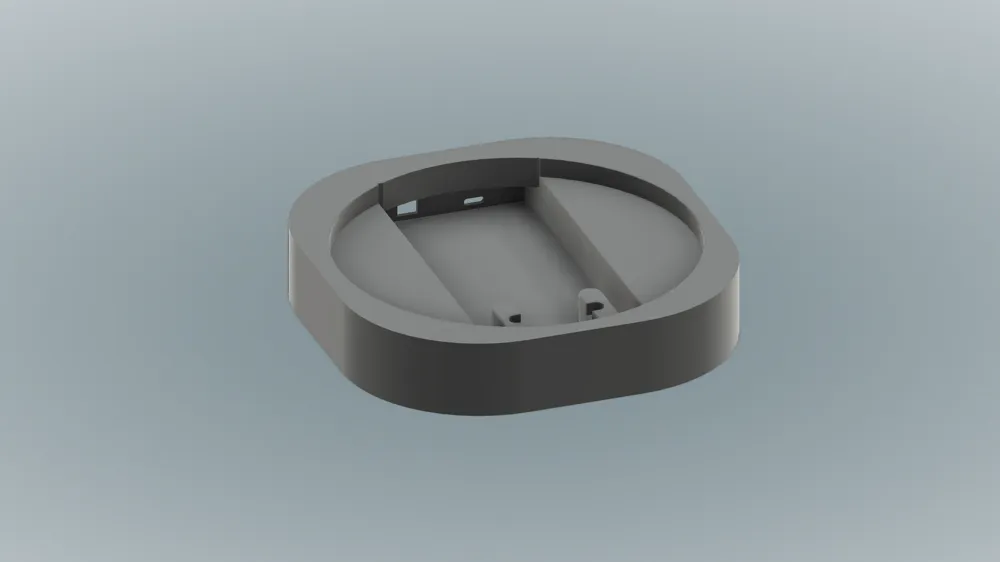
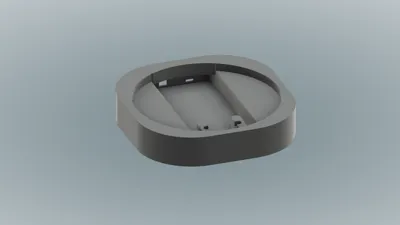
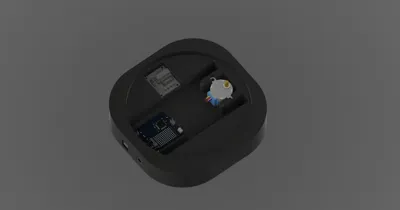
I’ve created a new print profile with several improvements. I’ve smoothed out some edges for a clearer finish, update the hole to accommodate a usb B 2.0 of arduino mega, and also added a slot for the board dedicated to the ULN2003A driver


Update 19-03-2024:

updated hole for usb-c connector with bigger one


Key Features:

  • Precision and Control:
    The 28BYJ-48 stepper motor provides precise step control, enabling detailed and accurate scanning of 3D objects. The ULN2003A control board simplifies the interfacing, ensuring smooth and reliable operation.
  • Ease of Use:
    Utilizing Arduino Uno as the project's core makes the interface and programming accessible even for beginners. Our detailed guide will walk you through each step, from assembly to usage.
  • Modular Design:
    The project is designed with a modular approach, allowing for customizations and future upgrades. Add sensors, hardware improvements, or implement new features to tailor the scanner to your specific needs.
  • Open-Source Software:
    We release the source code of the software, which you can find attached. This code can be directly uploaded to Arduino by copying the content from the provided text file and pasting it into the dedicated IDE. Feel free to make any adjustments or let me know if there's anything else you'd like to add!


The design includes a 28BYJ-48 stepper motor controlled by the ULN2003A board via Arduino Uno. This configuration allows your 3D scanner to feature a turntable, thanks to its built-in gear, enabling precise scanning. Additionally, you can enhance your experience by incorporating a distance sensor to further improve scanning depth. The data captured by the scanner can be easily processed through photogrammetry software, enabling you to create detailed 3D models.


Boost Me (for free)

Enjoying this model? Support my work! 🎉
If this model has been helpful to you, consider giving me a boost to help me continue improving and updating it regularly. Your support means a lot and keeps the creativity flowing! Thank you!


Documentation (2)
Assembly Guide (1)
28BYJ-48-n13_f1e1ed35-47e2-4540-b449-85dcafb0fd86.png
Other Files (1)
Scanner3d_eb9dd859-1795-4a08-a337-f56b97b8c24b.txt

Comment & Rating (88)

(0/1000)

Boosted
This model printed AMAZING. I am so pleased with the quality of this model and how well the updated 6 wall profile came out. It takes a good amount of time to print in generic PETG, but WELL worth it. (7.5h and 10h) I don’t have any Arduino Unos, but I am very familiar with the smaller ESP32 boards. I always keep around 10 extras for random projects. Same goes for these specific stepper motors! haha I ended up making some custom wiring for the new pieces inside and it all came out absolutely perfect. I repurposed some of the mounting holes to fit my needs without modifying the model! This plugs into the wall only, and is Wi-Fi connected to my Home Assistant setup! So I can press a button on my phone, computer, or physical IoT button on my desk, and it can start spinning! I use a combination of Home Assistant paired with the ESP Home integration. Highly recommended. I have automated all my blinds with nearly the exact same config! ☺️ THANK YOU for making and sharing this amazing piece of work. My scans will forever be better because of your hard work. 🥹
(Edited)
GIF
The designer has replied
designer
3
Reply
Hi Tuny!! Thank you so much for your amazing feedback! 😊 I'm really happy that you enjoyed the model and that the print came out so well, especially with the updated profile. It's incredible to hear how you've customized the project to suit your needs, and integrating it with your Home Assistant setup is just brilliant! I love hearing how people are using my creations in such creative ways.If you have any suggestions or ideas for future improvements, feel free to share them! And thanks again for sharing your experience—your enthusiasm is truly contagious. Enjoy your future projects! 😍🤗
2
Reply
Boosted
Replying to @Sph3raLab :
Happy to share! It’s been working great all day. One thing I noticed is it was just ever so slightly shaky at spots where the gear runs against the bottom part, so I designed these little roller things from some bearings I had. (608 2RS) I just used sticky tack for now, since I wasn’t sure how well it’d work, but it works great! An optional recessed spot for those would be a cool addition! Another thing I noticed is that my scanner has trouble tracking certain objects since the table is smooth, which to be fair I think is just a regular scanner thing, and not a problem with your table at all. haha But this morning I designed these 3D scanning markers that print flat with AMS and fold with glue. For the card of 6, it’s only ~6g of filament with the color changes included! Really stoked with that. I uploaded them, but won’t post a link here, as I’m definitely not trying to advertise. Just trying to help others if they even read this far. 🙂 Thanks again for this awesome model, it has been a super fun project! 🙂
2
Reply
Replying to @tuny :
Thank you so much for sharing your experience and for the kind words! 😊 I'm glad to hear it's been working well for you all day. The roller idea with the bearings sounds like a great enhancement! If you don’t mind sharing, I’d love to take a look at the STL files for those bearings. I can see how they could be a useful addition, and I’d be happy to explore how they might be integrated into the model. Thanks again for making this project even better!
3
Reply
Boosted
Print Profile
0.2mm layer, 6 walls, 25% infill
Fantastic print quality. Works phenomenally. I used hardware I had on hand, and connected it with Home Assistant using the ESPHome integration. 🙂
(Edited)
GIF
profile
1
Reply
This is awesome! Could you share the parts you used for this? I'm new to HA and still learning :P
(Edited)
1
Reply
Boosted
Replying to @FluxyCap :
@FluxyCap Sure! All from Amazon, I used an ESP32 dev board, a 28BYJ-48 (with its stepper driver), a 5V power adapter jack, and a wire connector kit with spools of wire, but it’s really just “fancier” to length jumper wires. haha On a separate comment I posted a GitLab link to my ESPHome YAML. 🙂
(Edited)
1
Reply
Boosted
Replying to @FluxyCap :
It’s technically for my automated blinds, but it was the same hardware and code with less steps to spin. haha
(Edited)
1
Reply
Boosted
I too love this turntable project. The steppers I received from Amazon did not have a round shaft so I changed the gear design to have a hole the same shape as my stepper shaft. A bit of a noob and I don’t know the best way to share the file but am happy to upload it or share it however is the best way. Left photo is the original, right is my mod.
3
Reply
Hello, I would appreciate it if you could share the modified gear file Thank you :)
Show original
0
Reply
Boosted
Replying to @Francky3D :
I have added the .3mf file as an additional print profile. I hope that was the correct way to share the modification. If you do not see it there it is either waiting verification or it failed and I am working on getting re-posted. Let me know how it goes.
2
Reply
Replying to @rodness42 :
Thank you I just received my stepper motor and like yours it has two flats on the shaft
Show original
1
Reply
Print Profile
0.2mm layer, 6 walls, 25% infill
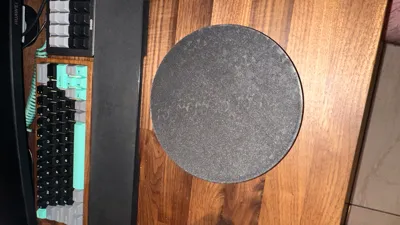
Thanks for model. I modified it a bit for my needs. I added a battery, a charging module and a step-up module so it would work wirelessly. I also made the platform a bit thinner, printed a 3dmakerpro platform and glued it on top of the original one.
The profile uploader has replied
profile
3
Reply
ooooh @user_480873089 , nice improvments, thanks for sharing your ideas and for boost!!
(Edited)
1
Reply
Hello Arasaka, could you please send me your complete STL for a P1S, as well as the links for the assemblies and the wiring diagram Many thanks
(Edited)
Show original
0
Reply
Boosted
Print Profile
0.2mm layer, 6 walls, 25% infill
The whole thing works as it should! I'll use the second hole to create a mic jack, to connect to the cellphone and send 'volume up' (through the arduino), so it takes photos every X angles automatically.
The profile uploader has replied
profile
1
Reply
thanks for your feedback and amazing idea✌🏼🔥
0
Reply
Boosted
I want to share some implementation details, as it'd make it easier for people creating this from scratch. 1. I oiled the back of the table! The motor is not amazingly strong, so some extra help was needed to move the top, along with the object on top. 2. I used 12V to drive the motor and a voltage regulator to drive my microcontroller with 5V (cheap leonardo small scale clone). 3. The gear hole is very tight, BUT it fits if you press it hard enough (PLA print). Do not expand the hole with anything manually, it wil make the gear have different distance with the table while spinning. If you do not feel confident about creating that thing, there are automatic turntables sold for as low as 10$. It's used by photographers also, so look at cheap sites there. I went for this build for its extentability and lovely comment section 🙃
(Edited)
0
Reply
Boosted
Finally, I got decent results with x.one mobile app 3d scanner. Also followed this amazing tutorial: https://www.youtube.com/watch?v=1s8dZAk6dy8 which covers merging models. Using a video (works out of the box with x.one), I extracted frames using ffmpeg and used Meshroom. Have fun 3D printing 🎄
0
Reply
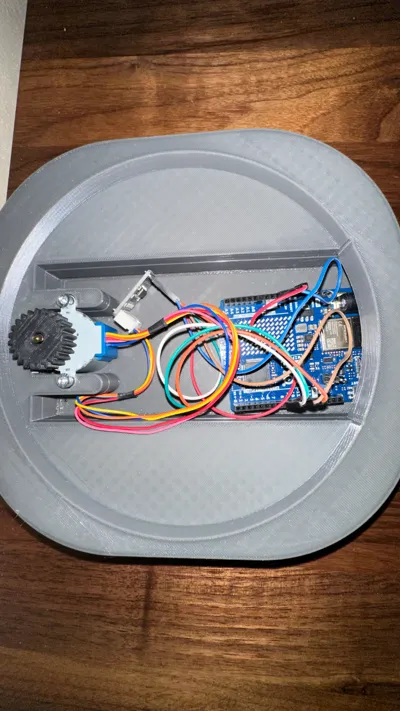
I liked the model, though I see it can be improved quite a bit First, I used a different Arduino board, in this case the Elegoo Mega 2560 It fit in terms of size, which is good, but for example, instead of a Type-C connector, it uses a different one, so I had to cut Then I missed some guides to anchor the board to the model, but without a doubt the worst part is that the board and the ULN2003A controller in my case rubbed against the cables when rotating, so I had to cut and file a hole for the controller as you can see in the images Could you modify this or allow me to modify the model and upload it
The designer has replied
Show original
1
Reply
Hi David, thank you for your feedback! I'll update it for you! pls, give me some minutes :)
0
Reply
Replying to @Sph3raLab :
Thank you, I no longer need it because as I said I have cut and filed it. This is to avoid having to print again to prevent wasting more filament. But again, thank you for valuing it and for being helpful to someone in the future
Show original
1
Reply
Replying to @davidgomez :
thanks to you mate, don't worry, I won't print it again, I'll upload a different version with the driver card slot and other fixes :)
1
Reply
Print Profile
With helpful marks
Everything fit perfectly.
The profile uploader has replied
Show original
profile
1
Reply
Thanks for sharing your feedback!
0
Reply
Boosted
Print Profile
0.2mm layer, 6 walls, 25% infill
It's excellent, a good size, and easy to adapt to any hardware kit
The profile uploader has replied
Show original
profile
1
Reply
thanks @user_1141319522 for sharing your print and for boost!!
0
Reply
Print Profile
With helpful marks
Might've gone a bit crazy with the modifications, but it looks great and works perfectly.
profile
1
Reply
Print Profile
0.2mm layer, 6 walls, 25% infill
Impressive result Thank you
Show original
profile
1
Reply

License

This user content is licensed under a Standard Digital File License.

You shall not share, sub-license, sell, rent, host, transfer, or distribute in any way the digital or 3D printed versions of this object, nor any other derivative work of this object in its digital or physical format (including - but not limited to - remixes of this object, and hosting on other digital platforms). The objects may not be used without permission in any way whatsoever in which you charge money, or collect fees.

Remixes (1)
(Created before license restrict)