
Guardian Lynx Upgrade Plunger / Oring Fix
Print Profile(2)


Bill of Materials
- M3 x 110mm Threaded Rod x 1:
- M3 Washer x 1:
- M3 x 75mm Nylon Rod Cover (6mmOD) x 1:
- M3 Locknut x 2:
Description
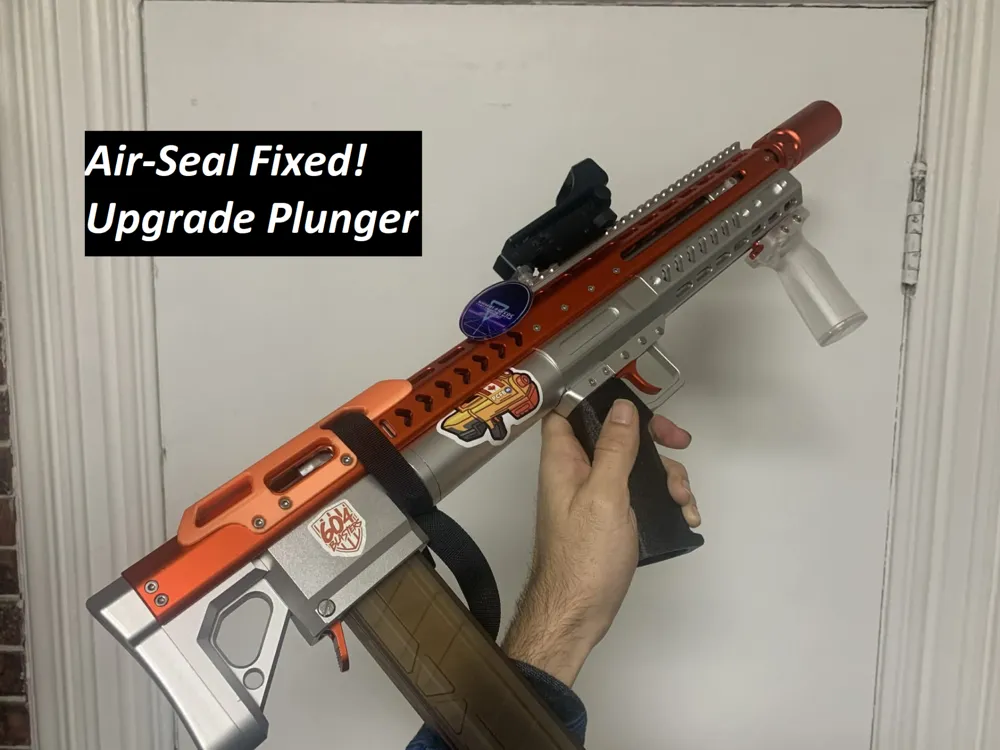
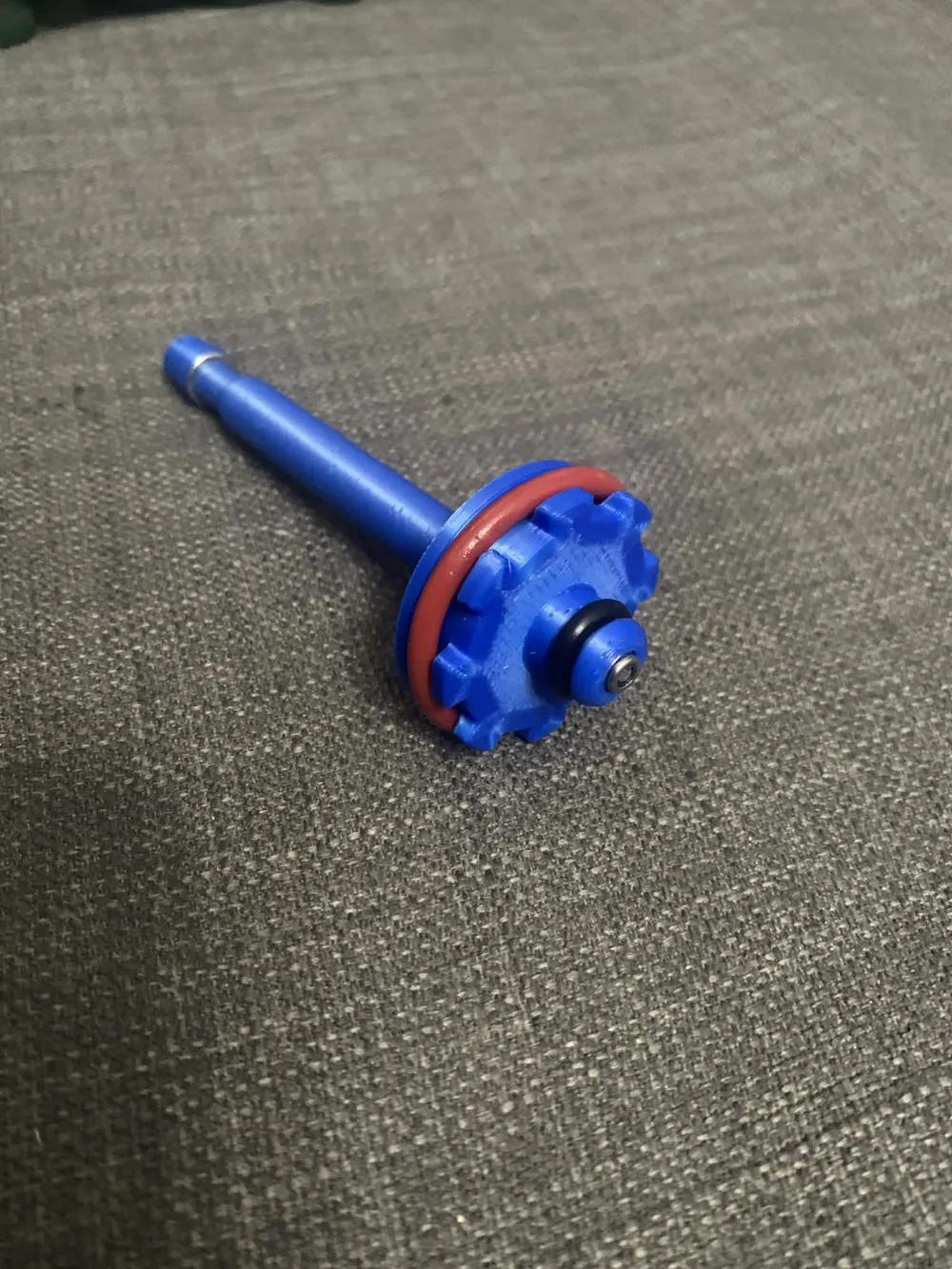
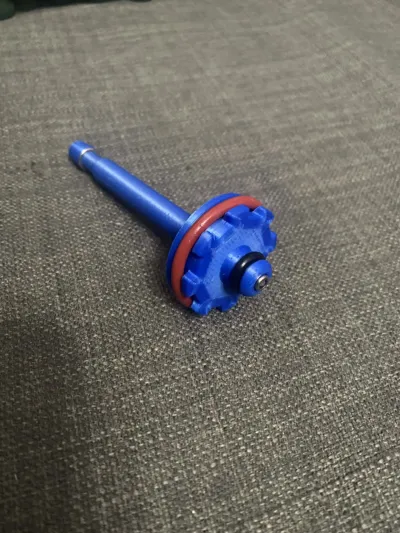
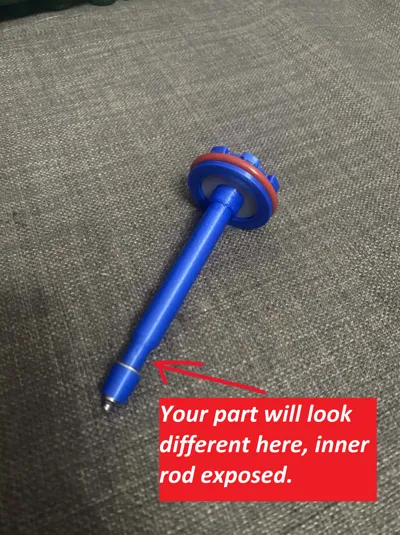
Fix your Guardian Lynx with this plunger upgrade. I know I wasnt the only one who was heartbroken to find that the GLynx did not function out of the box, no amount of fennagling would get the stock hardware the function correctly so I gave up and made this. Works for me, giving a perfect airseal with no vacuum loading so far, I hope that it works for you too.
Tested with the red orings from DTB's "upgrade" plunger kit, should also work with the stock black orings but let me know if anything needs to be adjusted to meet your hardware needs and I will get on it.
Assembly requires all of the hardware from DTB's kit including the nylon rod cover. If you are sourcing HW yourself then you will need:
1x ~110mm M3 threaded rod (no shorter than 106mm)
1x Nylon M3 rod cover, 75mmL x 6mmOD
1x M3 washer
2x M3 locknuts
Both orings from the stock plunger or the 1 red oring from DTB plunger kit.
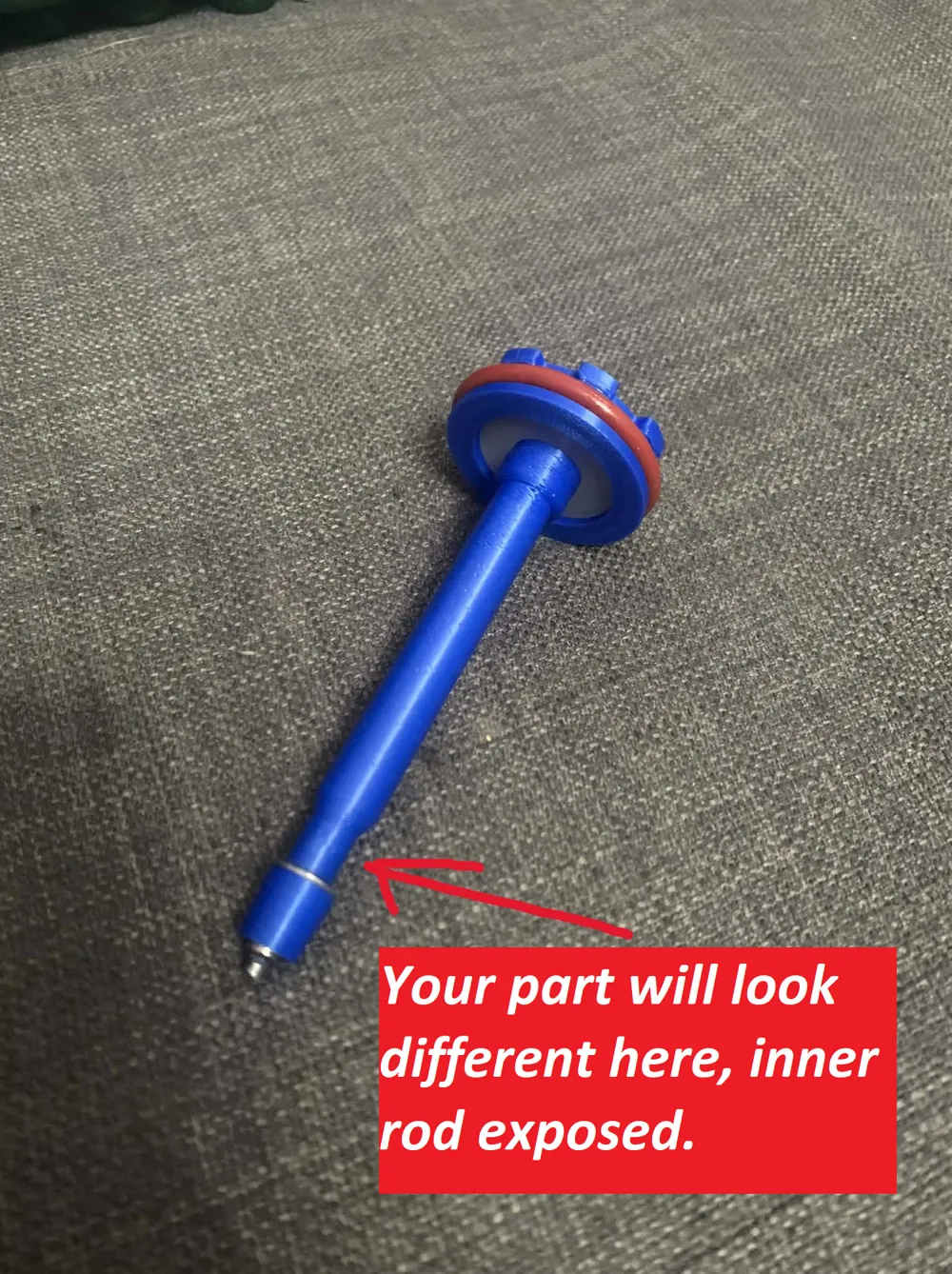
Assembly is pretty straightforward though you may find the Plunger Rod fit with the nylon rod cover is really tight. Thats okay it's supposed to be like that; just take care to protect both parts with sacrificial plastic when hammering them together. Stand the thick end of the Plunger Rod on your table/floor, place some plastic over the rod cover and give it some good smacks with a mallet. You should be able to push the rod cover in a bit with your hand before malleting, if not then clean up the hole really quick with a drill. The rod cover should sit flush at the thick end of the Plunger Rod, and have a few millimeters of exposed nylon at the thin side where the washer goes. After that just twist it all together and reassemble your GLynx, hopefully for the last time.
You should be able to print the Plunger Head with TPU, PEBA or whatever other durable flexible filament that you like to use for plunger heads or rambases. I have not tested that however, so use TPU at your own risk, but it should be plenty fine especially at 200fps springloads or lower.
License



Comment & Rating (2)