
Rod for Elevated Engine RPM
Print Profile(1)

Description
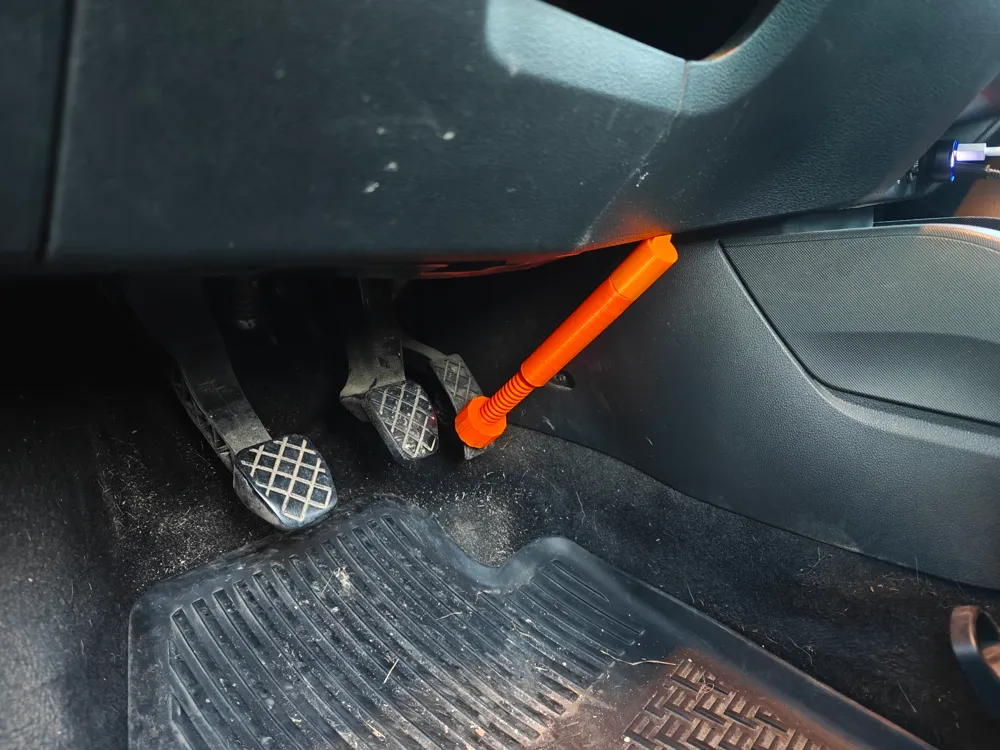
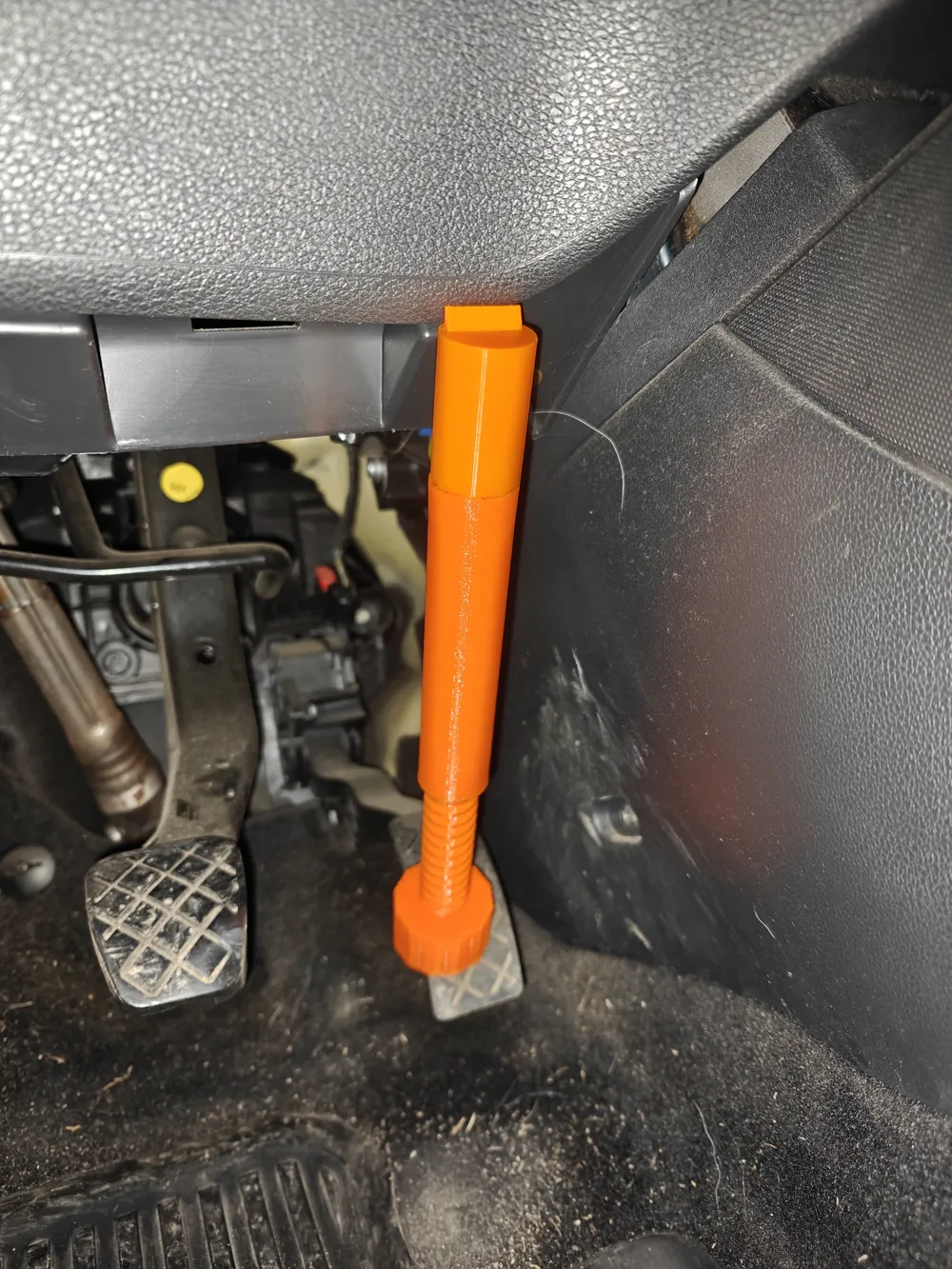
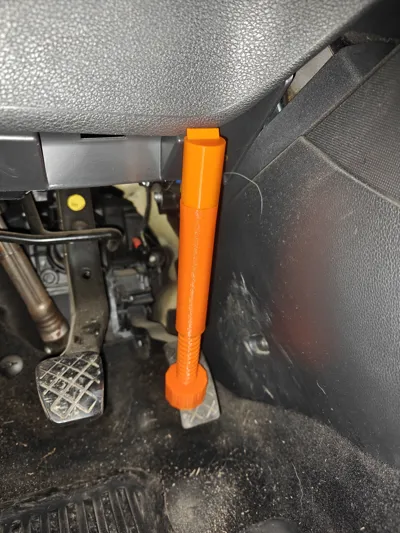
A highly controversial model – a rod that presses the car’s accelerator pedal by bracing itself against the dashboard.
The rod is screw-adjustable, so you can set any engine speed you want.
Purpose:
Car manufacturers generally advise against letting an engine idle for long periods while the vehicle is stationary.
The classic winter routine — “start the engine, go scrape the ice, the cabin will warm up meanwhile” — doesn’t actually work as people think. The cabin is usually heated by an electric PTC heater (if the car has one), but the engine itself barely warms up at idle. Manufacturers recommend sitting down, starting the engine, fastening your seatbelt, and driving off gently.
This rod is my workaround.
By setting it to maintain around 1500 RPM, I simulate slow driving from the moment the engine starts. This helps warm up both the engine and the cabin. During that time (about five minutes), I either walk the dog or clear snow and ice from the car — and then the car is ready to go.
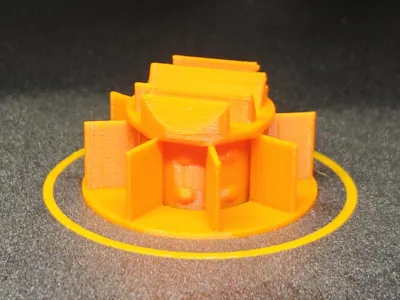
The 3MF file is configured for Generic PETG with print speed slowdown disabled to improve layer cooling (that’s why the filament has an asterisk). This makes the print noticeably faster while still maintaining excellent quality.
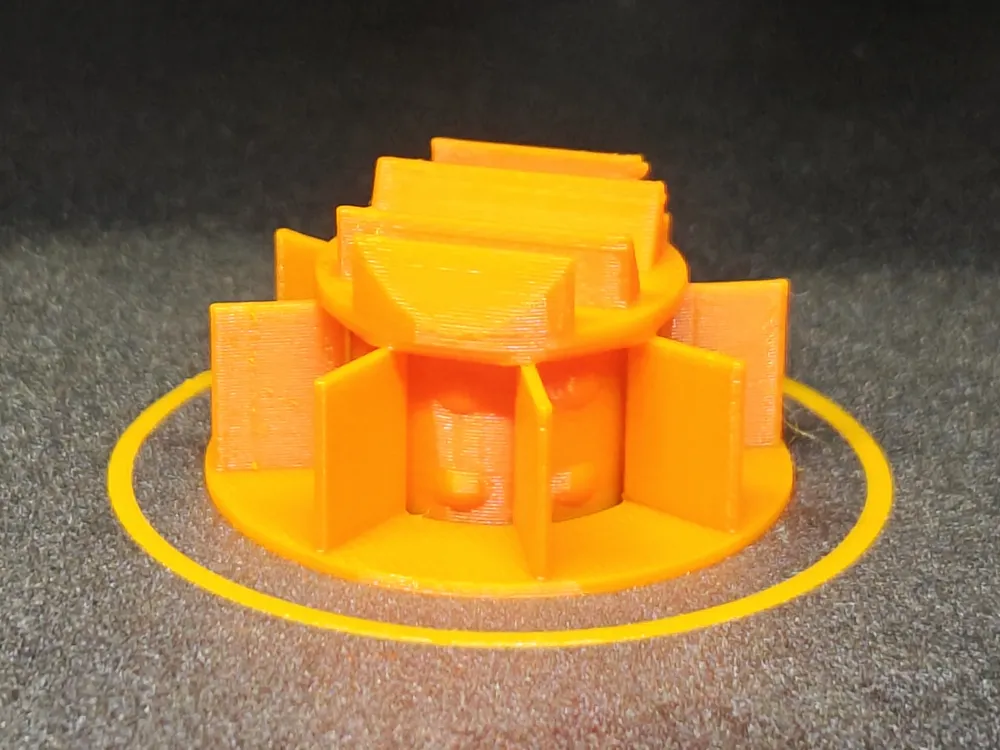
The top cap includes its own built-in supports. Just break them off and press the cap onto the center tube—use a reasonable amount of force.
The file includes three different lengths of the center tube. Each one is labeled according to the maximum overall length the fully assembled
rod can reach when fully extended. Measure the required length in your car and use the tube size that best fits your needs.
Note: The photos show the original version of the rod. I’ve been using it for a long time. The new version has been slightly redesigned, but I didn’t reprint the entire tool — I only printed specific parts to verify the updated fit and function.
License



Comment & Rating (3)