
Print Profile(1)

Description
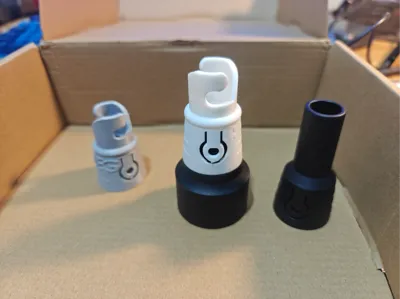
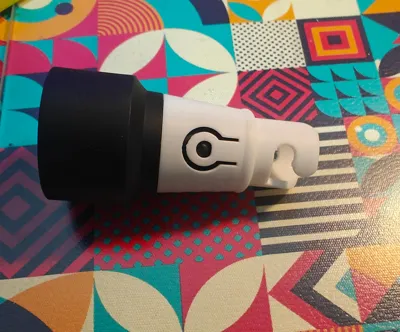
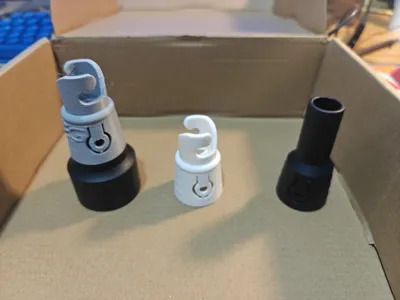
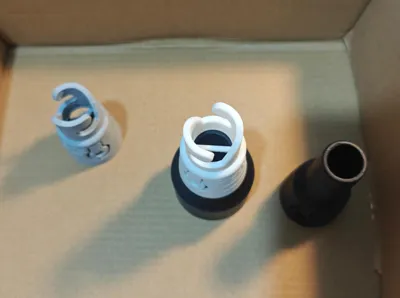
Worx Wu093 to SUP Paddleboard Quick Inflation Adapter: My First Fusion 360 Design and 3D Printing Practice
Design Inspiration
As a SUP paddleboard enthusiast and DIY lover, I have always been looking for a more convenient inflation solution. The Worx Wu093 blower has a large airflow and is portable, but inflating a SUP paddleboard often requires a lot of physical effort. So, I came up with the idea of combining the two and used Fusion 360 to design an adapter. This is also my first Fusion 360 design work.
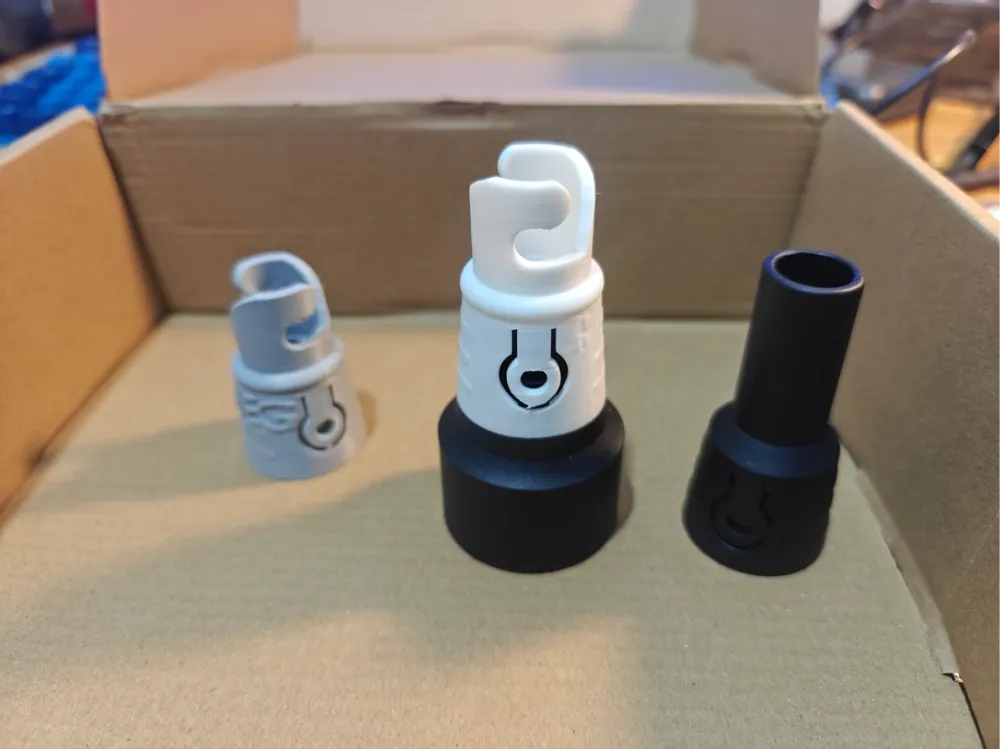
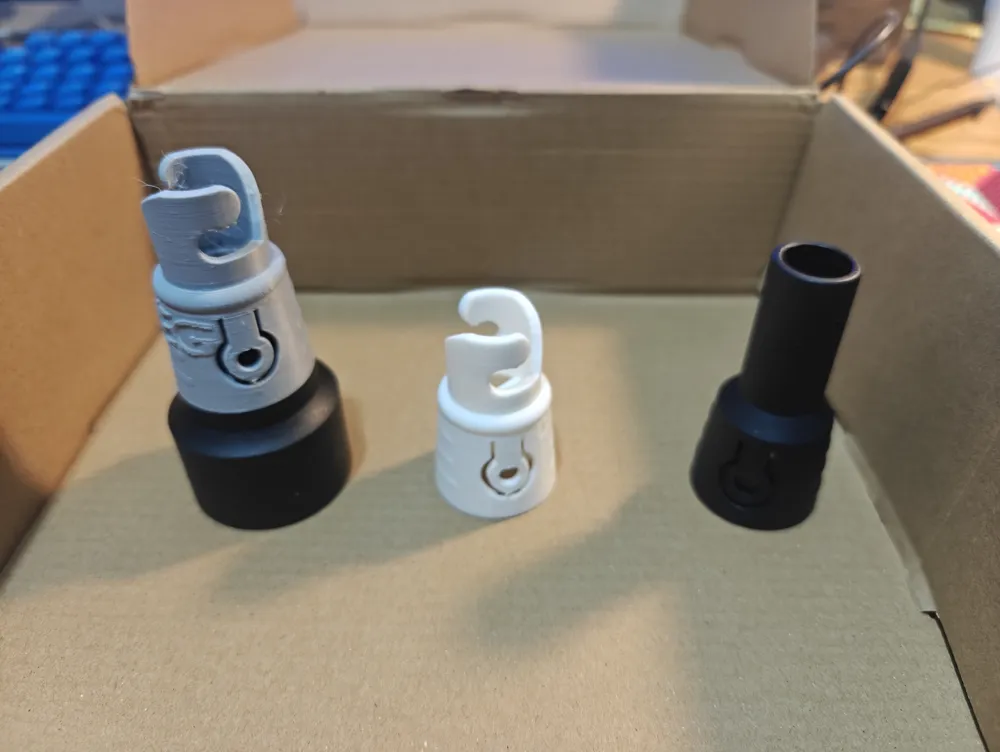
This adapter allows for a quick connection between the Worx Wu093 blower and the SUP paddleboard. First, quickly inflate with the blower, then finely pressurize with a pump, greatly saving time and effort. After multiple designs and tests, the current design can achieve perfect installation and efficient inflation/deflation.
Design Features
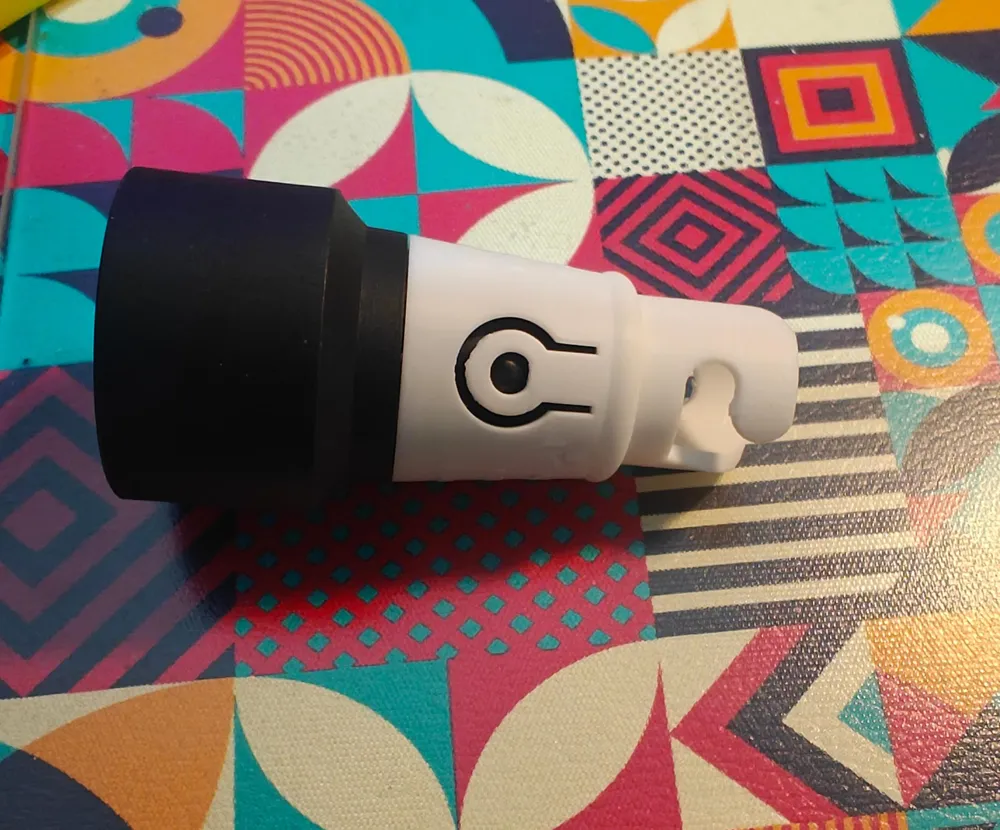
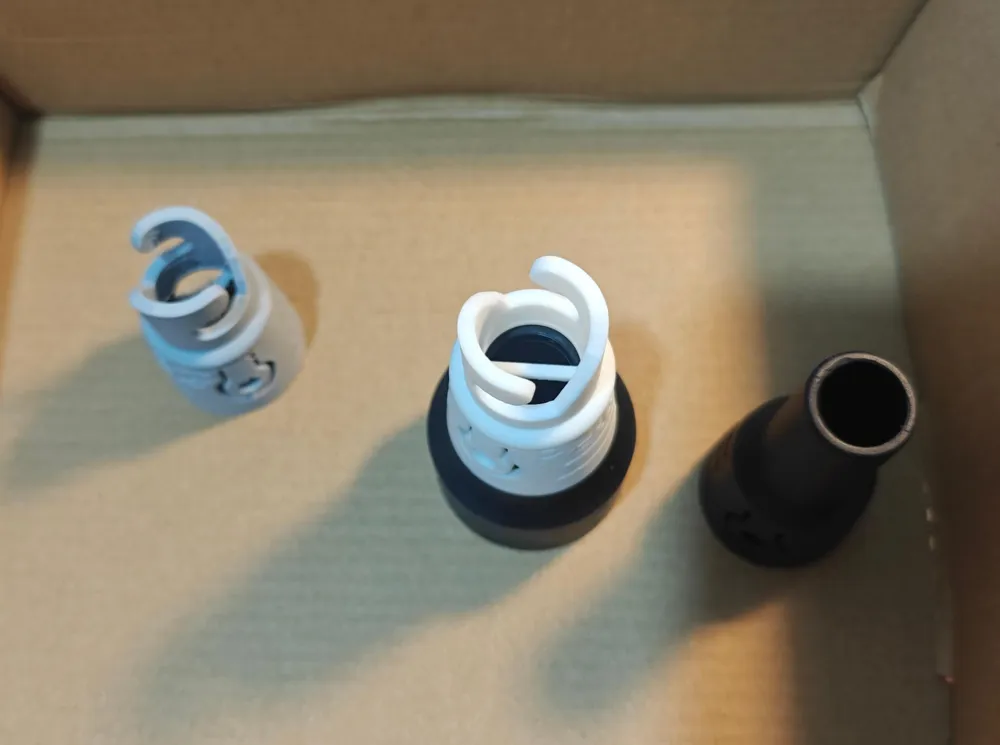
- Two-way compatible interface: One end precisely matches the front and rear interfaces of the Worx Wu093 blower, and the other end adopts a standard SUP inflation valve design.
- Fast inflation and deflation function: Utilizes the large air intake of the Worx Wu093, manually controls air entry, and automatically seals when stopped to prevent air backflow.
- Optimized sealing design: Key parts adopt a thickened design to ensure no air leakage during inflation and deflation, improving efficiency.
- Compact and portable structure: The overall design is small, easy to carry outdoors, and takes up minimal space.
3D Printing Practice and Material Testing
I have already performed actual 3D printing verification of the design and tested both PLA and PETG materials, both of which print perfectly and are usable.
PLA material offers a simple and friendly printing experience, suitable for quick design verification. It has high hardness but is relatively brittle, prone to breaking upon impact, and has poor heat resistance, easily deforming in high-temperature environments.
PETG material combines strength and flexibility, has better impact resistance, and higher heat resistance, making it suitable for functional parts requiring durability and outdoor use. Its translucent material exhibits a unique luster under light. For applications like SUP inflation adapters that require a certain degree of durability, PETG is a more ideal choice.
I have not yet used ABS material for printing. It is understood that ABS printing is more difficult, requiring higher printing temperatures (approximately 230°C), is very prone to warping, and produces an irritating odor during printing. It is best used in well-ventilated or air-filtered environments.
Usage Effect Verification
After actual testing, this adapter performs excellently in both inflation and deflation:
- Inflation efficiency: Using the Worx Wu093 blower, the SUP paddleboard can be quickly inflated to its basic full shape within 1 minute, significantly shortening the initial inflation time.
- Deflation function: The adapter also supports rapid deflation, solving the problem of slow deflation with traditional valves.
Sharing Motivation
This is my first Fusion 360 design project, and the entire process from design to 3D printing verification has been very rewarding. I am sharing this project hoping to help friends with similar needs, and also to hear everyone's opinions and suggestions, especially insights regarding material selection, printing techniques, and design optimization.
Whether it's about the design itself, the choice of 3D printing materials (such as PLA, PETG, or ABS), or Fusion 360 usage tips, I am very eager to hear your thoughts!
License



Comment & Rating (2)