
Print Profile(1)

Description
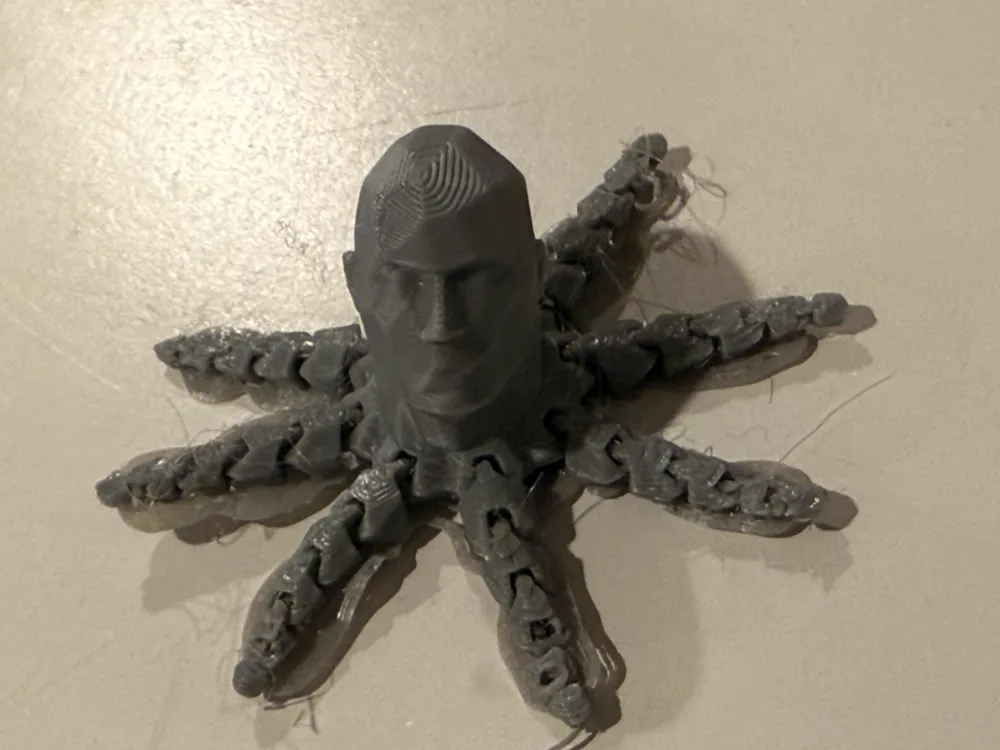
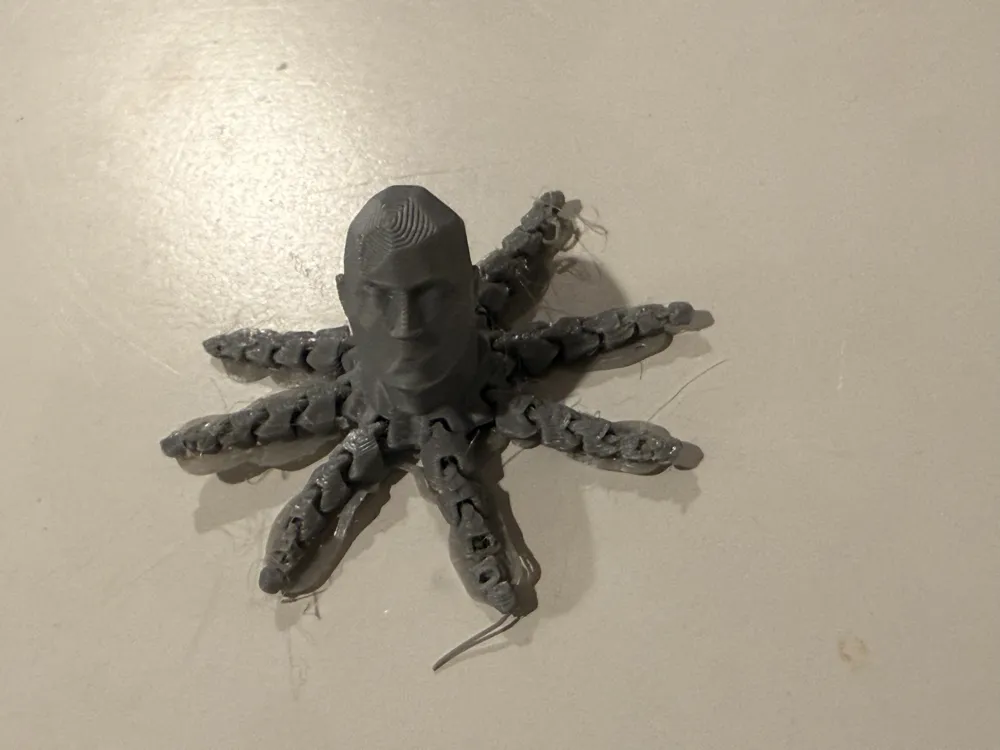
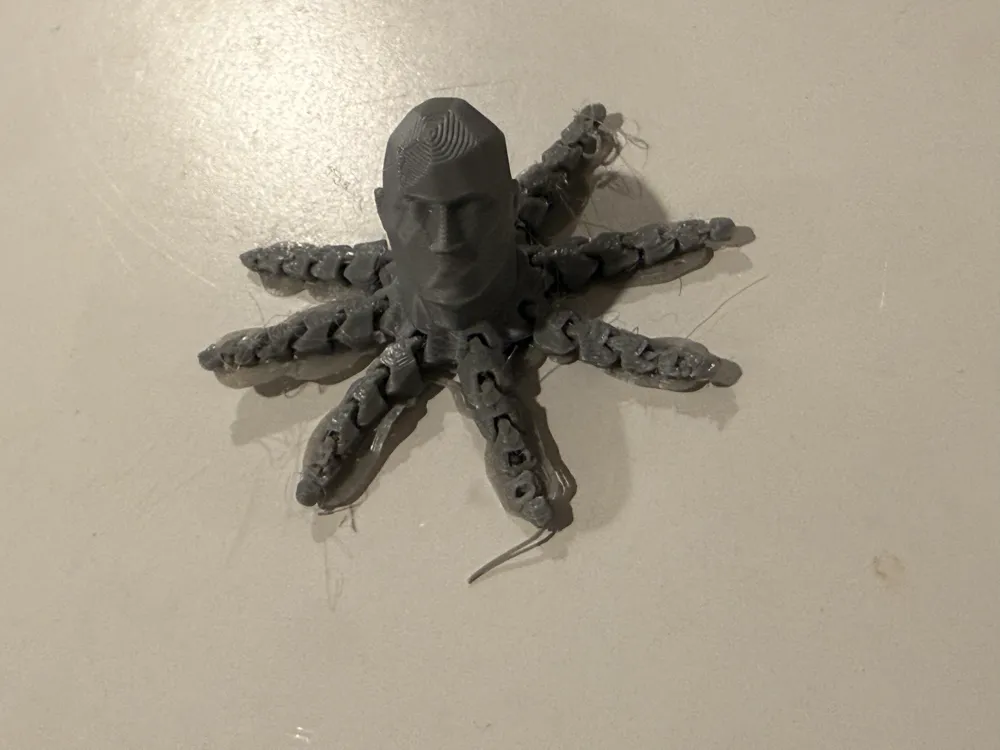
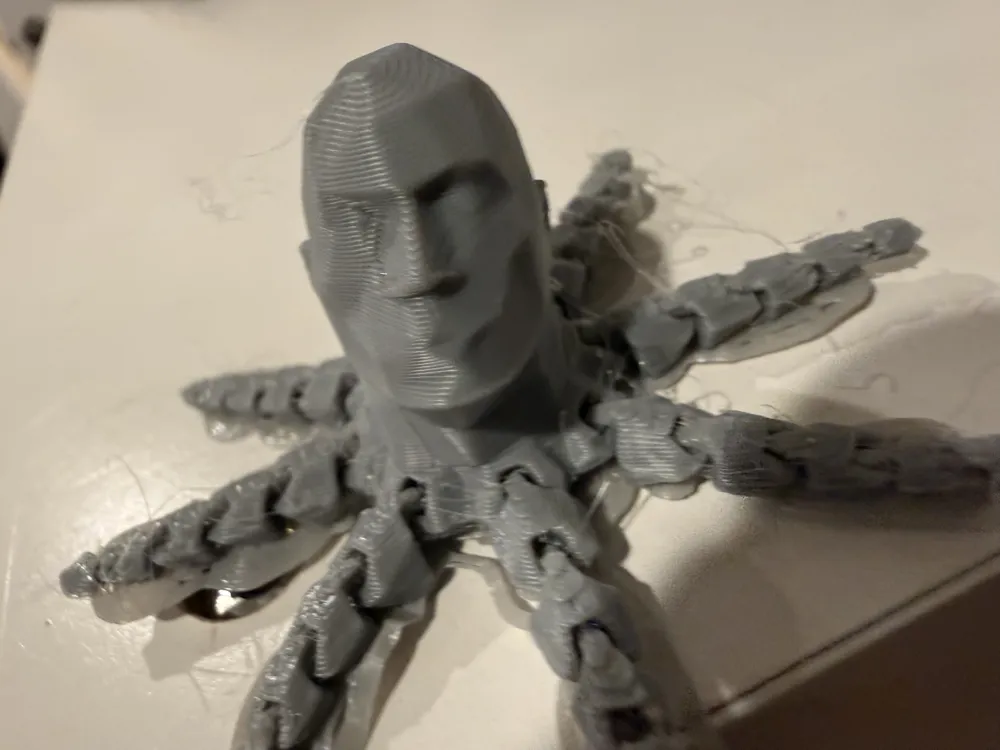
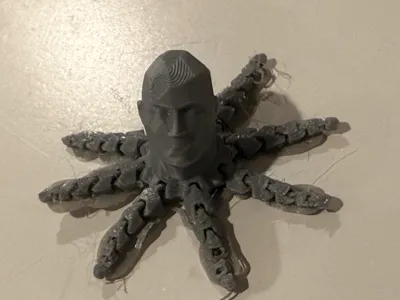
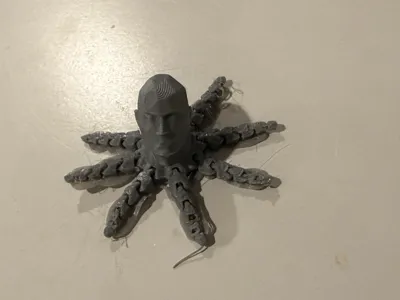
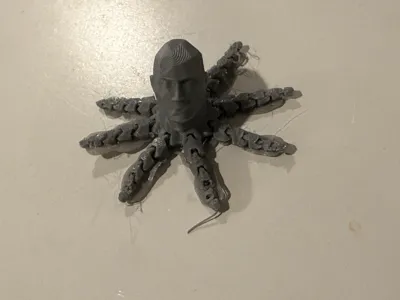
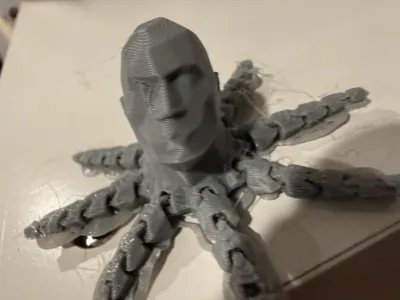
Low poly rocktopus, not much to say about it, but Please check out my other models
Boost Me (for free)
I would love it if you boosted me
Heres an essay on my rocktopus
The Low-Poly Rocktopus: A Digital Marvel
In the imaginative world of 3D art, creatures that do not exist in nature can come to life through the magic of polygons and creativity. One of the most fascinating examples is the low-poly rocktopus, a creature that combines the form of an octopus with the solidity and texture of stone. Unlike realistic models, the low-poly style emphasizes angular shapes and sharp edges, giving the rocktopus a unique, almost magical presence that sparks curiosity and wonder.
The term “low poly” comes from the digital modeling process, where objects are created using a limited number of polygons. This style creates a blocky, geometric aesthetic rather than smooth, lifelike curves. While low-poly models were originally a practical solution for early video games, today they are chosen deliberately for their charm and artistic clarity. The rocktopus, with its jagged limbs and faceted head, benefits from this style, appearing simultaneously solid, ancient, and futuristic.
The rocktopus itself is a remarkable blend of opposites. Its eight limbs, instead of soft tentacles, resemble twisted shards of stone, giving it an imposing and rugged appearance. Its head, perhaps like a small boulder with carved features or glowing eyes, reinforces the creature’s rock-like strength. Despite its seemingly rigid body, the rocktopus is imagined to move with surprising agility, slithering over rocky terrain or underwater cliffs. This balance of weight and flexibility makes it both believable and fantastical.
Low-poly art encourages experimentation, and the rocktopus is a perfect example. Artists can play with color, scale, and texture, placing it in alien oceans, enchanted caves, or floating islands. The simplicity of the low-poly design allows even beginner 3D modelers to create their own versions, turning the rocktopus into an educational tool as well as a creative subject. Each version can have its own personality, from a menacing guardian of a digital realm to a playful, mischievous creature exploring its polygonal world.
In conclusion, the low-poly rocktopus is more than a digital creation—it is a celebration of imagination, art, and the limitless possibilities of modern technology. Its combination of solid rock and fluid movement challenges traditional ideas of creatures while offering a canvas for artistic expression. By bringing together nature-inspired forms and digital abstraction, the rocktopus reminds us that creativity thrives when we explore unexpected combinations, and even the simplest polygons can tell extraordinary stories.
I made this cause im bored
License

You shall not share, sub-license, sell, rent, host, transfer, or distribute in any way the digital or 3D printed versions of this object, nor any other derivative work of this object in its digital or physical format (including - but not limited to - remixes of this object, and hosting on other digital platforms). The objects may not be used without permission in any way whatsoever in which you charge money, or collect fees.


Comment & Rating (6)