
Baofeng UV-5R UV5R 18650 battery pack case
Print Profile(2)

Description
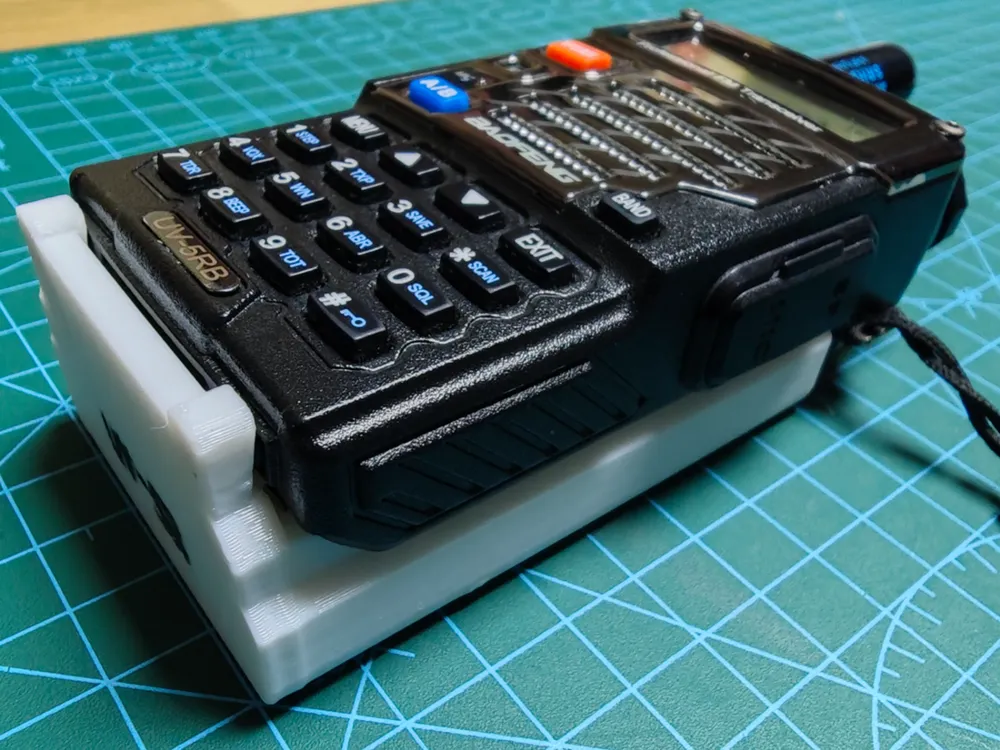
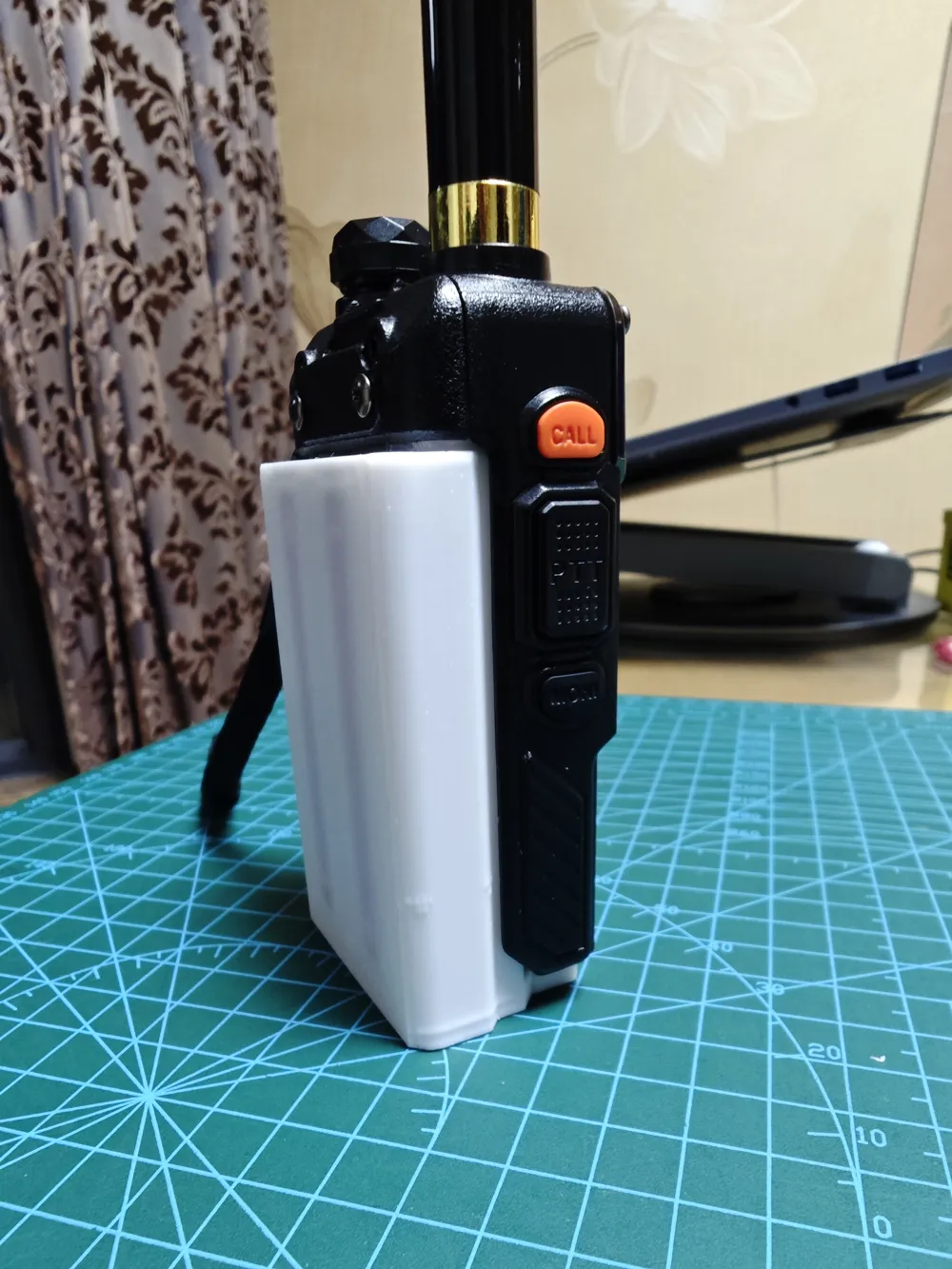
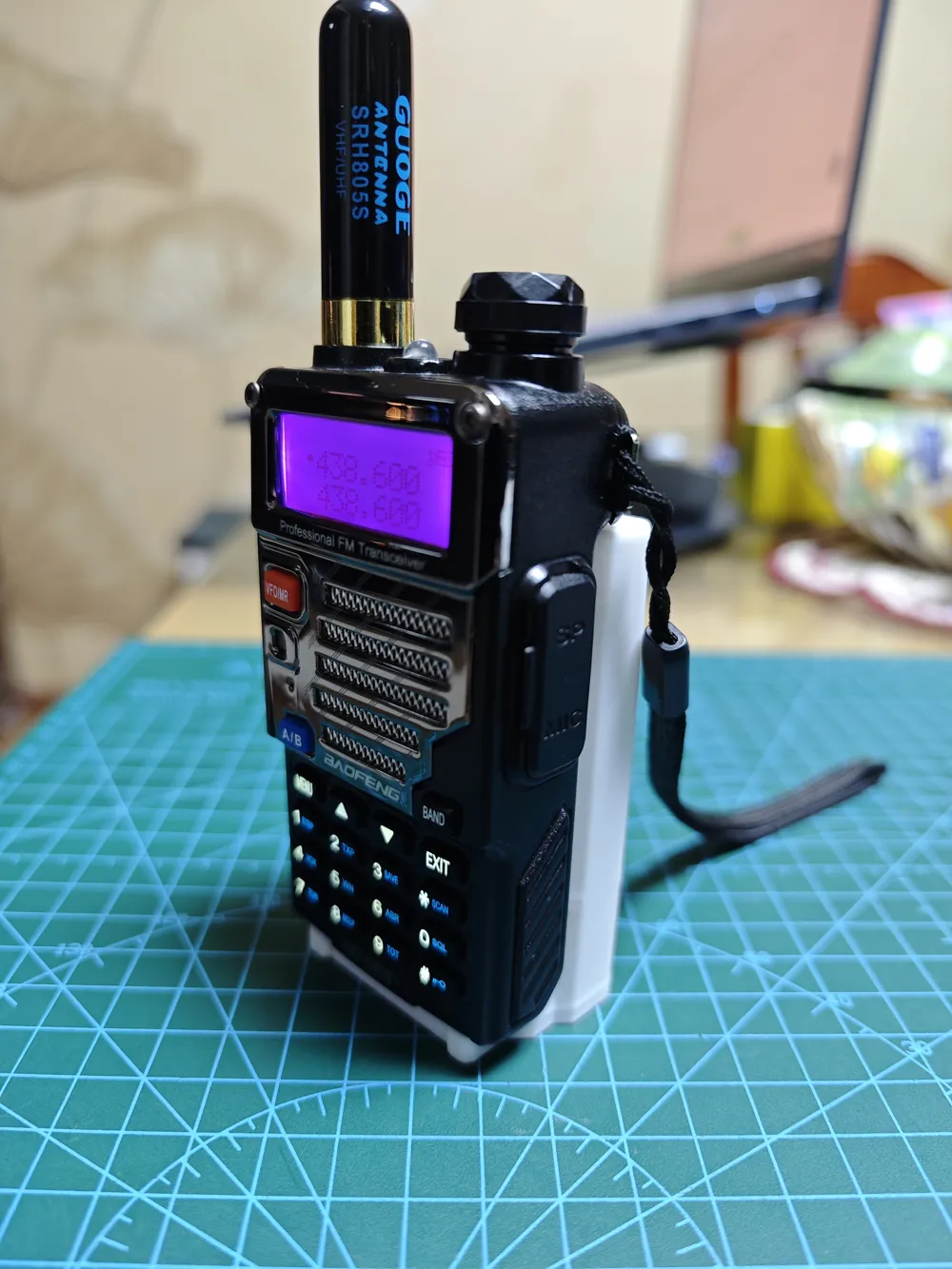
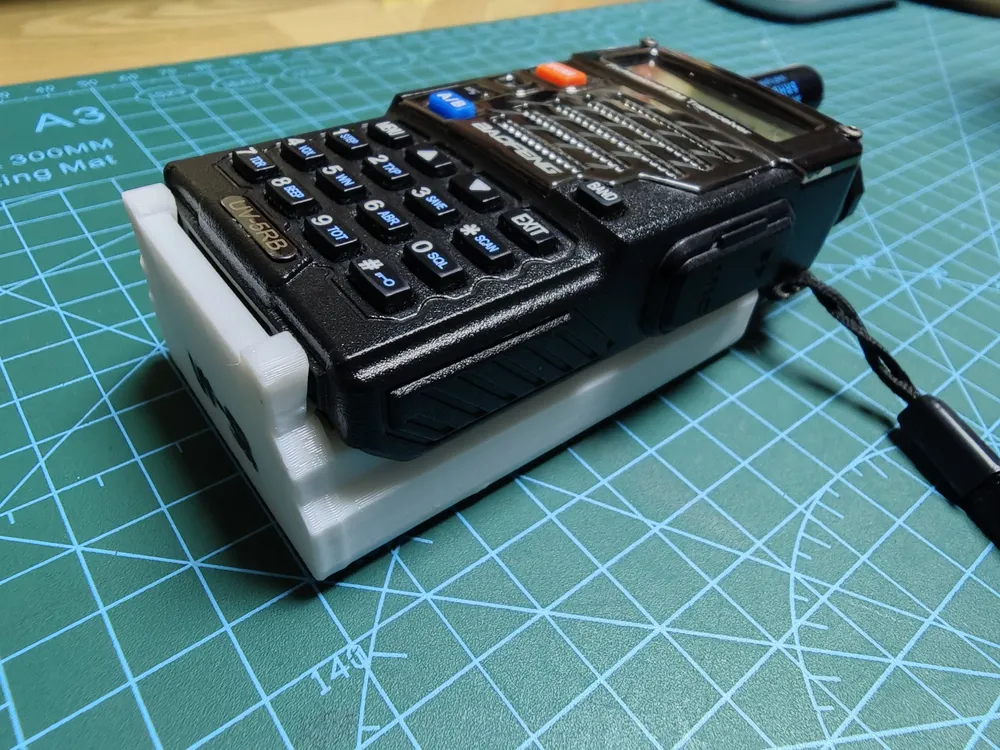
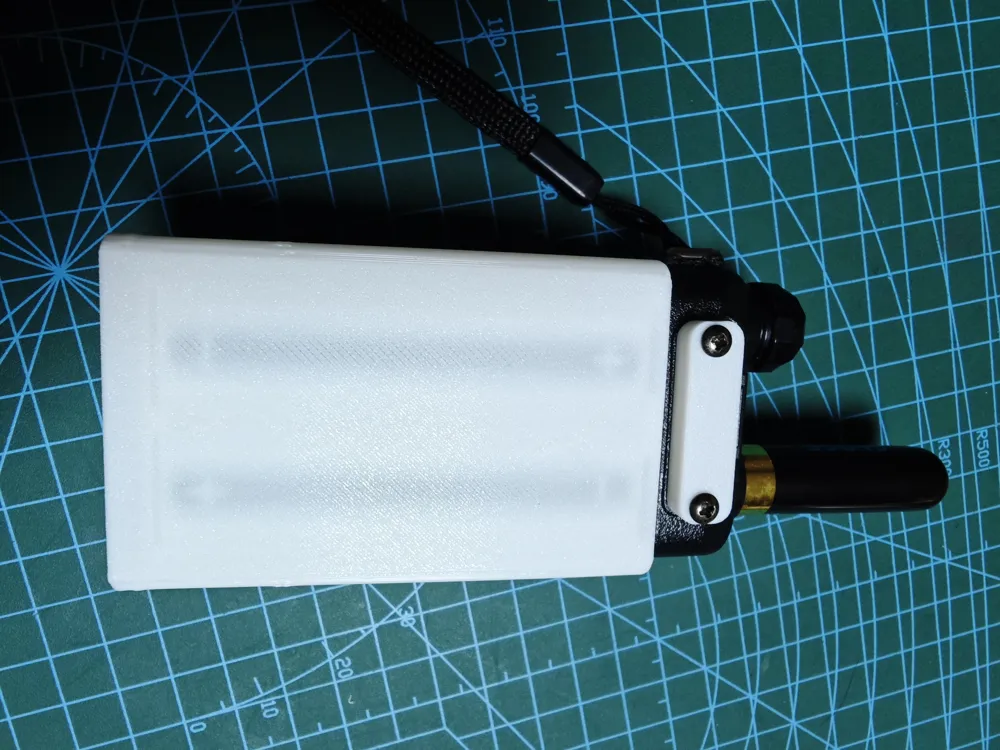
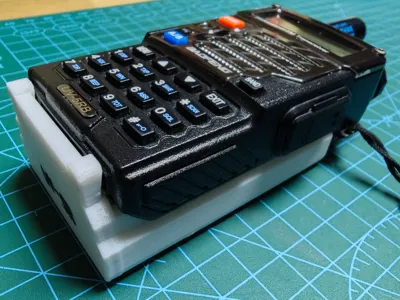
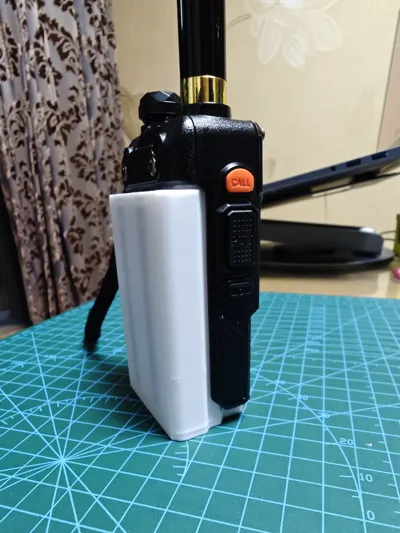
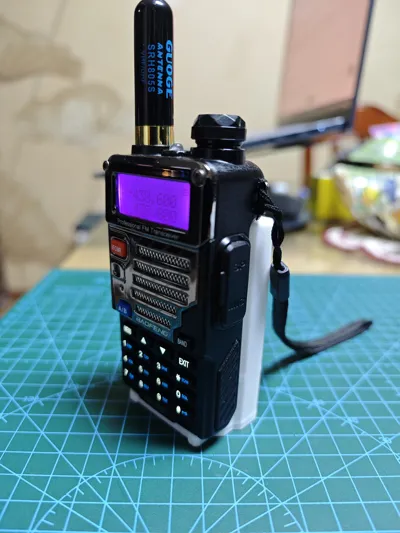
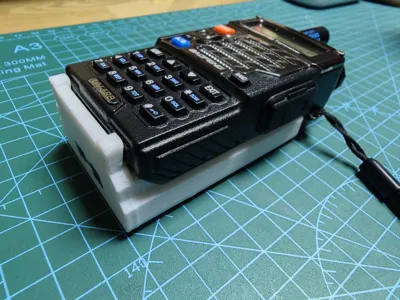
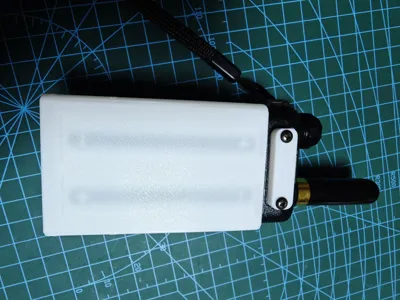
Suitable for Baofeng UV-5R series handheld radios, tested and approved on my UV-5RB model
New print profile:
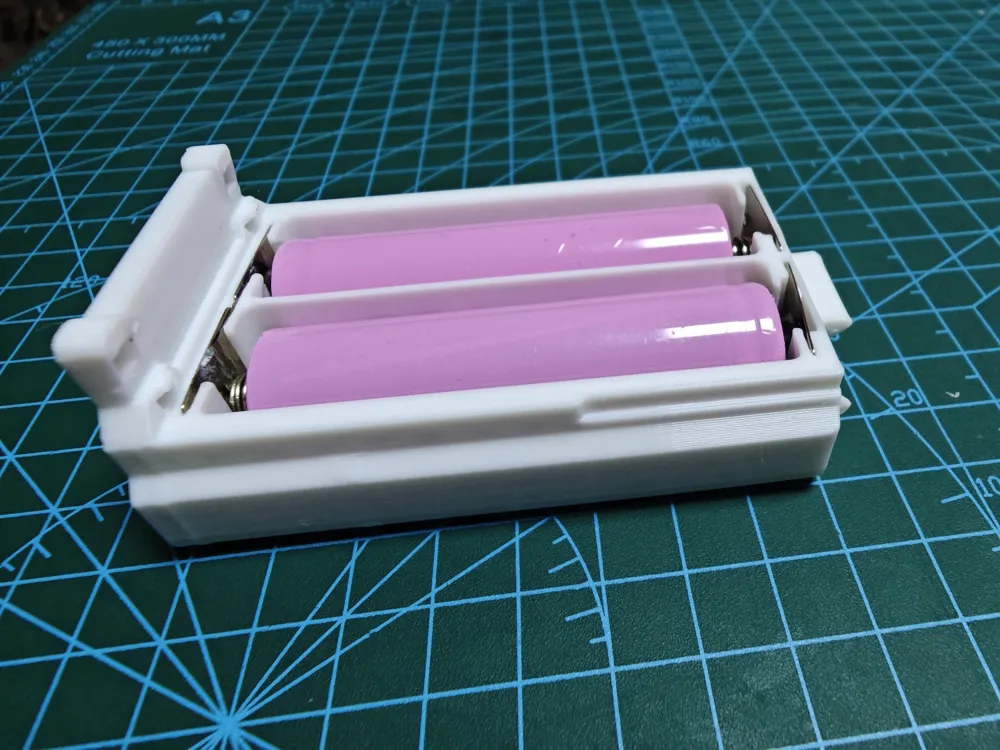
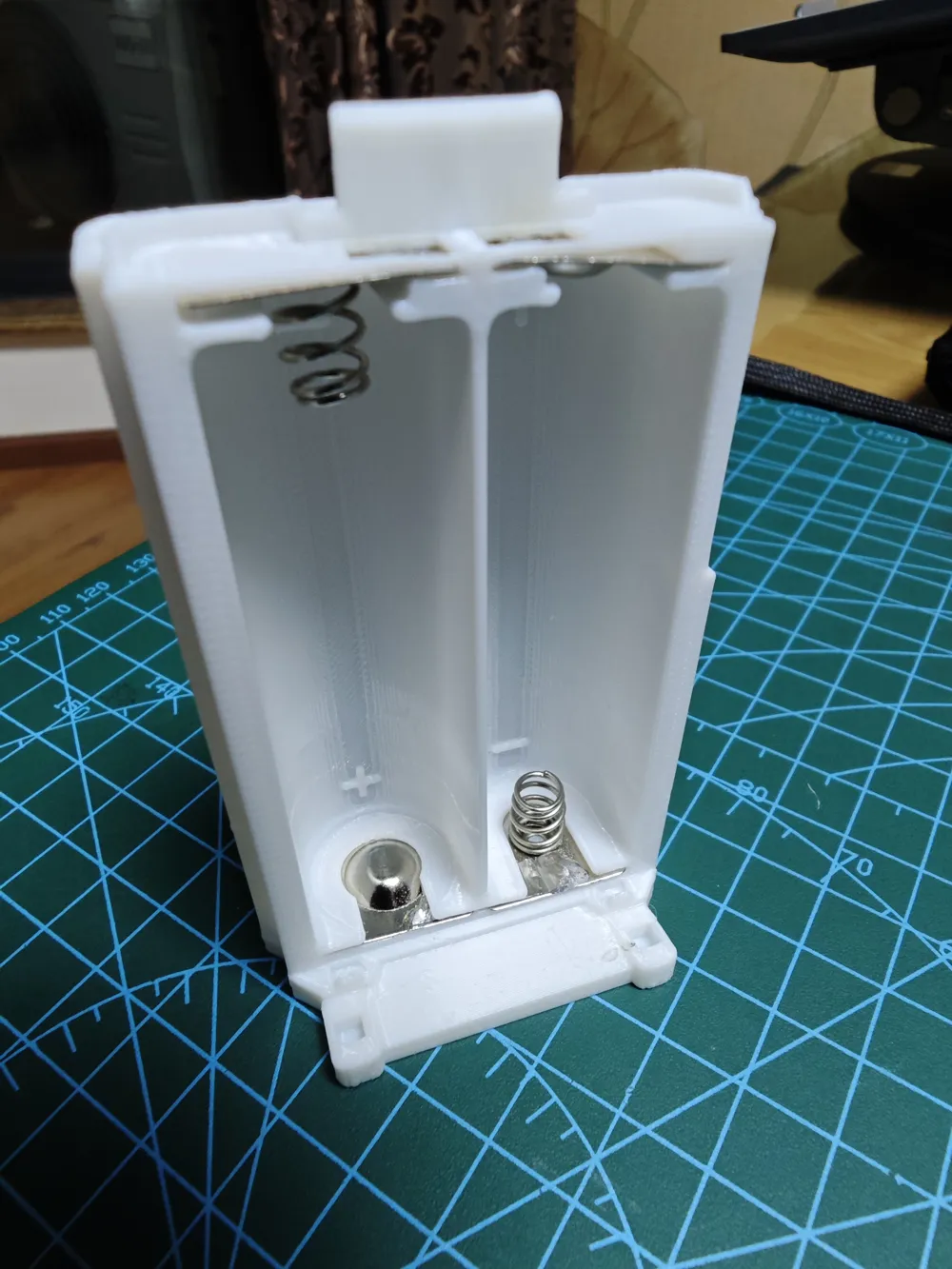
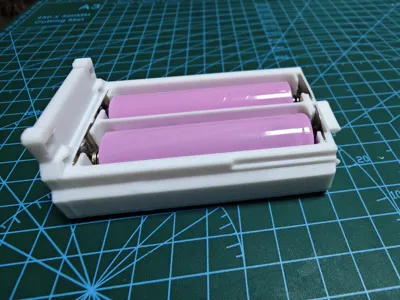
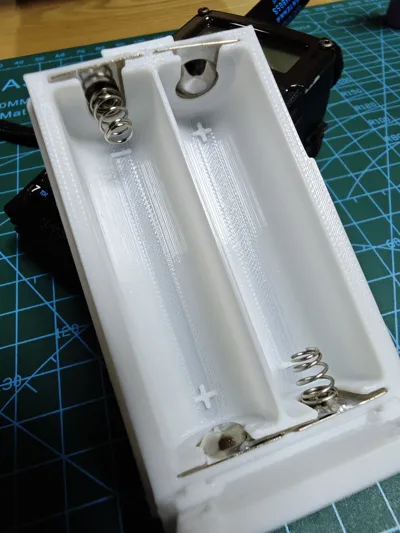
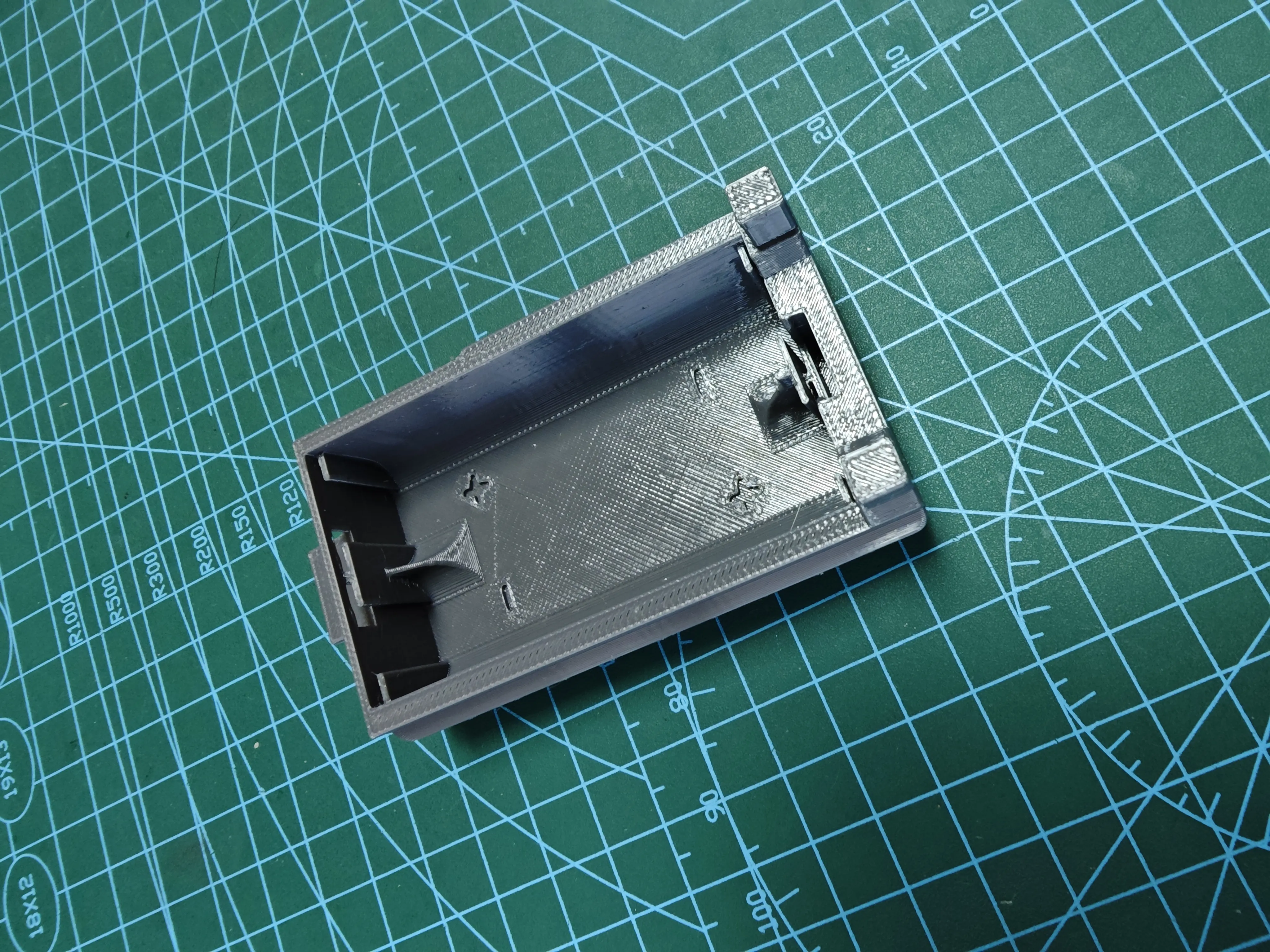
1.Slimmed down from my other battery case with a charging board (Baofeng UV-5R 18650 Charging Battery Case), removing the charging function to significantly reduce volume, resulting in this simple slim version
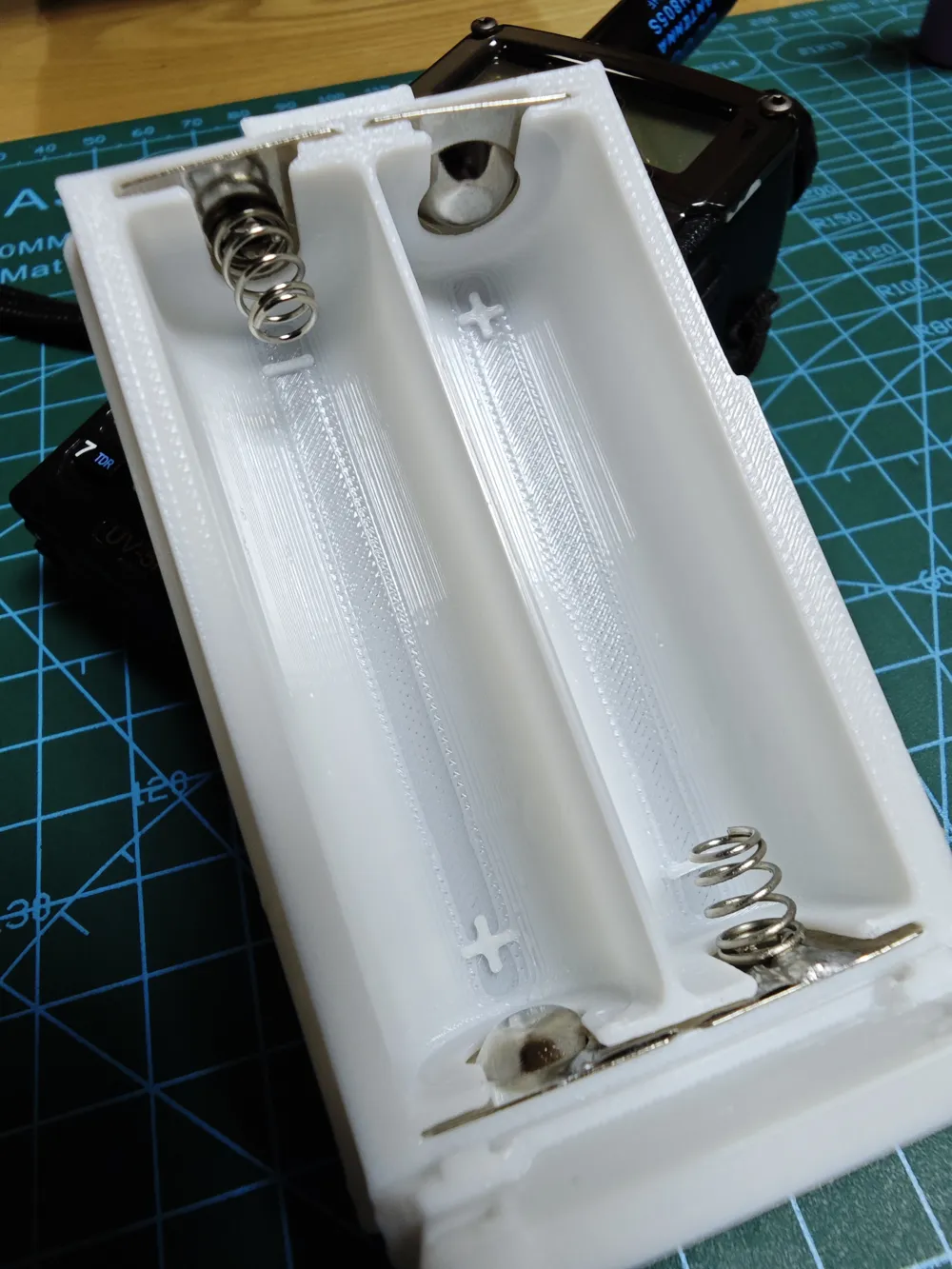
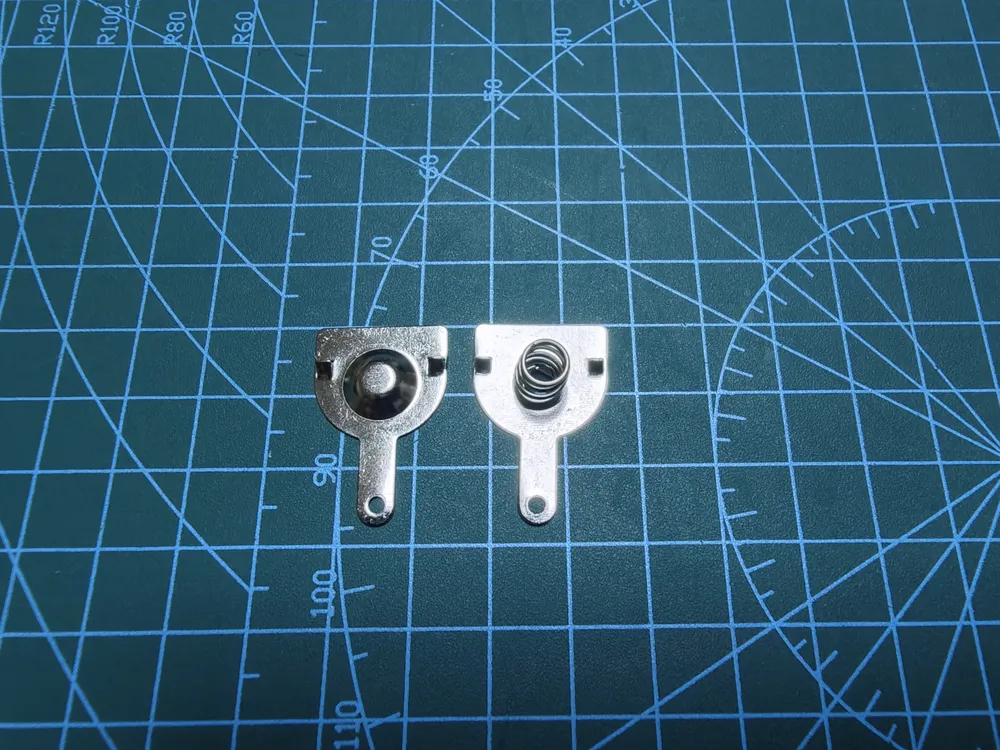
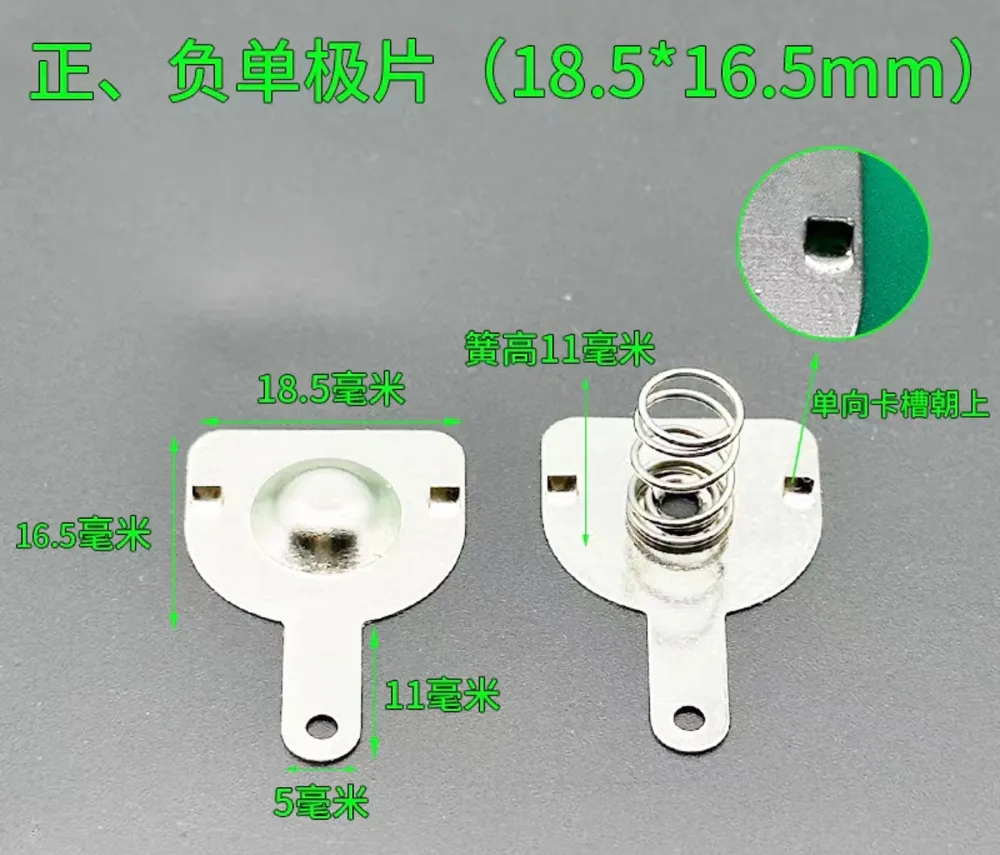
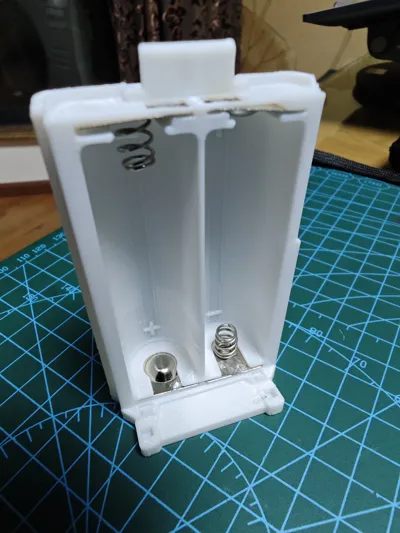
2.Adjusted the battery series connection design. Given the difficulty of quickly and accurately welding nickel strips (I'm not good at it myself), a method of connecting electrodes with wires has been added, and space for wire storage has been reserved (for 1.8mm - 20AWG). During operation, the electrodes can be calmly welded with wires and then pressed in; wire lengths of about 2cm can all be accommodated
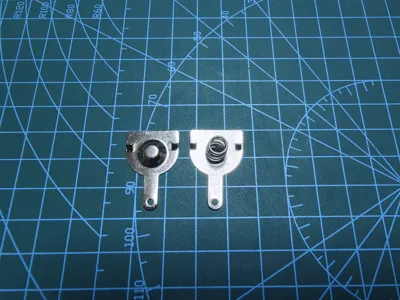
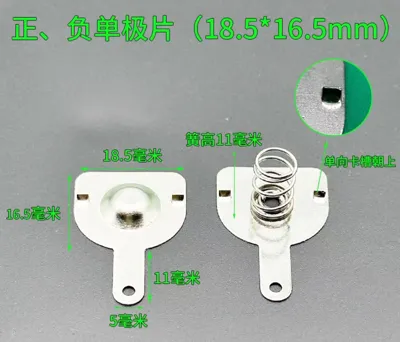
3.Others: Electrode shrapnel specifications are the same as before. It is still recommended to pre-tin the contact points between the top electrode and the walkie-talkie contacts. PLA and PETG can both be used as printing materials
Original print profile:
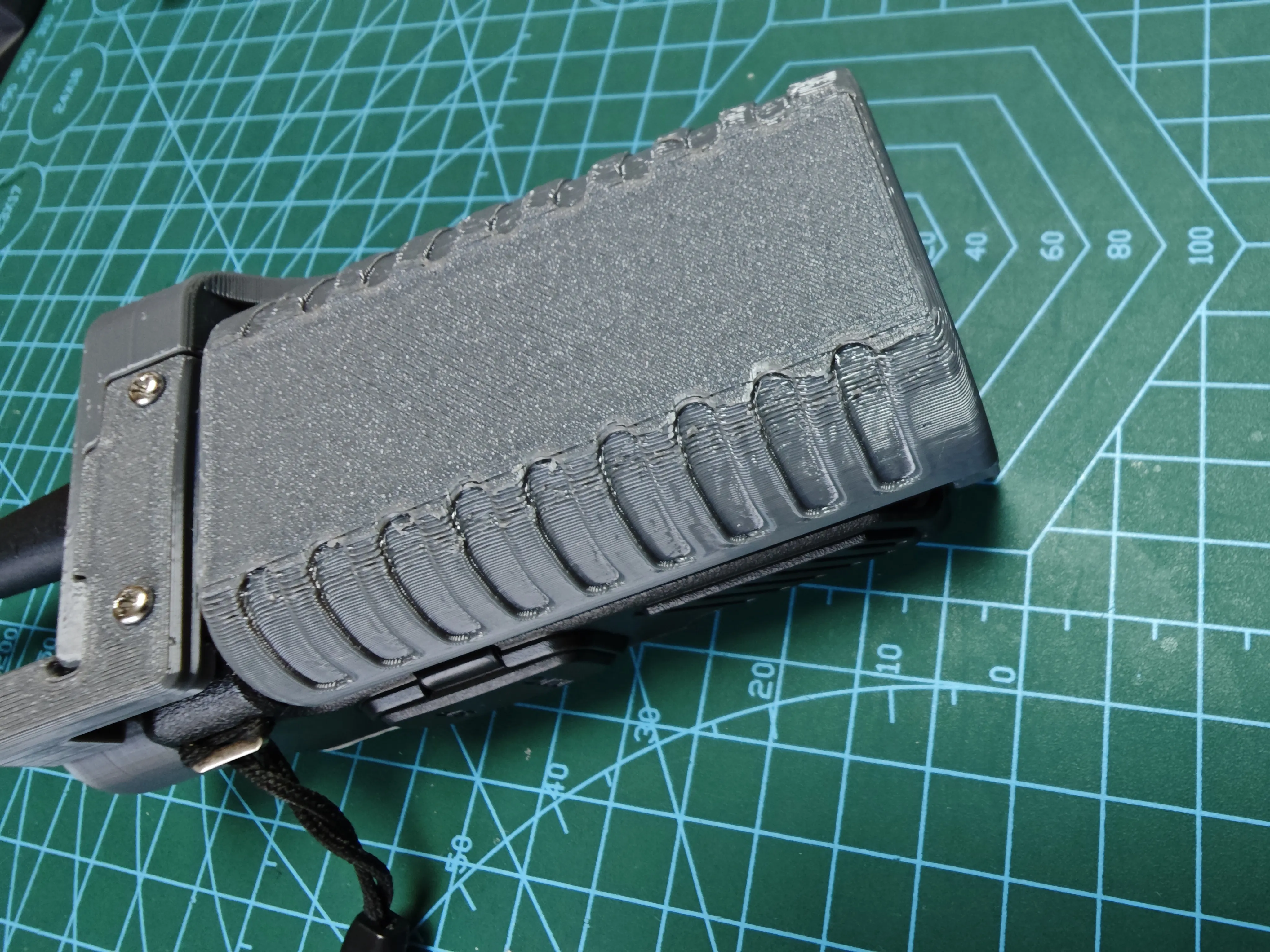
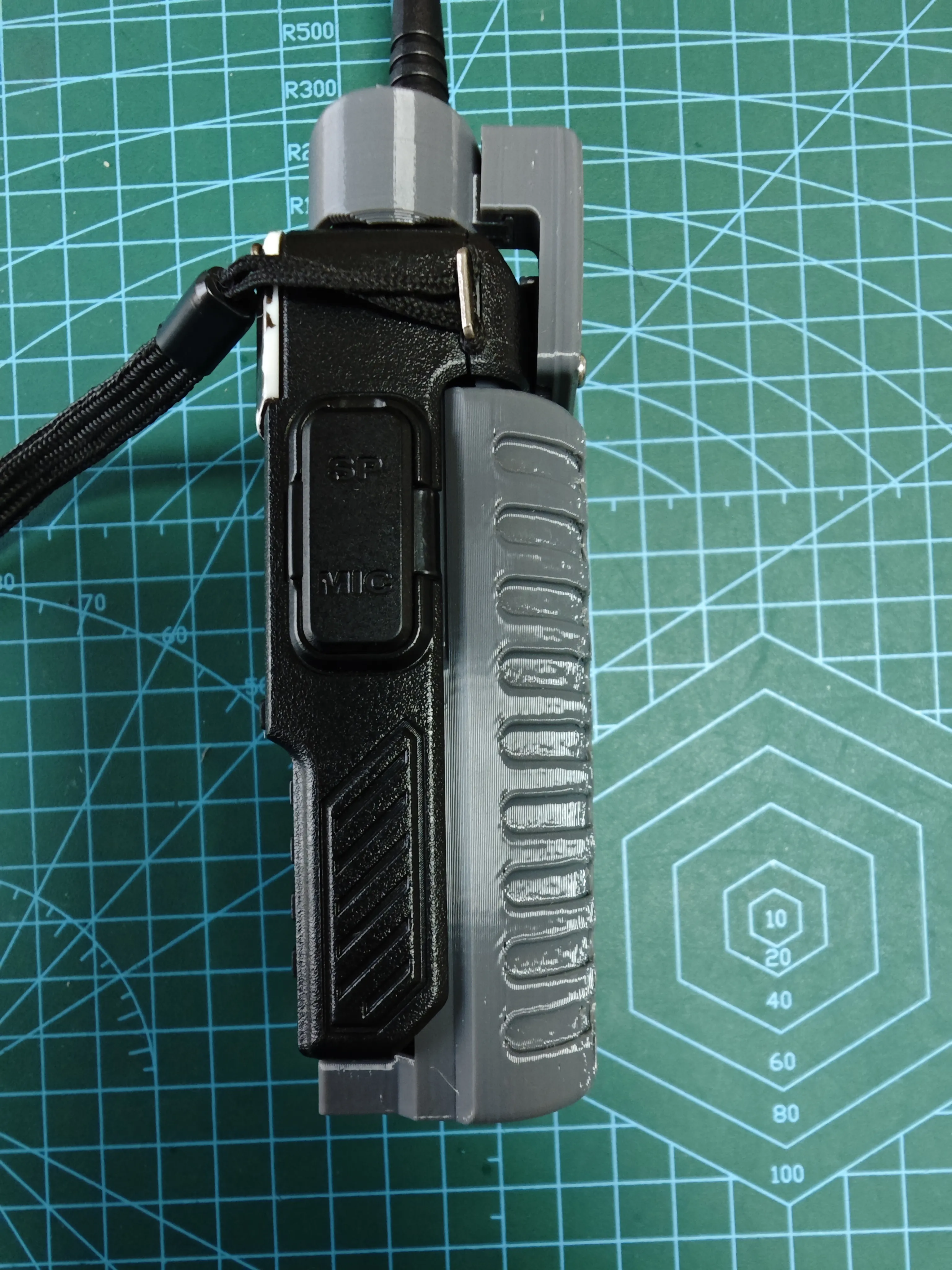
The printer used is Bambu Lab A1, and there are no significant issues using PLA or PETG materials
The original model is from https://www.printables.com/model/199364-baofeng-18650-battery-pack. Many thanks to the original author for their creation. However, after printing the original model, I found that there were some dimensional tolerances, making it unusable directly. Moreover, the bottom fixing parts of the original model were relatively fragile and easily damaged, and installing the positive battery contact shrapnel could easily cause significant deformation of the case. Additionally, the bottom battery positioning pin of the UV5R tends to age and break over time (mine broke). Therefore, corresponding improvements have been made to all the issues mentioned above. (The original model did not provide a riser for installing the original back clip; I also added one in the 3mf file. Screws of m2.5x12~14mm are sufficient, meaning the original length plus 5mm)
Assembly requires a bit of hands-on ability. Materials used include: soldering iron, solder wire, nickel strips (2-3cm is enough). When assembling the bottom positive and negative contact shrapnel, a soldering iron is needed to weld the nickel strips. If the top positive and negative contact points show poor contact, just apply a bit of solder
This remix is based on

License



Comment & Rating (1)