
Cable Duct Tabletop and Table Leg
Print Profile(2)
Description
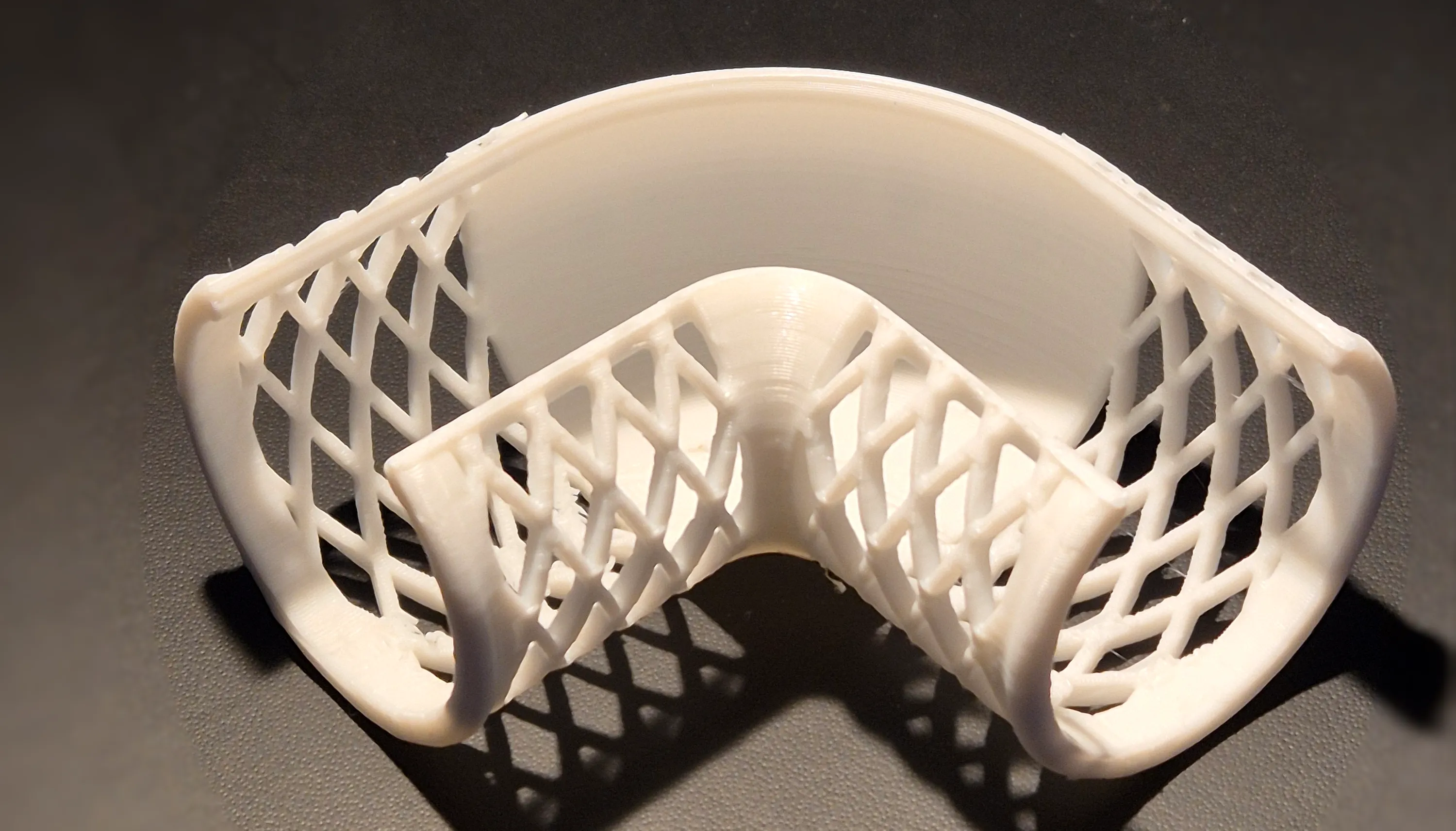
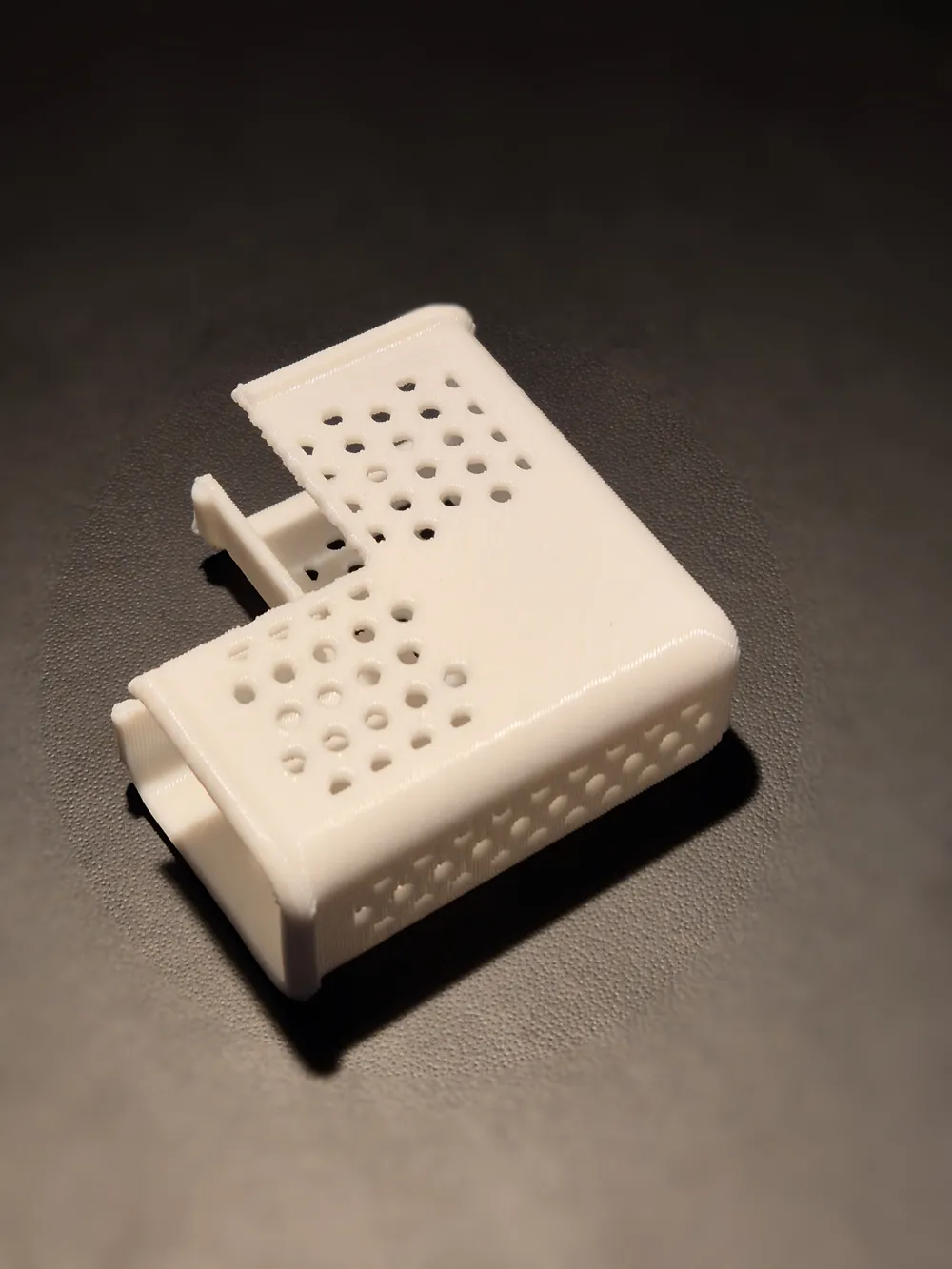
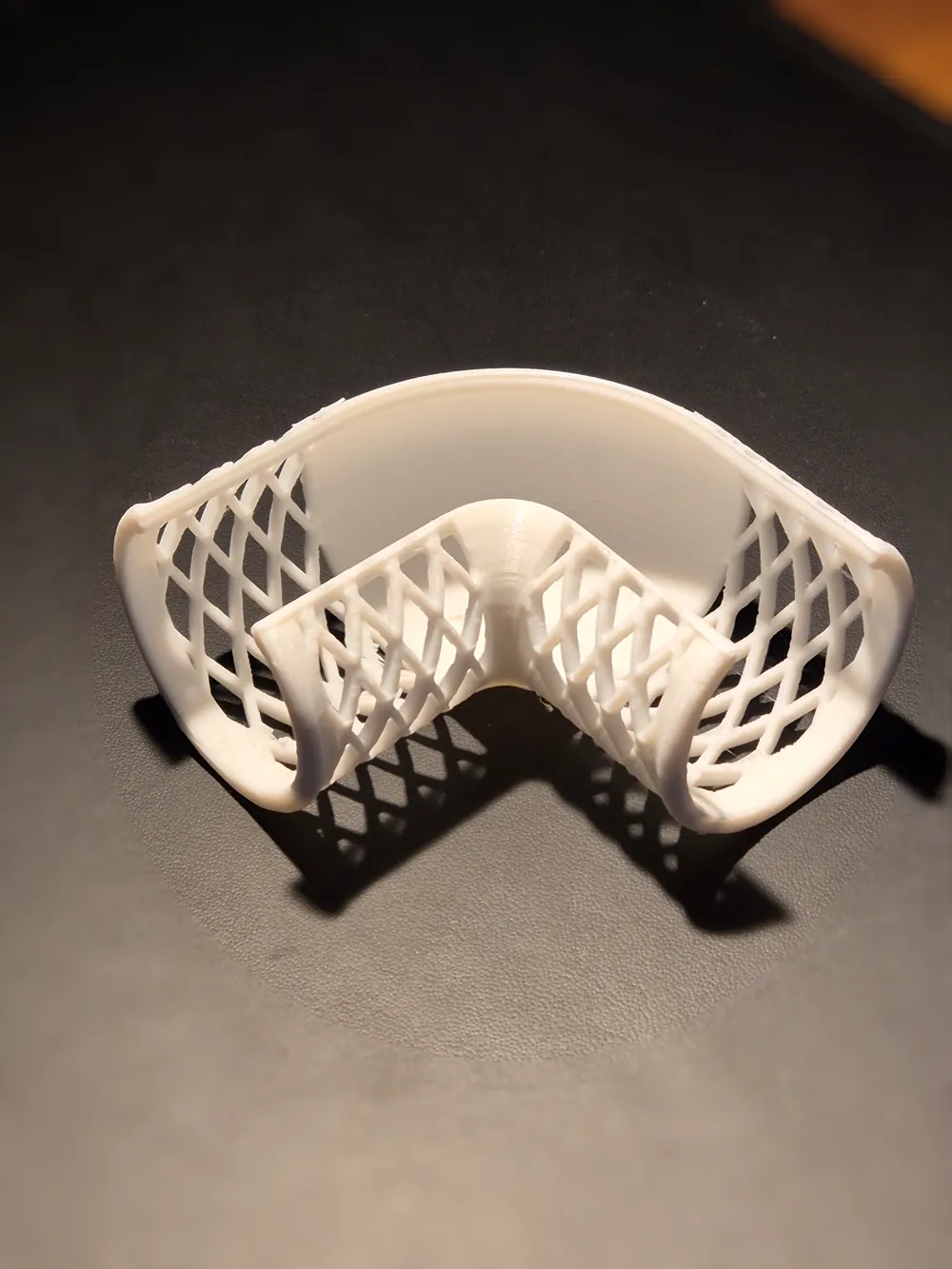
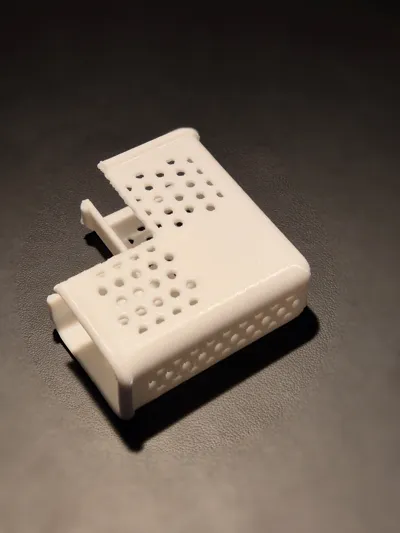
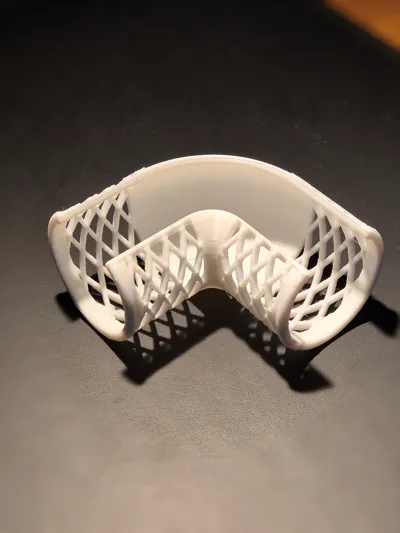
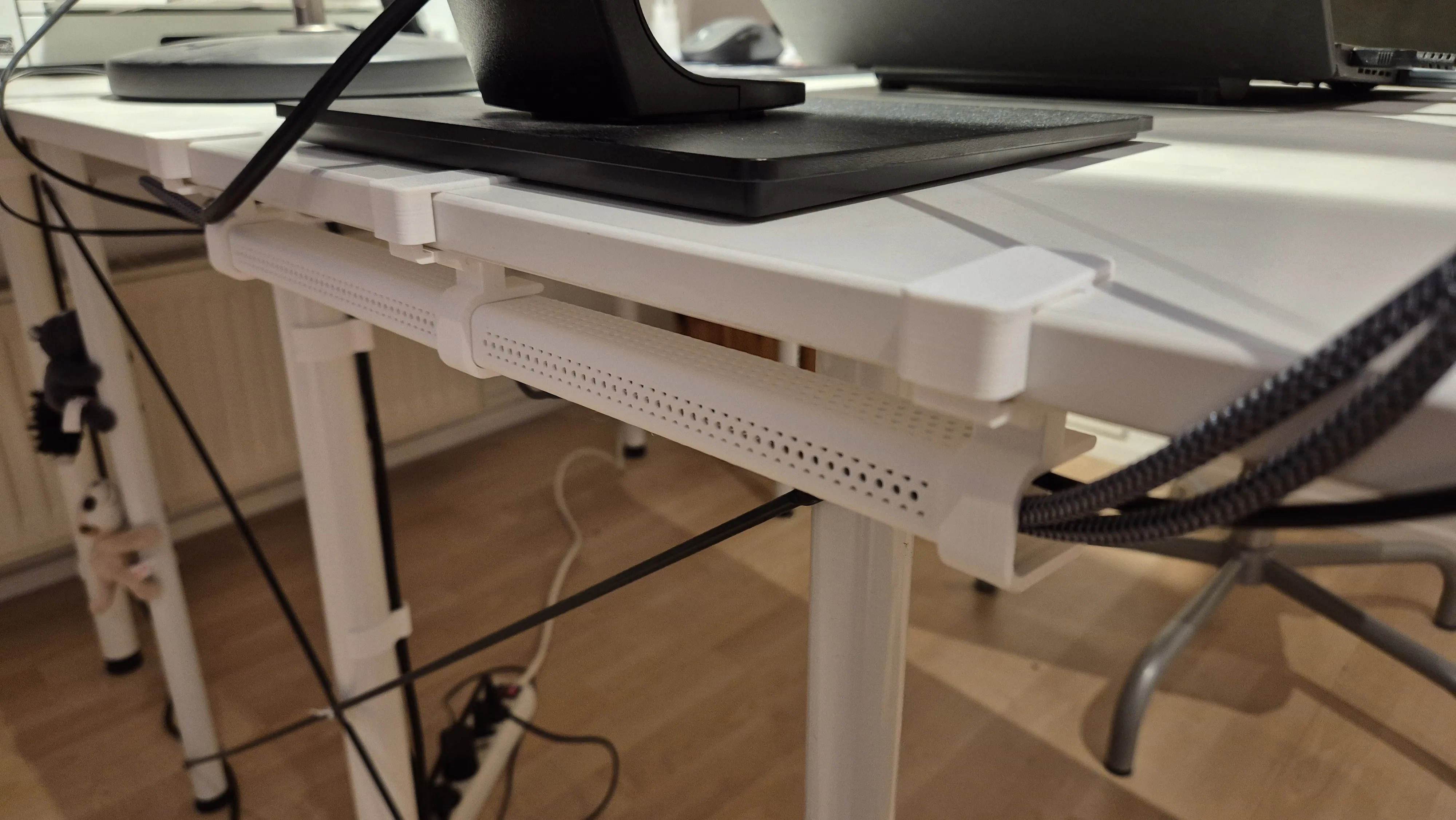
Update 3: You wanted it, you got it! Now there are corner connectors for both print profiles. This naturally doesn't work without Support for PLA, but it's easy to remove. Additionally, I have separated the two variants into their own print profiles to avoid confusion. I also tried to build a corner connector that leads sideways and downwards, but that is practically unprintable.
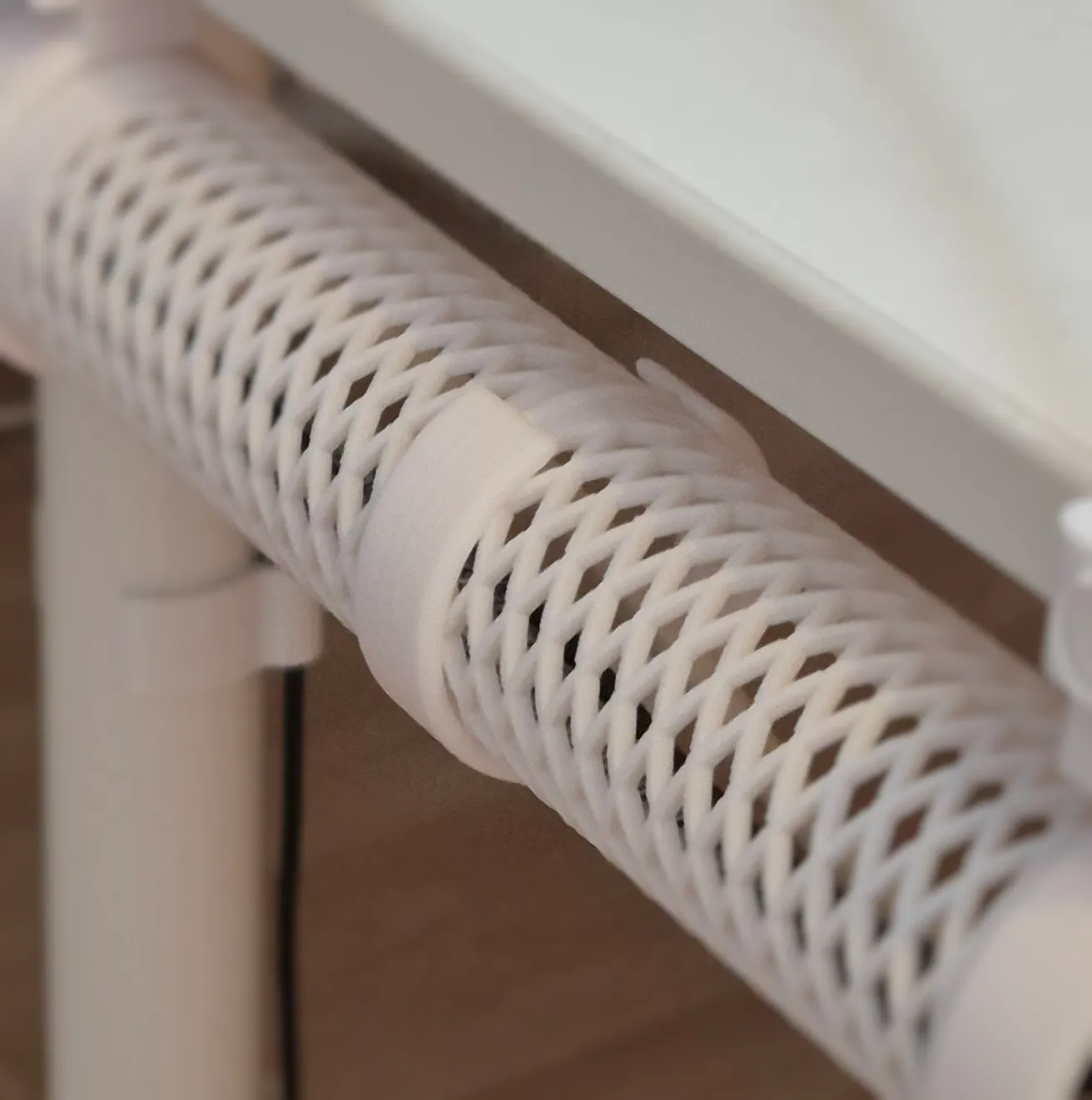
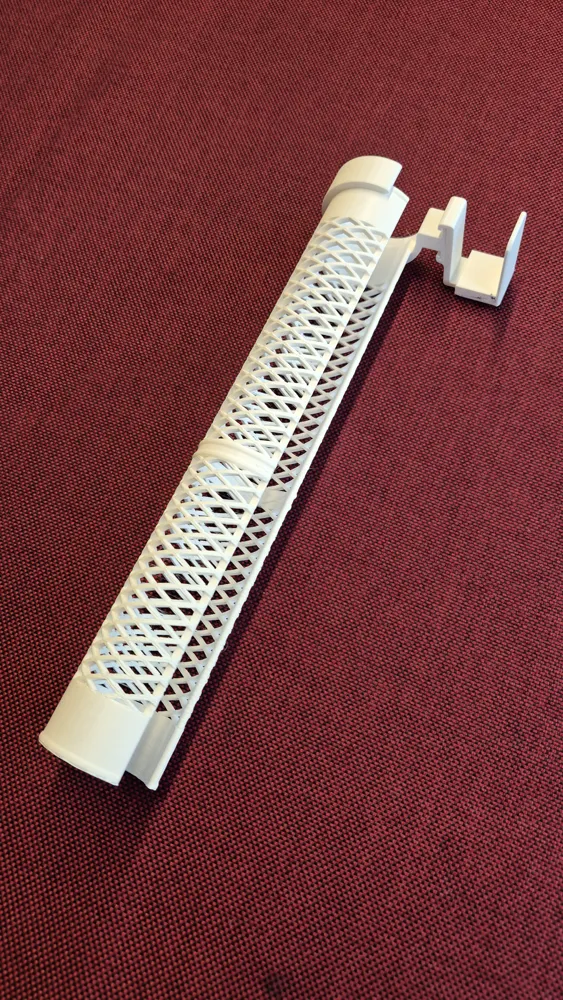
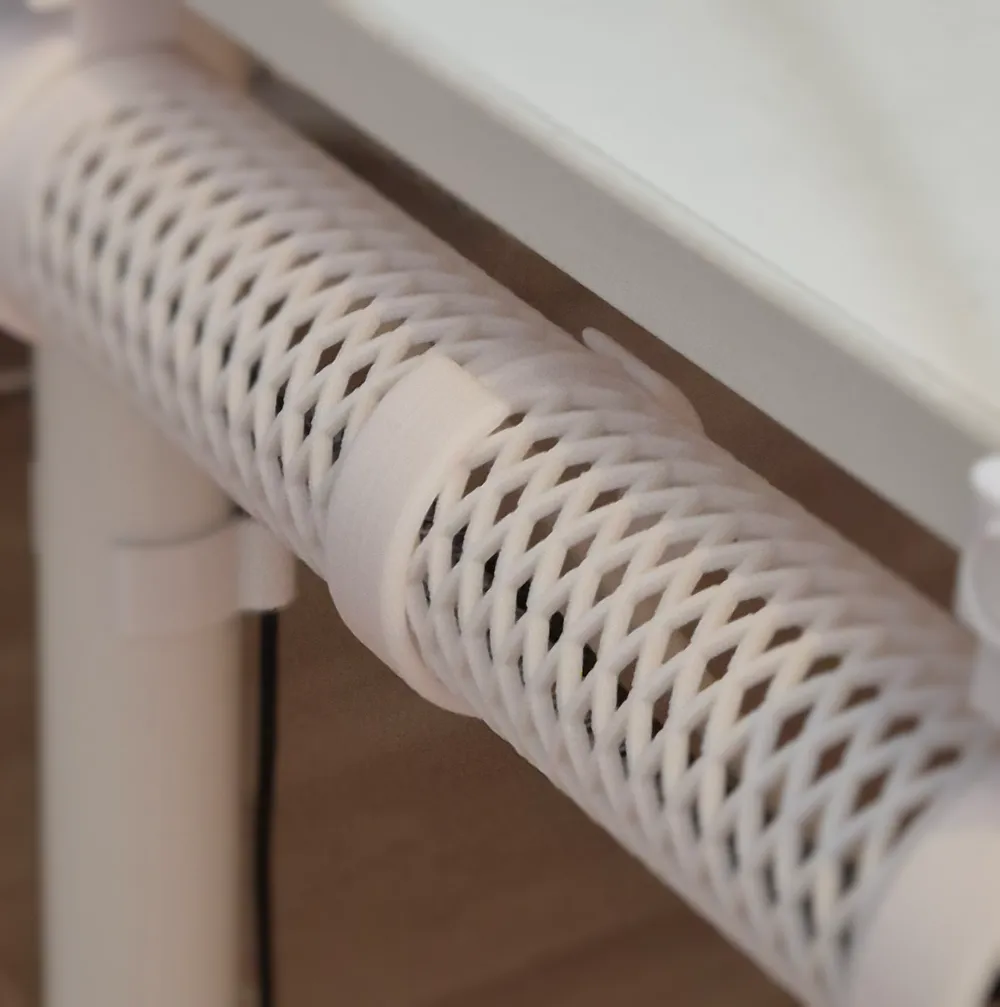
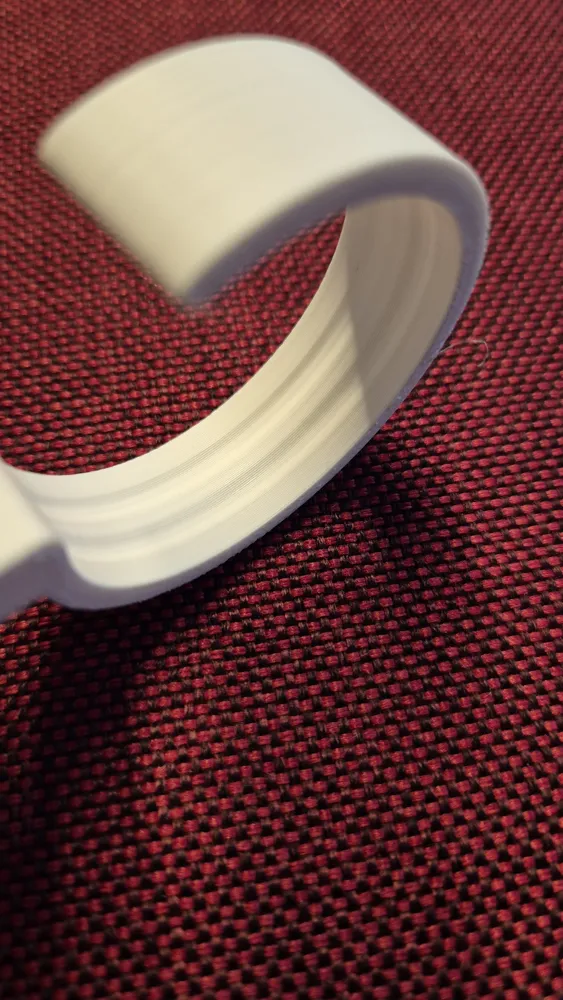
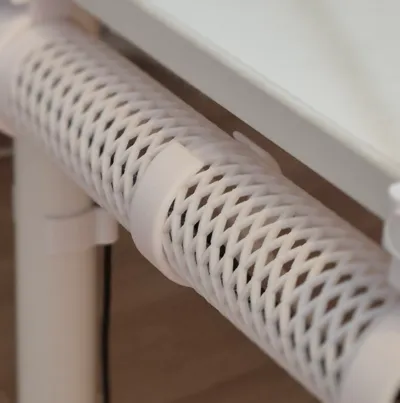
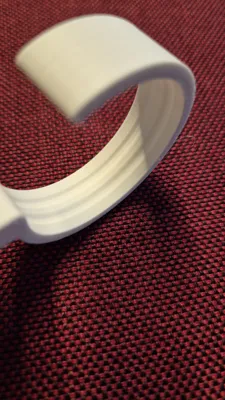
Update 2: Since the cable channel is well-received, I have improved and expanded it a bit. The cable channels now snap better into the holders, and the round cable channel has received a securing ring, which is very practical (see right). The cable channel can secure the cables by twisting it, but an additional measure in the middle certainly won't hurt.
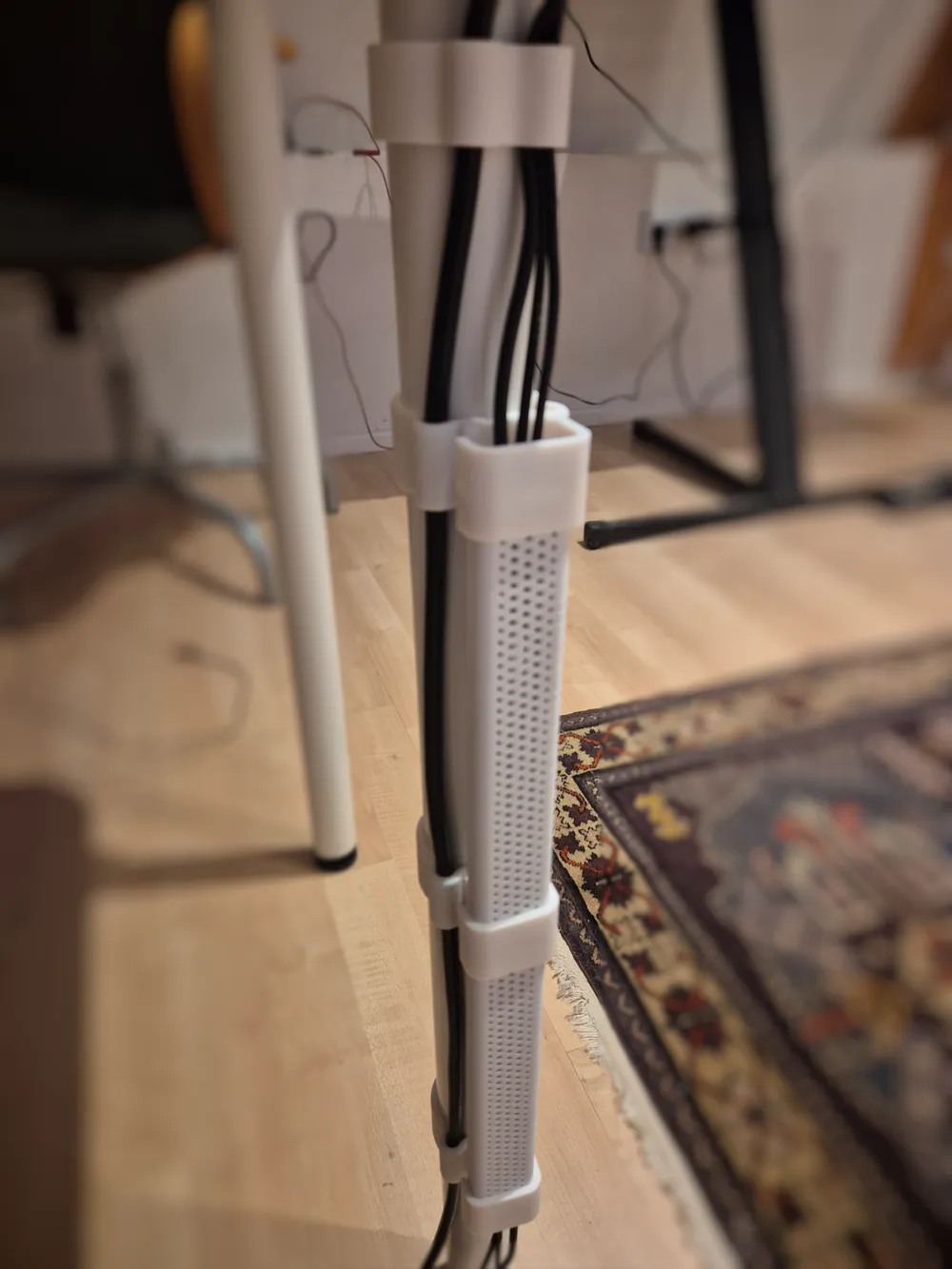
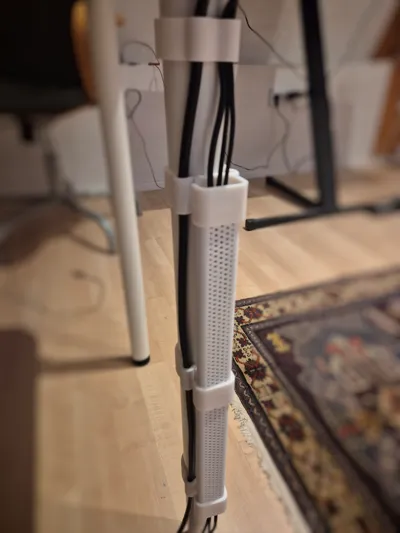
Additionally, the rectangular cable channel can now also be attached to the table leg. The diameter is designed for 40mm, but a millimeter or two more is certainly fine.
There are also a few holders that allow cables to simply run down the table leg without a cable channel.
Update: I already liked the first version, but I wanted a bit more grip on the table top. So I modified the holders so that they can be fixed with a screw from below. The basic principle is the same, but now they hold better on the table top and do not slip as easily. To keep the two interlocking halves of the holder in position, they can also be fixed with a screw.
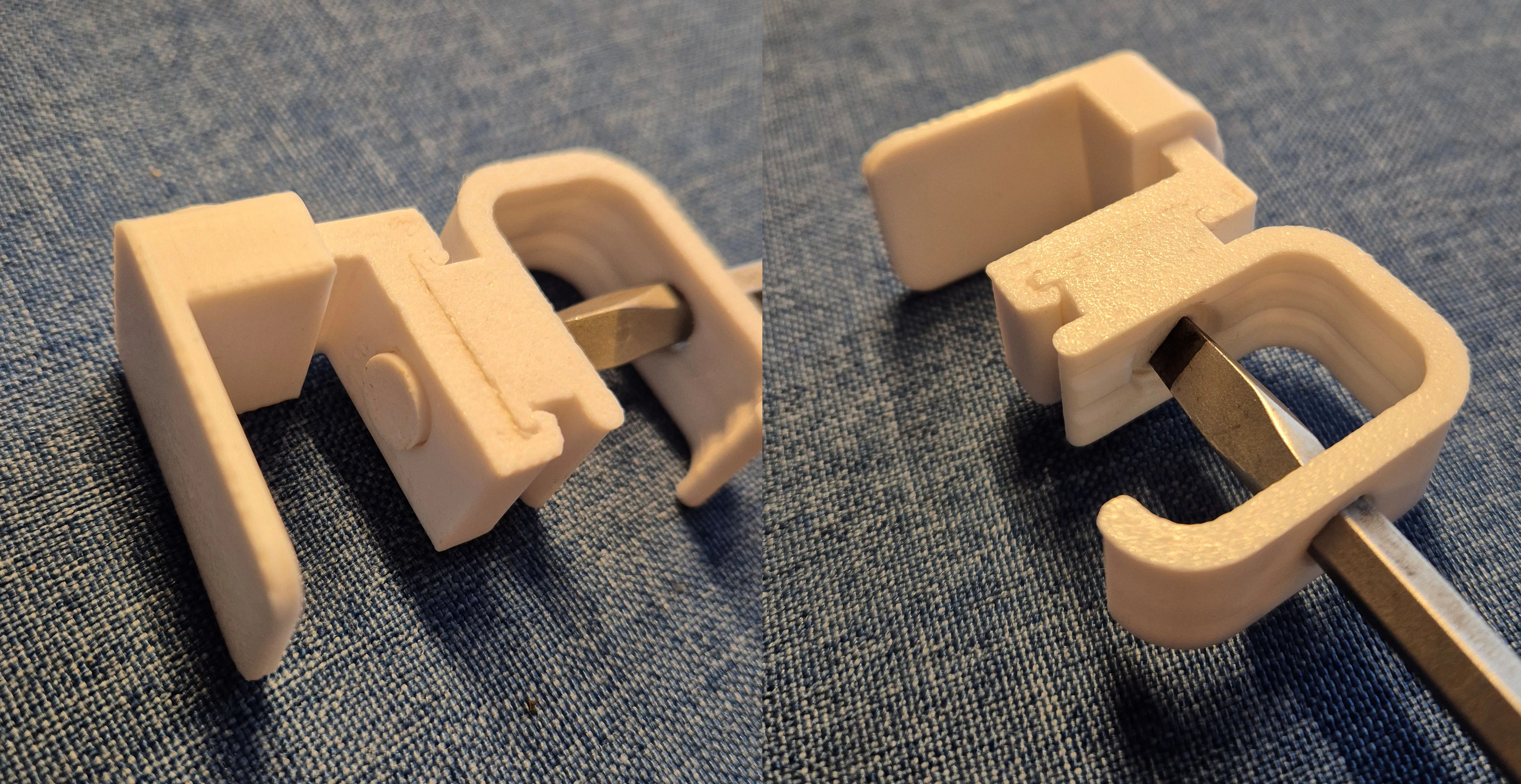
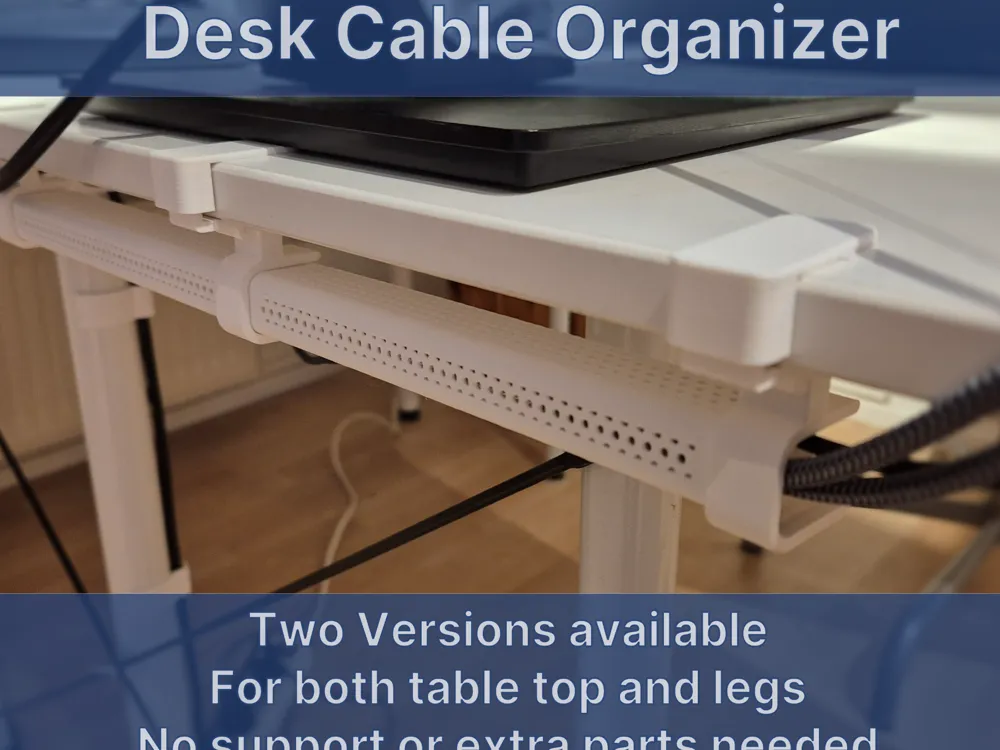
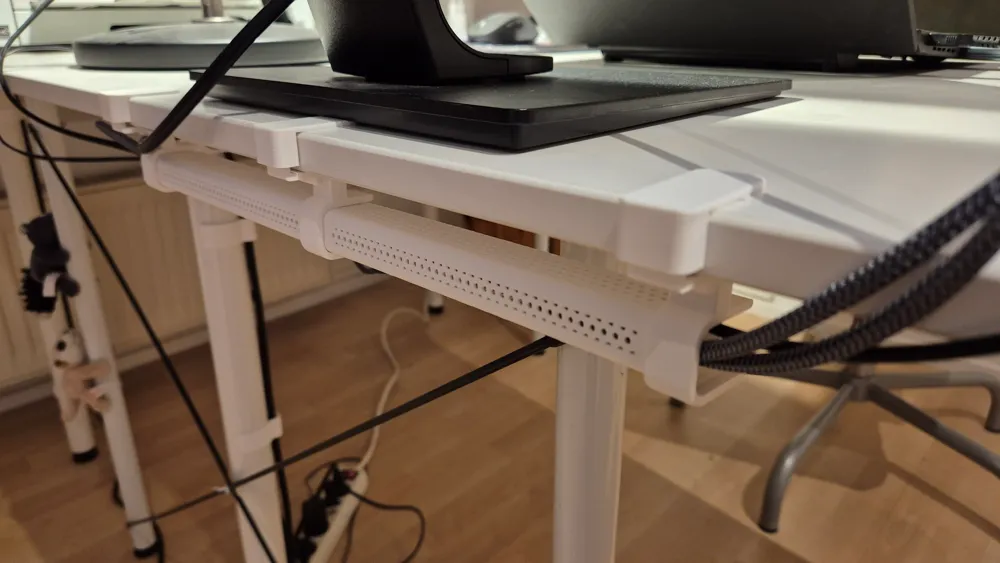
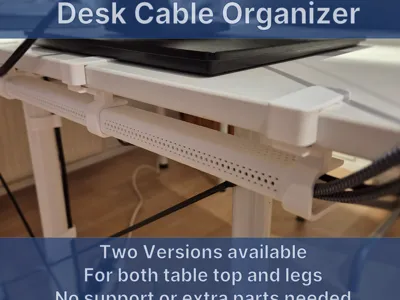
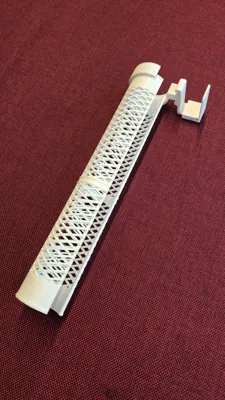
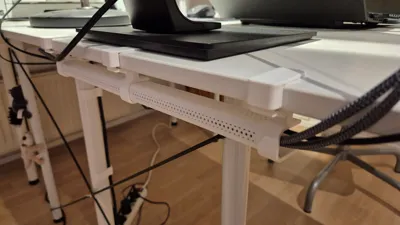
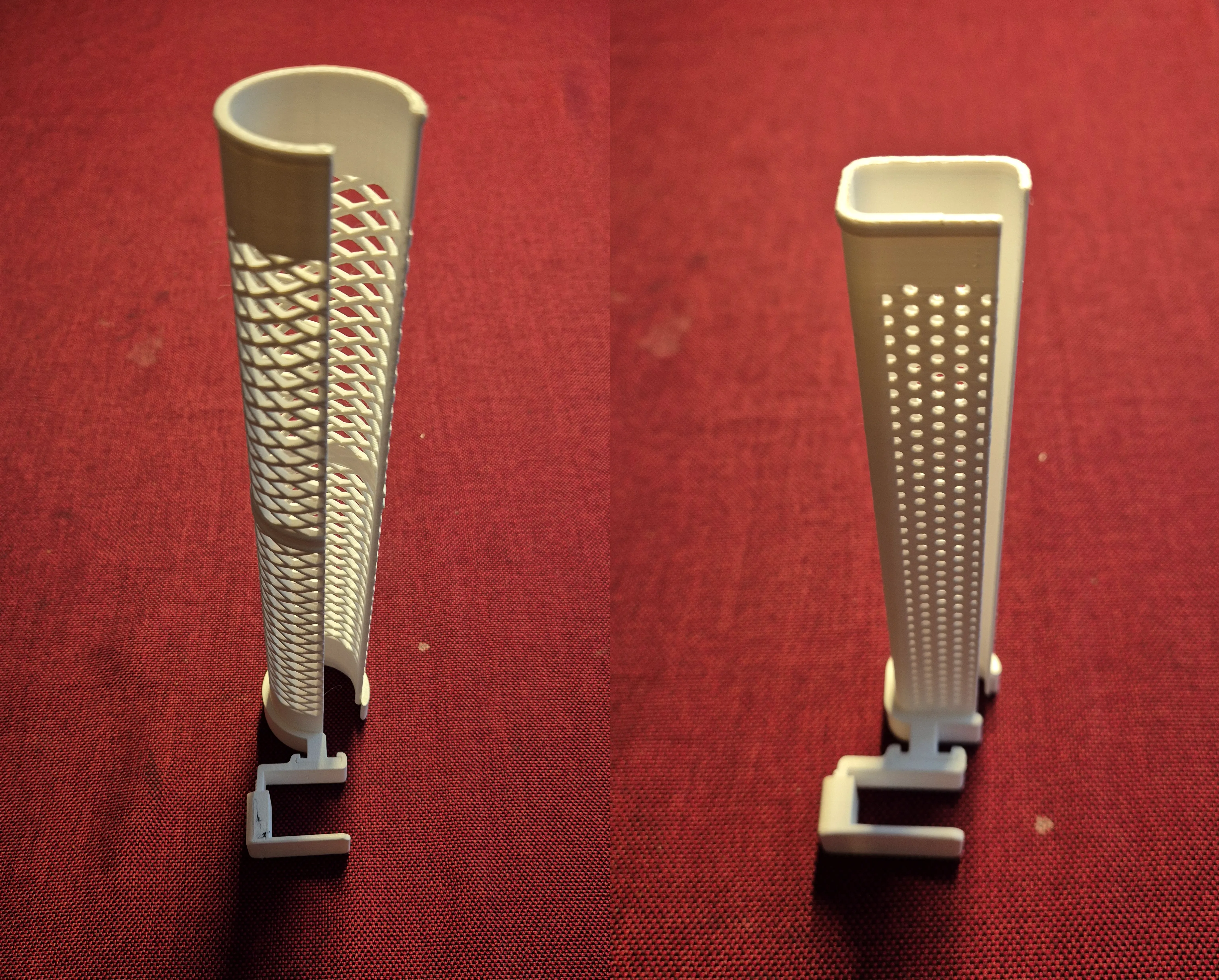
I wanted the slimmest and most uncomplicated solution possible for the cable clutter under my desk. Two variants emerged. A large round one, if a bit more is allowed, and a small slim one, if it should be as inconspicuous as possible. So that the cable channels do not consume too much material, I have spruced them up a bit.
The large cable channel has a length of 240mm, the small one is 170mm high and can therefore also be printed on the A1 mini.
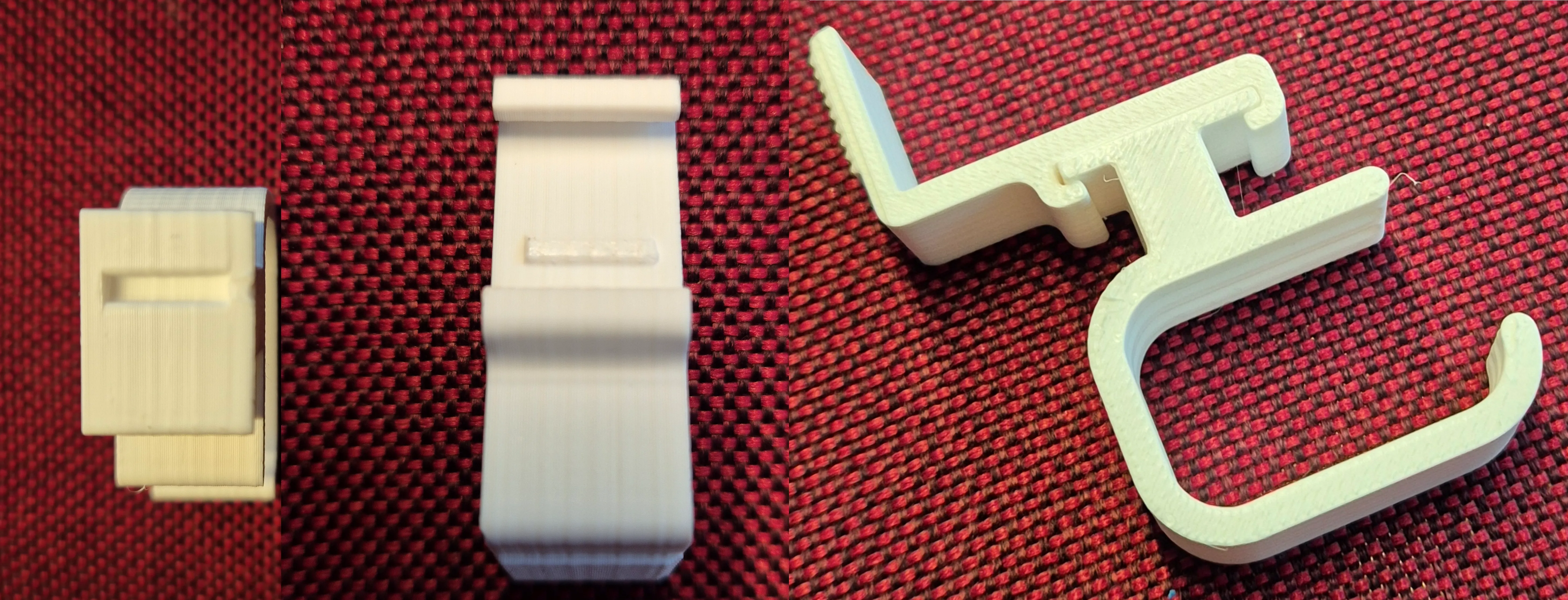
First, the cable channel receiver is inserted into the holder. A groove ensures correct assembly and a secure fit. Here using the “small” holder as an example:
In the cable channel receivers, there are depressions where the ends of the cable channels find support and guidance. With the “large” cable channel, the opening in the receiver can be closed by rotating the channel, thus keeping cables in position.
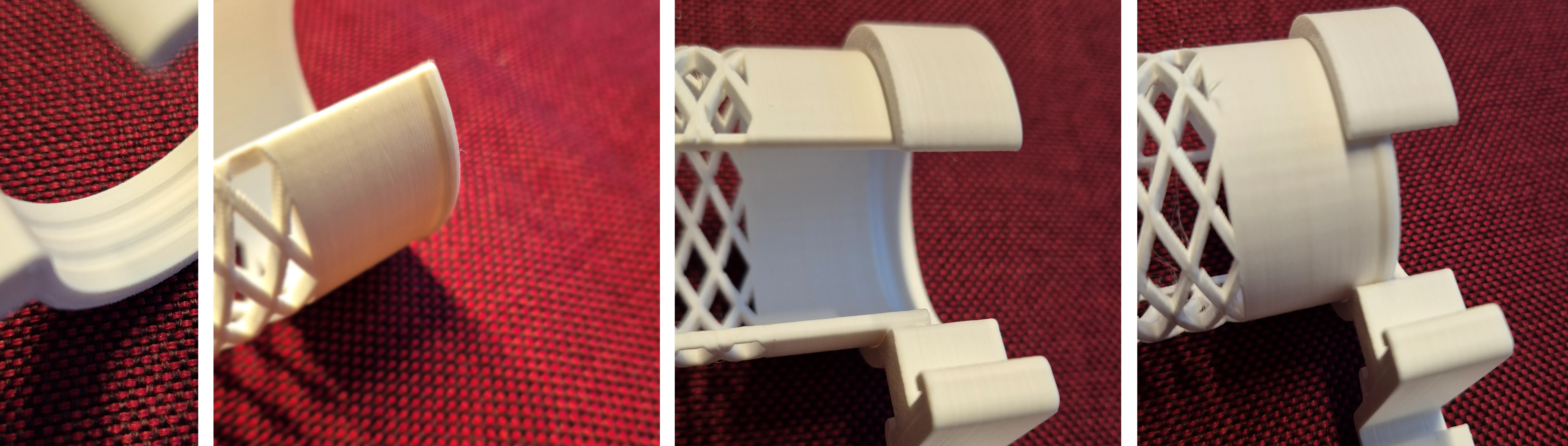
This naturally doesn't work for the “small” channel due to its shape, but it stays discreetly in the background under the table top and looks - in my opinion - very chic. What you may have already seen: There is also a cable holder on the table leg. I will publish this separately, link to follow.
License



Comment & Rating (27)