
Ferrari F40 Scale Model (Large & Small!)
Print Profile(2)


Description
Boost Me (for free)
Boost me to support the creation of even more awesome models!
Boost Me (for free)
boost me to support the creation of even more awesome car models!
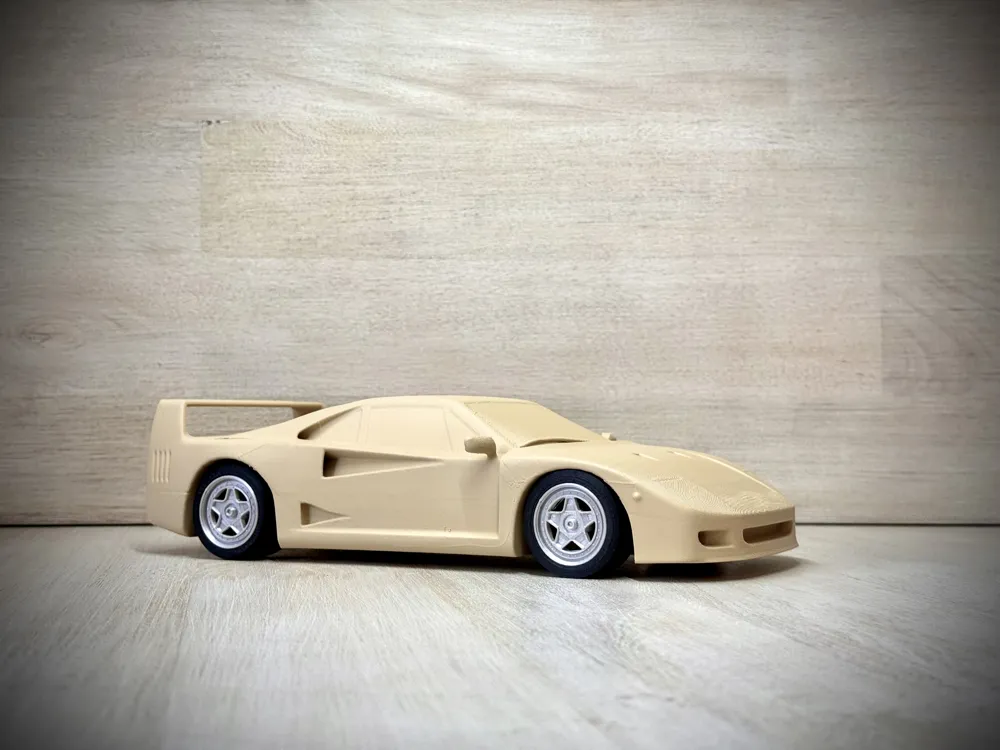
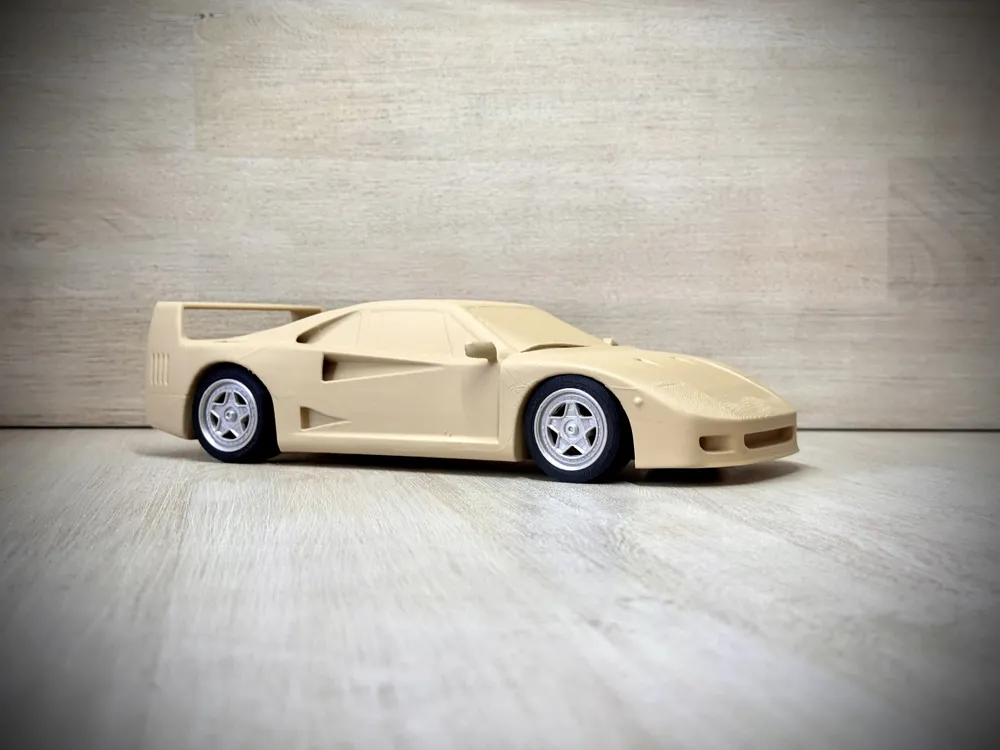
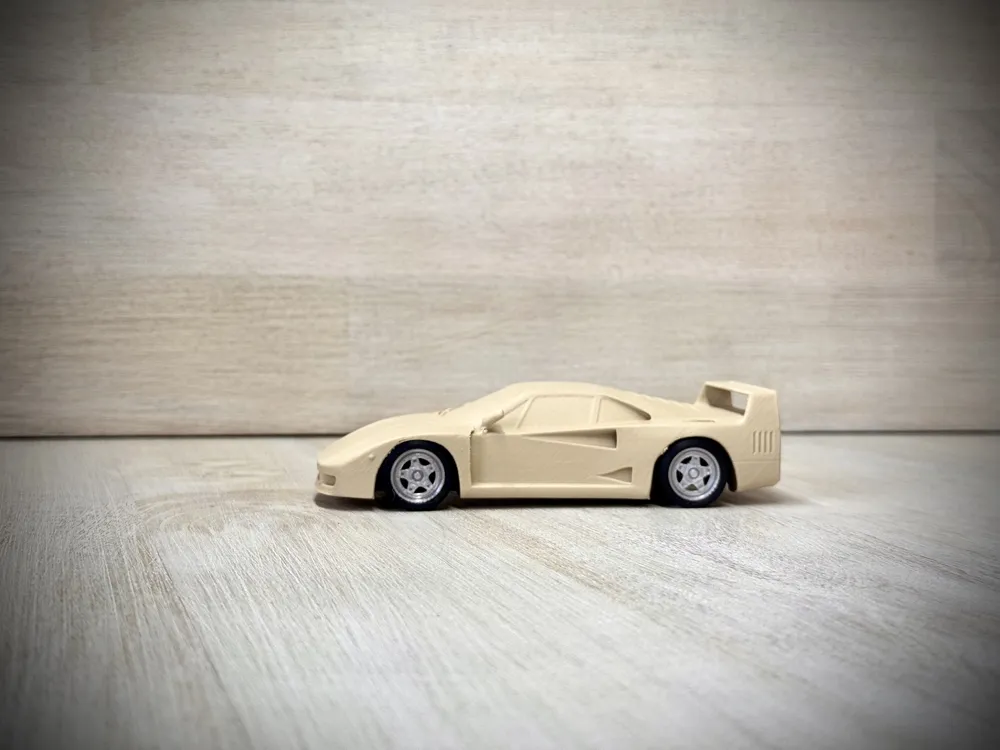
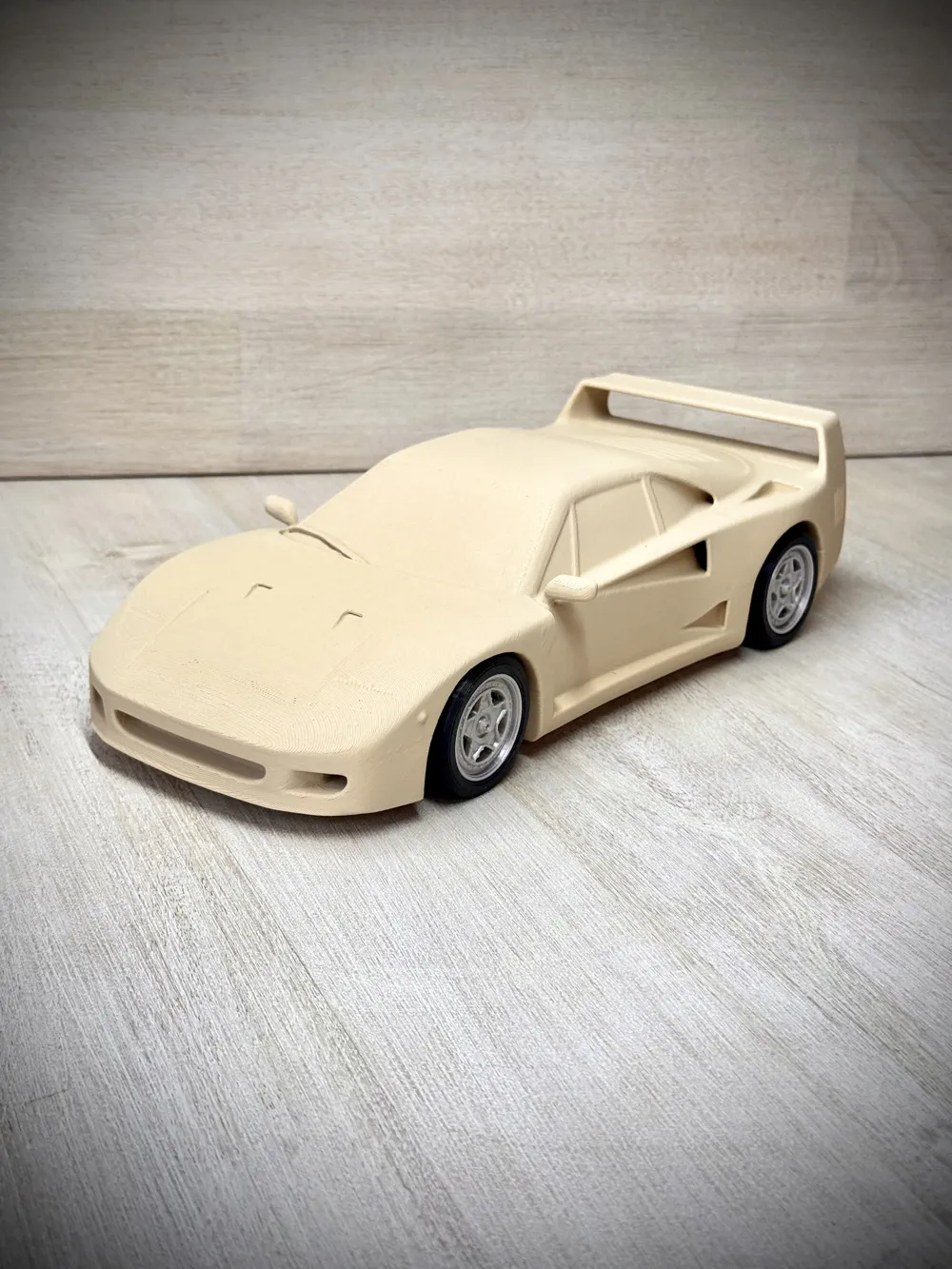
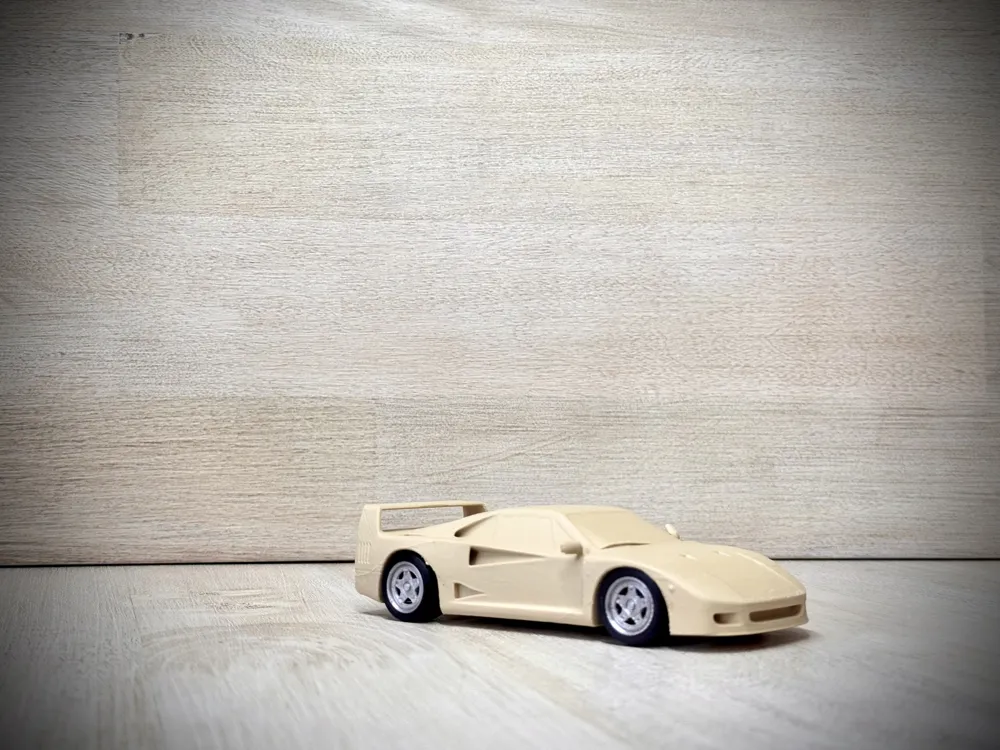
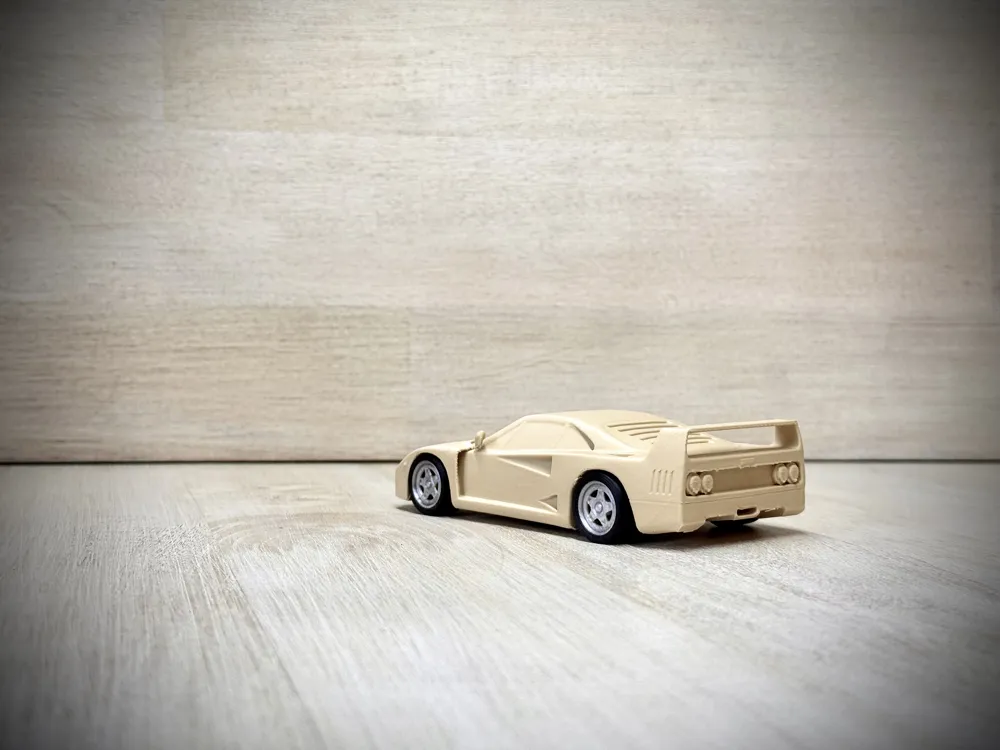
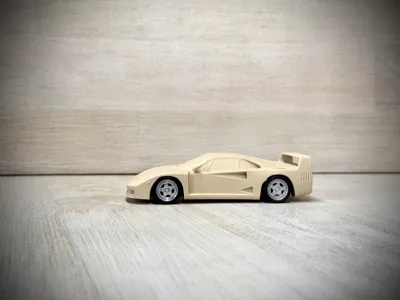
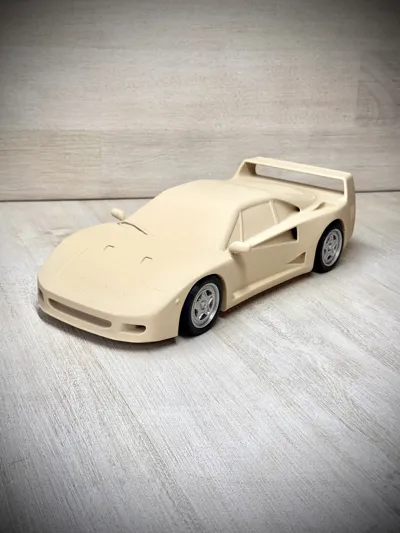
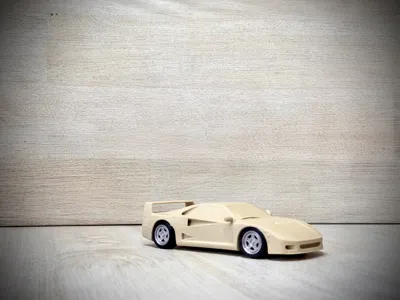
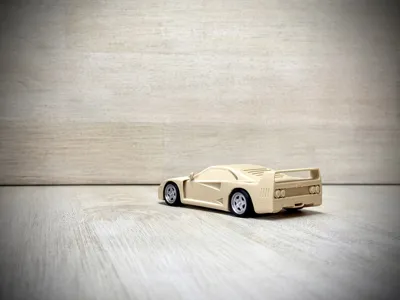
Ferrari F40 Car model!
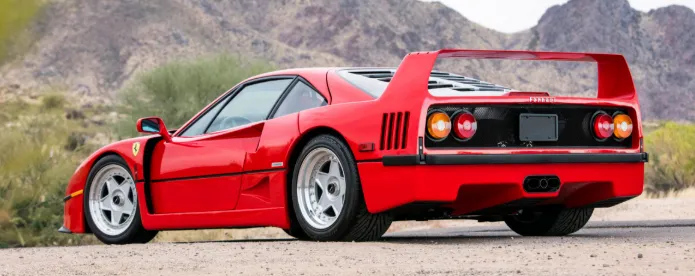
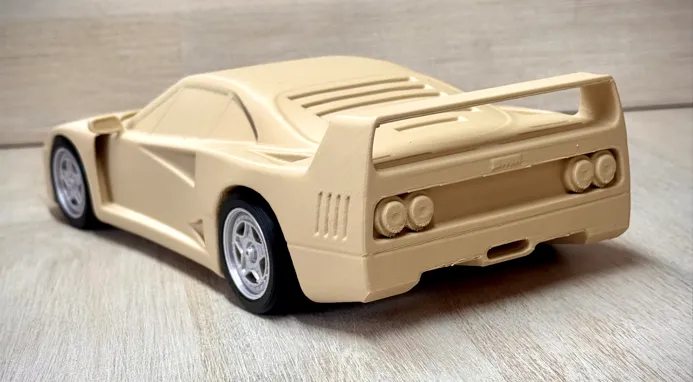
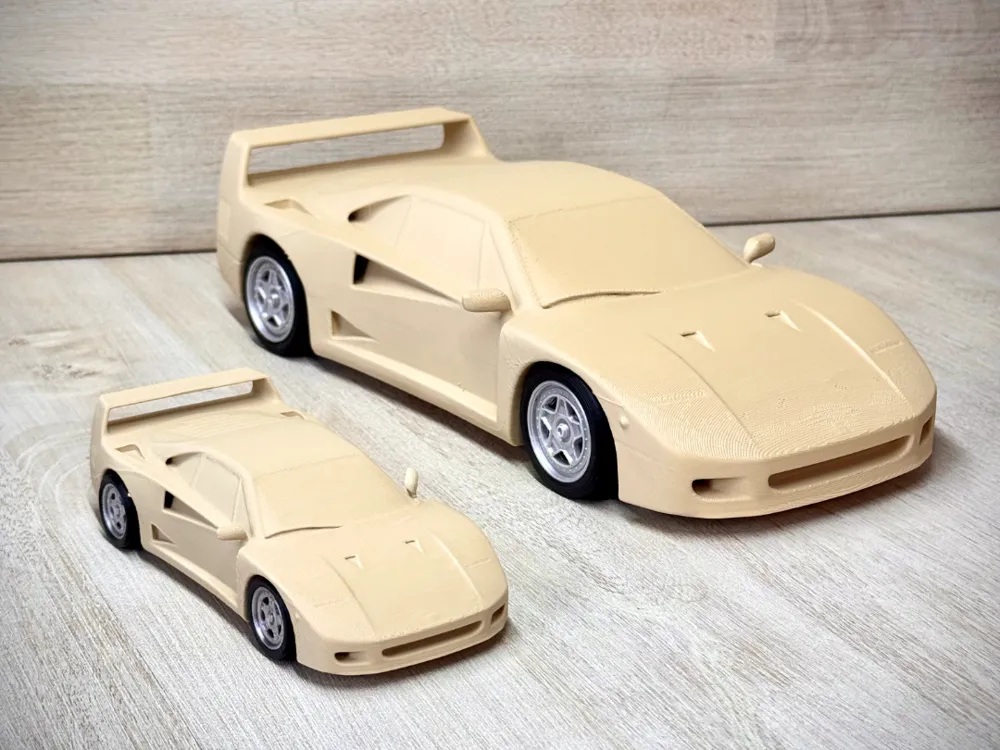
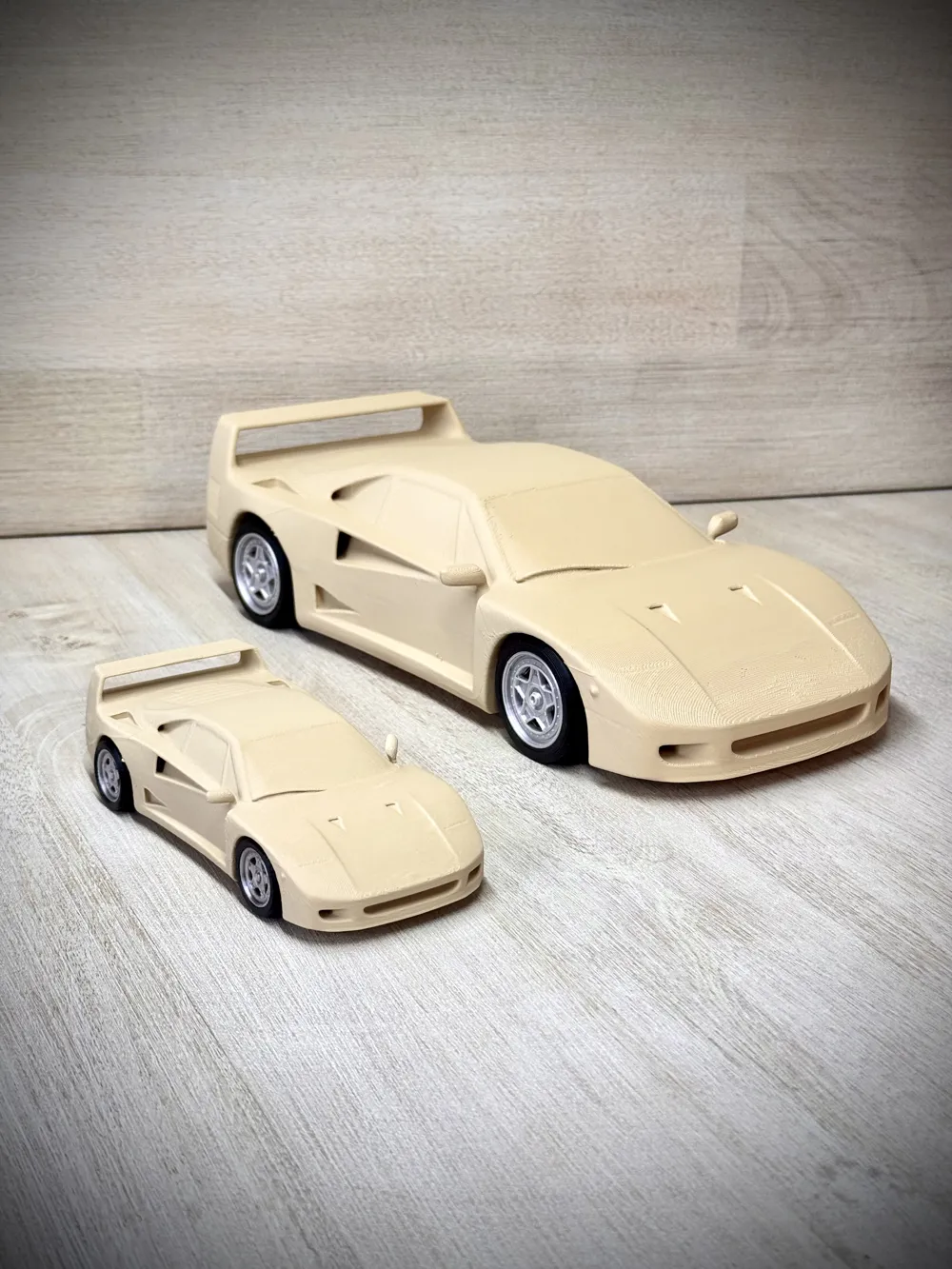
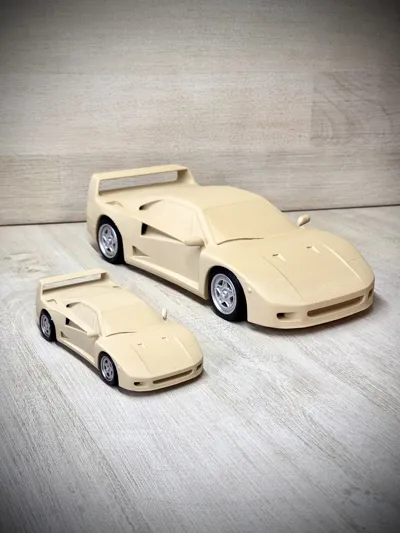
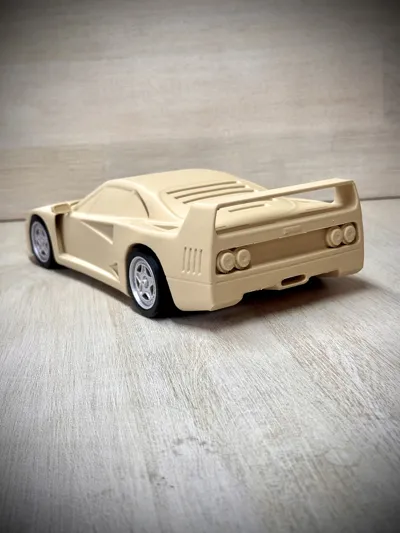
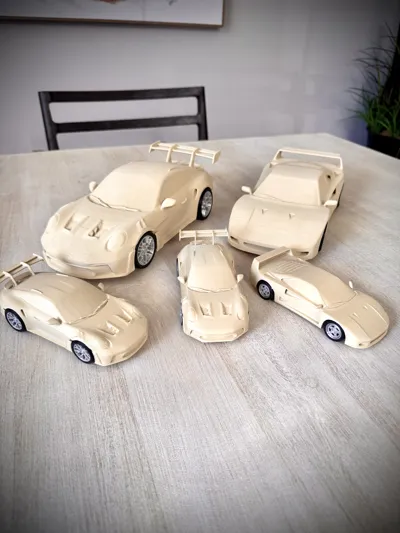
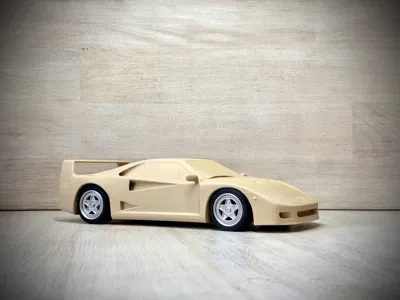
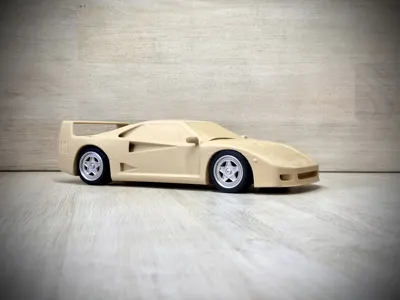
Continuing my small ca model collection of prints with this legendary (and my all-time favorite!) Ferrari F40! I mean.. who DOESN"T love an old-school, twin-turbo V8, raw , wannabe “street car” ?? With a Small & Large Version all in 1 upload!
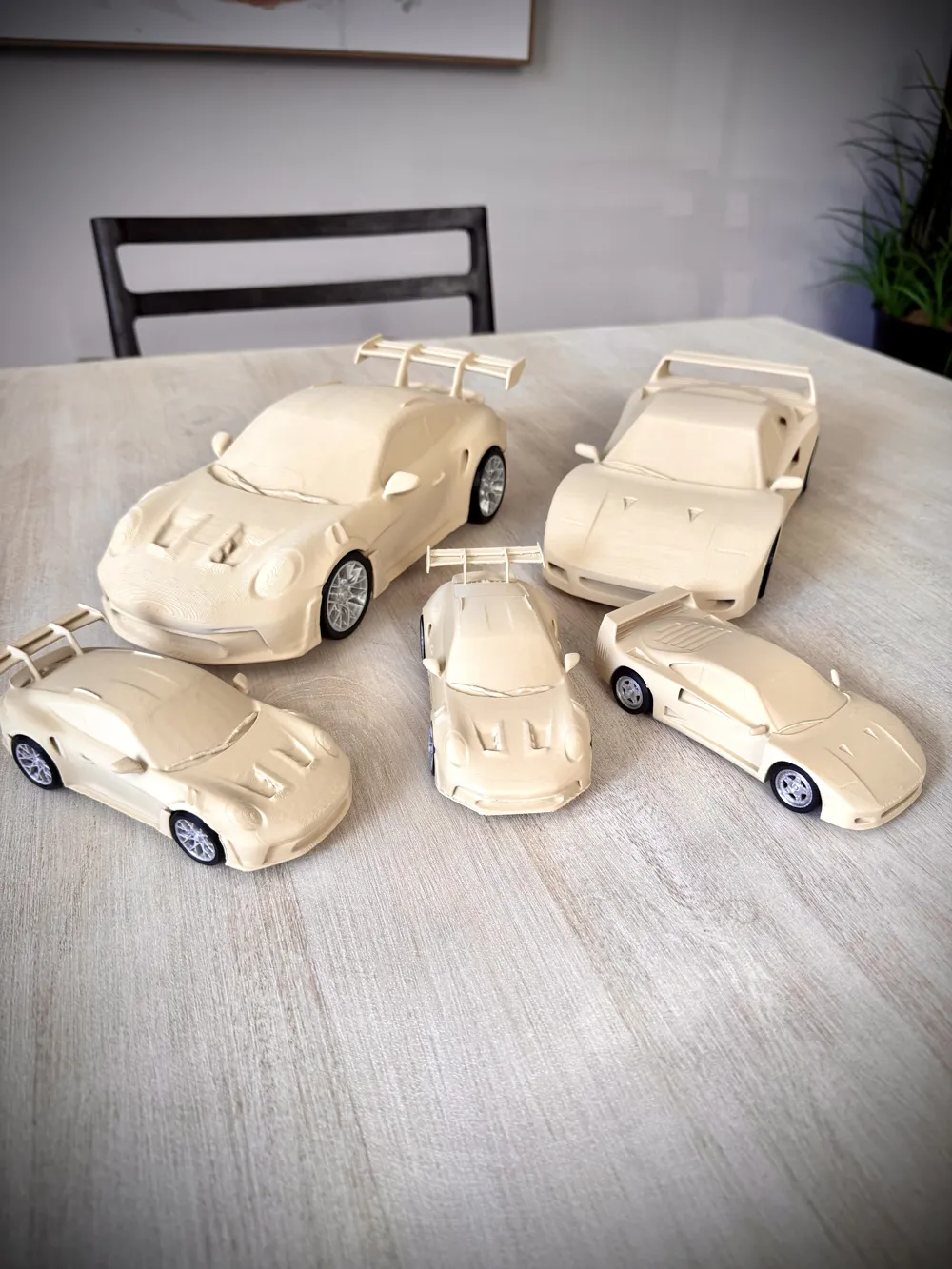
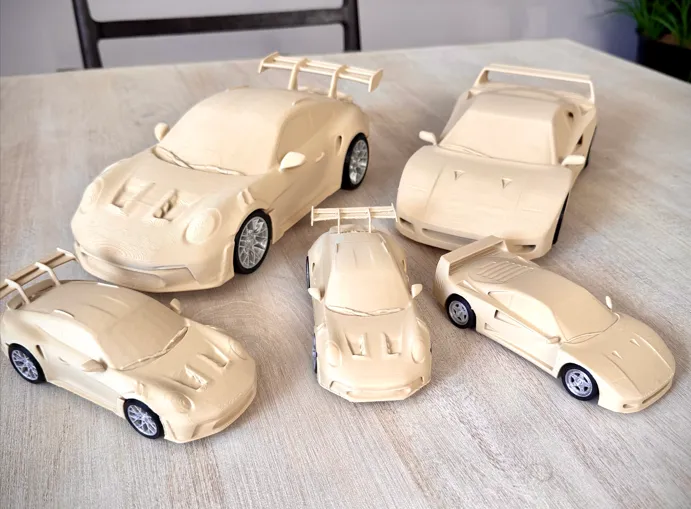
This is a small spin-off project from my recently added Supra Collection ( https://makerworld.com/en/models/1646284-toyota-supra-turbo-model-car-set-with-mods#profileId-1740049 ). I still have quite a number of cars from my Layered Car models that I've done in the past that I think would look fantastic in a full print! ( https://makerworld.com/en/collections/6642322-layered-car-art-collection )
Drop me a comment and let me know which car model you would like to see made not just layered, but in a full car print!
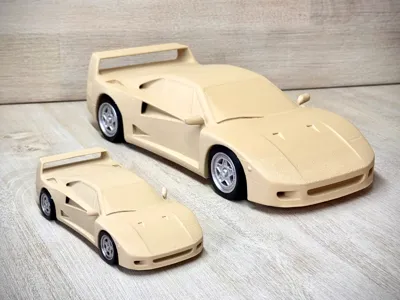
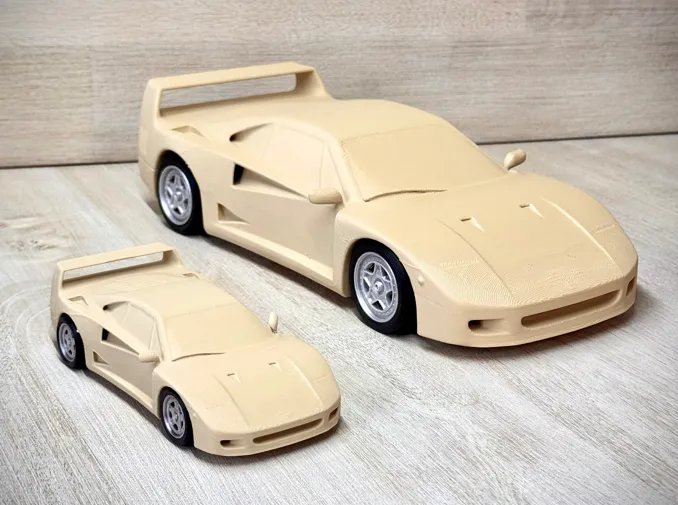
The larger model is scaled to (almost 200% , ~195 for the X1C/P1S user (H2D/S Users can go full 200% AND more!) double the size, so just print the profile you want!
Size
The size 100% scale size of the finished print is approximately 150mm (5.9in) length x 60mm (2.36in) width and 40mm (1.57 in) height. This is slightly smaller than a standard 1:24 scale size. Please keep in mind that these profiles are VERY easily scalable, so if you need to make a larger model, just scale all the parts the same.
The larger size, as noted, is approximately twice as big, and prints just as easily!
Assembly
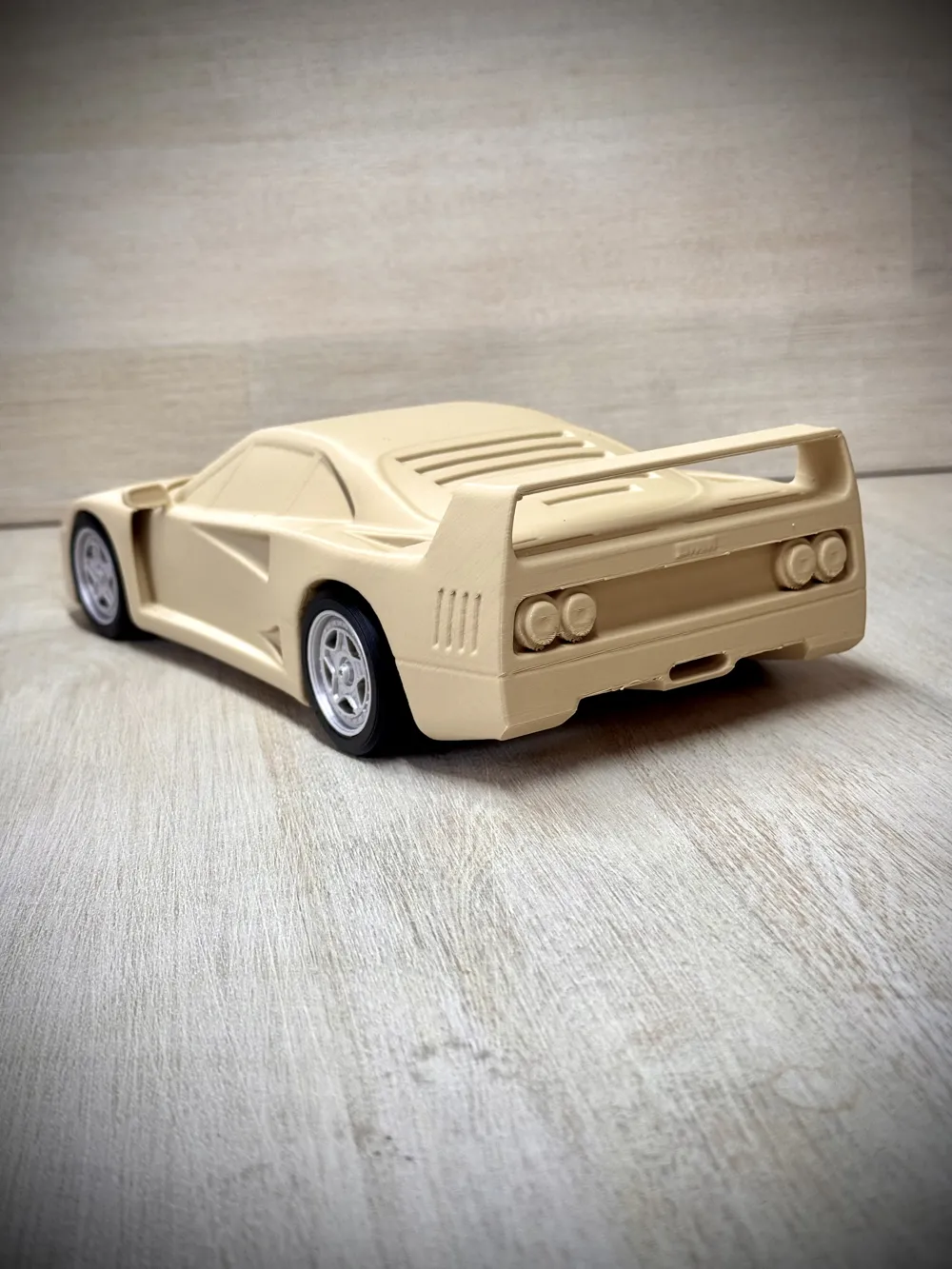
The assembly process is very straightforward with only a couple of things to look out for. The print profile includes a few things: The body of the car (made in one-piece print for a no-seam/glue model), 4 tires (if you care to pay attention to the detail there are 2 left and 2 right tires), and one set of wheels (more to come as I expand the collection)
Start by carefully removing the supports. Most should come off just fine, but at times I found myself using a pick to get to the ones inside of wheel wells. I then recommend using a razor blade (carefully) to remove any support material build-up in the wheel wells and back of model, particularly at the bottom of the rear bumper, top of the license plate cutout, and under the spoiler.
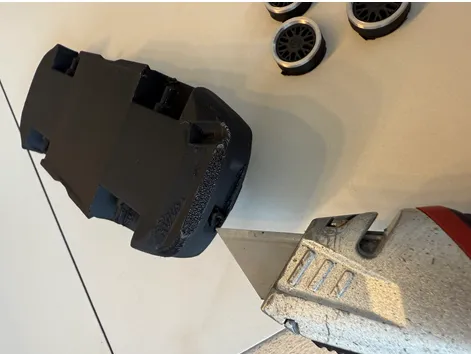
The most important part is to slightly cut down the wheel spindles area that droops down at the support. This will ensure that you don’t have too hard of a time pushing on the wheels (and risk breaking the wheel and/or spindle). I recommend shaving it down a little, and testing the wheel, and shaving again if needed in a couple of passes. The wheels should be firm to press on, but not feel like you will break the spindle. Due to various filament properties I have settled on wheel cutout size that should work in any filament, but may take a little more shaving for a good, snug fit.
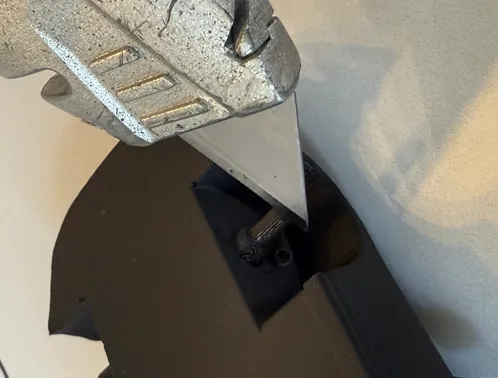
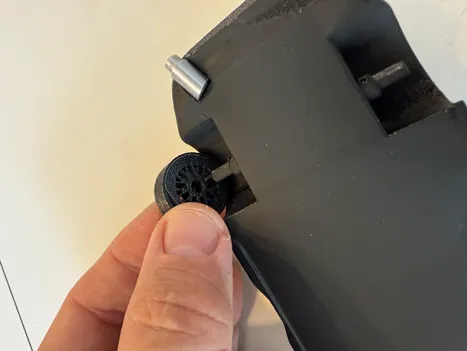
Once you have shaved the spindle down, press the tires onto the wheels, and install the wheels to the spindles. Make sure to properly align all wheels in the same orientation.
The Background
I am a huge gear-head and for the past 21 years have been fortunate enough to own my dream car: a 1995 Toyota Supra Turbo. I have spent countless hours wrenching on my car, and absolutely love anything automotive. I have also spent my fair share of time building 1:18 and 1:24 scale model cars, as well as collect die-cast models to display in my office. When I first saw these Layered Sculpture car models pop up I realized that this was my chance to put a number of my hobbies all into 1 exercise! Between my 3d Scanning, Meshmixer & blender modelling & finding available STL files online a 3 week journey began!
The Process
These sliced/layered car models follow a very straight forward, basic process.. but it all starts with a base STL file of the car model to make. There are a few options when it comes to this: 1) Find an already-created STL file of the model you want that has the appropriate licensing to remix the model. 2) Use software, like Blender or MeshMixer, to create your own base STL file using reference images, or 3) Use a 3d scanner on your existing collection of models.
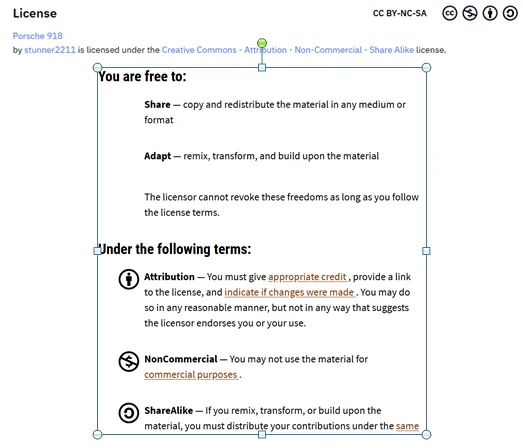
#1 is self explanatory and straightforward, make sure you’re giving the proper attribution credit where credit is due. All of my files have referenced licensing tagged for all the artist whos models I have remixed.
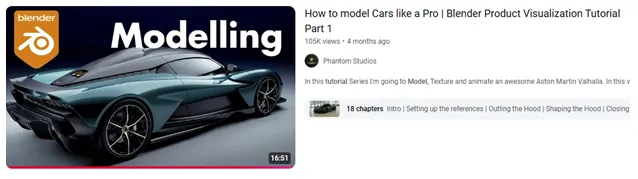
#2 is a bit more involved and I am only in the early stages of learning blender to build models from scratch, I will skip over any details here as there are plenty online tutorial demonstrating how this is done.
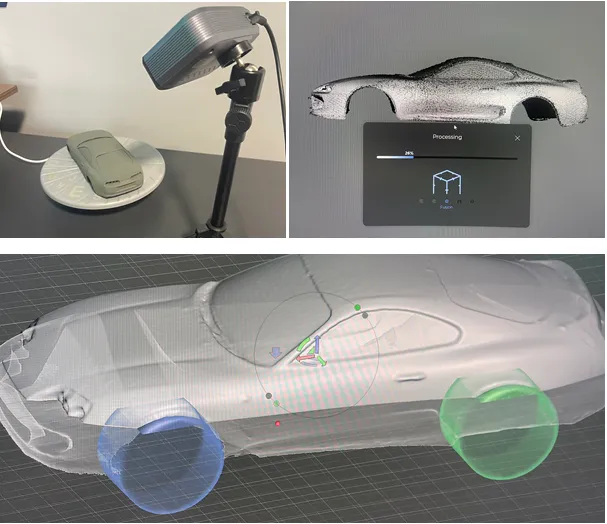
#3 is the fun one for me since I get to use my 3D scanner and sample my own models on hand. Since these layered models are heavily sliced, you don’t need intricate details in the base STL models. After doing a quick 3D scan and cleaning up of the initial STL file, I then bring it into Meshmixer where I manipulate the model and close off any open surfaces, correct any large overhands, and ensure that the model could then be properly sliced and printed without having to have supports everywhere. This process is also quite time consuming, but after making 70 different models I have gotten a pretty good hang at finding the trouble areas and correcting them quicker than I was at the start of the process.
Thank you for visiting my page and taking the time to print my models. Your support is truly appreciated. I never expected to have so many people following me and fueling my passion for creating the models that I create!
License

You shall not share, sub-license, sell, rent, host, transfer, or distribute in any way the digital or 3D printed versions of this object, nor any other derivative work of this object in its digital or physical format (including - but not limited to - remixes of this object, and hosting on other digital platforms). The objects may not be used without permission in any way whatsoever in which you charge money, or collect fees.


Comment & Rating (15)