

Print Profile(1)

Description
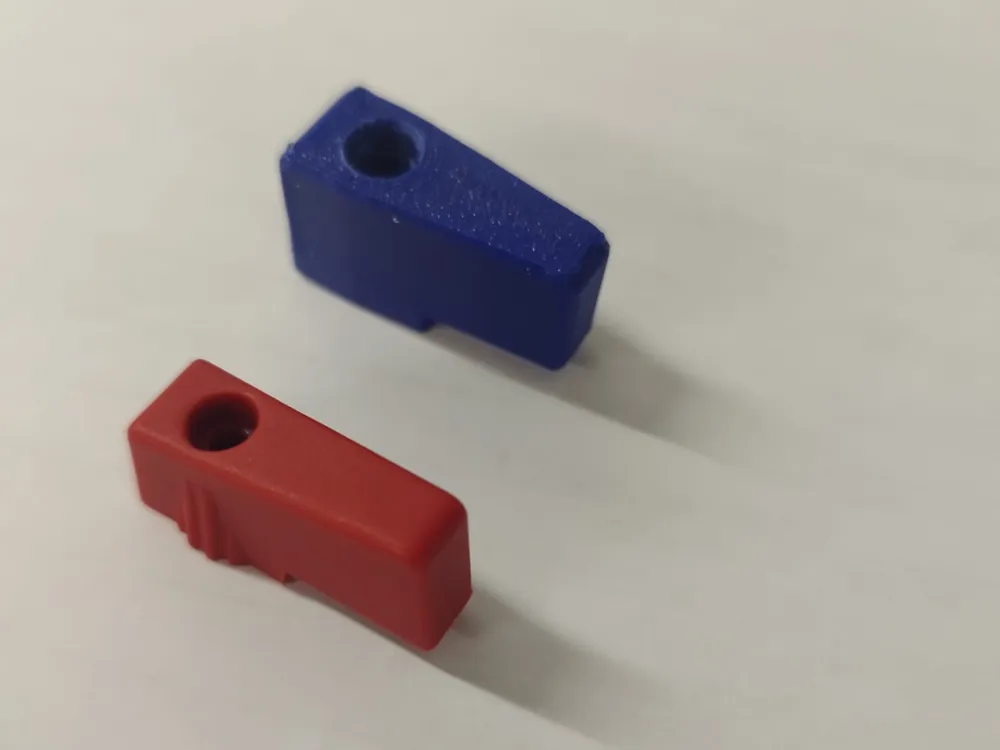
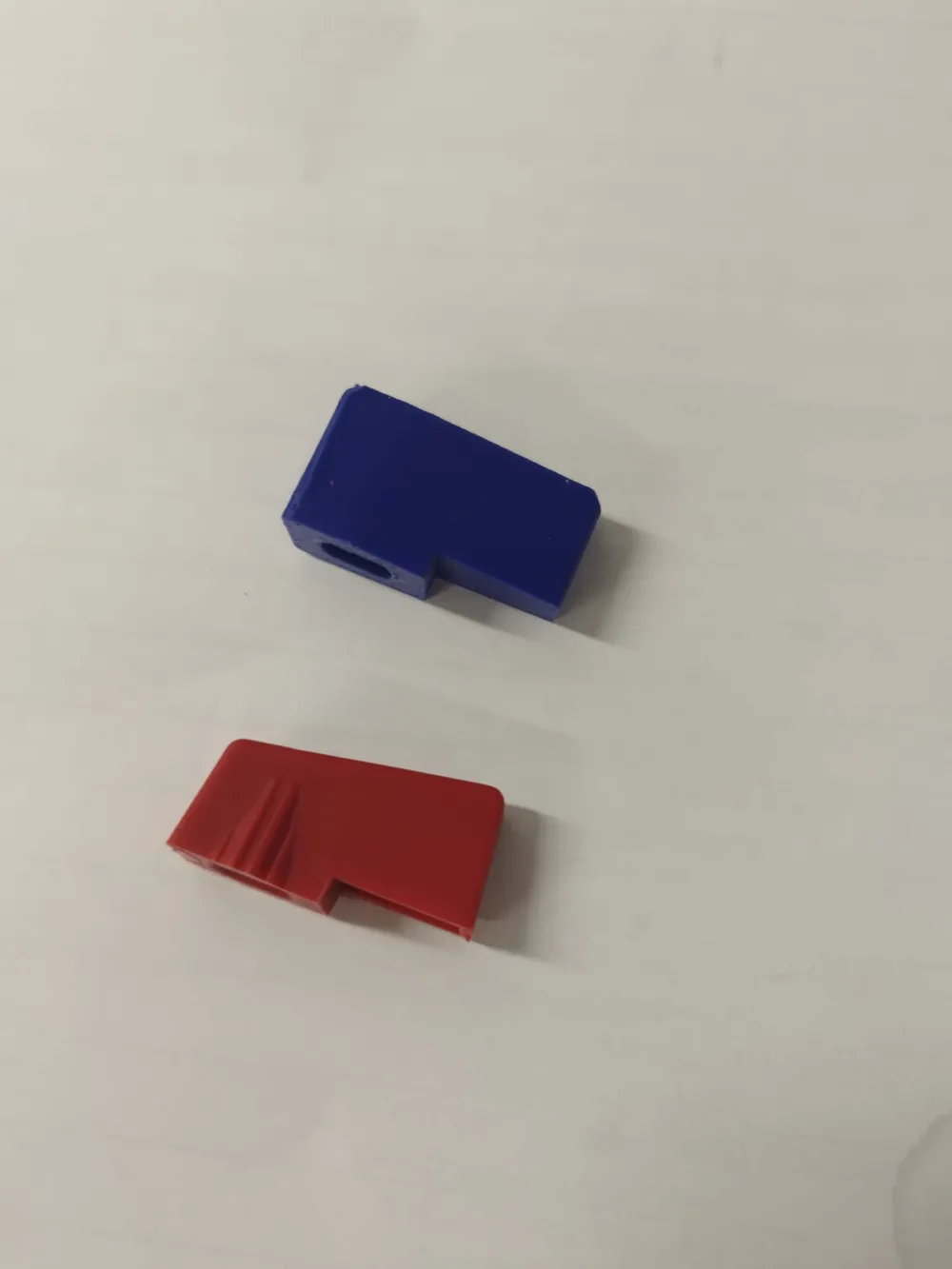
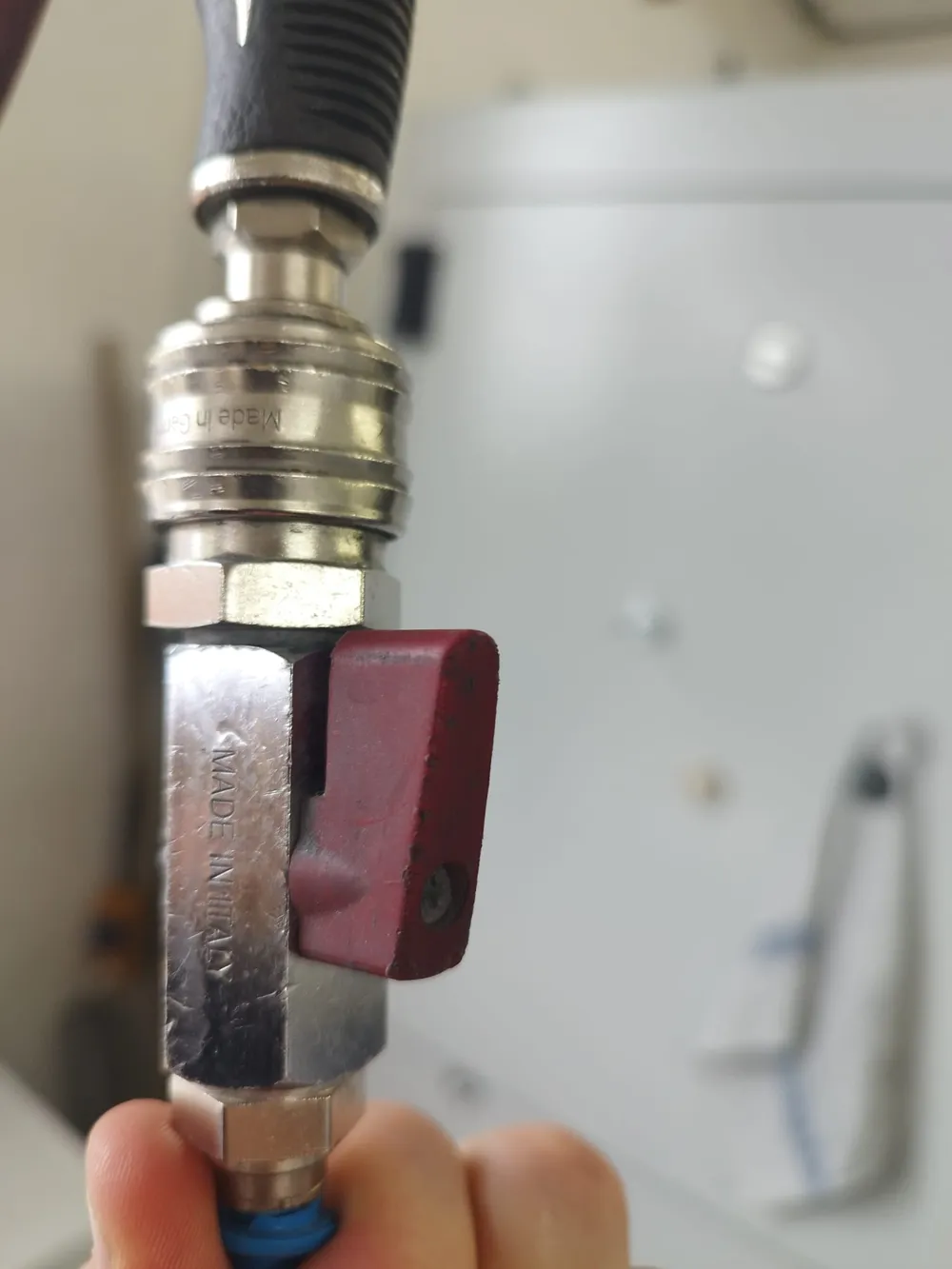
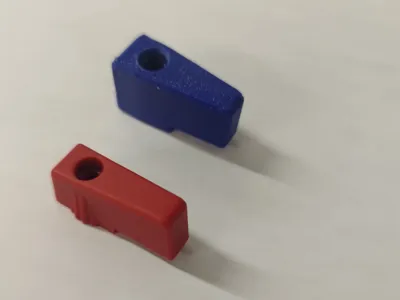
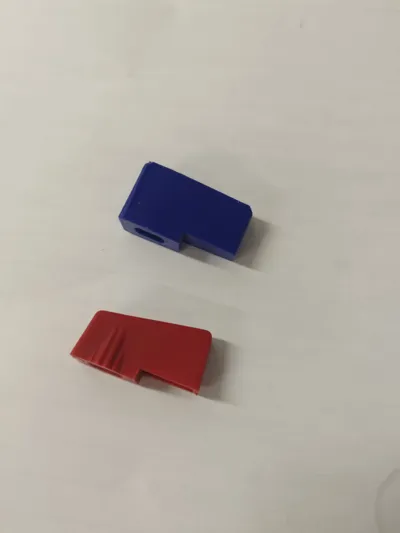
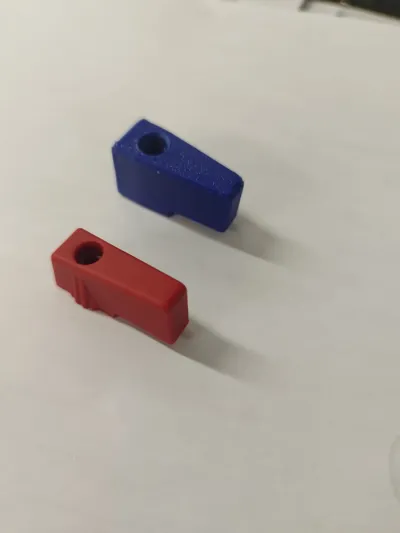
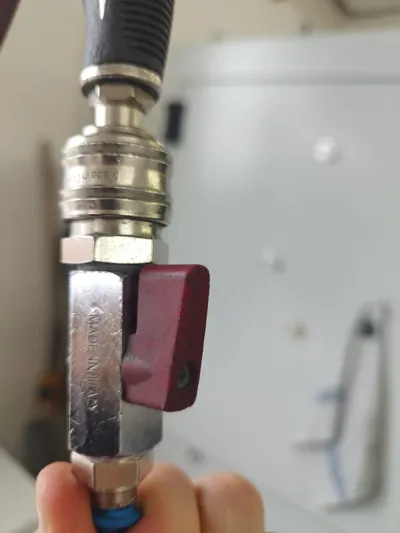
Project Description: Self-Designed 3D Printed Handle for Valve/Faucet
1. Introduction:
This project describes the development and manufacturing of an ergonomic handle for a standard valve or faucet using 3D printing. The goal was to replace a defective or impractical original handle or to improve usability (e.g., with wet hands or limited hand mobility).
2. Design:
The design was created using CAD software (e.g., Fusion 360, Tinkercad, or FreeCAD). The handle was designed to fit precisely onto the existing valve stem or be screwed on. Special attention was paid to the following points:
- Ergonomics: Grippy, non-slip shape with rounded edges for comfortable operation.
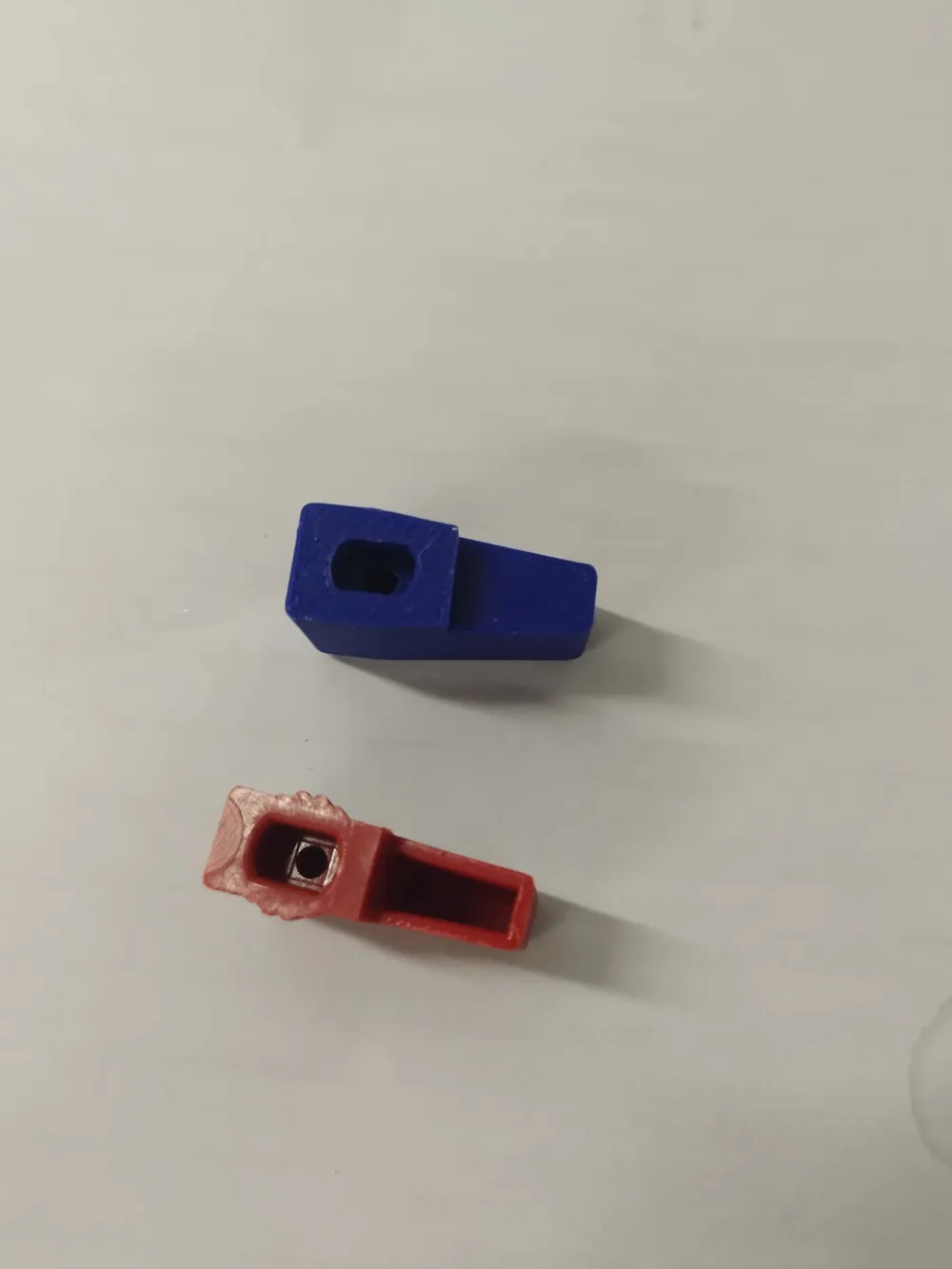
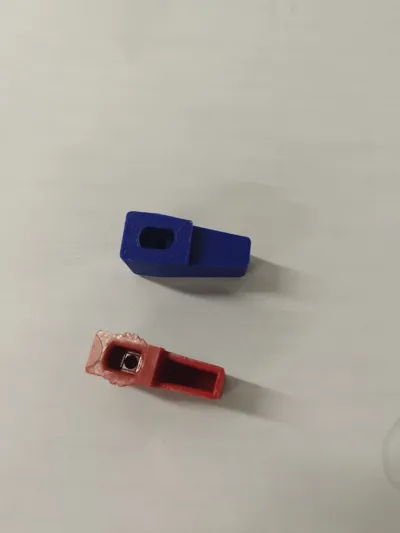
- Compatibility: The inner diameter and mounting of the handle were adapted to the respective valve model.
- Assembly: Depending on the design, the handle can be pushed on, screwed on, or fixed with a grub screw.
3. Material and Print Settings:
The handle was printed from PETG due to its good mechanical properties, heat resistance, and water resistance. Alternatively, prints from ABS or ASA are also possible.
Recommended print parameters:
- Layer height: 0.2 mm
- Infill: 40–60% (depending on load)
- Wall thickness: min. 2 mm
- Support structure: if necessary (e.g., for complex geometry)
4. Post-processing and Assembly:
After printing, any support structures were removed and contact surfaces were lightly deburred. The handle was then connected to the valve and checked for a secure fit. Optionally, a stainless steel screw can be used for fixation to increase durability.
5. Application:
The handle is suitable for indoor and outdoor applications (e.g., garden faucets, heating valves, workshop connections, etc.) and can be individually adapted or scaled. If required, versions with an extended lever arm for increased power transmission can also be designed.
6. Notes:
- Not tested for drinking water approvals.
- Regular inspection for material fatigue recommended.
- For strong UV exposure, the use of UV-resistant filament (e.g., ASA) is recommended.
Boost Me (for free)
boost me for free
Boost Me (for free)
License

Comment & Rating (6)