
The Fresno Nightcrawler - California
Print Profile(1)

Description
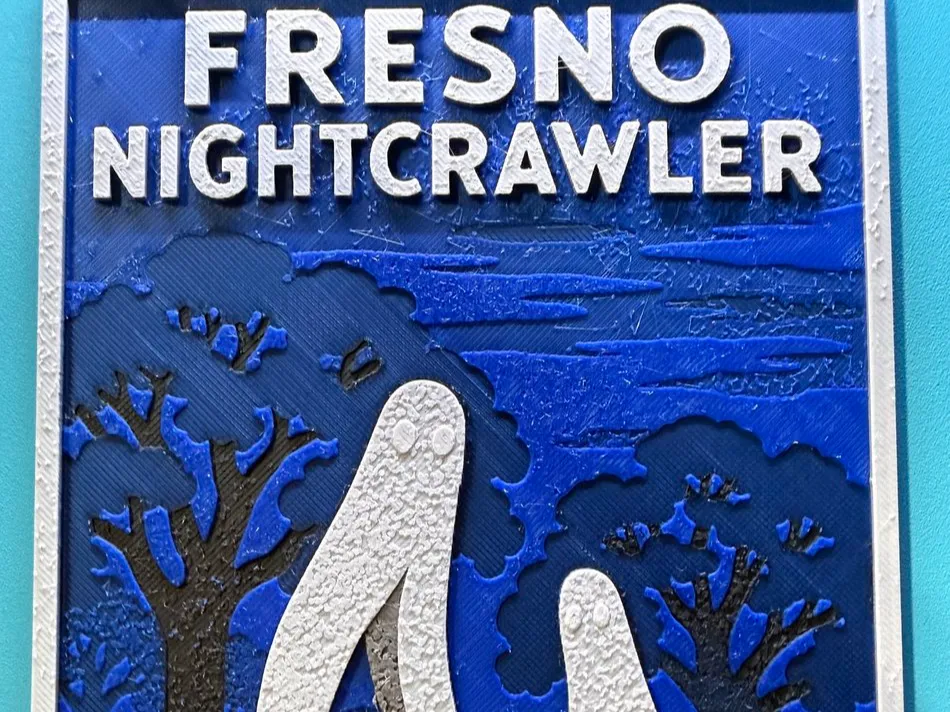
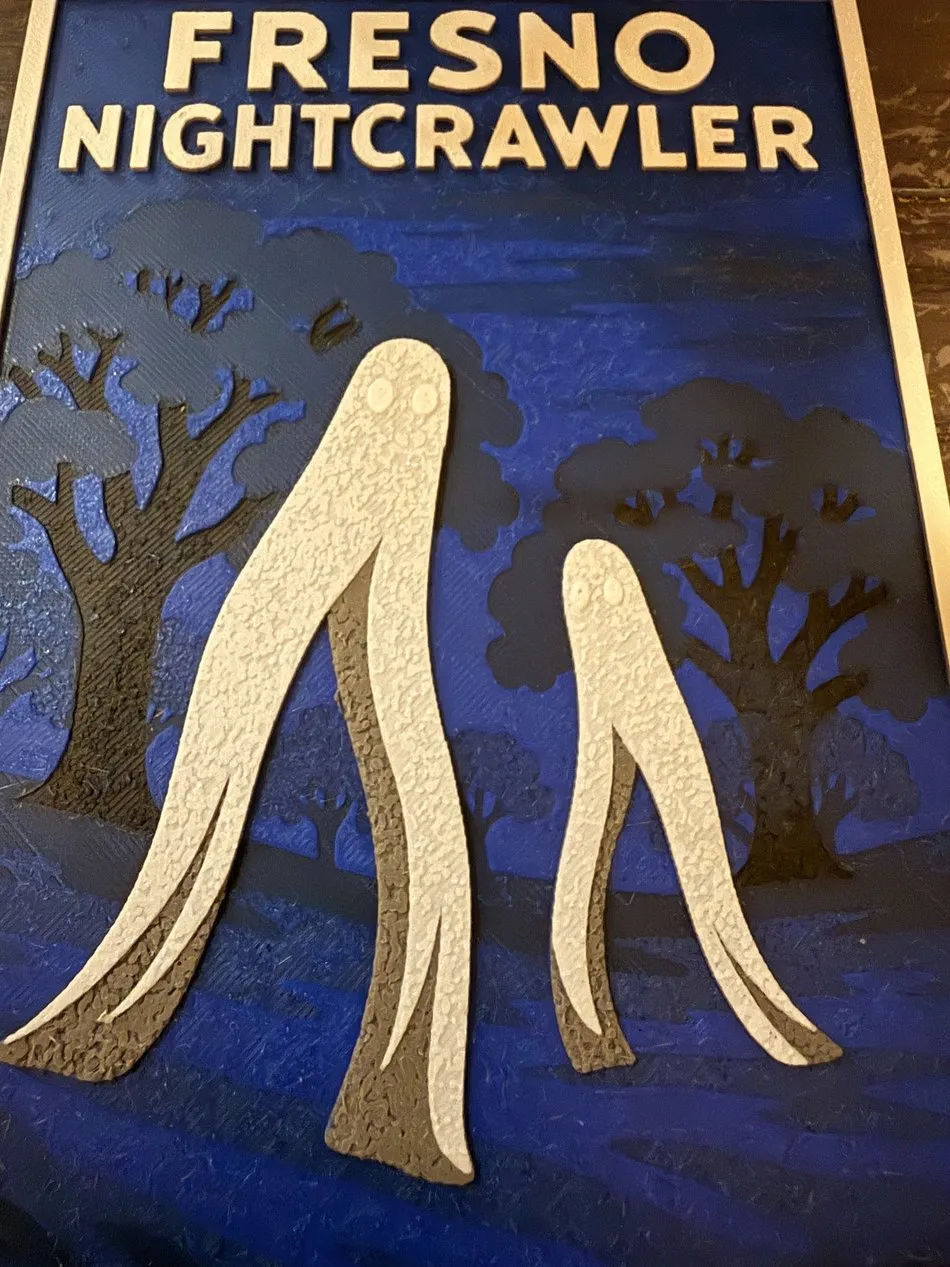
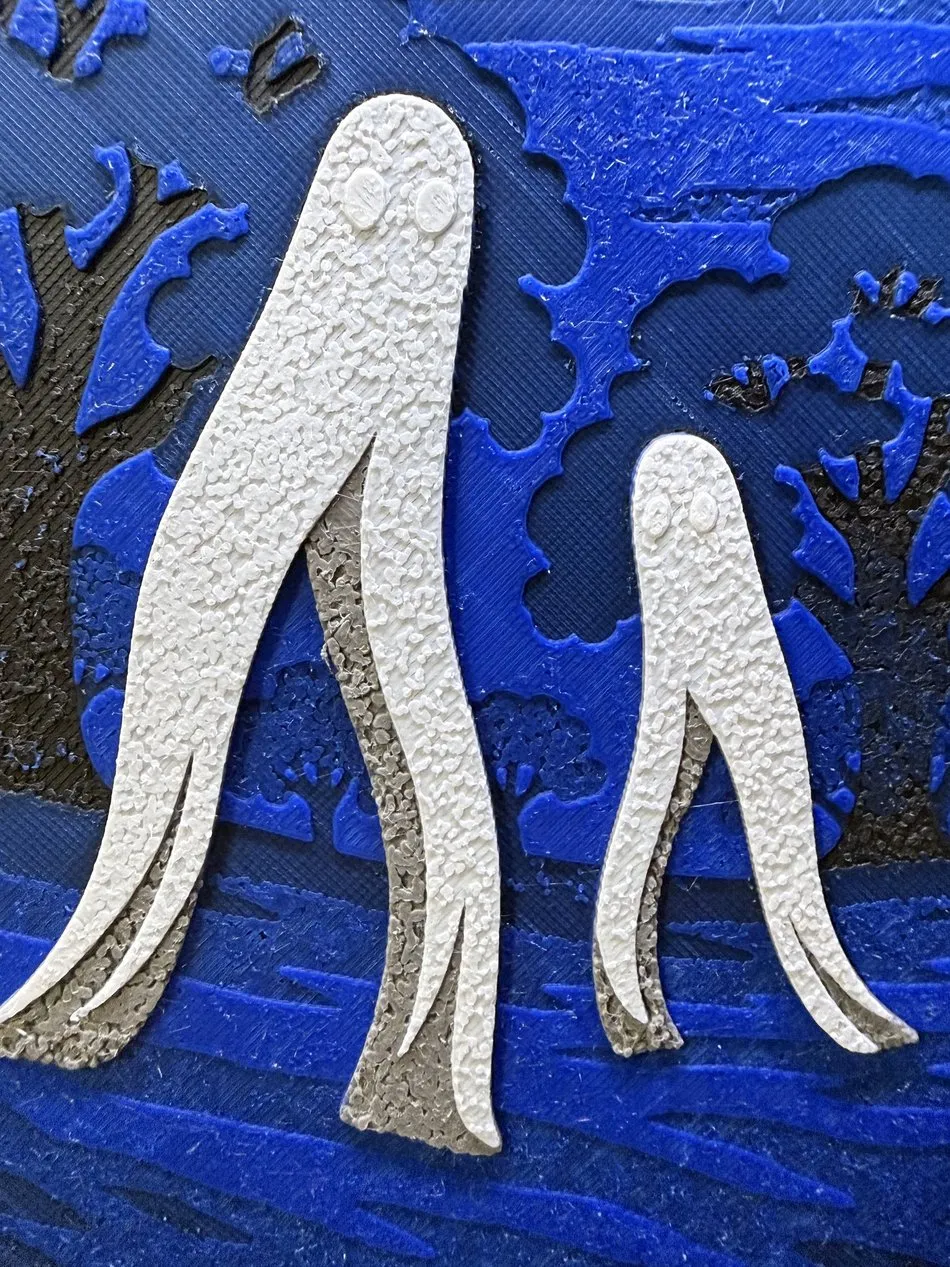
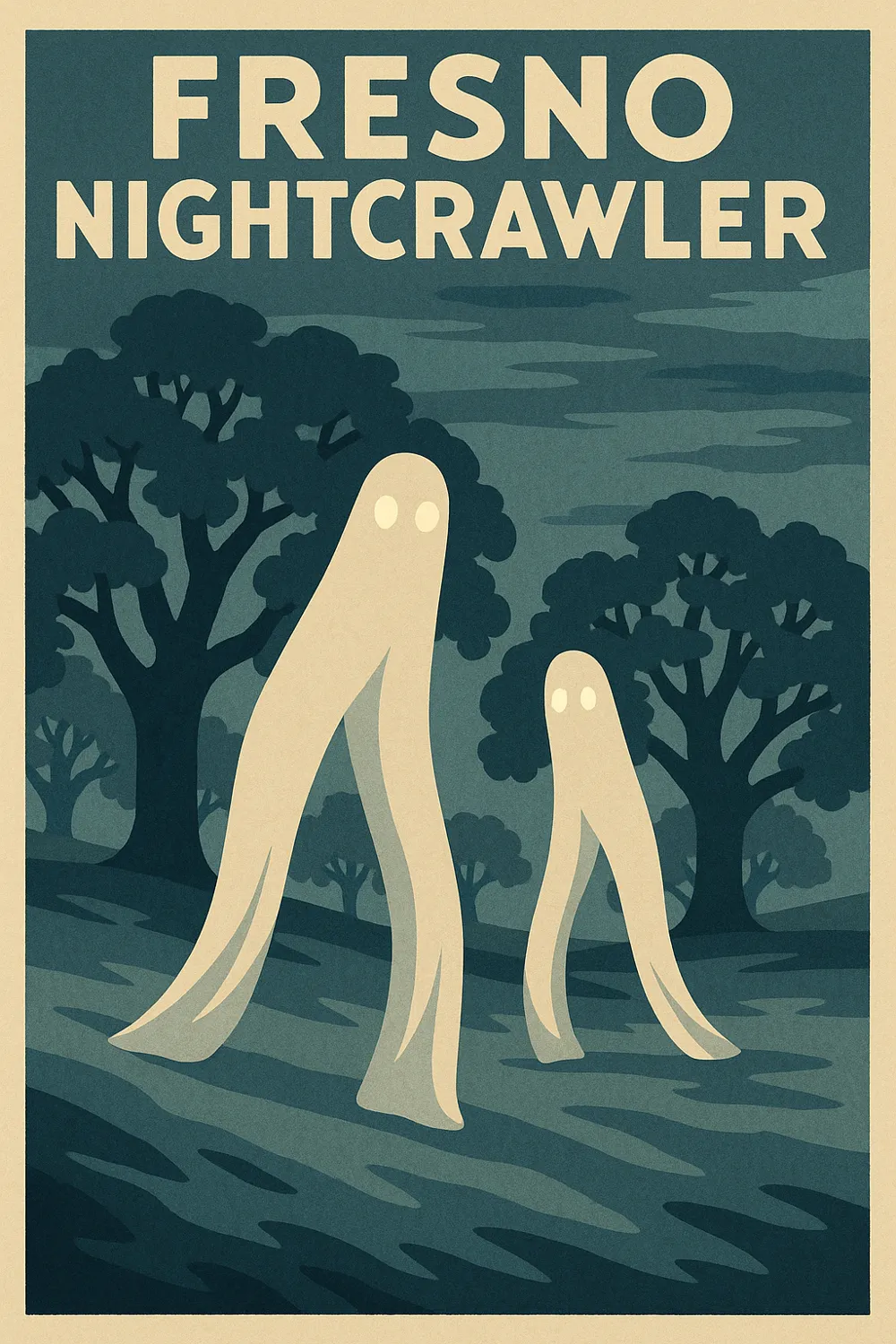
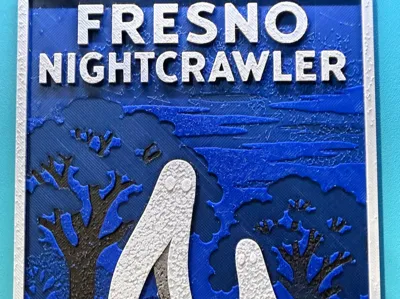
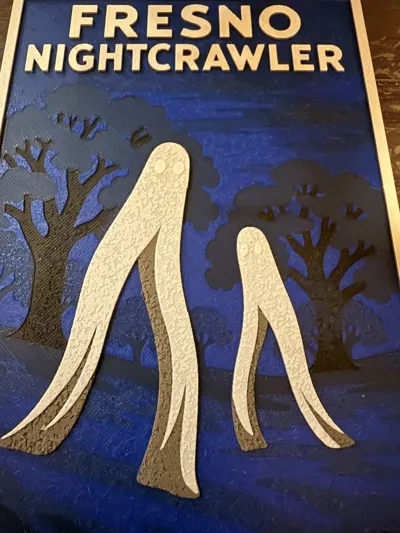
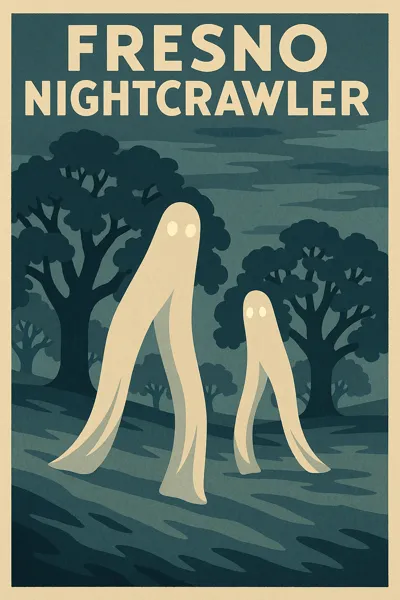
The 4th release in my WPA style cryptid series
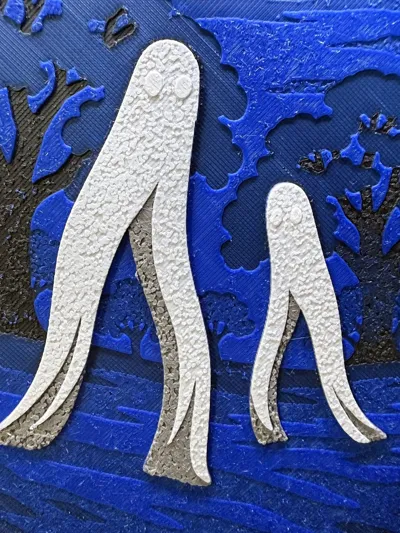
The “Fresno Nightcrawler”, a cryptid first seen in a blurry video in Fresno, California, in 2007, described as a ghostly white, two-legged figure with extremely long legs, sometimes appearing in pairs. Often compared to a pair of walking white pants, the figure lacks discernible arms or a clear head. The original video sparked an internet phenomenon, leading to speculation about its nature, from a hoax to a new species or alien. While subsequent sightings have occurred, they are generally considered less convincing, though the mystery continues to capture public imagination
Print at 100% infill with a layer height of 0.08mm with a base layer of 0.16mm
The Model is 133.33x200mm in size
You may print at higher layer heights below the Base Thickness of 0.48mm
The Max allowed Thickness is 2.48mm and the Actual Thickness is 2.16mm
#000000 PLA BambuLab Basic Black Transmission Distance: 0.6
#4c5f71 PLA BambuLab Basic Blue Gray Transmission Distance: 3
#8c969d PLA+ Numakers Light Gray Transmission Distance: 0.1
#e6e1de PLA PolyLite Pro White Transmission Distance: 5
This print uses 4 unique filaments
Swap Instructions:
Start with Black
At layer #8 (0.72mm) swap to Blue Gray
At layer #14 (1.2mm) swap to Light Gray
At layer #21 (1.76mm) swap to White for the rest.
About the WPA style:
The Work Projects Administration (WPA) Poster Collection consists of 907 posters produced from 1936 to 1943 by various branches of the WPA. Of the 2,000 WPA posters known to exist, the Library of Congress's collection of more than 900 is the largest. The posters were designed to publicize exhibits, community activities, theatrical productions, and health and educational programs in seventeen states and the District of Columbia, with the strongest representation from California, Illinois, New York, Ohio, and Pennsylvania. The results of one of the first U.S. Government programs to support the arts, the posters were added to the Library's holdings in the 1940s.
License



Comment & Rating (2)