
cctv upgrade
Print Profile(1)

Description
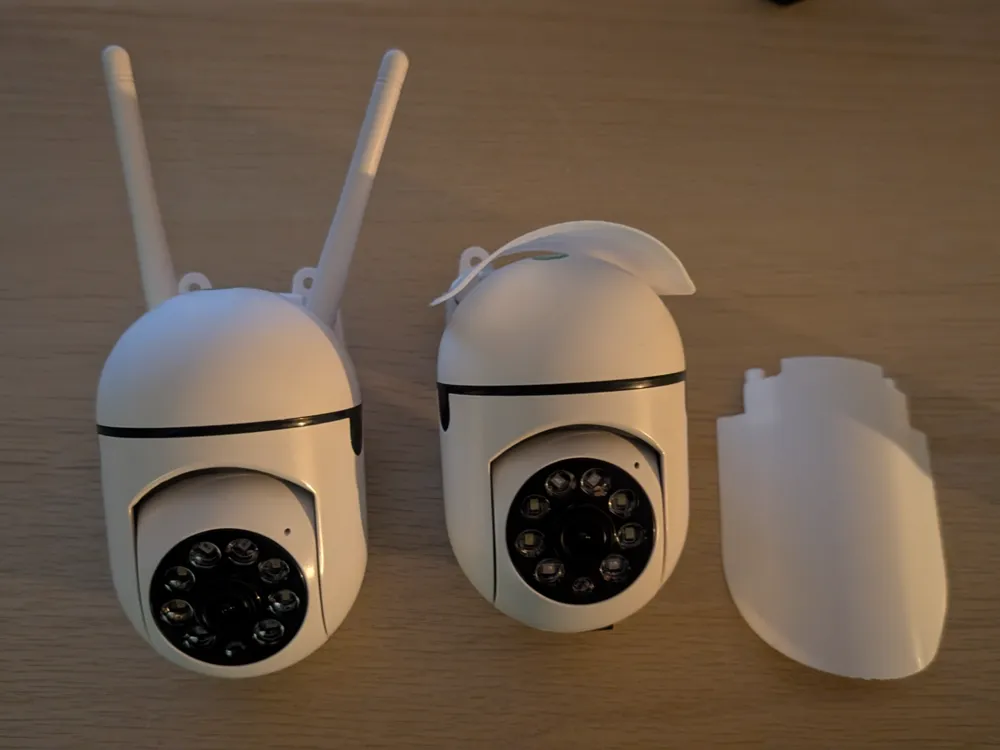
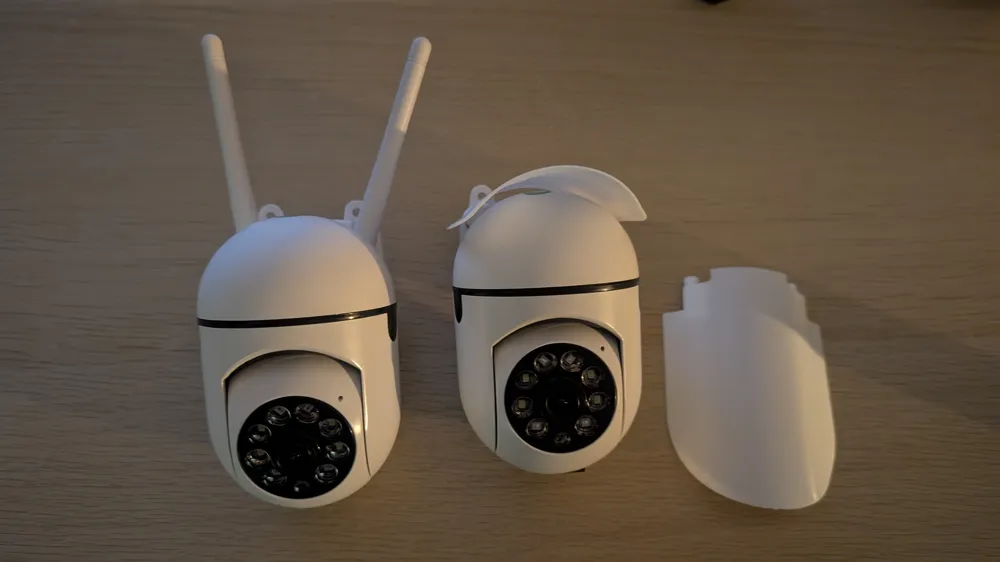
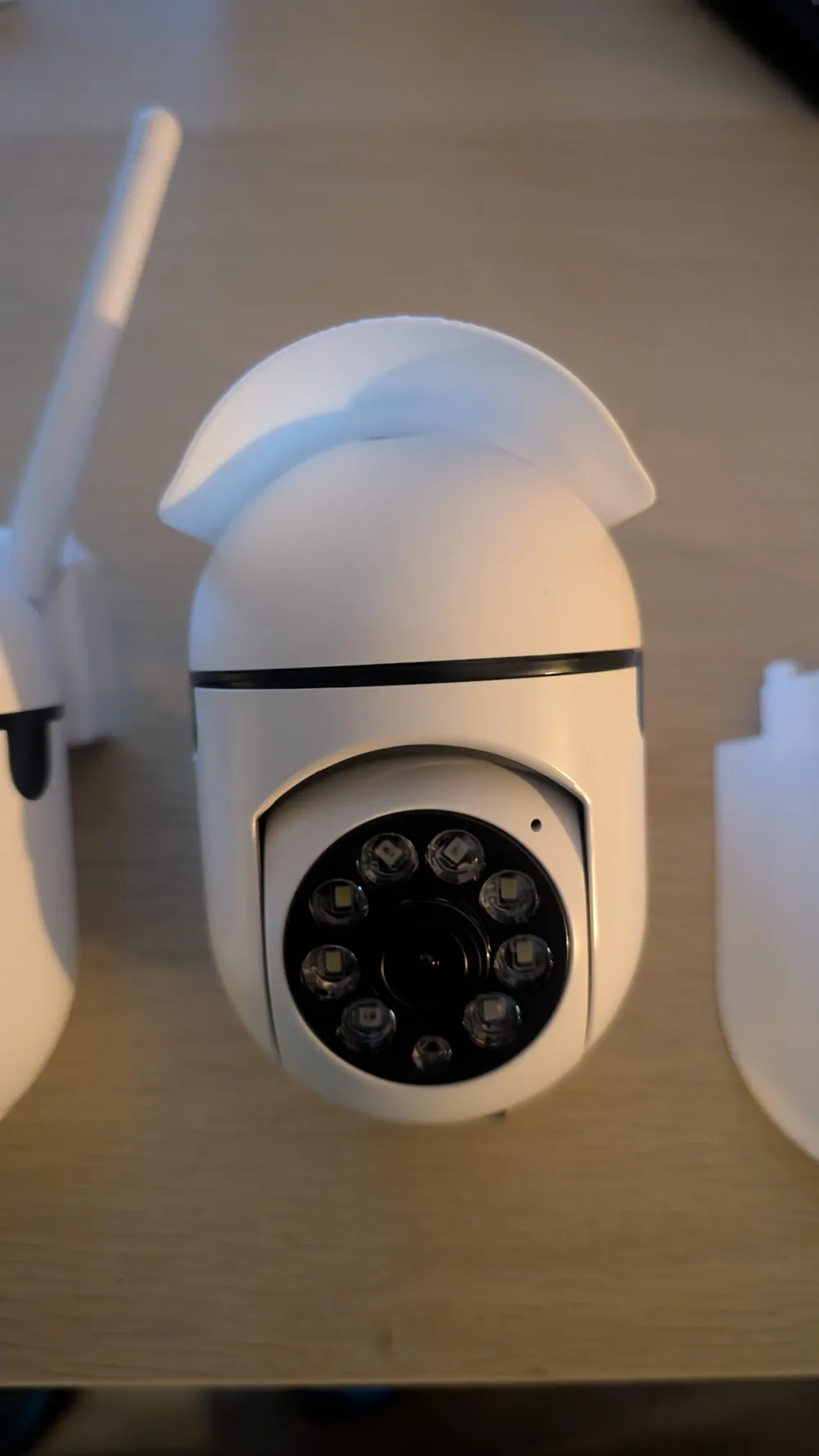
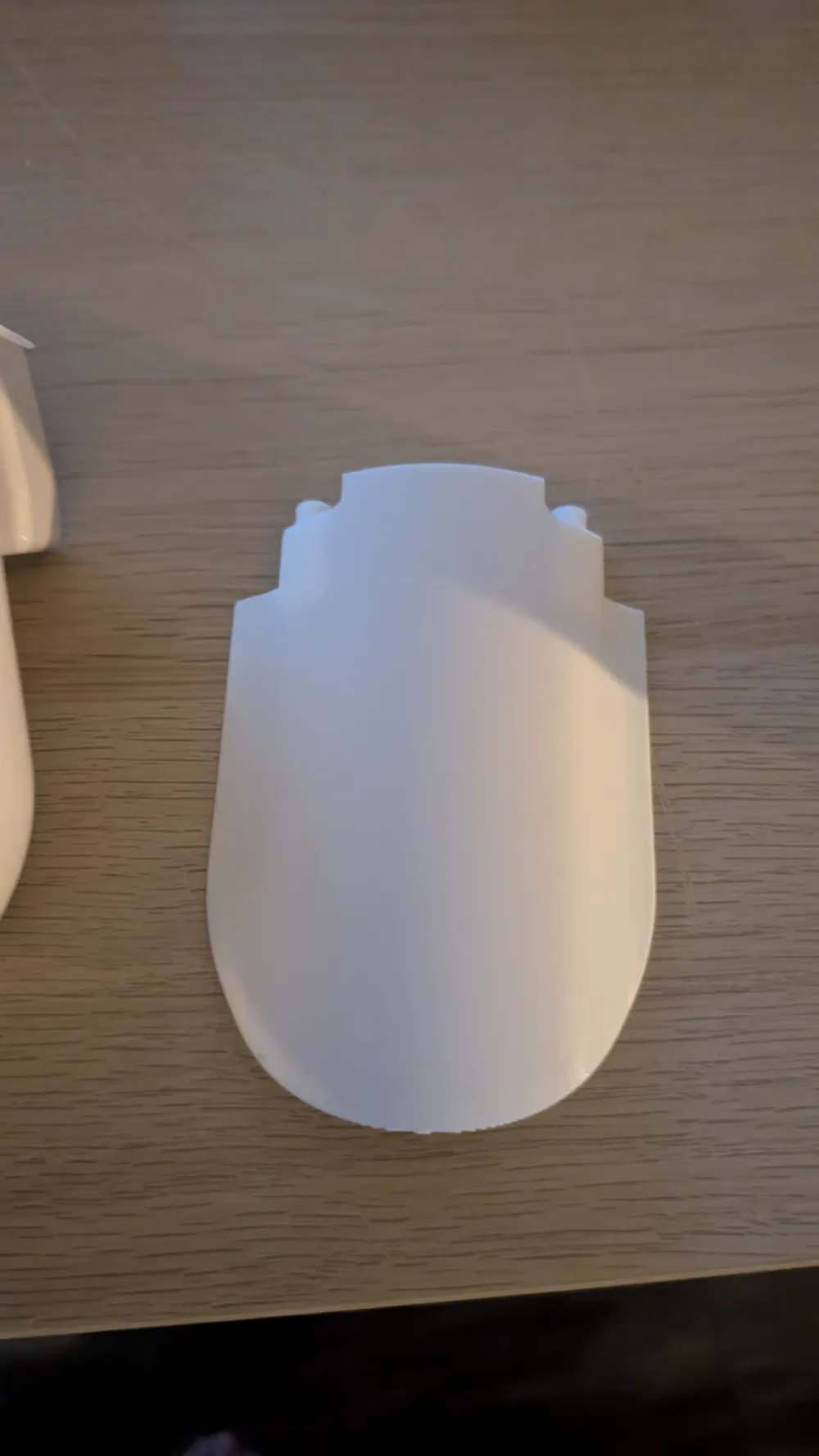
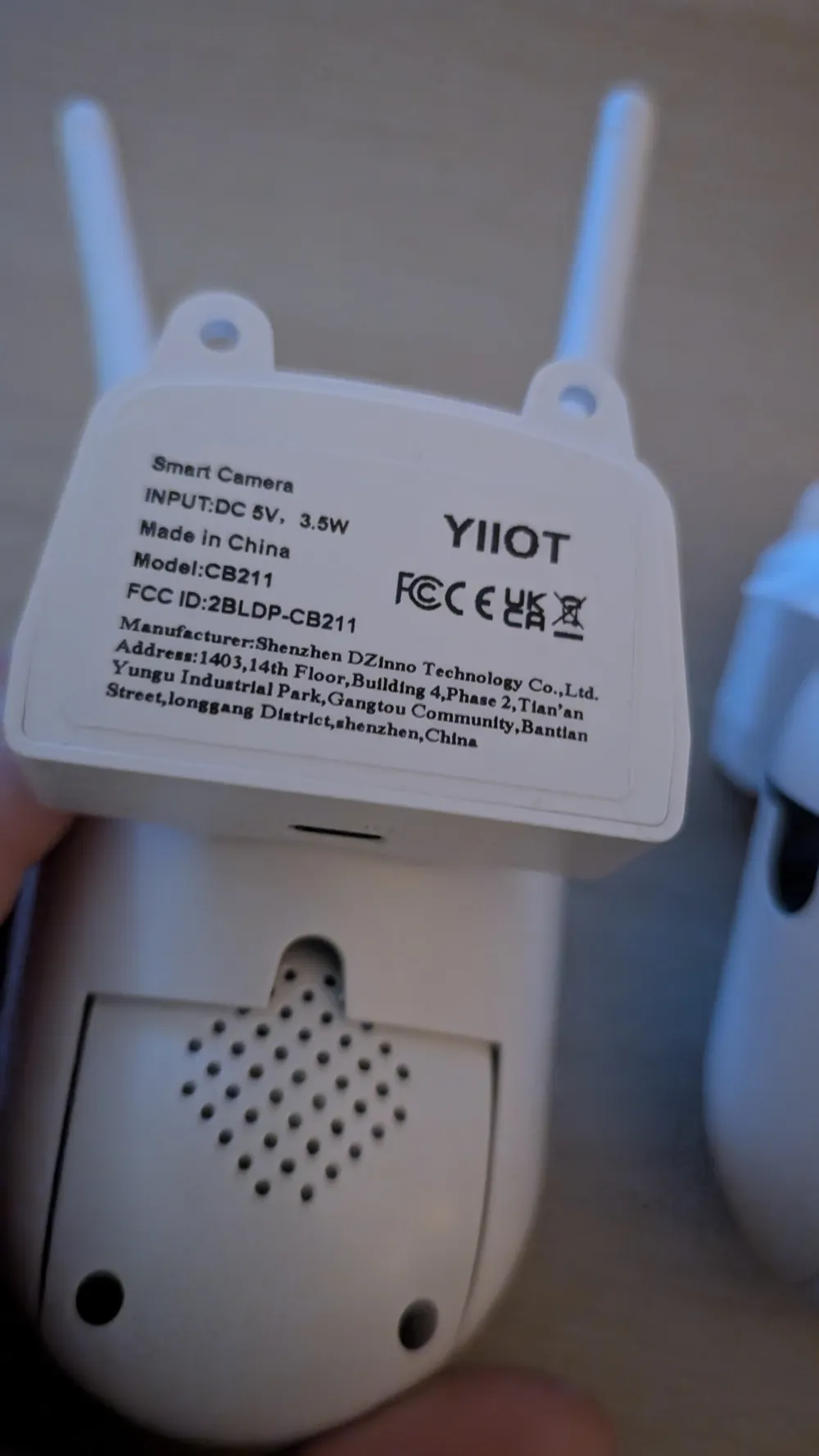
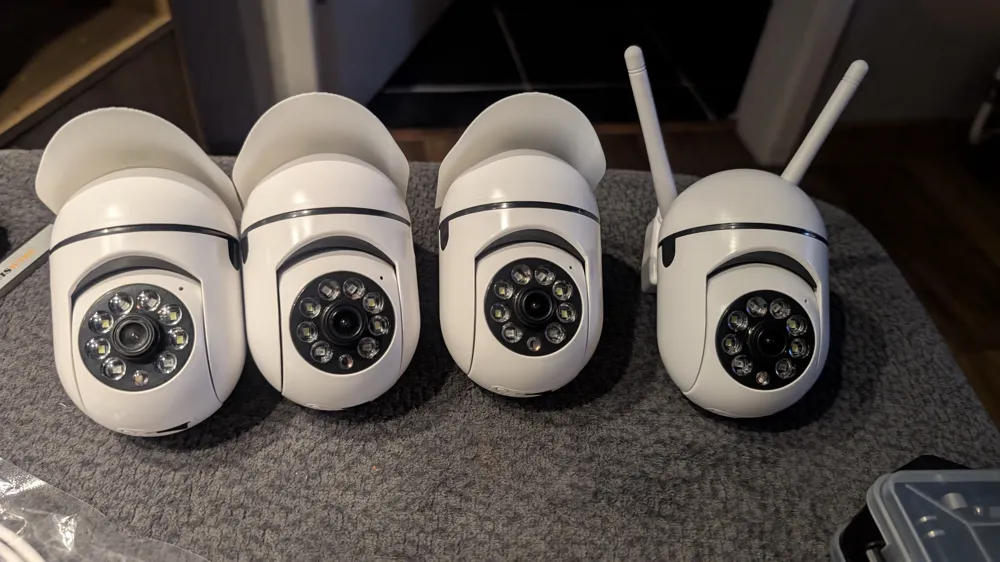
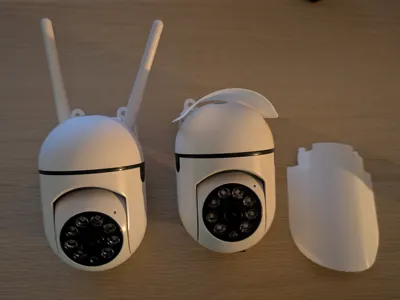
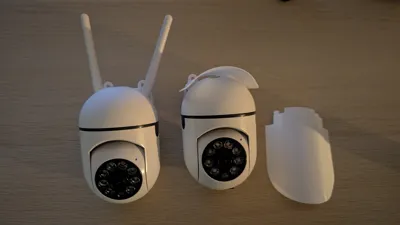
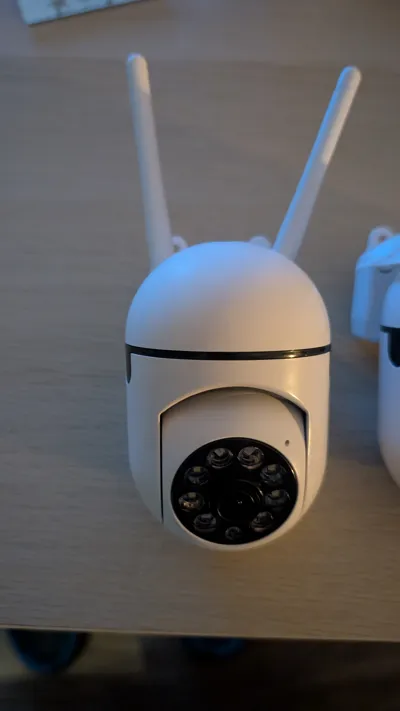
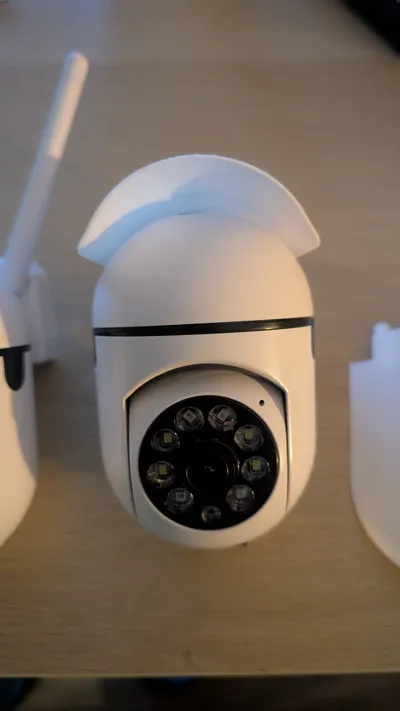
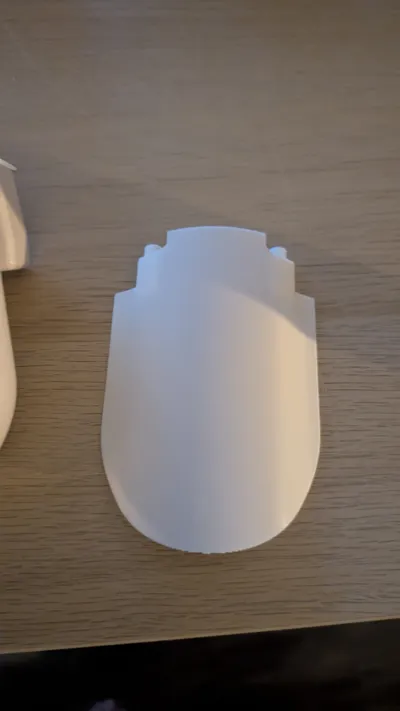
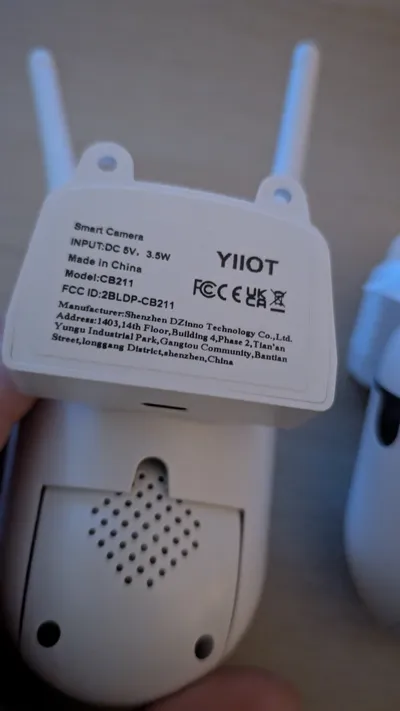
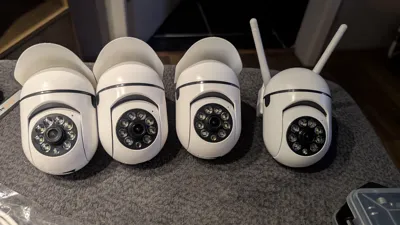
A simple, elegant cover-visor, designed as a replacement for "fake" CCTV / Wi-Fi camera antennas. It protects the electronics from precipitation and dripping water, while maintaining the aesthetic of the original camera body. Snap-fit installation — attaches without additional screws
Features
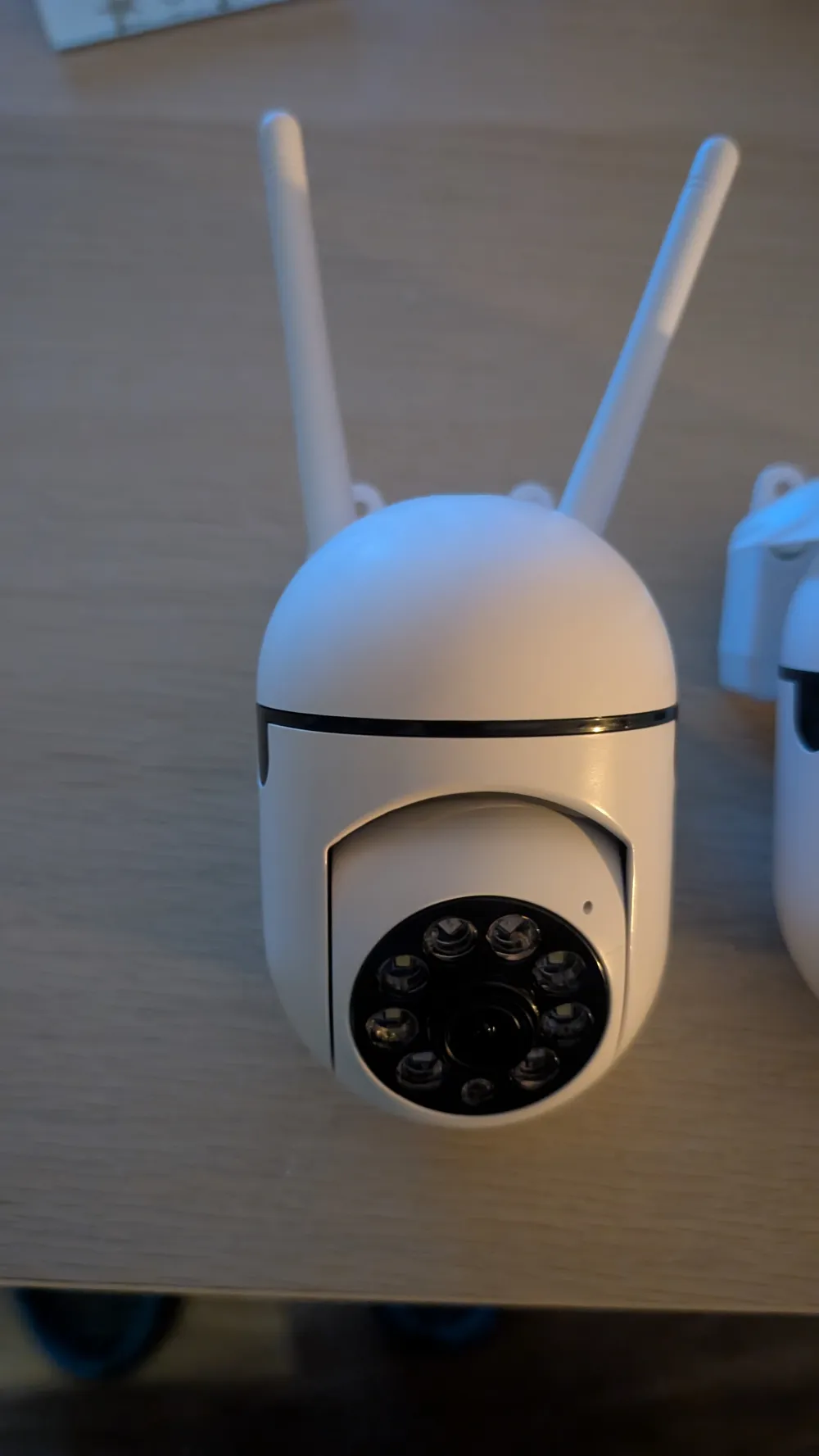
- Replacement for plastic antennas — acts as a rain visor
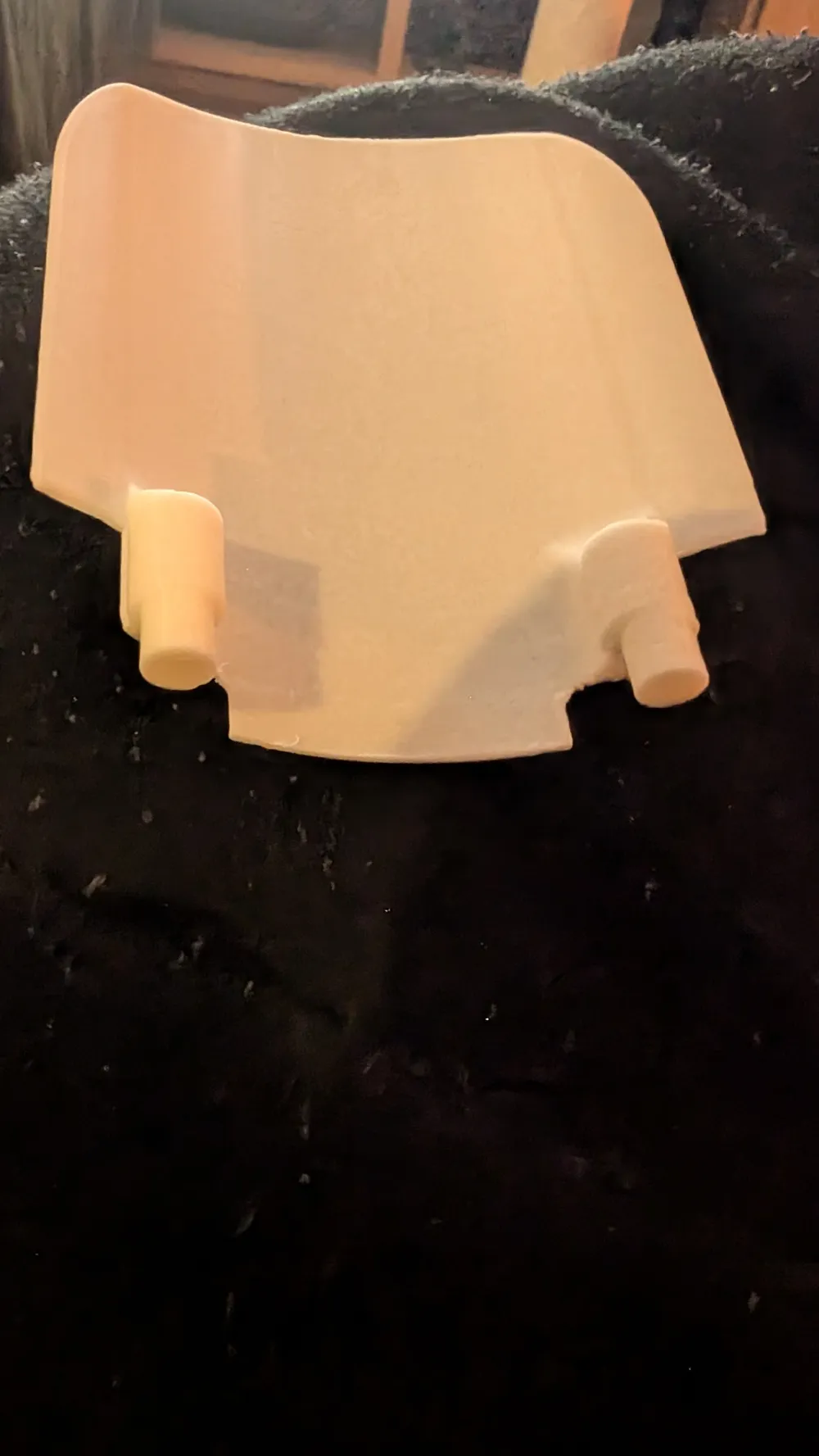
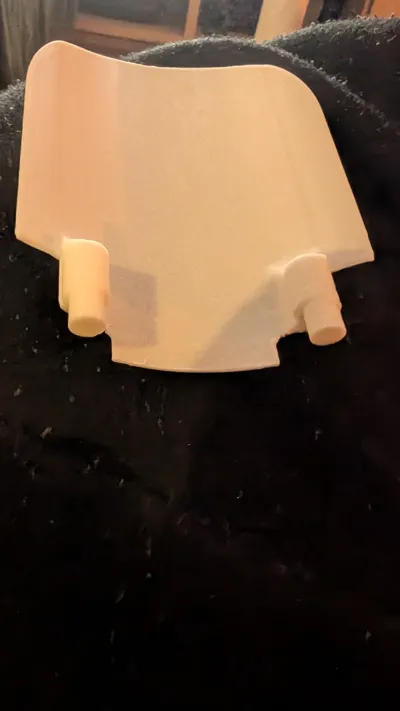
- Snap-fit: two protruding clips designed for factory mounting points (easy assembly and disassembly)
- Smooth, aerodynamic curve — channels water away from the lens and crevices
- Small undercuts and tabs at the top for precise fitting on the camera body
- Project prepared as STEP — easy to adapt/scale in CAD (if you want to adapt it to other camera models)
- Minimalist appearance, compatible with standard white housings
Application
- Outdoor and semi-outdoor home cameras with plastic "antennas"/mounts
- Quick protection against rain/sleet, reducing the risk of dripping onto the lens
Recommended materials
- PETG — a very good compromise between moisture resistance and ease of printing
- ASA — the best choice for long-term outdoor use (UV resistance)
- PLA — OK for testing and indoor applications, not recommended for prolonged exposure to weather conditions
Printing tips (default / recommended settings)
- Orientation: flat back part (inner surface) adhering to the bed — best quality for snap-fits and internal edges
- Layer height: 0.16–0.24 mm (0.2 mm for a fast, aesthetic print)
- wall thickness: min. 1.2–1.6 mm (depending on nozzle; 3 wall lines with a 0.4 mm nozzle)
- Infill: 10–20% is sufficient (the element is primarily a housing)
- Supports: minor support may be needed for internal clips — if printing flat, support can be kept to a minimum
- Brim/raft: a small brim (3–6 mm) is recommended for better adhesion and maintaining the shape of thin snap-fit edges
- Retraction / cooling: standard settings for the selected material
Tolerances and fitting
- The snap-fits are designed with a slight clearance for FDM printers — if your printer tends to over-extrude filament, consider reducing their dimensions in CAD by 0.1–0.2 mm
- If needed, adjust in STEP or Fusion 360: scale on the X/Y axes by ±1–2% or use "shrink fit" at contact points
Post-processing
- PETG/ASA: smooth the surface with fine sandpaper (400–800), optionally spray with plastic paint
- PLA: gentle sanding and varnish
- To seal the contact with the camera socket, a thin layer of silicone sealant can be applied (optional) — only if you want to achieve full waterproofing
Installation
- Align the top undercuts of the cover with the camera's mounting points (see clips)
- Press from above until the snap-fits click into place — you will hear a subtle click
- Check that the visor does not interfere with the camera head's movements and does not obstruct the lens
Boost Me (for free)
Enough of dummies! 💡
Replace fake antennas with an elegant visor that truly makes sense — it protects your camera from rain and looks great.
Simple installation, premium aesthetics, perfect for DIY and smart home projects.
No more fake antennas! 💡
Upgrade your camera with a sleek rain shield that truly makes sense — protects from rain and looks great doing it.
Easy snap-fit, smart design, and weather-ready!
License

You shall not share, sub-license, sell, rent, host, transfer, or distribute in any way the digital or 3D printed versions of this object, nor any other derivative work of this object in its digital or physical format (including - but not limited to - remixes of this object, and hosting on other digital platforms). The objects may not be used without permission in any way whatsoever in which you charge money, or collect fees.


Comment & Rating (0)