
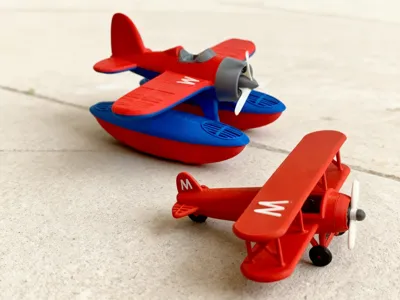
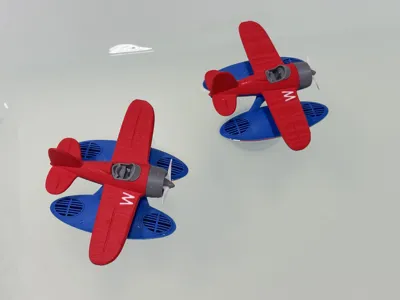
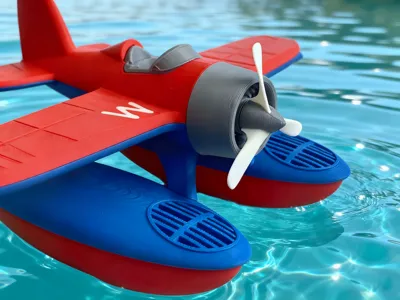
Floatplane model - can float on water, mini printable, no AMS required
Print Profile(2)


Description
Boost Me (for free)
If you have questions, please feel free to communicate via private message or comment. Do not leave a casual bad review
Update: Propeller blades strengthened for increased durability (November 27)
Model Introduction:


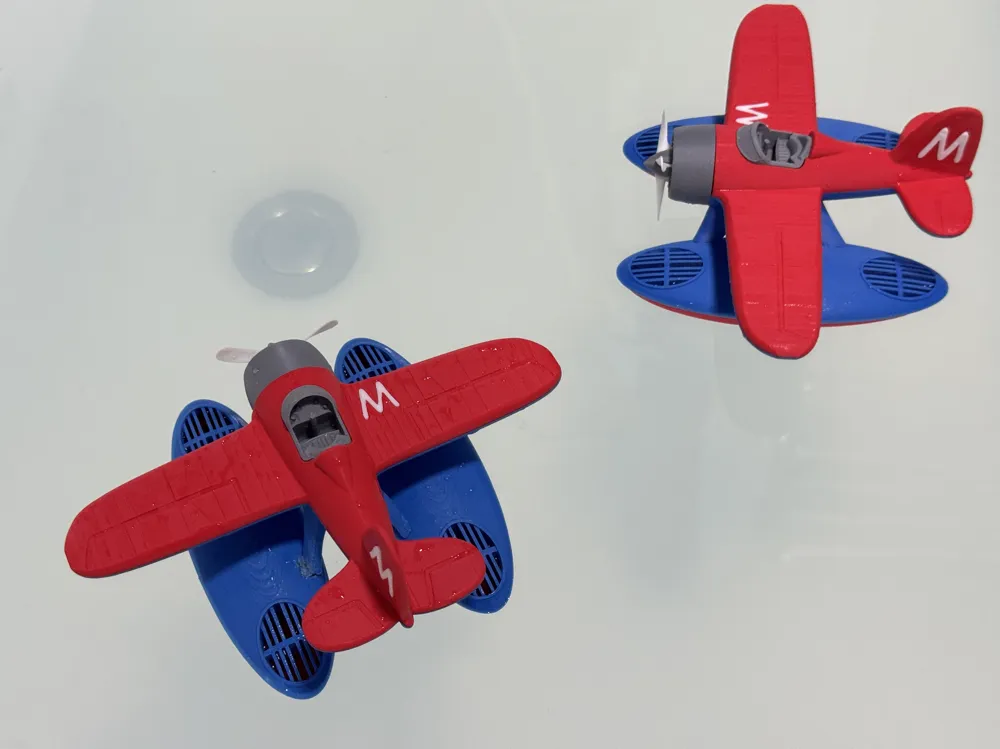
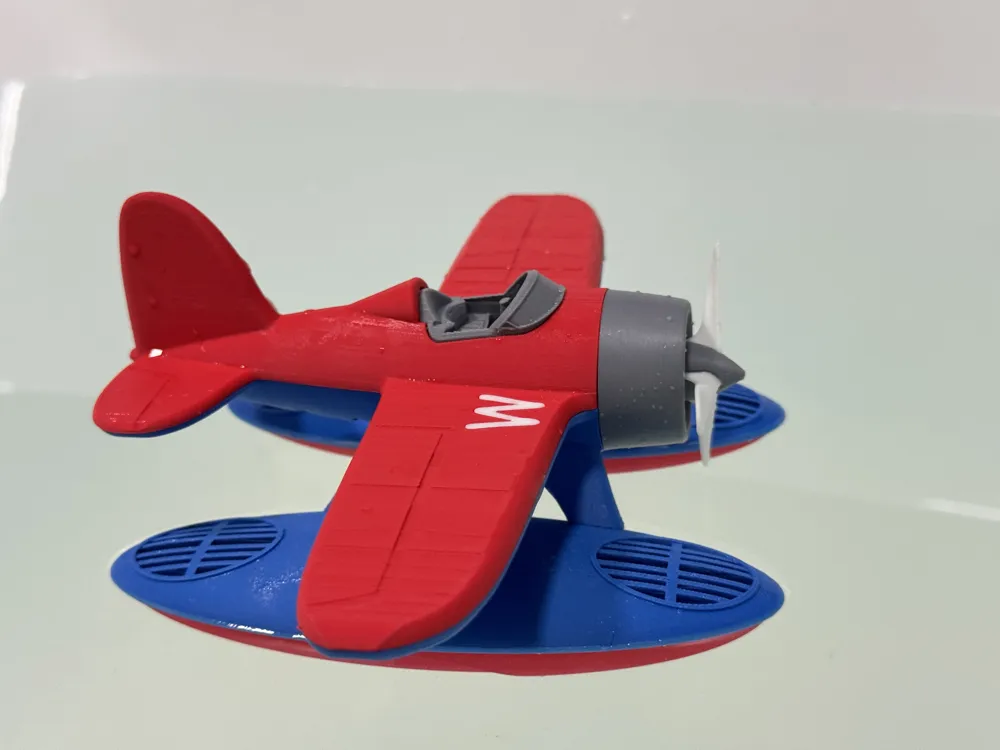
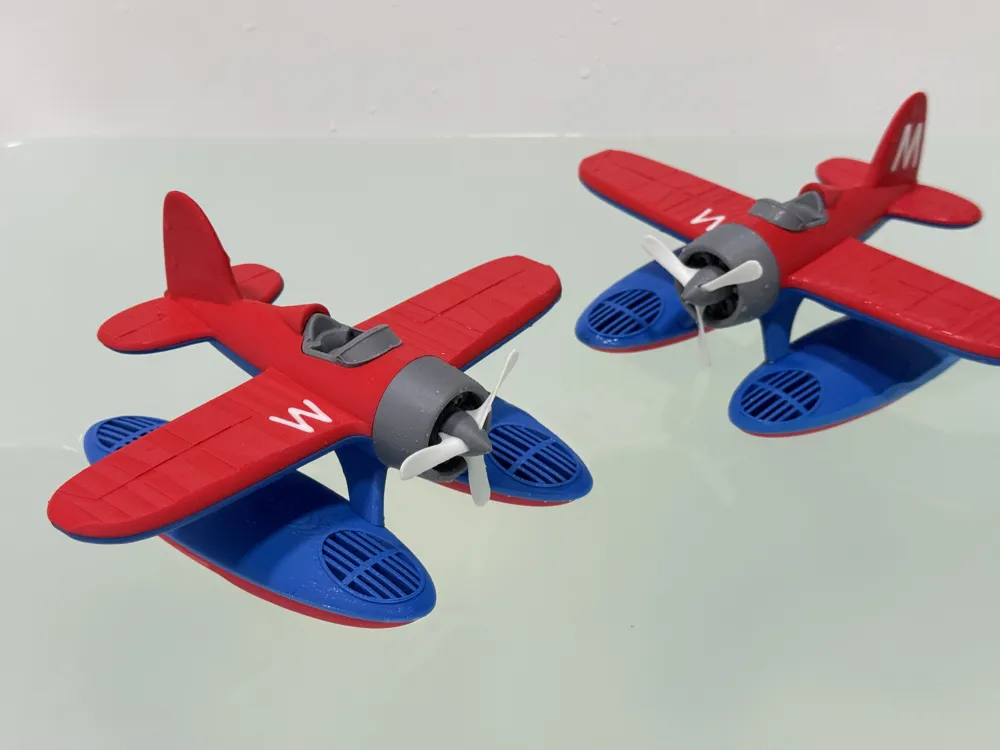
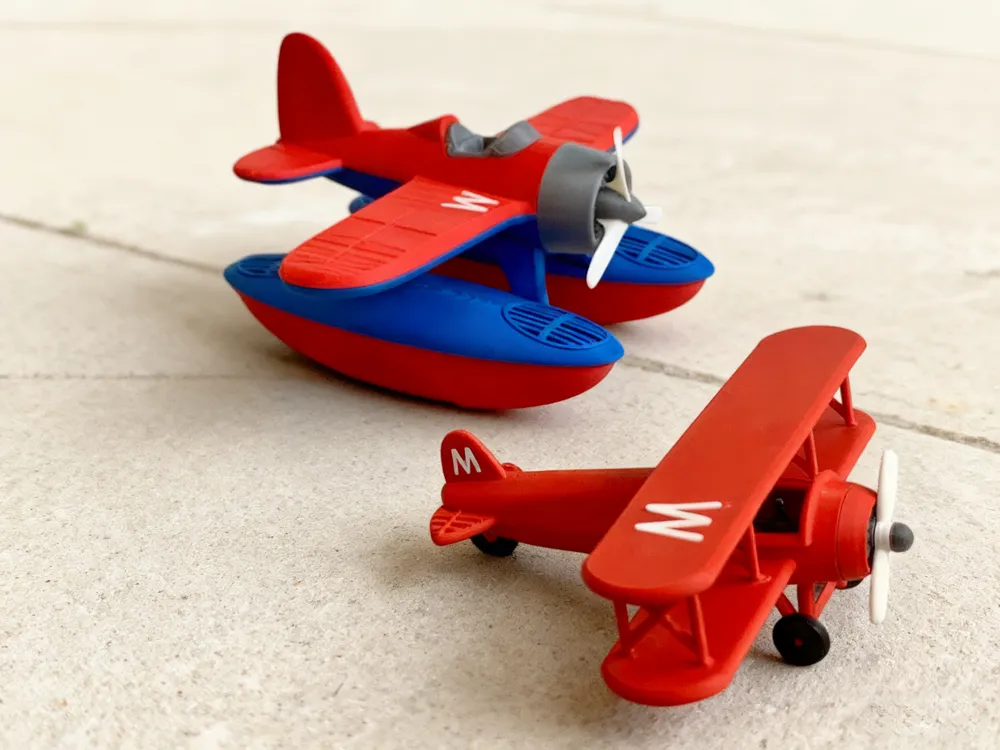
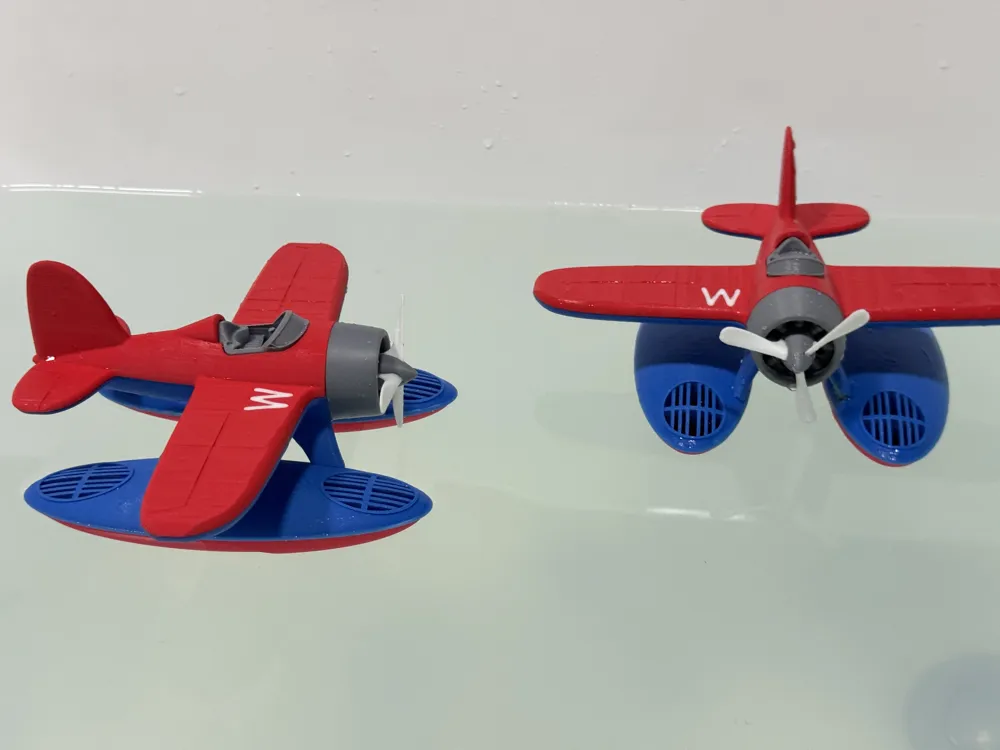
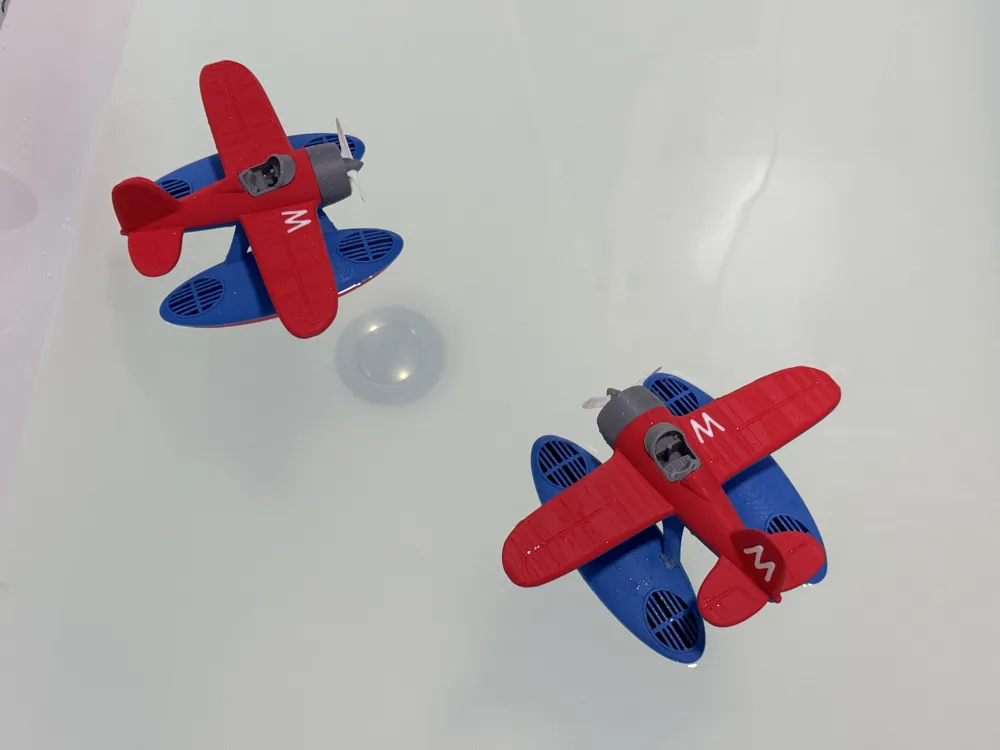
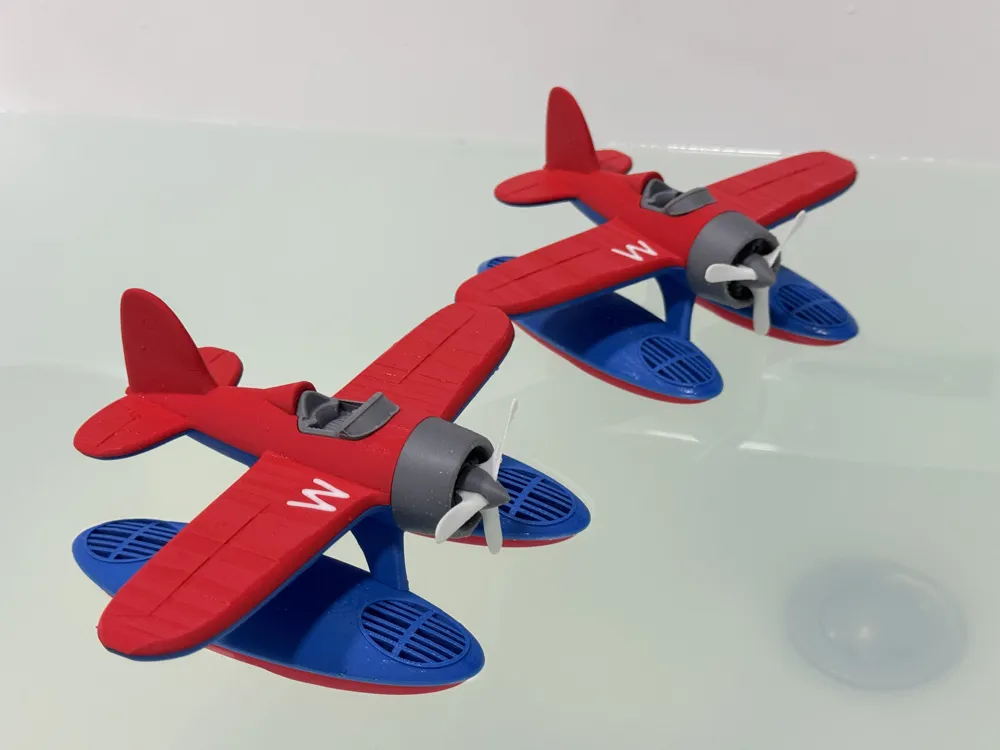
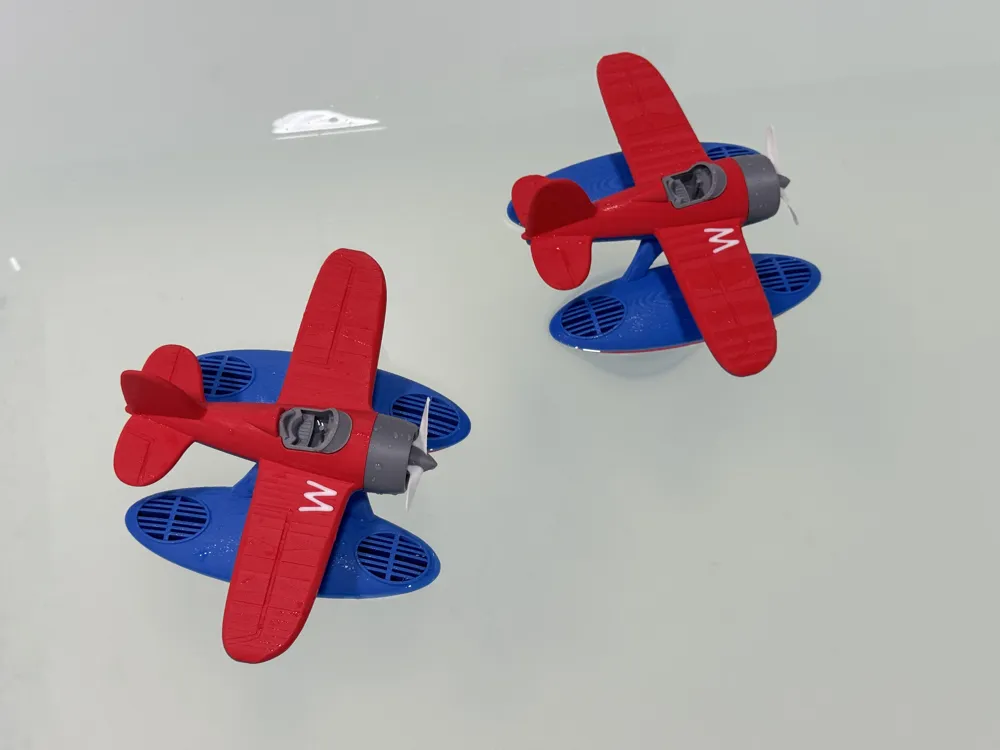
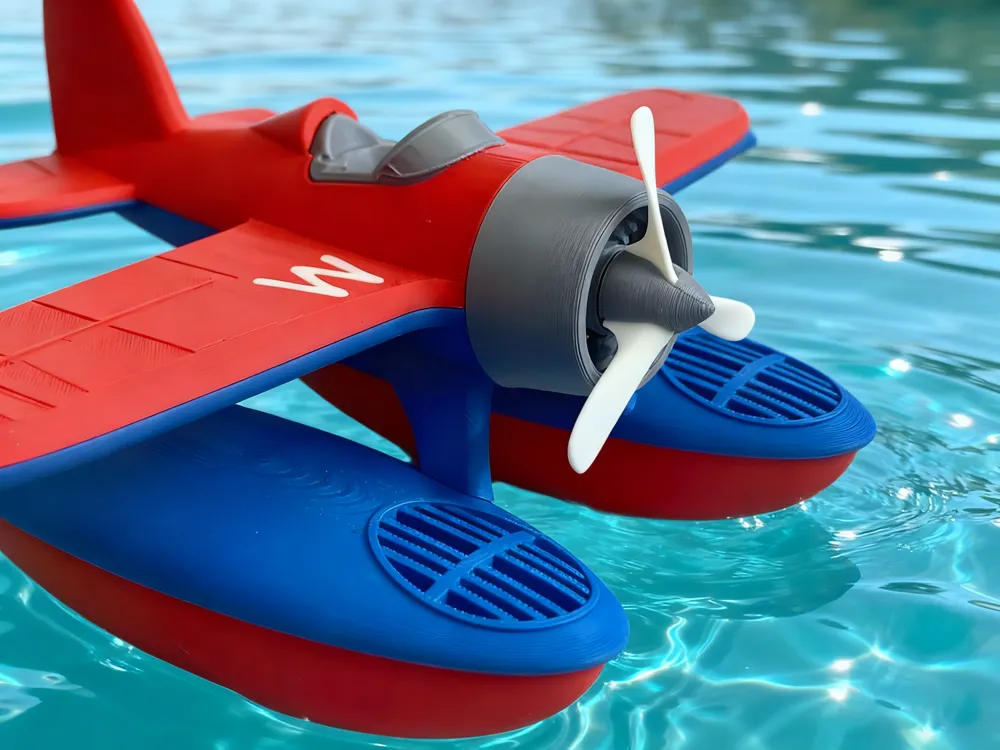
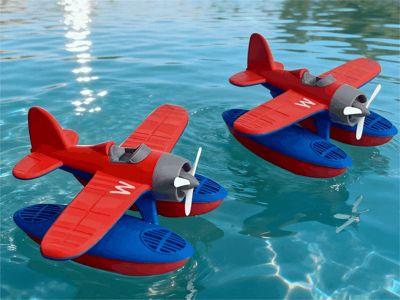
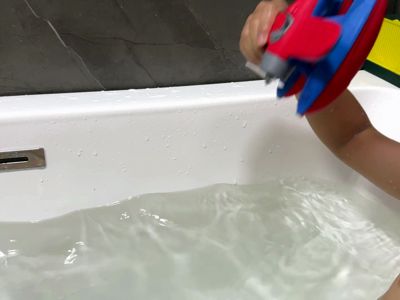
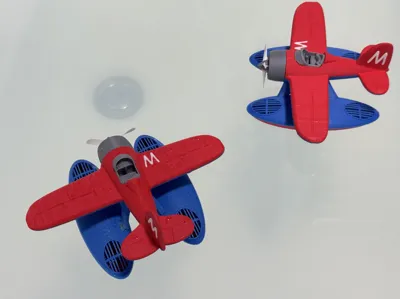
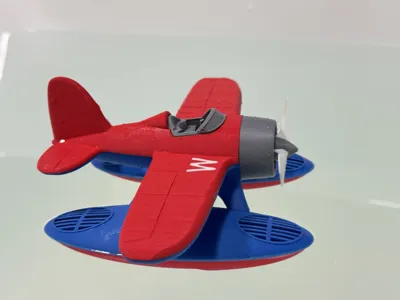
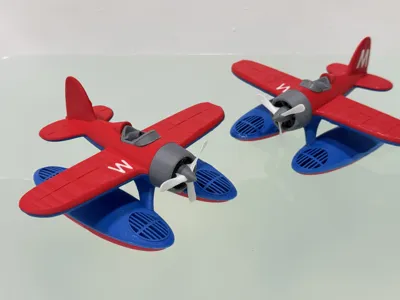
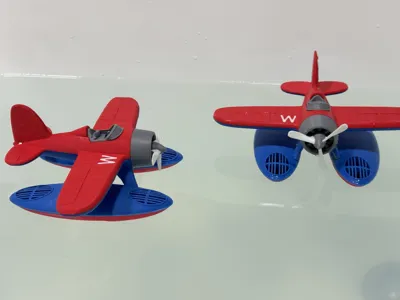
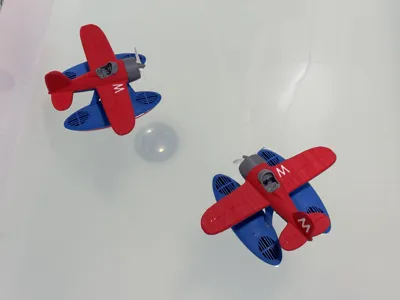
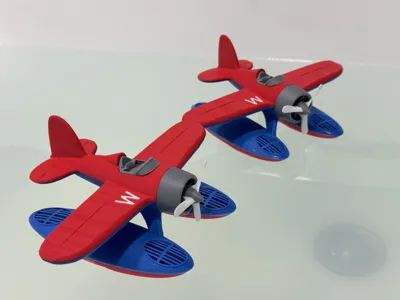

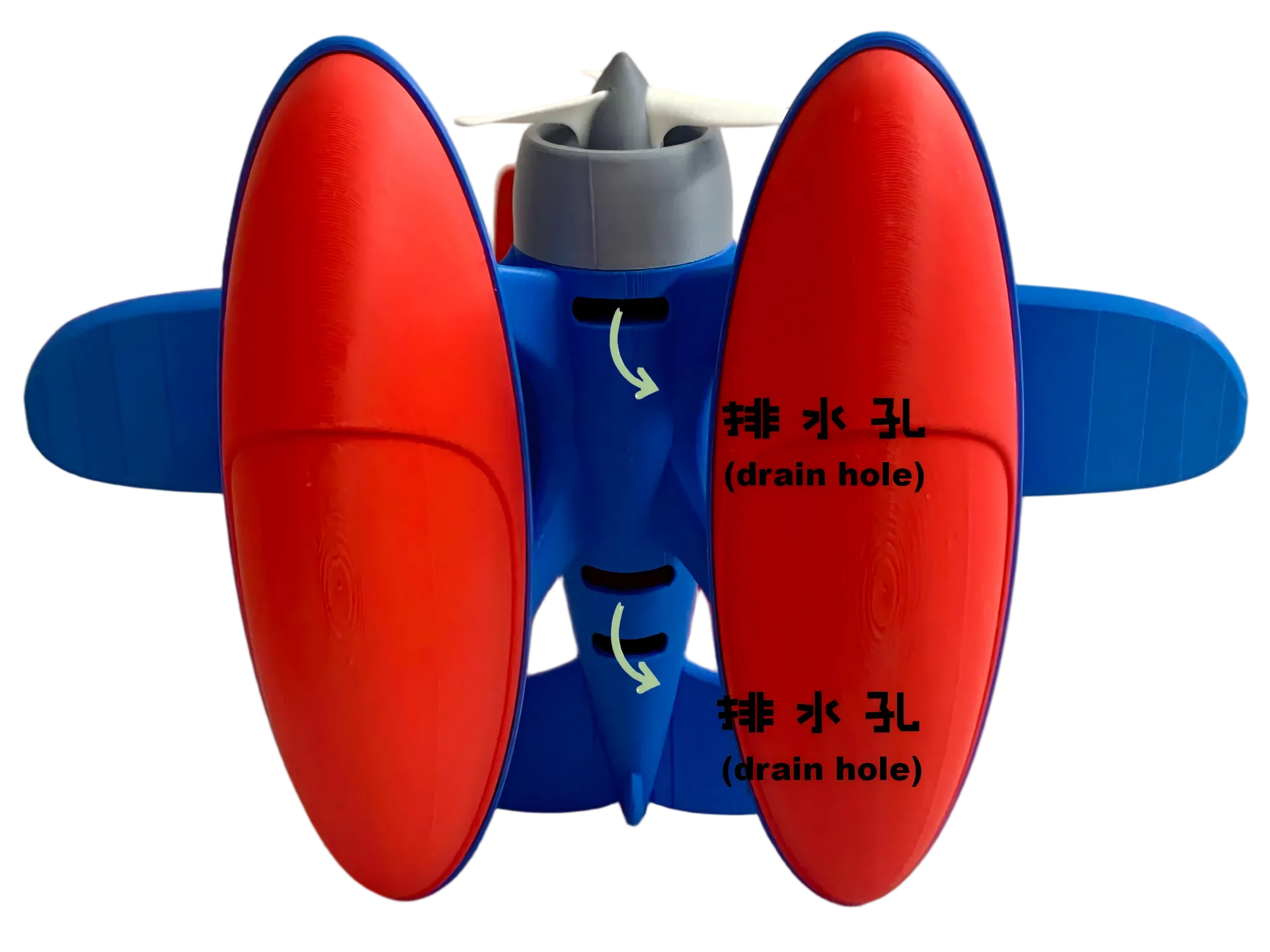
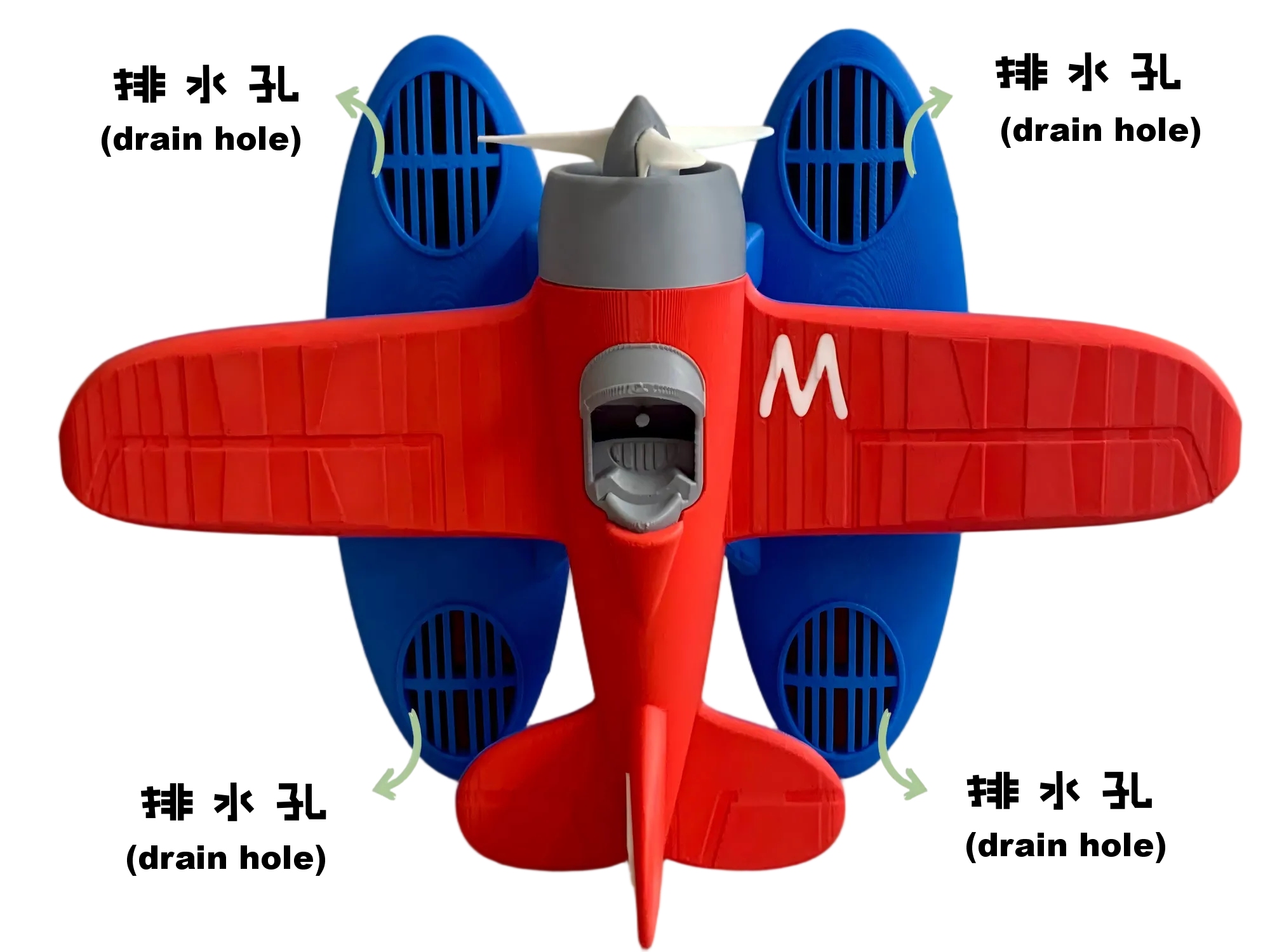
This is a beautiful floatplane, with scientifically simulated design proportions, that can truly float on water. It's not easy for it to completely sink no matter how you play with it. The fuselage is designed with drainage holes; if it gets water inside during vigorous play in the water, just flip the fuselage to drain the water in one second. It's suitable as a bathtub or pool toy for children, and can also be a beautiful desk ornament, buoyancy teaching aid, etc
Floatplanes are generally adopted by smaller aircraft, with one or two floats installed beneath the fuselage to separate it from the water surface. Starting from World War I, cruisers and larger warships often carried one or more floatplanes for tasks such as long-range reconnaissance, target searching, and error correction during artillery firing. These aircraft were typically stored on warships; some were launched from catapults on top of gun turrets, while larger tonnage vessels had dedicated rails or hangars to accommodate these observation seaplanes. When landing, the aircraft would first land on the sea surface near the warship, and then a crane on the warship would lift the aircraft back onto the ship for proper stowage to prepare for the next mission. Floatplanes carried in this manner could also take off directly from the water
Before the outbreak of World War I and World War II, the development of civil aviation gradually emerged. Although many large aircraft could reach areas previously inaccessible, the severe lack of airports or poor runway conditions made seaplanes the best candidates for these routes. Routes to countries like India or Australia from the UK were successively established during this period. Even if large aircraft had sufficient range to fly over certain oceanic regions, the absence of airports en route meant that, should a land-based aircraft experience a malfunction or require an emergency landing, it would cause serious trouble, and seaplanes happened to meet these needs
Furthermore, participants in various racing aircraft competitions also often utilized seaplanes as their design type. This was because high-speed flight requires long runways for landing, and to reduce geographical restrictions for races, using water for takeoff and landing was an excellent solution. Although floats and related structures create additional drag and weight, many racing aircraft achieved excellent results during this period. For instance, the British Supermarine S.6B racing seaplane won the Schneider Trophy race in 1931 and set a record high speed of 651.2 km/h that year. (It is similar in shape to this model~)
Assembly includes detailed assembly drawings. It is recommended to assemble according to the order in the drawings. It's easy to install, takes about 5 minutes, and glue is required. Notes:
1. Please insert the propeller according to the direction indicated in the assembly instructions → and reinforce with glue;
2. The pink marked areas in the drawing are where glue should be applied;
3. The entire model requires only a small amount of support. Please remember to remove the support at the blue top cover's insertion hole on the floats before assembly; the support area is very small and easily overlooked;
4. Please try to avoid using matte or lite filament for printing propellers, as their layer adhesion is poor and they are not suitable for printing delicate parts
Floating Effect
Drainage Holes
Documentation (1)
License

You shall not share, sub-license, sell, rent, host, transfer, or distribute in any way the digital or 3D printed versions of this object, nor any other derivative work of this object in its digital or physical format (including - but not limited to - remixes of this object, and hosting on other digital platforms). The objects may not be used without permission in any way whatsoever in which you charge money, or collect fees.


Comment & Rating (21)