
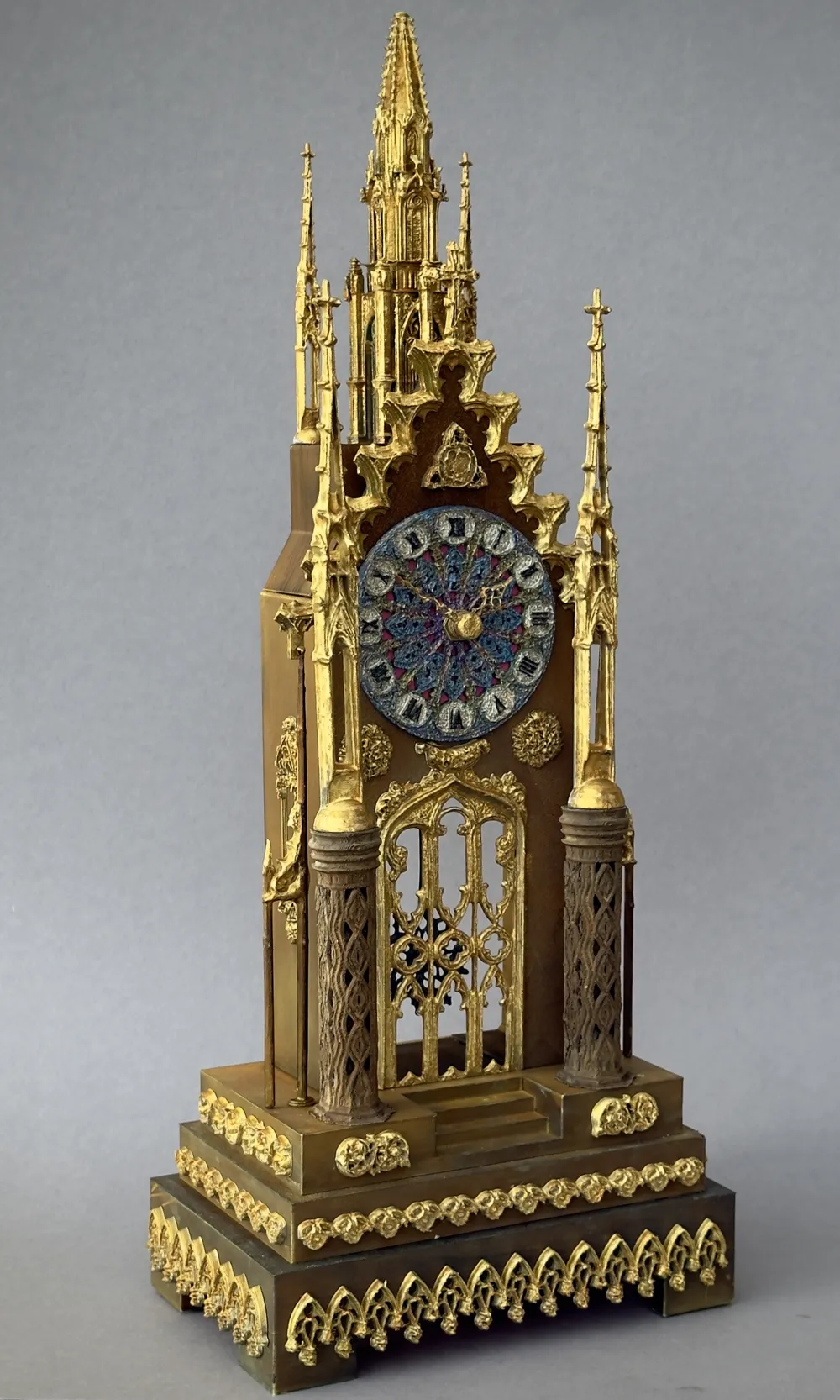
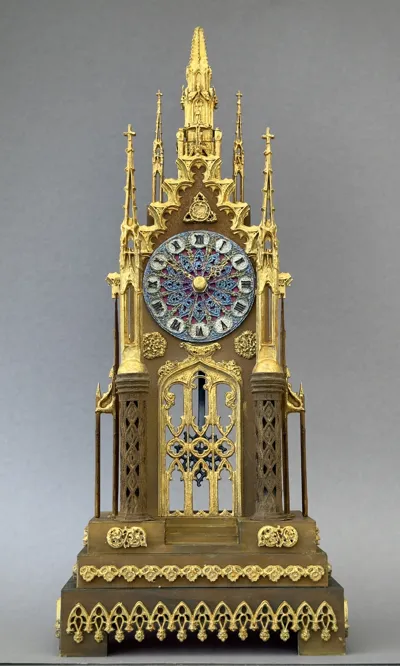
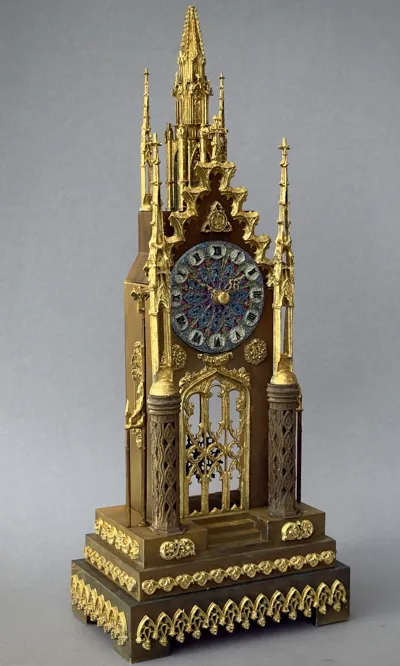
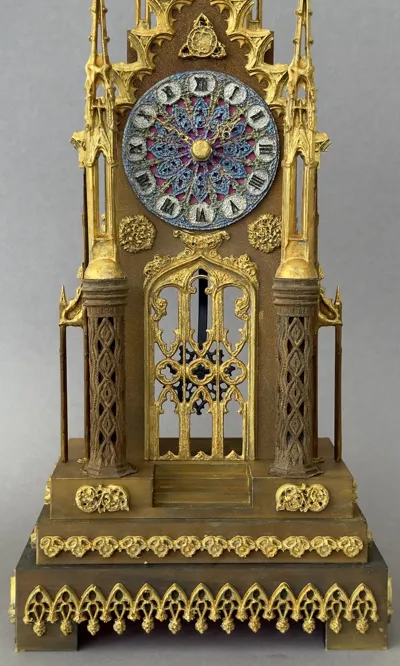
Kit 011: Charles X period cathedral clock
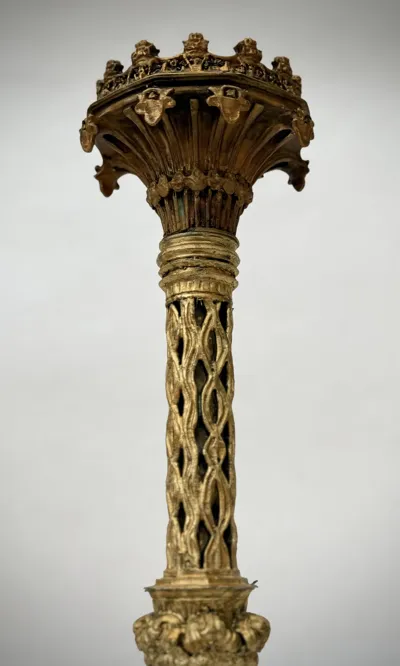
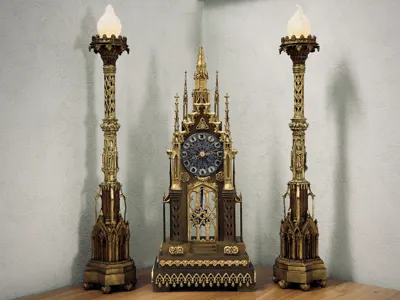
Print Profile(2)


Bill of Materials
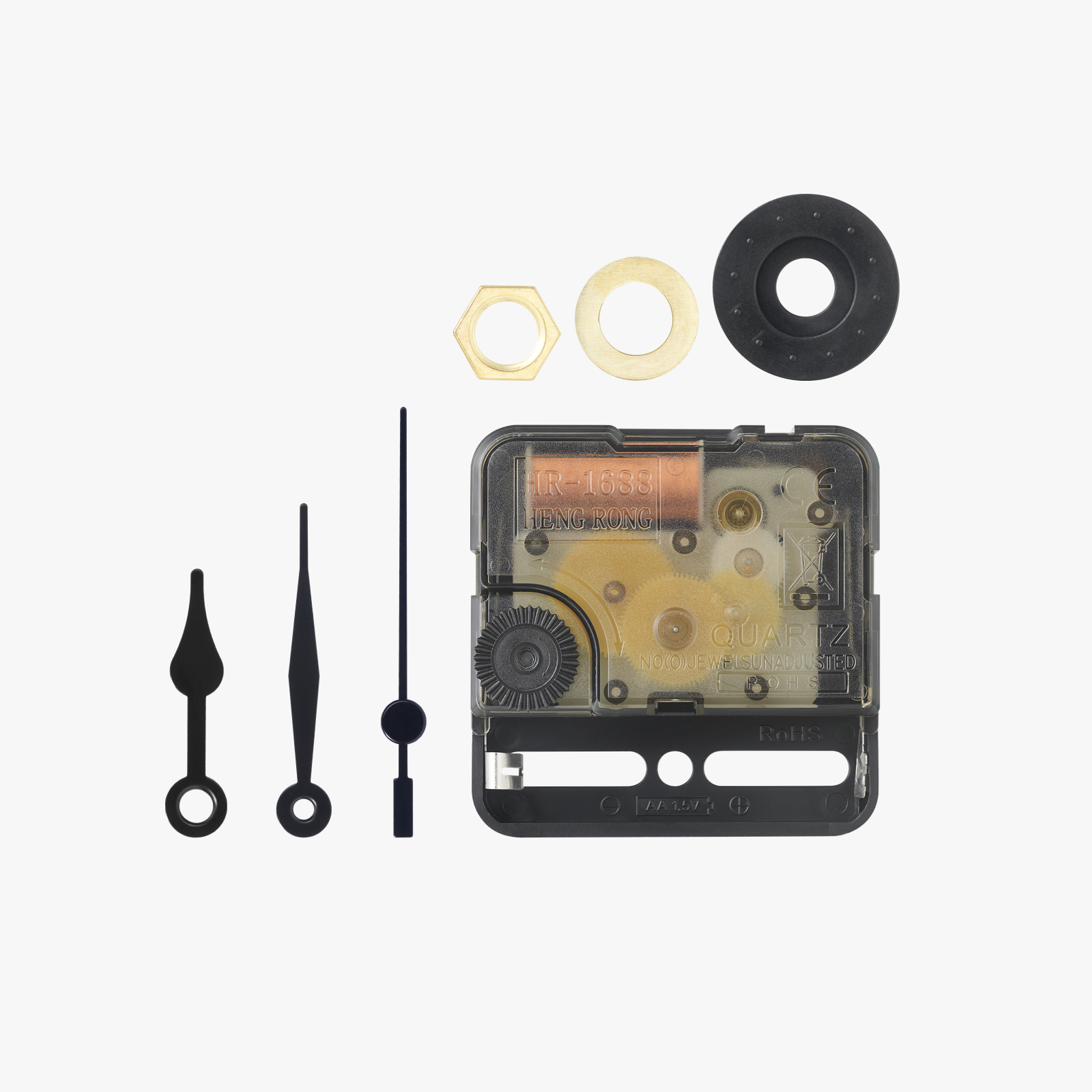






- Vallejo Surface Primer Black x 1:
- Vallejo 71.057 Black x 1:
- Vallejo 71.040 Burnt Umber x 1:
- Vallejo 70.937 Transparent Yellow x 1:
- Metallic Water Colors x 1:
Description
Lot No. 1833986
MONOGRAPH: THE SYNTHETIC RESTORATION
A Study in Digital Haute Pendulerie and the Chronometric Ideal
Project: Pendule à la cathédrale d'époque Charles X
Designer: @bjoern3d | «L'Orfèvre de FDM Luxury»
Historical Reference: The Bourbon Restoration (1824–1830)
I. The Philosophical Premise: Architecture as a Vessel for Truth
In the original 18th-century sense, Haute Horlogerie was not a marketing category but a High Science. It was the pursuit of the “Absolute Second” through the perfect marriage of physics and geometry. The Pendule à la Cathédrale was the ultimate expression of this: a timepiece designed to reflect the mathematical harmony of the universe through Gothic architecture.
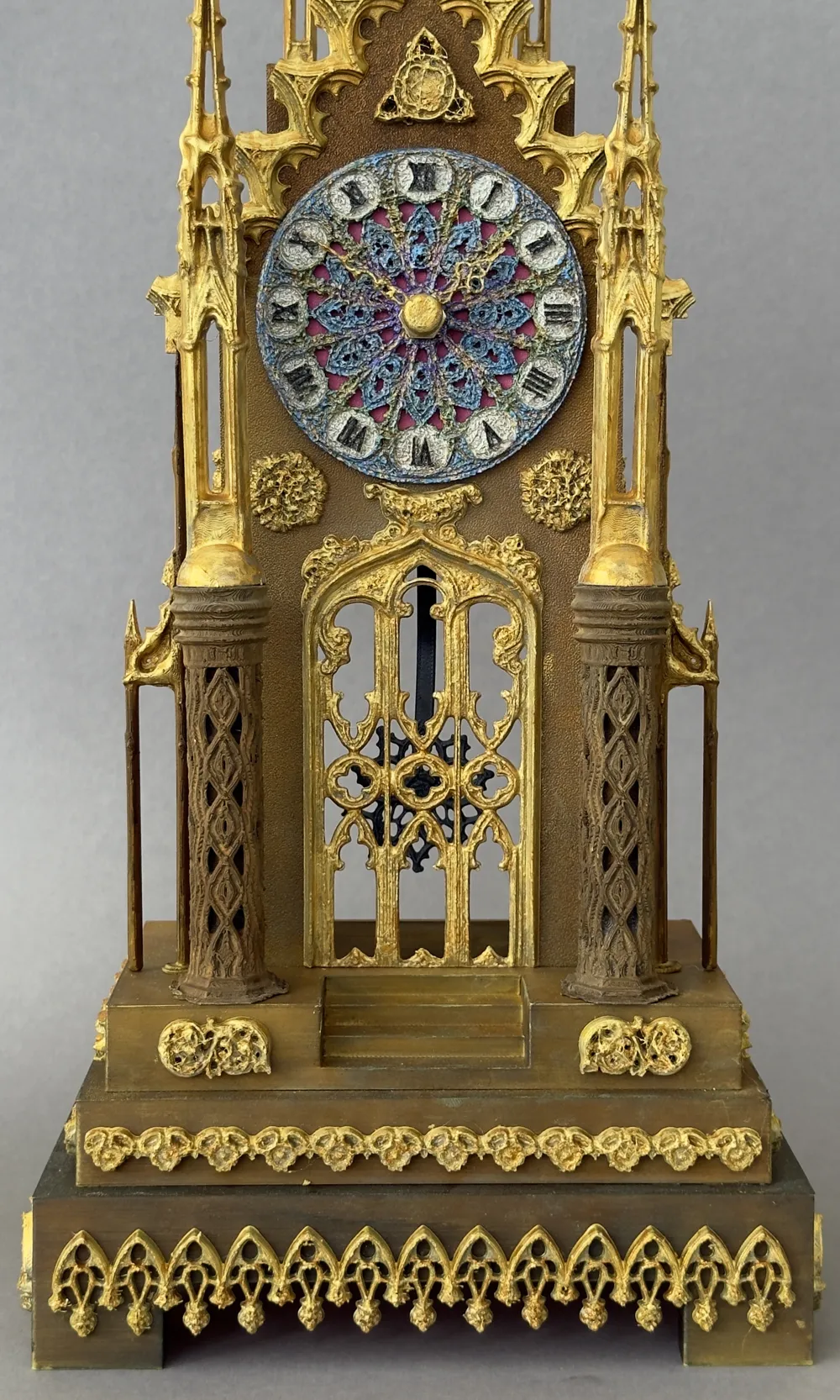
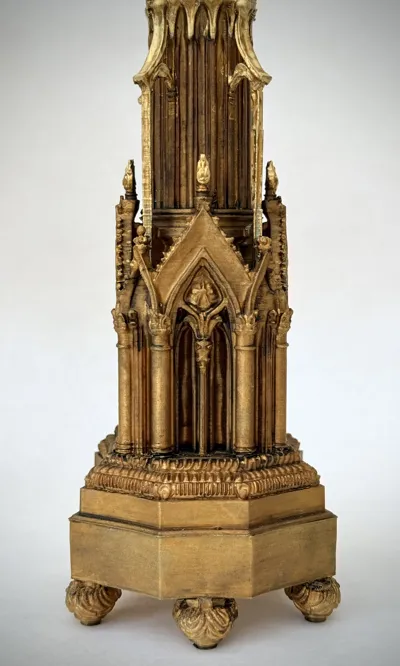
This work is a Scientific Reconstruction of that ideal. By deconstructing a flamboyant Gothic façade into 23 discrete primary components, the designer has engaged in a masterclass of Classical Statics and Geometric Topology. To achieve perfect structural alignment across dozens of thermal cycles is the 21st-century equivalent of the bronze-d'ameublement process, where a master was judged by his ability to manage the "Tolerance of the Whole."
II. The Chronometric Reality: An Unmatched Masterpiece
We must confront the "Chronometric Truth" often obscured by modern nostalgia. In the 1820s, even a masterpiece by a Parisian Master like Potonié or Breguet was a prisoner of its medium—subject to thermal expansion and barometric drift.
If this garniture were transported back to the Académie des Sciences in 1827, it would be hailed as an impossible instrument:
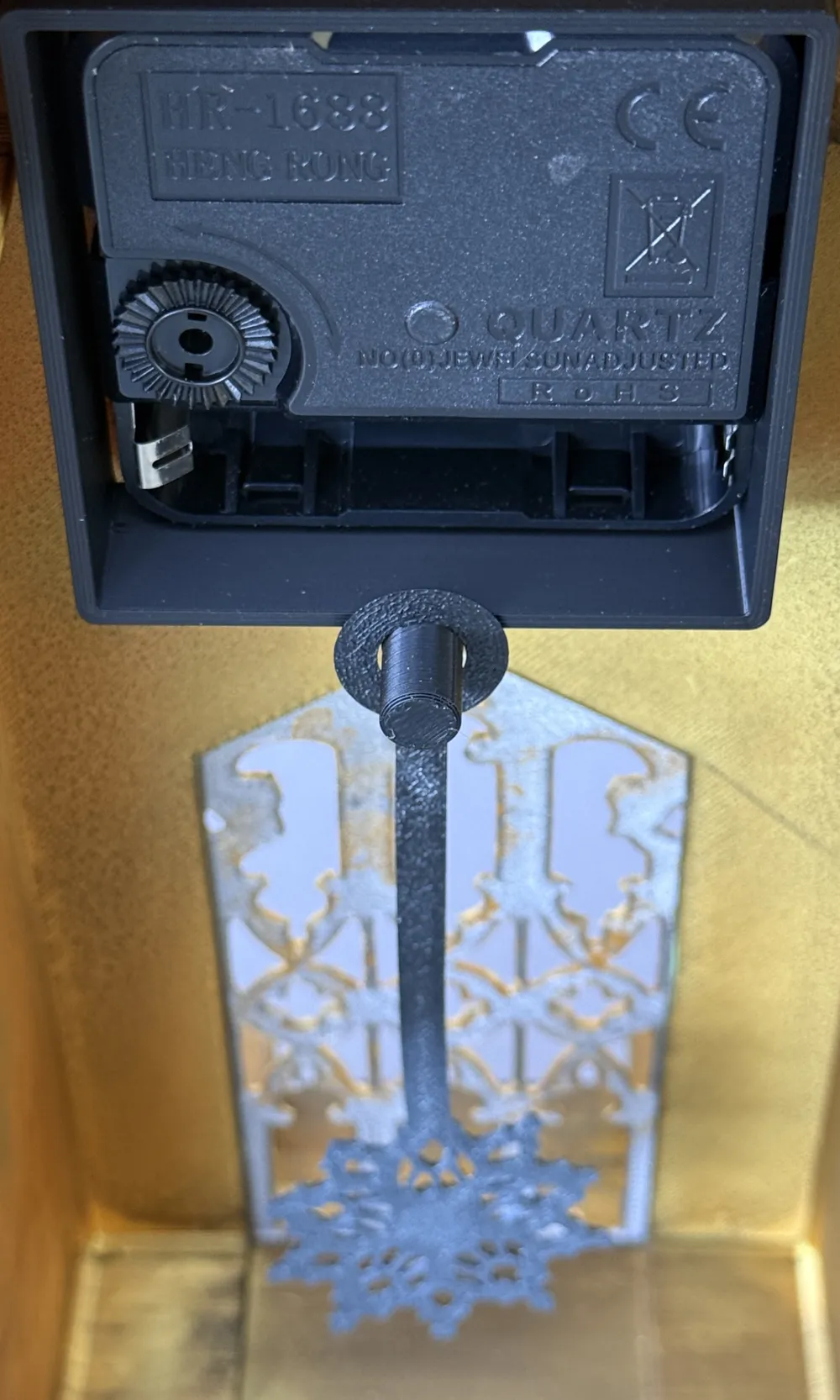
- The Precision Gap: While the finest silk-thread pendulums of the era drifted by seconds per week, the piezoelectric quartz oscillator housed within this cathedral provides a temporal truth—accurate to microseconds—that would have rendered every marine chronometer of the 19th century obsolete.
- The Paradox of Value: By the original Enlightenment standard, which prioritized accuracy above all else, this work is the superior chronometer. The quartz movement is the fulfillment of the Enlightenment’s greatest ambition: the total subjugation of Time to mathematical certainty.
III. Technical Composition: Digital Ciselage
The "High" craft of this ensemble lies in its Material Science and Labor of Assembly:
- Production Scale: With an execution time exceeding 100 hours, the work demands a level of "Manufacturing Patience" that mirrors the weeks of manual ciselage (hand-chasing) performed by the historical guilds.
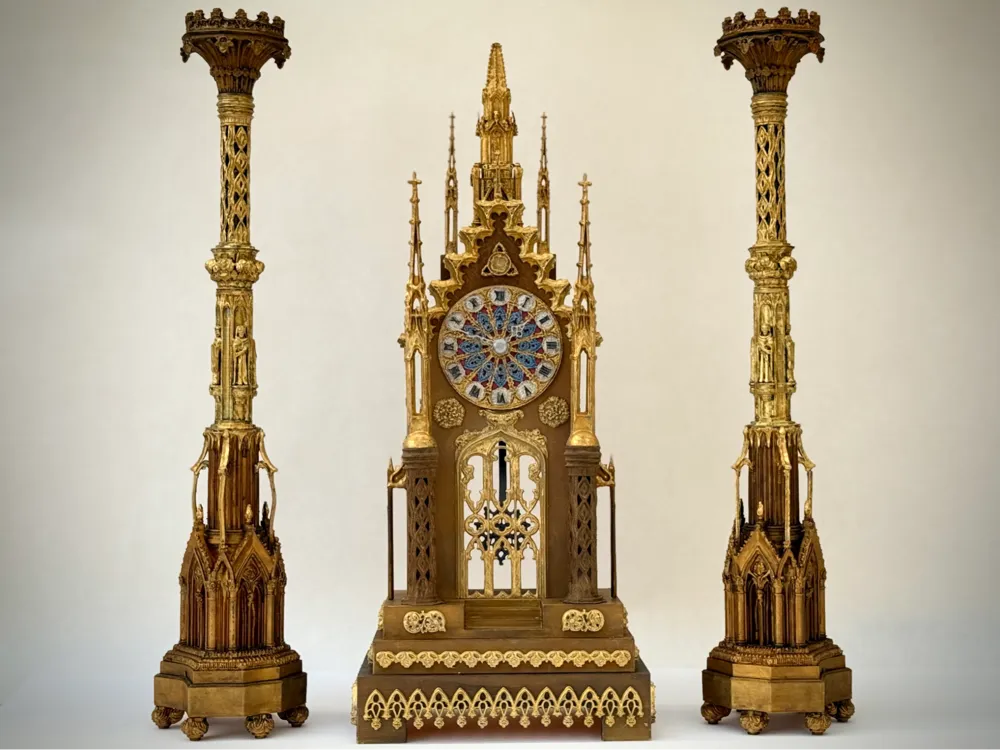
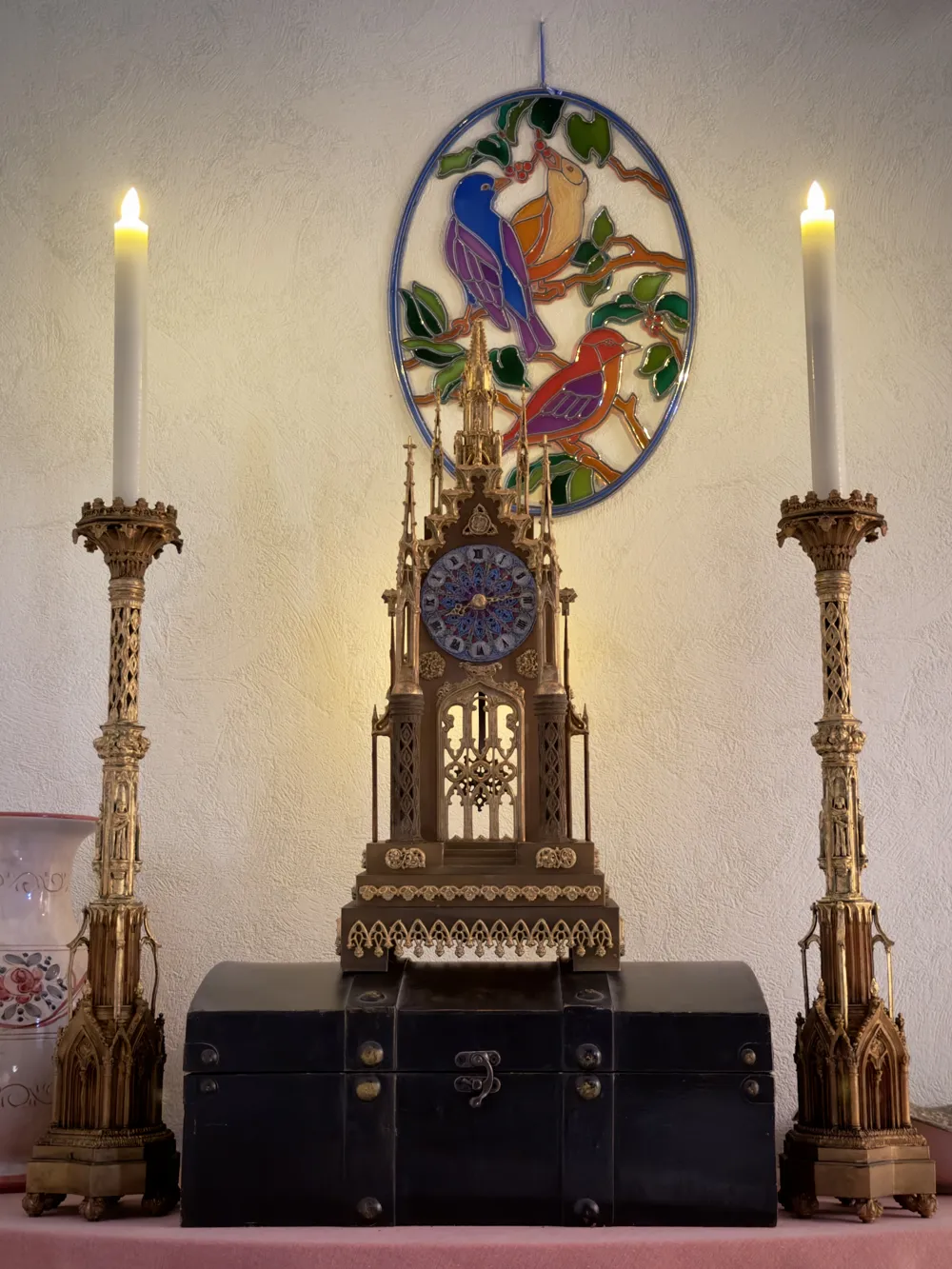
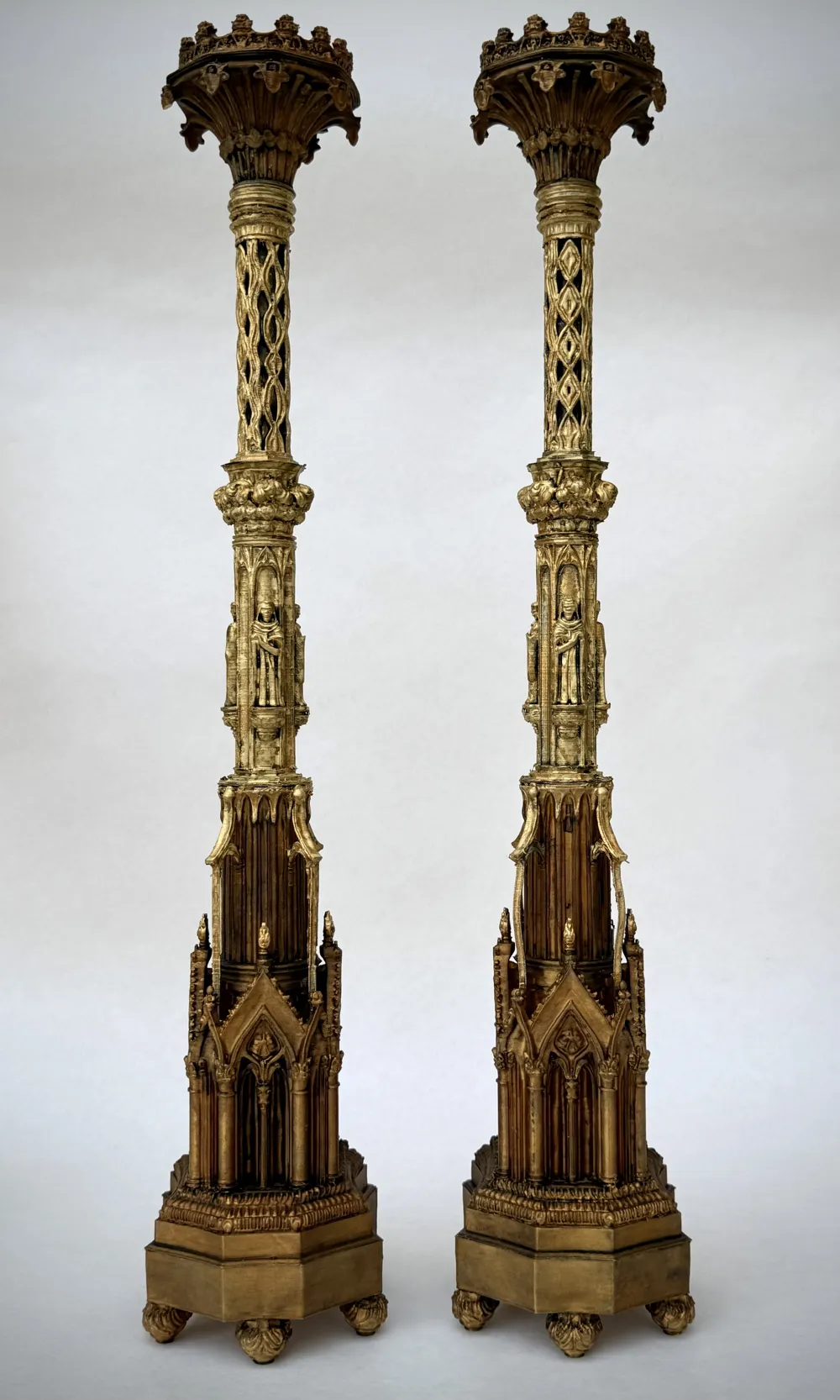
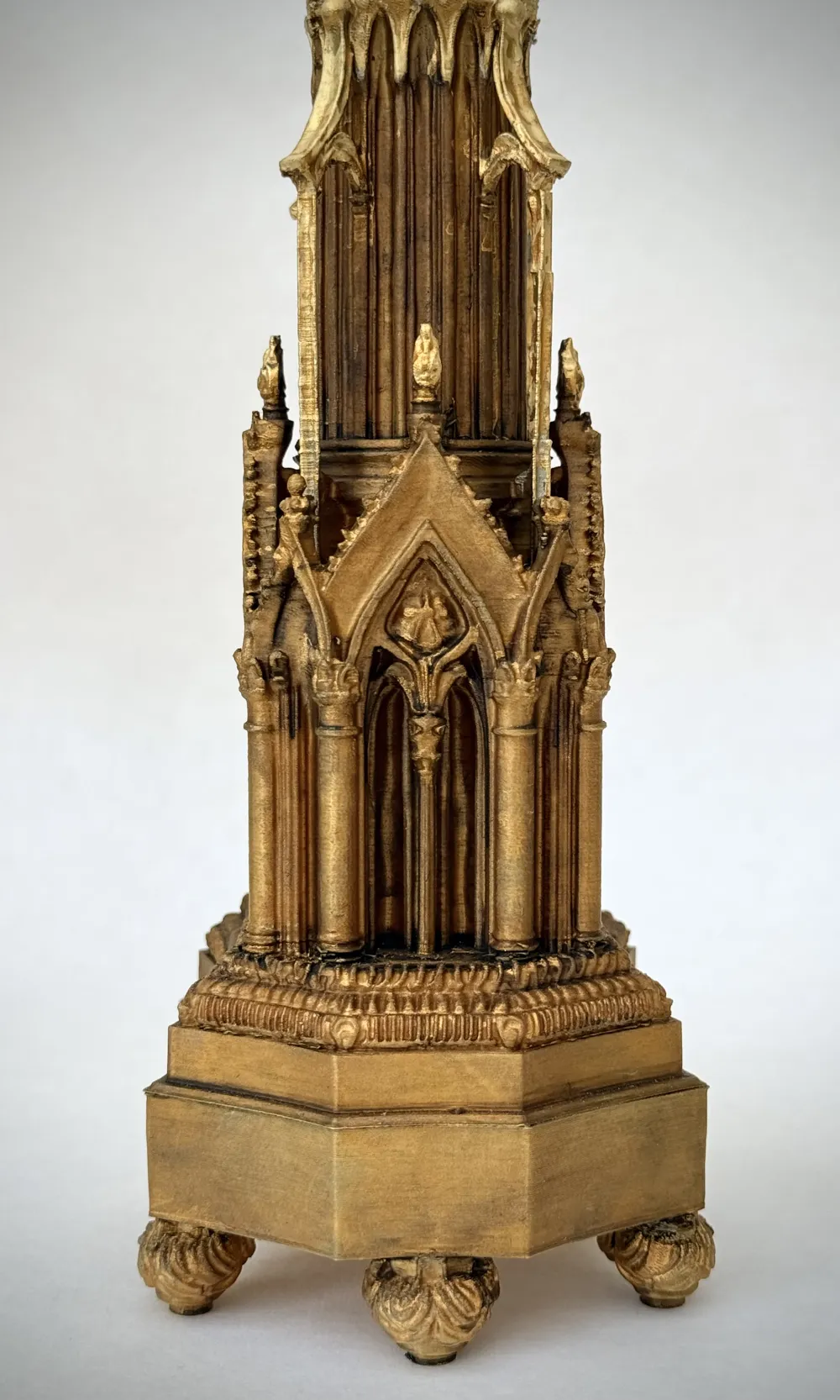
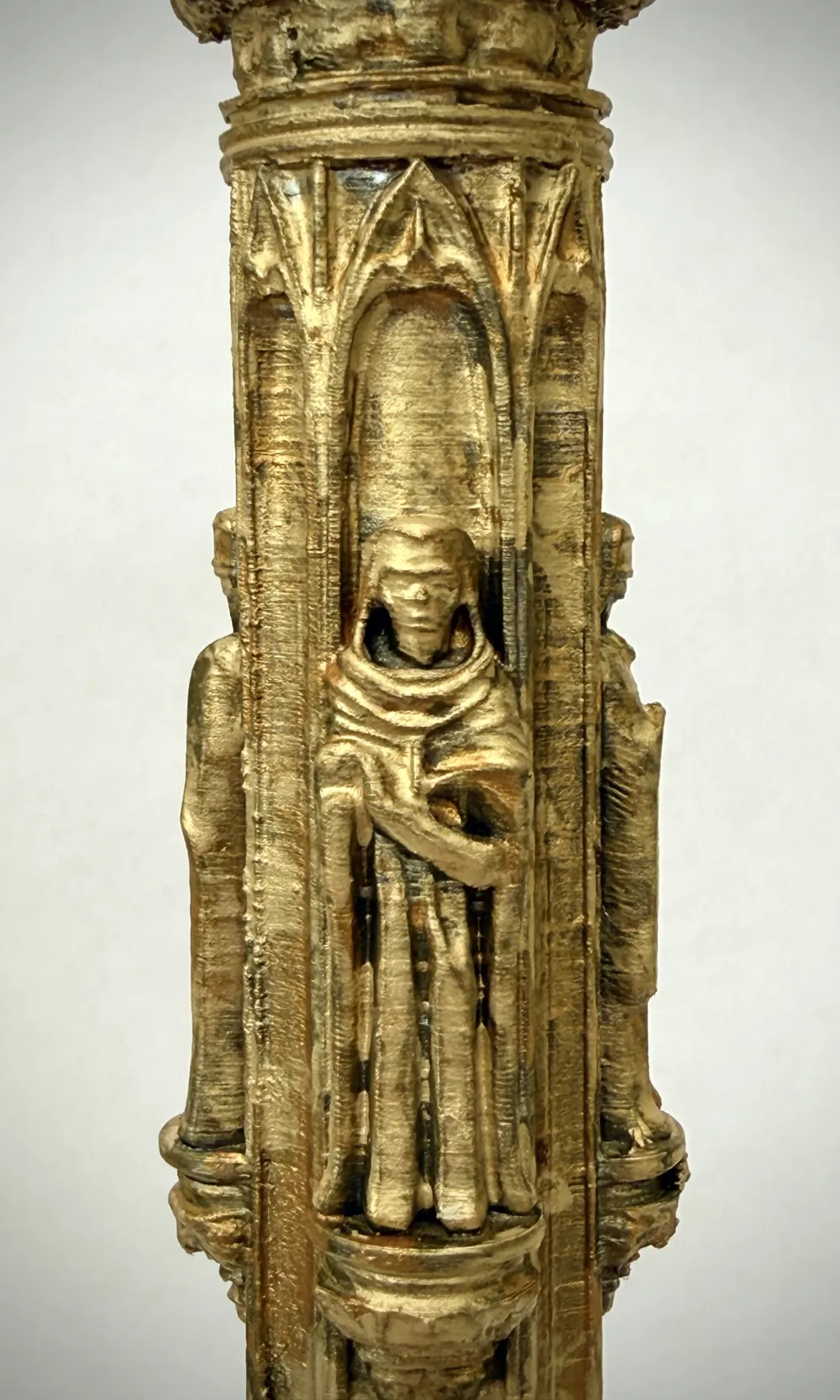
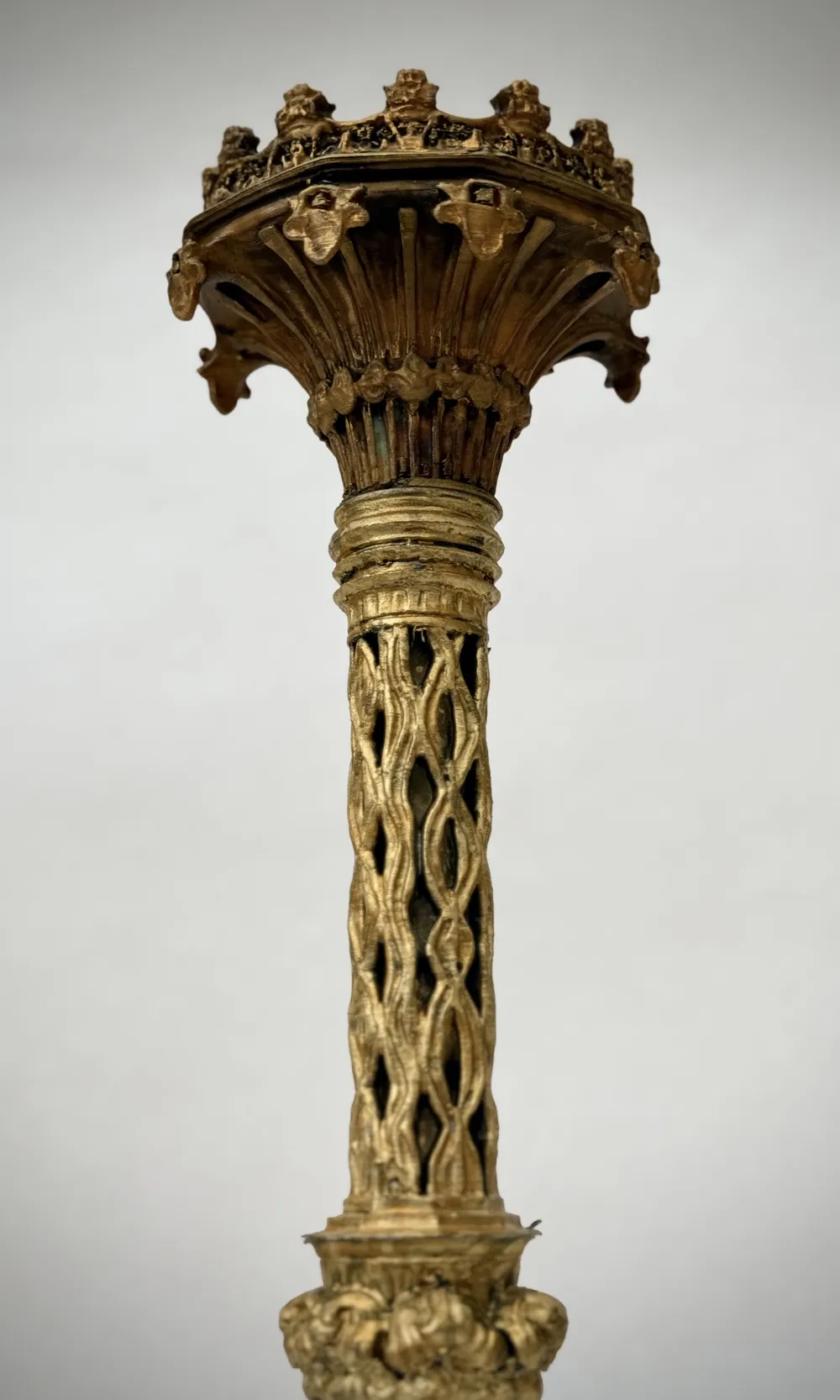
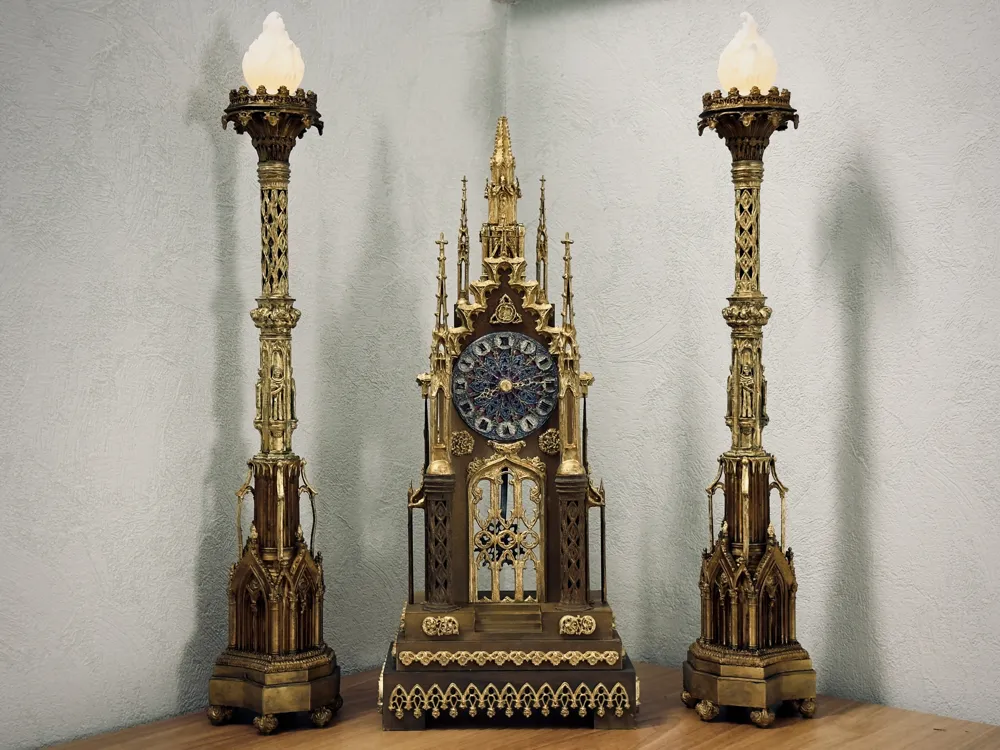
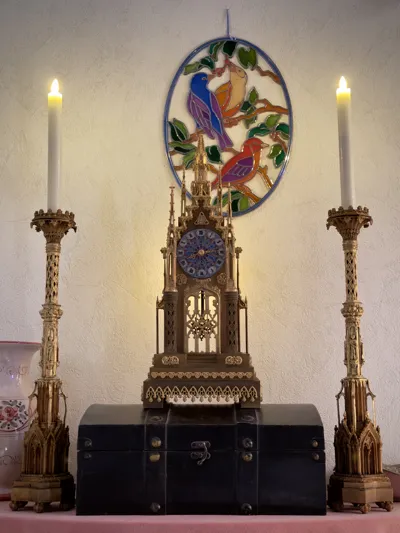
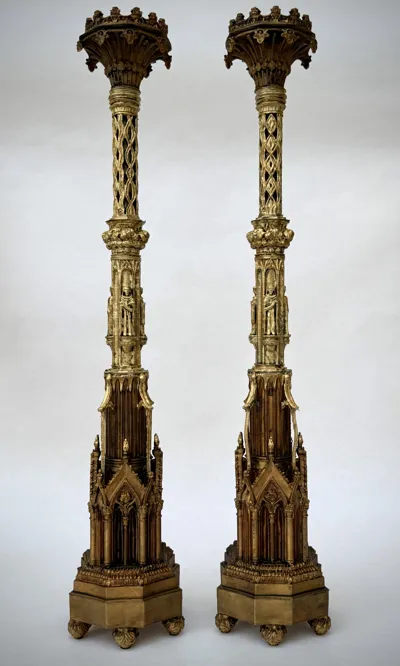
- The Garniture: By including the matching Candlesticks (available in the accompanying 3MF), the designer respects the Symmetrical Harmony required for high-order interior architecture. It is a Gesamtkunstwerk—a total work of art—that transforms a domestic space into a monument of time.
IV. Conclusion: A Record for the Future
Let it be recorded that this work is a Chef-d’Oeuvre (Masterpiece) of the Digital Age. It is the first successful translation of the Charles X Troubadour style into a modular, precision-engineered architecture. It stands as proof that High Clockmaking has not been “narrowed” or lost; it has simply evolved into a new medium that finally possesses the accuracy to match its architectural grandeur.
SCHOLARLY REFERENCES & HISTORICAL PARALLELS
- On the Gothic Troubadour Style:
- Cf. Victor Hugo, "Notre-Dame de Paris" (1831). The cultural catalyst for the ‘Cathedral Clock’ as a secular altar.
- Reference: Pierre Kjellberg, “Encyclopédie de la Pendule Française du Moyen Âge au XXe Siècle.” Documentation of the specific 'Façade de Cathédrale' movements of the 1820s.
- On the Chronometric Ideal:
- Cf. Abraham-Louis Breguet, "Traité des horloges marines" (1817). Establishing the "Absolute Second" as the primary goal of Haute Horlogerie.
- Scientific Context: The piezoelectric quartz oscillator represents the mathematical conclusion of the search for Isochronism—the goal of every 19th-century Master Pendulier.
- On L'Établissage (Modular Assembly):
- Guild Standards of the Bourbon Restoration: A Masterpiece (Chef-d'Oeuvre) was defined by the coordination of discrete components from specialized workshops.
- The 23-Plate Protocol: The modern equivalent of the Bronze d'Ameublement technique, where complex undercuts required multi-part casting to maintain the sharpness of Gothic tracery.
- On the Garniture de Cheminée:
- Reference: Havard, "Dictionnaire de l'ameublement et de la décoration" (1887). Defining the mandatory architectural symmetry of the Clock and Candlestick triptych in high-status French interiors.
Notes
- This model has won an Excellent Participation award in the Cathedral Design Contest
- This model has been curated into the MakerWorld Cathedral Collection (as one of 17 models)
ANNEX
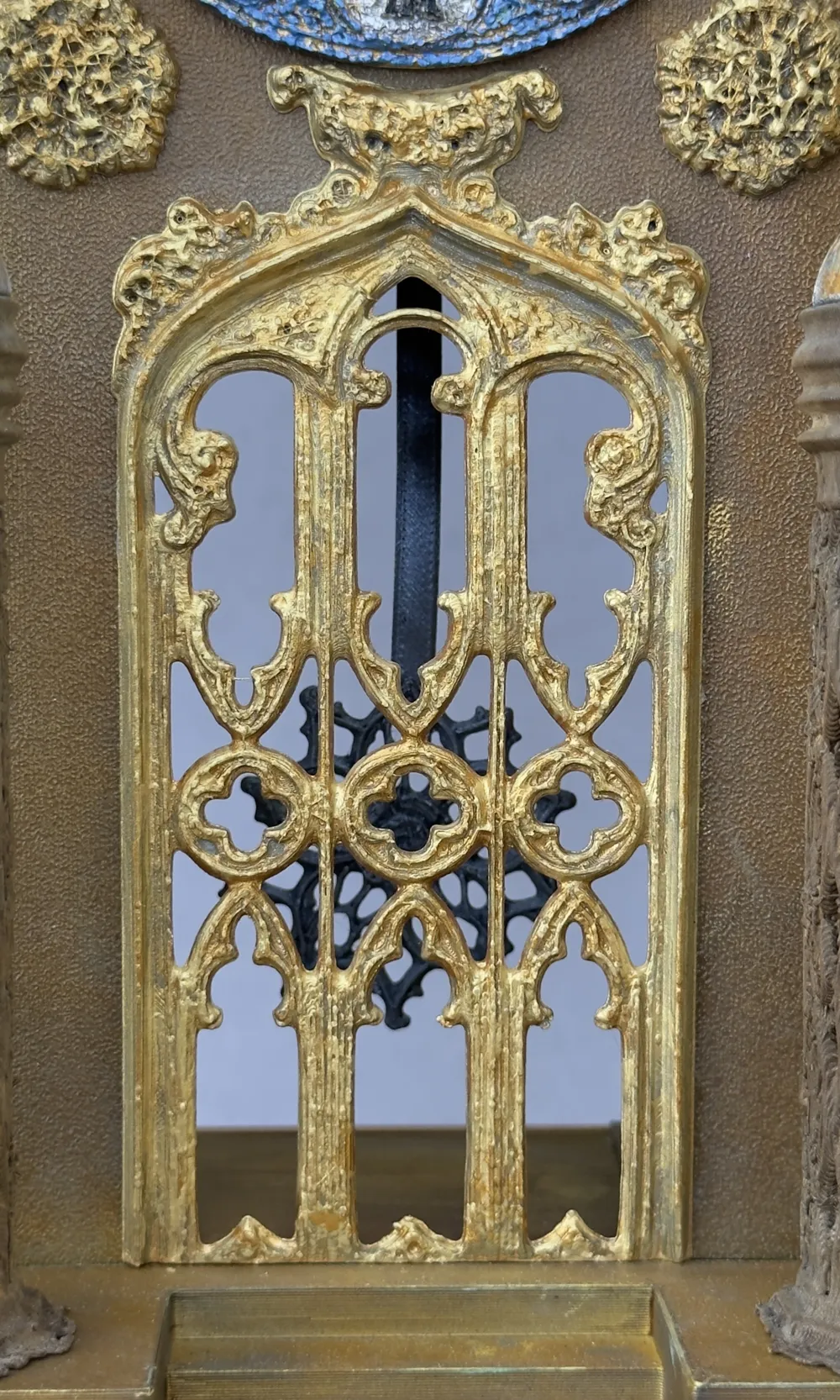
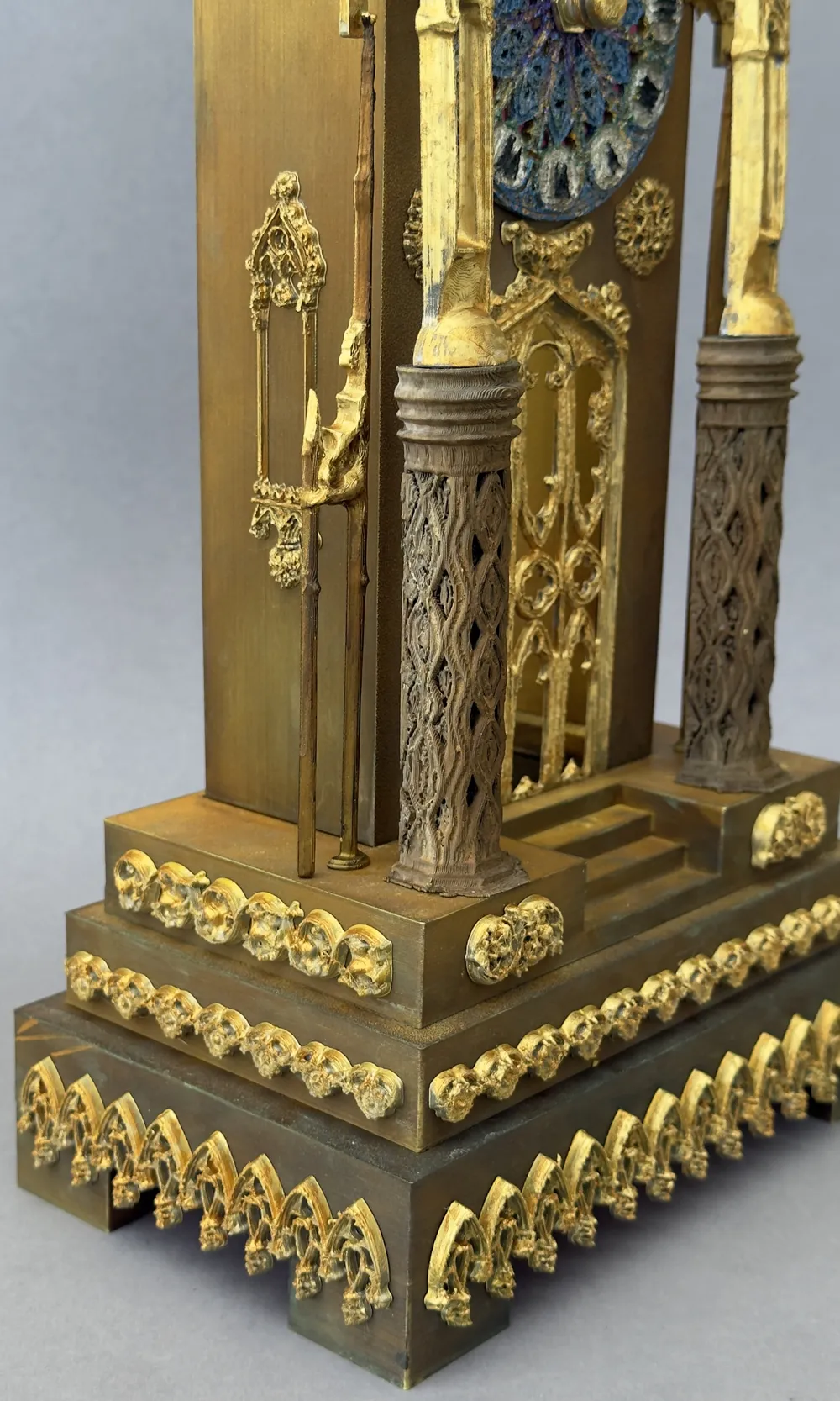
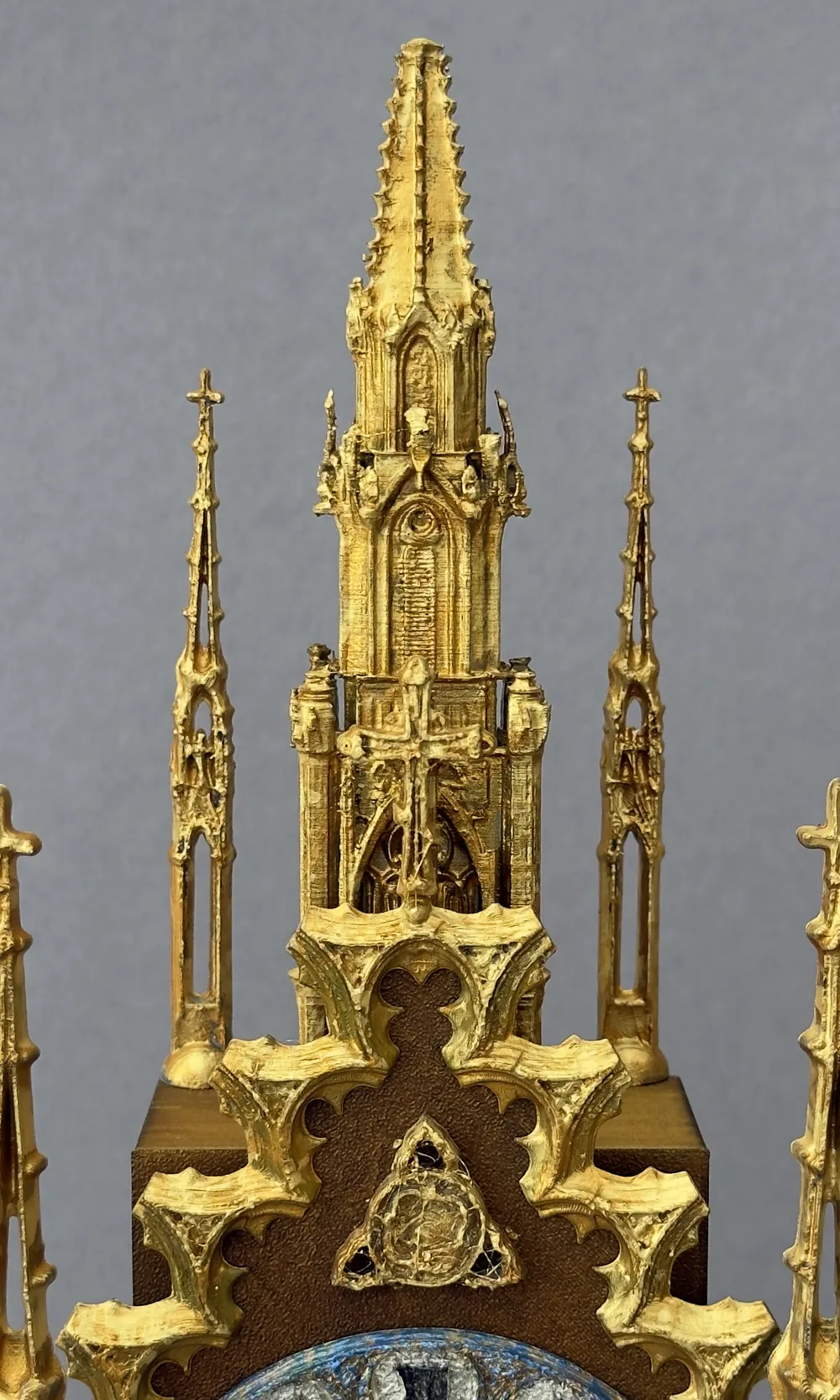
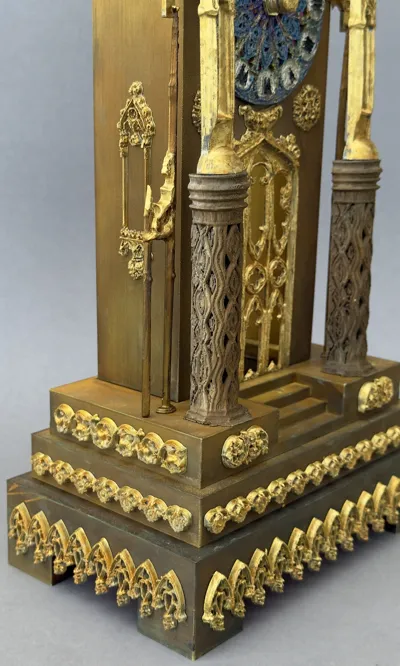
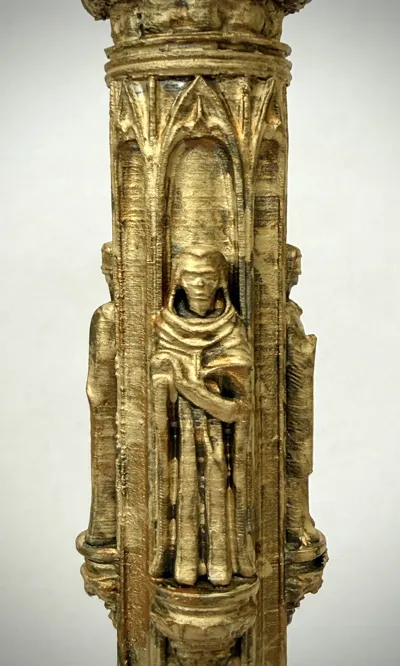
This design's workflow takes inspiration directly from 19th-century bronziers, who gilded decorative appliqués separately before affixing them to patinated bronze cases. Visual instructions available in the accompanying “Assembly Guide” PDF.
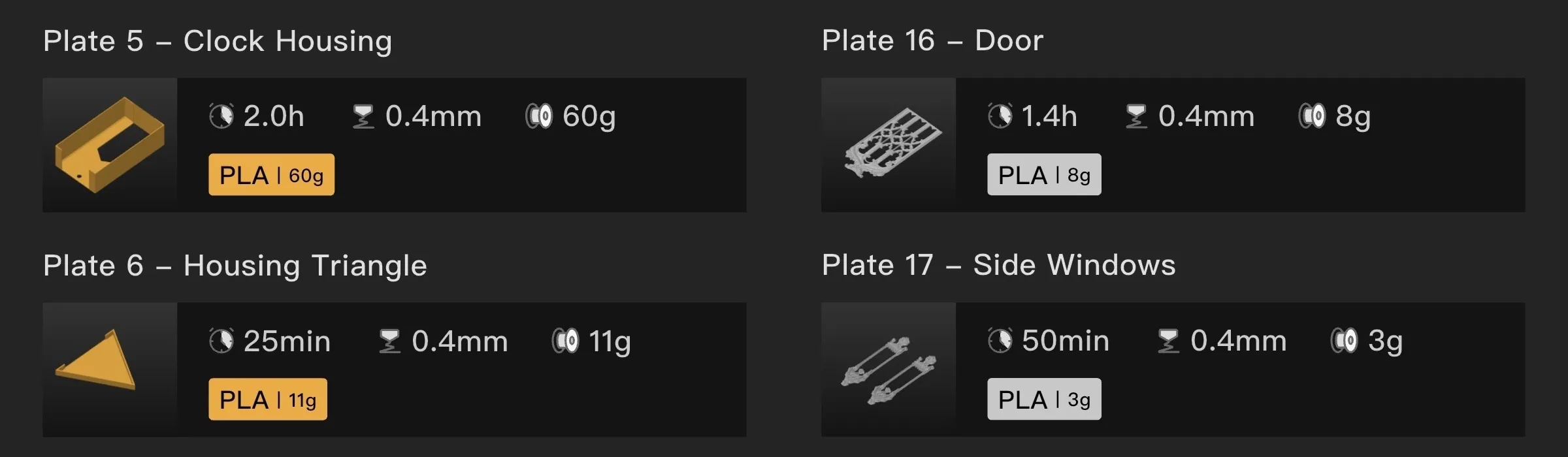
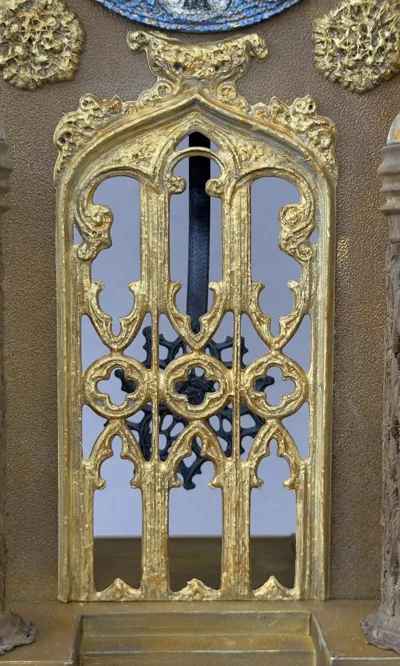
The modular design allows ornamental elements to lie flat on the build plate rather than extending vertically, preserving the fine details of the ornamentation while simplifying printing and avoiding overhang issues.
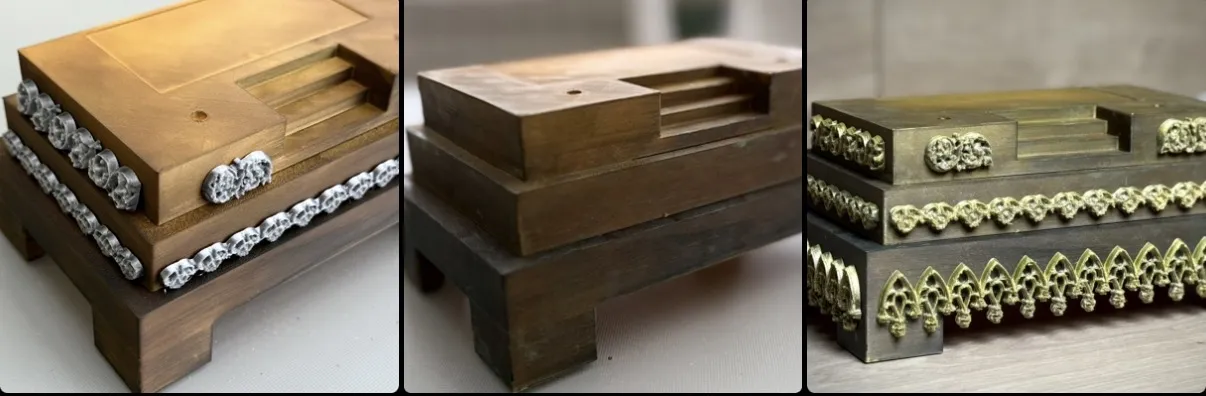
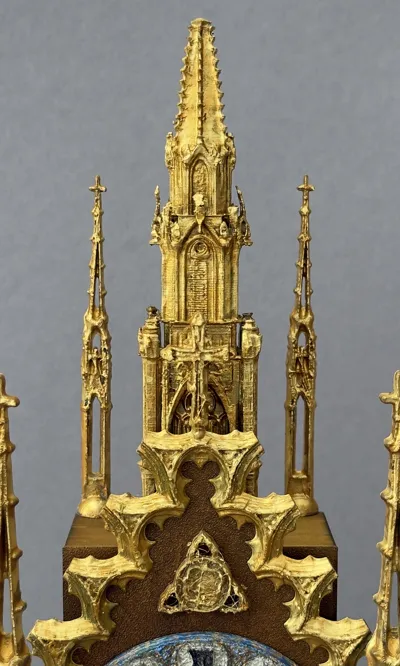
Painting each piece individually eliminates the need for masking on the assembled model. Once painted, elements can be affixed to the roof, tower, and base; forming a cohesive and richly detailed assemblage.
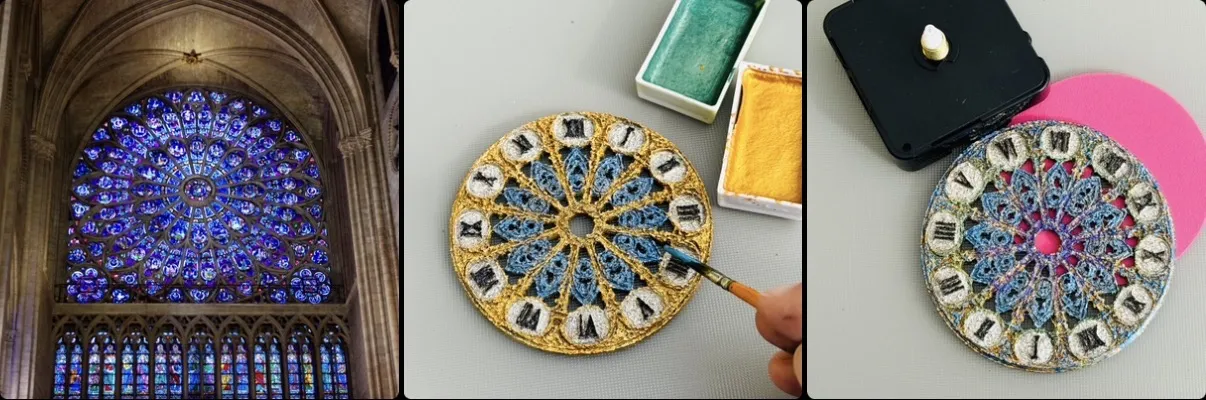
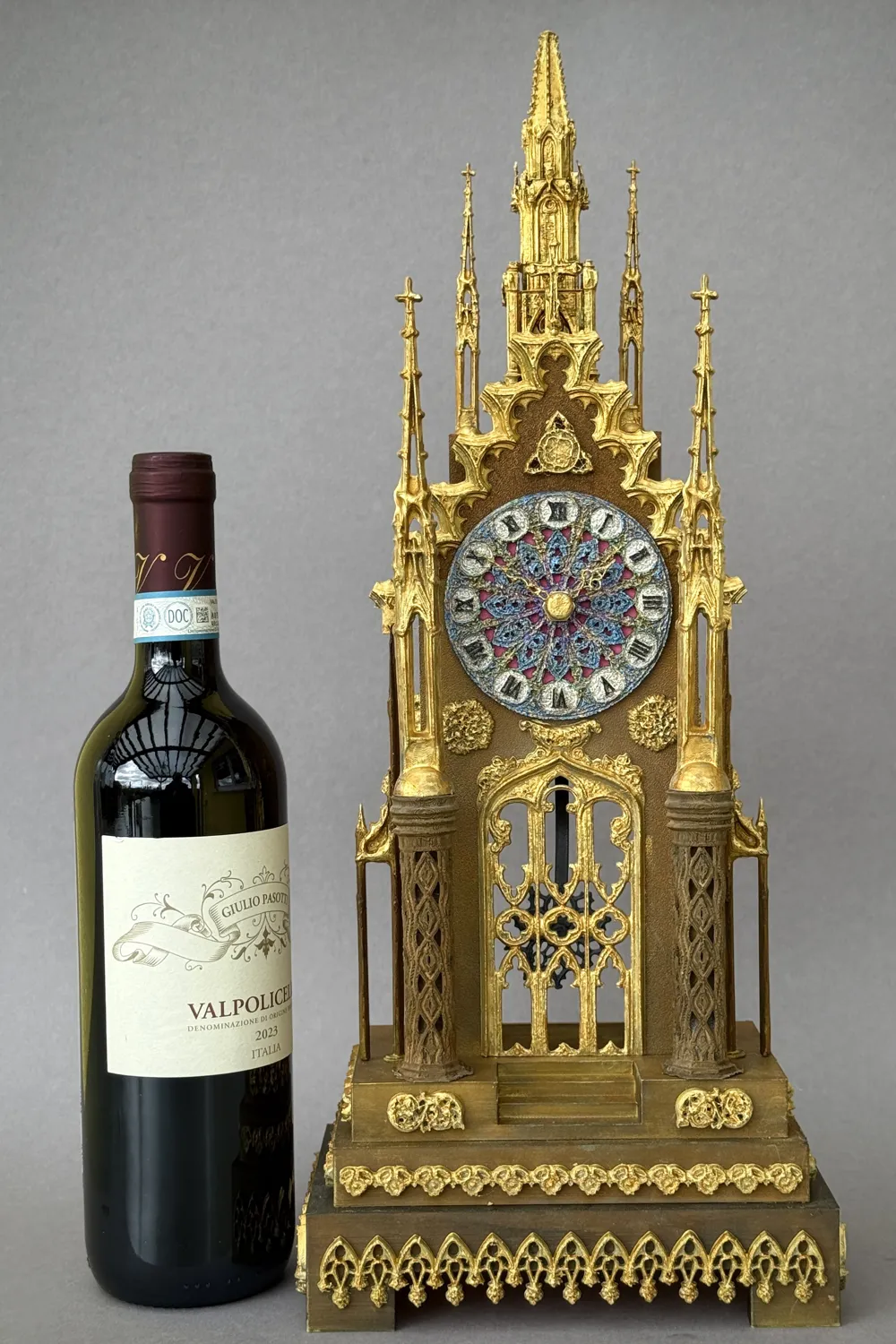
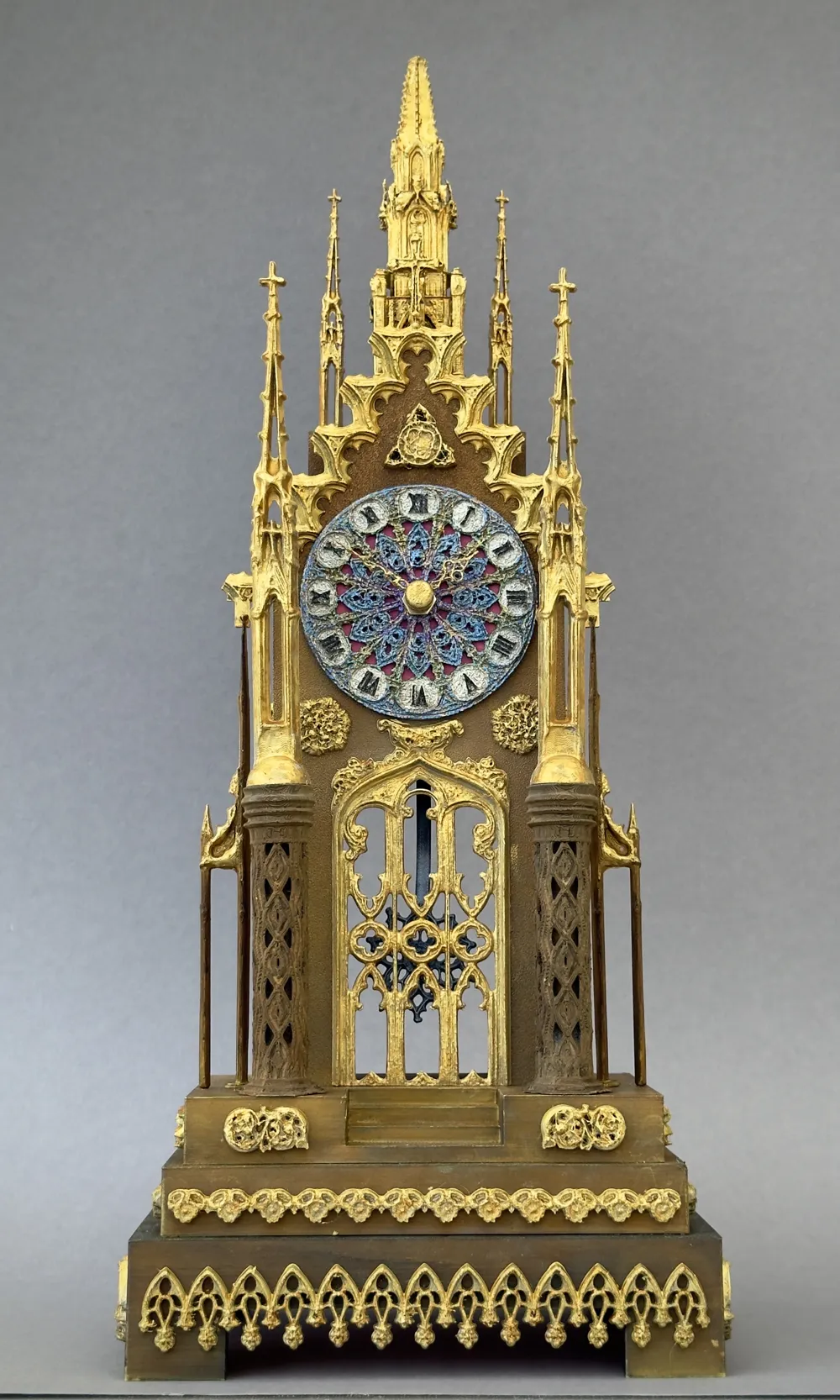
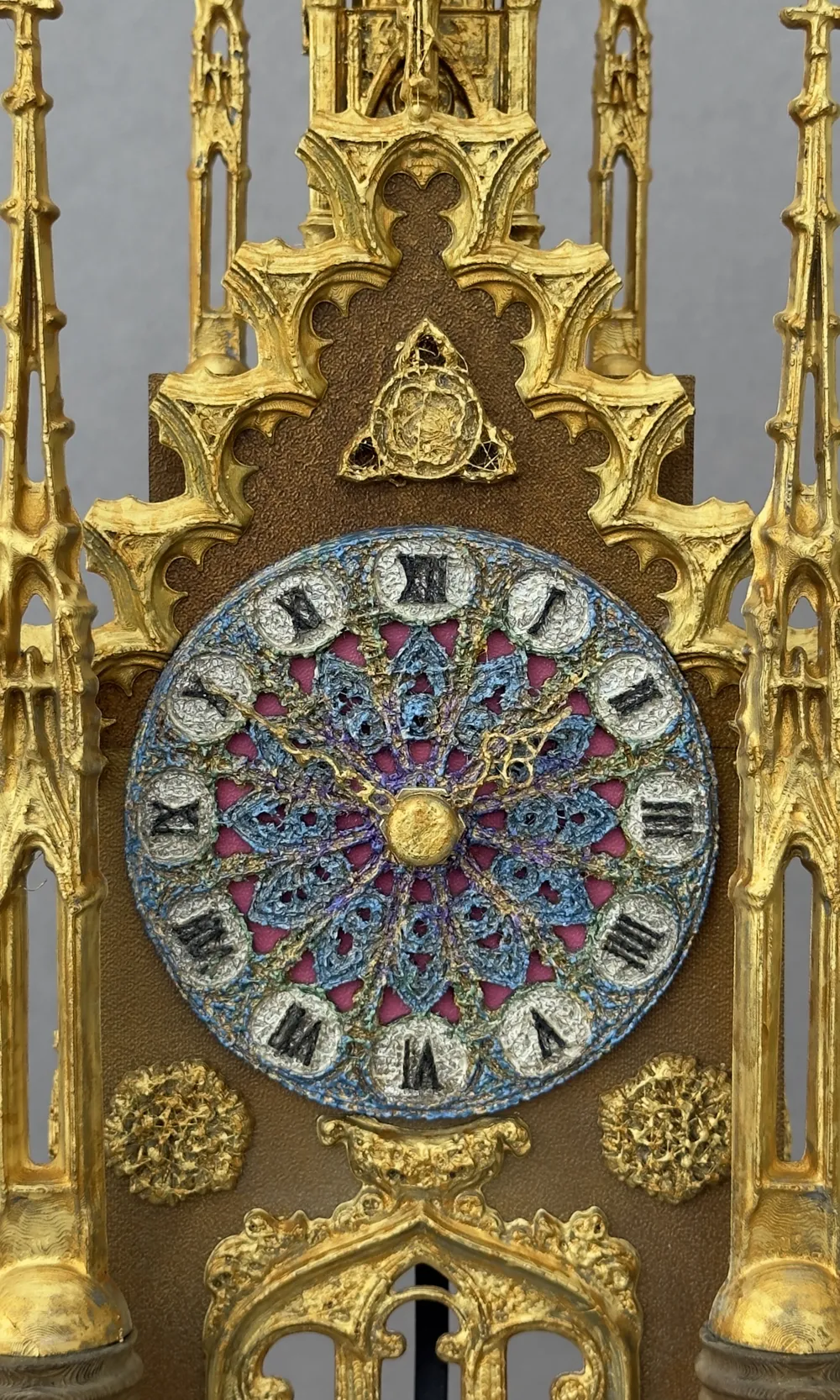
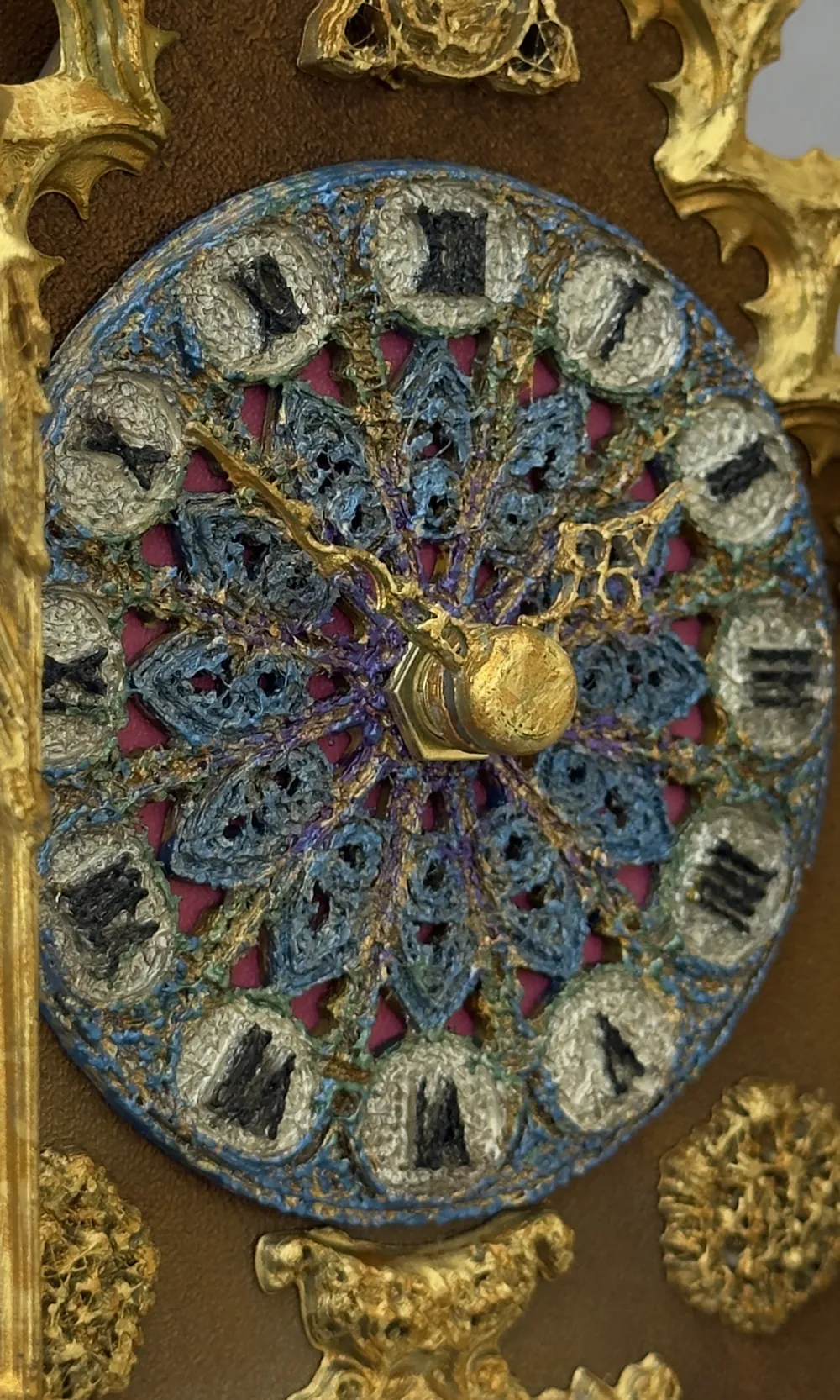
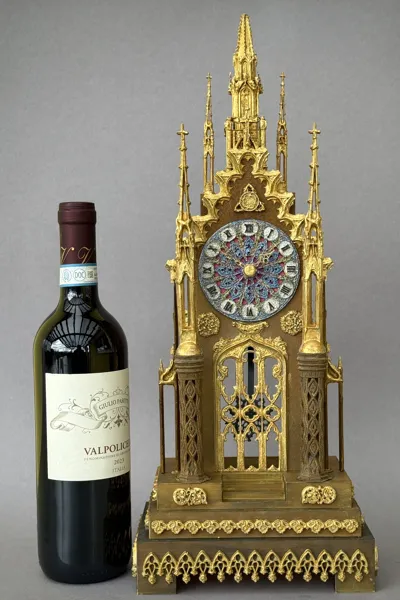
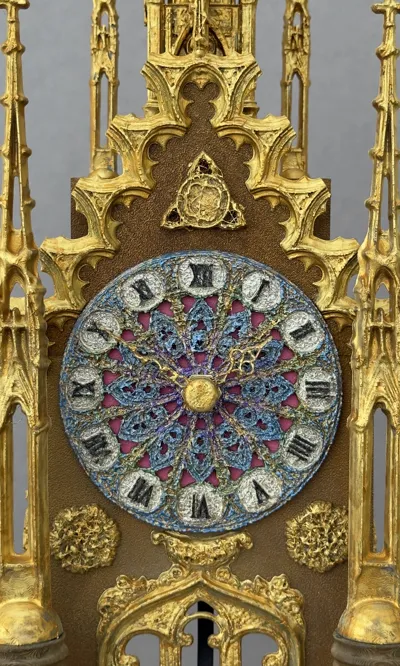
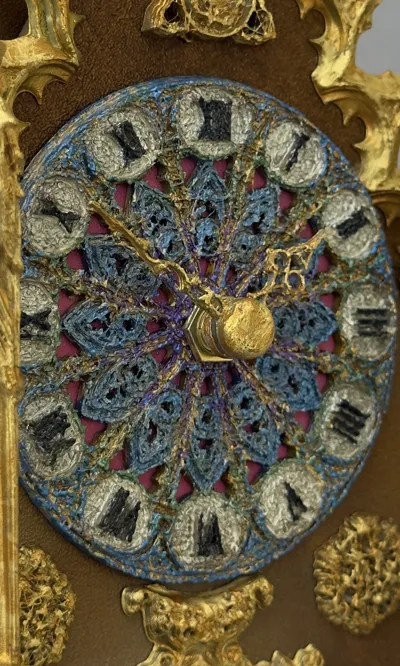
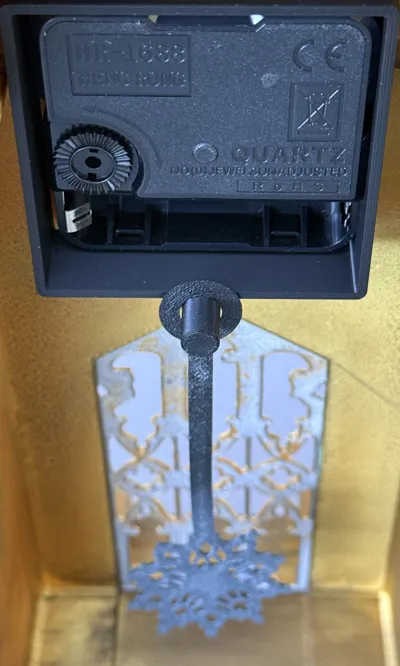
Because the clock mechanism blocks all light, the dial is conceived through chiaroscuro, turning necessity into design. Light is not transmitted but constructed: tone, polish, and pigment create a subtle trompe-l’œil of stained glass, a simulated luminosity that suggests the quiet radiance of glass illuminated from within. The rose-toned ground introduces a tempered warmth that mediates between reflection and shadow, giving the surface depth and a sense of inward glow. The colors follow the symbolic logic of medieval glass. Deep blue, associated with the Virgin, conveys purity and the heavens; red, tied to the Passion, speaks of sacrifice and humanity.
Documentation (1)
License

You shall not share, sub-license, sell, rent, host, transfer, or distribute in any way the digital or 3D printed versions of this object, nor any other derivative work of this object in its digital or physical format (including - but not limited to - remixes of this object, and hosting on other digital platforms). The objects may not be used without permission in any way whatsoever in which you charge money, or collect fees.


Comment & Rating (16)