
San Siro - Cathedral of Football
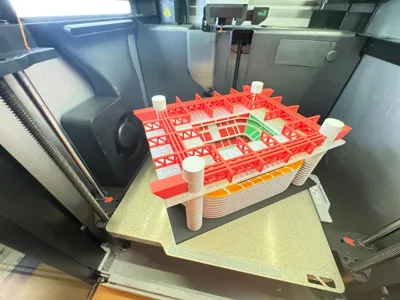
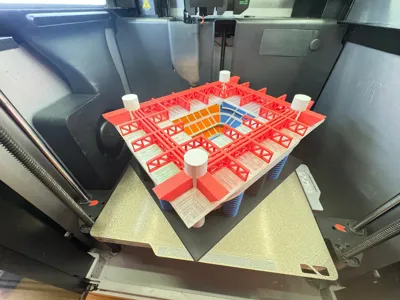
Print Profile(1)

Description
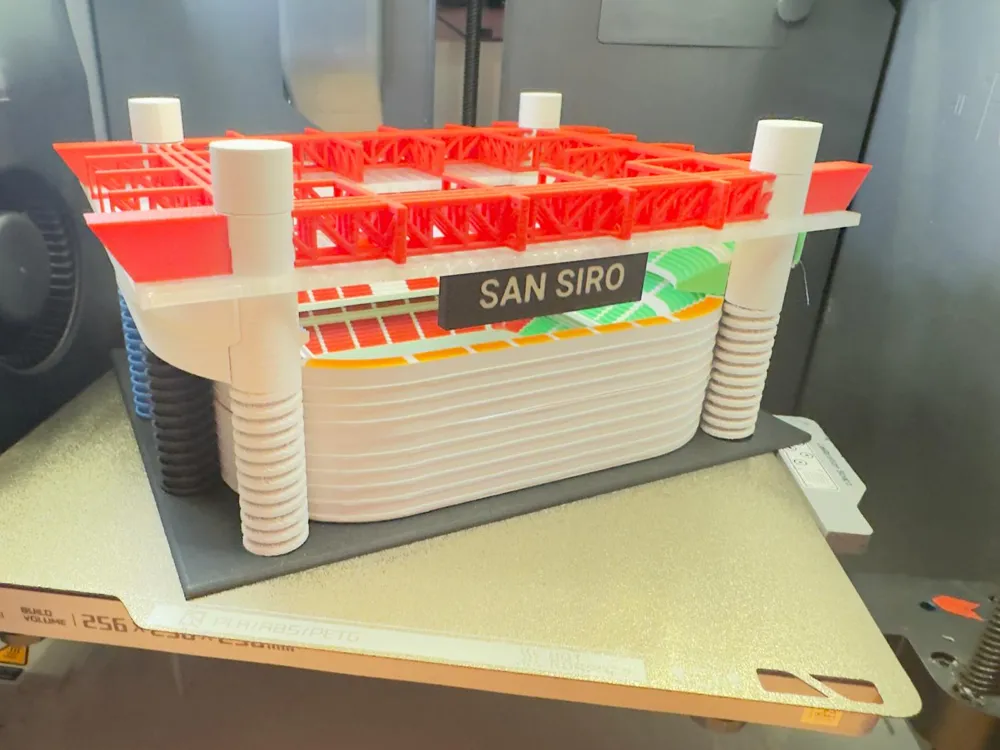
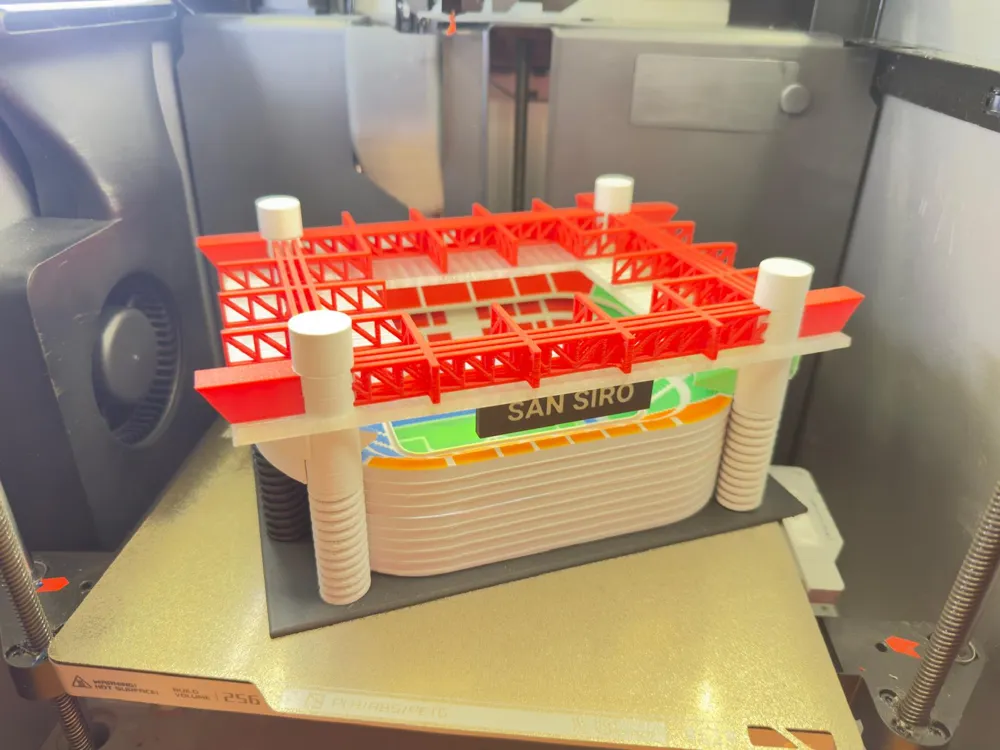
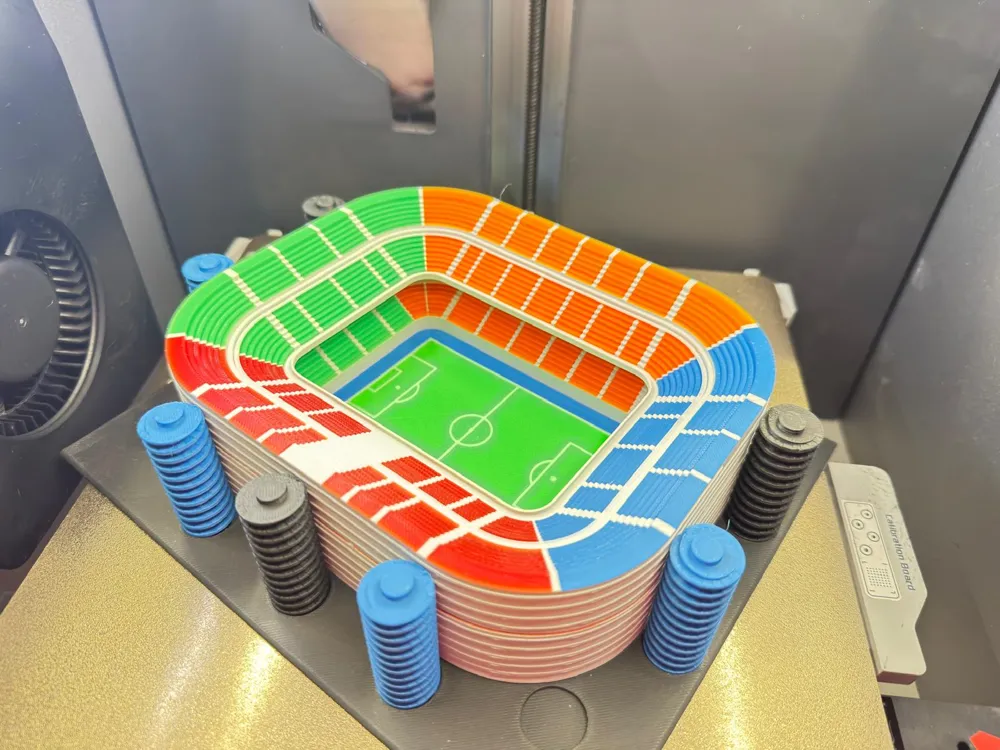
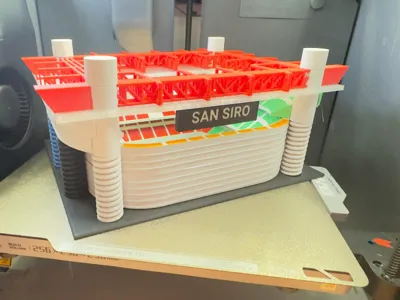
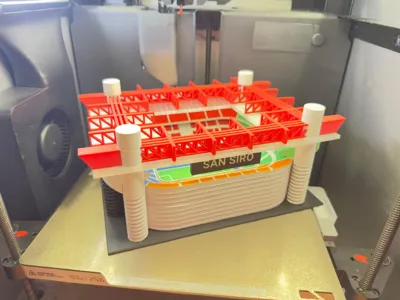
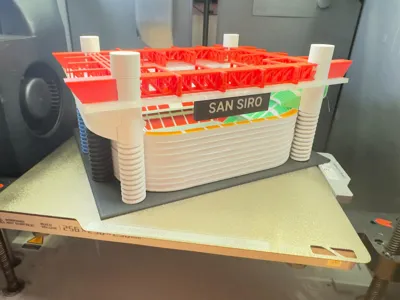
The San Siro stadium, officially Stadio Giuseppe Meazza, is one of the world’s football icons and is often nicknamed “the Cathedral of Football” for its grandeur, history, and importance. It was inaugurated on September 19, 1926, with a Milan vs Inter derby.
The “Cathedral of Football”
San Siro is called the “Cathedral of Football” (and also “La Scala del Calcio”) for several reasons:
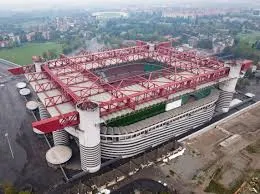
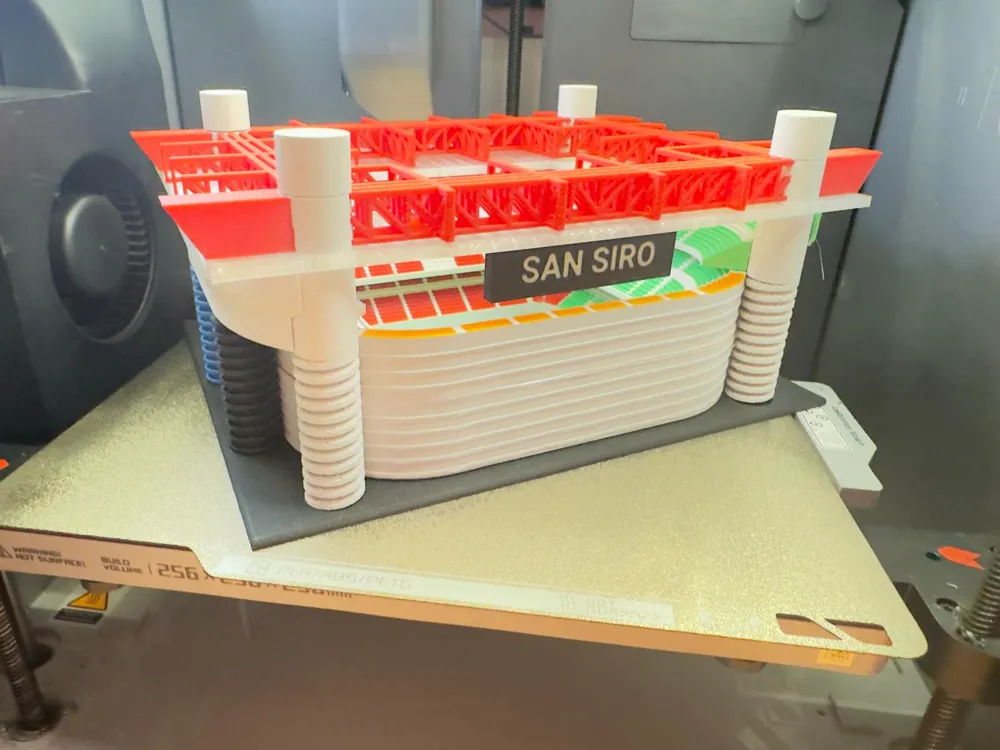
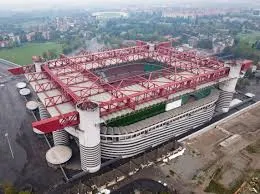
- Its impressive architecture and the iconic helical ramps make it unique worldwide.
- Legendary matches have been played here: World Cups, European Championships, Champions League finals, historic league titles, and memorable Milan and Inter nights.
- The nickname highlights its function as a “sacred” place for fans and football lovers, a temple where Milanese, Italian, and international football passion is celebrated.
- The new stadium project, in fact, takes inspiration from the word “Cathedral” to combine religious and sporting symbols of the city.
The stadium’s history and its role make San Siro a true temple and theater of international football, continuing to fascinate generations of fans and athletes.
Origins and Construction
The initiative to build the stadium came from AC Milan’s president, Piero Pirelli, in 1925. He wanted a modern arena dedicated solely to football, without an athletics track - a style inspired by English stadiums. The design was entrusted to architect Ulisse Stacchini and engineer Alberto Cugini. Built in just 13 months, the stadium initially featured four separate stands made of reinforced concrete, with a capacity of 35,000 spectators.
Early Decades and Expansions
Originally, the stadium was AC Milan’s property, and Inter only started playing there after the 1947/48 season, when the venue passed to the Municipality of Milan. In 1935, municipal authorities began major expansion works: four curved stands were added, making an enclosed structure and increasing capacity to 55,000 seats.
Structural Evolution
In 1955, the “second ring” was built, a continuous upper tier above the original stands, supported by helical ramps. Lighting was added in 1957, and an electronic scoreboard followed a decade later. The “third ring” was constructed between 1987 and 1990 for the FIFA World Cup, raising the seating capacity to over 85,000 and providing full coverage for the seats.
“San Siro” and the Giuseppe Meazza Dedication
The stadium’s name comes from the neighborhood and the ancient church, San Siro alla Vepra. In 1980, the stadium was dedicated to Giuseppe Meazza, the legendary Milanese footballer who won the World Cup in 1934 and 1938.
Historical Importance and Current Role
San Siro has hosted historic sporting events, including the 1934 and 1990 FIFA World Cups and several European finals. It is the home ground of both AC Milan and Inter Milan, an iconic symbol for Milan and international football. The current capacity is around 76,000 seats after several rounds of renovation.
Curiosities
- San Siro was designed “in the English style,” with no athletics track, solely for football.
- The facilities under the stands were once used as stables and fodder storage, serving the nearby horse-racing tracks.
- After expansions in the 1930s, San Siro was considered the largest stadium in the world until 1950.
San Siro remains one of Europe’s most recognizable and beloved sports arenas, representing sports history and spectacle for generations.
__________________________________________________________________________________________________________________________________________________
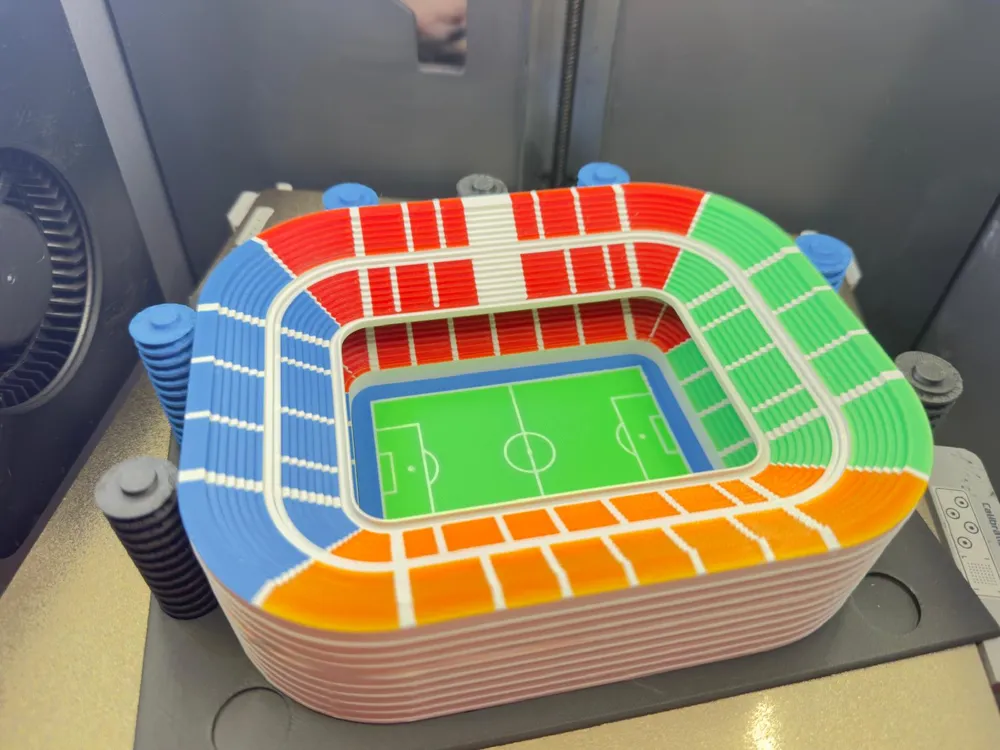
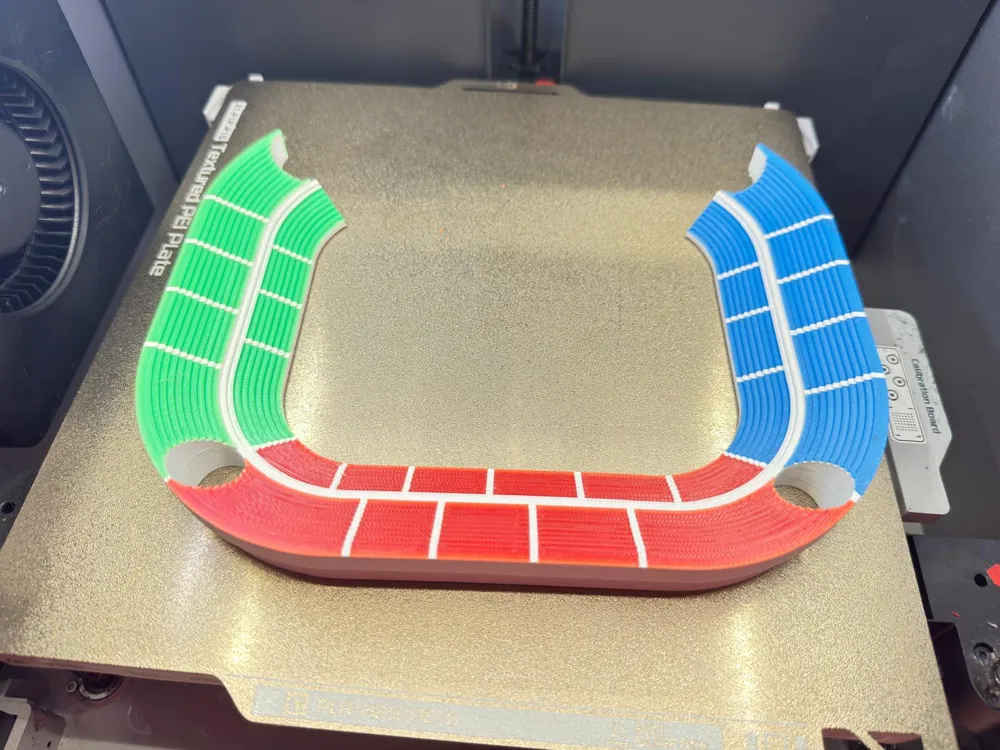
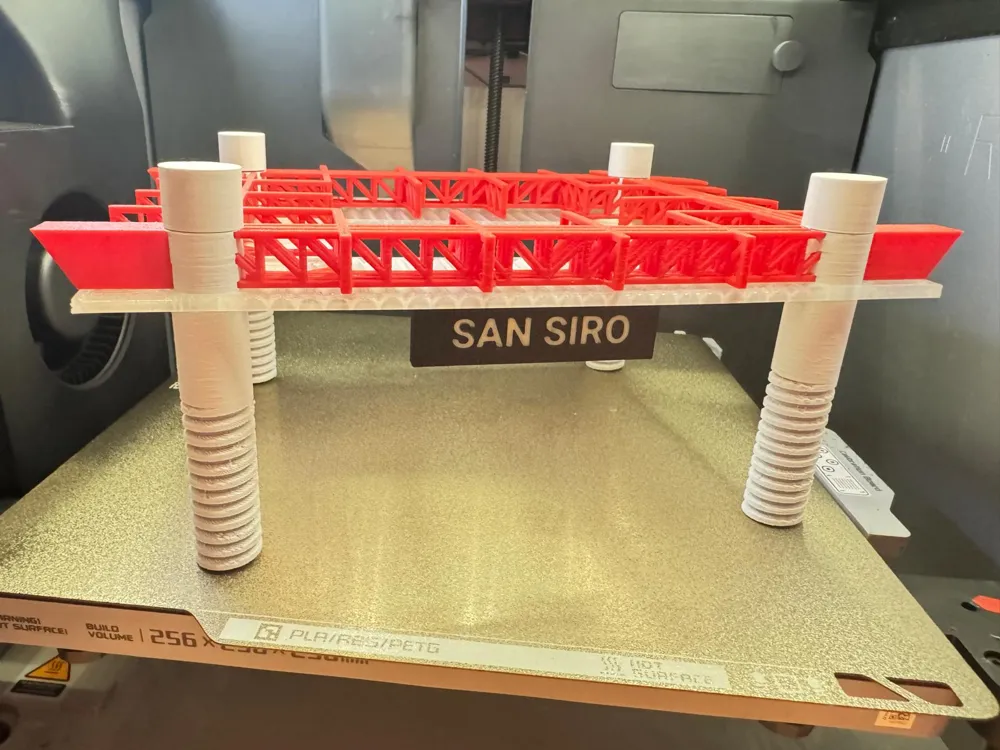
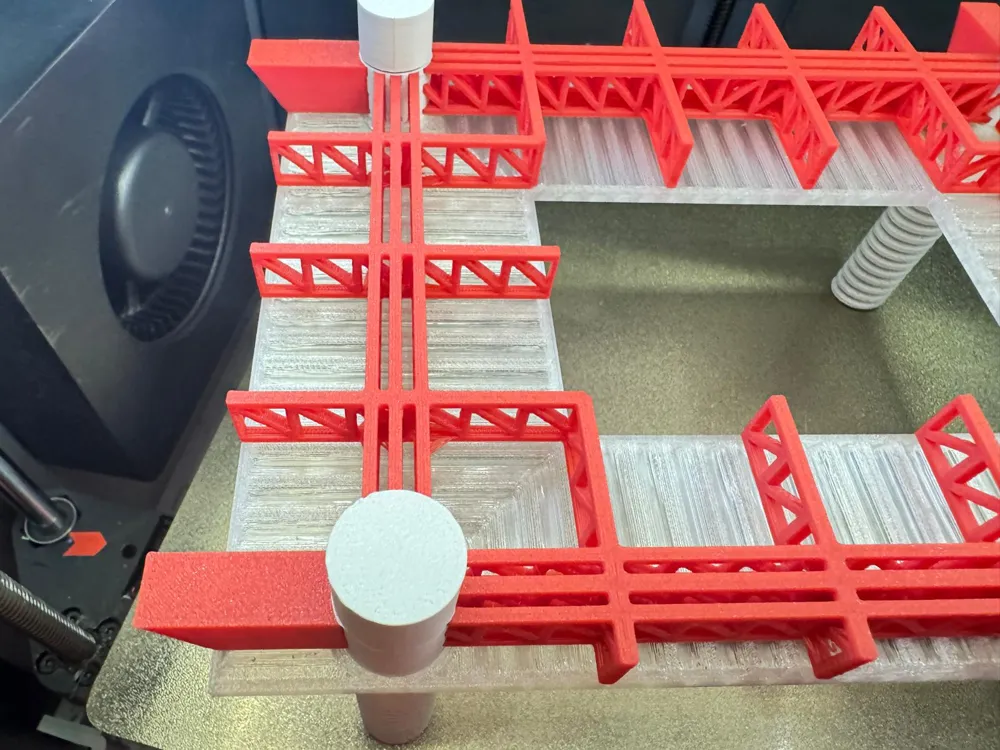
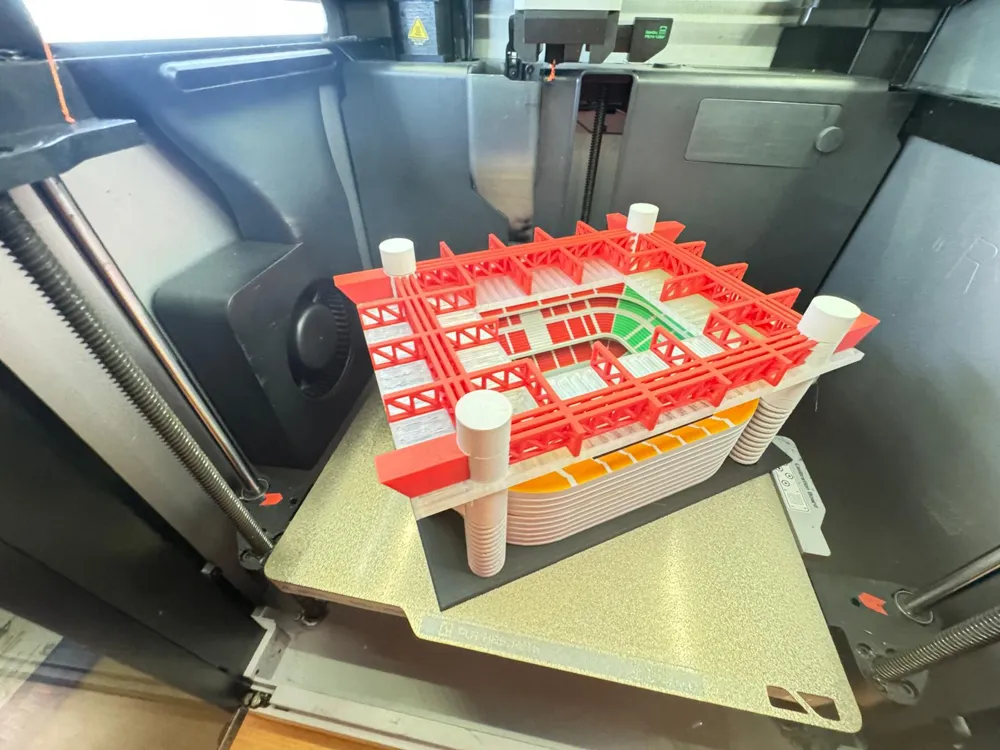
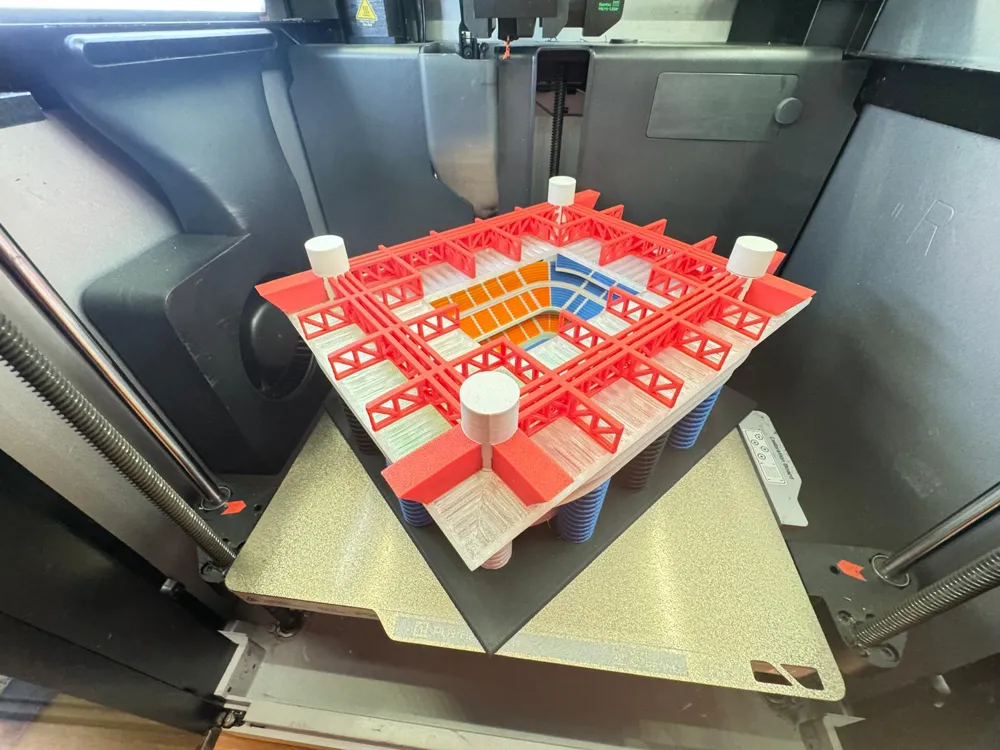
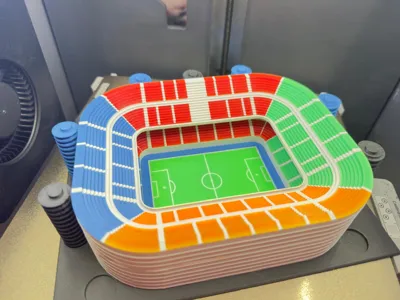
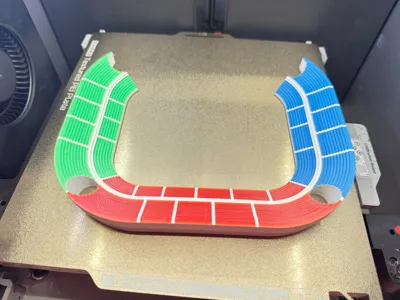
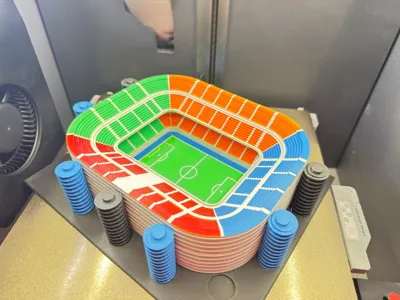
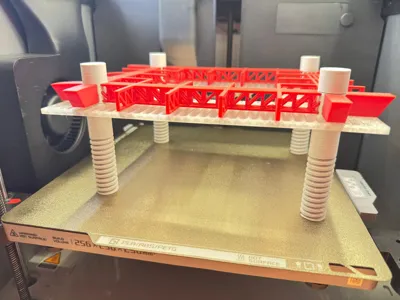
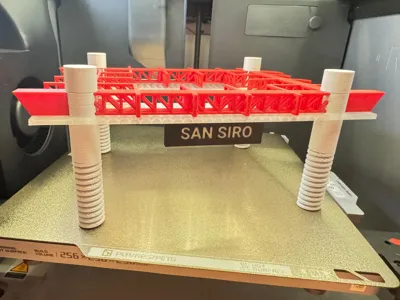
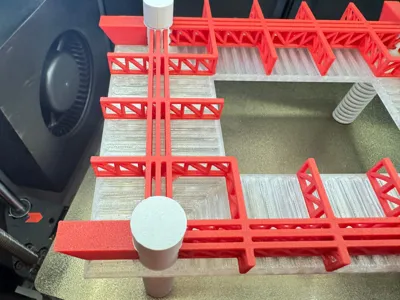
PS: If you want, to speed up the printing, the three rings can be printed in the same colour, without making distinctions among the sectors.
Boost Me (for free)
If you like the model, give it a boost
Documentation (1)
License

You shall not share, sub-license, sell, rent, host, transfer, or distribute in any way the digital or 3D printed versions of this object, nor any other derivative work of this object in its digital or physical format (including - but not limited to - remixes of this object, and hosting on other digital platforms). The objects may not be used without permission in any way whatsoever in which you charge money, or collect fees.


Comment & Rating (7)