
Samson in the temple of Dagon Desk Organizer
Print Profile(1)

Description
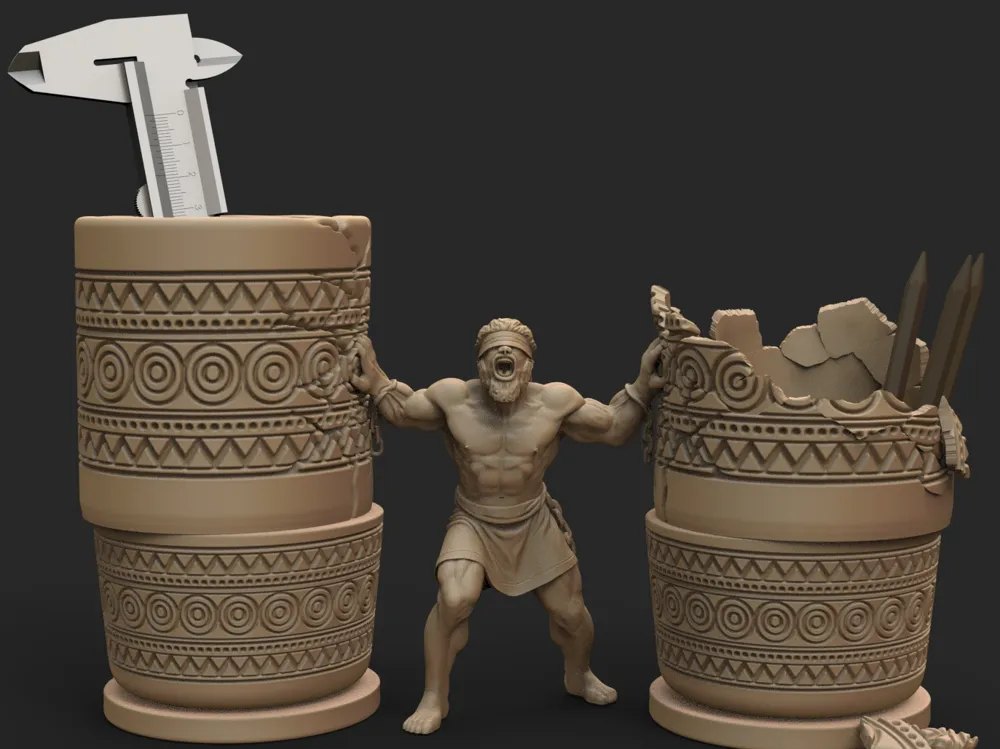
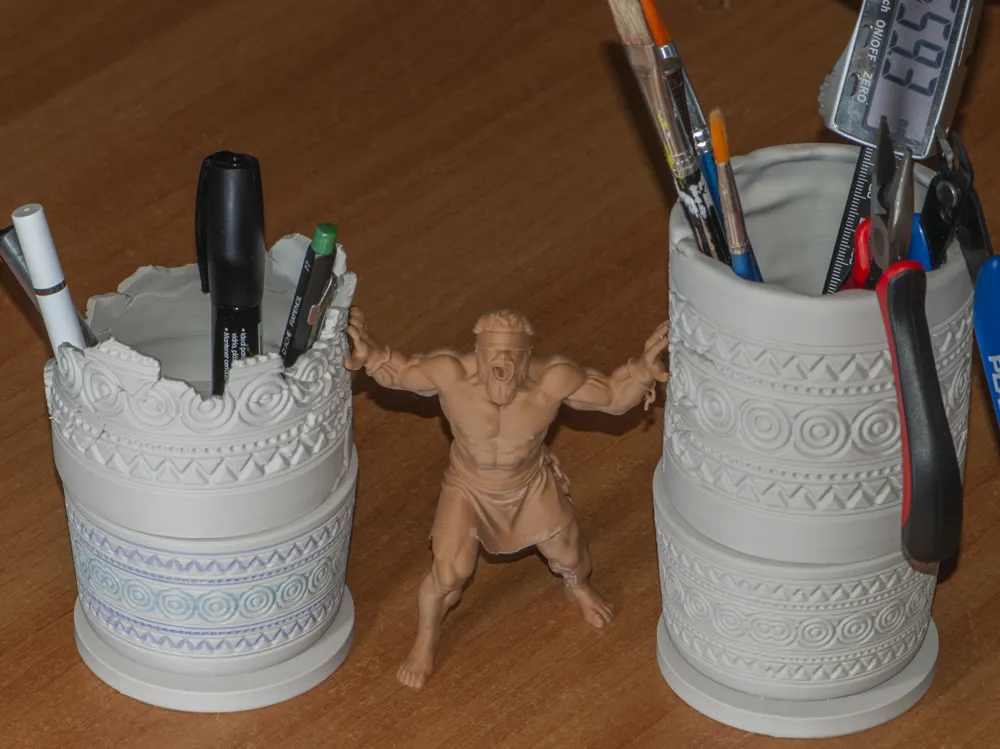
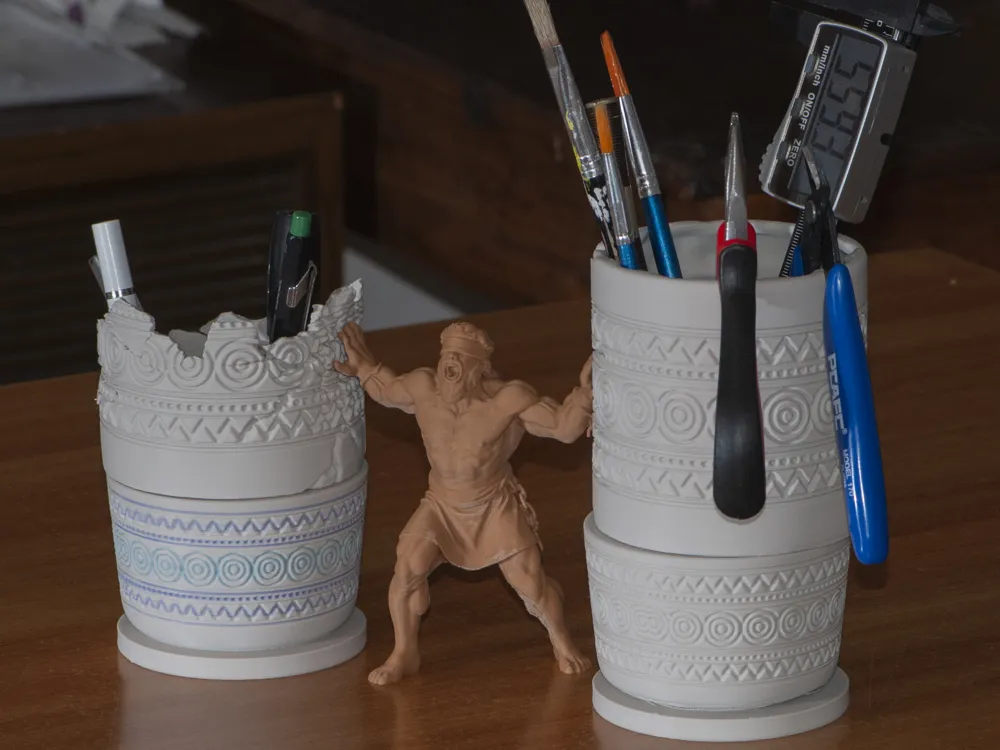
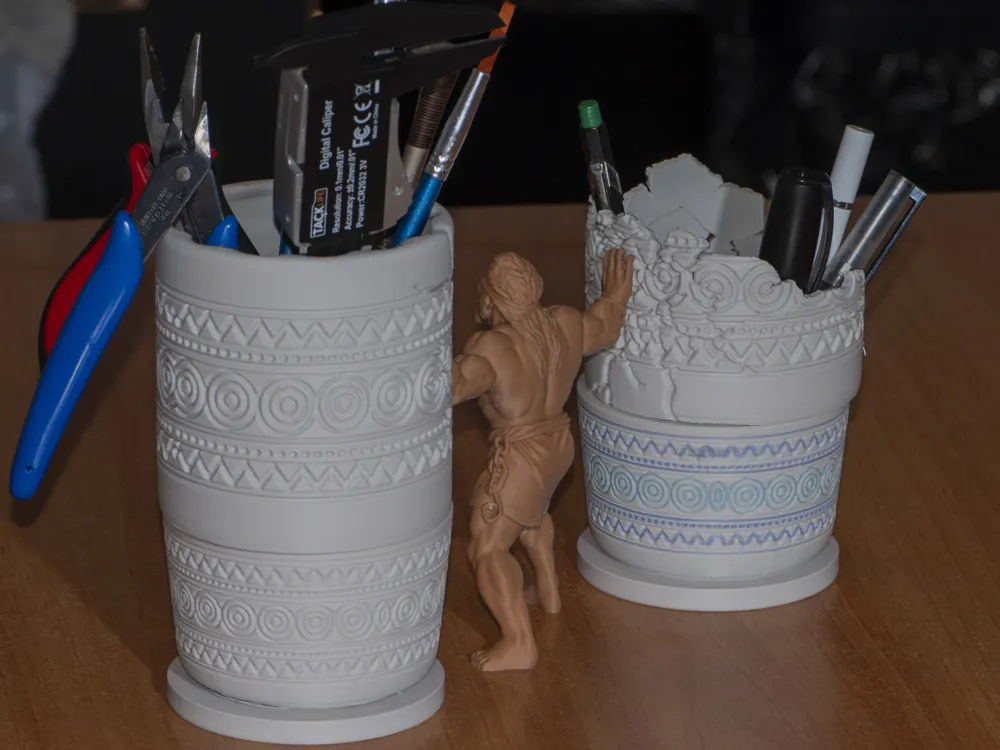
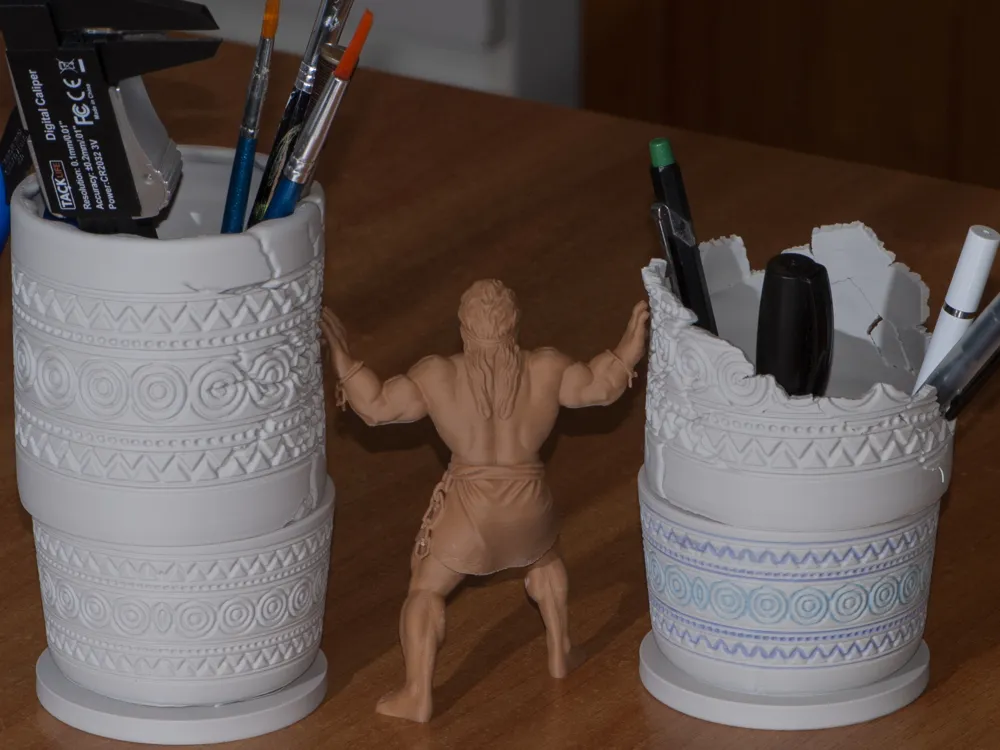
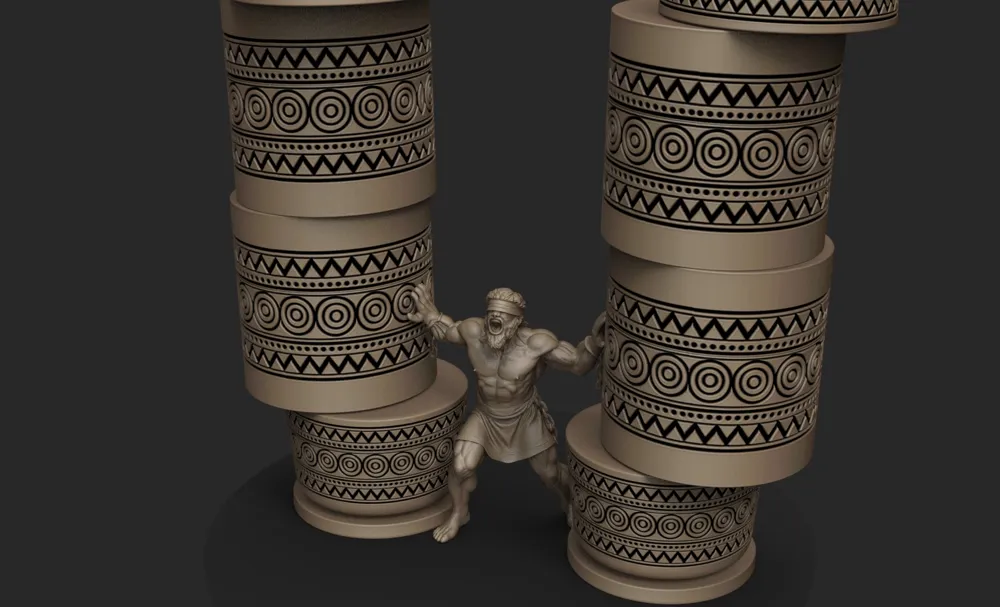
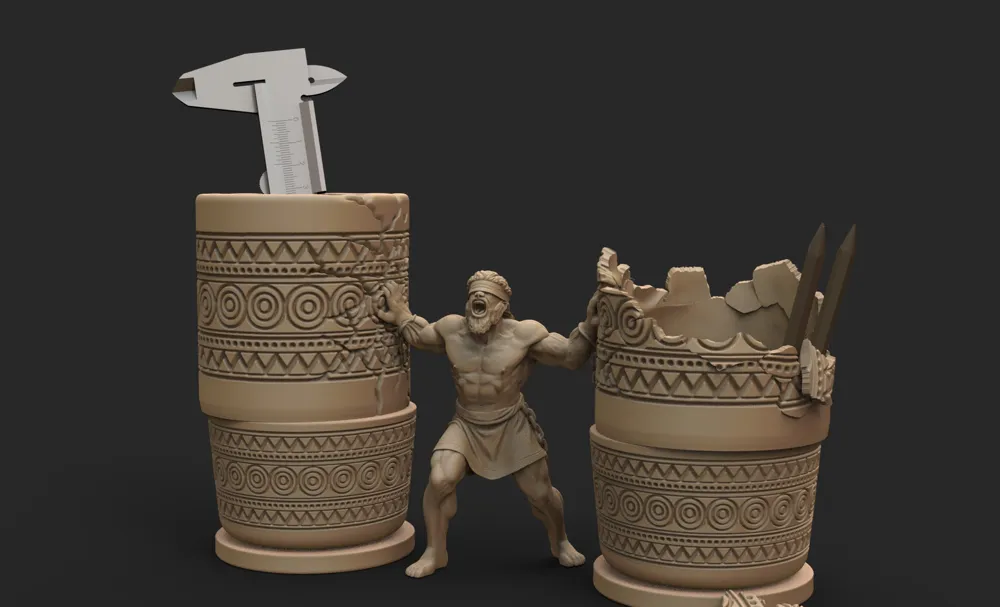
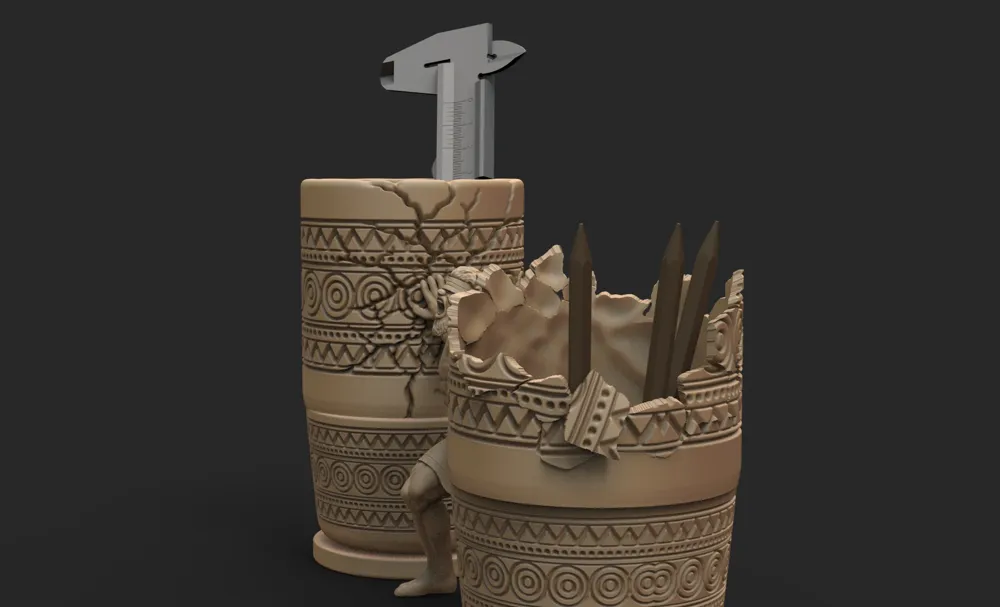
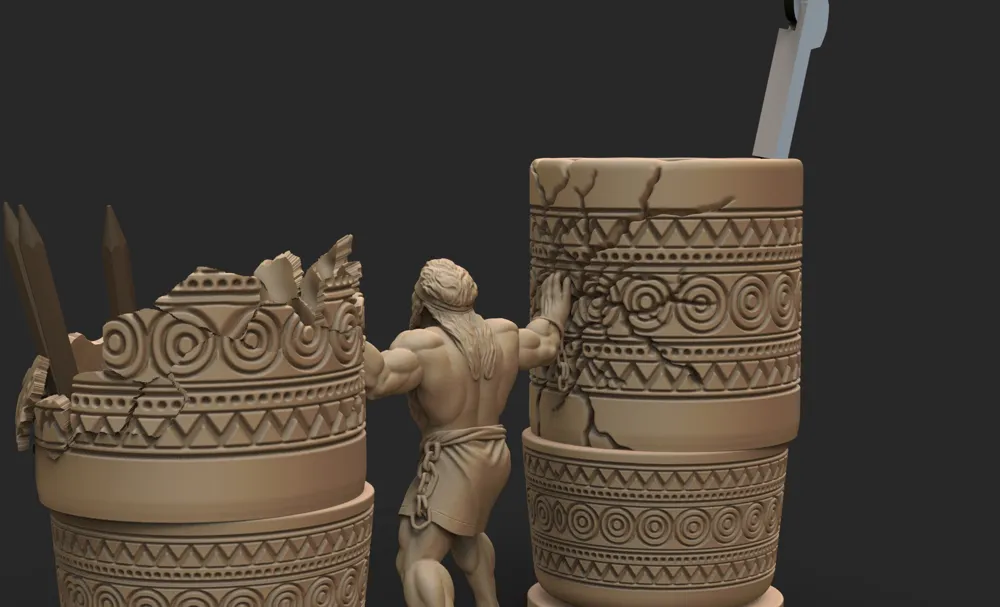
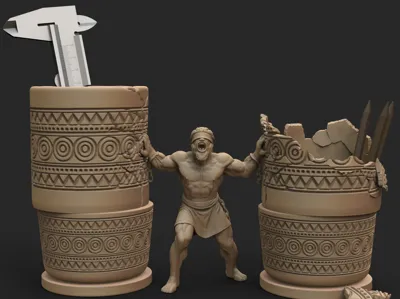
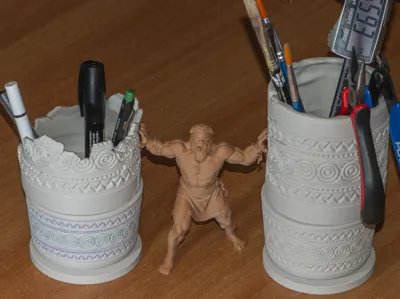
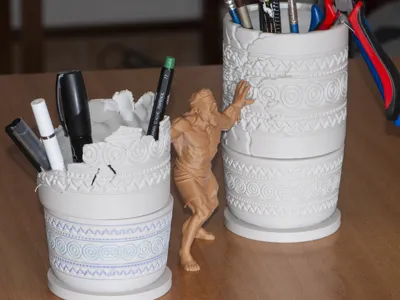
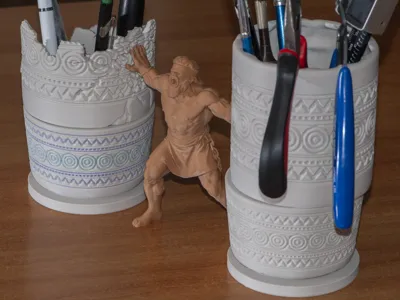
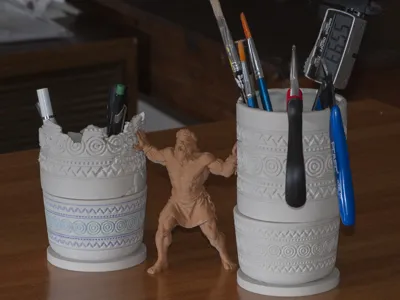
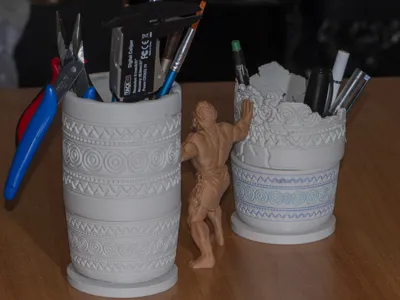
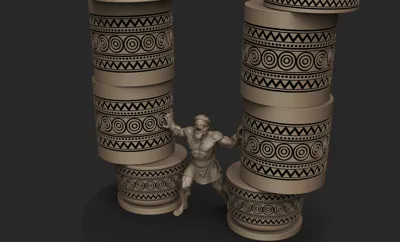
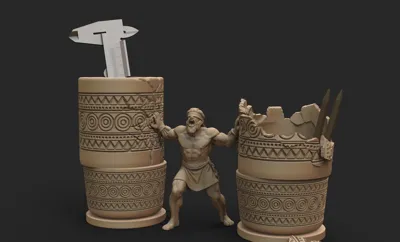
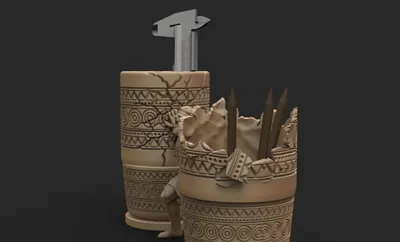
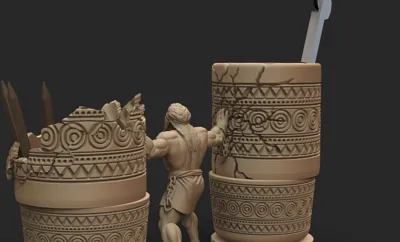
This striking 3D table object holder captures one of the most dramatic moments from biblical history - the final heroic act of Samson as he brings down the Temple of Dagon. The piece serves both as a functional organizer and a powerful artistic representation of this legendary scene from the Book of Judges.
Design Concept
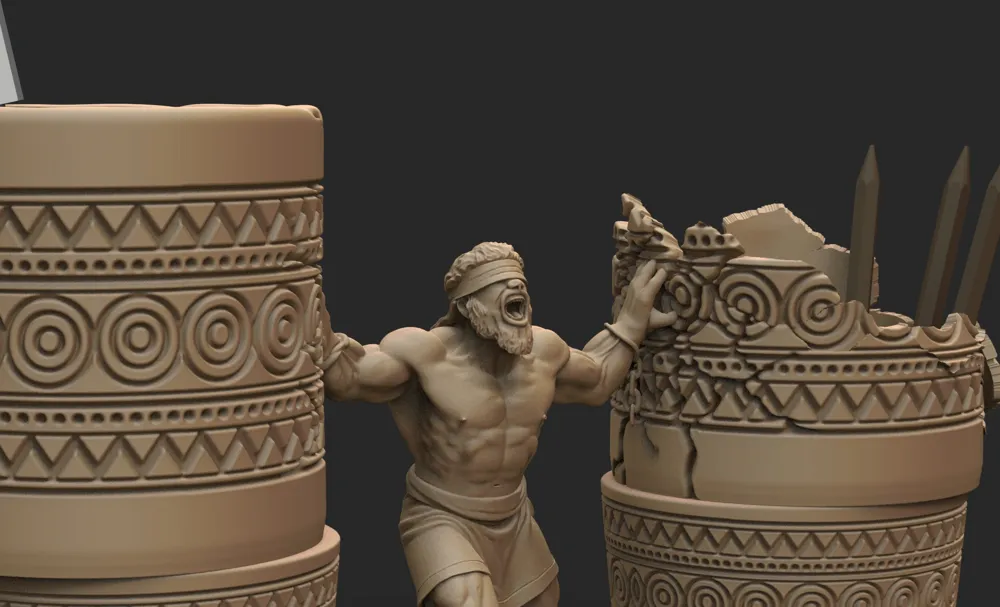
The model recreates the climactic moment when Samson, blinded and imprisoned by the Philistines, was brought to their temple during a celebration honoring their god Dagon. According to the biblical account, Samson positioned himself between the two central pillars that supported the temple structure and, calling upon God for strength one final time, pushed with all his might to bring down the entire building.
Structural Elements
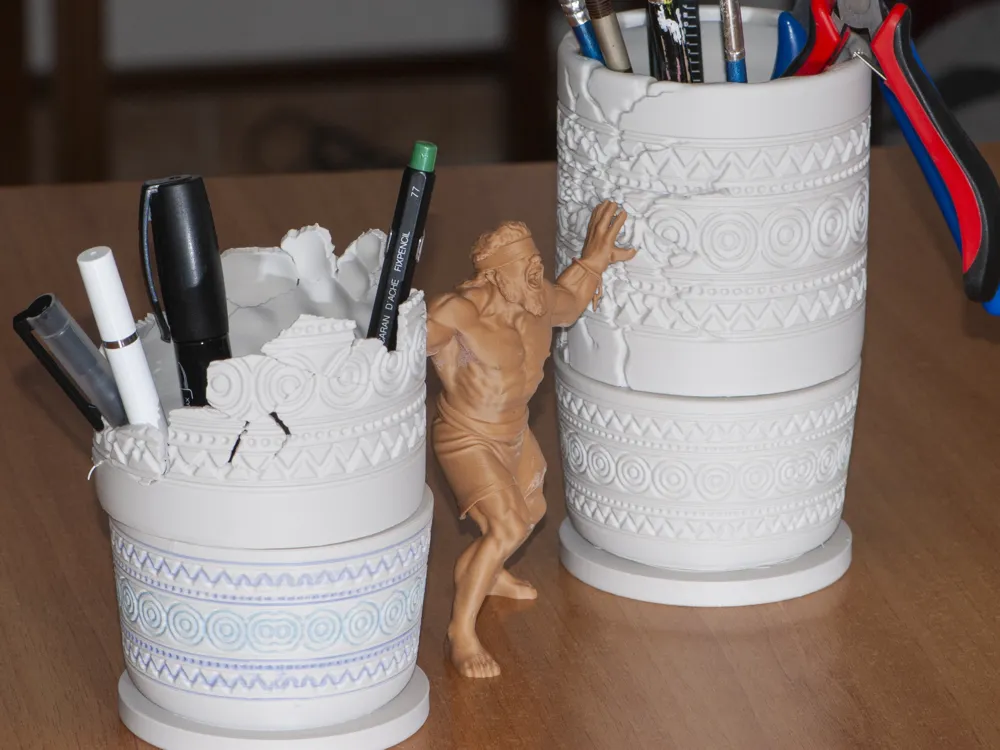
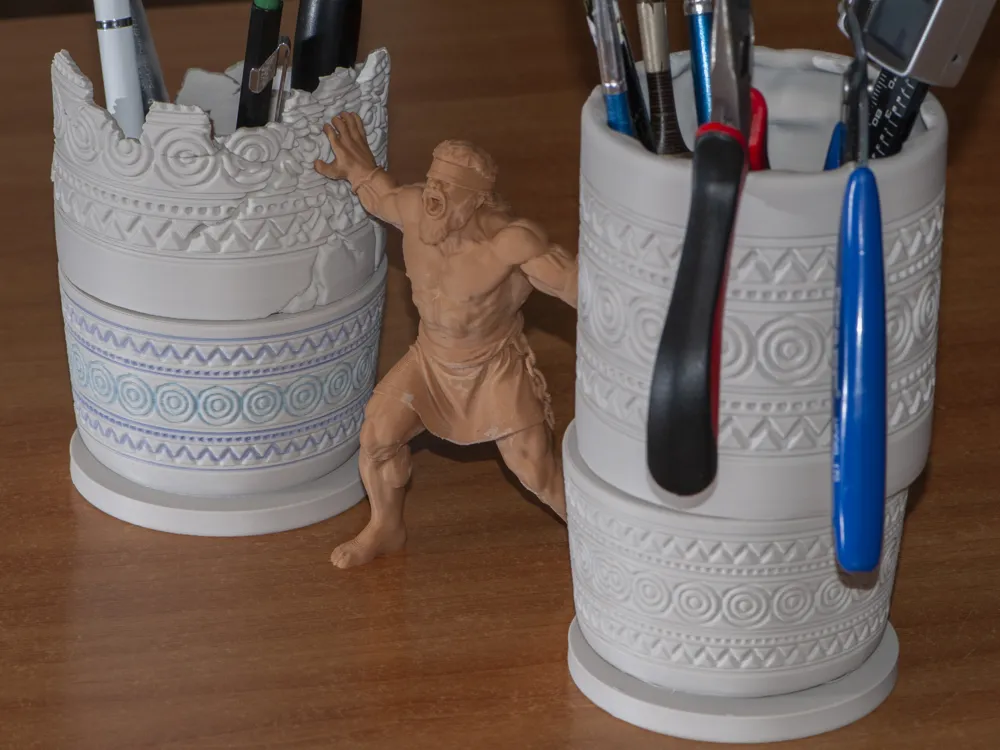
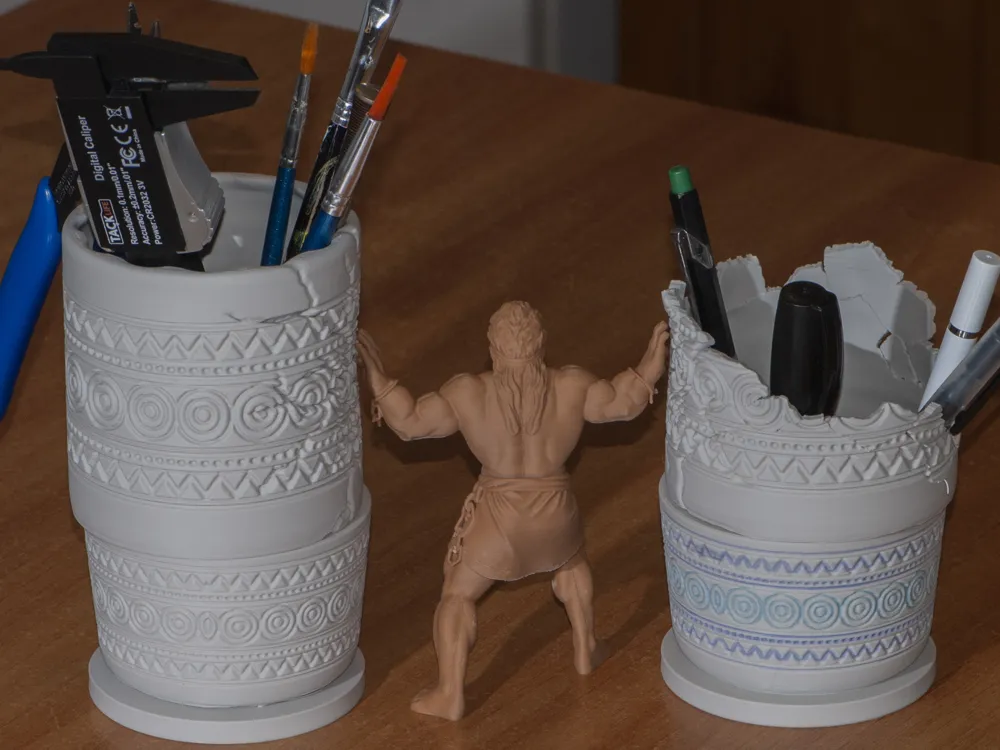
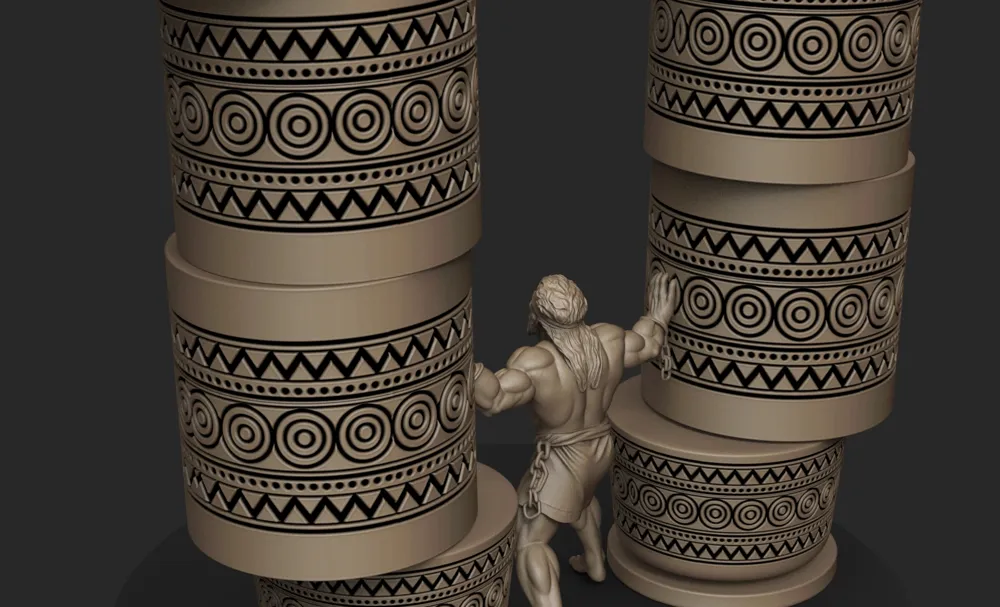
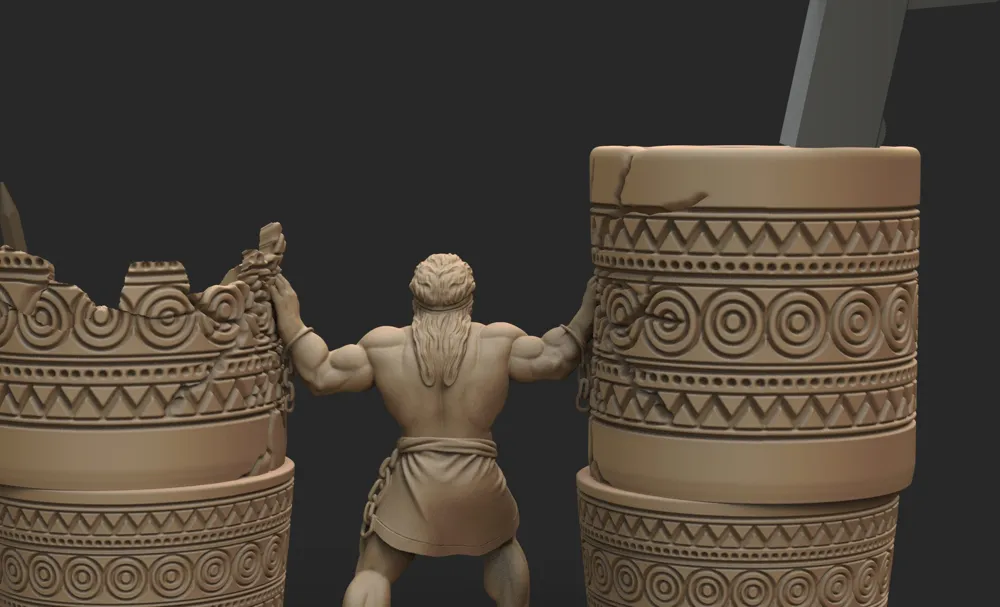
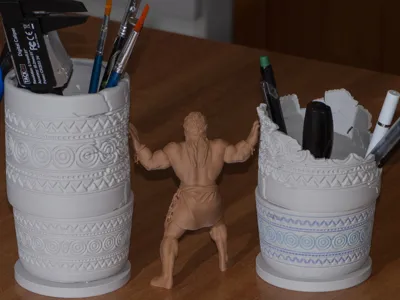
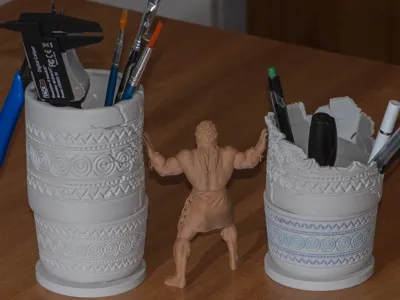
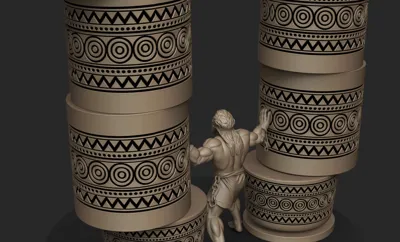
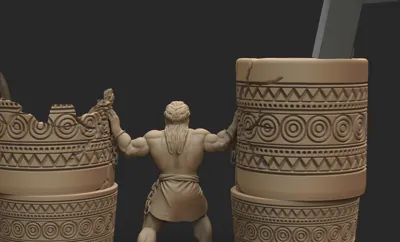
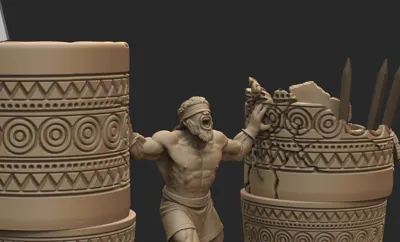
Central Figure - Samson: The centerpiece features Samson positioned between the two columns, his muscular form captured in the moment of exertion as he braces himself against the pillars. His stance shows him with his right hand pressed against one column and his left hand against the other, just as described in Judges 16:29. The figure embodies both the physical strength for which Samson was renowned and the determination of his final sacrifice.
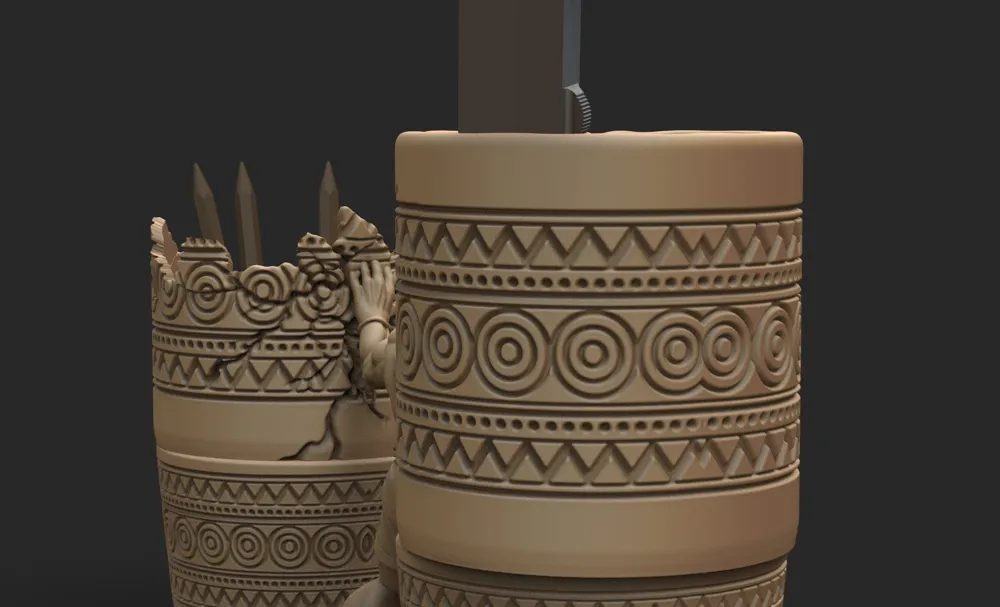
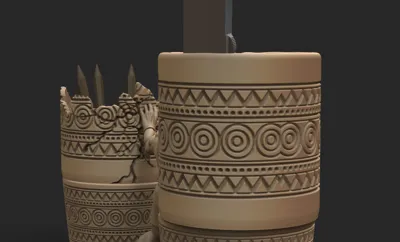
Two Support Columns: The functional elements of this object holder are represented by two substantial columns that serve as storage containers or holders for various table items. These columns are designed to reflect the architectural style of ancient Philistine temples, which archaeological evidence suggests were supported by two central wooden or stone pillars. Historical excavations at sites like Tell Qasile have revealed that Philistine temples from Samson's era (11th century BC) featured exactly this type of two-pillar support system, with pillars spaced approximately 7 feet apart - a distance a large man could span with outstretched arms.
Historical and Archaeological Context
The design draws from authentic archaeological findings that support the biblical narrative. Excavations of Philistine temples at Tell Qasile and Tell es-Safi/Gath have revealed structures with two central pillars supporting the roof, matching the biblical description. These temples typically measured around 26 by 48 feet and featured cedar wood pillars approximately one foot in diameter resting on stone bases. The architectural authenticity of the biblical account has been confirmed by scholars who note that the Hebrew text demonstrates eyewitness knowledge of actual Philistine temple construction techniques.
License

You shall not share, sub-license, sell, rent, host, transfer, or distribute in any way the digital or 3D printed versions of this object, nor any other derivative work of this object in its digital or physical format (including - but not limited to - remixes of this object, and hosting on other digital platforms). The objects may not be used without permission in any way whatsoever in which you charge money, or collect fees.


Comment & Rating (11)